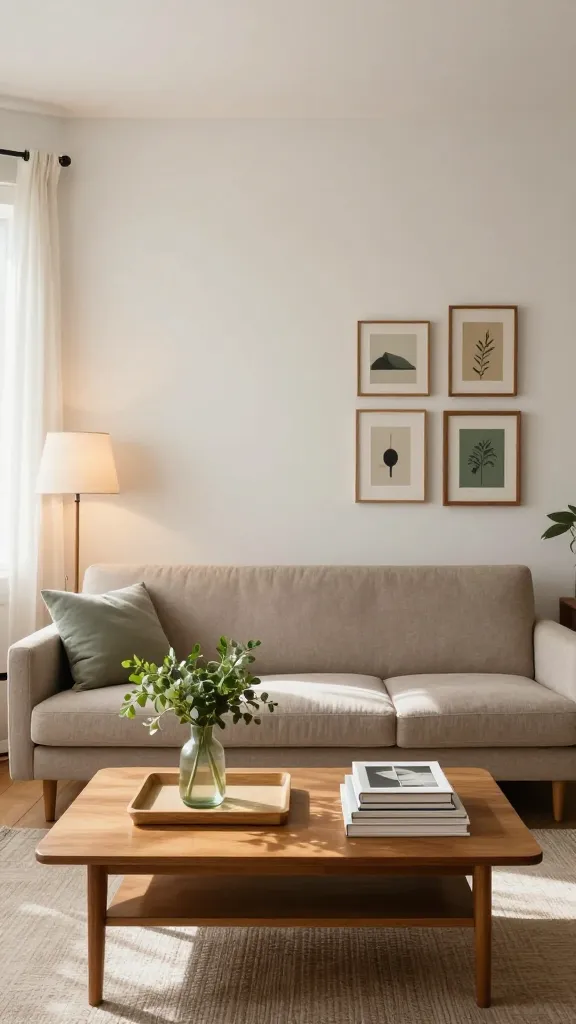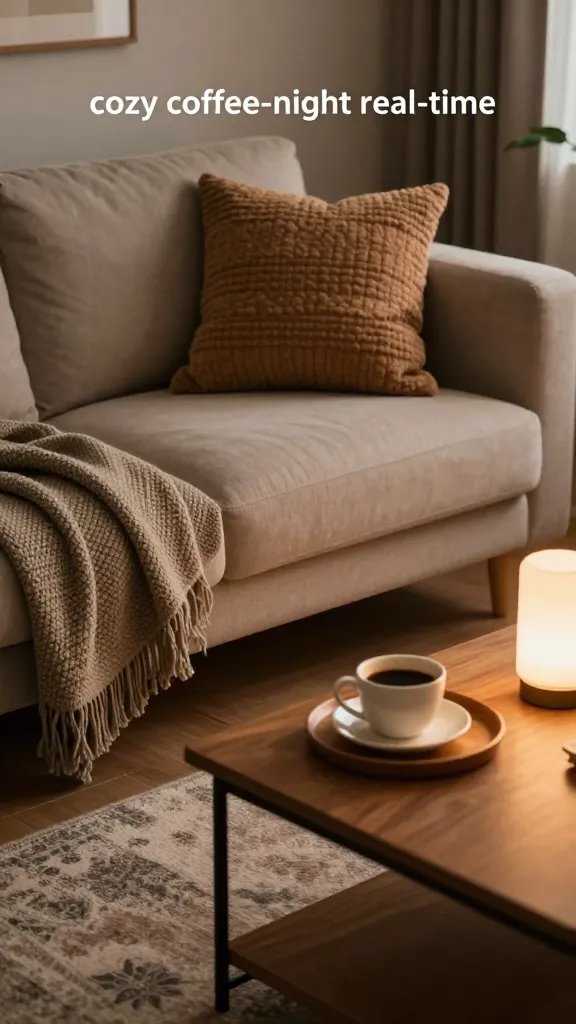
An inviting living room wafts with the scent of coffee, a soft lamp glow, and a couch that feels like it could hug you back. You’re scrolling through ideas, dreaming of a refreshed space, but your wallet is doing that sad little shrug. I get it. You want a home that looks intentional and polished, without spending a dime. Let’s dive into the fun, doable, truly free ways designers use to refresh living rooms—no money required, just creativity and a bit of elbow grease.
The secret here isn’t magic; it’s psychology and craft. The core philosophy is simple: transform the space by rearranging, repurposing, and refining what you already own. You don’t chase new trends; you chase better relationships between your furniture, fabrics, textures, and light. When you do that, a room feels curated, not cluttered. And yes, you can absolutely nail that designer vibe on a zero-dollar budget. FYI, this works even in rentals where you can’t swap paint or big furniture moves.
If you’ve ever felt stuck staring at a living room that feels “almost there” but never quite right, you’re not alone. Many designers start from the same frustration: the gap between what feels aspirational and what’s actually in the room. The good news? You can bridge that gap with five simple, totally free strategies. I’ll walk you through each one, plus practical variations so you can tailor the approach to your space, your taste, and your real-world constraints.
Ready? Let’s dive into the 5 absolutely free ways to refresh your living room, with practical actions you can start today.
1) Reimagine the Layout: The Invisible Makeover
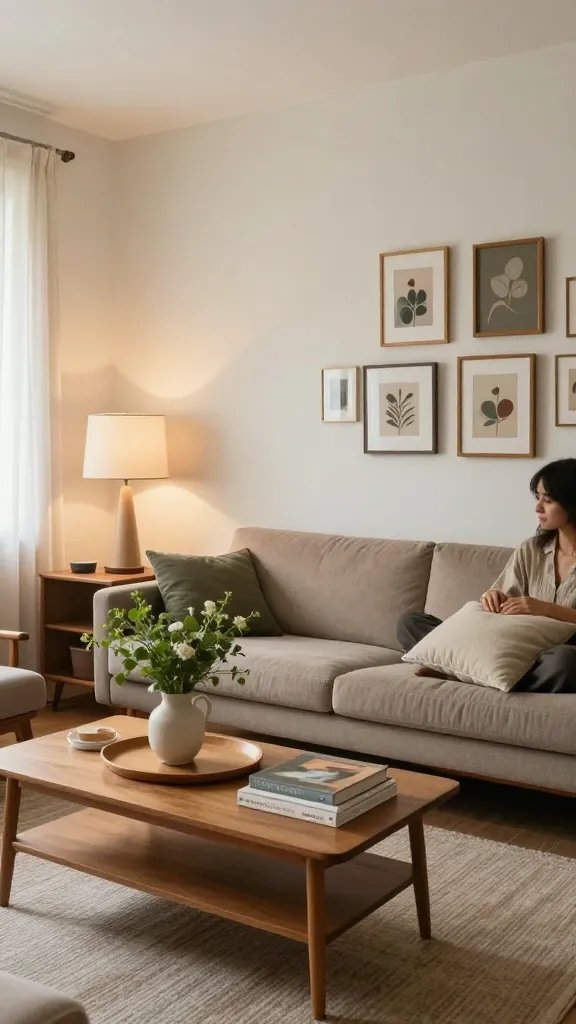
A living room’s layout is its backbone. The furniture you own already knows how to function; sometimes it just needs a new rhythm.
What to do today
- Map the space with tape. Create a few zones: conversation, reading, and a light-dedicated corner. Move pieces around until the flow feels intuitive. No tools required—just your hands and imagination.
- Prioritize sightlines. Ensure the main seating faces a focal point (fireplace, TV, window). If the focal point is upstaged by a bulky piece, swap its orientation to breathe new energy into the room.
- Play with scale. Pair a large sofa with a smaller side chair to avoid crowding. Invite negative space to breathe; it prevents the room from feeling cramped.
Why this works
– It’s free, fast, and reversible. You don’t risk damaging walls or making costly changes.
– It reshapes how you experience the room. People notice the new rhythm even if nothing looks newly bought.
Deep dive: The “pinch point” problem
If traffic bottlenecks form around a coffee table or a doorway, you’ll feel the space tighten. A quick fix is to reposition the coffee table to create more clearance or switch the seating arrangement so you can walk through without dodging furniture.
2) Texture, Color, and Layering via What You Have
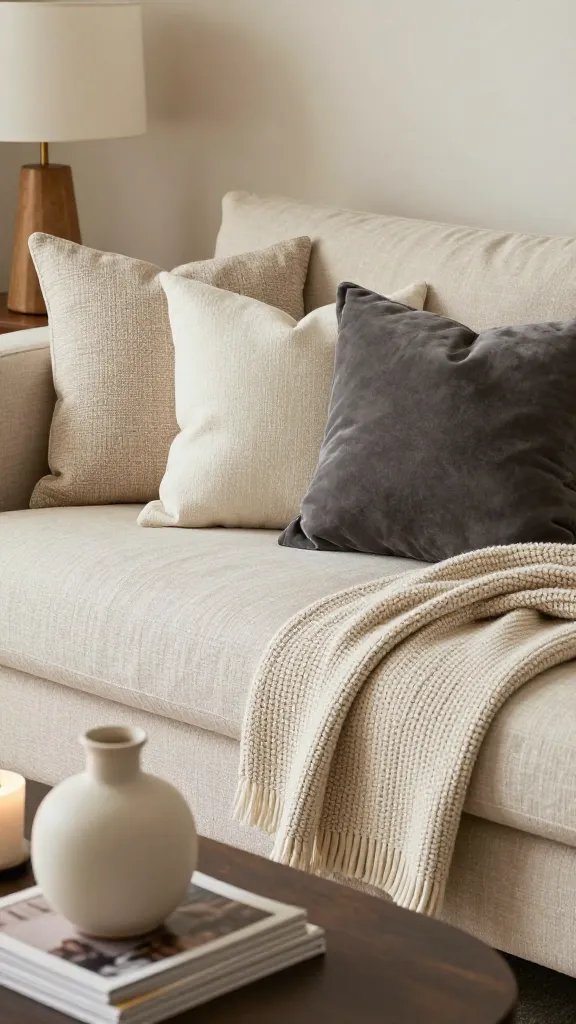
Texture and color transform mood more than you might think. This is where you play with fabric, throws, cushions, and indoor greenery—without buying a single thing.
What to do today
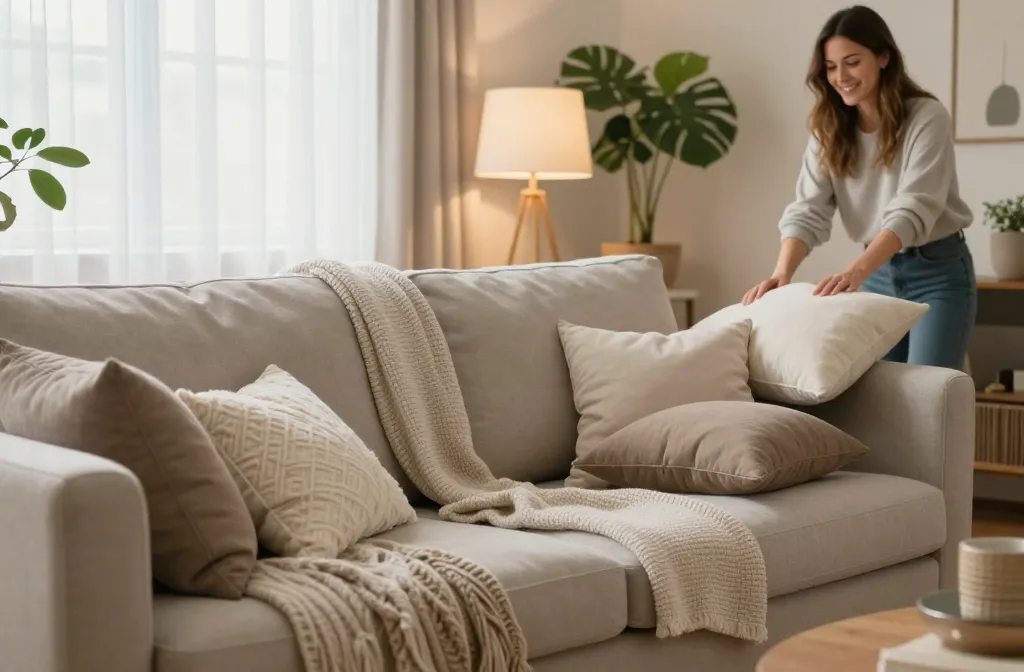
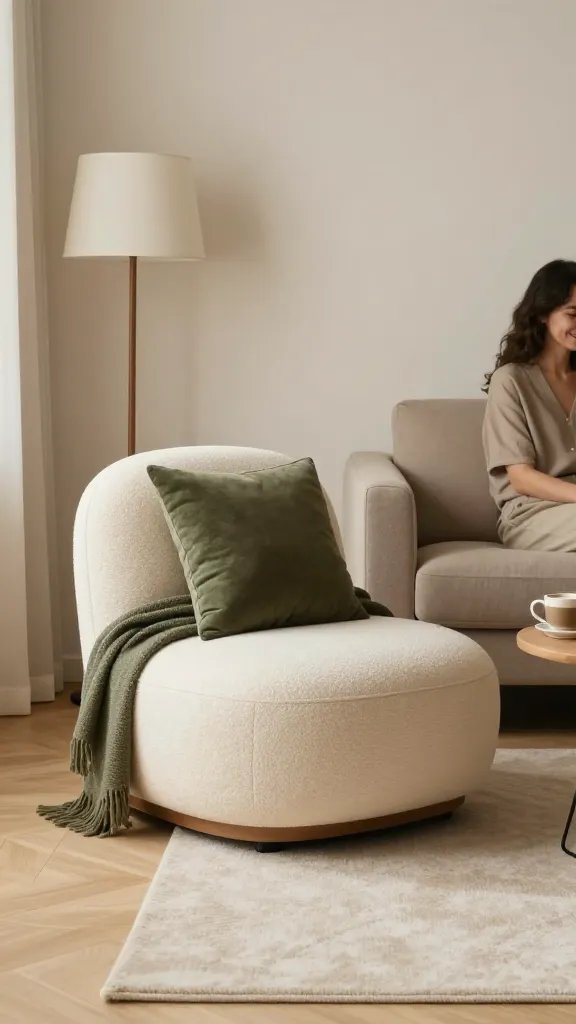
- Collect cushions from different rooms that share a common hue. Layer them in varying textures: velvet, linen, knits, and faux fur. The mix instantly looks curated.
- Swap throws across seating areas. A cozy knit on the sofa and a lighter throw on an armchair create depth and warmth.
- Repurpose textiles. Do you have a duvet cover, table runner, or curtain scraps? Use them as window swags, reupholster a chair cushion, or drape them over a bookshelf for a quick texture boost.
Why this works
– Texture adds richness without color fatigue. It makes the room feel intentional and layered.
– Color is a unifier. Even a small shift in texture can pull disparate pieces into a cohesive whole.
Subtle color play tip
If you’re wary of color changes, lean into a single dominant shade and mix in white, black, or natural wood tones. It keeps things sophisticated while still feeling fresh.
3) Lighting as the Studio Director
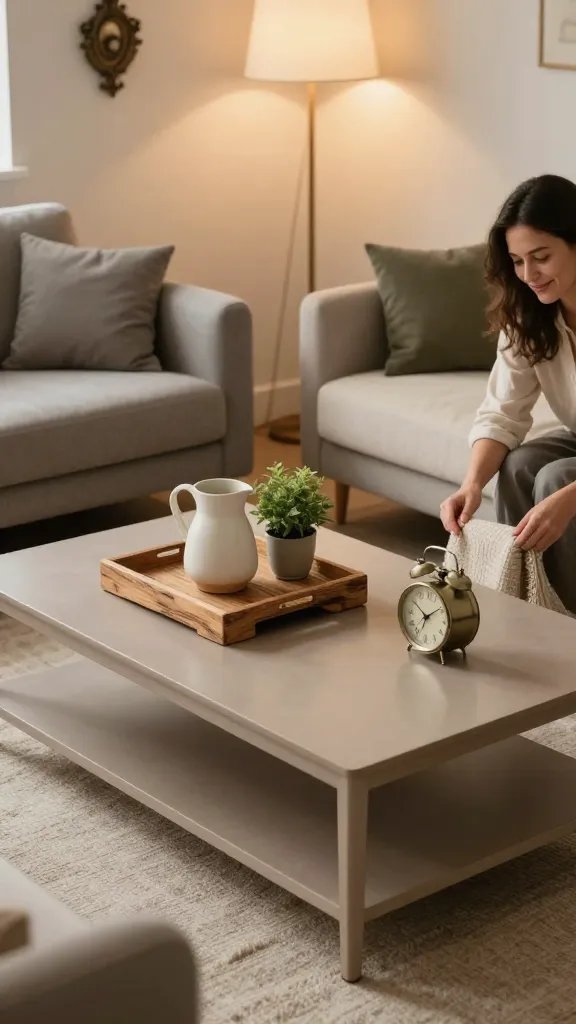
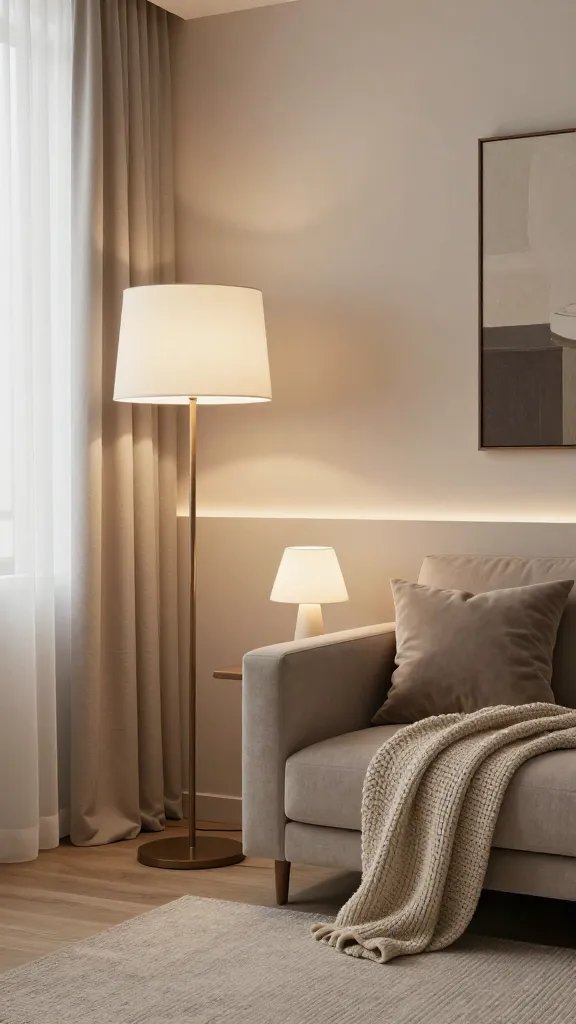
Lighting shapes mood more than any other design element. The right light makes textures pop and colors feel alive.
What to do today
- Switch up lamps. Put the brightest lamp near seating for evening TV or reading. Move dimmable lamps to create a gradient from task to ambiance.
- Layer light sources. A floor lamp, a table lamp, and a string of warm LEDs behind art or a bookshelf create depth and warmth without adding new fixtures.
- Make use of natural light. Remove heavy drapery or swap curtains for light ones. If you can, open windows to bring in air and energy.
Why this works
– Lighting is theater lighting for your space. It reveals textures, brightens corners, and can transform the room’s vibe with almost no effort.
– It’s zero-dollar magic when you already own the lamps. You just reposition them like a director.
4) Swap and Stage: The Furniture as a Gallery
Your furniture isn’t just furniture; it’s a gallery of your life. Give each piece a moment to shine, and the room suddenly reads as intentional rather than random.
What to do today
- Highlight a favorite piece. Let a chair, console, or coffee table take center stage by orienting seating to face it and keeping surrounding pieces minimal.
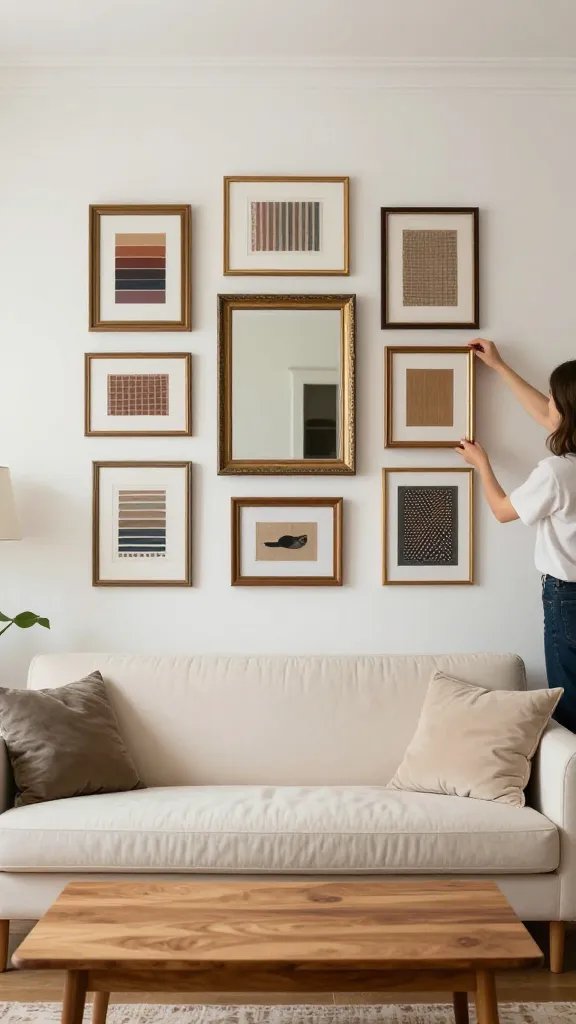
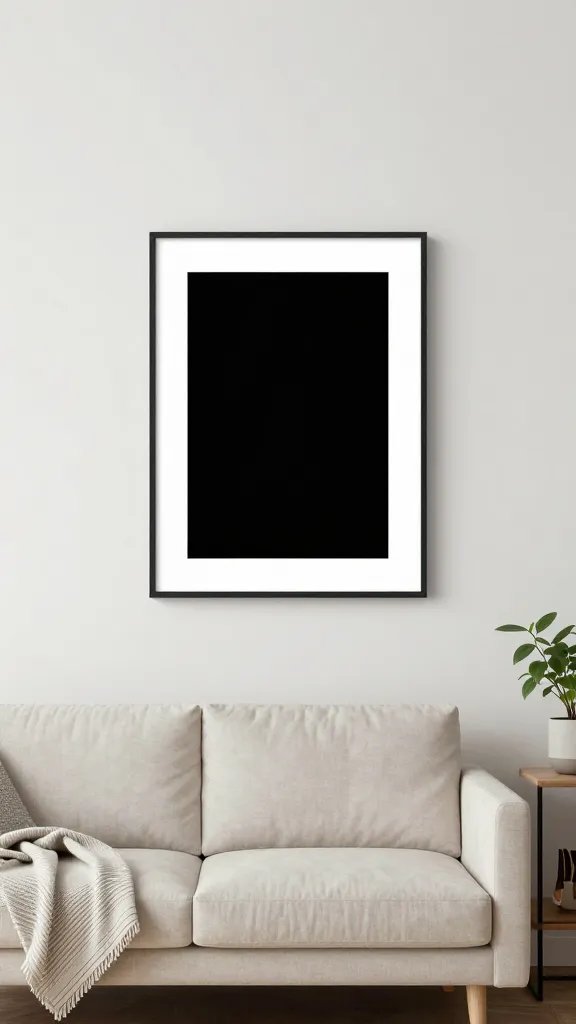
- Create a mini-gallery wall with what you already own. Mix frames, art prints, and even handwritten quotes from magazines or kids’ drawings for a personal touch—no new art required.
- Balance asymmetry. When you have a bold piece on one side, counter it with lighter, lower, or smaller objects on the other to avoid a lopsided feel.
Why this works
– It makes guests feel invited, not crowded. A focused focal point anchors the room.
– It’s a personality upgrade. Your space tells a story without any purchases.
Subsection: The “gallery wall” that doesn’t require new art
Use a mix of photos, fabric samples, and found objects. Layer frames of different sizes, and lean some pieces instead of hanging them for a casual, magazine-worthy vibe. FYI, you don’t need perfect alignment—perfectly imperfect is in.
5) Clean, Declutter, and Reframe—the Zen Reset
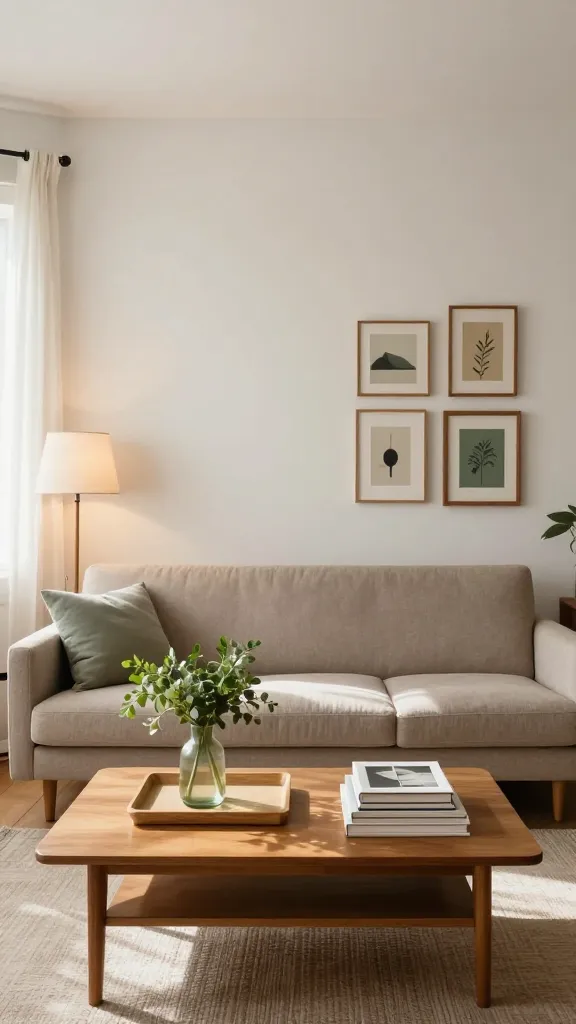
Clutter is the invisible wallpaper of chaos. Decluttering isn’t just cleaning; it’s a mindset shift that makes your space feel more expensive, calmer, and more you.
What to do today
- Do a 15-minute purge. Remove any items that don’t serve a purpose or hold emotional value. If it’s not used in the last six months, consider moving it out to a storage bin or another room.
- Use visual triads. Group items in threes (books, vases, candles) for a tidy, balanced look. It’s a classic designer trick that never goes out of style.
- Reframe surfaces. Clear coffee tables and side tables to a curated handful of objects. The negative space will make the room feel calmer and more sophisticated.
Why this works
– Clean surfaces reflect light and improve perceived room size. Your eye reads the space as bigger, cleaner, and more intentional.
– It reduces stress. A simpler, calmer room helps you recharge rather than feel overwhelmed.
Bonus: The 3-Speed Approach to Keep It Free and Fresh
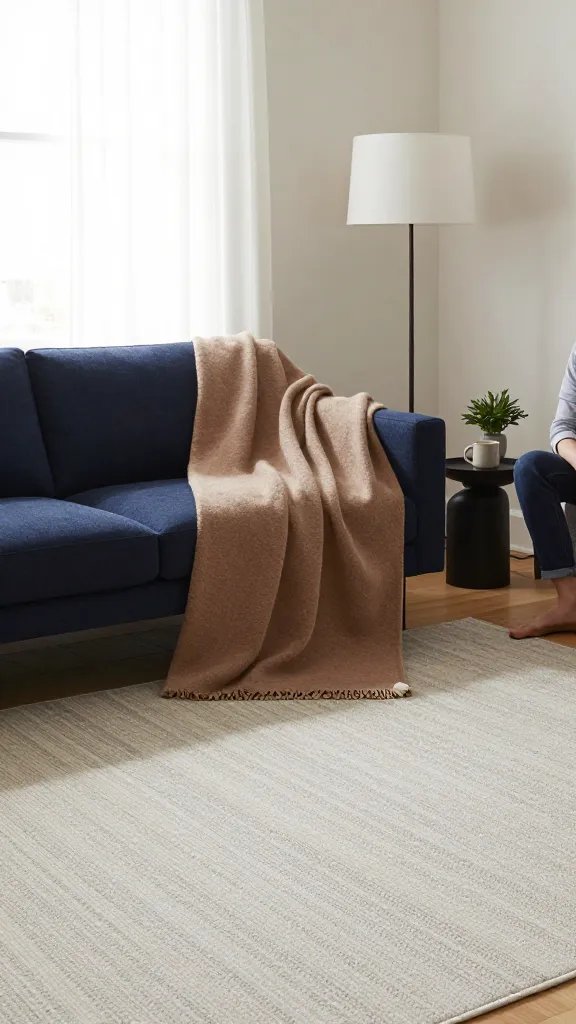
To maintain the free refresh without slipping back into old habits, adopt a simple rhythm.
– Speed pass (5 minutes): Quick reset of a single surface each morning. Wipe, declutter, place one intentional object.
– Weekly refresh (15–30 minutes): Rotate one textile, swap a lamp, or reconfigure a small area to keep the room alive.
– Monthly spotlight (60 minutes): Reassess the gallery wall, rearrange furniture for flow changes, and edit clutter across the room.
You’ll notice the space evolves with you, not against you. This approach makes the “zero-dollar” refresh sustainable and fun, not a one-off hack.
FAQ
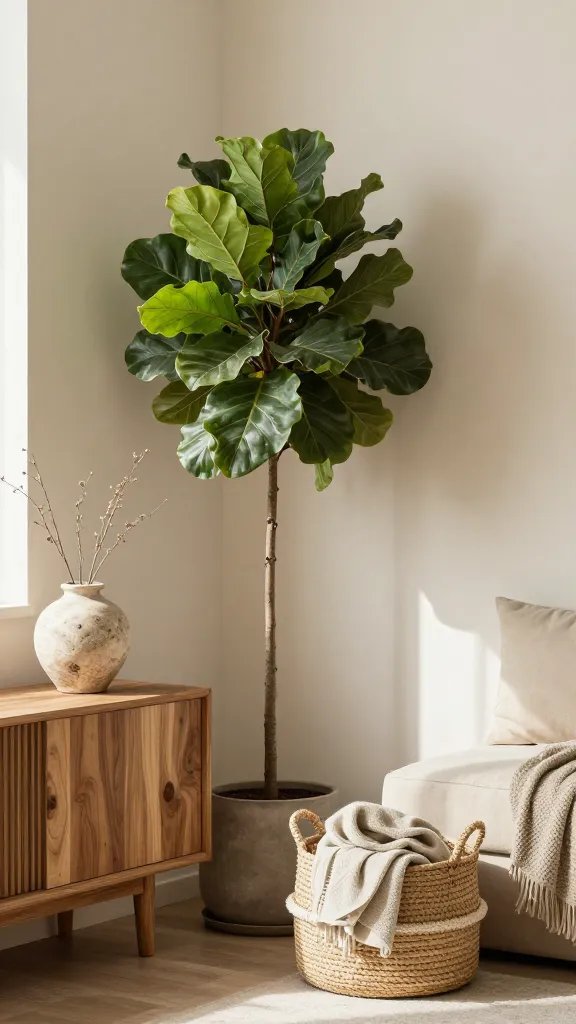
Is it really possible to refresh a living room for free?
Yes. The principles rely on rearranging what you already have, layering textures, focusing lighting, and decluttering. You can achieve a fresh look without spending a dime by being strategic with layout, accessories, and attention to daily routines.
What if I don’t have enough furniture to rearrange?
Use your accessories to create new perspectives. Swap smaller items between rooms, move cushions, throw blankets, or art. Even small shifts can transform the feel of the space, making it look more curated.
How do I maintain a designer vibe without buying new items?
Focus on balance, rhythm, and repetition. Create a cohesive color anchor, layer textiles, and curate surfaces. Minimalist cleanliness plus thoughtful placement can feel just as refined as new pieces.
What about renters who can’t modify walls or major furniture?
Work with the pieces you can move. Reposition furniture, add temporary lighting, and use removable decor like prints, textiles, and plants to refresh. Even in a rental, you can craft a sophisticated, personalized look.
How can I involve my family in this free refresh?
Turn it into a fun, collaborative project. Have a 15-minute sprint to clear clutter, then a 30-minute “decorate together” session. Share decisions on focal points and textures. It becomes a mini-design workshop that makes everyone feel invested.
Conclusion
Refreshing a living room doesn’t require a debit card or a home renovation budget. It requires curiosity, a little daring, and a willingness to experiment with what you already own. By rethinking layout, layering textures, tuning lighting, staging furniture like a gallery, and decluttering with intention, you’ll create a space that feels polished, cozy, and undeniably you—without spending a cent.
So, are you ready to start your zero-dollar makeover? Take 15 minutes, grab a friend (or your cat for moral support), and begin with one small shift. You’ll be surprised at how quickly the space shifts from “nice” to “magazine-worthy”—and you’ll have earned bragging rights for a living room that truly feels like yours.