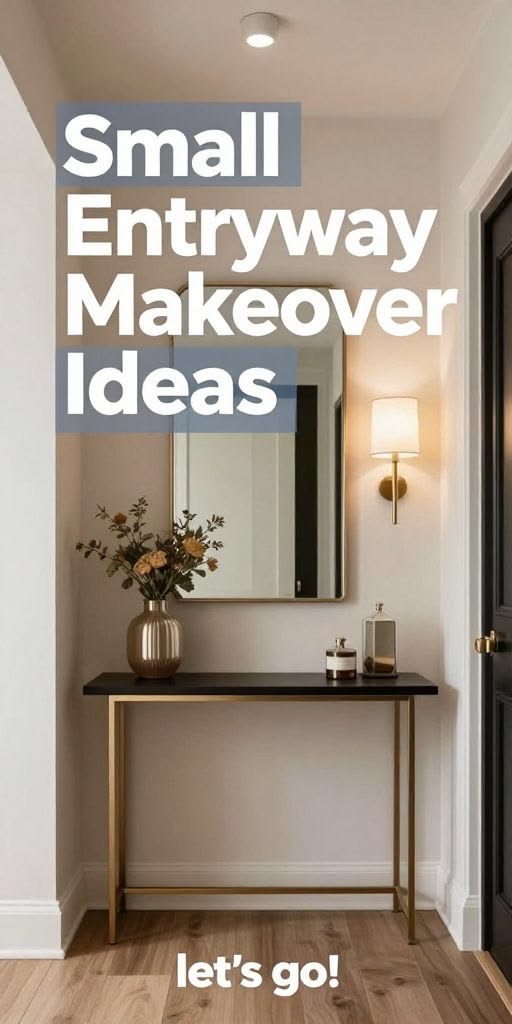
Your entryway might be tiny, but it’s also the hardest-working space in your entire home. It’s the first thing you see when you walk in, the last impression guests remember, and probably where you’ve been dumping mail and shoes for way too long. But here’s the thing: with a few strategic design moves, even the tiniest, most awkward entryway can look like it belongs in a luxury home—and I’m about to show you exactly how.
Why Your Entryway Deserves More Love Than You’ve Been Giving It
Let’s be real for a second. Most of us treat our entryways like an afterthought. We focus on the living room, obsess over the kitchen, maybe even splurge on bedroom decor—but the hallway? It gets whatever’s left over, if anything at all.
Here’s why that’s a missed opportunity: your entryway sets the tone for your entire home. It’s literally the introduction to your personal style. When you walk through that door after a long day, don’t you want to feel like you’re entering somewhere beautiful? And when guests step inside, shouldn’t they immediately get that “wow, this person has their life together” vibe?
The good news is that creating an entryway that looks expensive doesn’t require a massive space or a massive budget. It just requires smart design choices that maximize every single inch. Let’s dive into the ideas that’ll transform your cramped hallway into something Pinterest-worthy.
Small Entryway Color Ideas That Make Your Space Feel Twice Its Size
The Magic of Light and Neutral Palettes
If your entryway feels like a dark, cramped tunnel, color is your first fix. And I’m not talking about slapping any old paint on the walls—I’m talking about strategic color choices that literally trick the eye into seeing more space than actually exists.
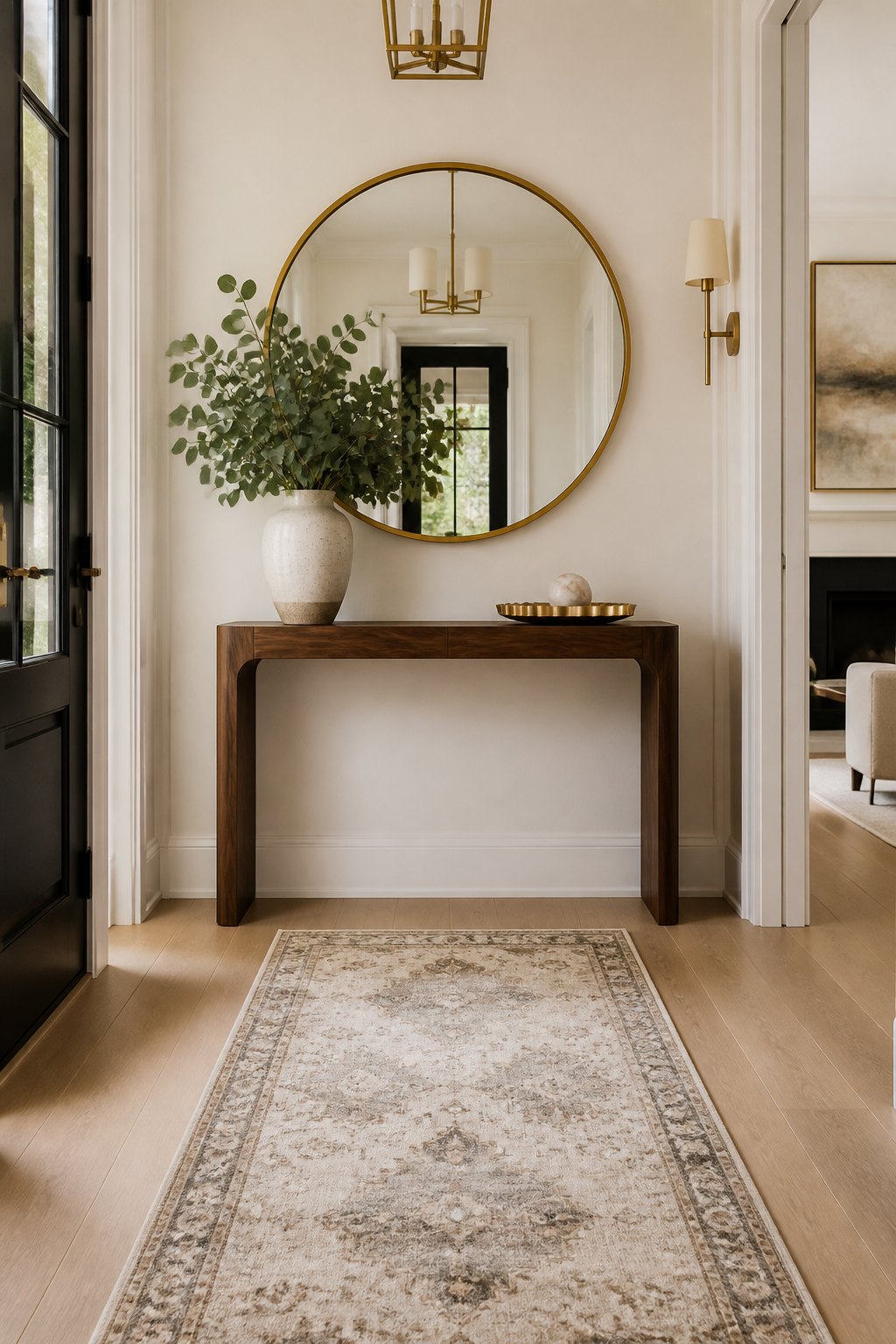
Soft whites, warm beiges, creamy taupes, and gentle greiges are your best friends here. These colors don’t just look elegant—they actively reflect light around the room, bouncing it off the walls and making everything feel open and airy. Dark, moody colors can look stunning (and we love a dramatic moment), but they absorb light, which makes small spaces feel even smaller.
Pro tip: If you’re worried about white feeling too sterile or boring, go for warm whites with creamy or slightly peachy undertones. Think “expensive latte” rather than “hospital hallway.” Your entryway should feel welcoming, not clinical.
And here’s a little secret the pros use: paint your trim, walls, and ceiling in the same light color family. This creates a seamless envelope of color that eliminates visual breaks, making the space feel continuous and—you guessed it—larger.
Furniture Ideas for Small Entryways That Won’t Crowd Your Space
Embrace Slim and Floating Pieces
Bulky furniture is the enemy of small entryways. That chunky console table you love? It might be eating up precious visual space and making your hallway feel like an obstacle course.
Instead, look for slim-profile console tables—the kind that are only 8 to 12 inches deep. Or better yet, go with floating shelves or wall-mounted consoles that keep the floor completely visible underneath. Here’s why this matters: the more floor you can see, the larger your space will feel. It’s a simple visual trick that makes a dramatic difference.
Floating furniture also has that modern, high-end look that screams “I hired a designer” even if you just ordered it online during a late-night scrolling session. Plus, it makes cleaning underneath so much easier, which is a bonus nobody talks about enough.
Hidden Storage Solutions That Keep Clutter at Bay
Clutter is the fastest way to make any space—especially a small one—feel chaotic and cheap. But here’s the problem: entryways naturally collect stuff. Keys, mail, dog leashes, that random screwdriver you used once and never put away… it all ends up in the entryway.
The solution? Built-in storage or clever hidden compartments. Wall-mounted cabinets with closed doors, benches with lift-up seats for shoe storage, or slim drawers built into your console table can hide all that everyday chaos while keeping your space looking clean and intentional.
Out of sight really does mean out of mind—and when your surfaces are clear, the whole space instantly feels more expensive and put-together. Copy this idea: a simple floating shelf with a pretty tray to corral keys and sunglasses, plus a hidden basket underneath for dog walking supplies.
Design Tricks That Add Visual Height to Small Entryways
Use Vertical Elements to Draw the Eye Upward
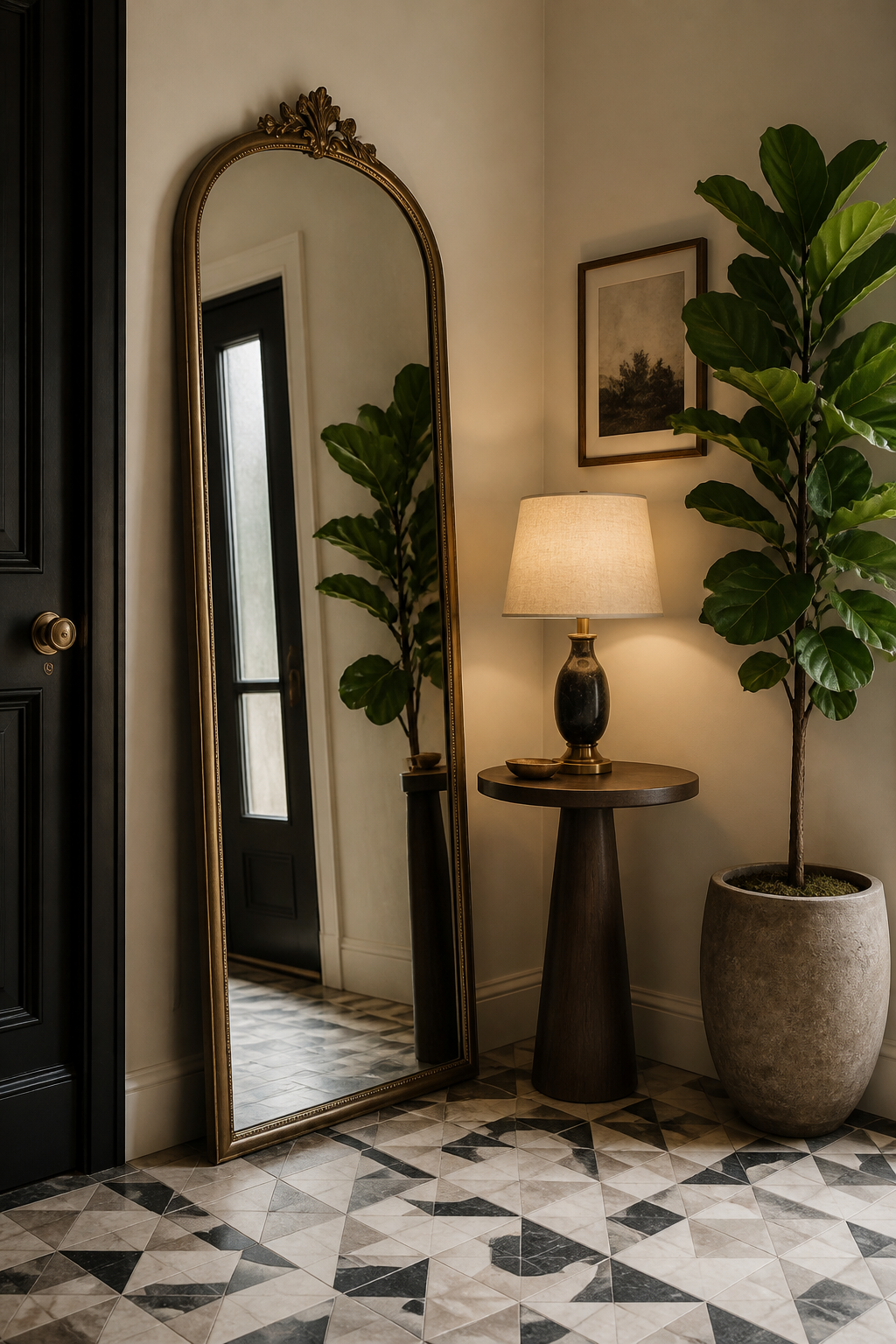
When you can’t expand outward, expand upward. Vertical design elements are one of the sneakiest ways to make a small entryway feel more spacious, because they draw your eye up toward the ceiling instead of focusing on how narrow the space is.
Think tall mirrors, vertical wall paneling (shiplap or board-and-batten work beautifully here), or even a gallery wall arranged in a vertical orientation. Hanging curtains from ceiling height if you have a window can also create this illusion. The goal is to make your ceiling feel taller than it actually is.
This works because our brains interpret height as spaciousness. A room with high ceilings feels grand and luxurious, right? You might not be able to actually raise your ceiling, but you can certainly make it look higher with the right design moves.
The Power of a Large Mirror for Creating Depth
If you only do one thing from this entire article, make it this: hang a large mirror in your entryway. Seriously, this is the oldest trick in the interior design book, and it still works like magic.
A well-placed mirror reflects both light and the surrounding space, instantly making your entryway feel twice as wide and significantly brighter. It’s like adding a window where one doesn’t exist. Plus, it’s functional—you can do a quick outfit check before heading out the door.
For maximum impact, go big. A floor-to-ceiling leaning mirror or an oversized wall-mounted mirror creates way more drama than a tiny decorative one. And if you can position it to reflect something beautiful—like a light fixture or a piece of art—even better. Pin this for later: mirrors opposite light sources double the brightness in small spaces.
Small Entryway Lighting Ideas That Add Instant Luxury
Let’s talk about lighting, because this is where a lot of DIY entryway makeovers fall flat. You can have perfect paint, beautiful furniture, and gorgeous decor, but if your lighting is just one sad overhead bulb, the whole space will still feel builder-grade basic.
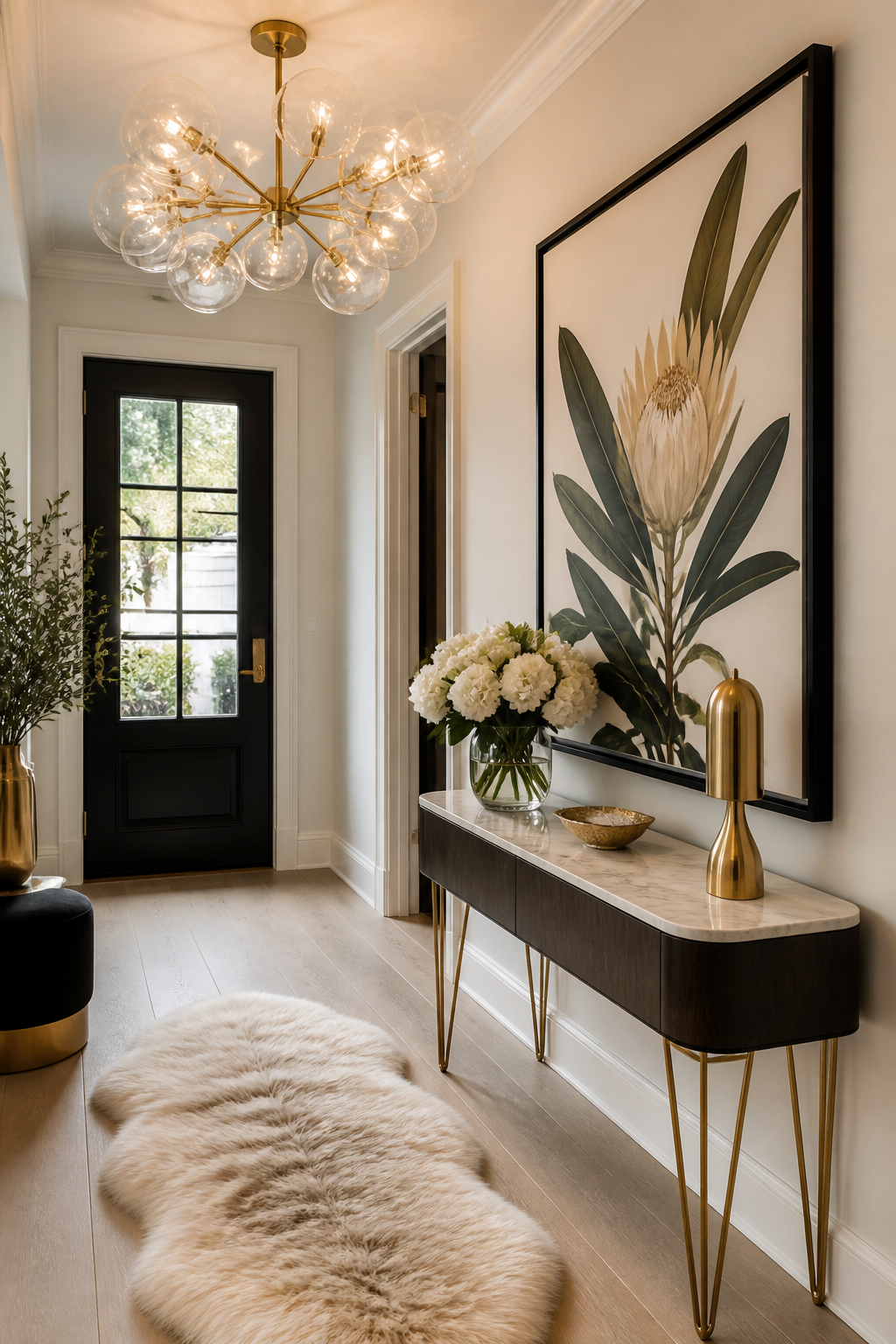
Statement lighting is one of the fastest ways to add a high-end feel to any space, and entryways are no exception. A beautiful pendant light, a modern flush-mount fixture with interesting details, or even elegant wall sconces can completely transform the vibe.
Here’s what makes lighting so powerful: it adds both function and visual interest. A stunning light fixture draws the eye upward (remember that vertical trick we talked about?), creates a focal point, and makes the whole space feel more intentional and designed.
Layer Your Lighting for a Warm, Inviting Glow
If you really want your entryway to feel expensive, don’t rely on just one overhead light. Instead, layer multiple light sources at different levels to create depth and warmth.
Combine a statement ceiling fixture with wall sconces at eye level, or add a small table lamp on your console if you have the space. You can even tuck LED strip lighting under floating shelves for a subtle, modern glow that adds serious ambiance.
This approach mimics how professional designers light larger rooms, and it makes your small entryway feel thoughtfully curated rather than just adequately lit. FYI, dimmable lights are a game-changer here—you can adjust the mood based on the time of day.
Styling and Decor Tips for a High-End Small Entryway Look
Go Minimal but Intentional with Your Decor
When it comes to decorating a small entryway, the “less is more” rule is your best friend. Instead of cluttering every surface with lots of little knickknacks, choose a few carefully selected pieces that make a statement.
A sculptural vase with fresh or faux stems, one beautiful piece of art, a decorative tray to organize essentials—that’s really all you need. Minimal doesn’t mean boring; it means every piece is intentional and earns its place.
This curated approach is what separates expensive-looking spaces from cluttered ones. It shows restraint, which always reads as sophisticated. Plus, it makes your space easier to keep clean and organized, which is a major win for high-traffic areas like entryways.
Create Flow with Consistent Flooring
Here’s a designer secret that most people overlook: using the same flooring from your entryway into adjacent rooms creates visual continuity that makes your entire floor plan feel larger and more cohesive.
When you have different flooring in every little space—tile in the entry, hardwood in the living room, carpet in the hallway—it chops up the flow and makes each area feel smaller and more disconnected. But when the flooring flows seamlessly from one space to the next, your eye travels without interruption, creating the illusion of more square footage.
If you’re renting or can’t change your flooring, a runner rug in a light, neutral color can help create this same sense of flow while adding warmth and texture underfoot.
Use Symmetry and Clean Lines for an Instantly Polished Look
There’s something about symmetry that just feels right to the human eye. A well-balanced entryway with matching sconces on either side of a mirror, or identical planters flanking a doorway, creates a sense of order and calm that immediately elevates the space.
Clean lines—think simple furniture profiles, uncluttered surfaces, and streamlined decor—make everything feel intentional and refined. It’s the opposite of the “I just threw this together” look, and it’s what gives high-end interiors that polished, magazine-worthy quality.
You don’t need to go full museum-level symmetry, but incorporating some balanced elements will make your entryway feel more thoughtfully designed. Steal this look: two matching wall sconces, a centered mirror or artwork, and a slim console underneath.
Small Entryway Storage Ideas That Keep Things Beautiful and Functional
Let’s address the elephant in the (very small) room: your entryway needs to work hard. It’s not just about looking pretty—it also needs to handle the daily chaos of coming and going.
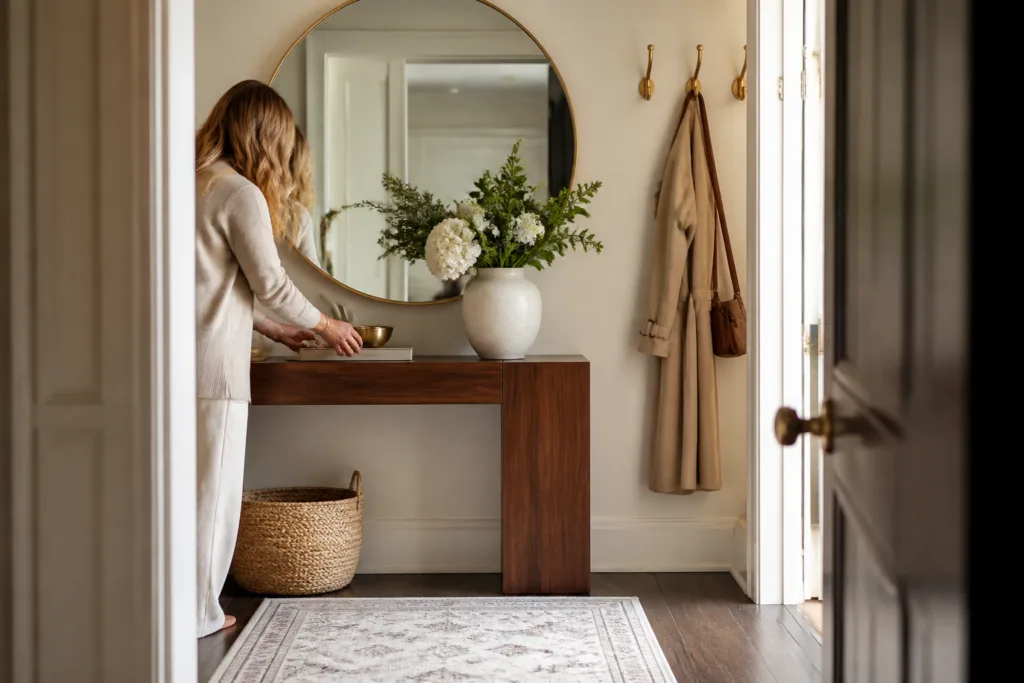
The key is finding storage solutions that are both functional and beautiful. Hooks that look like art pieces, baskets that add texture while hiding clutter, benches with secret storage compartments—these are the MVPs of small entryway design.
Consider adding a narrow shoe cabinet that doubles as a bench, or wall-mounted hooks at different heights for coats, bags, and keys. The goal is to give everything a designated home so nothing ends up piled on the floor or scattered across your carefully styled console table.
When storage looks good, you’re more likely to actually use it, which means your entryway stays looking Pinterest-perfect even during the busiest weeks.
Frequently Asked Questions About Small Entryway Makeovers
What colors make a small entryway look bigger?
Light, neutral colors are your best bet for making a small entryway feel more spacious. Soft whites, warm beiges, light grays, and creamy taupes all reflect light beautifully and create an airy, open feeling. These colors work because they bounce light around the room rather than absorbing it like darker shades do. If you want to add some personality, consider warm whites with subtle undertones rather than stark, cool whites—they’ll feel more inviting while still maximizing the sense of space.
How can I make my narrow entryway look expensive on a budget?
Focus on a few high-impact changes rather than trying to do everything at once. Paint is incredibly affordable and makes a huge difference—go with a light, neutral color. Add a large mirror, which you can often find secondhand or at budget-friendly retailers. Upgrade your lighting with one statement fixture instead of multiple expensive pieces. Keep decor minimal and intentional with just a few quality items. These strategic choices create a high-end look without breaking the bank, and they’re all things you can DIY over a weekend.
What’s the best furniture for a really small entryway?
Slim-profile pieces are essential for tiny entryways. Look for narrow console tables (8-12 inches deep), floating shelves, or wall-mounted options that keep floor space visible. Furniture with legs (rather than solid bases) creates a lighter, more open feel. If you need seating, consider a small bench with built-in storage rather than a chair that just takes up space. The key is choosing pieces that serve multiple purposes without overwhelming the limited square footage you’re working with.
How do I keep my small entryway clutter-free?
The secret is creating designated homes for everything that typically ends up in your entryway. Install hooks for coats and bags, add a tray or small bowl for keys and sunglasses, incorporate hidden storage like baskets or cabinets for items you want out of sight, and consider a shoe storage solution that keeps footwear organized. Make it a daily habit to clear surfaces—just 30 seconds before bed can keep your entryway looking intentional rather than chaotic. When everything has a specific place, it’s much easier to maintain that clean, expensive look.
Should I use dark colors in a small entryway?
While dark colors can look dramatic and sophisticated, they do absorb light and can make small spaces feel even smaller. That said, if you absolutely love a moody, dark look, you can make it work by maximizing your lighting (both natural and artificial), incorporating plenty of reflective surfaces like mirrors, and ensuring you have some lighter elements to create contrast. IMO, it’s riskier in a truly tiny space, but it’s not impossible if you’re willing to be strategic about the other design elements.
What’s the biggest mistake people make with small entryway design?
The biggest mistake is trying to cram too much into the space—too much furniture, too much decor, too many colors and patterns. Small entryways need breathing room to feel luxurious. Overcrowding them makes them feel cramped and chaotic, no matter how nice your individual pieces are. The second biggest mistake is neglecting lighting. A beautiful entryway with terrible lighting will never look expensive. Focus on keeping things minimal, intentional, and well-lit, and you’ll be miles ahead of most people’s entryway situations.
Your Small Entryway Can Be Your Home’s Best First Impression
Here’s what I want you to remember: your entryway might be small, but it has enormous potential to set the tone for your entire home. It’s not about having more square footage—it’s about using the space you have more thoughtfully.
With the right color palette, smart furniture choices, strategic lighting, and a few intentional decor pieces, even the tiniest, most awkward entryway can feel spacious, elegant, and genuinely high-end. You don’t need a designer budget or a gut renovation. You just need to make choices that maximize light, minimize clutter, and create visual flow.
So go ahead—give that overlooked little hallway the attention it deserves. Your future self (and your guests) will thank you every single time you walk through that door. And don’t forget to pin your favorite ideas for later—your dream entryway makeover is closer than you think!