If you want a kitchen that feels warm, welcoming, and endlessly practical, you’re in the right place. We’re taking grandma’s timeless wisdom and turning it into simple, doable habits. No glamour shots, just real-life routines that make cooking and cleaning feel effortless.
1. Deep Clean Your Range Hood—Yes, Really
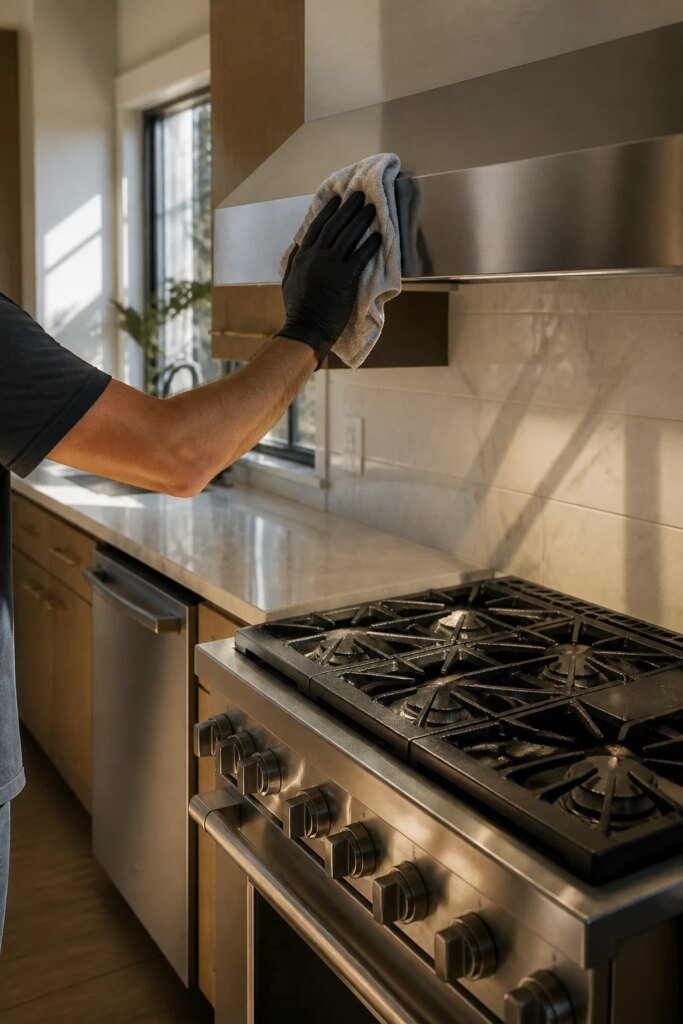
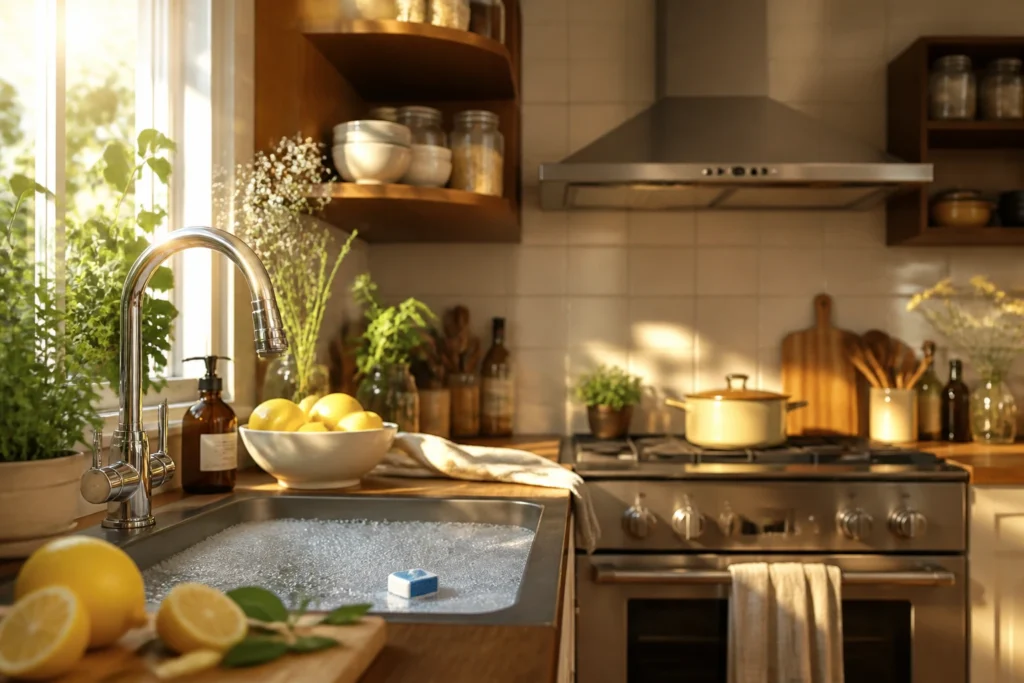
We all underestimate the grime hiding above the stove. The lesson: whenever grease piles up, tackle it head-on. So you soak the filters in the sink (a dishwashing tab helps) for a couple hours, wipe down the hood, and then run the filters through the dishwasher. The result? A hood that gleams and a stove that stays functional without mysterious drips.
Tips you can steal:
– Clean the fronts of cabinets and the tight gaps between floor and cupboards while you’re at it.
– Don’t ghost the nooks—those little spaces accumulate more gunk than you’d expect.
2. Your Oven: Gentle Chemistry or Self-Cleaning Power?
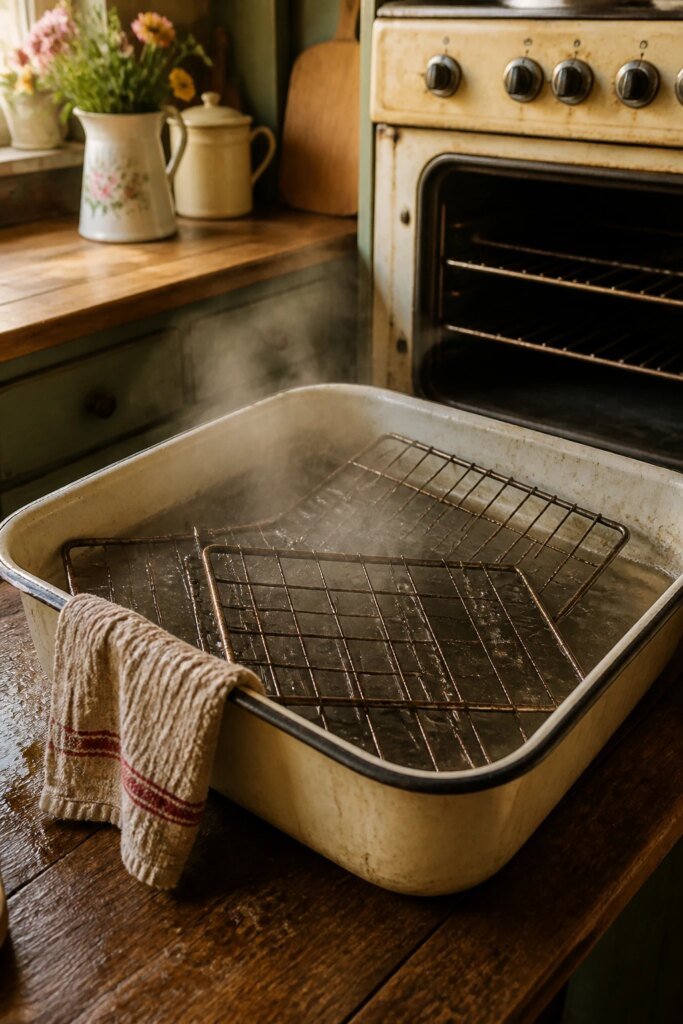
Grandma’s trick involved old-school oven racks soaking in a bath of cleaner, then scrubbing away. Today, you’ve got the option of a self-cleaning cycle, which is powerful but can be loud and hot. If you’re wary of harsh chemicals, remember there are gentler methods that still do the job. The key is to keep it from getting disgustingly dirty so you don’t feel overwhelmed when you do clean.
Practical takeaways:
– If you use chemical cleaners, ventilate and consider safer alternatives.
– Schedule a cooling window for a self-cleaning cycle so you don’t bake the house in a heatwave.
3. Don’t Forget the Sink—The Foundation of Cleanliness
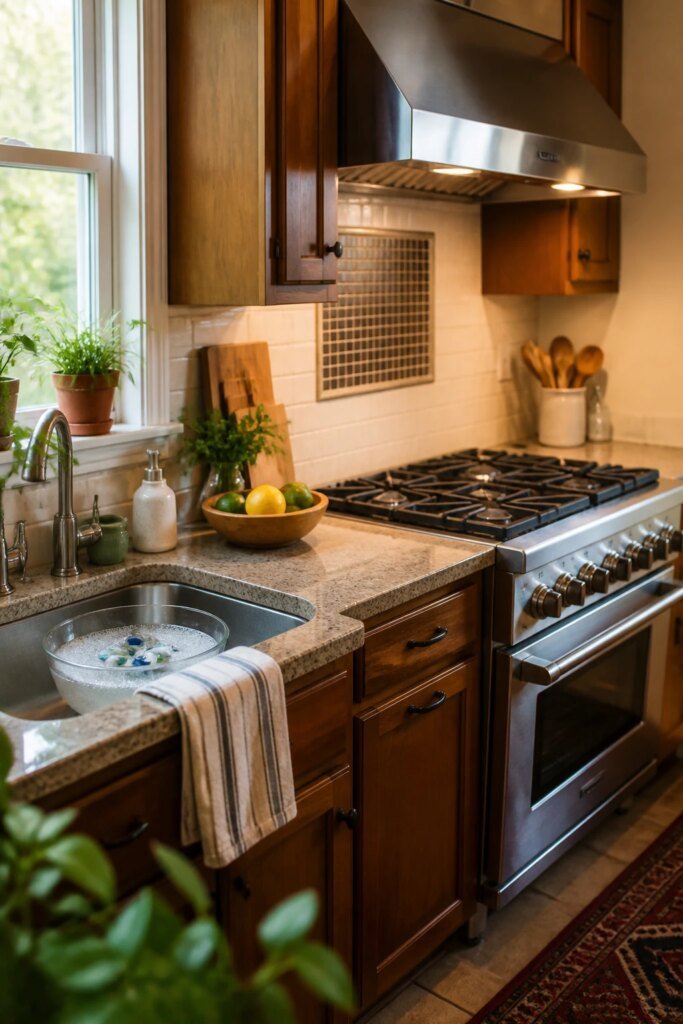
A sparkling sink isn’t just nice to look at; it’s a health thing, especially when you wash produce after contact with raw foods. Grandma’s approach was simple: a daily scrub with baking soda to remove bacteria, followed by a rinse. Some folks add a splash of hot water or a bit of vinegar for extra freshness. And for stubborn stains, Barkeeper’s Friend can come to the rescue.
Key routine:
– Daily sink cleaning with baking soda.
– Periodic scent-boost with a vinegar-hot water rinse.
– Optional: use Barkeeper’s Friend for tough stains.
4. Close the Kitchen After Dinner—A Little Ritual Goes a Long Way
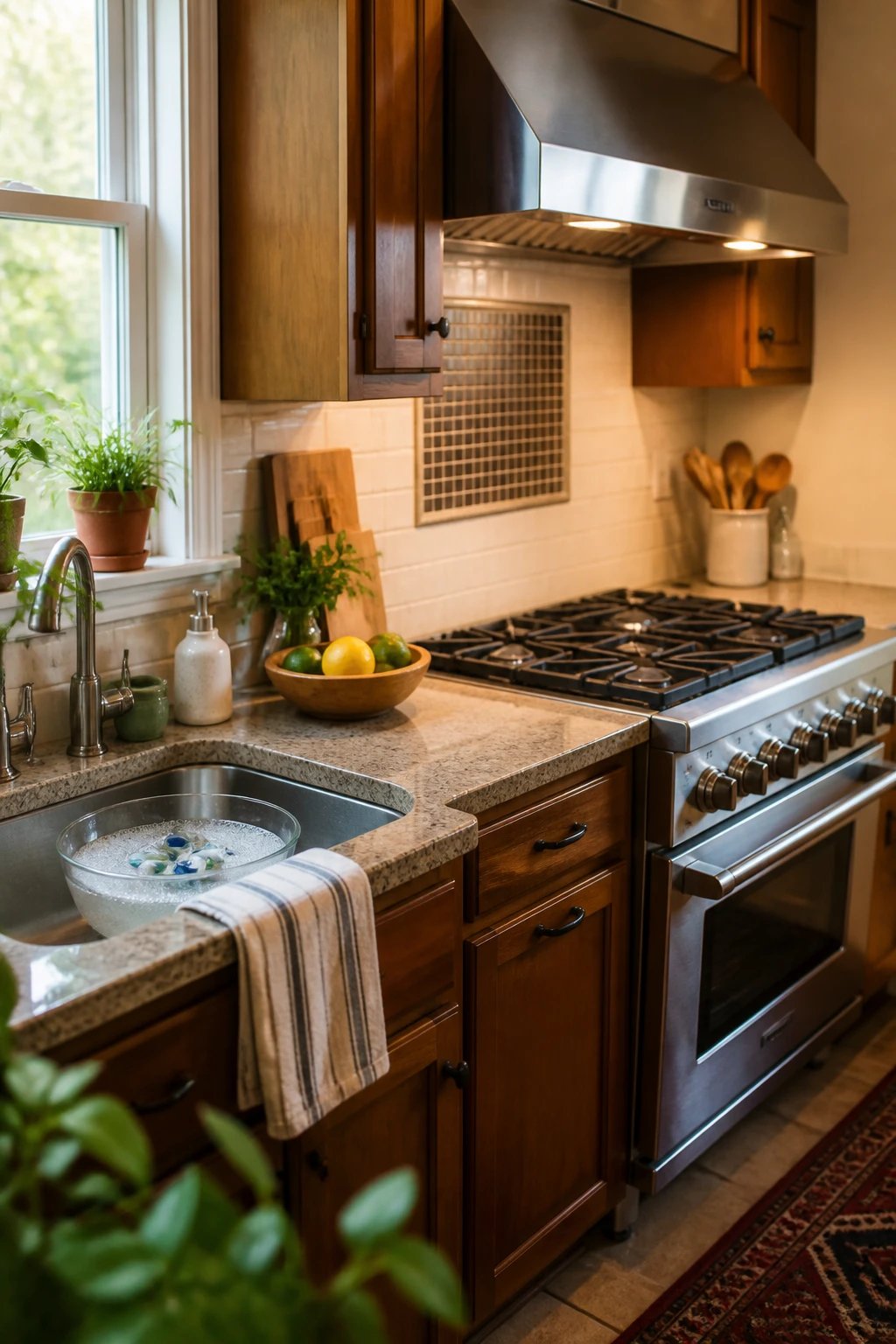
Close the kitchen after meals and you create a reset for tomorrow. It sounds strict, but it works: late-night snacks disappear, crumbs stay off the counters, and nothing lingers to haunt your morning. If you have teens or a busy household, adapt this by one person cleaning up after meals or setting a small standard—everything goes to the dishwasher or is wiped down before bed.
A few options:
– Implement “kitchen closed” after dinner and enforce it with a quick cleanup rotation.
– Use a modified rule that still keeps the space ready for the next day.
5. Clean Dishes Right Away—It’s the Secret to Less Work Later
Dishes pile up and soap becomes a fight against stubborn crusts. Grandma would nudge everyone to put dishes in the dishwasher or wash them by hand if the dishwasher was full. The philosophy is simple: clean as you go. Soaking the dishes isn’t bad, but it’s often procrastination with extra steps. The result of consistent, immediate cleaning is a kitchen that’s always ready for the next meal.
Practical approach:
– After each meal, run the dishwasher or wash by hand if it’s not full.
– If you must soak, keep it short and targeted to avoid backlog.
6. Involve the Family—A Shared Responsibility
Grandmas didn’t just cook; they organized work as a family affair. After a big meal, the kitchen gets cleaned by the group, not just the cook. It’s a powerful reminder that a home runs smoother when everyone pitches in. If you have kids or roommates, assign simple tasks and keep the momentum going.
7. Organizing Is Living Easy—Everything Has Its Place
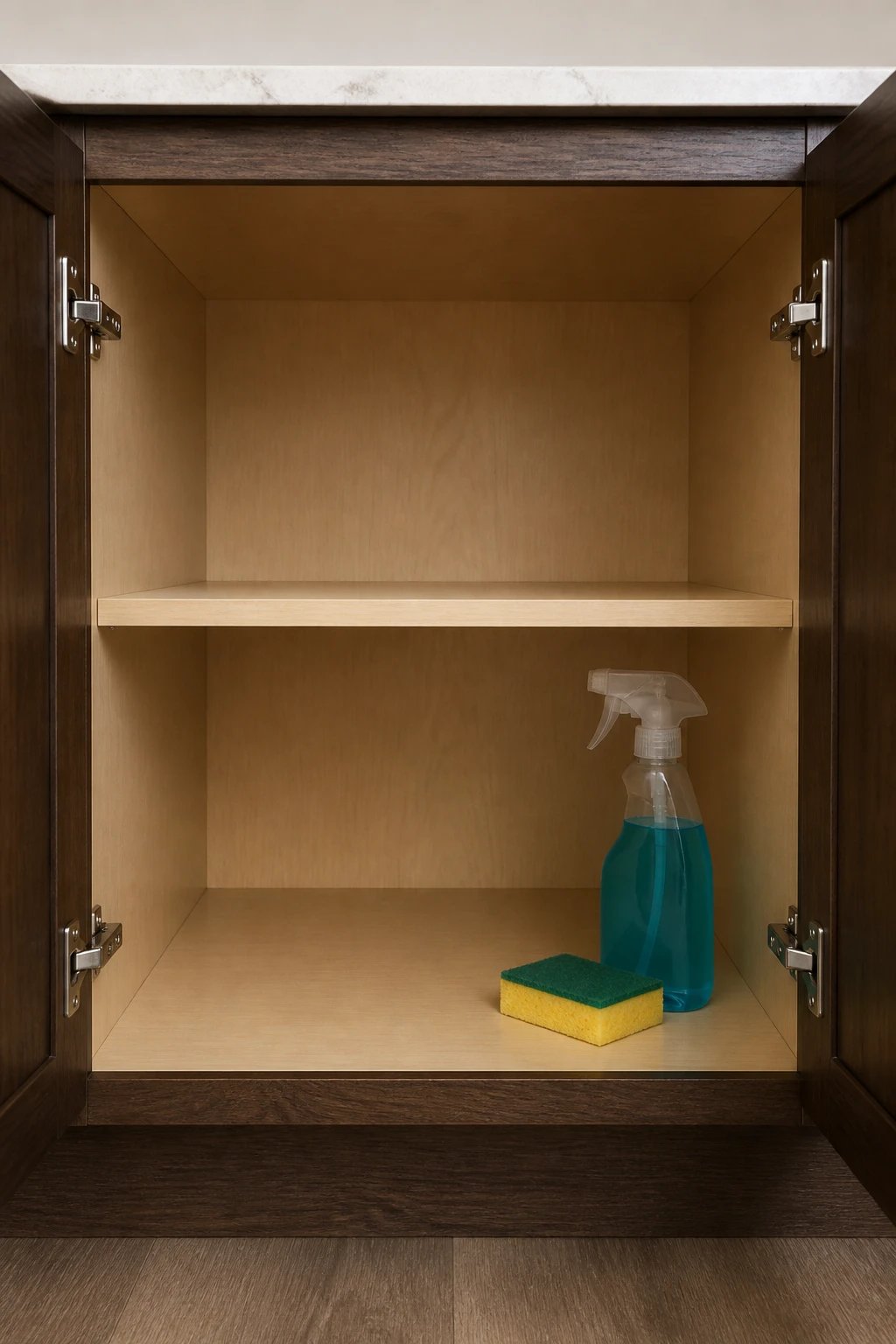
Grandma’s drawers and cupboards were neatly arranged, with bowls nested, lids matched, and tools easy to grab. The payoff is immediate: you waste less time hunting for the can opener, you fit more into smaller spaces, and you feel the satisfaction of tidy spaces. The trick is to decide on a spot for each thing and return it there after every use.
Takeaway:
– Declutter junk drawers and reorganize with a purpose.
– Use logical nesting and labeling if helpful, but keep it simple enough for everyone to maintain.
8. Reuse, Recycle, and Save with Smart Storage
Grandmas reused containers and found second lives for jars and yogurt cups. You don’t need to go all-in on a million storage systems, but a few practical containers can simplify life. If you’re short on space, repurpose pasta jars for dry goods and use lids to seal homemade dressings in jars. Be selective, use what you store, and recycle the rest.
9. Food Storage and Freshness—A Sense-Check, Not Just a Date
Food safety mattered, but grandma often relied on senses and common sense. If something smells off or looks off, don’t risk it; if you’re unsure, throw it out. On cans and staples, a routine check helps prevent waste without over-disciplining yourself.
9.1 Quick Note on Fridge Habits
Store items properly, seal bags and use clips to prevent air from creeping in. Small habits add up: prevent chips from going stale, keep leftovers neatly labeled, and rotate stock so nothing hides in the back.
10. Floors on Hands and Knees—The Deep Clean Dignity
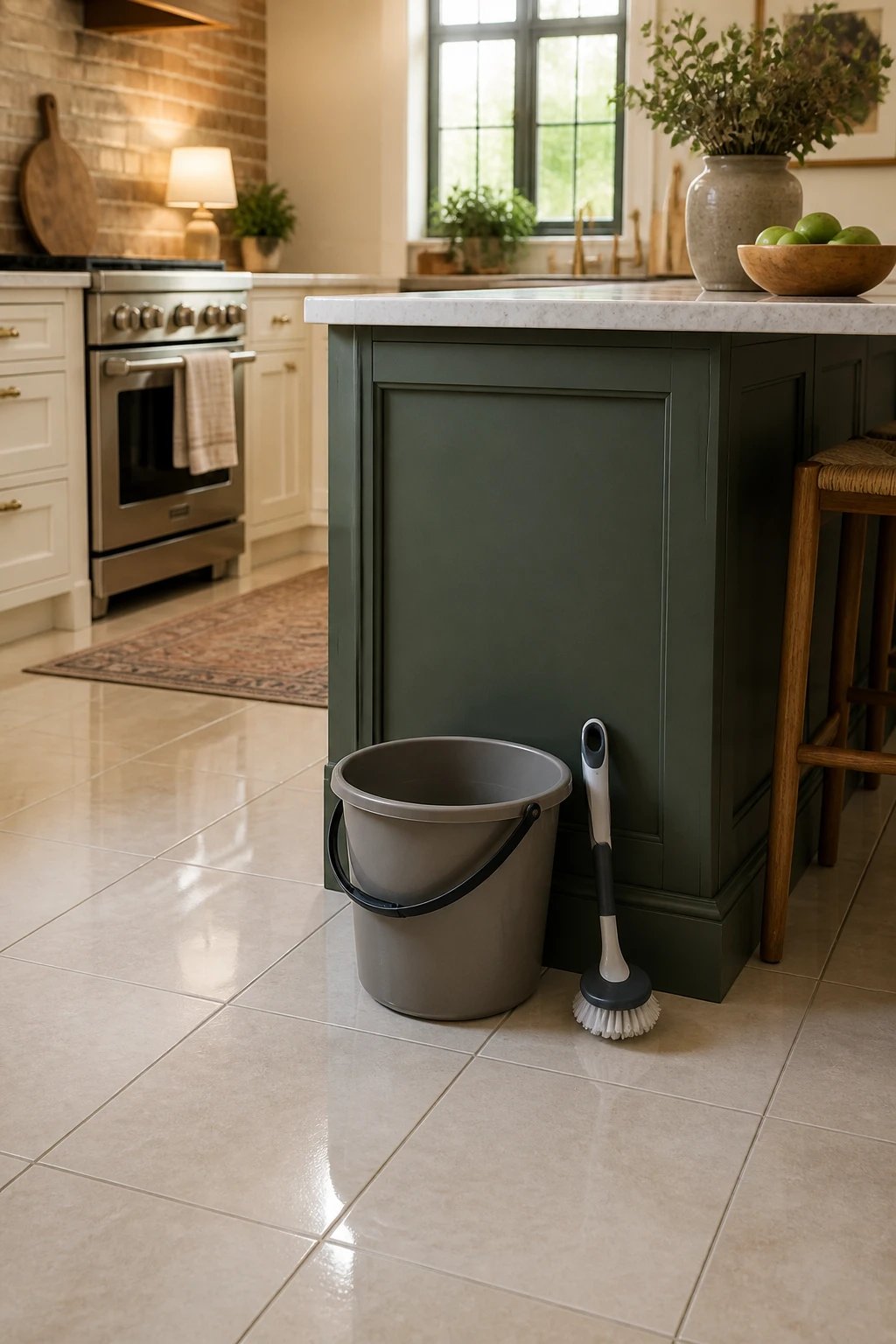
Grandma didn’t rely on a mop; she cleaned the floor on hands and knees weekly. It’s a superb way to reach corners and baseboards, and it makes the room feel different. If you’re not up for kneeling, invest in knee pads and dedicate a weekly deep-clean session. The result is a floor you truly feel happy stepping onto.
11. The Timeless Mindset: Imperfect Yet Heartfelt
Ultimately, grandma’s kitchen wisdom wasn’t about perfection. It was about making the kitchen a hub where family can gather, cook, and feel cared for. Even when things go wrong, the kitchen remains a space to fix with soap, water, and a little common sense. The heart of the home beats fastest here.
Conclusion
Grandma’s routines aren’t relics of a bygone era; they’re practical, timeless strategies that simplify your life today. Pick two or three habits, start small—like cleaning the sink daily—and watch the ripple effect transform your kitchen into a supportive, low-stress hub. If you want a home where cleanliness meets coziness, these rules are your blueprint. So, are you ready to adopt a grandma-inspired routine and feel the difference?
FAQ
What’s the first small change I should make?
Start by cleaning the sink daily. It sets a foundation for the rest of your kitchen and makes other tasks feel more manageable.
How often should I deep clean the range hood?
Aim for a deep clean every few months, especially if you notice grease buildup or drips. Soak the filters, spray the hood, and wipe away residue.
Is a self-cleaning oven worth it?
If you’re comfortable with the heat and smell, yes. It’s convenient for heavy buildup, but you can still clean the oven with gentler methods if you prefer.
Should the kitchen be closed at night?
Closing the kitchen after dinner helps keep it clean and ready for the next day. If that feels too strict, implement a lighter rule like “no snacks after dinner” and a quick wipe-down before bed.
How can I get my family to help with cleaning?
Make it a shared habit—assign simple tasks after meals and celebrate small wins. A little accountability goes a long way in turning cleaning into a team effort.
What’s the practical takeaway from grandma’s wisdom?
Clean as you go, organize with intention, and remember that the kitchen is the heart of the home. Simple routines beat fancy hacks every time.