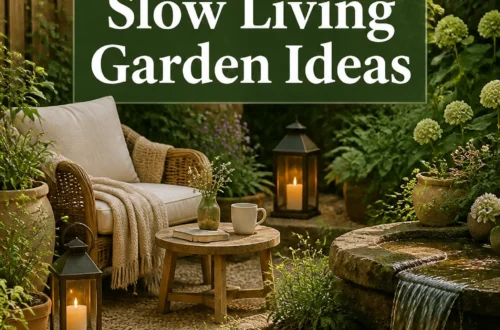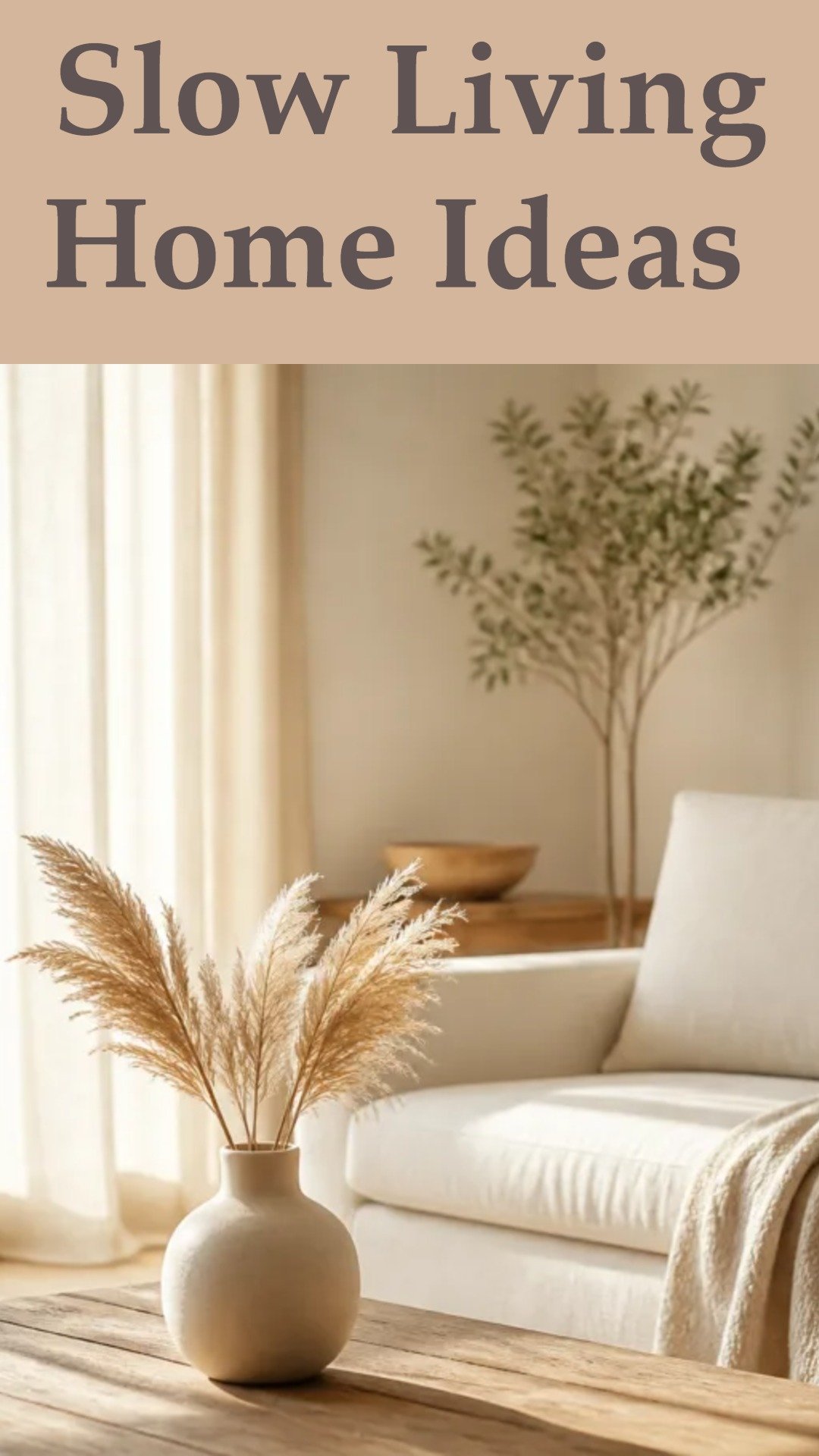
Ready to hit pause on the chaos and create a home that actually helps you breathe? If you’re craving a slower, more intentional way of living, your home decor can be your secret weapon. Let’s dive into gorgeous, calming design ideas that’ll turn your space into the peaceful retreat you’ve been dreaming about. Pin these ideas and get ready to fall in love with your home all over again.
Why Your Home Decor Actually Matters for Slow Living
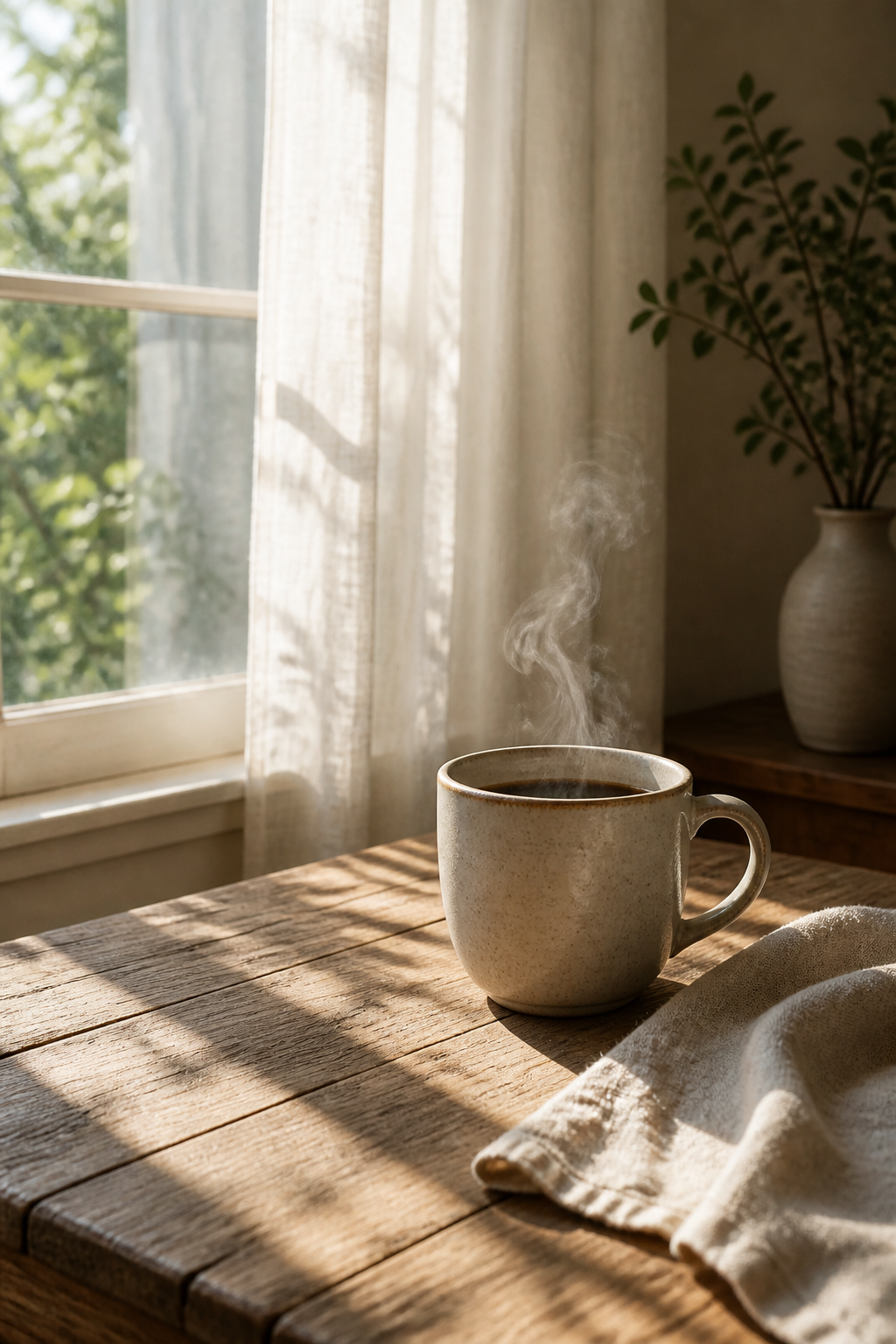
Here’s the thing: slow living isn’t just about doing less—it’s about doing things with more intention and presence. And while it’s not purely about pretty spaces, the way you design your home can either support this lifestyle or work against it.
Think of your home as a partner in your slow living journey. When your spaces are thoughtfully designed, they naturally encourage you to linger over morning coffee, savor conversations, and actually notice the little moments that make life beautiful. Your environment shapes your behavior, so why not make it work in your favor?
The best part? Creating a slow living home doesn’t require a massive renovation or endless budget. It’s about intentional choices that invite calm, comfort, and connection into every room.
Calm Living Decor Starts With Simplicity (And Less Stuff)
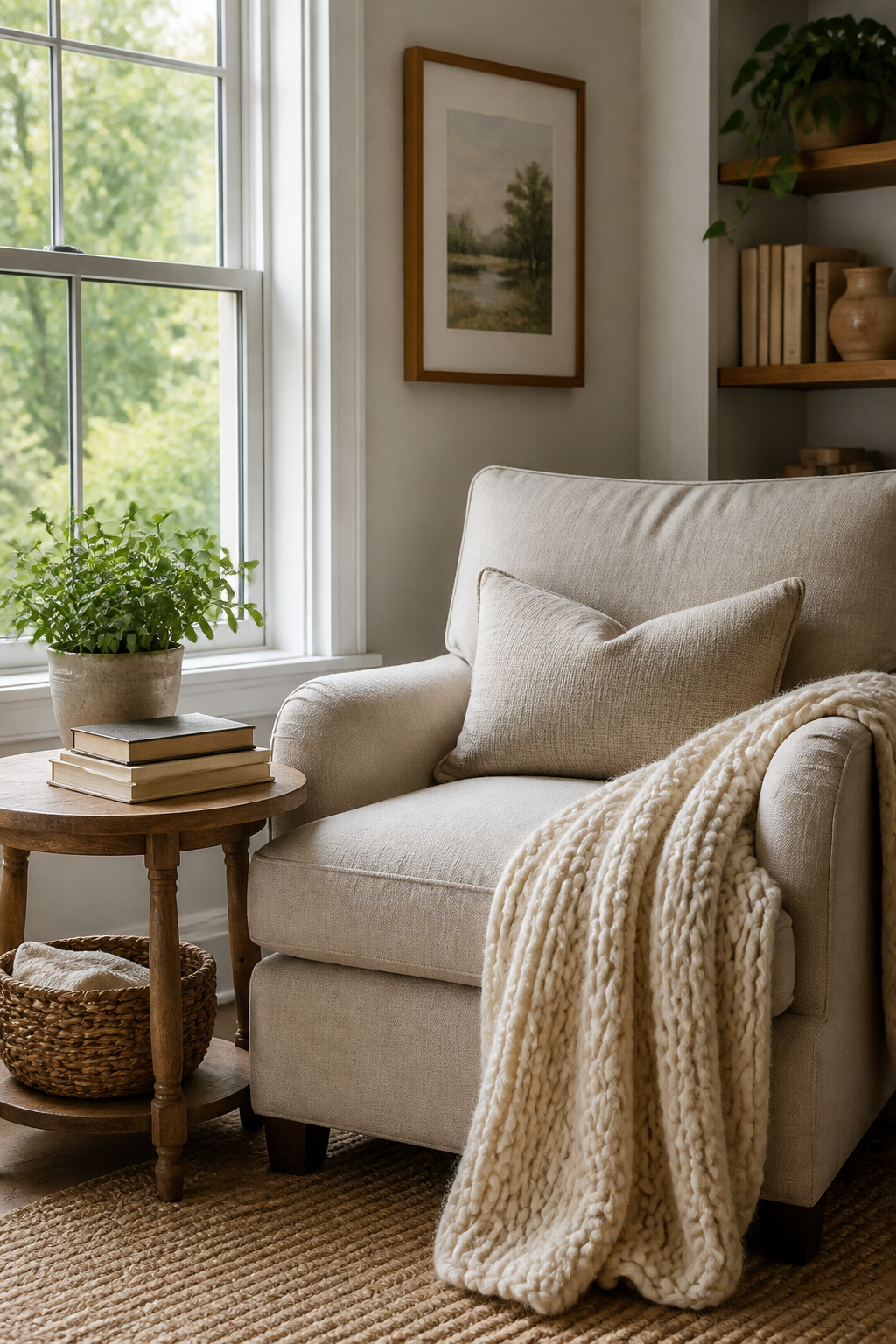
Declutter Your Way to Tranquility
Let’s be real: you can’t slow down and relax when you’re surrounded by visual noise. Clutter is basically the opposite of calm, and it’s silently stressing you out every time you walk into a room.
Start by eliminating the excess. I’m not saying you need to go full minimalist (unless that’s your vibe), but creating breathing room in your spaces is essential. When your eyes have fewer things to process, your mind can actually rest.
Invest in smart storage solutions that keep everyday items tucked away but accessible. Beautiful baskets, closed cabinets, and drawer organizers are your best friends here. Make it a daily habit to tidy up—just ten minutes before bed can keep your home feeling serene and ready for a peaceful morning.
The Magic of Neutral Color Palettes
Neutral colors are like a deep exhale for your eyes. Soft whites, warm beiges, gentle grays, and earthy tones create an instantly calming atmosphere that flows seamlessly from room to room.
But neutral doesn’t mean boring! Look for desaturated hues that add subtle interest while maintaining that peaceful vibe. Think dusty sage, muted terracotta, soft lavender, or warm taupe. These colors are inspired by nature and create those relaxing, grounded spaces that make you want to slow down and stay awhile.
The beauty of a neutral palette is its versatility. You can easily refresh your space with textiles and accessories without disrupting the overall calm. Copy this idea: choose three neutral base colors and add one or two soft accent shades for variety.
Bring the Outdoors In for Natural Calm Living Decor
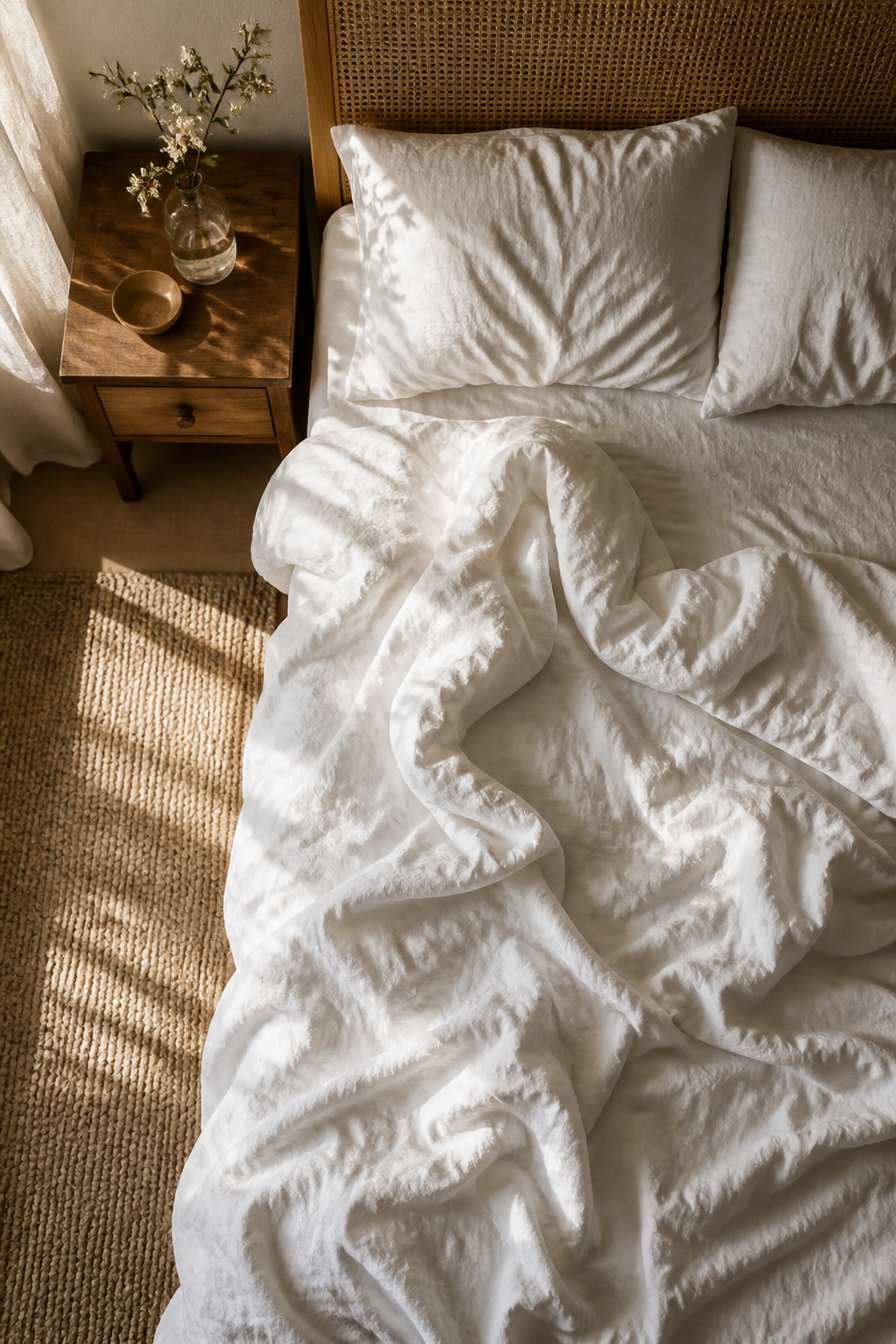
Maximize Natural Light and Views
Nothing says slow living quite like natural elements. If you want to create a truly peaceful home, your first priority should be maximizing natural light and connecting to outdoor views.
Keep window treatments simple and sheer when possible, allowing sunlight to filter through gently. If privacy is a concern, consider top-down bottom-up shades that let light in while maintaining coverage where you need it.
Position your favorite seating areas near windows where you can enjoy natural views and changing light throughout the day. There’s something incredibly grounding about watching clouds drift by or trees sway in the breeze while you sip your tea.
Layer in Greenery and Natural Materials
Plants are non-negotiable for slow living spaces. They literally reduce stress, purify air, and create an instant connection to nature. Even if you’re not a plant expert, start with easy-care options like pothos, snake plants, or peace lilies.
Beyond greenery, incorporate natural materials throughout your home: wood furniture, stone accents, linen textiles, rattan baskets, and ceramic pottery. These organic elements create a peaceful atmosphere that feels both timeless and grounding.
The goal is to blur the lines between indoors and outdoors, creating spaces that feel like nature-inspired sanctuaries. Your nervous system will thank you.
Create Intentional Spaces for Slowing Down
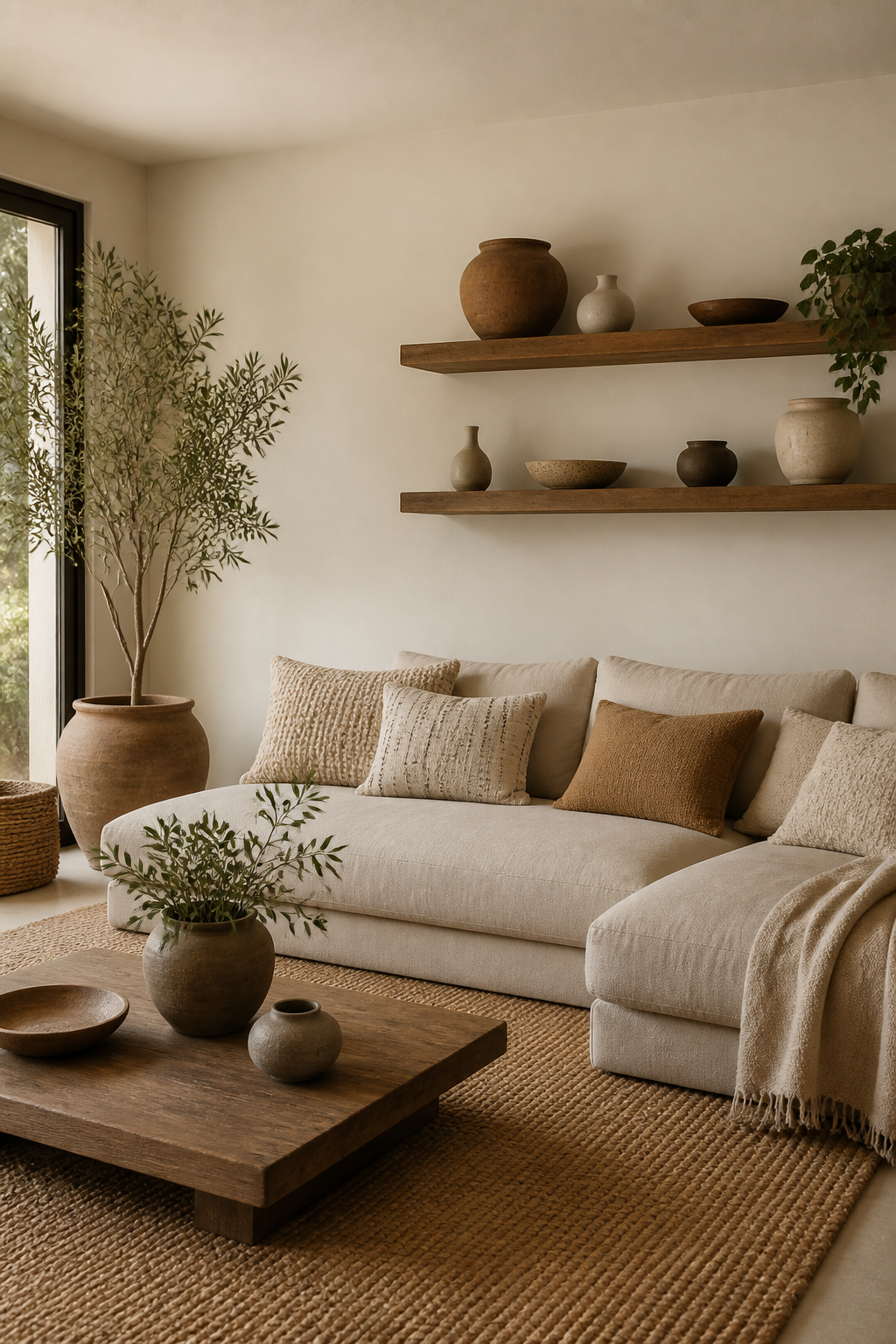
Transform Your Kitchen Into a Joyful Creative Space
Fun fact: the slow living movement actually started with slow food. The idea is simple—take time to savor the entire process of cooking and eating, making it enjoyable rather than rushed.
Set up your kitchen so food preparation feels like a creative, pleasurable experience rather than a chore. Organize your tools and ingredients so everything you need is easy to find. Display beautiful dishes, invest in quality cookware you love using, and create a prep area with good lighting and counter space.
Don’t forget about the dining experience! Set a pretty table, even on ordinary weeknights. Use cloth napkins, light a candle, play soft music. These small rituals transform everyday meals into moments worth savoring. Pin this for later: slow living isn’t about perfection, it’s about presence.
Design Living Spaces That Encourage Lingering
Your public spaces—living rooms, dining areas, reading nooks—should practically beg you to stay awhile. This means prioritizing comfort over everything else.
Choose deeply cushioned, upholstered seating that supports long conversations and lazy Sunday afternoons. Arrange furniture to encourage face-to-face interaction rather than just facing the TV. Add soft throws and pillows that invite you to curl up and relax.
Consider creating multiple seating areas if space allows. A cozy chair by the window for morning coffee, a comfortable sofa for family time, a floor cushion setup for casual gatherings—variety gives you options for different moods and activities.
Turn Private Spaces Into Restful Retreats
Your bedroom and bathroom should be sanctuaries dedicated to rest and rejuvenation. These are the spaces where slow living truly comes alive.
In the bedroom, invest in quality bedding that feels amazing against your skin. Layer your lighting so you can adjust the mood—overhead lights for function, bedside lamps for reading, maybe even some string lights or candles for ambiance.
Bathrooms deserve the same attention. Plush towels, a beautiful robe, gentle lighting, and your favorite scents can transform a basic bathroom into a spa-like retreat. Even a small bathroom can feel luxurious with the right touches.
Engage All Your Senses for a Truly Peaceful Home
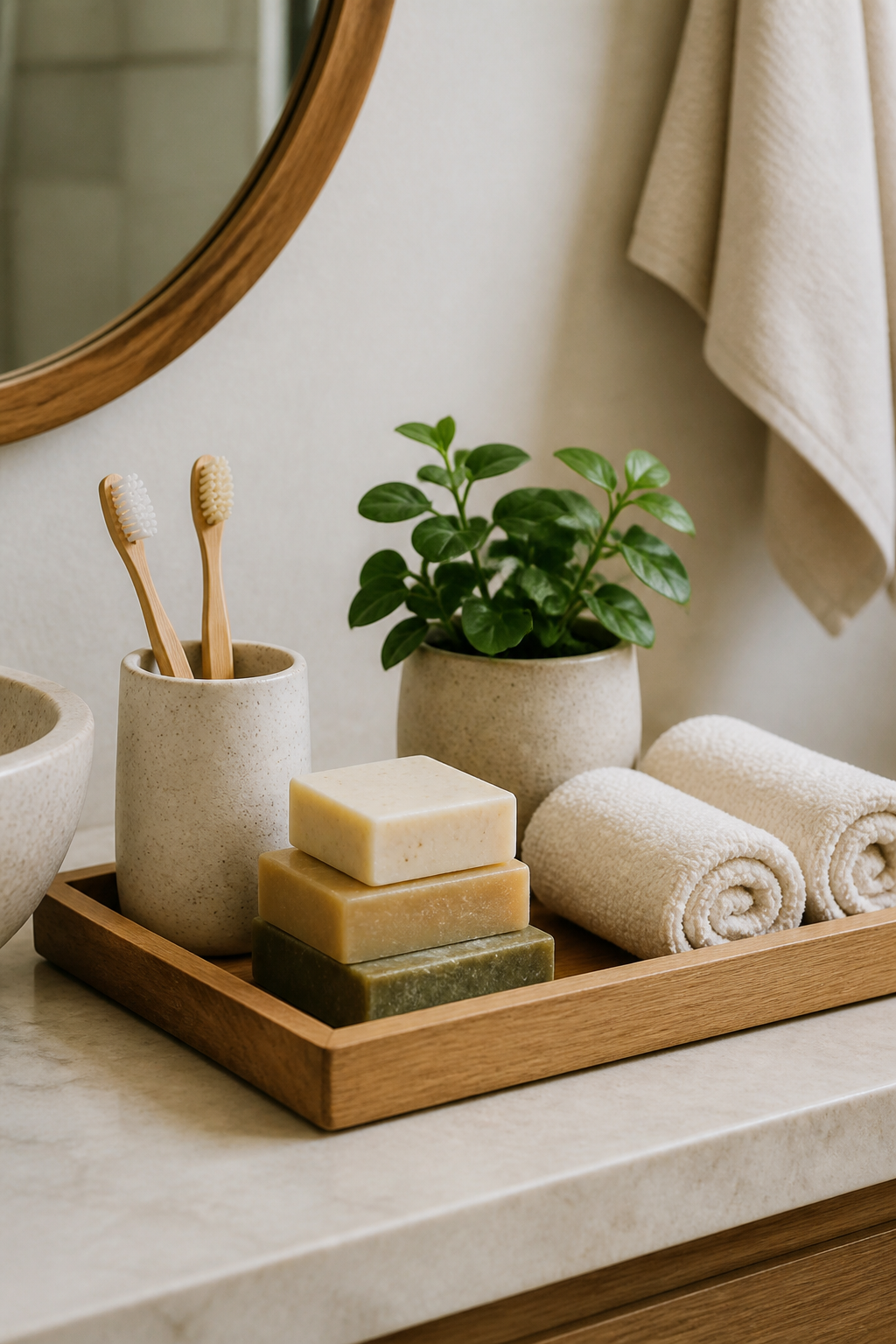
The Power of Texture in Calm Living Decor
If you want people to slow down and actually experience your space, you need to engage multiple senses. Texture is one of the most overlooked elements in creating rooms that feel rich and inviting.
Layer different textures throughout your home: nubby wool throws, smooth leather chairs, soft velvet pillows, chunky knit blankets, rough-hewn wood tables, and smooth ceramic vases. This textural variety adds depth and visual interest while inviting touch and interaction.
There’s also a practical benefit: soft textiles help absorb sound, making your spaces feel quieter and more peaceful. This improves the quality of conversations, music, and even just the ambient sounds of daily life.
Create a Soundscape That Soothes
Sound is often forgotten in home design, but it’s crucial for creating peaceful spaces. Beyond adding textiles to soften acoustics, consider what sounds you want to introduce.
A crackling fireplace, a small water fountain, wind chimes near an open window, or even high-quality speakers for your favorite calming playlists can all contribute to a more sensory-rich, slow living environment.
Never Underestimate the Sense of Smell
Scent is the sense most strongly tied to memory and emotion, which makes it incredibly powerful for creating mood in your home. The right fragrance can instantly help you shift into a calmer, more present state.
Use candles and essential oil diffusers to introduce gentle scents throughout your home. Lavender and chamomile for relaxation, eucalyptus for clarity, vanilla for comfort, citrus for energy. Choose natural options when possible and keep scents subtle—you want a whisper, not a shout.
FYI, scent also affects your sense of taste (about 75% of what we taste actually comes from smell), which is another reason to make your dining experiences more intentional and aromatic.
Steal This Swedish Secret: The Art of Fika
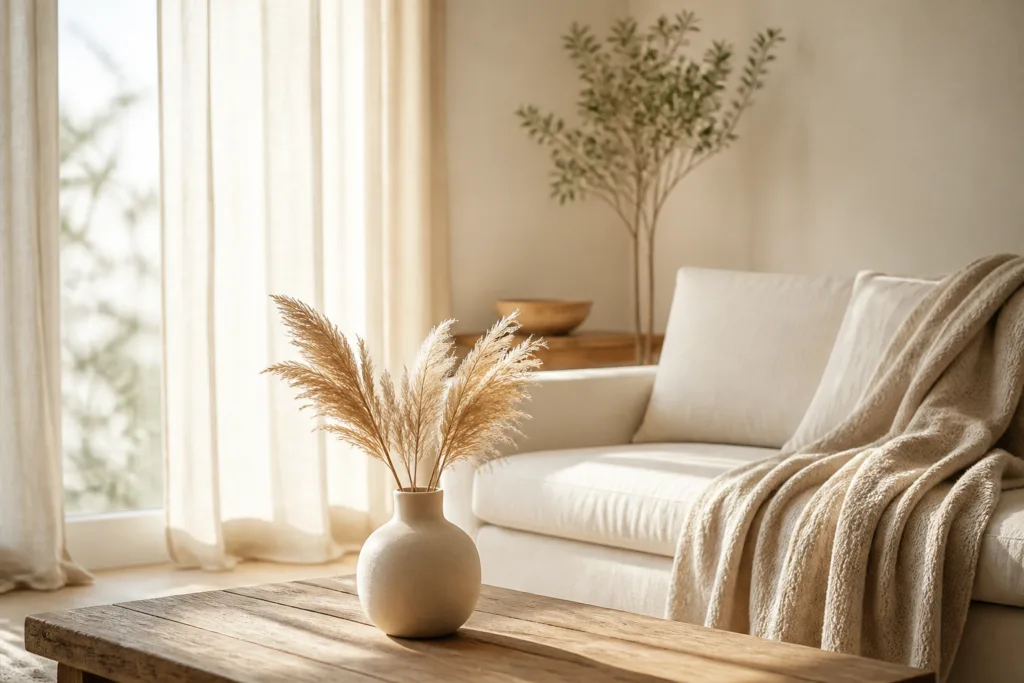
If you’re looking for the perfect slow living ritual to incorporate into your daily routine, let me introduce you to fika. This Swedish concept is all about taking a break with a hot beverage and a sweet treat—pausing to connect with others or simply relax and recharge.
Creating a fika-friendly space in your home is simple. Set up a cozy corner with comfortable seating, a small table, and everything you need for your favorite hot drinks. Keep it inviting with soft lighting, maybe a plant or two, and easy access to your favorite mugs and treats.
The beauty of fika isn’t just about the coffee and cookies—it’s about giving yourself permission to stop, breathe, and be present. In our always-on culture, this kind of intentional pause is radical self-care.
Make your fika space special. Display your prettiest cups, keep a candle nearby, maybe add a small vase for fresh flowers. When your pause spot is beautiful and inviting, you’re more likely to actually use it.
Lighting: The Secret Ingredient for Peaceful Spaces
Lighting can make or break the calm atmosphere you’re trying to create. Harsh overhead lights? Total vibe killer. Soft, layered lighting? That’s where the magic happens.
During the day, prioritize natural light as much as possible. But as evening approaches, transition to multiple light sources at different levels—table lamps, floor lamps, wall sconces, and candles. This creates depth and warmth while avoiding the harsh glare of overhead fixtures.
Install dimmer switches wherever possible so you can adjust brightness to match your mood and activity. Warm-toned bulbs (2700K-3000K) create a much cozier atmosphere than cool white lights.
Think about lighting functionally too: task lighting for reading and cooking, ambient lighting for overall mood, accent lighting to highlight beautiful features. When you layer your lighting thoughtfully, your home naturally invites you to slow down as the day winds down.
Frequently Asked Questions About Slow Living Home Ideas
What is slow living and how does home decor support it?
Slow living is a lifestyle approach focused on doing things with intention rather than speed, creating a more conscious and meaningful daily experience. Your home decor supports this by creating environments that naturally encourage you to pause, relax, and be present. Calm colors, comfortable spaces, natural elements, and thoughtful organization all work together to reduce stress and invite you to savor each moment rather than rush through it.
Do I need to adopt a minimalist style to create a slow living home?
Not at all! While minimalism and slow living share some values, you don’t need to embrace stark minimalism to create a peaceful home. The key is simplicity and intentionality, not necessarily owning very few things. Focus on keeping clutter under control, choosing items you truly love and use, and creating breathing room in your spaces. Your slow living home should reflect your personality and bring you joy—whether that’s minimalist, bohemian, traditional, or anything in between.
What are the best colors for calm living decor?
Neutral and desaturated colors work best for creating calm spaces. Think soft whites, warm beiges, gentle grays, and earthy tones as your base. You can absolutely add color—just choose muted, nature-inspired versions like dusty sage, soft terracotta, warm taupe, or pale lavender. The key is avoiding highly saturated, bright colors that can feel energizing rather than calming. These gentle tones are easy on the eyes and create a seamless flow from room to room.
How can I make my home feel more connected to nature?
Start by maximizing natural light and views to the outdoors. Add plenty of plants throughout your home, even if you start with just a few easy-care varieties. Incorporate natural materials like wood, stone, linen, cotton, rattan, and ceramic. Choose a color palette inspired by nature with earthy, organic tones. Even simple touches like fresh flowers, a bowl of stones, or driftwood decor can strengthen that indoor-outdoor connection that’s so important for slow living spaces.
What’s the most important room to focus on for slow living?
While every room contributes to the overall atmosphere, your bedroom and kitchen are probably the most impactful places to start. Your bedroom sets the tone for how you begin and end each day, so making it a restful retreat supports better sleep and more peaceful mornings. The kitchen is where you nourish yourself and often gather with loved ones, so creating a joyful, functional space there encourages the slow food practices that started the whole movement. That said, focus on the spaces where you spend the most time.
How do I create a slow living home on a budget?
The beautiful thing about slow living decor is that it’s more about editing than adding. Start by decluttering, which costs nothing but time. Rearrange furniture to maximize natural light and create conversation areas. Shop secondhand for natural materials like wood and linen. Use what you already have more intentionally—display favorite items, create cozy corners with existing pillows and blankets, bring in branches or stones from nature. Many slow living principles, like establishing routines and creating rituals, are completely free. Focus on simplicity, natural elements, and intentionality rather than buying new things.
Your Slow Living Journey Starts Right Where You Are
Creating a home that supports slow living doesn’t require perfection or a complete overhaul. Start with one room, one corner, or even one simple change that invites you to pause and breathe. Maybe it’s finally decluttering that overwhelming closet, adding a cozy chair by the window, or simply lighting a candle during dinner.
The beauty of slow living home ideas is that they’re deeply personal—your peaceful sanctuary will look different from anyone else’s, and that’s exactly how it should be. Trust your instincts, choose what brings you joy, and remember that the goal is creating spaces that help you be more present in your own life.
Now go create those calm living decor vibes, one intentional choice at a time. Your slower, more peaceful life is waiting. Pin your favorites and start transforming your space today!