If you’ve ever felt like your compact kitchen is cramping your style, you’re not alone. The good news? You don’t need a sledgehammer or a massive renovation budget to transform your tiny cooking space into something surprisingly spacious and totally Pinterest-worthy. These clever design tricks will help you maximize every single inch while keeping things stylish, functional, and beautifully organized.
Glass-Front Cabinets: The Optical Illusion Your Kitchen Needs
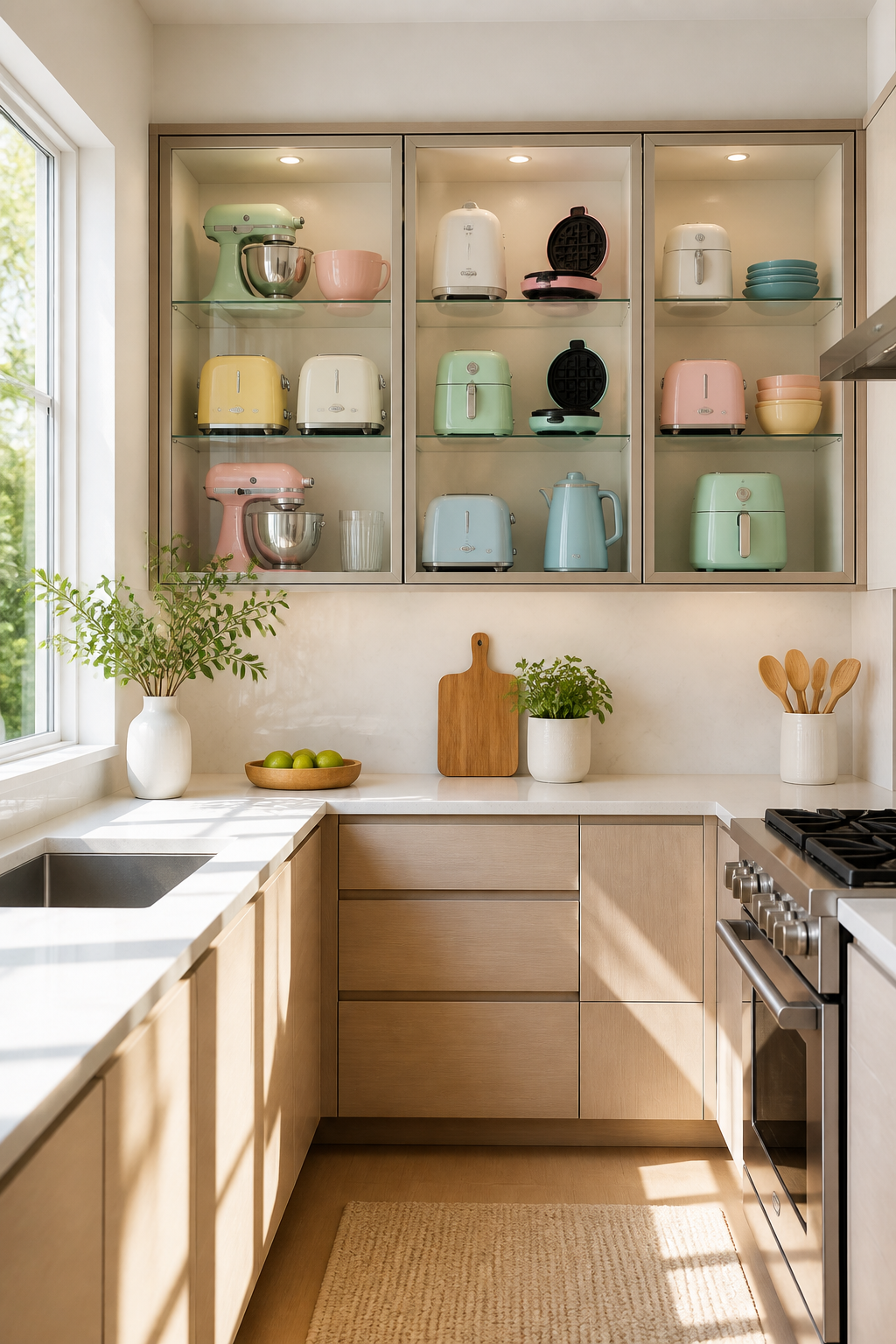
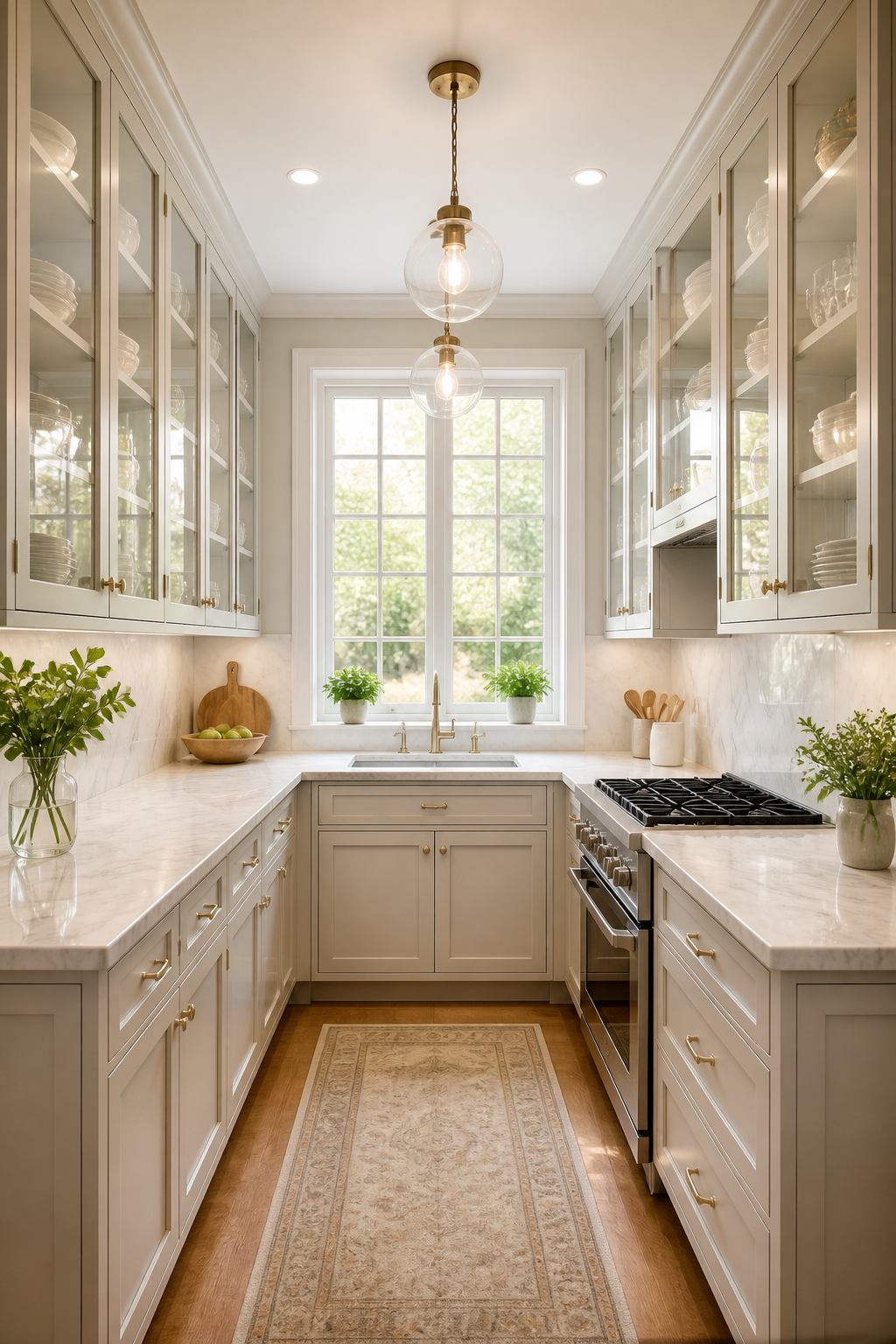
Here’s a design secret that interior designers absolutely love: glass cabinet doors create instant visual depth. When you swap out solid cabinet fronts for transparent or translucent versions, you’re essentially tricking the eye into perceiving more space than actually exists.
But here’s the catch—this trick only works if you’re willing to keep things tidy. Display your prettiest dishes, that vintage teapot collection you inherited from your grandmother, or a carefully curated set of colorful coffee mugs. The key is showcasing items that deserve to be seen, not random kitchen clutter.
Not ready to put everything on display? No problem. Frosted or textured glass offers the perfect compromise. You’ll still get that airy, open feeling without needing to organize your cabinets like a Williams Sonoma showroom. The subtle contrast between opaque lower cabinets and glass uppers adds visual interest while making your ceiling feel higher.
Floating Tables and Wall-Mounted Solutions for Maximum Flexibility
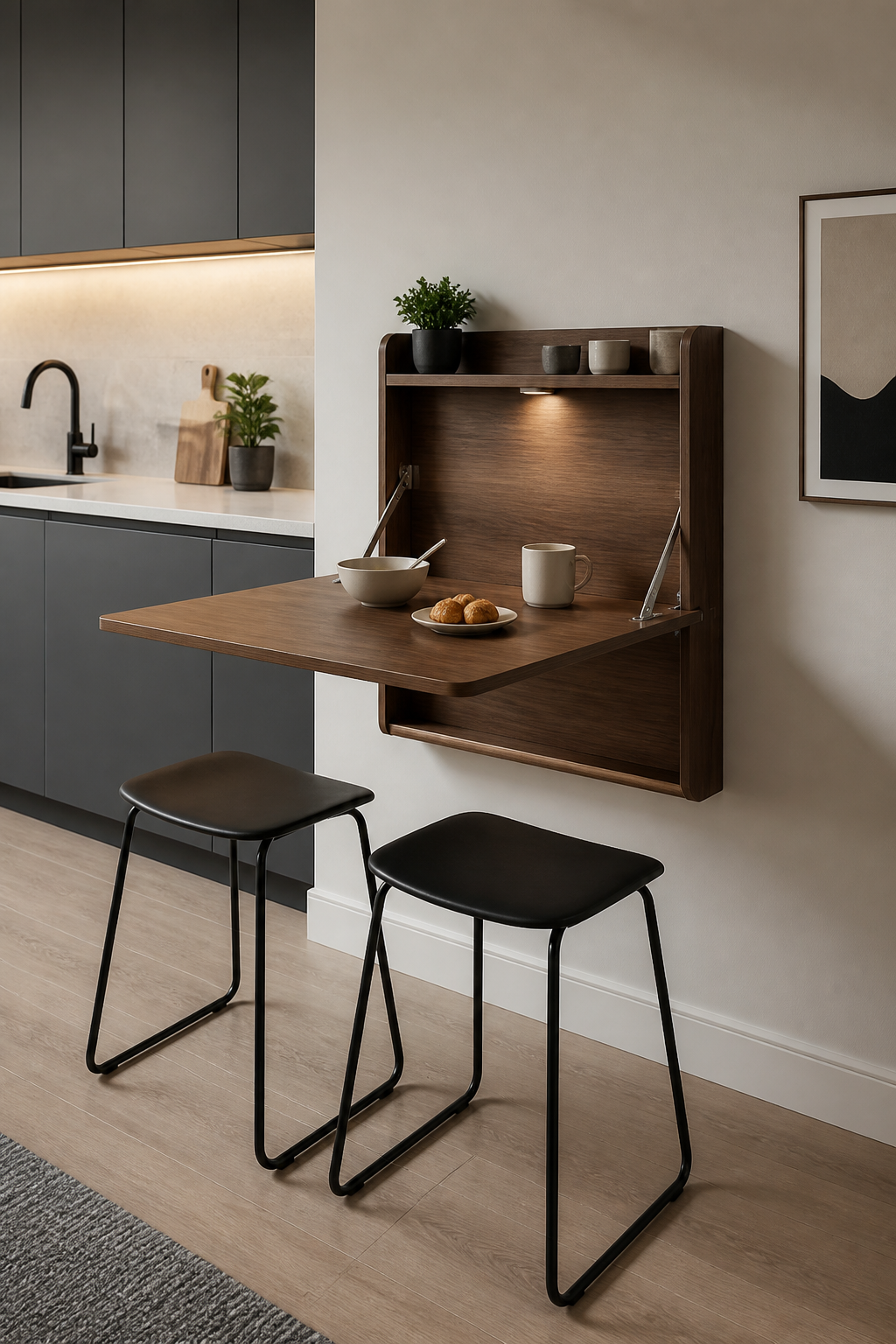
Why Fold-Down Tables Are Game-Changers
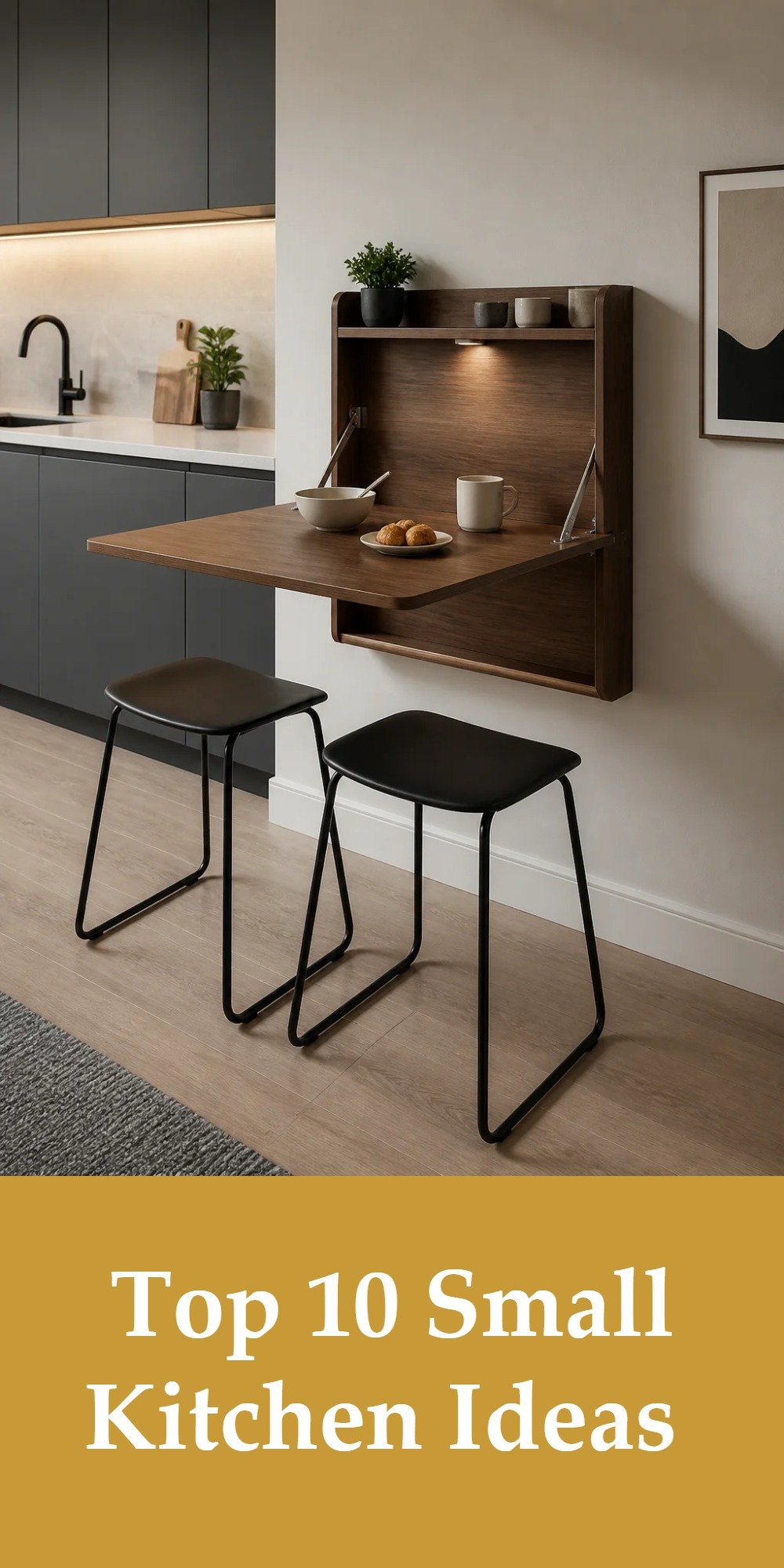
Imagine having a functional dining table or prep surface that literally disappears when you’re not using it. Wall-mounted fold-down tables are the ultimate multitaskers for cramped kitchens. They work as breakfast nooks, homework stations, cocktail prep zones, or extra counter space when you’re hosting dinner.
The beauty of this setup is its adaptability. When your kitchen needs breathing room, the table folds flush against the wall. When you need seating for two (or a place to roll out pie dough), it unfolds in seconds. Some designs even include built-in storage for chairs or benches that tuck underneath perfectly.
Embrace Every Inch of Vertical Real Estate
In small kitchens, your walls are seriously underutilized real estate. That awkward corner with the weird angles? That narrow strip beside the refrigerator? These spaces are perfect candidates for fold-down tables or floating shelves. One clever design incorporated a narrow fold-down table into an irregularly shaped nook—suddenly, that dead space became the most functional spot in the entire kitchen.
Container Storage: The Pretty Way to Eliminate Visual Chaos
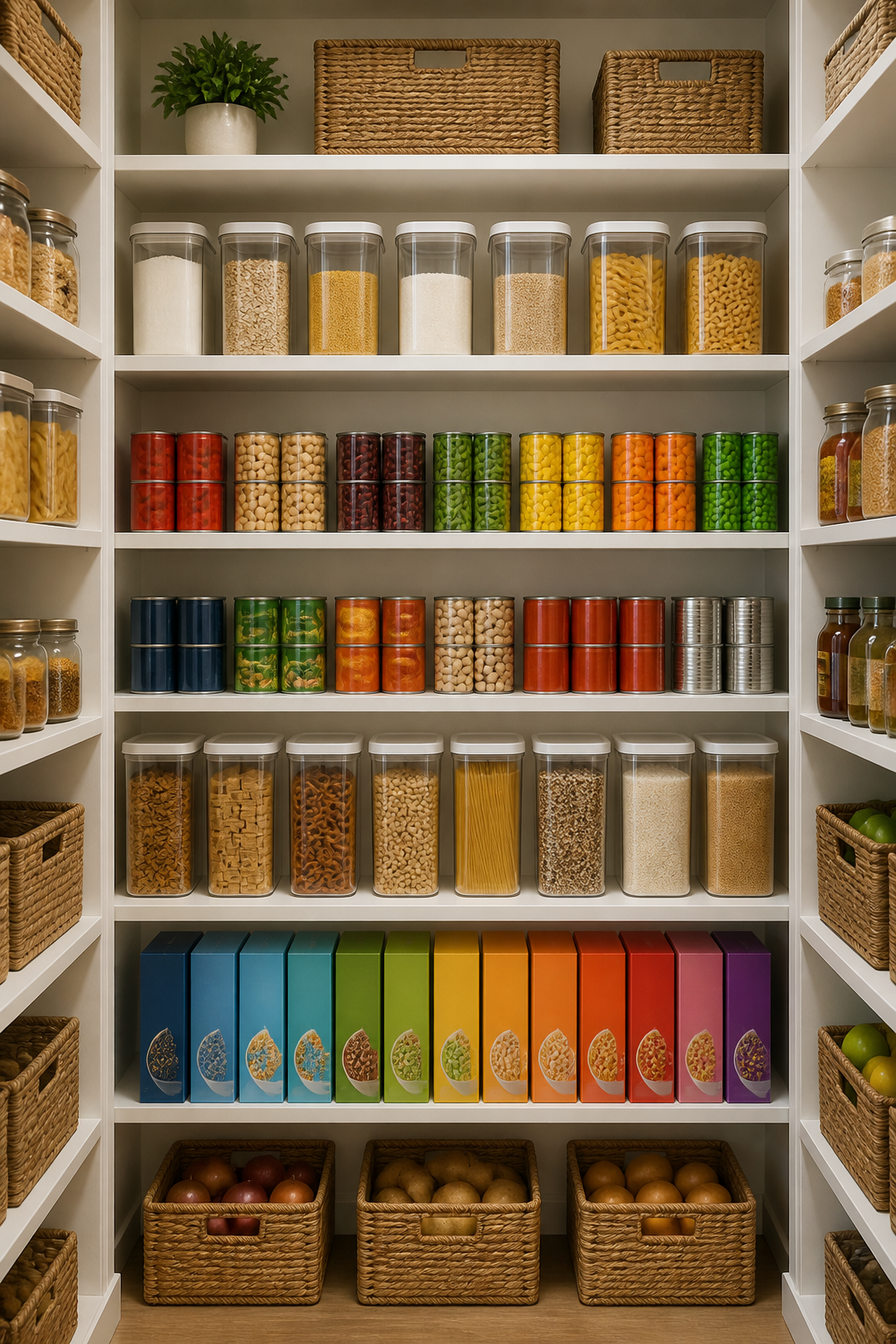
Let’s talk about those chaotic pantry shelves crammed with half-open cereal boxes, crinkly pasta bags, and partially used flour sacks. They’re not just messy—they’re making your kitchen feel smaller and more cluttered than it actually is.
The solution? Uniform glass containers with airtight seals. Transfer your dry goods—rice, pasta, coffee, sugar, cereals, baking supplies—into matching clear canisters. Choose tall, narrow containers that maximize vertical space rather than sprawling across your shelves.
This simple swap eliminates visual noise instantly. Instead of a chaotic mishmash of brands and colors, you’ll see organized rows of beautiful ingredients. Bonus: it makes your kitchen look like it belongs on an Instagram mood board. Display these containers proudly on open shelving or your countertops—they’re functional and decorative at the same time.
Large-Format Tiles and Flooring Tricks That Expand Your Space
If you’re planning a renovation (even a minor one), your flooring choice can dramatically impact how spacious your kitchen feels. Here’s the counterintuitive truth: bigger tiles make small rooms look larger.
Large-format tiles create fewer grout lines, which means fewer visual interruptions across your floor. Your eye reads the surface as one continuous plane rather than a busy grid pattern. The result? Your kitchen floor appears more expansive and unified.
When selecting grout, choose a color that closely matches your tile. The goal is seamlessness—you want the floor to look like one cohesive surface rather than a patchwork. Light-colored tiles in oversized formats work especially well for this effect.
Not ready for a full tile installation? Vinyl flooring that mimics light wood is an excellent alternative. Modern vinyl planks install quickly (often right over existing floors), resist moisture beautifully, and come in gorgeous finishes that look surprisingly high-end. FYI, this is one of the most renter-friendly renovation options out there.
Smart Appliance Choices That Don’t Overwhelm Your Space
Size Matters: Choose Compact, Sleek Designs
Not every kitchen needs a restaurant-grade range or an industrial-sized refrigerator. Be honest about your actual cooking habits and choose appropriately sized appliances. Smaller footprints mean more counter space and easier movement throughout your kitchen.
Look for appliances with clean, simple lines rather than bulky, complicated designs. Streamlined silhouettes take up less visual space even when they’re sitting on your counter.
The Case for Colorful (or Hidden) Appliances
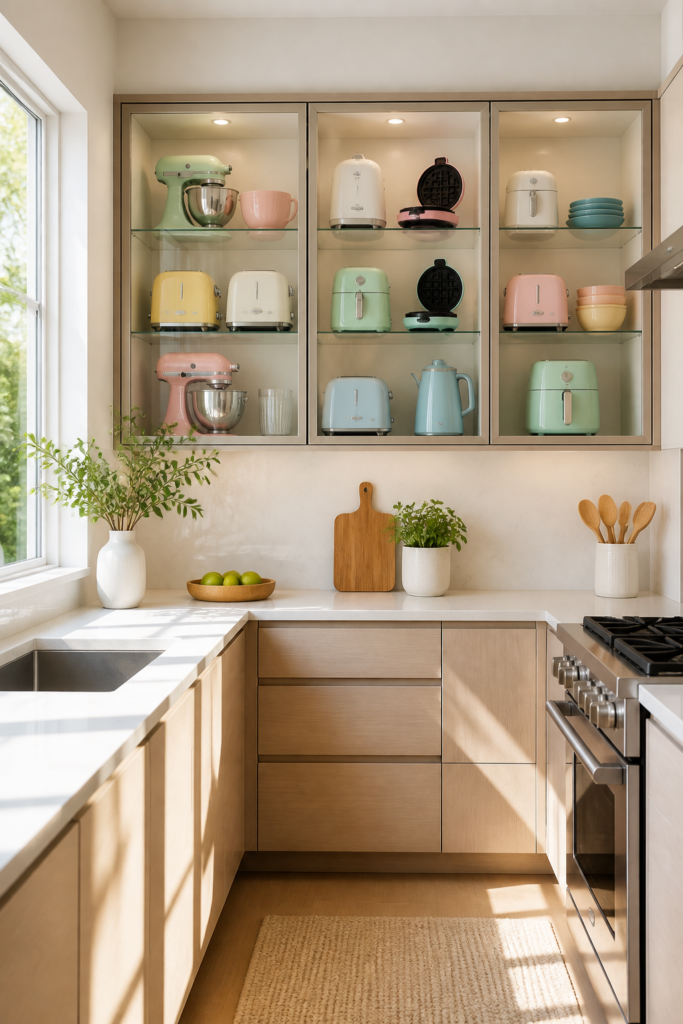
Here’s where you can have some fun. If your kitchen features mostly neutral surfaces—white cabinets, light countertops, simple backsplash—colorful appliances can inject serious personality without overwhelming the space. Retro-style refrigerators, stand mixers, and toasters in bold hues have become wildly popular and surprisingly easy to find.
The trick is ensuring your color choices complement your overall palette. That cheerful mint green mixer should coordinate with your dish towels, wall art, or dining chairs.
Alternatively, consider integrated appliances that hide behind matching cabinet fronts. This creates an incredibly streamlined, modern aesthetic where everything feels cohesive and intentional. Built-in microwaves, concealed dishwashers, and panel-ready refrigerators all but disappear, maximizing both visual space and functionality.
Strategic Placement and Hidden Storage
Keep daily-use appliances within easy reach, but designate cabinet space for items you only use occasionally. That bread maker you pull out twice a month? It doesn’t need permanent counter real estate. Clearing your workspace creates a more pleasant cooking experience and makes your kitchen feel significantly less cramped.
The Three-Material Rule for Visual Harmony
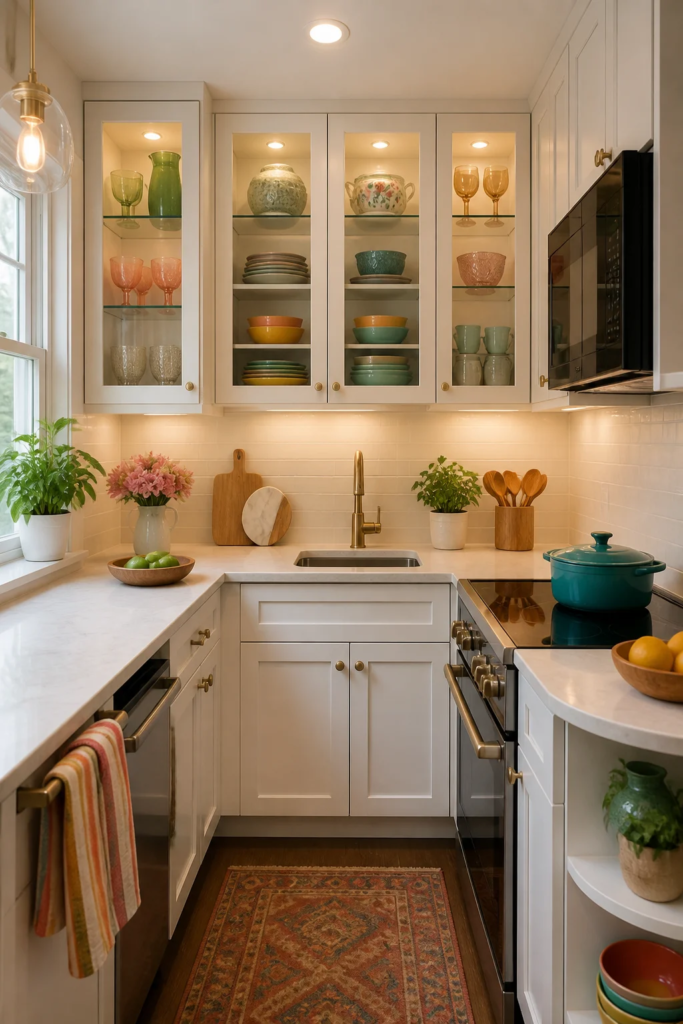
This is where many DIY renovations go wrong. When you introduce too many different materials—various wood tones, multiple stone patterns, competing tile styles—your kitchen starts feeling busy and chaotic rather than cohesive and calm.
The magic number? Three materials maximum. This might include your cabinet finish, countertop material, and backsplash tile. Limiting your material palette creates visual continuity that makes spaces feel larger and more thoughtfully designed.
Before making any purchases, collect physical samples of your proposed materials. See how they look together in your actual kitchen lighting (which changes throughout the day). Even better, create a mood board or materials board. Pin or tape samples side-by-side to evaluate how textures, colors, and finishes interact.
This simple planning step prevents expensive mistakes and ensures your finished kitchen feels intentional rather than thrown together. The more cohesive your material choices, the more spacious your kitchen will appear.
Decorative Elements That Bring Life Without Clutter
The Transformative Power of Plants
Never underestimate what a single beautiful plant can do for your kitchen. Greenery softens hard edges, purifies air, adds organic texture, and creates visual interest without taking up much space.
The best kitchen plants are low-maintenance varieties that tolerate varying light conditions: English ivy, spider plants, snake plants, pothos, aloe, and herbs like basil. Place them on windowsills, tuck them onto open shelving, hang them near windows, or let trailing varieties cascade from upper cabinets.
Choose planters thoughtfully—they should enhance your kitchen’s style rather than clash with it. Ceramic pots in complementary colors, woven baskets, or sleek modern containers all work beautifully depending on your overall aesthetic.
Natural Material Baskets and Trays for Organized Beauty
Storage doesn’t have to be ugly. Woven baskets, wooden trays, and natural fiber containers add warmth and texture while keeping things organized. Use them to corral fruits on your counter, store dish towels, organize utensils, or contain cooking oils and spices.
These organic elements prevent your kitchen from feeling too sterile or cold—especially important in small spaces where every decorative choice matters. Place baskets on top of cabinets for rarely used items, incorporate them into open shelving displays, or mount them on walls as decorative storage solutions.
Kitchen Rugs: Pretty and Practical
A well-chosen kitchen rug adds instant personality while defining your space. Look for patterns and colors that complement your existing palette. If you have dark floors, a lighter rug brightens things up considerably while maintaining the same color family for visual continuity.
Obviously, kitchen rugs need to be practical. Choose machine-washable options or materials that tolerate frequent cleaning. Low-pile rugs work better than shaggy styles, and non-slip backing is essential for safety.
The Uniformity Principle: Creating Visual Flow
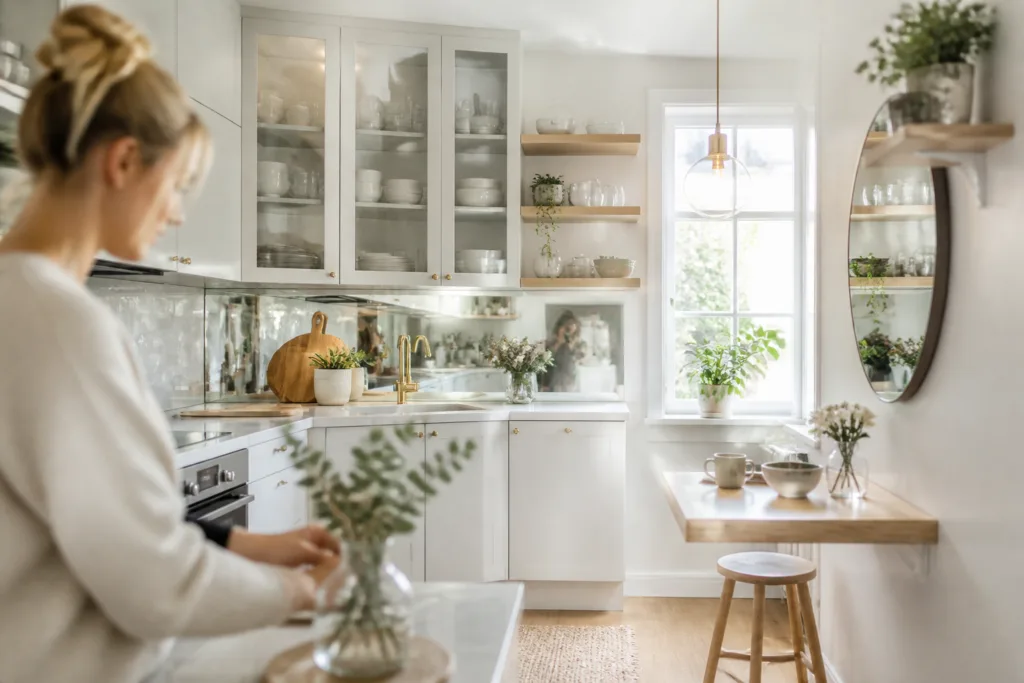
This might be the single most important concept for making small kitchens feel larger: uniformity creates spaciousness. When everything flows together seamlessly, your brain perceives one continuous space rather than separate, disconnected elements.
What does this look like in practice? Using the same flooring material throughout (rather than transitioning from tile to hardwood). Choosing cabinet colors that blend with wall colors. Selecting countertops and backsplashes in similar tonal ranges.
Monochromatic color schemes—especially in soft, light tones—work beautifully in compact kitchens. This doesn’t mean everything must be identical. You can absolutely play with different textures and finishes. The key is avoiding high contrast.
Consider a kitchen with white cabinets, soft gray countertops, and pale walls. Everything blends harmoniously, creating one unified space. Now imagine the same kitchen with dark navy cabinets—suddenly, those cabinets visually separate from the walls, making the room feel segmented and smaller.
Your brain naturally groups similar elements together and separates contrasting ones. By minimizing contrast, you’re preventing visual fragmentation that makes spaces feel cramped.
Frequently Asked Questions About Small Kitchen Design
What’s the biggest mistake people make when designing small kitchens?
Using too many contrasting colors and materials. High-contrast elements break up visual flow and make spaces feel choppy and smaller. Stick to cohesive color palettes and limit yourself to three material types for a more spacious feel.
Are open shelves a good idea in tiny kitchens?
Absolutely, but only if you’re committed to keeping them organized and curated. Open shelving can make kitchens feel more open and airy, but cluttered shelves have the opposite effect. Display your prettiest items—matching dishes, glass containers with dry goods, plants, and decorative pieces.
Should I choose light or dark colors for a small kitchen?
Light colors almost always make small spaces feel larger and brighter. That said, you can incorporate darker accent colors strategically—just maintain overall uniformity and avoid high contrast that segments the space. Soft, monochromatic palettes work best.
How can I add storage without making my small kitchen feel cramped?
Think vertical. Use wall-mounted solutions, install shelving up to the ceiling, add hooks inside cabinet doors, and incorporate fold-down tables that disappear when not needed. Also, declutter ruthlessly—only keep items you actually use regularly.
What type of lighting works best in compact kitchens?
Layered lighting is key. Combine overhead lighting with under-cabinet task lighting to eliminate shadows and make the space feel larger. Light-colored surfaces reflect light better, so this pairs perfectly with the other strategies mentioned here.
Can I make my rental kitchen look bigger without major renovations?
Definitely! Many of these ideas are renter-friendly: add peel-and-stick vinyl flooring, use removable wallpaper or contact paper to refresh cabinets, incorporate fold-down tables, display items in glass containers, add plants, and declutter counters. These changes are temporary but transformative.
Final Thoughts: Your Small Kitchen’s Big Transformation
Creating a spacious-feeling kitchen in a tiny footprint isn’t about knocking down walls or winning the real estate lottery. It’s about making smart, intentional design choices that maximize light, minimize visual clutter, and create flow.
The strategies we’ve covered—from glass-front cabinets to the three-material rule—work together synergistically. Implement even a few of these ideas, and you’ll notice an immediate difference in how your kitchen looks and functions. Start with the changes that resonate most with your style and budget, then build from there.
Remember, the goal isn’t perfection—it’s creating a kitchen that feels good to cook in, looks beautiful, and makes the absolute most of every square inch you have. Pin your favorite ideas, gather your inspiration, and get ready to fall in love with your small kitchen all over again.