If you’ve been feeling disconnected from nature lately, your home might be craving a biophilic makeover. Bringing the outdoors in isn’t just a design trend—it’s a wellness movement that combines stunning aesthetics with genuine health benefits. Whether you’re drawn to modern minimalism or cozy traditional vibes, these plant decor ideas and nature-inspired touches will help you create a space that feels like a breath of fresh air.
What Is Biophilic Design and Why Your Home Needs It
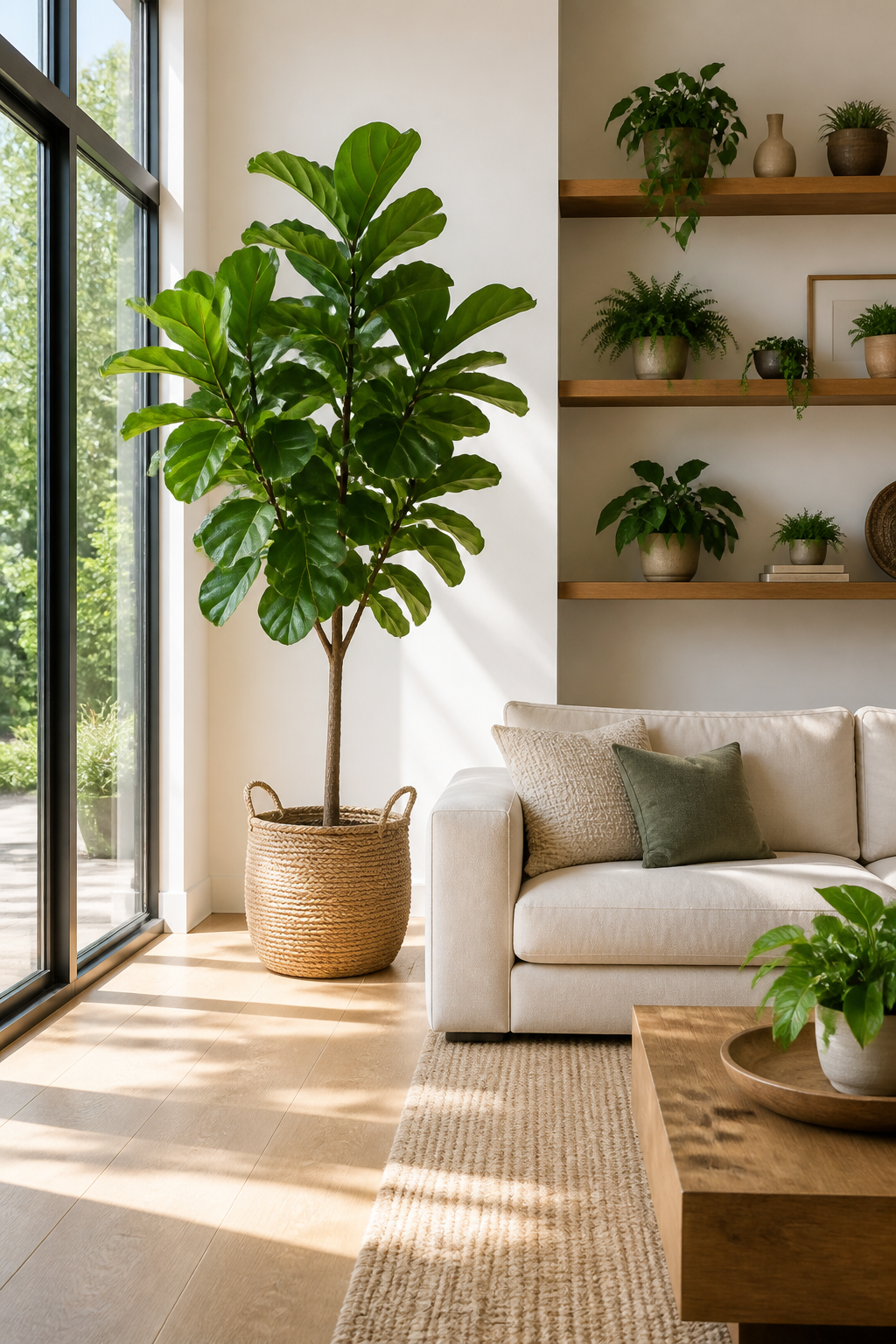
Biophilic design sounds fancy, but it’s really just a love letter to nature translated into your living space. The concept has been around since the 1970s, but honestly, humans have been incorporating natural elements into their homes for centuries—think Art Nouveau’s flowing curves, Arts and Crafts woodland motifs, and Frank Lloyd Wright’s genius at blending architecture with the landscape.
The modern biophilic movement shows up in today’s hottest design styles: warm minimalism, organic modern, desert modern, and coastal contemporary. What they all share is that deep connection to the natural world. And here’s the thing—it works. Studies show that surrounding yourself with natural elements can improve your mood, boost your memory, and even help you sleep better.
You don’t need to live in a glass house surrounded by forest to tap into these benefits. There are tons of ways to bring nature indoors, both directly (hello, gorgeous fiddle leaf fig!) and indirectly through colors, textures, and materials that echo the outdoor world.
Direct Ways to Bring Nature Into Your Home
Maximize Natural Light Like Your Life Depends On It
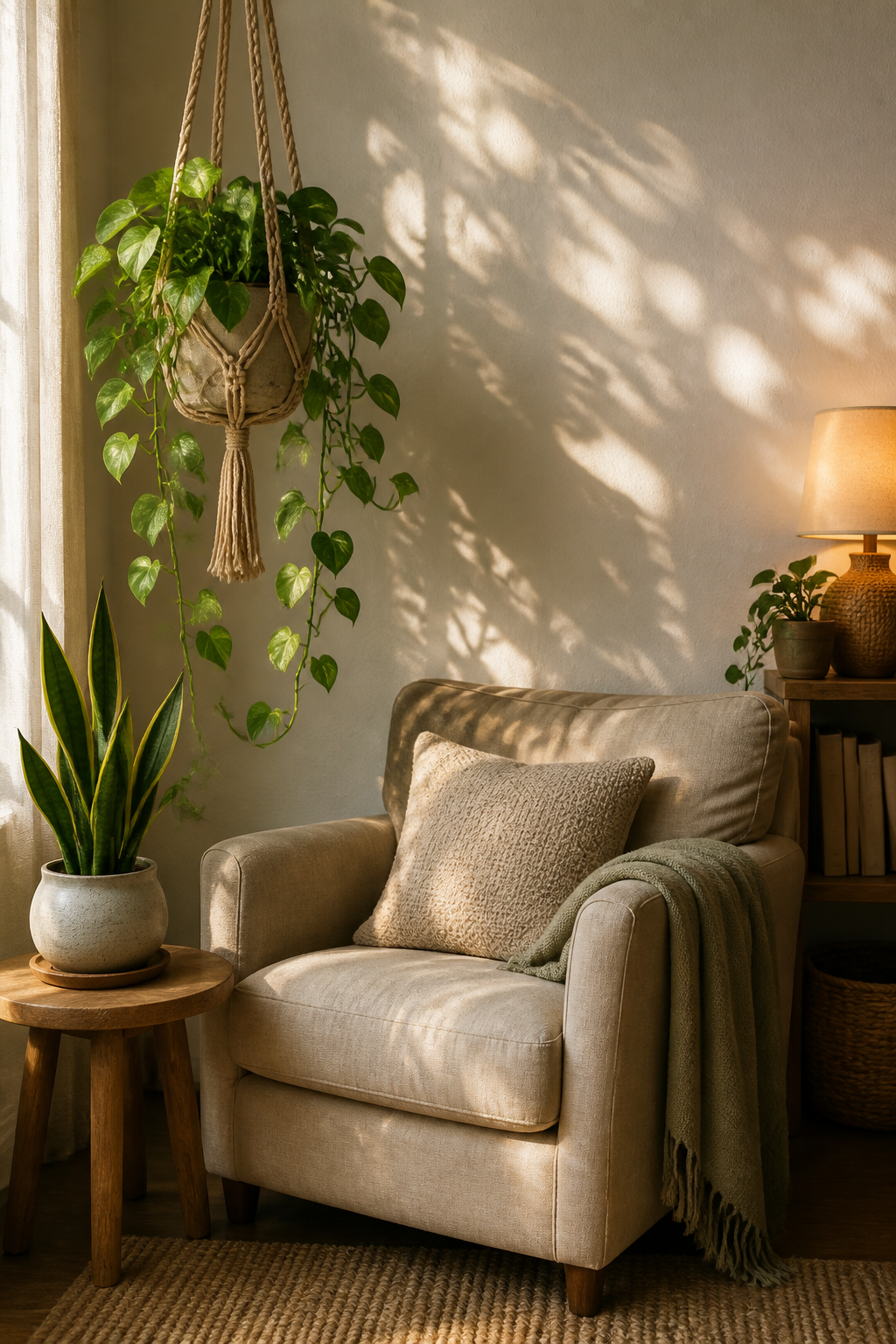
Natural light is the foundation of any nature-inspired space. It regulates your circadian rhythm, lifts your spirits, and makes everything look better—including you. Open those curtains! If privacy is a concern, opt for sheer panels or top-down bottom-up shades that let light flood in while keeping nosy neighbors at bay.
Position your favorite reading chair near a window where you can gaze at trees, sky, or even your neighbor’s garden. These outdoor views create that essential connection to the natural environment, even when you’re cozied up inside. And when weather permits? Throw those windows wide open and let fresh air circulate through your space.
Add Water Features for Instant Calm
Not all of us can afford a home overlooking a lake or ocean, but we can still enjoy water’s soothing presence. A fountain—whether it’s a grand outdoor feature or a small tabletop version—brings that peaceful trickling sound into your daily life. The sound of moving water has been scientifically proven to reduce stress and create a meditative atmosphere.
Indoor fountains double as stunning sculptural elements, and they add humidity to dry indoor air (a total bonus during winter months). Look for natural stone or ceramic options that complement your overall aesthetic.
Incorporate Fire Elements for Warmth and Ambiance
Fire brings a primal comfort that instantly makes a space feel more inviting. If you’re lucky enough to have a fireplace, make it a focal point of your room. No fireplace? No problem. A fire pit or fire table on your patio creates that same cozy gathering spot.
Even apartment dwellers can tap into this element with small tabletop fire features or the simplest solution of all: candles. Cluster candles of varying heights on a tray for maximum impact, and choose naturally scented options like beeswax or soy candles infused with essential oils.
Fill Your Space With Living Plants and Greenery
Here’s where those plant decor ideas really shine. Adding plants to your home creates an instantly peaceful atmosphere while actually improving your indoor air quality. Research shows that being around plants can enhance concentration, boost memory, and reduce anxiety.
Don’t stress about becoming a plant expert overnight. Start with easy-care options like pothos, snake plants, or ZZ plants. Distribute plants throughout your home rather than clustering them all in one spot—a small succulent in the bathroom, a trailing philodendron in the bedroom, herbs in the kitchen.
FYI, even faux plants have their place if you’re dealing with low light or travel frequently. Today’s artificial plants look incredibly realistic, especially when you mix them with real ones.
Bring in Fresh Cut Flowers for Seasonal Joy
Fresh flowers are an absolute treat that adds instant color and life to any room. Whether you grab a bouquet from the farmer’s market or clip blooms from your own garden, flowers signal to your brain that something special is happening.
Get creative with seasonal arrangements—spring tulips, summer sunflowers, fall dahlias, winter evergreen branches with berries. Even a single stem in a bud vase makes a statement. This is one of the most affordable plant decor ideas that delivers major impact.
Indirect Ways to Create a Nature-Inspired Aesthetic
Embrace Natural Wood in All Its Forms
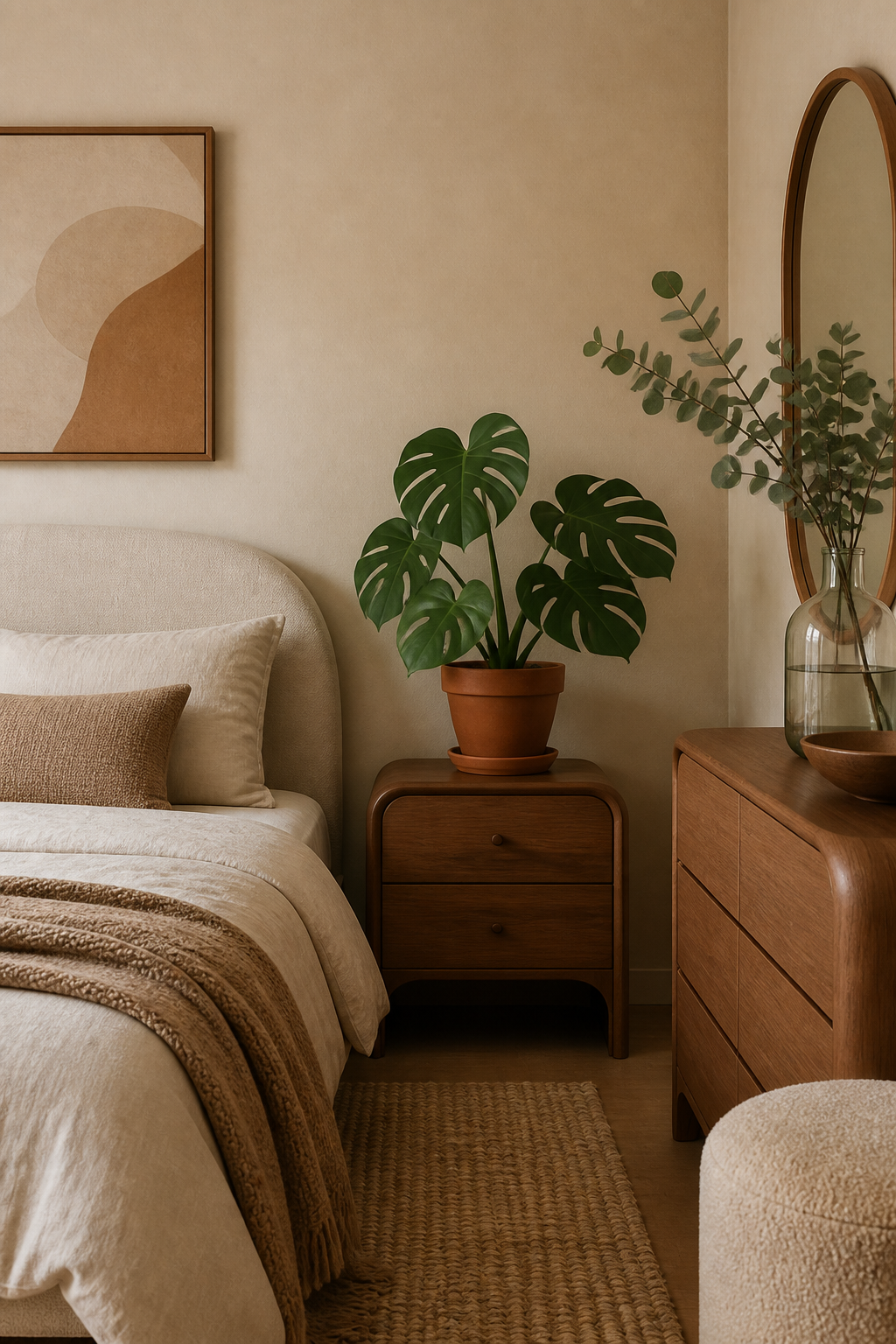
Wood brings instant warmth and organic texture to any space. Go big with hardwood floors, exposed ceiling beams, or a live-edge dining table. Or keep it subtle with wood picture frames, cutting boards displayed on open shelving, or a beautiful wooden bowl filled with seasonal fruit.
Mix different wood tones rather than trying to match everything perfectly—that’s way more interesting and feels more natural. A walnut credenza paired with lighter oak side tables creates depth and keeps things from looking too matchy-matchy.
Small decorative wooden pieces make gorgeous accents too. Sculptural wooden objects on your bookshelf or console table add that nature-inspired touch without overwhelming your space.
Layer in Other Natural Materials for Texture and Depth
Beyond wood, there’s a whole world of natural materials waiting to elevate your space. Think woven rattan chairs, jute rugs, linen curtains, cotton throw blankets, stone vases, ceramic planters, and metal light fixtures.
The key is layering. A room with multiple natural textures feels rich and collected rather than flat and one-dimensional. Pair a chunky knit throw with smooth leather, or contrast rough stone with soft velvet. These combinations create that sought-after organic modern look that’s all over Pinterest right now.
Natural fiber baskets are particularly genius because they add texture while providing much-needed storage. Pin this for later: seagrass baskets under a console table instantly hide clutter while maintaining that breezy, natural vibe.
Choose an Earthy Color Palette Inspired by Nature
Your color scheme sets the entire mood of your space. For a nature-inspired home, draw from earth, sky, and water tones. Think warm beiges, soft terracotta, sage green, dusty blue, creamy white, charcoal gray, and rich brown.
These colors don’t have to be boring! A terracotta accent wall creates warmth and drama. Deep forest green cabinets in a kitchen feel moody and sophisticated. Soft blue-gray in a bedroom promotes restful sleep.
The beauty of natural color palettes is that they’re inherently harmonious. Colors found together in nature tend to work well together in your home, making it nearly impossible to go wrong.
Incorporate Curved Lines to Soften Your Space
Nature rarely does sharp corners. Think of river stones, rolling hills, flower petals—all soft and curved. Bringing organic shapes into your home creates visual interest and balances out all those rectangular walls and furniture pieces.
An arched mirror, round coffee table, curved sofa, or dome pendant light all introduce these softer lines. You don’t need to go overboard—just enough curved elements to create that pleasing contrast between hard and soft edges.
IMO, the resurgence of arches in interior design is one of the best trends to come along in years. They instantly make a space feel more elegant and thoughtfully designed.
Art and Decor That Celebrates the Natural World
Choose Nature-Inspired Artwork and Prints
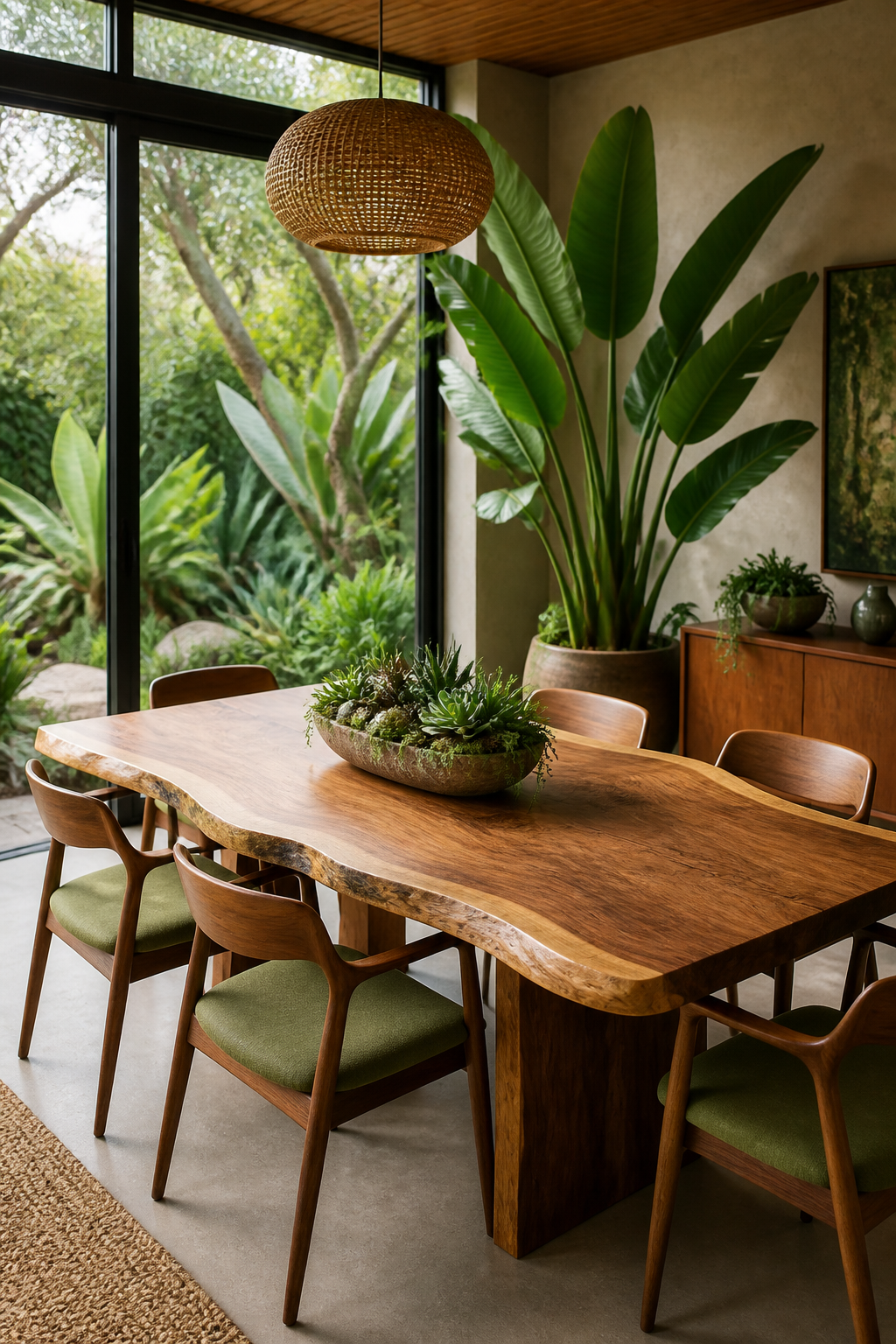
Your walls are prime real estate for bringing the outdoors in. Landscape paintings, botanical prints, wildlife photography, or abstract art in earthy tones all reinforce that nature-inspired aesthetic.
Don’t limit yourself to traditional framed art. Three-dimensional pieces like woven wall hangings, pressed botanicals under glass, or wooden wall sculptures add texture and depth to vertical surfaces.
Gallery walls featuring a mix of nature-themed art create a cohesive, collected look. Combine different sizes and frame styles for a more organic, less rigid arrangement.
Style Shelves and Surfaces With Natural Objects
Your horizontal surfaces—shelves, console tables, nightstands, coffee tables—deserve attention too. Decorative objects made from natural materials add that sculptural, finishing touch.
Display interesting stones or crystals, driftwood pieces, vintage wooden boxes, ceramic vases, woven trays, or shells collected from beach vacations. These personal touches make your space feel genuinely yours rather than straight out of a catalog.
The trick is editing. A few well-chosen objects make a statement, while too many create visual clutter. Rotate items seasonally to keep things fresh and interesting.
Plant Decor Ideas by Room
Living Room: Make a Statement
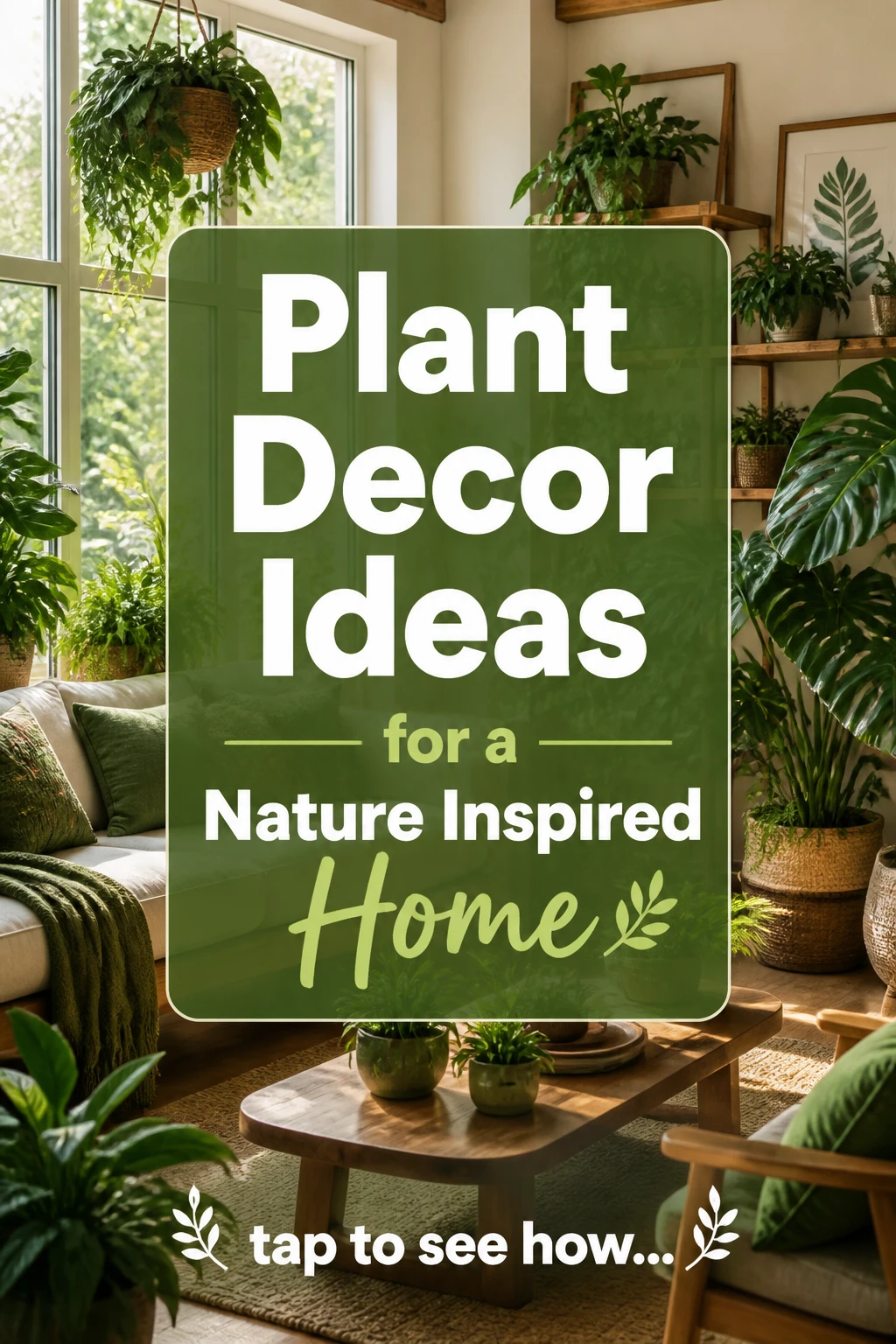
Your living room can handle larger plants that create drama. A fiddle leaf fig in the corner, a bird of paradise near the window, or a large monstera beside the sofa all make bold statements. Add smaller plants on the coffee table, side tables, and shelves to carry the greenery throughout the space.
Bedroom: Keep It Calming
Bedrooms benefit from plants that purify air while you sleep. Snake plants, pothos, and peace lilies are perfect choices. Keep arrangements simple—one beautiful plant on your nightstand or dresser is often enough.
Kitchen: Go Functional
Herbs are the perfect kitchen plants because they’re beautiful and useful. A sunny windowsill lined with basil, rosemary, thyme, and mint looks gorgeous while providing fresh ingredients. Add a small succulent arrangement on open shelving for extra greenery.
Bathroom: Embrace the Humidity
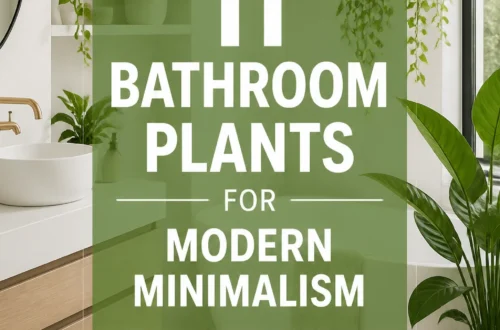
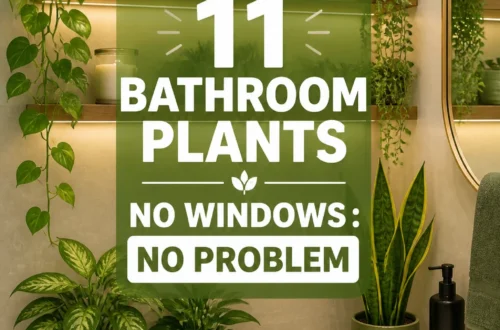
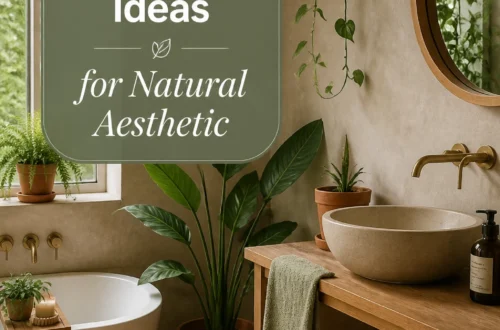
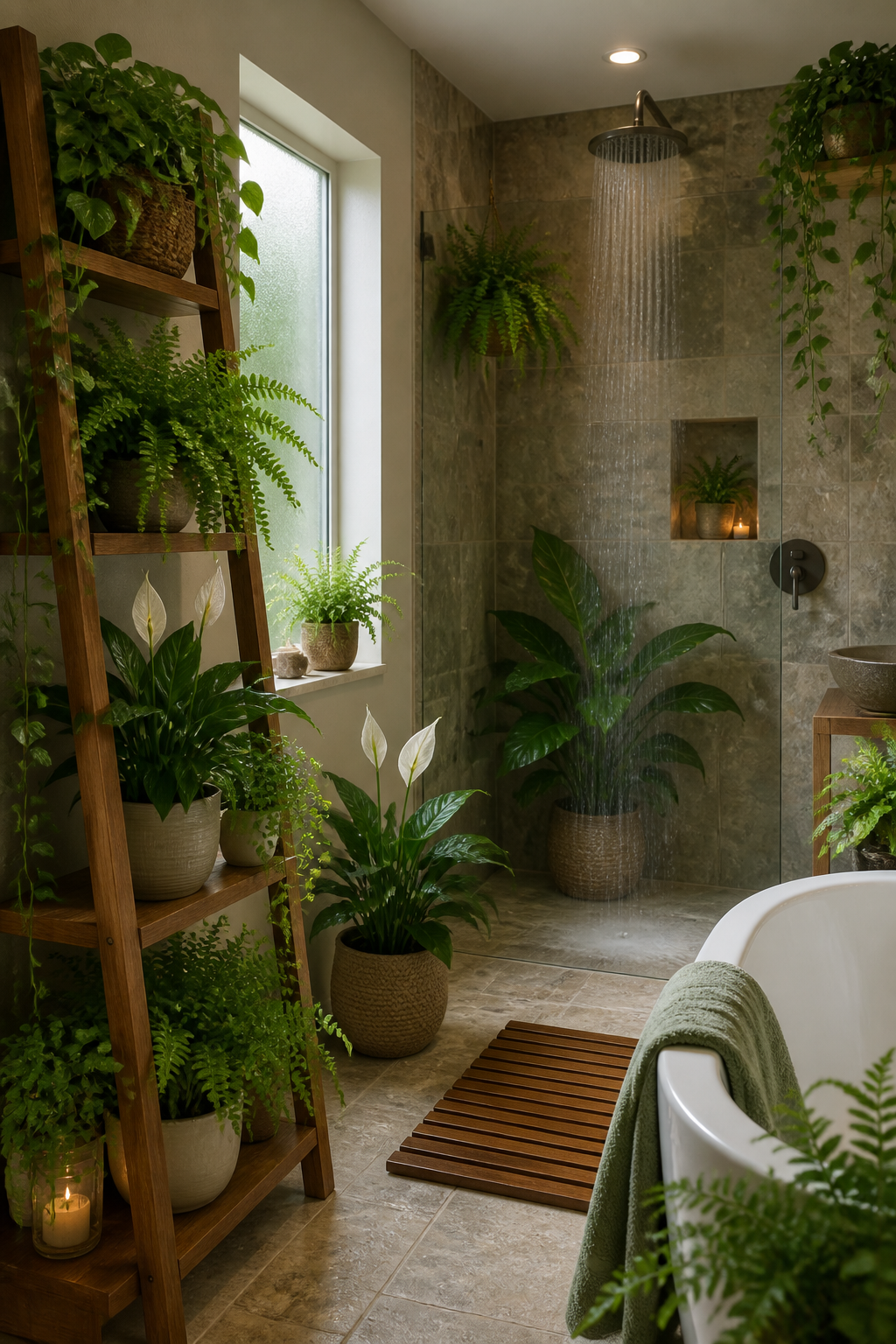
Bathrooms are ideal for plants that love moisture. Ferns, orchids, and air plants thrive in steamy bathroom environments. A trailing pothos on a high shelf creates a living curtain effect that’s absolutely stunning.
Common Mistakes to Avoid With Plant Decor
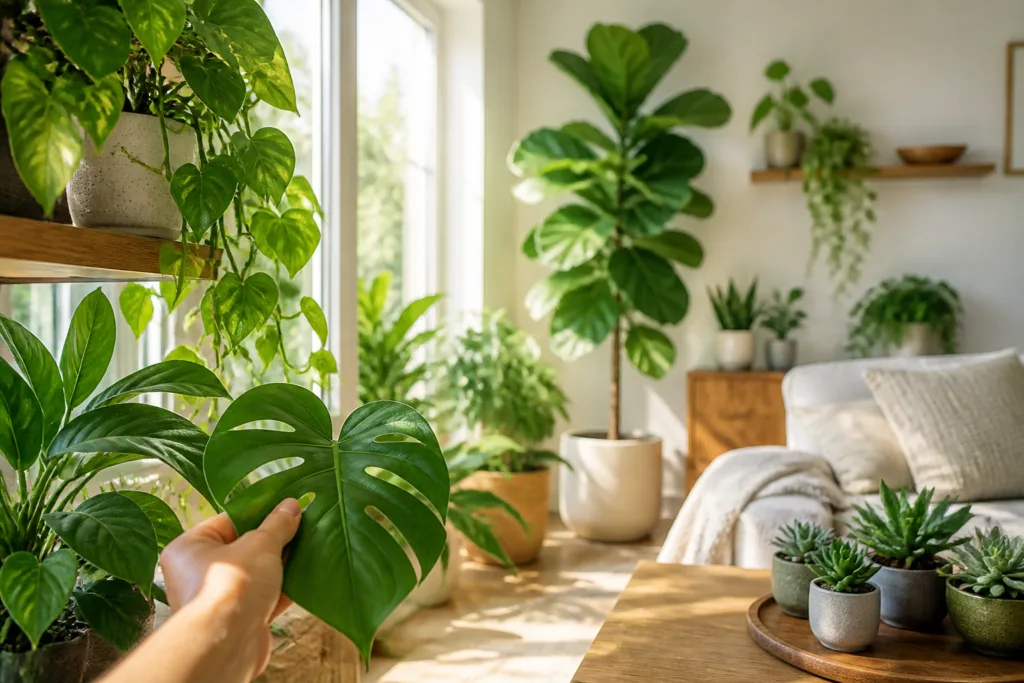
Even with the best plant decor ideas, some pitfalls can trip you up. Don’t choose plants based solely on looks—make sure they’ll actually survive in your lighting conditions. That gorgeous fiddle leaf fig needs bright indirect light; it’ll sulk and drop leaves in your dark corner.
Avoid overcrowding. More plants aren’t always better. Give each plant room to breathe and be appreciated. Strategic placement creates more impact than cramming greenery everywhere.
Don’t forget proper drainage. Pots without drainage holes are a recipe for root rot. If you fall in love with a pot that lacks holes, use it as a decorative cache pot with a properly draining pot inside.
And please, don’t neglect your plants. Even low-maintenance varieties need some attention. Set a phone reminder if you’re forgetful about watering. Dead plants are the opposite of the peaceful, thriving vibe you’re going for.
Frequently Asked Questions
What are the best low-maintenance plants for beginners?
Snake plants, pothos, ZZ plants, and spider plants are nearly indestructible and perfect for newbie plant parents. They tolerate low light, forgive inconsistent watering, and still look gorgeous. Succulents are another great option if you have bright light and tend to forget about watering.
How many plants should I have in one room?
There’s no magic number, but a good rule of thumb is one large statement plant or 3-5 smaller plants per room, depending on size. The goal is creating balance rather than turning your home into a jungle (unless that’s your vibe—no judgment!). Consider the room’s size, natural light, and your ability to care for multiple plants.
Can I mix real and faux plants in the same space?
Absolutely! High-quality artificial plants have come a long way and can supplement your real plant collection, especially in low-light areas where living plants struggle. Place faux plants in harder-to-reach spots and keep real plants where they’re easier to water and maintain. Mix them throughout the space so it’s not obvious which are which.
What colors work best for a nature-inspired home?
Stick with colors you’d find in natural environments: earthy browns and beiges, soft greens from sage to olive, warm terracotta and rust, calming blues from sky to ocean, creamy whites, and warm grays. These colors create a harmonious palette that feels peaceful and grounded. You can add pops of brighter natural colors like coral, sunny yellow, or deep burgundy as accents.
How do I incorporate natural elements without making my home feel too rustic?
Balance is everything. Pair natural materials with modern elements—think a sleek marble countertop with wooden bar stools, or a contemporary sofa with a chunky jute rug. Keep lines clean, choose refined finishes on natural materials, and edit your accessories so spaces don’t feel cluttered. The organic modern style nails this balance perfectly.
What’s the easiest way to start creating a nature-inspired home on a budget?
Start with plants—they’re affordable and create immediate impact. Add natural textiles like cotton or linen throw pillows and blankets. Bring in found natural objects like interesting branches, stones, or pinecones as free decor. Paint a room in an earthy tone for a dramatic change that costs relatively little. Shop secondhand for wooden furniture pieces that you can refinish if needed.
Your Nature-Inspired Home Awaits
Creating a nature-inspired home isn’t about following rigid rules or achieving some impossible Pinterest-perfect standard. It’s about surrounding yourself with elements that make you feel grounded, peaceful, and connected to the natural world—even in the middle of the city.
Start small with one or two plant decor ideas that speak to you, whether that’s a single gorgeous plant, a wooden bowl filled with seasonal fruit, or simply opening your curtains wider to let in more light. Build from there as your confidence grows and your space evolves.
The beautiful thing about biophilic design is that it’s deeply personal. Your nature-inspired home will look different from anyone else’s because it reflects your unique connection to the natural world. So grab that houseplant you’ve been eyeing, light those candles, and start creating your own serene retreat. Your future self will thank you.