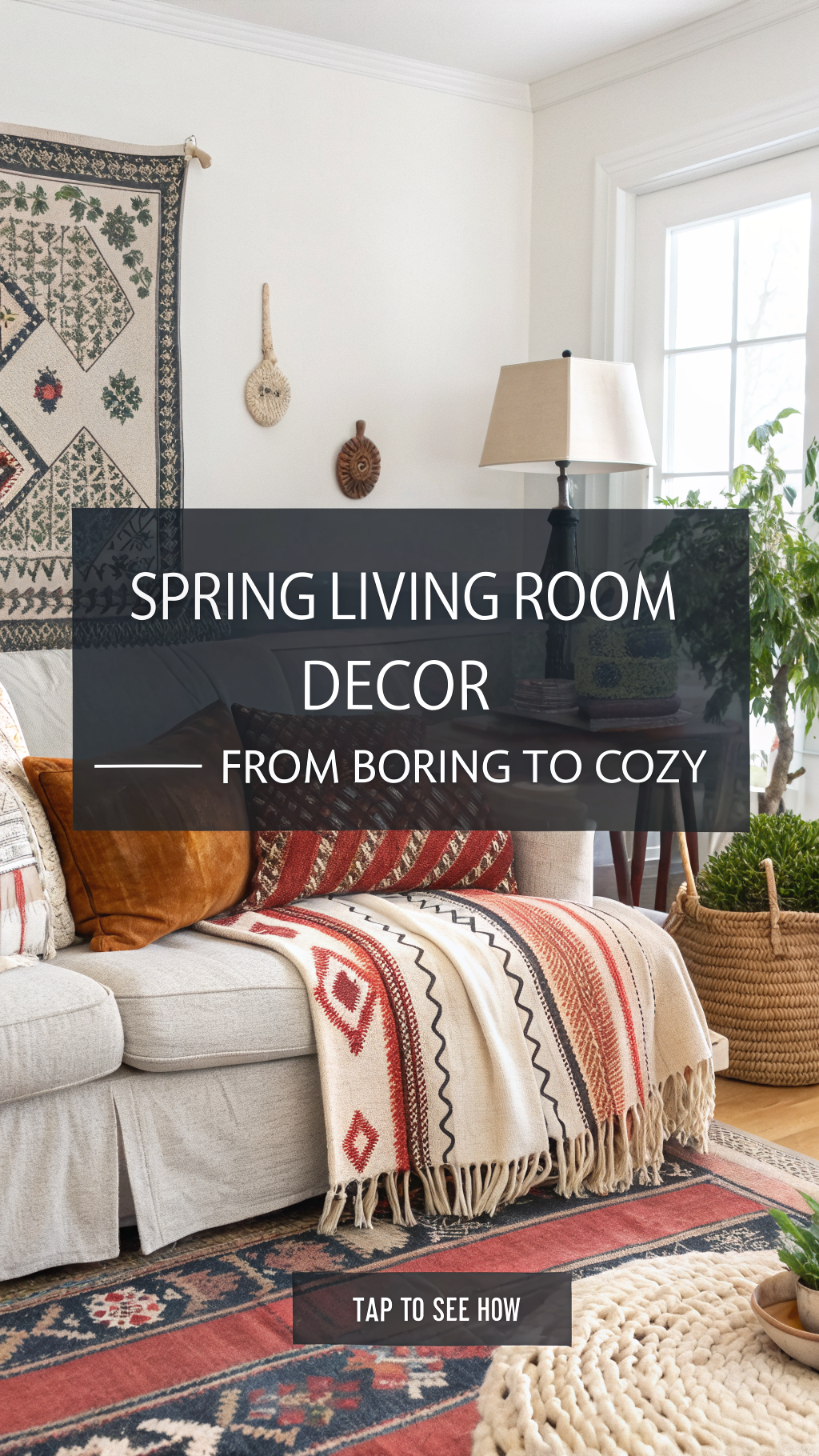
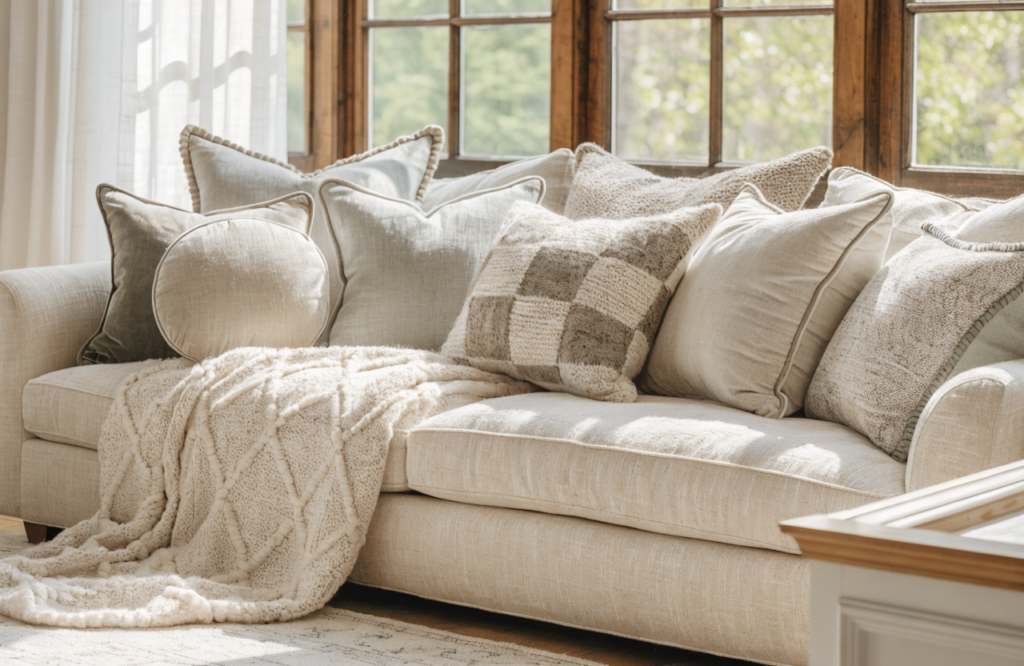
Spring is finally shrugging off the last frost, and your living room should glow with that same energy. Think light linens, bright Lightroom-worthy whites, and just the right amount of texture to keep things cozy. We’re talking layered textiles, playful pattern mixing, and a dash of spring optimism that actually lasts beyond Easter décor. Ready to refresh your space without rewriting the whole vibe? Let’s dive in.
Layered Textiles: The Quickest Way to Instant Cozy
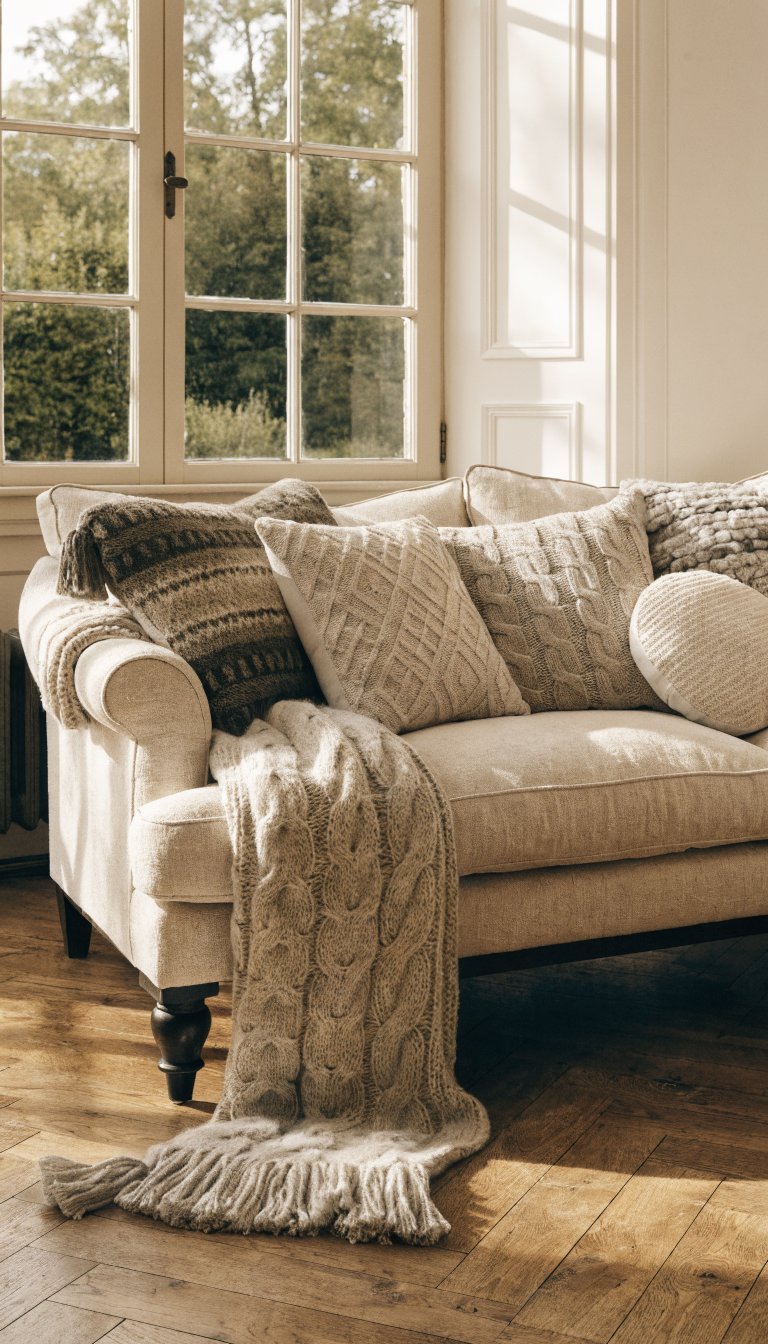
You don’t need a full makeover to feel spring-y. Start with layers, not loads of stuff. A lightweight throw over the back of the sofa, a couple of cotton cushions, and a tactile rug can do wonders. Think of textiles as the seasoning: too much and you overwhelm; just enough and you’ve got depth.
– Start with a neutral anchor: a cream, taupe, or soft gray sofa.
– Add a big patterned or textured throw as your main layer.
– Layer smaller textiles: cushions in varying textures, a velvet, a linen, a knit.
– Finish with an area rug that peeks from beneath. If your floors are dark, choose a lighter rug to brighten.
Tip: If your space is small, keep the largest textile proportionate to the room size. You want layers, not a textile avalanche.
Pattern Mixing Without Turning Your Room Into a Clown Car
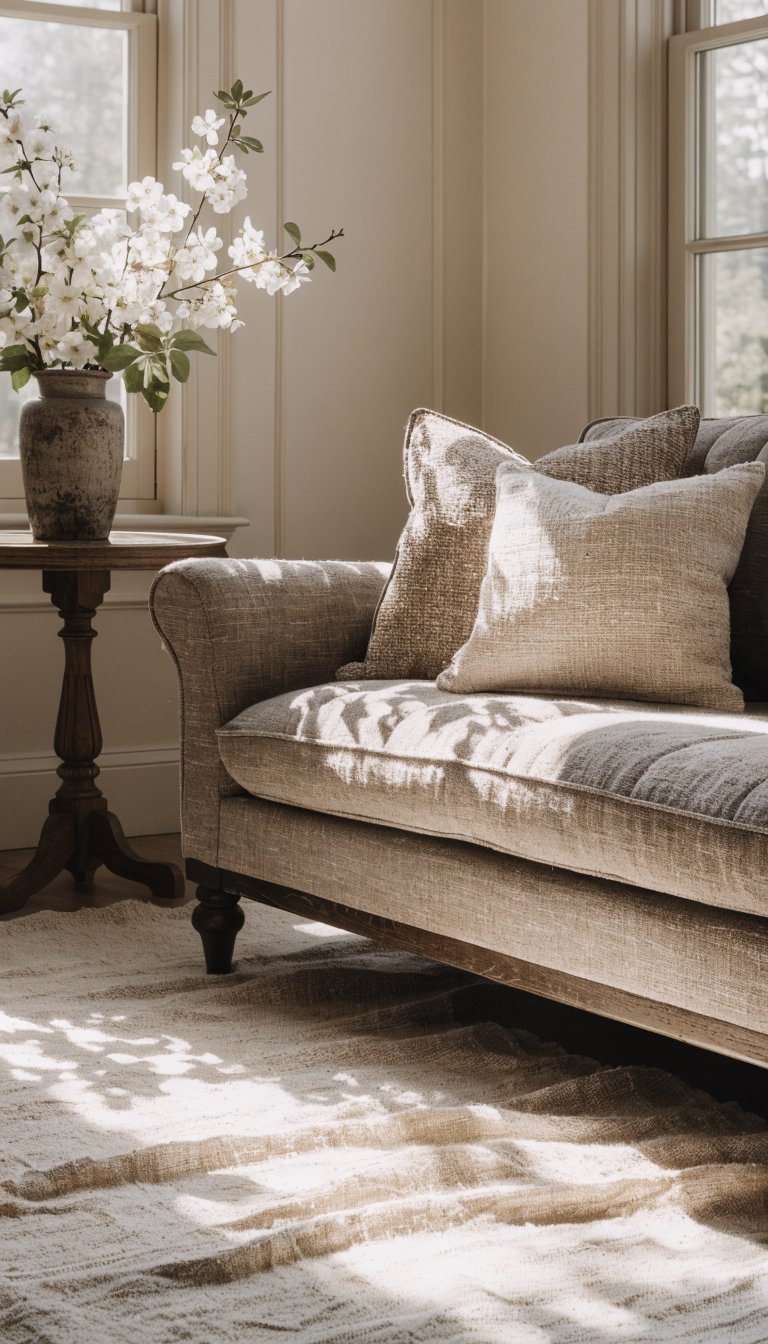
Pattern mixing can feel like alphabet soup, but it’s really just rhythm you’re composing. The trick is to pick a common thread and play with scale, color, and texture.
– Start with a unifying color: pick one hue that repeats in at least two different patterns.
– Vary scale: combine a large botanical print with smaller geometric or striped accents.
– Balance warm and cool tones: mix a warm floral with a cool chevron to keep things lively but not muddy.
– Use solids to ground busy prints: a solid pillow in a coordinating shade helps the eye.
H3: Quick palette formulas
– Soft botanicals + skinny stripes + solid ivory
– Plaid + damask-inspired motif + linen texture
– Palm leaf motif + geometric lattice + solid blush
FAQ-worthy question: Can I mix patterns if I have a small space?
Yes. Start with a large-scale piece as your anchor, then bring in smaller prints that repeat a color found in the anchor. Keep the ground color light so the room reads airy, not busy.
Textures That Speak Spring Without Saying “IKEA Wire Basket”
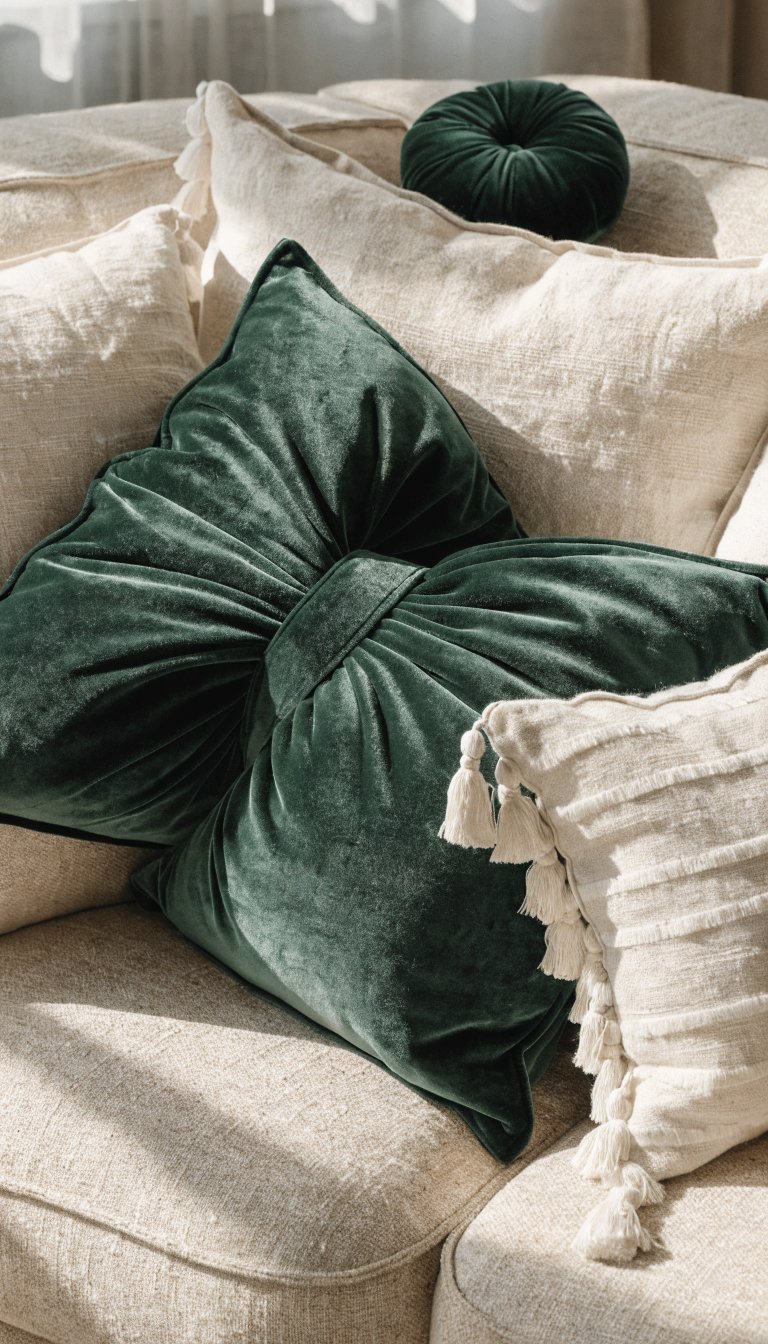
Texture is the secret sauce. It adds warmth, interest, and a sense of “I live here.” Linen, cotton, wool, rattan, and boucle all play nicely together when you respect their individual personalities.
– Linen for window treatments and cushions — breathable, casual, slightly wrinkled charm.
– Boucle or chunky knits for throws — instant coziness with a wink.
– Woven rugs with visible fibers — depth without heavy visuals.
– Rattan or cane elements — a nod to spring brightness and outdoor vibes.
A handy trick: choose one textiles-family as your base, then sprinkle others for contrast. FYI, texture is not texture’s enemy; it’s your best friend.
Color Pop Without Going Supernova
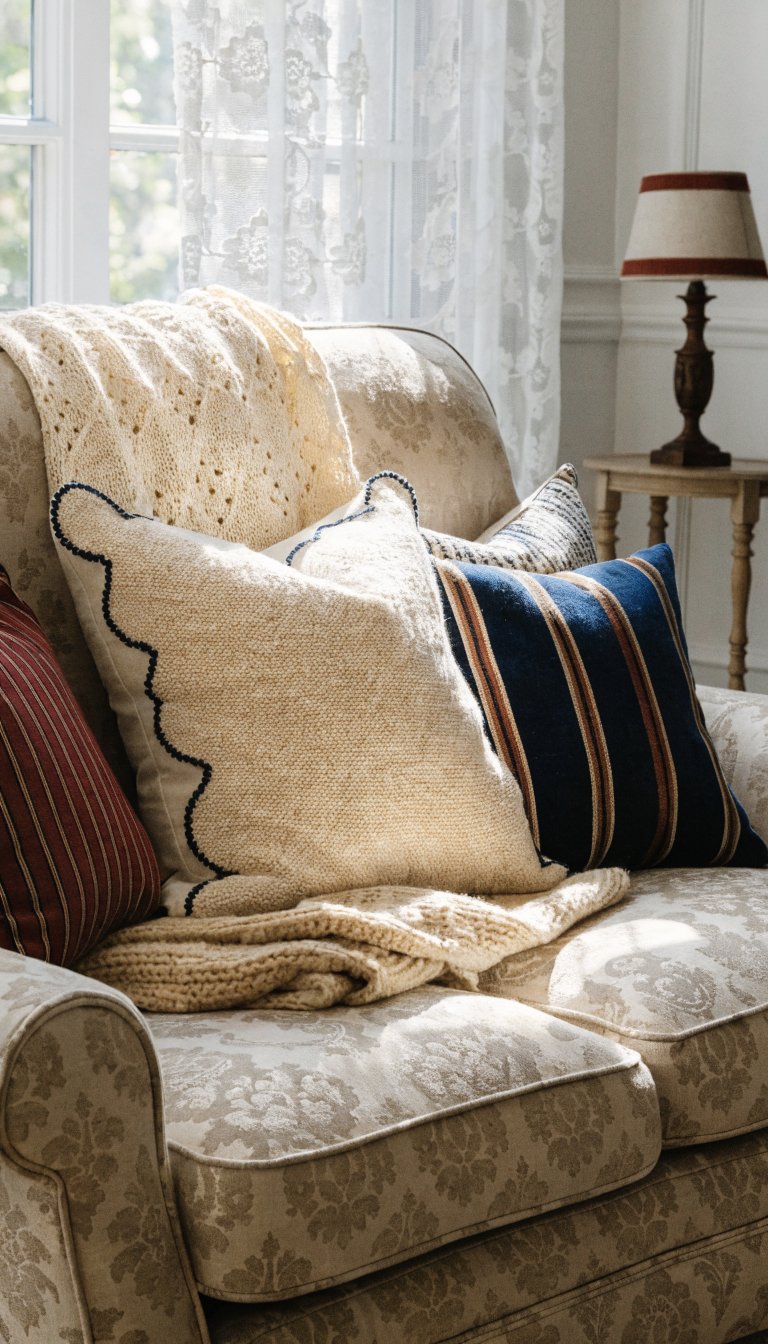
Spring doesn’t mean brute color — it means clean color. You want brightness, but not a glare overload. Think sunlit pastels, warm neutrals, and a few bold accents that won’t overpower.
– Base palette: soft whites, warm beiges, pale grays.
– Accent colors: sage green, blush pink, lemon yellow, or powder blue.
– Use color in small doses: a throw pillow, a single vibrant vase, a rug edge.
H3: Ways to introduce color without shouting
– Replace a lampshade with a tinted pastel.
– Add a patterned cushion in one bold color.
– Swap curtains for a light tint that can reflect more light.
Remember, spring is about airiness. If something feels heavy, it probably is—swap it for something lighter or more transparent.
Light, Air, and The Illusion of Space
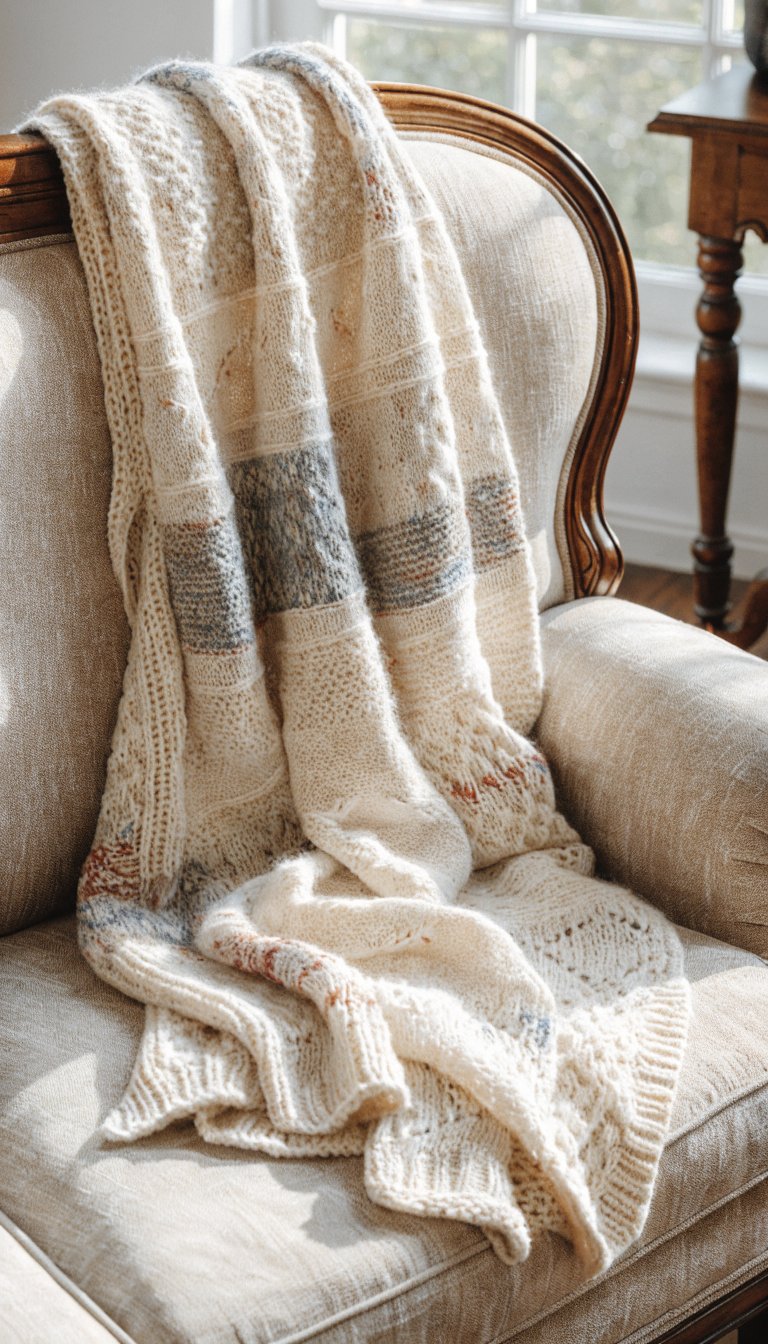
Natural light is the MVP of spring styling. Textiles should catch and enhance it, not block it. The right layering can boost brightness and keep the room from feeling dull.
– Use sheer curtains to maximize daylight.
– Place mirrors to bounce light around and reflect textiles’ textures.
– Choose light-hued textiles that reflect rather than absorb light.
– Layer with a soft, warm rug to ground without weighing down.
H3: Practical setup tips
– If you live in a dim room, lean into brighter whites and light woods.
– Use translucent or light-toned curtains to soften sunlight rather than blocking it.
– Think vertical: tall, airy curtains can give the illusion of higher ceilings.
Accessorization That Feels Intentional
Accessories aren’t just knick-knacks; they’re micro-stories you tell about your space. A curated mix of textiles and small decorative elements makes the room feel lived-in and intentional.
– Curate a textile vignette: a stack of cushions in complementary patterns, a woven basket, a small throw folded neatly.
– Swap seasonal pieces: a spring-worthy centerpiece, a lightweight throw, a few fresh flowers in a pretty vase.
– Keep scale in mind: large decorative items require fewer pieces; small items can accumulate.
H3: Seasonal swaps you can actually keep
– Swap out heavy winter cushions for lighter ones in spring tones.
– Exchange a wool rug for a lighter weave or jute rug to brighten the floor.
– Bring in a plant or two to echo spring energy and add texture.
FAQ: How do I protect fabrics from everyday wear and tear?
– Rotate textiles regularly to distribute wear.
– Use coasters and trays to keep surfaces clean and extend fabric life.
– Vacuum textiles gently and spot-clean stains quickly to keep colors vibrant.
Maintenance Confidence: Easy Care for Layered Textiles
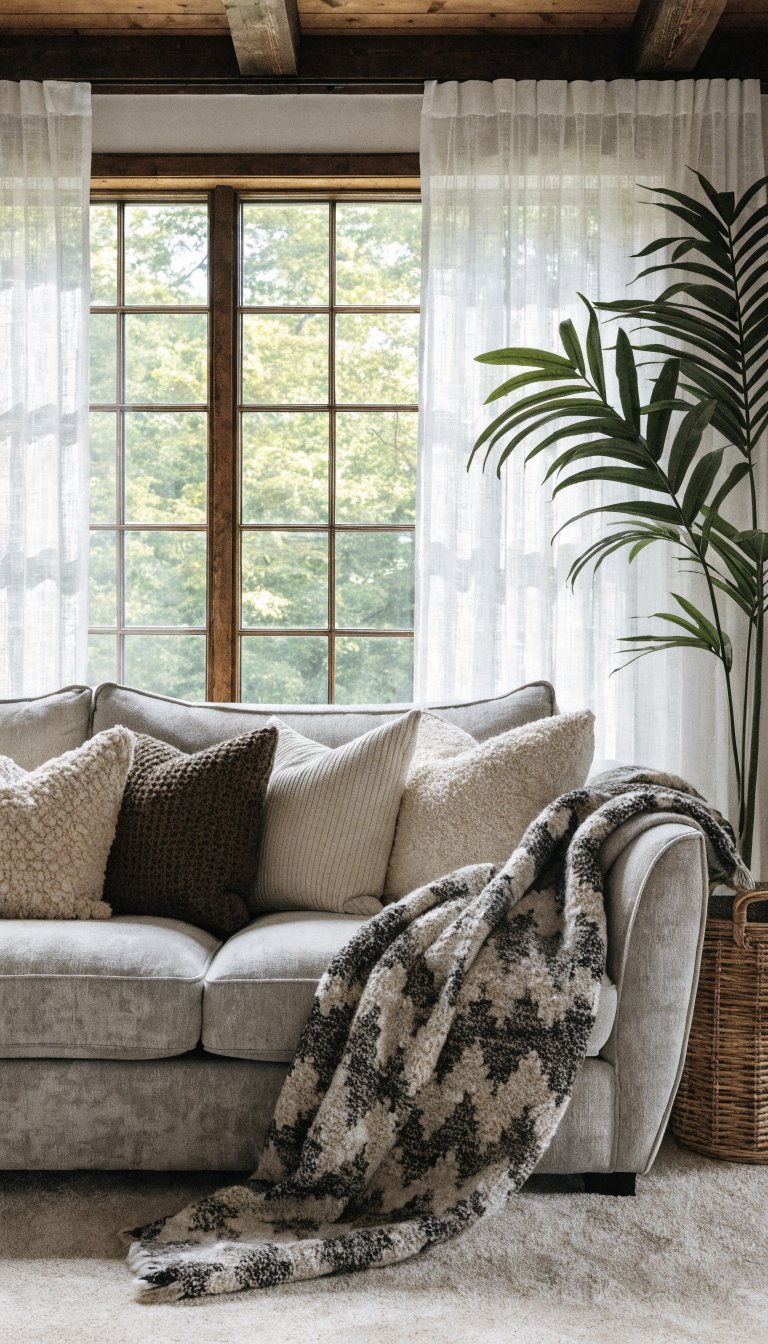
You don’t need a cleaning fairy to keep layered textiles looking fresh. A simple routine goes a long way.
– Regularly fluff cushions to maintain shape.
– Shake out throws weekly to prevent dust buildup.
– Follow care labels: some textiles love machine washing, others require dry clean or hand wash.
– Protect with throws or slipcovers if you have curious pets or kids.
A little routine saves a lot of drama. IMO, there’s nothing worse than wrestling a stubborn stain on your favorite throw at 9 PM on a weekday.
Putting It All Together: A Cohesive Spring Living Room Look
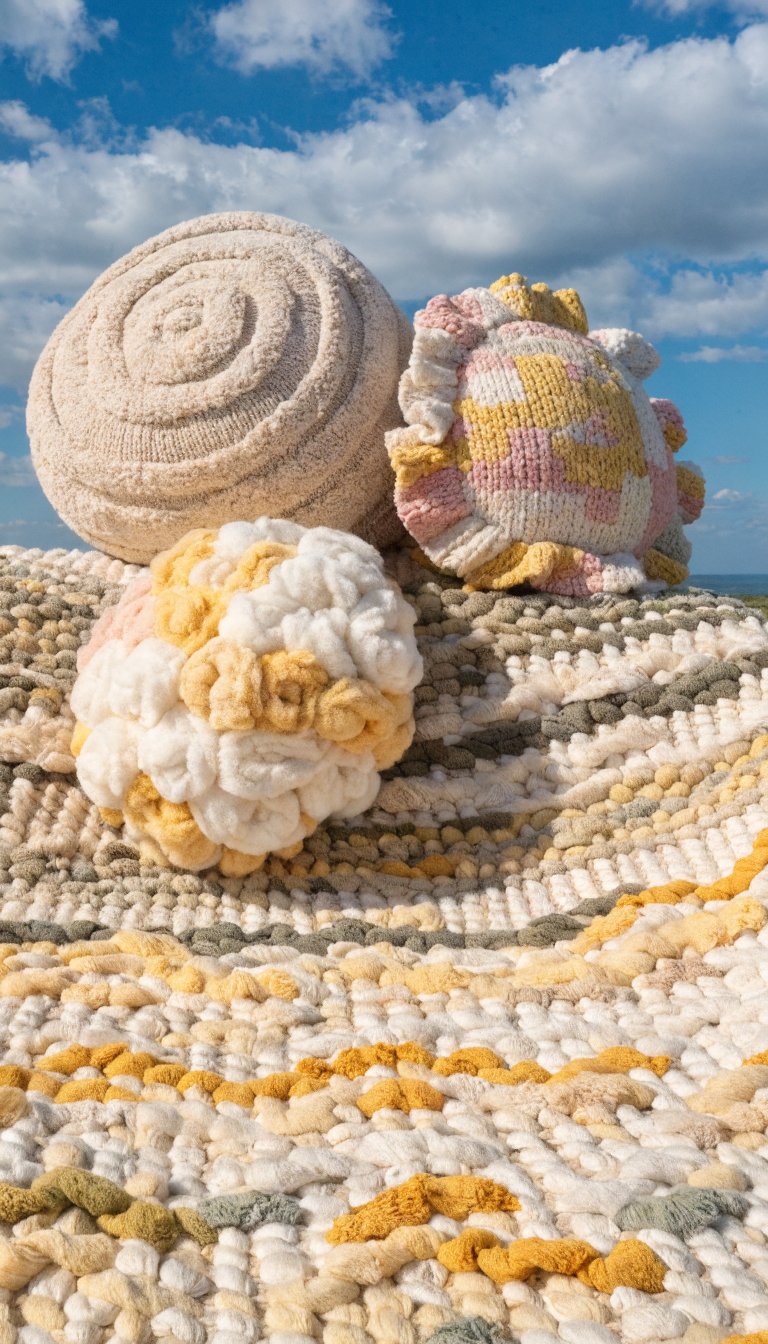
When you blend layered textiles with thoughtful pattern mixing, you create a space that feels bright, cozy, and alive. The goal isn’t to match everything but to ensure everything works harmoniously.
– Anchor with a calm sofa in a light neutral.
– Layer with two or three textiles: throw, cushions, rug.
– Introduce two or three patterns in varying scales, all tied together with a shared color.
– Finish with a few spring accents: fresh flowers, a plant, a bright tray, and a touch of natural wood.
Remember, you’re building a room you want to live in, not a showroom you visit once a year. Your space should invite lounging, curling up with a book, and maybe a snack or two. FYI, it’s okay to skip trends that don’t feel right for your home.
FAQ Section
What’s the easiest way to start layering textiles if my sofa is a bold color?
Begin with neutrals for the other layers. Choose a throw in a texture that contrasts with the sofa (like a soft knit or linen) and add cushions that mix patterns in colors that echo the sofa or the throw. Keep the largest layer neutral around the bold piece to avoid clashing.
How many patterns is too many in a small room?
Three patterns is a good max for most small rooms. Mix a large-scale print, a medium-scale print, and a small-scale print, plus solids. If you’re unsure, limit to two prints and one solid as your safe baseline.
Can I use the same textile family across different pieces?
Yes. Using the same family (for example, linen for cushions and linen curtains) creates cohesion. Then introduce a contrasting texture or a small different pattern in one or two accents to keep things lively.
How do I maintain a spring vibe year-round?
Rotate seasonal textiles and colors subtly. Keep surfaces light and airy most of the year, and swap in brighter colors or floral accents when the season shifts. It’s less about big changes and more about micro-refreshes.
Should I invest in a big rug or several smaller ones?
It depends on your space. A large rug can anchor the room and unify textiles, while smaller rugs can define zones in open-plan spaces. If you’re unsure, start with one medium-to-large rug and layer with textiles that don’t overrun the footprint.
Conclusion
Bringing It All Home
Spring living room styling with layered textiles and pattern mixing is about play, balance, and comfort. You’ll discover that textures bring warmth, patterns bring personality, and light brings life. Build in layers, keep a color thread, and allow your space to breathe. IMO, the result should look effortless but feel deeply you. So go ahead—pull a few textiles, mix a couple of prints, and let spring do the rest.