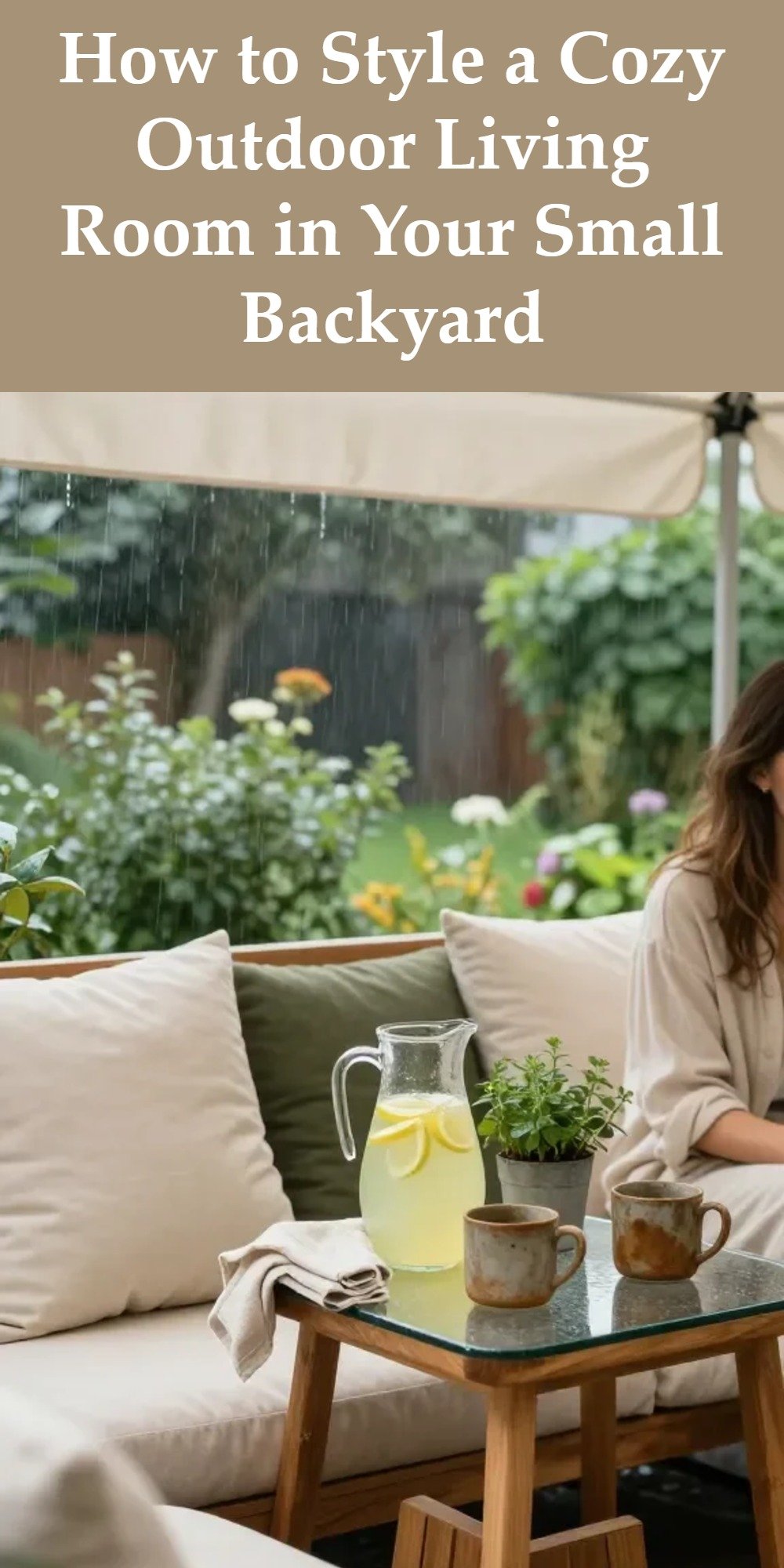
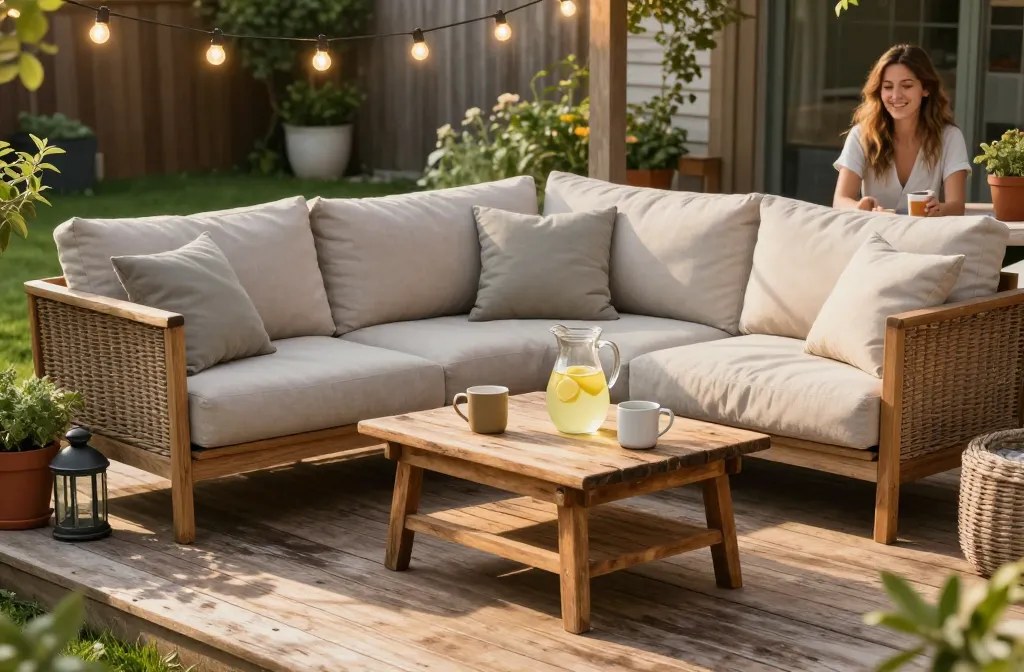
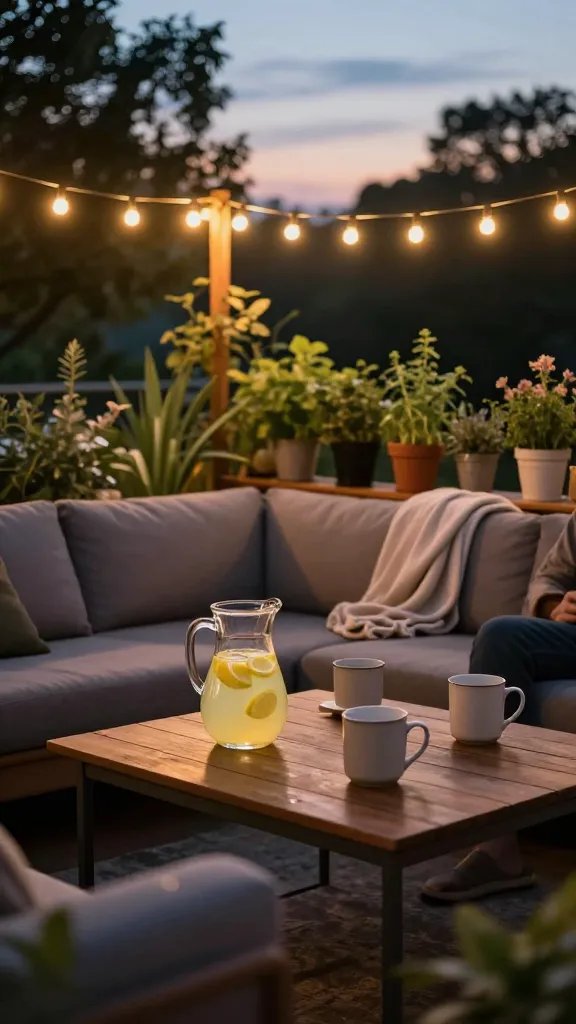
An inviting breeze brushes past, carrying the scent of sun-warmed wood and fresh-cut grass. The string lights glimmer like tiny planets, and a cushy corner just for you invites a sigh of relief after a long day. The table is set with a pitcher of lemonade, a couple of mismatched mugs, and the kind of seating that makes you want to linger forever. You’ve got just a small backyard, but tonight it feels big—like a miniature retreat you can actually use.
Let me be real: transforming a tiny outdoor space into a cozy living room on a schedule that doesn’t require a renovation is totally doable. The secret isn’t in buying the most expensive stuff or cramming every trend into one square foot. It’s about crafting a functional vibe. A vibe that says you’re welcome here—whether you’re sipping coffee at dawn or winding down with friends after dark.
We all have a fear, right? The kind that whispers: I’ll never get this right in a postage-stamp yard. Will it feel cramped? Will the furniture hold up to weather? Will it stay stylish without looking like a showroom? I hear you. The good news: with a clear plan, you can design a space that feels expansive, comfortable, and genuinely you. FYI, small changes can yield big payoff.
Below, you’ll find a practical, no-nonsense approach to styling a cozy outdoor living room in a small backyard. We’ll cover layout, layering, durable materials, lighting that sets the mood, and personal touches that make the space feel like yours, not a showroom prop.
1. Map Your Space: Visualize Before You Buy
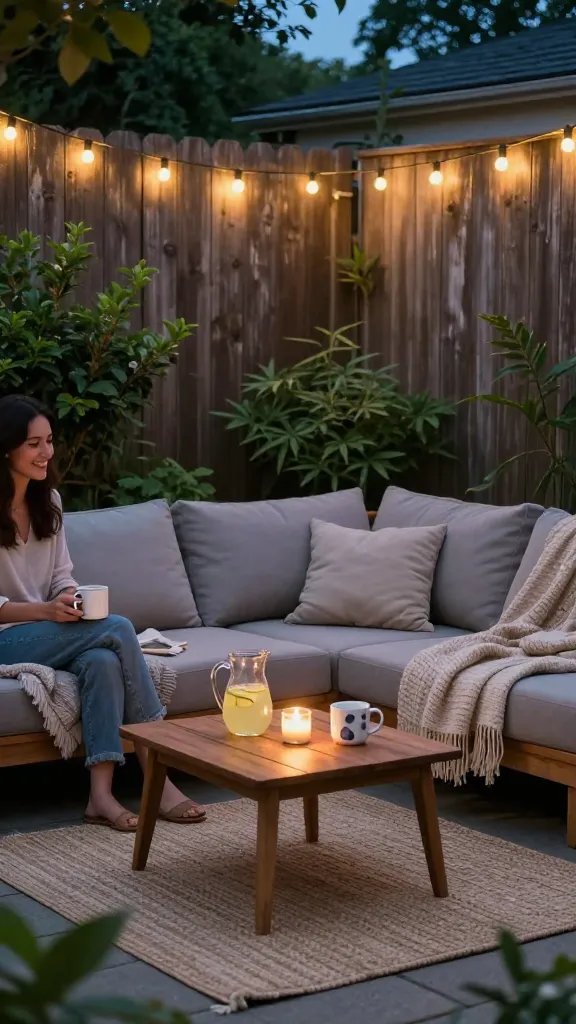
Think of your small backyard as a blank canvas with invisible lines that guide comfort. The first step is to map the space in simple terms.
- Measure accurately: note the length, width, and any awkward corners or trees that steal footprint.
- Identify zones: seating, dining, and a narrow pathway if you need one.
- Decide the focal point: a fire pit, a water feature, or a standout outdoor rug that anchors the room.
- Consider views: what do you want to see from the seating area, and what should be hidden from it?
If you sketch a quick diagram, you’ll see where larger items belong and how traffic flows. You don’t need perfection here—just a rough guide to help you avoid crowding and poor sightlines.
2. Pick a Core Seating Strategy That Fits Your Space
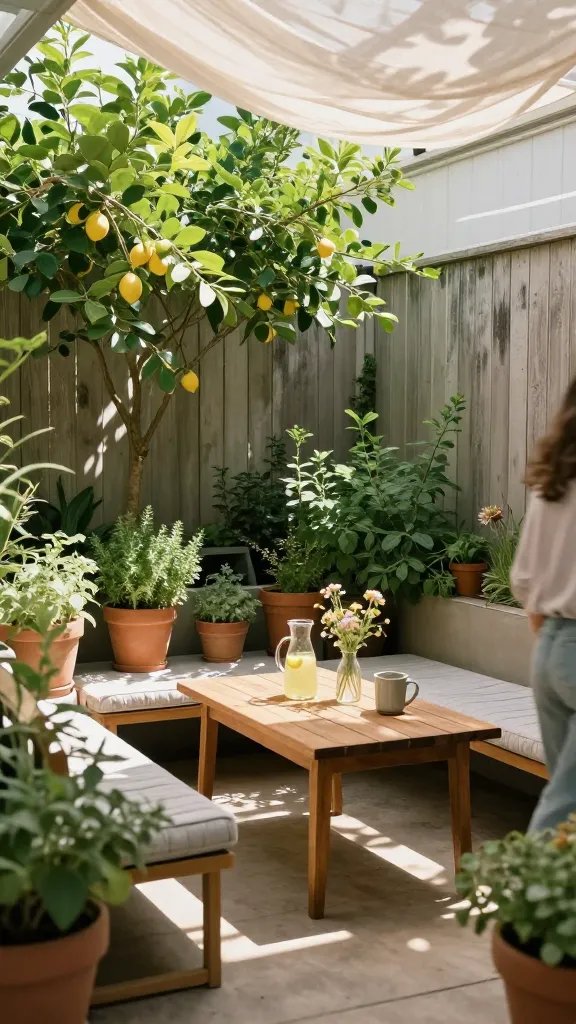
The backbone of any cozy outdoor living room is seating that’s comfortable, durable, and flexible.
2.1 The Modular Magic
Modular furniture is your best friend in a compact yard. It lets you rearrange for gatherings or solo lounging without a full-scale redo.
- Choose modular couches or chat sets with deep seats for a loungey feel.
- Incorporate a couple of ottomans or poufs that double as extra seats.
- Opt for lightweight, weather-resistant materials you can drag around easily.
2.2 A Grounded Anchor
A single, low-profile sofa or bench can anchor the space and keep sightlines open.
- Go low and wide to give the space a sense of openness.
- Pair with a slim coffee table that can double as a footrest for lounging.
- Use cushions with removable, washable covers to simplify upkeep.
2.3 The Flex Dining Nook
If you love outdoor meals, design a compact dining nook that doesn’t swallow the yard.
- Choose a small rectangular or circular table with stackable chairs.
- Consider a drop-leaf or extendable table for holidays or big cookouts.
- Shade it with a compact umbrella or retractable awning to keep heat at bay.
3. Layer Texture and Color Without Going Overboard

Texture and color are the secret sauce that makes a small outdoor space feel layered, not flat.
- Lighting layers: soft ambient lights, task lighting near seating, and accent lighting to highlight plants.
- Outdoor rugs: choose one that fits under your main seating area; a rug can visually define the space and add warmth.
- Textiles: weather-resistant pillows and throws in a cohesive color story create instant coziness.
3.1 Material Matters
Durability is non-negotiable in outdoor spaces.
- Wicker, resin, and powder-coated metal hold up well with rain and sun.
- Go for cushions with quick-dry foam and breathable fabrics like solution-dyed acrylic.
- Incorporate wood accents that weather gracefully, like a teak coffee table or a fence panel used as a backdrop.
3.2 Color Story That Feels Effortless
You don’t need a rainbow. Pick a base neutrals palette and add one or two accent colors.
- Base: sand, taupe, or gray that resists showing dirt.
- Accent: a pop of teal, terracotta, or olive to energize the space without overwhelming it.
- Metallic touches: bronze or brass accents catch the evening light for a touch of glam.
4. The Lighting Plan: Dim the Day, Brighten the Night
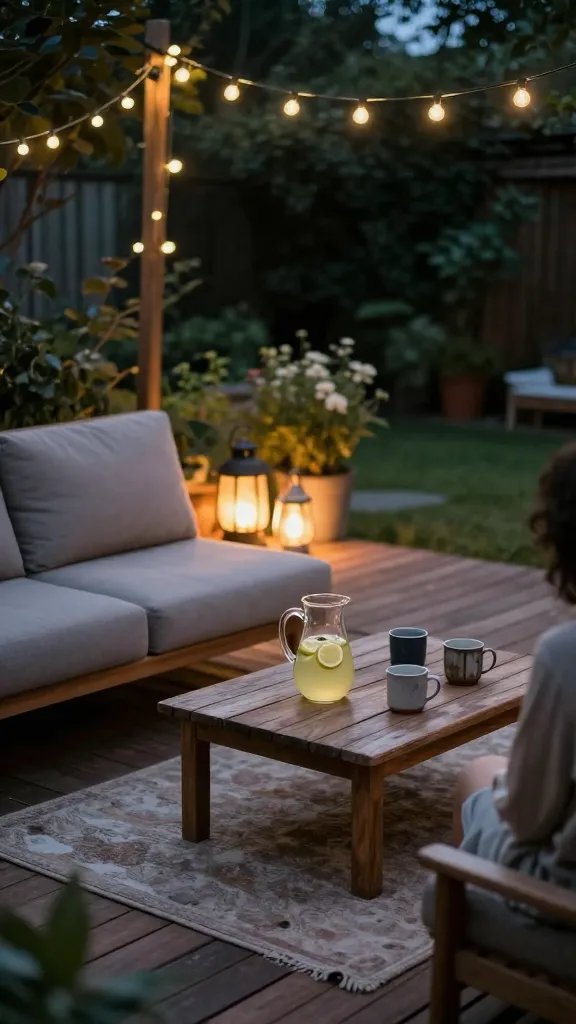
Lighting can transform a cramped area into a magical retreat after sunset. It’s the simplest way to make the space feel larger and more inviting.
- String lights above the main seating point to create a tent of glow.
- Ground-level lanterns or LED candles line pathways to guide the eye and the steps.
- Task lighting next to seating for reading or board games keeps function crisp after dark.
- Smart plugs or timers help you flip from “vibes” to “everyday” with a tap.
4.1 Mood, Not Bright White
Choose warm white bulbs (around 2700–3000K) for a cozy atmosphere. Cool whites can feel clinical in small spaces.
5. Greenery That Grows Into the Space (Literally)

Plants are the ultimate space multipliers. They soften edges, provide privacy, and add life.
- Vertical planters or wall-mounted trellises maximize height without stealing floor space.
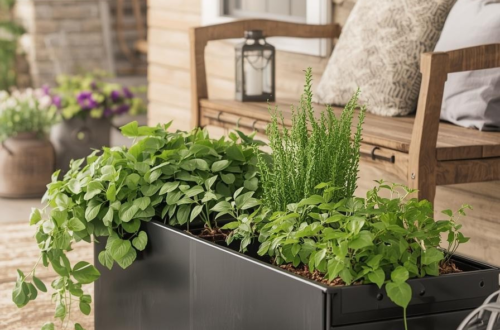
- Potted herbs are both pretty and practical for quick shutters of flavor during summer nights.
- Evergreen backdrop plants keep the space feeling lush year-round.
5.1 Low-Mreadiness Greenery
Choose hardy, compact varieties that require minimal upkeep.
- Hedra, boxwood, or pittosporum for structure.
- Compact grasses or sedums for texture without crowding.
- Climbing vines for a green wall effect behind seating.
6. Cozy Details: Personal Touches That Make It Yours
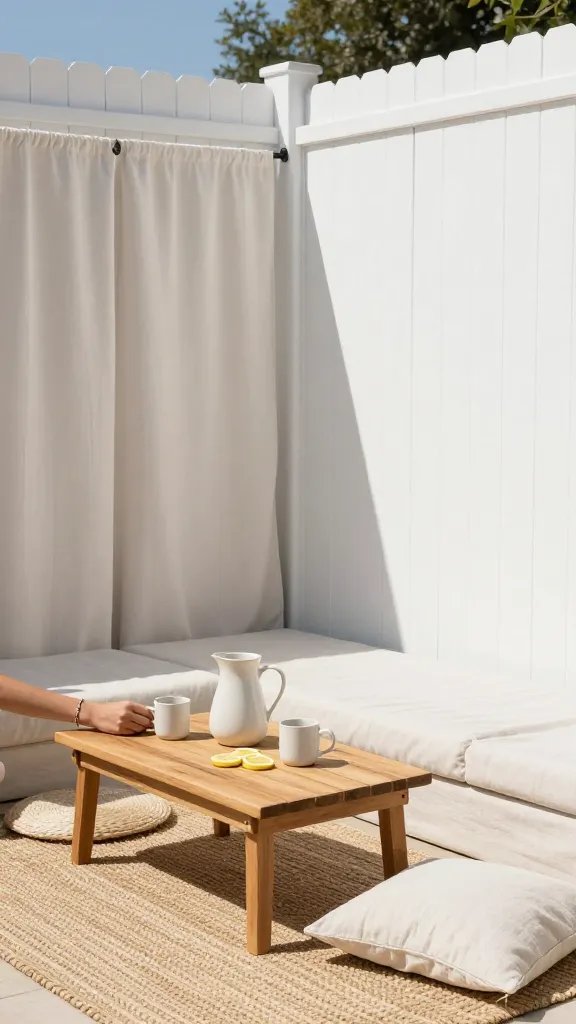
This is where the magic happens. It’s the little things that say “this is your space.”
- Throws and cushions with memory-foam feel for comfort on cool nights.
- A small side table for your drink, snacks, or a favorite book.
- Artwork or weatherproof wall decor that reflects your style.
- A scent strategy with citronella lanterns or a small herb corner for fresh fragrance.
6.1 Outdoor Tech, If You Dare
You can still vibe while staying connected.
- Weatherproof Bluetooth speaker for playlists that match the moment.
- Outdoor-safe charging station for phone or tablet near seating.
- Fire pit or a tabletop burner for warmth and ambiance when the air cools.
7. Maintenance Mindset: Keeping It Cozy Year-Round

Small yards demand simple routines. Build a routine, not a ritual.
- Seasonal wipe-downs and a quick cushion wash to avoid mildew.
- Invest in a good storage solution to keep pillows and throws dry during rain.
- Inspect lighting and electronics before heavy weather hits.
7.1 Quick-Access Cleanup Checklist
Create a quick routine so you don’t lose momentum.
- Dust off surfaces and declutter weekly during peak season.
- Shovel or sweep leaves and debris promptly to reduce staining.
- Rotate cushions to even out wear and preserve shape.
8. Budget-Friendly Hacks That Don’t Look Cheap
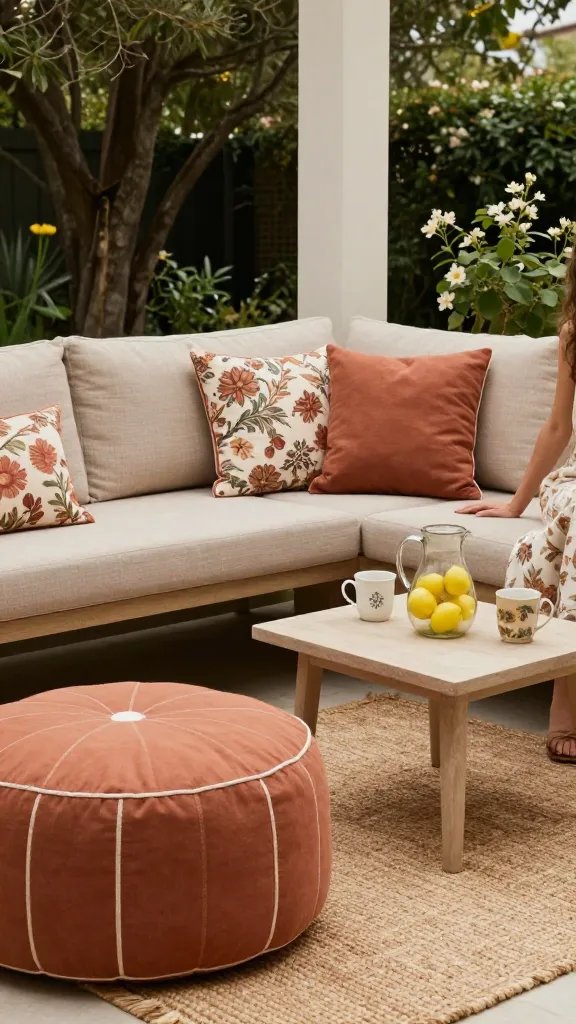
You don’t need to max your credit card to get a dreamy outdoor room.
- Repurpose indoor items for outdoor use with weatherproof covers or sealant.
- DIY planters from repurposed crates or pallets add personality without a big spend.
- Shop off-season for deals on cushions and lighting to save money.
8.1 The Layered Approach to Saving
A focused plan helps you upgrade gradually without chaos.
- Start with seating, then add lighting, and finally accessorize with textiles.
- Upgrade one element each season to avoid overwhelming changes.
9. Common Pitfalls and How To Avoid Them
Nobody wants to realize they’ve created a cramped, awkward space after they’ve finished decorating.
- Too many hard edges: soften with cushions, rugs, and plants.
- Overloading on glow: mix task lighting with ambient lights to avoid harsh spots.
- Ignoring weather: choose durable fabrics and keep storage accessible.
10. The 5-Question Quick-Check Before You Buy

Keep this mini-quiz handy when you shop.
- Does this piece fit the scale of my space?
- Is the material weather-resistant and easy to clean?
- Will the color scheme work with my overall home look?
- Can I rearrange this later for different occasions?
- Is there a sensible storage solution for off-season months?
FAQ
How do I choose furniture for a small backyard?
Start with a clear plan of zones and a single focal point. Opt for multipurpose pieces, like a coffee table that doubles as a storage ottoman, and choose furniture with slim profiles to keep sightlines open. Lightweight materials help you rearrange without breaking your back.
What lighting setup makes a small outdoor space feel bigger?
Layer lighting with a mix of ambient string lights, soft uplighting for plants, and a focused task light for seating areas. Warm, low-intensity bulbs create a cozy atmosphere that expands the perceived space. Avoid harsh, single-source lighting that creates sharp shadows.
Which plants work best for a tiny backyard?
Go vertical with trellises and hanging planters. Choose compact evergreens for year-round structure and add seasonal flowering plants for color. Herbs are a smart, fragrant addition that’s both practical and pretty.
How can I weatherproof outdoor textiles?
Choose fabrics specifically labeled for outdoor use, like solution-dyed acrylics. Use quick-dry foams in cushions and zip-off removable covers for easy washing. Store textiles in a covered space when heavy rain is expected.
What if I have zero storage for cushions in winter?
Look for benches with built-in storage, or use waterproof storage boxes that sit discreetly along a wall. Consider a lightweight, modular design so you can relocate cushions before storms.
How do I add a touch of luxury without breaking the bank?
Incorporate small, high-impact details: a weatherproof throw with a plush feel, a statement lantern, or a single piece of outdoor art. Even one well-chosen accessory can elevate the entire space.
Conclusion
You don’t need a sprawling yard or a six-figure budget to create an outdoor living room that feels stylish and welcoming. Start with a plan that uses your space intelligently, invest in a few durable, versatile pieces, and layer in texture, color, and light. Let the area evolve with seasons and your life—not in a frenzy of new purchases, but with intentional, small upgrades that keep the vibe cozy and your porch parties flowing.
Before you know it, your tiny backyard will feel like a real living room—minus the four walls and with a lot more fresh air. You’ll have a space that invites lingering chats, easy dinners, and late-night stargazing. IMO, that’s not just good design; it’s a quiet revolution in small-space living. FYI, the best part is you did it yourself—with personality, practicality, and a dash of whimsy.