Decluttering doesn’t have to be a brain-wreaking puzzle. You can start small, see progress fast, and actually keep going. This article breaks down how to move from “I’m overwhelmed” to “I got this” with practical steps and a mindset shift that actually sticks.
1. Shift Your Goal: Declutter, Not Perfectly Organize
– The big game changer is redefining the goal. Don’t pressure yourself to organize everything perfectly from the start.
– Your mission: get stuff out of the space. Let organization come later, after you’ve reduced the pile.
– This mindset helps you escape the paralysis that happens when you fixate on a perfect end state.
Ask yourself: am I aiming to declutter this space or to solve every problem in one go? If the answer is declutter, you’ve already won the first round.
2. Start with Trash: The No-Brainer First Step
– Grab a black trash bag (or any bag you won’t second-guess later). The goal is simple: identify and remove trash.
– Each item that leaves the space reduces visual overwhelm. Less clutter equals less brain fog.
– This approach gives you momentum without the heavy decision fatigue.
Tips for workability:
– Look for true trash first, not “maybe trash.” If you’re unsure, decide quickly and move on.
– If nothing looks obviously trash, still ask yourself practical questions about each item. The process itself builds momentum.
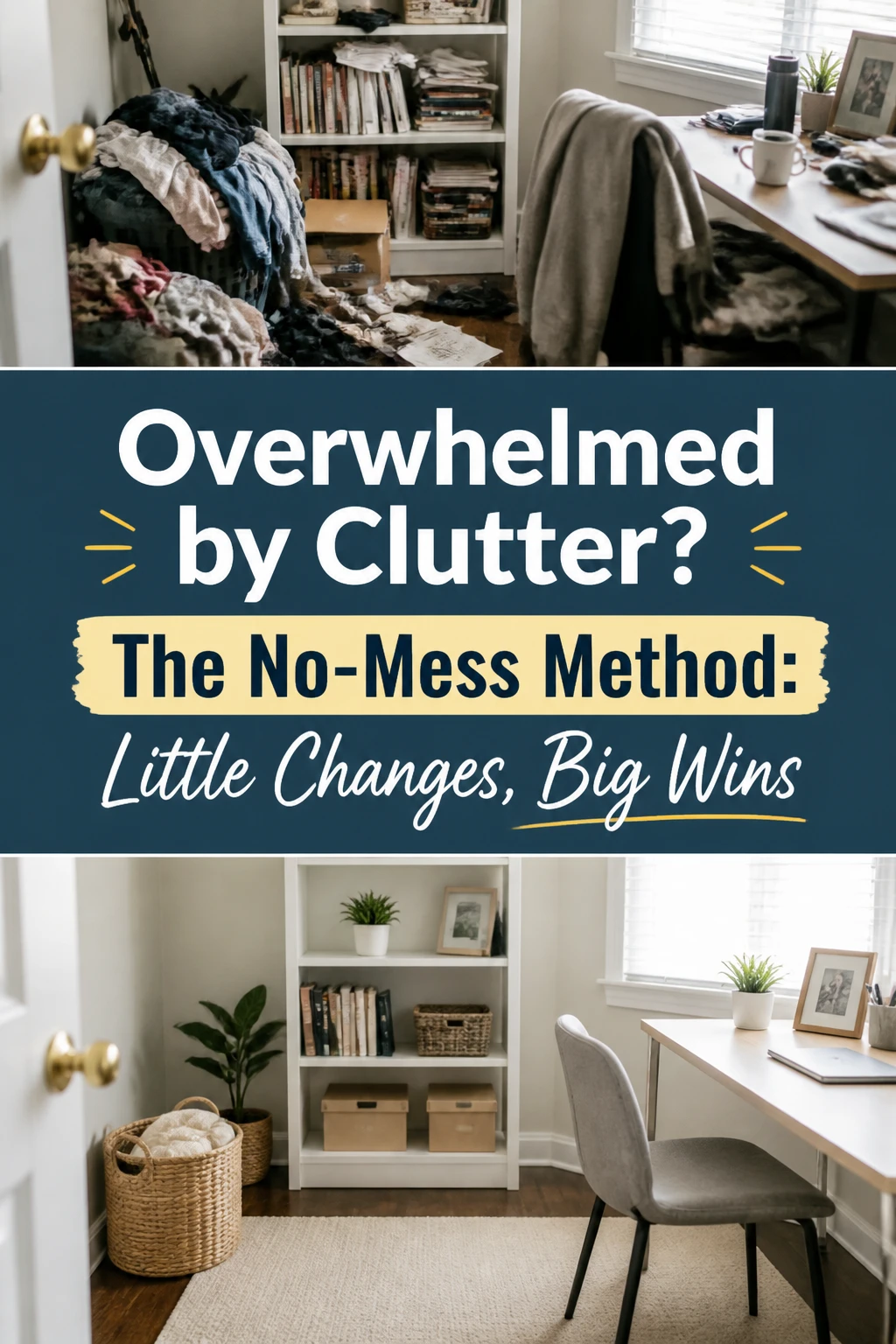
3. The No-Mess Method: Little Changes, Big Wins
– The no-mess method means you’re not pulling everything out into a big pile. You’re making the space better in small, decisive steps.
– Don’t worry about creating more mess while you’re decluttering. The trash-first approach ensures you’re continually improving the space.
– Remember: a slightly better space is still a win. Momentum compounds, and so does confidence.
4. Practical Tactics That Actually Work
4.1. Identify Trash Quickly
– Start with items that clearly don’t belong in the space. Trash is trash; don’t overthink.
– If you’re unsure, ask: would I look for this item first if I needed it? If not, it’s a candidate for trash or donation.
4.2. Make It About What You Remove
– Don’t get bogged down with “what would be the perfect solution.” Focus on removing what doesn’t belong.
– Each item you remove makes the space less overwhelming and more manageable.
4.3. Use the Momentum to See What’s Next
– With trash going out, your brain starts seeing concrete progress. You’ll see what’s left more clearly and know what to tackle next.
– This is where you can decide what to donate, what to store, and what to trash in a structured way later on.
5. When You Can’t See the Trash: Strategies to Build Momentum
– Some folks can’t identify trash easily. If that’s you, don’t panic — adapt.
– Ask targeted questions about each item as you pick it up:
– “If I needed this item, where would I look for it first?”
– “Is this trash? Could I easily replace it later?”
– These questions help you classify items without stalling.
FYI: It’s okay to skip ahead to trash-gathering mode until you gain momentum. The key is starting, not perfect categorization.
6. Printables, Books, and Extra Resources
– If you want a structured path, there are resources like a 5-step decluttering process you can print and follow.
– Listening to a book or a guide while you declutter can boost motivation. IMO, audio can be a solid companion during the process.
7. Real Talk: Mindset, Momentum, and Making It Stick
– The reason decluttering feels impossible often comes down to a mental block rather than a lack of time or tools.
– By reframing “I must be organized” to “I must declutter,” you reduce the intimidation factor.
– Small wins compound. Celebrate the little things: another bag full of trash, one area now visible, one corner that finally breathes.
8. Keeping It Practical: A Quick Plan to Get Started
– Step 1: Grab a trash bag and a trash bin.
– Step 2: Scan the space and pull out obvious trash.
– Step 3: Move through the space item by item, deciding quickly if something is trash.
– Step 4: Repeat in other areas. Don’t try to solve everything at once.
– Step 5: Move on to donation, selling, or storage decisions after you reduce the immediate overwhelm.
This plan keeps you from getting stuck in decision fatigue and helps you see progress fast.
FAQ
What exactly should I declutter first?
Start with trash. Removing waste reduces visual clutter and lowers emotional resistance to continue. If you’re unsure about an item, ask quick questions about its usefulness or necessity, and decide fast. The goal is progress, not perfect categorization.
How can I stay motivated to declutter?
Focus on tiny wins: each trash bag, each area that looks less chaotic, each time you can see the floor. Momentum builds confidence, and confidence makes the next step easier. FYI, you don’t need perfect organization to start enjoying a calmer space.
What if nothing looks like trash to me?
Try the quick decision questions for each item, or use the “would I look for this first if I needed it?” test. If that still stalls you, prioritize trash removal first to unlock momentum. Remember, progress beats perfection.
Should I donate or trash everything I don’t want?
If an item isn’t trash but isn’t essential, donation or sale is a good plan. Distinguish between trash (discard) and donate/sell (rehome). Donating helps others and clears space for you without creating new clutter in your pockets or corners.
What if I feel completely overwhelmed even after trash removal?
Take a break, but stay in motion. Revisit your space with a fresh mindset, and reassess the simplest trash-first approach. Small, repeatable steps beat big, unsustainable pushes any day.
Can decluttering be done without turning my home into a mess?
Yes. The No-Mess Method ensures you aren’t creating new chaos as you go. You don’t pull everything out at once; you improve the space by removing trash and gradually defining what belongs where.
Conclusion
Decluttering isn’t about a dramatic overhaul or a single heroic weekend. It’s about redefining your goal, starting with what’s easy to remove, and letting momentum carry you forward. By focusing on trash first, using the No-Mess Method, and keeping the steps small and repeatable, you’ll see real progress without the overwhelm. So grab that bag, pick a space, and get a little bit better with each pass. You’ve got this — one trash bag at a time.