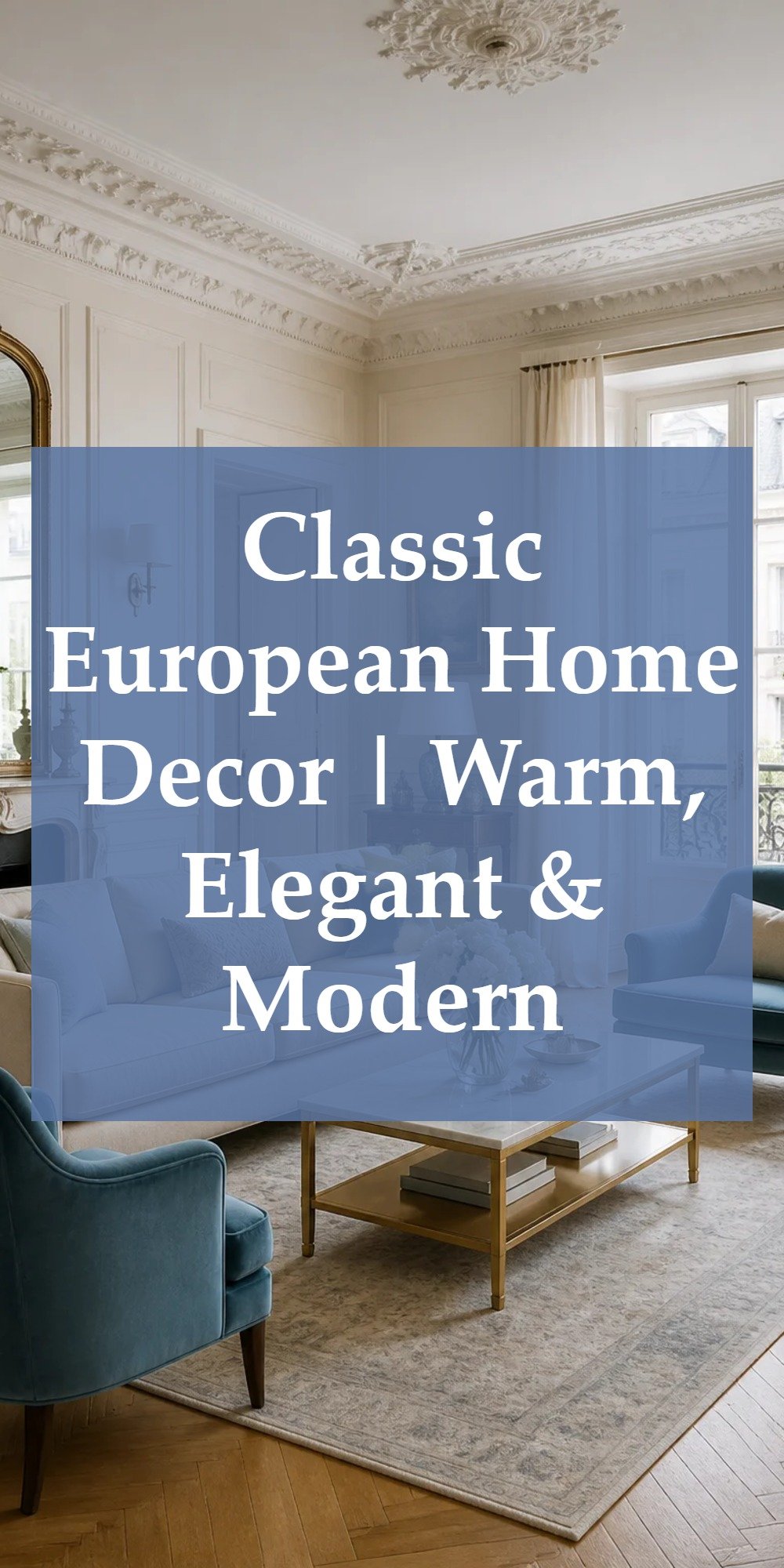
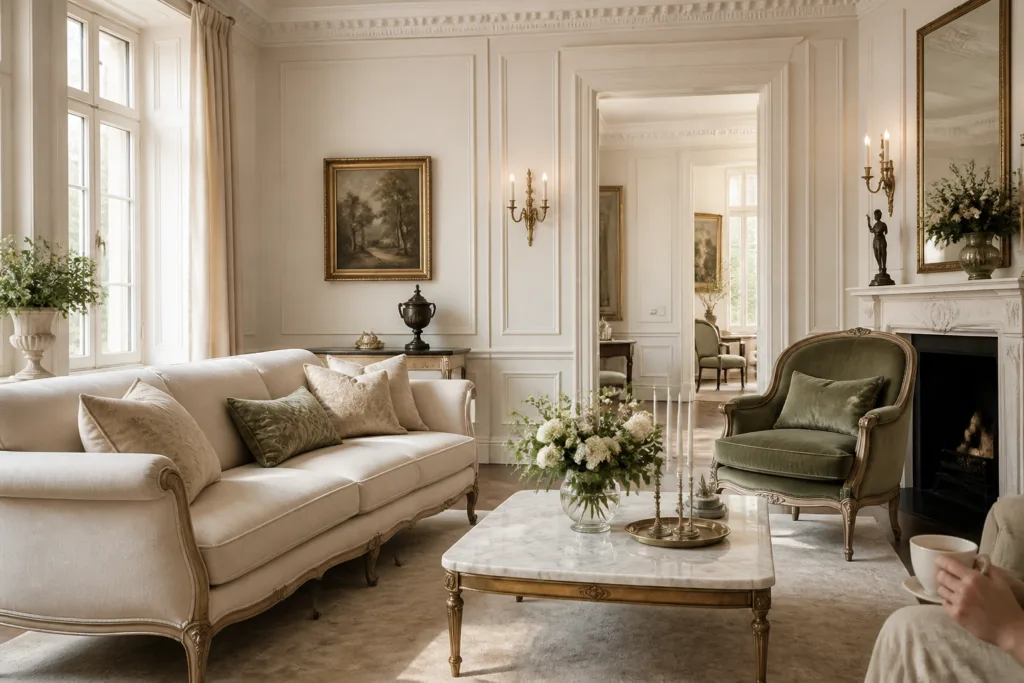
Imagine walking into a home that whispers old-world sophistication but hugs you with modern comfort. That’s the magic of neoclassic European style—where ornate crown molding meets cozy linen sofas, and marble-topped tables live peacefully alongside plush velvet chairs. This isn’t about stuffy museum vibes. It’s about creating spaces that feel timelessly gorgeous and totally livable, every single day.
Why Classic European Home Decor Is Having a Major Moment Right Now
Let’s be honest—we’re all craving interiors that feel collected, curated, and a little bit special. Neoclassic design delivers exactly that by blending the grandeur of European palaces with the comfort modern life demands. Think of it as your home’s glow-up: regal but never rigid, sophisticated but seriously welcoming.
This style works beautifully whether you’re redecorating your entire house or just refreshing one room. The key is understanding how to balance those classical elements—carved furniture legs, luxe fabrics, symmetrical layouts—with contemporary ease. And spoiler alert: it’s way more achievable than you think.
Choosing Furniture That Marries European Elegance With Modern Comfort
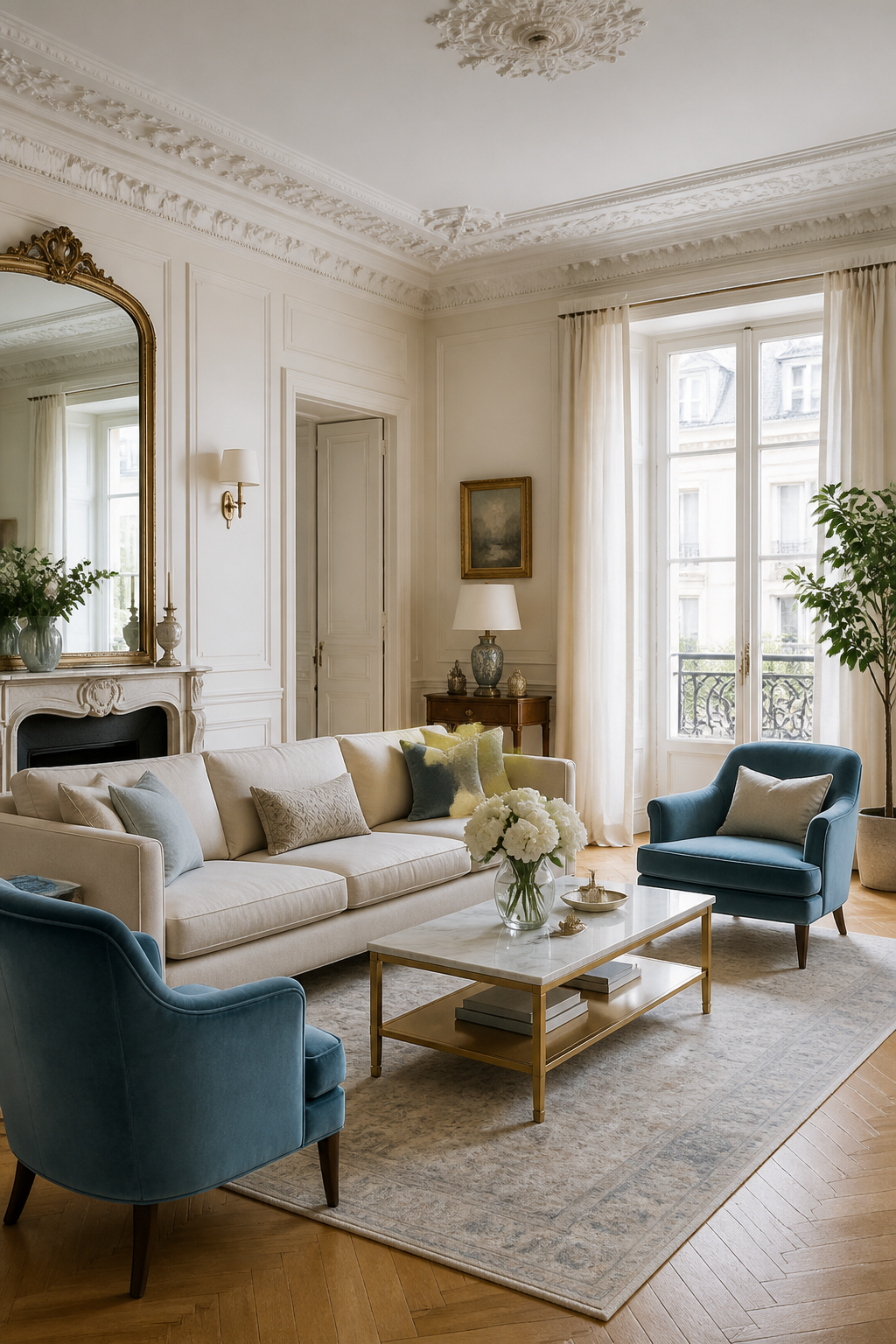
Your furniture choices set the entire tone for neoclassic interiors. The goal? Pieces that look like they have stories to tell but still invite you to curl up with a good book.
Classic Silhouettes With Contemporary Fabrics
Start with furniture shapes rooted in European tradition—rolled arms on sofas, button-tufted upholstery, gracefully carved wooden legs. A Chesterfield sofa is basically neoclassic royalty, but choose it in a soft neutral linen instead of heavy leather for that modern twist. Same goes for Louis XVI-inspired armchairs: pick them in cozy, touchable fabrics rather than stiff brocade.
A marble-topped coffee table with clean, simple lines? Absolutely perfect. It bridges old and new without trying too hard. The secret sauce is making sure everything is actually comfortable, not just pretty to look at.
Mix Materials Like a Pro
Here’s where things get fun. Pair a richly stained wood console with a sleek glass lamp. Place a sumptuous velvet armchair next to a contemporary metal side table. This interplay of textures and finishes keeps your space from feeling like a period film set and instead creates rooms that feel collected over time.
When you’re shopping, invest in fewer pieces of higher quality. They’ll outlast trends and actually age beautifully—both the finish and the construction. Think heirloom potential, not fast furniture.
The Perfect Neoclassic Color Palette for Warm European Elegance
Color is everything in creating that soft, sophisticated European atmosphere. Neoclassic design thrives on harmonious, restrained palettes that let architectural details and furnishings truly shine.
Start With Your Neutral Foundation
Build your base with gentle, warm neutrals: creamy ivory, soft beige, dove gray, and muted taupe. These shades create the perfect backdrop—calm, sophisticated, and endlessly versatile. They make spaces feel larger and brighter while giving you flexibility to layer in other elements.
Add Depth With Classic Accent Colors
Once your foundation is set, layer in deeper tones for richness. Deep navy brings stately elegance. Emerald green adds luxurious depth. Charcoal creates dramatic sophistication. These colors work beautifully on accent walls, in fabrics, or through larger furniture pieces.
Metallics are your best friends here. Gold and brass finishes bring warmth and traditional glamour, while antique silver or pewter adds cooler refinement. Don’t be shy about mixing metals—just keep the finishes consistent (all brushed or all polished).
Feeling bold? Introduce one statement color in small doses. A rich burgundy velvet chair or dramatic peacock blue drapery can give your room that luxurious punch without overwhelming the elegant restraint that defines this style.
Incorporating Natural Wood for Authentic European Warmth
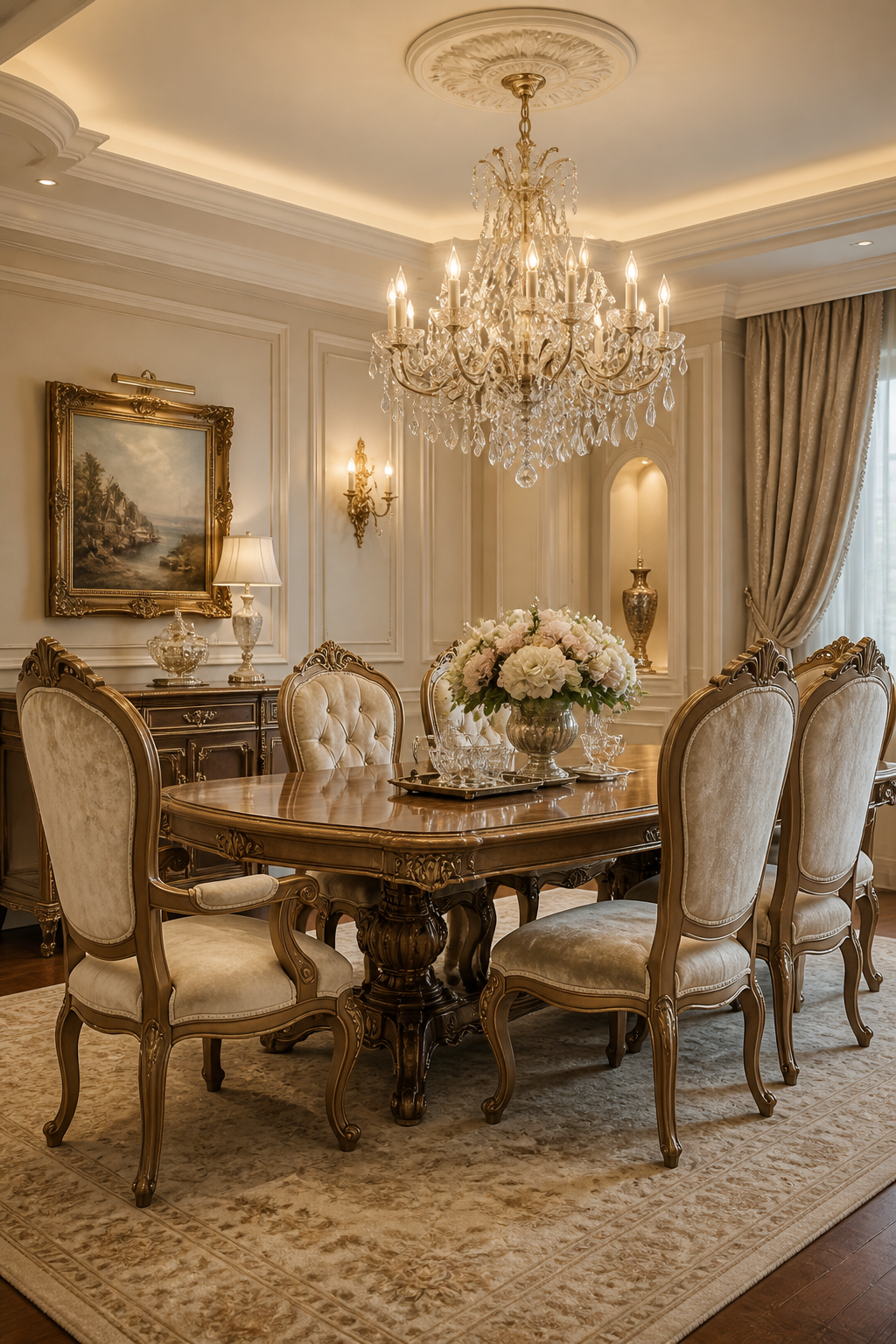
Wood is absolutely essential for grounding neoclassic spaces. It brings warmth, texture, and that sense of permanence that makes European interiors feel so timeless.
Go for rich walnut, mahogany, or oak if you want traditional depth. Lighter-stained woods work beautifully for a more contemporary interpretation. The key is choosing real wood—flooring, cabinetry, furniture—because there’s simply no substitute for authentic grain and patina.
Mixing Wood Tones the Right Way
Don’t stress about matching every single wood finish. Mixing tones actually creates more visual interest and feels less matchy-matchy. The trick? Keep your undertones consistent. A walnut dining table pairs gorgeously with lighter oak chairs when both have warm, golden undertones. Cool-toned woods should stick together, too.
Look for pieces with carved details—decorative edges on table legs, subtle molding on chair backs. These nods to classical craftsmanship add character without tipping into overly ornate territory.
Planning Your Layout With Balanced European Proportions
European neoclassic design is rooted in symmetry and thoughtful proportion. This doesn’t mean boring—it means beautifully balanced.
Start by identifying your room’s focal point: a fireplace, a stunning window, or a statement piece of art. Then arrange furniture in a balanced, almost mirror-like formation around it. In living rooms, matching sofas or a pair of armchairs facing each other creates instant sophistication.
For dining areas, choose a grand rectangular or oval table with equal seating on both sides. This symmetrical approach reinforces that European formality while still feeling welcoming. Even in smaller spaces, this principle adds order and elegance.
The magic word here is restraint. Avoid cluttering the room with too many pieces. Let each item have breathing room. This balance between formality and openness is what makes neoclassic spaces feel sophisticated instead of stuffy.
Mastering the Art of Layering Textures for Depth and Luxury
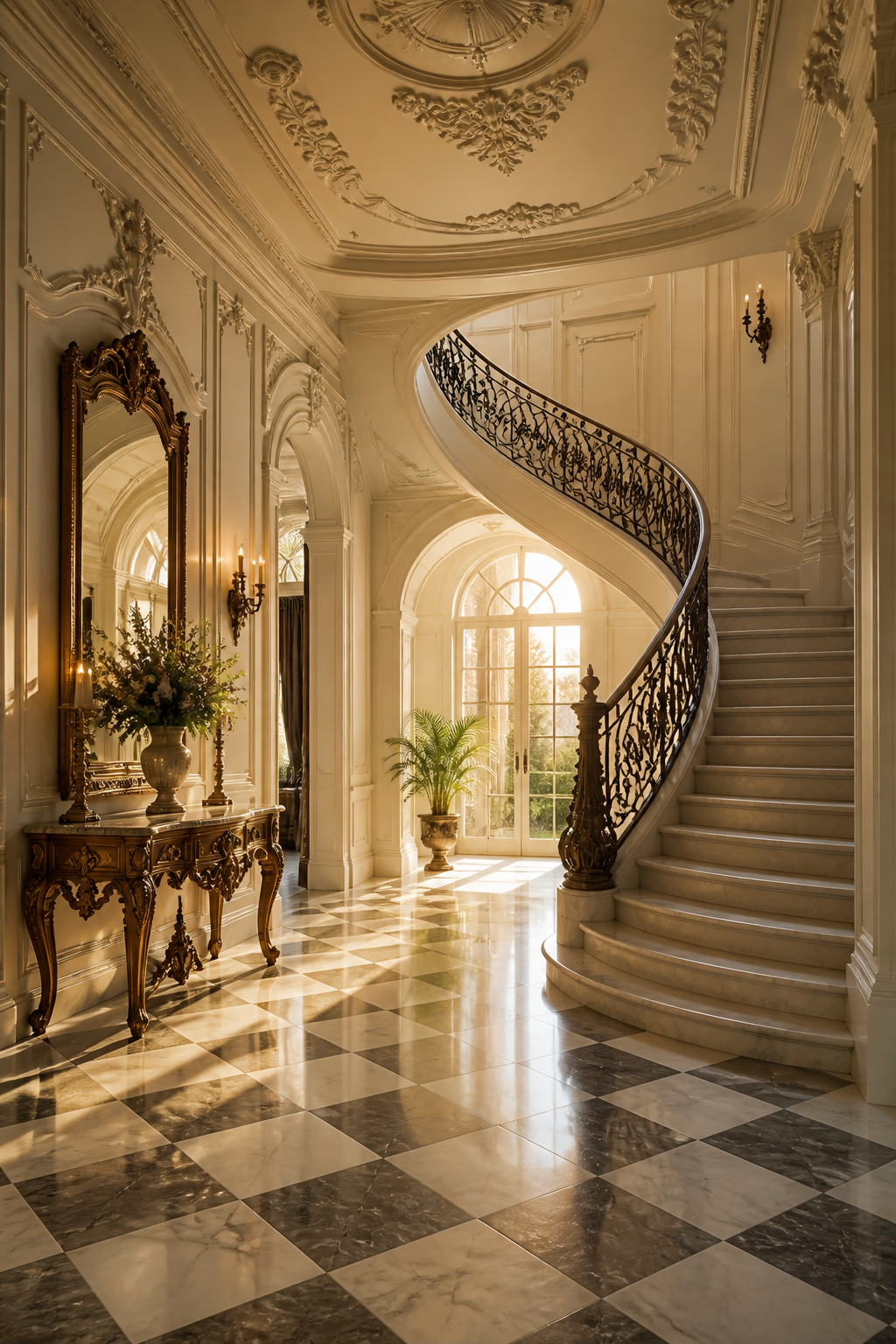
Texture is what transforms a beautiful room into one that feels genuinely luxurious and livable. In European neoclassic interiors, layering isn’t about piling on stuff—it’s about thoughtfully combining materials to create depth.
Start With Your Foundation Layers
Begin with large foundational pieces: furniture, area rugs, and window treatments. Choose quality fabrics like linen, wool, and silk. These set your textural baseline and establish the room’s comfort level.
Add Medium-Sized Accents
Next, layer in medium elements: ornate mirrors, framed artwork, sculptural table lamps. These pieces add visual weight and help tell your room’s story.
Finish With Personal Touches
Finally, bring in smaller details—decorative trays, ceramic vases, candles, and beautiful books. A marble bust atop a stack of design books on a side table tells a subtle story. A grouping of brass candlesticks on a mantle adds height and visual rhythm.
Mix your finishes strategically. Pair matte wall colors with polished marble surfaces. Combine rough linen with smooth velvet. This contrast creates that irresistibly rich, multi-dimensional feeling that makes you want to reach out and touch everything.
Even your walls can contribute texture through panel molding, wainscoting, or wallpaper with subtle damask or geometric patterns. These architectural touches add another layer of European sophistication.
Highlighting Architectural Details for Authentic European Character
In true European style, architecture is part of the decor. Crown moldings, ceiling medallions, wall paneling, and decorative columns all bring instant depth and sophistication.
Don’t have these features? Good news—they’re easier to add than you think. Modern lightweight plaster or MDF moldings can create gorgeous architectural interest without major renovation. Even simple upgrades like chair rails or picture frame molding dramatically elevate a room’s character.
How to Treat Your Moldings
Painting moldings the same color as your walls creates a refined, cohesive look that feels very European. Alternatively, use a slightly contrasting shade to make them pop as intentional design features. Both approaches work—it depends on how subtle or statement-making you want to be.
Framing a large mirror with decorative molding or adding a ceiling medallion around a chandelier are small touches with major impact. These details whisper “European elegance” without shouting.
Neoclassic European Home Decor Ideas You Can Steal Right Now
Ready to bring these ideas into your own space? Here are some instantly actionable ways to capture that warm, elegant European vibe:
- Swap out basic light fixtures for chandeliers or sconces with classical detailing
- Add a large ornate mirror above your fireplace or console table
- Layer a plush area rug over hardwood floors for warmth and texture
- Invest in one statement furniture piece with carved details
- Install crown molding or picture frame molding on your walls
- Choose drapery that puddles slightly on the floor for that luxe European look
- Display books, decorative boxes, and small sculptures on surfaces
- Paint walls in soft, warm neutrals and add depth with deeper accent colors
Frequently Asked Questions About Classic European Home Decor
What’s the difference between neoclassic and traditional European decor?
Neoclassic style takes inspiration from classical European design—think Greek and Roman influences mixed with 18th-century French elegance—but updates it for modern living. It keeps the symmetry, ornate details, and quality materials but emphasizes comfort and livability over strict period accuracy. Traditional European decor can feel heavier and more formal, while neoclassic finds that sweet spot between timeless and contemporary.
Can I do European neoclassic style on a budget?
Absolutely! Focus on a few key investments—maybe one quality sofa or a beautiful area rug—then supplement with budget-friendly finds. Paint is your best friend for adding architectural interest through DIY moldings or painted paneling. Thrift stores and estate sales are goldmines for finding vintage mirrors, frames, and decorative objects. The style is more about proportion, balance, and thoughtful curation than expensive everything.
What colors work best for warm European elegance?
Stick with soft, warm neutrals as your base: ivory, cream, beige, warm gray, and taupe. Layer in classic accent colors like deep navy, forest or emerald green, burgundy, or charcoal. Metallic finishes in gold, brass, or antique silver add warmth and sophistication. The key is keeping your palette harmonious and restrained—think quality over quantity when it comes to color.
How do I make neoclassic decor feel cozy instead of formal?
It’s all about balancing elegant elements with comfortable textures. Choose classical furniture shapes in soft, touchable fabrics like linen and velvet. Add plenty of layered textiles—throw pillows, cozy blankets, plush rugs. Use warm lighting instead of harsh overhead fixtures. Mix in personal items like family photos in beautiful frames, favorite books, and collected objects. The goal is lived-in elegance, not museum perfection.
What kind of lighting works for European neoclassic interiors?
Chandeliers are iconic for this style—look for ones with classical details but simpler silhouettes for a modern touch. Wall sconces add ambient lighting and architectural interest. Table lamps with sculptural bases (ceramic, marble, or turned wood) work beautifully on side tables and consoles. The key is layering your lighting at different heights and using warm-toned bulbs to create that inviting European glow.
Can I mix neoclassic style with other design aesthetics?
Definitely! Neoclassic actually plays really well with other styles. It pairs beautifully with modern minimalism (the symmetry and clean lines complement each other), transitional design (they share similar goals), and even bohemian touches (the mix creates collected, worldly interiors). The trick is letting neoclassic provide the bones—the layout, color palette, and architectural details—while you add personality through eclectic accents.
Your Classic European Home Awaits
Creating a home with warm European elegance isn’t about copying a palace or following rigid rules. It’s about understanding the principles—symmetry, quality materials, layered textures, harmonious colors—and adapting them to your real life and personal style.
Whether you’re adding ornate moldings, choosing that perfect velvet armchair, or simply switching to a richer color palette, each thoughtful choice brings you closer to interiors that feel both timelessly sophisticated and genuinely welcoming. Start with one room, one piece, or even one wall—the beauty of this style is that it builds beautifully over time.
Pin your favorite ideas for later, and remember: the most elegant homes are the ones that feel like you, just elevated. Your European-inspired sanctuary is waiting.