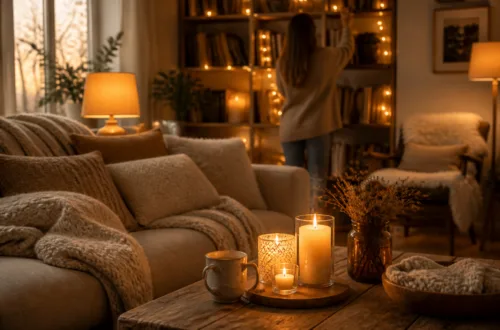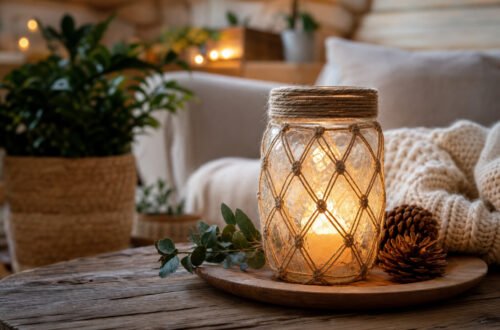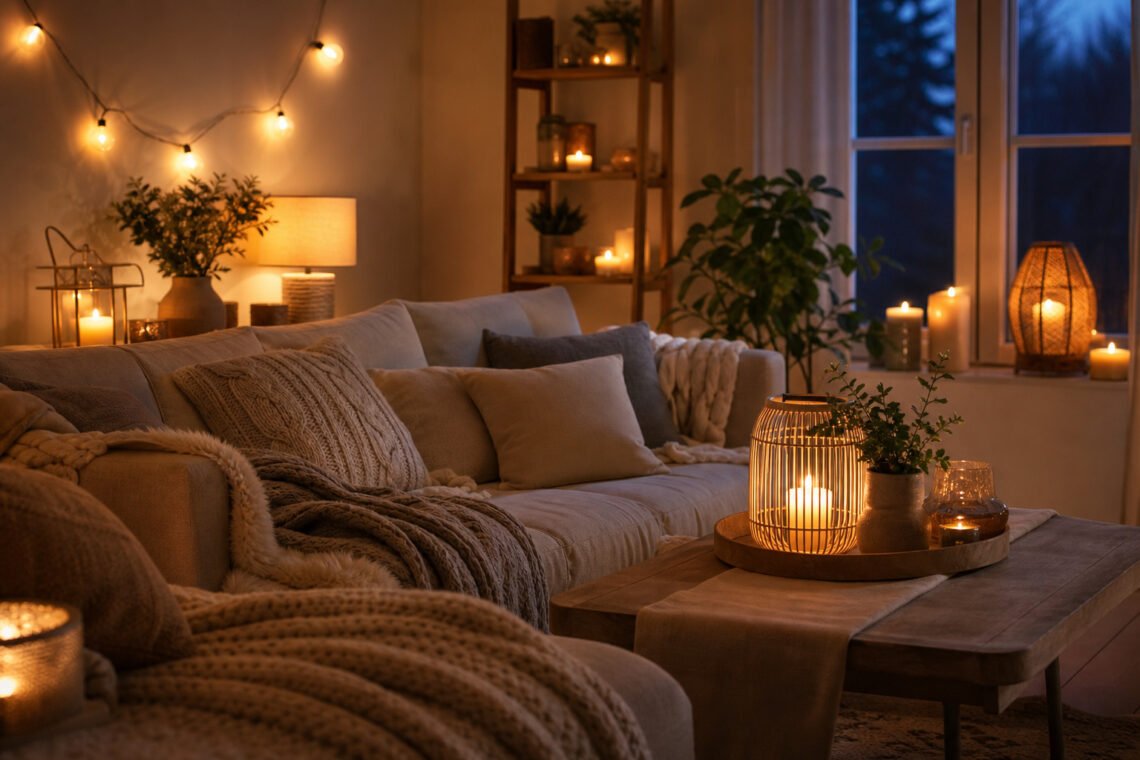
The Hygge Handbook: Decorate Your Way to Comfort, Happiness, and Well-Being
Your living room is where life happens. It’s where you decompress after work, binge-watch your favorite shows, host friends for game night, or simply exist without an agenda. This space should feel like a warm hug the moment you walk through the door, and that’s exactly what hygge design principles can help you achieve.
Think about the last time you walked into a room and immediately felt relaxed. What was it about that space? Chances are, it had nothing to do with expensive furniture or trendy decor. More likely, it was the overall atmosphere, the way different elements came together to create a sense of comfort and ease. That's the magic we're going to create in your living room.
The living room is arguably the most important space to get right when you’re creating a hygge home. It’s typically where you spend most of your downtime, and it’s often the first room guests see. But here’s the thing about hygge living rooms: they’re not about impressing anyone. They’re about creating a space where everyone, including you, can truly relax and be themselves.
In this chapter, we’ll walk through every aspect of designing a living room that embraces hygge principles. We’re going to talk about arranging furniture to encourage conversation and connection, choosing textiles that beg to be touched, and creating multiple sources of soft, warm lighting that transform the mood of your space. You’ll learn how to layer textures, select the right color palette, and incorporate natural elements that ground your space.
One of the beautiful things about hygge design is that it celebrates imperfection and lived-in comfort. Your living room doesn't need to look like a furniture showroom. In fact, it shouldn't. The goal is to create a space that invites you to kick off your shoes, curl up with a book, and stay awhile. We're aiming for that perfect balance between stylish and supremely comfortable.
We’ll explore practical solutions for different living room layouts and sizes. Whether you’re working with a compact apartment living area or a spacious family room, hygge principles scale beautifully. You’ll discover how to create intimate conversation areas even in large spaces, and how to make small rooms feel cozy rather than cramped.
Lighting deserves special attention in any hygge space, and we’ll spend significant time on this topic. You’ll learn why Danes are obsessed with candles (and how to incorporate them safely), how to layer different light sources for maximum coziness, and which types of lighting to avoid if you want that warm, inviting glow. The right lighting can literally transform your living room from ordinary to extraordinary.
Textiles are another cornerstone of hygge living rooms, and we’ll cover everything from choosing the perfect throw blankets to selecting cushions that are actually comfortable, not just decorative. You’ll learn about different materials, how to mix textures without creating chaos, and why natural fibers make such a difference in creating that authentic hygge feeling.
We’ll also tackle the practical stuff, like incorporating storage solutions that don’t disrupt your cozy atmosphere, displaying personal items that tell your story, and creating flexible spaces that work for both quiet evenings alone and gathering with friends. Hygge is about real life, so your living room needs to be as functional as it is comfortable.
By the end of this chapter, you’ll have a clear roadmap for transforming your living room into a space that genuinely serves your needs while embodying hygge principles. You’ll understand how to make design choices that prioritize comfort and well-being without sacrificing style. Most importantly, you’ll have the confidence to create a living room that feels uniquely yours, a space where you actually want to spend time rather than just pass through.
Arranging Furniture for Connection and Comfort
Here’s a truth that might surprise you: the way you arrange your furniture matters way more than the furniture itself. You could have the most expensive sofa in the world, but if it’s pushed against a wall facing a blaring TV with nowhere comfortable to set down a cup of tea, you’re missing the whole point of hygge. The Danish approach to furniture arrangement is all about creating intimate spaces that bring people together and make solo relaxation feel intentional rather than lonely.
Think of your living room layout as a stage for connection. When you walk into a truly hygge space, you immediately notice how the furniture seems to invite conversation. Chairs face each other. There’s a low table within arm’s reach of every seat. Everything is positioned to make interaction easy and natural. But it’s not just about entertaining guests. Even when you’re alone, the right furniture arrangement makes your space feel purposeful and comforting rather than empty or awkward.
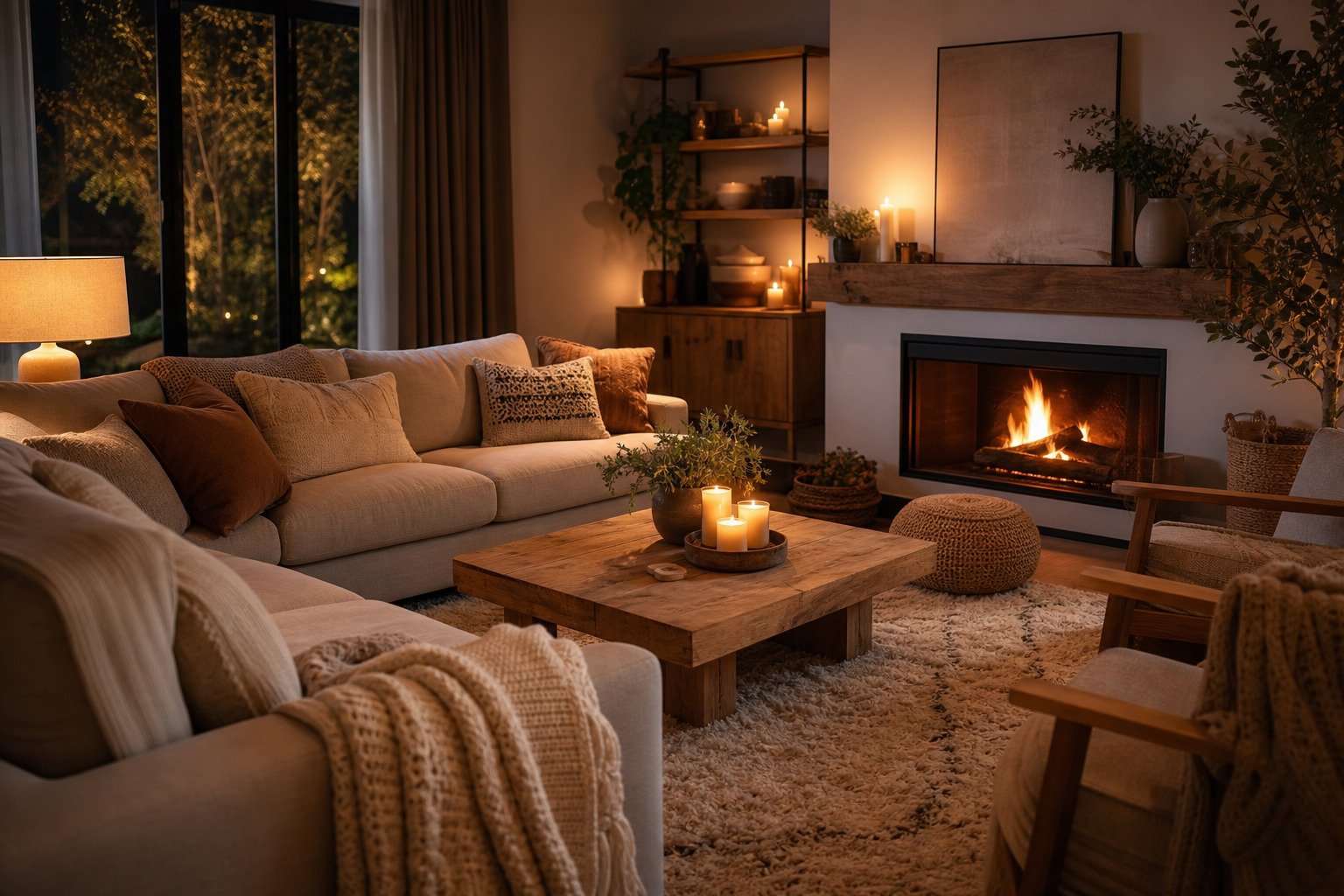
Create Conversation Zones, Not Showrooms
Stop arranging your furniture like you're trying to maximize TV viewing angles. Instead, position your main seating pieces to face each other or at comfortable angles that encourage eye contact and conversation. A sofa and two chairs arranged around a coffee table creates what interior designers call a conversation pit, and it's pure hygge gold.
If you have a large living room, don’t try to fill it with one massive furniture arrangement. Break it into multiple smaller zones, each with its own purpose. Maybe one area is for reading with a comfortable chair and good lighting, while another is for socializing with seating arranged in a cozy cluster. The key is keeping everything close enough that people don’t have to raise their voices or lean forward awkwardly to interact.
About 8 to 10 feet between facing seats is ideal. If your room is small, this actually works in your favor because small spaces naturally create that intimate feeling hygge is all about. Here's a practical tip: if you're arranging furniture around a TV, position your seating so the television isn't the only focal point. Angle chairs slightly away from the screen, or place the TV to the side rather than making it the room's centerpiece.
The Magic of Movable Seating
Hygge living rooms need flexibility because life isn't static. Some nights you want to sprawl out alone with a book. Other times you're hosting six friends for dinner. Having some lightweight chairs, poufs, or ottomans that can be easily moved around gives your space this adaptability. Think of these pieces as supporting characters that can step into different roles depending on what the scene requires.
Floor cushions are seriously underrated in Western homes, but they’re fantastic for creating that casual, relaxed vibe that’s central to hygge. Toss a few large floor pillows near your seating area, and suddenly you have extra seating that doesn’t take up visual space when not in use. Plus, there’s something wonderfully informal about sitting on the floor that immediately makes gatherings feel more relaxed and authentic.
Consider adding a small bench or ottoman that can serve multiple purposes. It's extra seating when you need it, a footrest when you don't, and potentially a coffee table if you top it with a tray. This kind of multifunctional furniture supports the hygge principle of simplicity beautifully.
The Coffee Table as Your Living Room Anchor
Your coffee table is the heart of your hygge living room. This is where you'll place your candles, your current read, your evening tea, and all those little things that make your space feel lived in and personal. The right coffee table should be low enough that reaching for items feels natural, sturdy enough to hold your feet after a long day, and positioned close enough to your seating that you never have to do that awkward half-stand reach for your drink.
Size matters here, but probably not in the way you think. A coffee table doesn’t need to be massive to be functional. In fact, a smaller table often works better because it forces you to be selective about what you display, which keeps your space from feeling cluttered. You want enough surface area for the essentials, but not so much that it becomes a dumping ground.
If a traditional coffee table doesn't work for your space, get creative. A vintage trunk, a cushioned ottoman with a tray on top, or even a collection of nesting tables can serve the same purpose while adding more character to your room.
Don’t Forget the Corners
Empty corners are missed opportunities in a hygge living room. These spots are perfect for creating little moments of comfort that make your space feel complete. A reading chair tucked into a corner with a floor lamp and small side table becomes a personal retreat. A tall plant in a corner adds life and warmth. Even a simple basket filled with extra blankets turns a forgotten corner into something purposeful.
The trick with corners is making them feel intentional rather than like afterthoughts. If you’re putting a chair in a corner, make it inviting with a soft throw and good lighting. If it’s a plant, choose one that’s lush and healthy, not a sad little thing you’re hoping will eventually grow.
One of my favorite corner solutions is what I call a hygge station: a small table or cart with everything you need for a cozy evening. Think tea supplies, a few favorite books, matches for candles, maybe a soft blanket folded nearby. It's like creating a little service station for comfort, making it more likely you'll actually use these items rather than hunting through cabinets when you want to relax.
Layering Textiles for Touch and Warmth
If furniture arrangement is the skeleton of a hygge living room, textiles are definitely the soul. This is where comfort becomes tangible, where you can literally wrap yourself in the hygge feeling. The Danes understand something fundamental about human comfort: we need softness, we need warmth, and we need variety in texture to keep a space interesting. A living room with just hard surfaces and smooth fabrics might look sleek, but it won’t feel hygge. You need layers, different materials, and enough soft things that you’re never more than an arm’s reach from something cozy to touch.
Textiles also solve a practical problem in living rooms: they make spaces feel warmer without actually cranking up the heat. This isn’t just about physical warmth (though that matters too), but visual and emotional warmth. The right throw blanket draped over a sofa or a collection of cushions in natural materials sends an immediate signal that this is a space designed for comfort. It tells everyone who enters that it’s not just okay to relax here, it’s expected.
Building Your Throw Blanket Collection
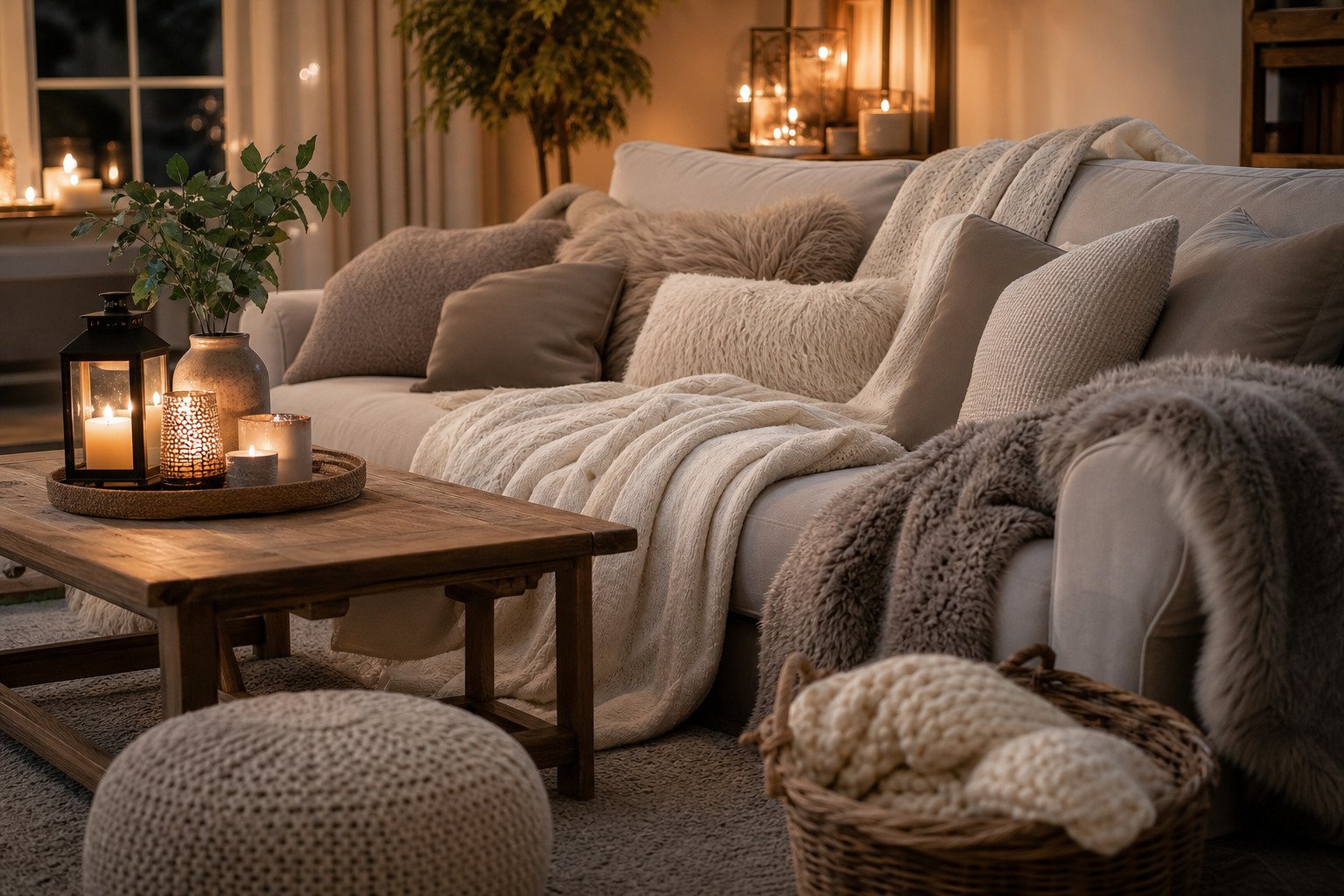
Let's talk about throw blankets, because in a hygge living room, you can never have too many. But here's the thing: they need to be blankets you actually want to use, not decorative objects that look pretty but feel scratchy or too precious to touch. Look for natural materials like wool, cotton, or linen. Wool is especially great because it regulates temperature naturally, keeping you warm without making you sweaty. Chunky knit blankets have become popular for good reason—they look fantastic, feel wonderful, and that visible texture adds so much visual interest to your space.
Think about having different weights of blankets for different seasons and preferences. A lightweight linen throw is perfect for summer evenings when you want just a little something. A heavy wool blanket is your best friend on winter nights. Keep at least two or three throws in your living room at all times, draped casually over furniture. This isn't about being messy; it's about accessibility. If your blankets are folded away in a closet, you won't use them.
Color matters, but probably not as much as you think. Stick with warm neutrals, soft grays, creamy whites, or muted earth tones. These colors work with everything and create that calm, cohesive look that's essential to hygge. That said, if you love a pop of color, go for it—hygge is about what makes you feel good.
The Cushion Situation
Cushions are another area where more is definitely more, but with a caveat: they need to serve an actual purpose. If you’re constantly moving cushions off the sofa just to sit down, you have too many or they’re in the wrong spots. The goal is having enough cushions to support comfortable lounging in various positions without creating an obstacle course.
Mix different sizes and shapes to create visual interest. Large square cushions (20 to 24 inches) work great as back support. Smaller ones (16 to 18 inches) are perfect for tucking under your arm or behind your lower back. Rectangular lumbar pillows are excellent for lumbar support and add variety to your cushion arrangement. The key is making sure every cushion earns its place by being genuinely comfortable, not just decorative.
Texture is where cushions really shine. Combine different materials to create that layered, tactile feeling that’s so important to hygge. A linen cushion next to a wool one next to a cotton one creates much more interest than three identical pillows. Consider adding one or two cushions in a chunkier texture, like cable knit or boucle, to really emphasize that cozy feeling.
Rugs That Ground Your Space
A good rug does more than protect your floor. It defines your seating area, adds warmth underfoot, and contributes another layer of texture to your living room. In a hygge space, your rug should be large enough that at least the front legs of your furniture sit on it. This anchors everything together and makes the space feel cohesive rather than like furniture floating randomly on a floor.
Natural fiber rugs like wool, jute, or sisal fit perfectly with hygge principles. Wool rugs are especially wonderful because they're soft, durable, and naturally stain-resistant. They also add that textural element that makes a room feel more interesting. If a large wool rug is outside your budget, consider layering a smaller, more affordable rug over a larger natural fiber one. This creates visual depth and gives you that hygge texture without breaking the bank.
Think about the practical side too. Your living room rug will get used, probably a lot. Choose something that can handle foot traffic and the occasional spill without requiring professional cleaning every few months. Natural fibers work well because they tend to hide dirt better and can be spot-cleaned relatively easily.
Curtains and Window Treatments
Window treatments might not seem like an obvious textile choice, but they make a huge difference in creating that cozy, protected feeling that's central to hygge. Heavy curtains in natural fabrics like linen or cotton help insulate your space, both literally and psychologically. They can block out harsh light when you want dimness, or be pulled back to let in natural light during the day.
The key with curtains is choosing ones that look substantial and feel good to touch. Thin, synthetic curtains don’t have the same impact. Go for curtains that have some weight to them, ideally in colors that complement your overall palette. Floor-length curtains that just kiss the ground create an elegant, finished look that makes your living room feel more pulled together.
If curtains aren't your thing or don't work with your windows, consider other soft window treatments like Roman shades in natural fabrics. The goal is adding another layer of softness to your space while also giving you control over light levels. Even something as simple as hanging sheer linen panels can soften the look of bare windows and add to that layered, textile-rich environment.
Mastering Hygge Lighting
If there’s one element that can make or break the hygge feeling in your living room, it’s lighting. The Danes are borderline obsessed with getting lighting right, and for good reason. Harsh overhead lighting kills coziness instantly. It’s that simple. Think about how you feel under bright fluorescent lights versus the soft glow of candlelight or a warm lamp. The difference is enormous, and it affects not just how your room looks, but how you feel in it.
Creating hygge lighting is about layers and warmth. You need multiple light sources at different heights, all producing a soft, warm glow rather than harsh, cool light. The goal is never having to flip on that overhead light, or at least having it on a dimmer so you control its intensity. When done right, your lighting should make your living room feel like a refuge from the bright, overstimulating world outside. It should immediately lower your stress level and signal to your brain that it’s time to relax.
The Candle Obsession Explained
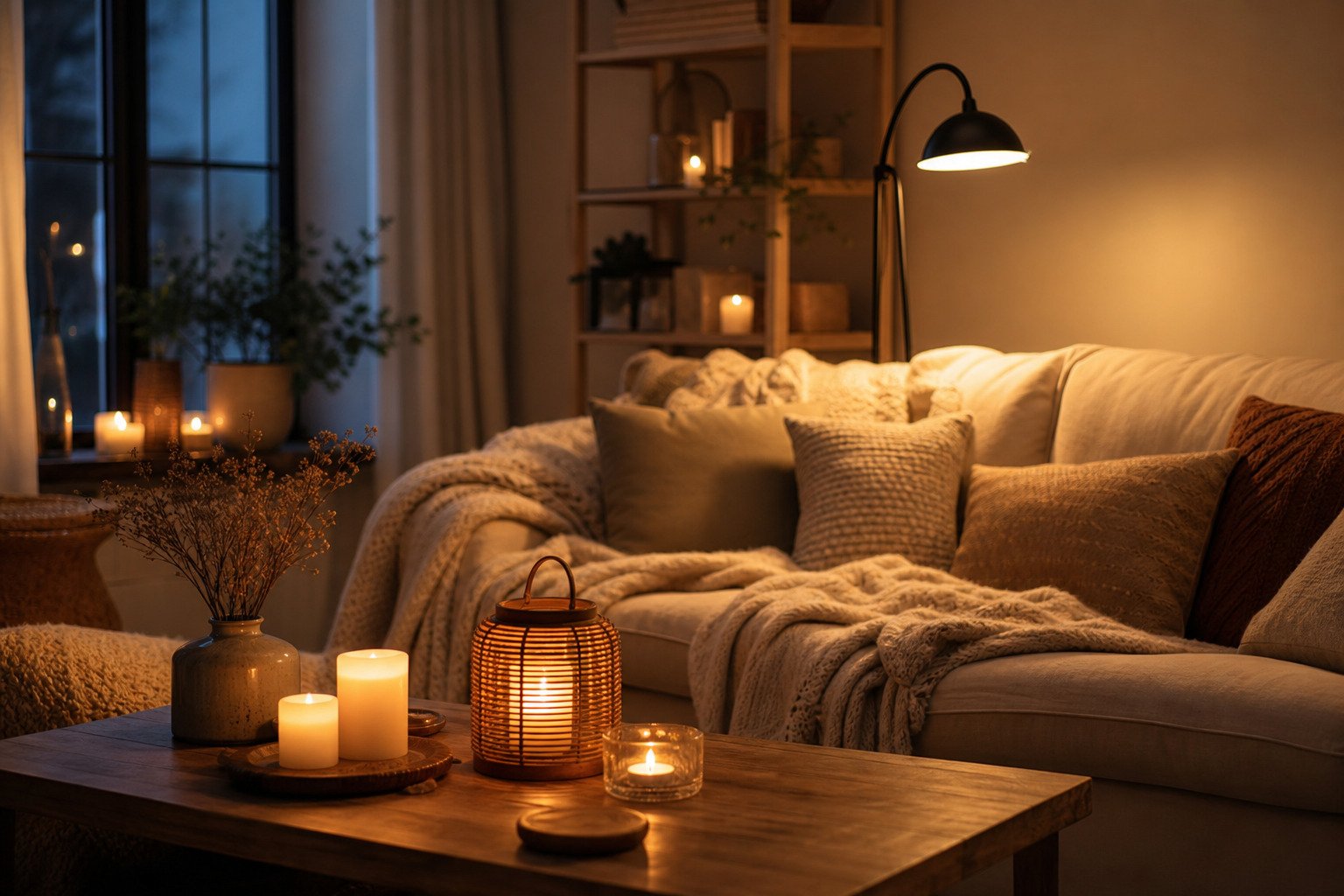
Danes burn through more candles per person than any other country in the world, and spending time in a properly candlelit hygge living room makes it clear why. Candlelight creates an atmosphere that no electric light can quite replicate. It's warm, it's alive (the flames actually move), and it adds this primal comfort that humans have been drawn to for thousands of years. Plus, the act of lighting candles is a small ritual that signals the transition from daytime productivity to evening relaxation.
You don’t need dozens of candles to get the effect, but you do need more than one or two. Start with a collection of different heights and group them together on your coffee table or side tables. Unscented candles are typically better for living rooms because you don’t want competing fragrances, especially if you’re burning multiple candles at once. Save the scented ones for bathrooms or bedrooms where you’re only burning one at a time.
Safety matters, obviously. Use proper candle holders, never leave burning candles unattended, and keep them away from curtains or anything flammable. If you have kids or pets, consider flameless LED candles for everyday use and save the real ones for when you can keep an eye on them. Modern LED candles have come a long way and can create a surprisingly similar ambiance, especially the ones with flickering flames and warm-colored bulbs.
Building Your Lamp Collection
A hygge living room needs multiple lamps at different heights. Floor lamps, table lamps, even small accent lights all contribute to creating that layered, warm glow. The trick is choosing lamps with warm-toned bulbs (look for 2700K to 3000K on the package) and shades that diffuse light softly rather than directing it harshly.
Position your lamps strategically around the room rather than clustering them in one area. You want to eliminate dark corners and create an even, soft glow throughout the space. A floor lamp next to a reading chair, table lamps on side tables flanking your sofa, maybe a small lamp on a bookshelf. Each light source should be relatively dim on its own, but together they create enough light to see comfortably without any harsh brightness.
Consider the aesthetic of your lamps too. Natural materials like wood, ceramic, or linen shades fit perfectly with hygge principles. Avoid anything too modern or industrial unless that's genuinely your style. The lamps themselves should feel like they belong in a cozy, comfortable space. And make sure every lamp is easy to turn on and off. If you have to walk across the room to flip a switch, you're less likely to use it. This is where smart bulbs or remote-controlled outlets can actually enhance hygge by making it effortless to adjust your lighting.
Dimmers Are Your Best Friend
If you do nothing else to improve your living room lighting, install dimmer switches. This single change can completely transform your space. Being able to adjust your light levels throughout the day and according to your mood is essential for creating true hygge. Bright light when you’re doing something active, dimmed way down for evening relaxation.
Dimmers work on both overhead lights and lamps (as long as you're using dimmable bulbs). They're relatively inexpensive and easy to install, or you can hire an electrician if you're not comfortable doing it yourself. For lamps, you can buy plug-in dimmer switches that work just as well as built-in ones and require zero installation.
The beauty of dimmers is that they give you complete control over your environment. You're not stuck with the single brightness level that a regular switch provides. You can fine-tune the lighting to exactly what feels right in the moment, which is very much in the spirit of hygge. It's about creating an environment that serves your needs and moods, not forcing yourself to adapt to rigid conditions.
Natural Light During the Day
Hygge lighting isn't just about artificial sources. Natural light during the day is equally important. Keep your windows as unobstructed as possible during daylight hours to maximize the natural light coming in. This is especially important in winter when days are short and natural light is precious.
That said, you want to be able to control natural light too. Sheer curtains are perfect because they let light in while softening its intensity and providing some privacy. When the sun is particularly bright, you can close them partially to create a softer, more diffused light. On overcast days, open them completely to capture every bit of available light.
Position seating near windows where possible so you can take advantage of natural light for reading or other activities during the day. There's something deeply satisfying about sitting by a window with a book and a cup of tea, especially when it's cold or rainy outside. This contrast between being warm and cozy inside while weather happens outside is very hygge. Your lighting strategy should support both the bright, connected-to-nature feeling of daytime and the cocooned, candlelit feeling of evening.
Adding Natural Elements and Personal Touches
A hygge living room isn’t complete without bringing the outside in and making the space unmistakably yours. Natural elements ground your space and remind you that you’re part of the larger world, not isolated in a synthetic bubble. Personal touches tell your story and make your living room feel authentic rather than like a staged showroom. These finishing touches are what transform a well-designed space into a home.
The balance here is important. You want enough natural elements to create that organic, grounded feeling without turning your living room into a garden center. You want enough personal items to make the space feel lived in and meaningful without creating clutter. This is where the hygge principle of intentionality really comes into play. Every item should have a reason for being there, whether that reason is functional, beautiful, or personally meaningful.
Bringing Nature Inside
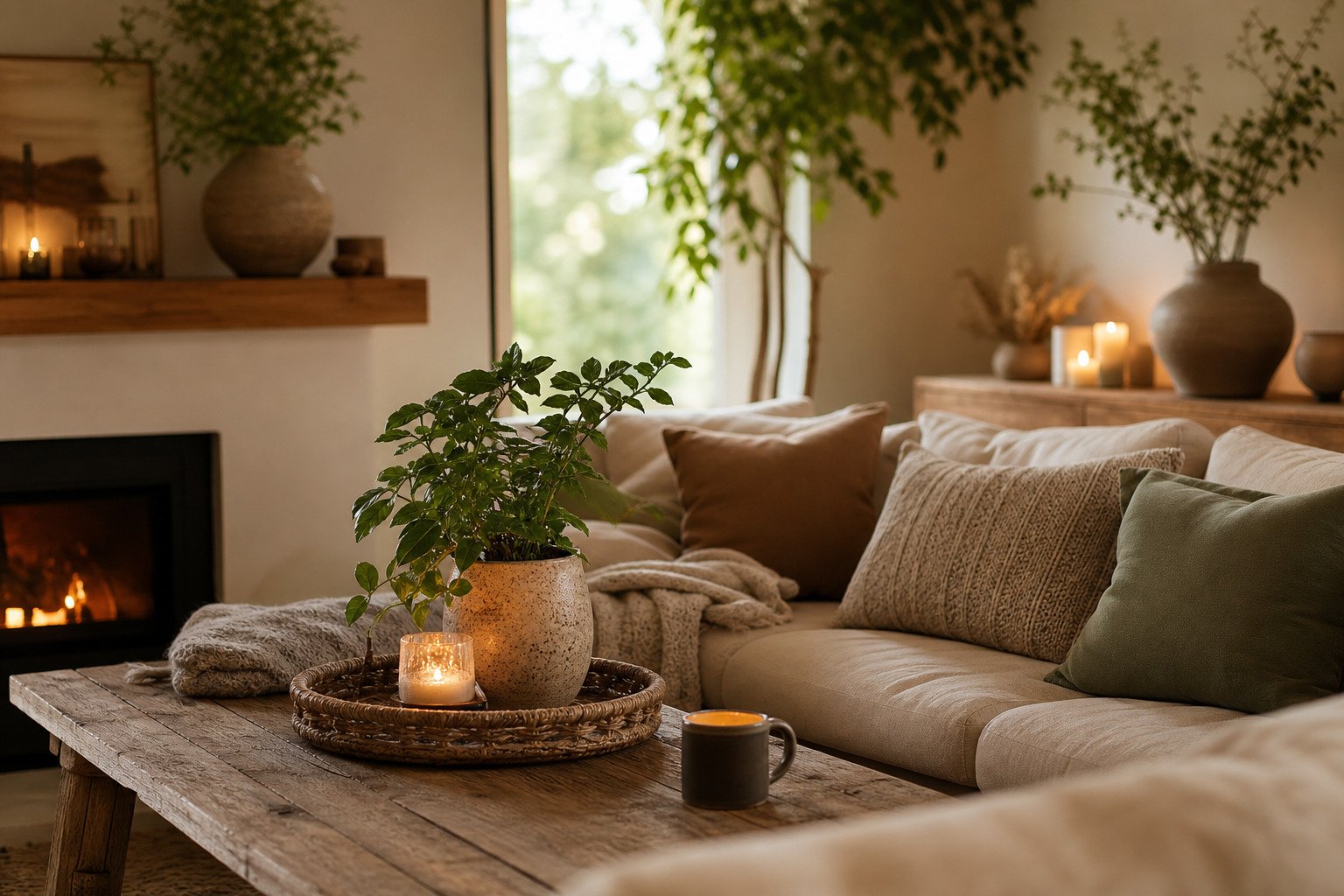
Plants are the most obvious way to add natural elements, and they’re fantastic for hygge spaces. They purify the air, add visual interest, and bring life and color to your living room. You don’t need to become a plant expert or fill every surface with greenery. Even one or two well-chosen plants can make a significant impact.
Choose plants that suit your lifestyle and light conditions. If you're not great at remembering to water things, go for hardy options like pothos, snake plants, or ZZ plants that can handle some neglect. If you have good natural light and enjoy plant care, consider something more interesting like a fiddle leaf fig or a monstera. The key is choosing plants that will actually thrive in your space rather than slowly dying and making you feel guilty.
Beyond plants, consider other natural elements like driftwood, stones, or branches arranged in a vase. A bowl of pinecones collected from a favorite hiking spot. A piece of natural wood as a candle holder. These items connect you to nature and add organic shapes and textures that contrast beautifully with manufactured furniture and fabrics.
The Art of Display
Your living room should reflect who you are and what matters to you. This means displaying personal items, but doing it thoughtfully. Photos of loved ones, artwork that speaks to you, books you actually read rather than just books that look impressive. These items make your space feel authentic and give visitors glimpses into your life and interests.
The trick is grouping similar items together rather than scattering them randomly around the room. Create a small gallery wall with family photos. Group your favorite books on a shelf or coffee table. Display a collection of pottery or ceramics together where they create more impact than they would individually. This clustering prevents your space from feeling cluttered while still allowing you to display meaningful items.
Rotate your displays seasonally or when you acquire new meaningful items. You don’t have to keep the same things out forever. In fact, changing what you display keeps your living room feeling fresh and allows you to appreciate different items at different times. This rotation keeps your space from feeling stagnant and lets you regularly rediscover items you love.
Texture Through Natural Materials
We've talked about textiles, but natural materials in furniture and decor items also contribute to the hygge feeling. Wood is especially important in Scandinavian design. A wooden coffee table, wooden picture frames, wooden bowls or trays. Wood adds warmth and texture while connecting you to nature. It also ages beautifully, developing character over time rather than just looking worn out.
Other natural materials like stone, leather, and ceramic all work beautifully in hygge spaces. A ceramic vase, a stone bowl for holding small items, leather coasters or a leather-bound journal displayed on your coffee table. These materials feel good to touch, they look organic and warm, and they get better with age and use rather than worse.
The beauty of emphasizing natural materials is that they create a cohesive look without everything matching perfectly. Different woods and natural materials work together because they share that organic quality. This makes decorating easier and more forgiving than trying to match everything perfectly, creating a more interesting, layered look that's essential to good hygge design.
Functional Storage That Doesn’t Disrupt Coziness
Real life requires storage, but storage solutions don't have to make your living room feel less cozy. In fact, the right storage can enhance the hygge feeling by reducing clutter and keeping your space organized enough to actually relax in. The key is choosing storage that feels like part of your decor rather than purely functional furniture.
Woven baskets are perfect for hygge living rooms. They’re attractive, they add texture, and they can hold everything from extra blankets to magazines to remote controls. Place baskets under side tables, next to chairs, or on shelving units. They keep things organized while maintaining that soft, natural aesthetic.
Consider furniture with hidden storage too. An ottoman that opens up for blanket storage. A coffee table with drawers or a shelf underneath. A console table behind your sofa with baskets tucked into the lower shelf. This kind of storage keeps necessary items accessible without cluttering your visible space, maintaining that clean, calm environment that makes hygge spaces so relaxing.