The Hygge Handbook: Decorate Your Way to Comfort, Happiness, and Well-Being
Chapter 5: Budget-Friendly Hygge and DIY Projects
Here’s some really good news: creating a hygge home doesn’t require a massive budget or a shopping spree at expensive Scandinavian furniture stores. In fact, some of the most authentically hygge homes are created with modest budgets, thrifted finds, and DIY projects that add personal meaning to every space.
This chapter is for everyone who’s been admiring hygge design but worried about the cost. Whether you’re just starting out in your first apartment, trying to make a rental feel like home, or simply want to be smart with your money, you absolutely can create a warm, cozy, hygge-inspired space without breaking the bank. The key is understanding what really matters and where to focus your efforts and budget.
Let's start with an important hygge truth: authenticity beats expensive every time. The Danes aren't about showing off or impressing people with designer labels. Hygge is about creating genuine comfort and connection, and that often means choosing quality over quantity, investing in a few key pieces, and getting creative with the rest. We'll discuss how to identify which items are worth spending more on and where you can safely save.
Thrifting and secondhand shopping align perfectly with hygge principles. Not only are you being environmentally conscious, but you’re also finding unique pieces with character and history. In this section, you’ll learn exactly what to look for at thrift stores, how to spot quality items that just need a little love, and strategies for transforming secondhand finds into hygge treasures. From furniture to textiles, vintage shops are gold mines for budget-conscious hygge decorators.
DIY projects are where hygge really gets fun and personal. We’ll walk through numerous projects suitable for different skill levels, from absolute beginners to those who are handy with tools. You’ll learn how to make your own chunky knit blankets, create custom candle holders, build simple wooden shelves, and craft textile art that adds personality to your walls. Each project includes realistic time estimates and cost breakdowns so you know exactly what you’re getting into.
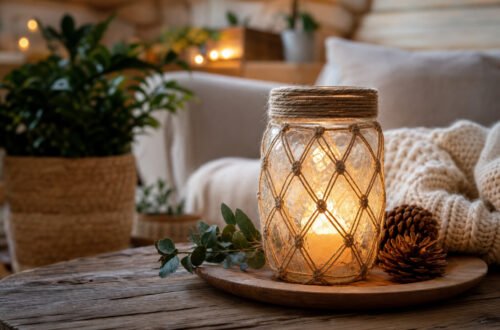
Repurposing items you already own is both budget-friendly and deeply hygge. We’ll explore creative ways to give new life to existing furniture and decor, from refreshing old wooden pieces to transforming mason jars into cozy lighting fixtures. You’ll discover that many items you might have considered tossing can actually become key elements in your hygge home with just a little creativity.
Natural, free materials are everywhere if you know where to look. We’ll discuss how to ethically forage for branches, pinecones, and other natural elements that add hygge ambiance without costing anything. You’ll learn about creating seasonal displays with materials from your own backyard or local park, bringing nature indoors in the most budget-friendly way possible.
Lighting on a budget deserves special attention because it’s so crucial to hygge atmosphere. You’ll discover affordable alternatives to expensive designer lamps, how to create your own pendant lights, and tricks for using strategic lighting placement to maximize impact. We’ll also cover the best budget-friendly candles and when it makes sense to splurge on better options.
Textiles can get expensive, but they don’t have to. We’ll share insider tips for finding quality blankets, pillows, and throws at reasonable prices. You’ll learn which discount retailers actually carry decent natural fiber textiles, how to shop end-of-season sales strategically, and even how to make your own simple cushion covers that look professionally made.
Smart shopping strategies can make a huge difference in your budget. We’ll cover the best times to buy certain items, which stores offer the best value for hygge essentials, and how to create a prioritized shopping list that helps you build your hygge home gradually without impulse purchases you’ll regret.
The rental-friendly approach to hygge is important for many readers. You’ll learn how to create a cozy, personalized space without making permanent changes that violate your lease. From removable wallpaper to tension rod curtains, there are plenty of ways to add hygge elements that come with you when you move.
Minimalism and hygge actually work beautifully together when you're on a budget. We'll discuss how having fewer, better-chosen items can create more hygge feeling than filling your space with cheap decor. You'll learn to be selective, intentional, and patient in building your hygge home, understanding that slow decorating often leads to spaces you love more and regret less.
By the end of this chapter, you’ll have concrete strategies for creating a hygge home that fits your budget. You’ll feel empowered to start small, build gradually, and know that your cozy, comfortable space is completely achievable regardless of how much money you can spend. Hygge is for everyone, and that includes your wallet.
Thrifting and Secondhand Treasures for Hygge Spaces
Walking into a thrift store might feel overwhelming at first, with racks of mismatched furniture and shelves piled with random items. But here’s the secret: thrift stores are actually perfect for hygge decorating. The Danes value authenticity and history in their homes, and what’s more authentic than a vintage wooden chair that’s been loved for decades or a handwoven blanket from the 1970s? Plus, shopping secondhand fits beautifully with the hygge principle of being mindful and sustainable. You’re not just saving money; you’re giving items a second life and reducing waste. The key is knowing what to look for and having the vision to see potential in pieces that might need a little care. Let’s talk about how to become a smart thrift shopper who can spot hygge gold among the clutter.
What to Look for at Thrift Stores
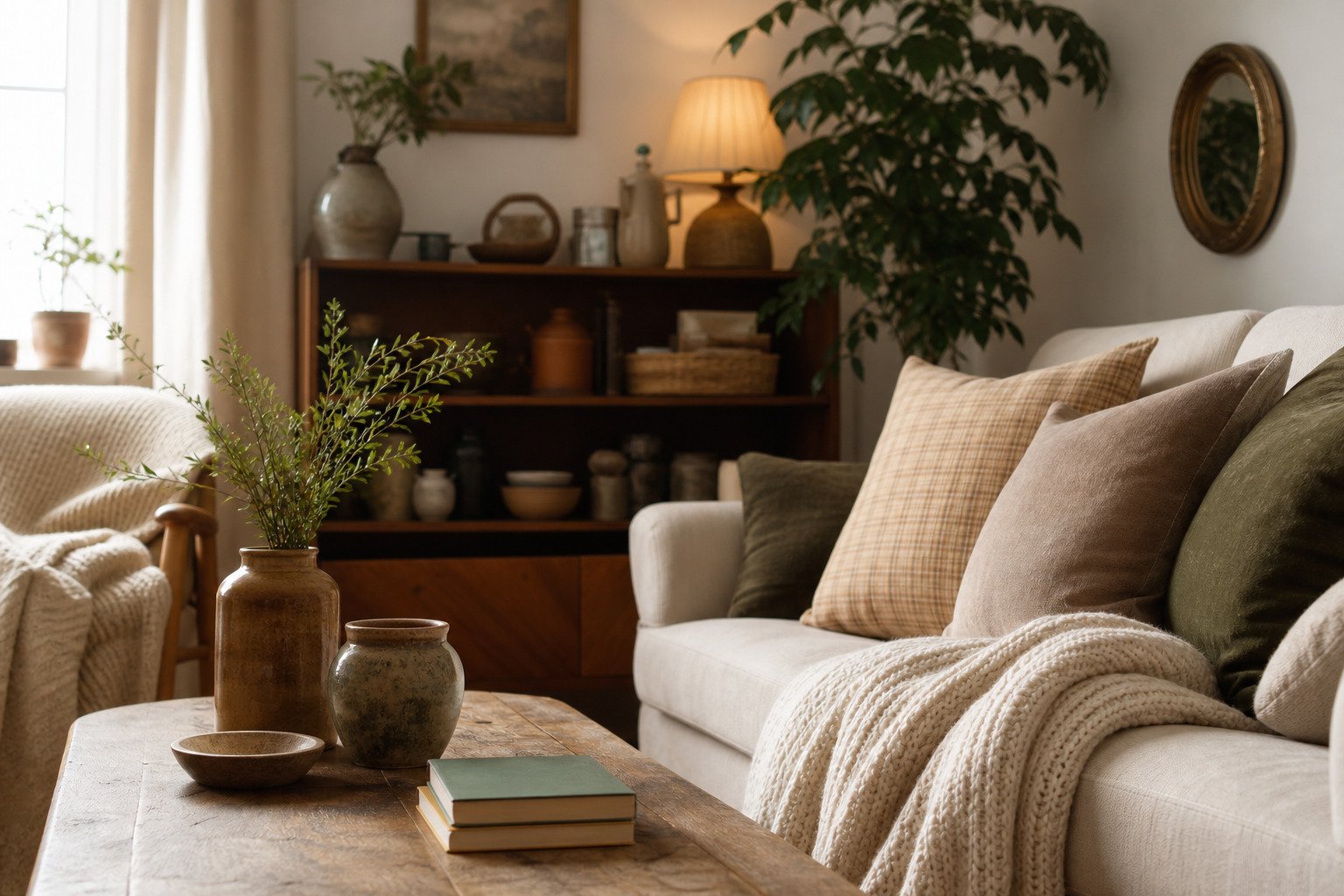
When you're hunting for hygge pieces, focus on natural materials first. Look for solid wood furniture, even if the finish is scratched or outdated. A wooden side table, bookshelf, or chair can be sanded down and refinished or simply cleaned up to reveal beautiful grain underneath. Check the construction by wiggling joints and looking at how pieces are put together. Quality furniture from past decades is often better made than new budget pieces.
Textiles are another thrift store jackpot. Search for wool blankets, linen tablecloths, cotton quilts, and chunky knit throws. Don't worry if they're a bit musty or stained; most natural fiber textiles can be washed and refreshed at home. Look for neutral colors or classic patterns like stripes and checks. Vintage wool blankets from military surplus or old hotels are particularly great finds because they're durable and have that lived-in hygge feel.
For lighting, keep your eyes open for ceramic or wooden lamp bases, even if the shades are ugly. You can replace shades easily and affordably. Glass vases and jars in clear or amber tones are perfect for candle holders or fresh flowers. Wooden bowls, cutting boards, and serving pieces add warmth to kitchens and dining areas. Woven baskets in any condition are worth grabbing because they’re so versatile for storage and instantly add texture to a room.
Transforming Secondhand Finds
Once you get your thrifted treasures home, a little effort can transform them completely. For wooden furniture, start with a good cleaning using wood soap or a mixture of vinegar and water. If the piece needs more help, light sanding with fine-grit sandpaper can smooth rough spots. You can leave the natural wood exposed and just apply a coat of furniture oil or wax for protection and shine, or paint it in a hygge-friendly neutral color like soft white, warm gray, or muted sage.
Textiles usually just need a good wash, but sometimes they need extra attention. Soak wool blankets in cool water with wool wash or gentle detergent, then lay flat to dry. For stubborn stains on cotton or linen, try soaking in oxygen bleach before washing. If a blanket or throw has worn edges, you can trim them and add simple hemming. Don’t stress about making things perfect; a little wear and age actually adds to the hygge character.
Get creative with repurposing items for new uses. An old wooden ladder becomes a blanket display rack leaning against a wall. Vintage suitcases stack to create quirky side tables. Mason jars become candle holders or vases. A wooden crate turns into wall shelving. The hygge approach is all about finding beauty in simple, practical items, so let your imagination run wild with how you can use secondhand finds in unexpected ways.
Best Thrifting Strategies
Timing matters when thrift shopping. Visit stores on weekday mornings when they're less crowded and you can browse peacefully. Many thrift stores restock on specific days, so ask staff when new items typically hit the floor. Estate sales and garage sales in older neighborhoods often have better quality vintage items than regular thrift stores. Don't skip the free section on local buy-nothing groups or community Facebook pages; people give away amazing items all the time.
Set a budget before you go and stick to it. Just because something is cheap doesn't mean you need it. Ask yourself: Does this fit my hygge vision? Do I have a specific place for it? Is it good quality that will last? Will I actually use it? Being selective is more hygge than accumulating stuff, even thrifted stuff.
Build relationships with thrift store staff. When they know what you’re looking for, they might set aside items for you or give you a heads up about incoming donations. Bring measurements of your space and photos of rooms on your phone so you can check if furniture will actually fit. And remember, hygge is about the journey too. Make thrifting a relaxing weekend activity rather than a stressful mission. Bring a friend, grab coffee afterward, and enjoy the treasure hunt.
Easy DIY Projects for Cozy Hygge Atmosphere
There’s something deeply satisfying and very hygge about making things with your own hands. DIY projects add personality to your home that you just can’t buy in stores, and they give you that warm feeling every time you look at something you created yourself. The good news is that you don’t need to be particularly crafty or have a garage full of tools to make beautiful hygge decor. Many projects require minimal supplies and skills, and the imperfect, handmade quality actually fits the hygge aesthetic better than store-bought perfection. Let’s look at some projects that will help you create cozy atmosphere without spending much money or requiring expert skills.
Textile and Fabric Projects
Creating your own throw pillows is easier than you think and saves a ton of money. Buy inexpensive pillow inserts from discount stores, then make simple envelope-style covers from fabric. You don’t even need a sewing machine; fabric glue or hand stitching works fine for this project. Look for natural fiber fabrics like linen, cotton, or wool in neutral colors. A set of four homemade pillow covers costs about the same as one store-bought pillow.
Chunky knit blankets look expensive but are surprisingly simple to make, even if you’ve never knitted before. You can arm knit or finger knit these blankets using super bulky yarn, which means your arms are the needles. A lap-sized blanket takes about three to four hours and three to four skeins of chunky yarn. The result looks like something from an expensive boutique. There are tons of free video tutorials online that make learning easy.
For something even simpler, create no-sew fabric bunting or garlands. Cut triangles from fabric scraps or old linens, fold the top edge over twine or ribbon, and secure with fabric glue. Hang these across windows, mantels, or walls for soft, cozy decoration. You can make seasonal versions using different fabrics and swap them out throughout the year. This project is perfect for using up fabric remnants and takes less than an hour.
Lighting and Candle Projects
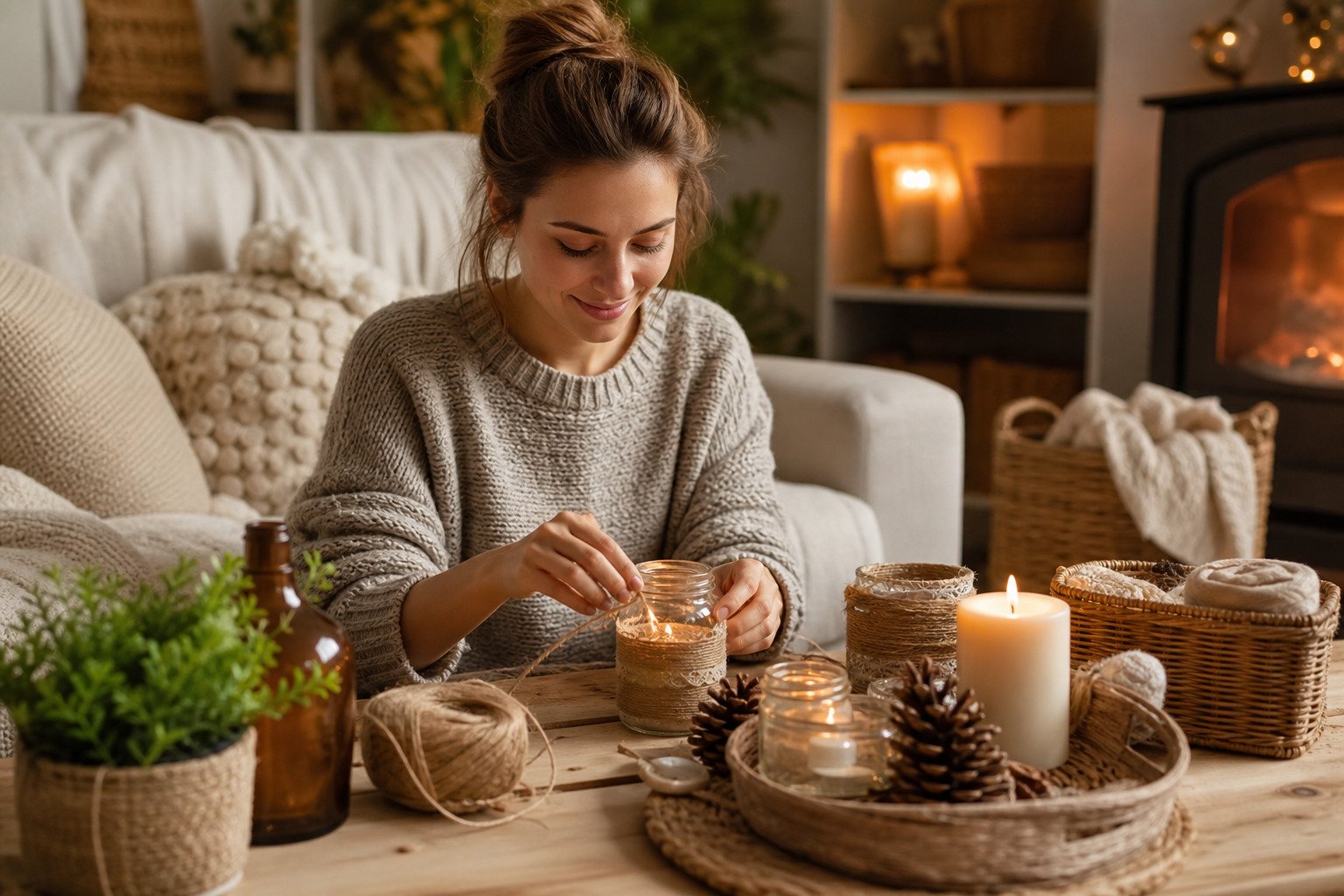
Make your own candle holders from materials you probably have around the house. Clean glass jars become beautiful candle votives, especially if you tie twine around the rim or place them on small wooden discs. For a frosted look, coat the outside of jars with Epsom salt mixed with white glue. Thrift store teacups and small bowls also work as candle holders. Group several together on a tray for maximum hygge impact.
Create a simple wooden candle platform or tray using a piece of reclaimed wood or a cutting board. Sand it smooth, add small metal or wooden candle holders available cheap at craft stores, and you’ve got a beautiful centerpiece. You can personalize it by wood burning designs or leaving it naturally rustic. This project takes about two hours including drying time and costs under $15.
Paper bag luminaries are incredibly easy and create the softest, most hygge lighting. Take brown paper lunch bags, fold down the tops, add a few inches of sand or rice to the bottom for stability, and place battery-operated tea lights inside. Line them along a hallway, staircase, or windowsill for magical ambiance. For variety, punch patterns in the bags before assembling, or use white bags instead of brown. A pack of 50 bags costs a few dollars and lasts for years.
Natural Element Displays
Create a seasonal nature display using free materials from outside. In fall, arrange pinecones, acorns, and colorful leaves on a wooden tray or in a bowl. Winter calls for evergreen branches in a simple vase. Spring brings fresh flowers and budding branches, while summer means wildflowers and smooth stones. The key is keeping displays simple and letting natural beauty shine. Change them with the seasons to keep your space feeling fresh and connected to nature.
Make your own botanical wall art by pressing leaves, flowers, or ferns and mounting them in simple frames. You can buy basic frames at dollar stores or thrift shops. Place pressed botanicals on plain cardstock or vintage book pages for backing. This project costs almost nothing if you forage your own plants and creates beautiful, personalized art that brings nature indoors year-round.
Build a simple wooden branch ladder or wall hanging for displaying throws and creating texture. Find a sturdy fallen branch, clean it up, and hang it horizontally on the wall using rope or leather cord. Drape lightweight blankets or hang small plants from it. This rustic piece adds natural warmth and provides functional storage. The only cost is rope and wall hooks, maybe $5 total, and it takes about 30 minutes to create.
Smart Shopping and Saving Strategies
Creating a hygge home on a budget isn’t just about DIY projects and thrifting; it’s also about being strategic with the new items you do buy. Knowing when to shop, where to find the best deals, and which items are worth investing in can stretch your budget significantly. The hygge approach to shopping is actually quite mindful and intentional, which naturally leads to spending less and choosing better. You’re not trying to decorate everything at once or follow every trend. Instead, you’re building your cozy space gradually, choosing pieces that truly matter to you and will last for years. Let’s talk about practical strategies that help you get more hygge for your money.
When and Where to Shop for Hygge Essentials
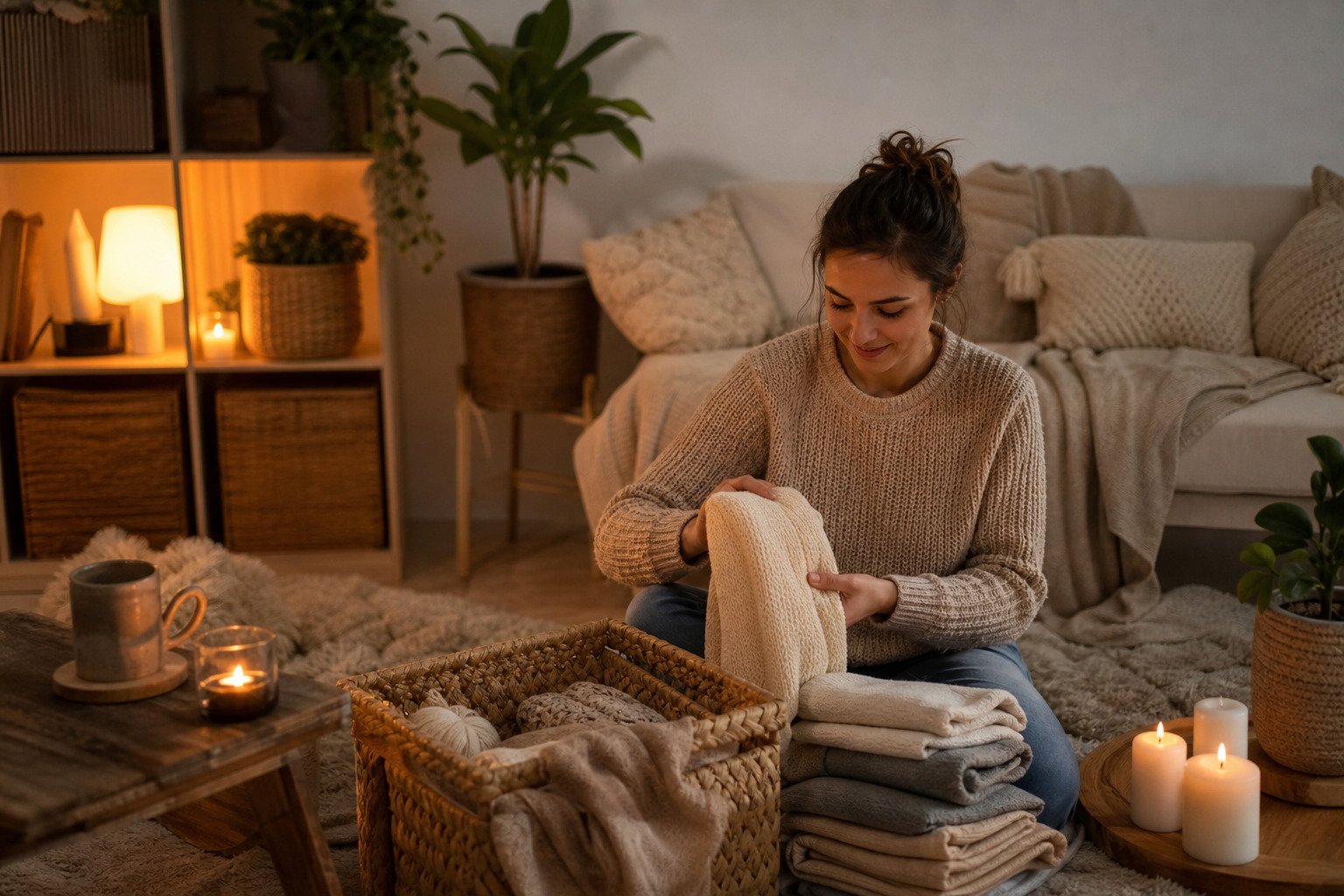
Timing your purchases strategically saves serious money. Buy candles after the holidays, especially in January when stores clear out seasonal inventory. Stock up on neutral-colored candles that you’ll use all year. Textiles like blankets and throws go on sale in late winter and early spring as stores make room for summer items. This is when you’ll find the best deals on the cozy layers that are essential for hygge spaces.
For furniture and larger items, shop floor model sales at furniture stores. These pieces are often heavily discounted just because they’ve been on display, even though there’s nothing wrong with them. End of season clearances are also ideal for finding natural wood furniture and storage pieces. Many stores rotate inventory in July and January, so these are prime times to find deals.
Know which stores offer the best value for specific items. Home goods discount stores often carry decent quality cotton and linen textiles at a fraction of boutique prices. Hardware stores have better prices on candles in bulk than home decor shops. Craft stores run constant sales on baskets, frames, and crafting supplies; never buy at full price there. Big box stores' home sections sometimes carry surprisingly good natural fiber rugs and simple wooden furniture at accessible prices.
Investment vs. Save Items
Some items are worth spending more money on because they dramatically impact comfort and last for years. A quality mattress and good pillows are non-negotiable hygge investments because sleep is central to well-being. One really good comfortable chair or sofa where you’ll spend hours reading or relaxing is worth prioritizing in your budget. These are items you use daily, and the comfort difference between cheap and quality is significant.
Natural fiber rugs in main living areas are also worth investing in when you can. A wool or cotton rug will last decades with proper care, feels wonderful underfoot, and provides warmth and sound dampening. Similarly, one or two high-quality wool blankets will outlast a dozen cheap fleece throws and provide better warmth and coziness.
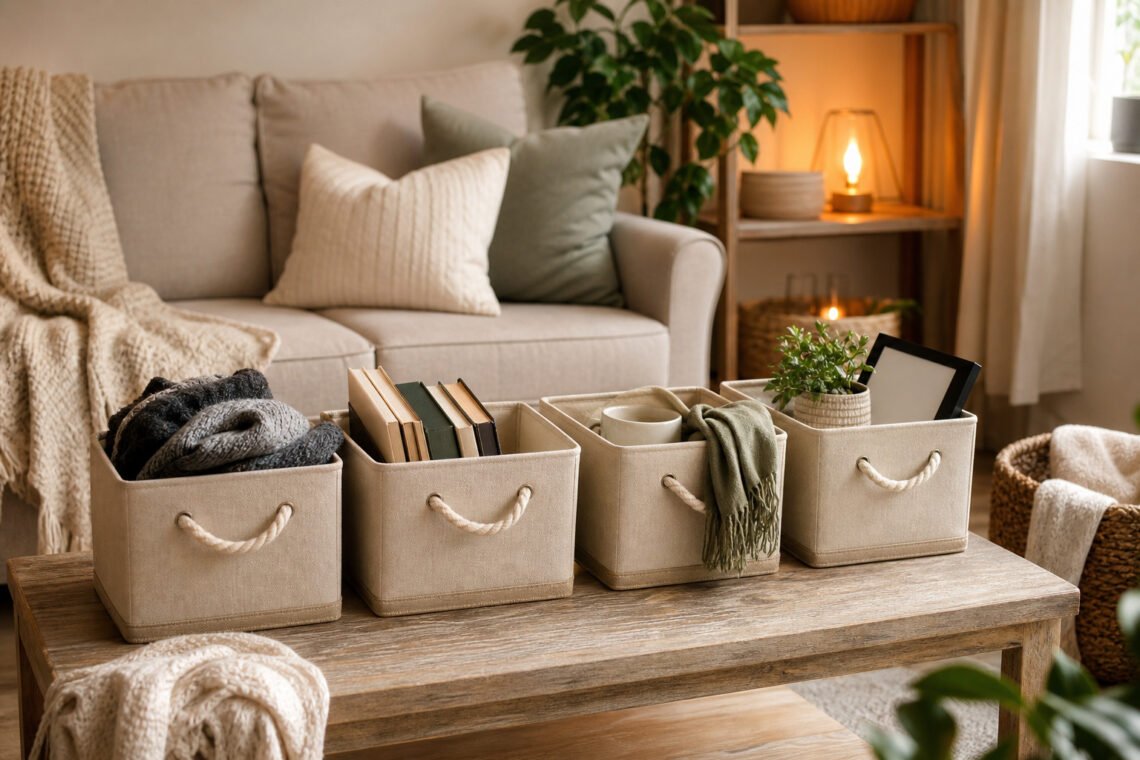
On the flip side, save money on decorative items that don’t affect comfort. Picture frames, vases, trays, and small decorative objects can be thrifted or bought inexpensively without sacrificing quality. Curtains can be DIYed from affordable fabric or found secondhand. Storage baskets don’t need to be expensive; even cheap ones look fine when styled properly. Candles are consumable, so mid-range options work perfectly fine; you don’t need luxury candles to create hygge atmosphere.
The key is asking yourself: Will this directly impact my daily comfort and well-being, or is it just for looks? Items in the first category deserve more of your budget. Items in the second category can be found affordably without compromising your hygge goals.
Building Your Hygge Home Gradually
Create a priority list for your hygge home, ranking rooms and items by importance. Maybe your bedroom is top priority because better sleep would improve your life most. Or perhaps the living room matters most because that’s where you spend evenings. Focus your budget on one room at a time rather than spreading yourself thin trying to do everything at once. A fully hygge bedroom that you love is better than three half-done rooms.
Within each room, identify the essentials first. For a bedroom, that might be comfortable bedding, blackout curtains, and a reading light. Everything else can wait. For a living room, maybe it’s one cozy chair, good lighting, and soft textiles. Start with these must-haves, then add extras gradually as your budget allows. This approach prevents overwhelming purchases you’ll regret and helps you make thoughtful choices.
Set a small monthly hygge budget and stick to it. Even $20-30 a month adds up and lets you acquire pieces steadily without financial stress. Keep a running list on your phone of items you want, and when you have budget available, you'll know exactly what to look for. This prevents impulse purchases and helps you wait for sales on specific items.
Remember that hygge is actually about having less stuff, not more. An empty corner is better than a corner filled with cheap decor you don't love. Take your time, be patient, and trust that your space will come together. The gradual process of building your hygge home is part of the journey, and there's something very hygge about that mindful, intentional approach. Slow decorating almost always results in spaces you love more and appreciate longer than quick, expensive makeovers.
Rental-Friendly and Temporary Hygge Solutions
Renting doesn’t mean you can’t create a deeply cozy, personalized hygge space. Yes, you face restrictions like no painting walls or no permanent fixtures, but there are so many ways to add warmth and comfort without risking your security deposit. In fact, the temporary nature of rental solutions can actually be liberating. You can experiment with styles and changes without commitment, and everything you create can move with you to your next place. The hygge approach works beautifully for renters because it focuses on textiles, lighting, and personal touches rather than major renovations. Let’s look at how to hygge-ify your rental without making your landlord angry.
Wall and Surface Solutions
Removable wallpaper has become a renter’s best friend. It comes in countless patterns and textures, goes up easily, and peels off without damage when you move. Use it on one accent wall to add warmth and personality without overwhelming your space. Look for patterns in natural textures like linen weave, wood grain, or subtle geometric designs that fit hygge aesthetics. This gives you the impact of a painted room without permanence.
Create a gallery wall using command strips or picture hanging strips that remove cleanly. Fill frames with personal photos, botanical prints, or simple art that makes your space feel like yours. The key is arrangement; group frames in clusters rather than spacing them evenly for a more collected, cozy feel. You can easily take this whole arrangement down and recreate it in your next place.
Large tapestries or woven wall hangings add huge visual warmth and can hide less-than-perfect walls. Hang them with removable hooks or even tension rods behind furniture. A beautiful textile piece instantly cozies up a room and provides softness that hard walls lack.
Lighting Without Permanent Fixtures
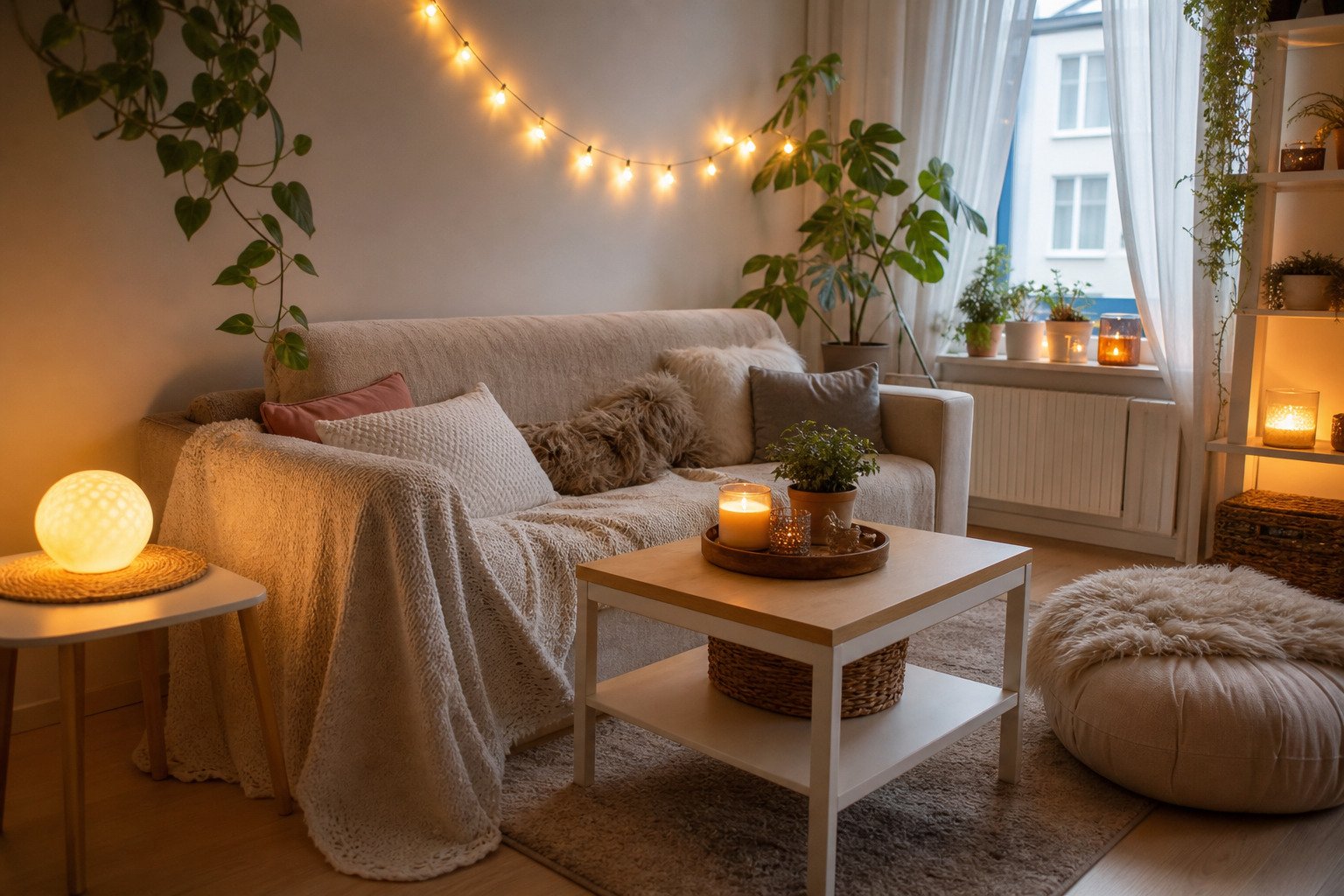
You’re probably stuck with whatever ceiling lights your rental has, but that doesn’t matter much for hygge anyway. Focus on portable lighting that creates ambiance. Floor lamps, table lamps, and string lights provide all the warm glow you need and move with you. Position multiple light sources at different heights around rooms instead of relying on harsh overhead lighting.
Plug-in pendant lights are game-changers for renters. These lights hang from ceiling hooks (which leave tiny holes easily filled when you move) and plug into regular outlets. You get the look of custom lighting without electrical work. They're perfect over dining areas or in bedrooms for reading light. Many affordable options exist that look far more expensive than they are.
String lights and fairy lights are incredibly versatile and instantly hygge. Drape them along windows, around door frames, or above beds using removable hooks. Battery-operated versions need no outlets and can go anywhere. Keep them on timers so you come home to a cozy, lit space every evening.
Furniture and Layout Tricks
Rugs are essential for renters, especially if you’re stuck with ugly carpet or cold floors. A large area rug defines your space, adds warmth, and hides what’s underneath. Choose neutral, natural fiber rugs that work with various decor styles and will transition to future homes. This is one area worth spending a bit more because a good rug lasts for years and completely transforms a room.
Freestanding furniture gives you flexibility that built-ins can't. Bookcases become room dividers and storage. A folding screen hides ugly corners or creates separation in studio apartments. A movable kitchen cart adds prep space and storage without installation. Choose pieces in natural wood or neutral colors that are versatile and timeless.
Use furniture arrangement to create cozy zones within your space. Pull furniture away from walls to create intimate conversation areas. Position your favorite chair near a window with a small side table and lamp for a perfect reading nook. These arrangements cost nothing and make rental spaces feel custom and intentional.
Tension rods are secret weapons for renters. Use them to hang curtains without drilling or create closet space in awkward corners. Change your rental’s curtains to soft, natural fabric ones that filter light beautifully and add privacy.
ut pillow covers or decide where to put decorations. When the process itself feels good, you’ll be more likely to do it regularly.