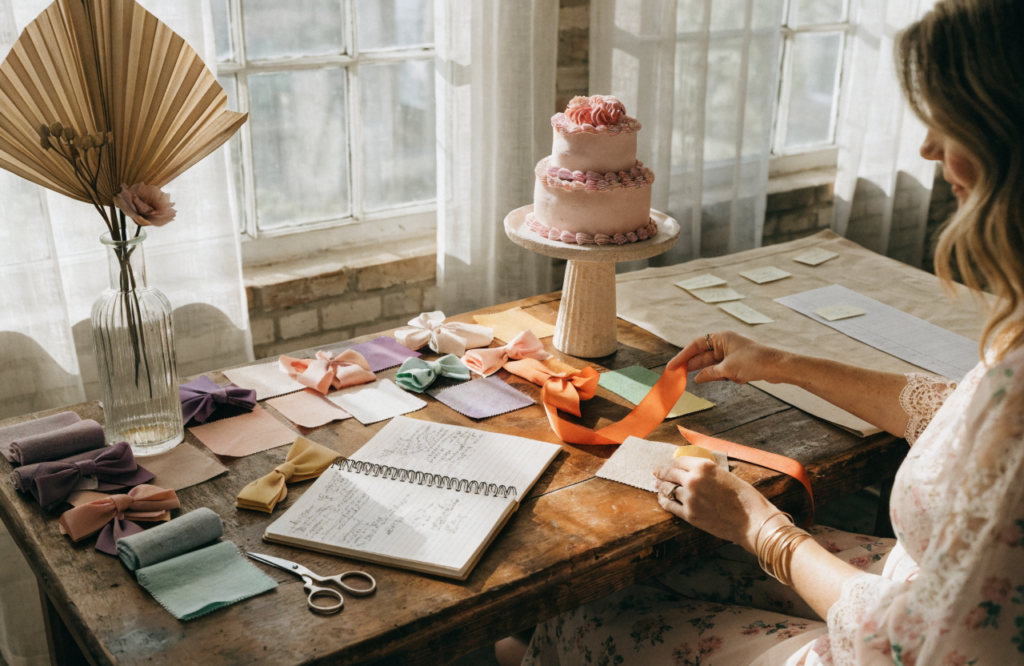
An air of lilac and citrus drifts through the room as sunlight spills across a table of swatches, ribbons, and a notebook where ideas spill over like confetti. You can almost smell the wedding cake in the distance, hear the soft hum of a playlist you haven’t quite settled on yet, and feel the fluttery mix of excitement and nerves that comes with planning a day you want to feel deeply personal.
So yeah, you want a wedding theme that feels like you. Not a Pinterest-perfect replica someone else swears by, not a generic “elegant” vibe that leaves everyone wondering who you are. You want a theme that fits your quirks, your love story, your sense of humor, and the way you two actually are when no one is watching.
If you’ve ever felt stuck staring at mood boards, wondering where your authentic vibe even lives, you’re in the right place. I’ve planned and styled weddings for real humans who showed up with big hearts and even bigger dreams. I’m here to help you cut through the noise and land on something that feels like you—without the stress, guilt, or endless indecision.
Let me be honest for a moment: the secret to nailing a wedding theme isn’t chasing trends or chasing perfection. It’s about discovering the core feeling you want your guests to experience and letting that ripple through every detail. That core philosophy sounds simple, but it’s surprisingly effective when you treat it like a compass instead of a checklist.
If you’re ready to stop guessing and start owning your vibe, grab a drink, get comfy, and let’s walk through how to choose a wedding theme that truly feels like you.
1. Start with the emotion you want your guests to feel
– Imagine the moment your best friend sees you in your dress and smiles so wide you can practically hear the exhale of relief. What emotion is that? JOY, comfort, awe, nostalgia, or wonder? Your theme should be a vehicle for that feeling, not a cage for it.
– Hint: emotions are contagious. When you name one clear feeling, everything else becomes easier to align with it.
Deep dive: a quick mood-dye exercise
– List three emotions you want to evoke.
– Write one word that represents each emotion (e.g., cozy, playful, timeless).
– Note a single detail for each emotion that could convey it (a color, texture, or ritual).
2. Trace your love story in a single motif
– Your story doesn’t need to be blockbuster level. A single motif—sunset, oceanside wind, a shared nickname, or a beloved book—can anchor your entire day.
– Use that motif across invitations, signage, details, and afterparty playlists. Consistency creates a cohesive vibe without feeling overstyled.
How to pick a motif that sticks
– Pick a symbol that has meaning for both of you.
– Make sure it’s versatile: works in color palettes, textures, and venues.
– Test it against three scenarios (ceremony, reception, dancing) to ensure it holds up.
3. Consider your venue as a partner, not a backdrop
– The venue already has a personality. A rustic barn, a sleek hotel ballroom, or a quirky art space will push you toward or away from certain moods.
– Let the space suggest your theme: exposed beams? Terra-cotta tones? Modern lines? Use those cues to guide your color palette and decor choices.
Venue-friendly theme ideas
– Barn weddings: rustic romantic with warm neutrals, eucalyptus, and candlelight.
– Modern venue: clean lines, metallic accents, and bold greenery.
– Coastal space: soft blues, sandy neutrals, and airy fabrics.
4. Build a color story that feels like your comfort zone
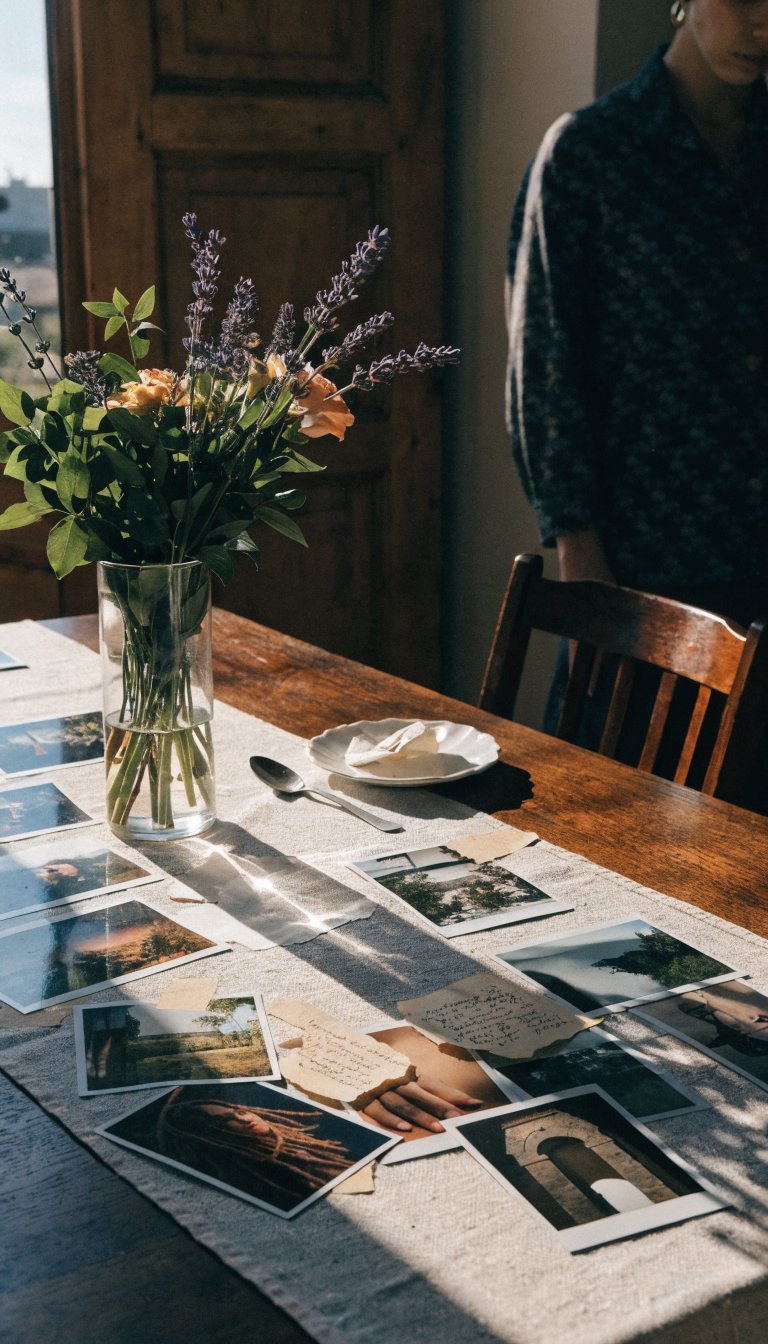
– Color is a language. It speaks before your guests hear your vows.
– Start with two core colors you genuinely love, then layer in a third as an accent.
– Avoid chasing every trendy hue; instead, build a palette you’d happily wear in real life.
Color strategy quick-start
– Core colors: two you’d wear on a date night.
– Accent: one contrasting or metallic tone.
– Neutrals: white, ivory, or soft gray to ground everything.
5. Play with textures, not just shades
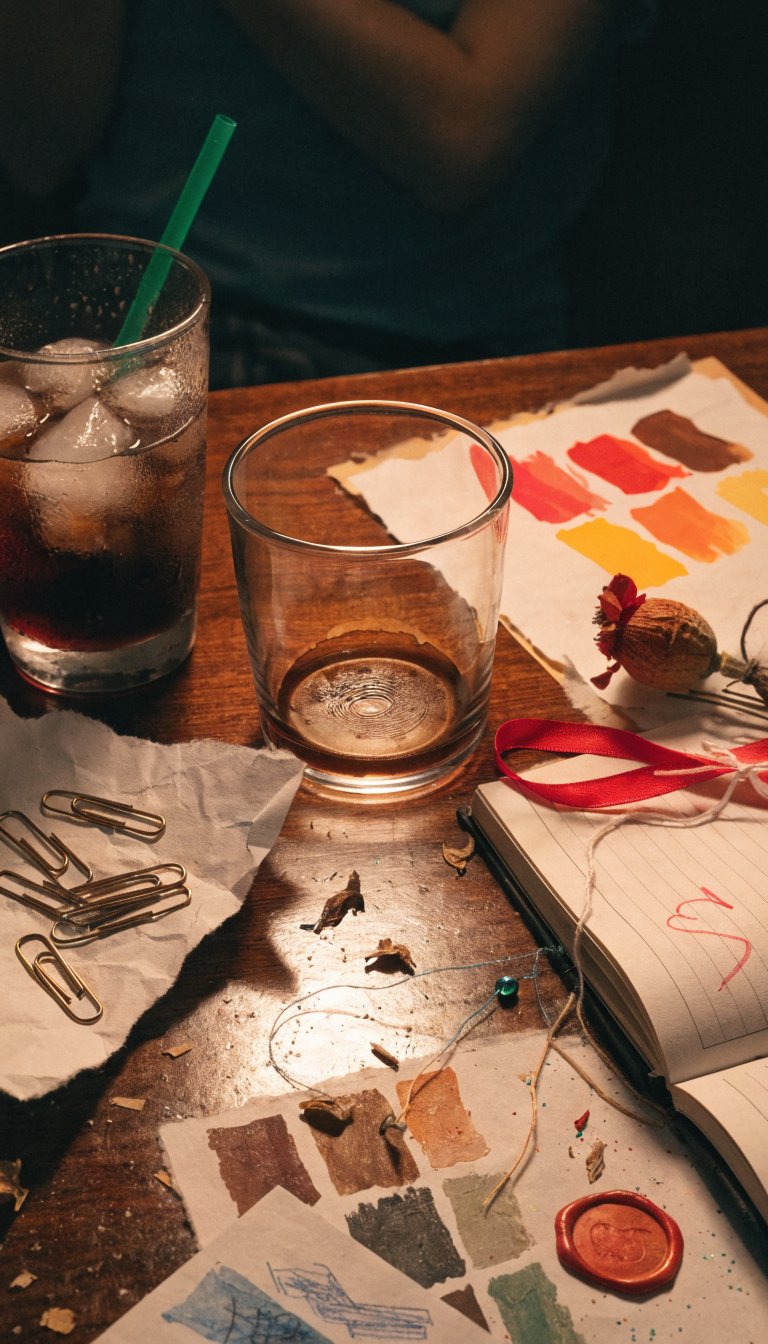
– Texture adds depth and makes photos feel tactile long after the day ends.
– Think: silk, linen, velvet, raffia, or wood. Each texture whispers a different mood.
Texture checklist
– Are you drawn to something soft and romantic? Silks and tulle.
– More earthy and natural? Linen, jute, and wood.
– Glam and modern? Metallic accents, glass, and acrylics.
6. Let rituals replace rules
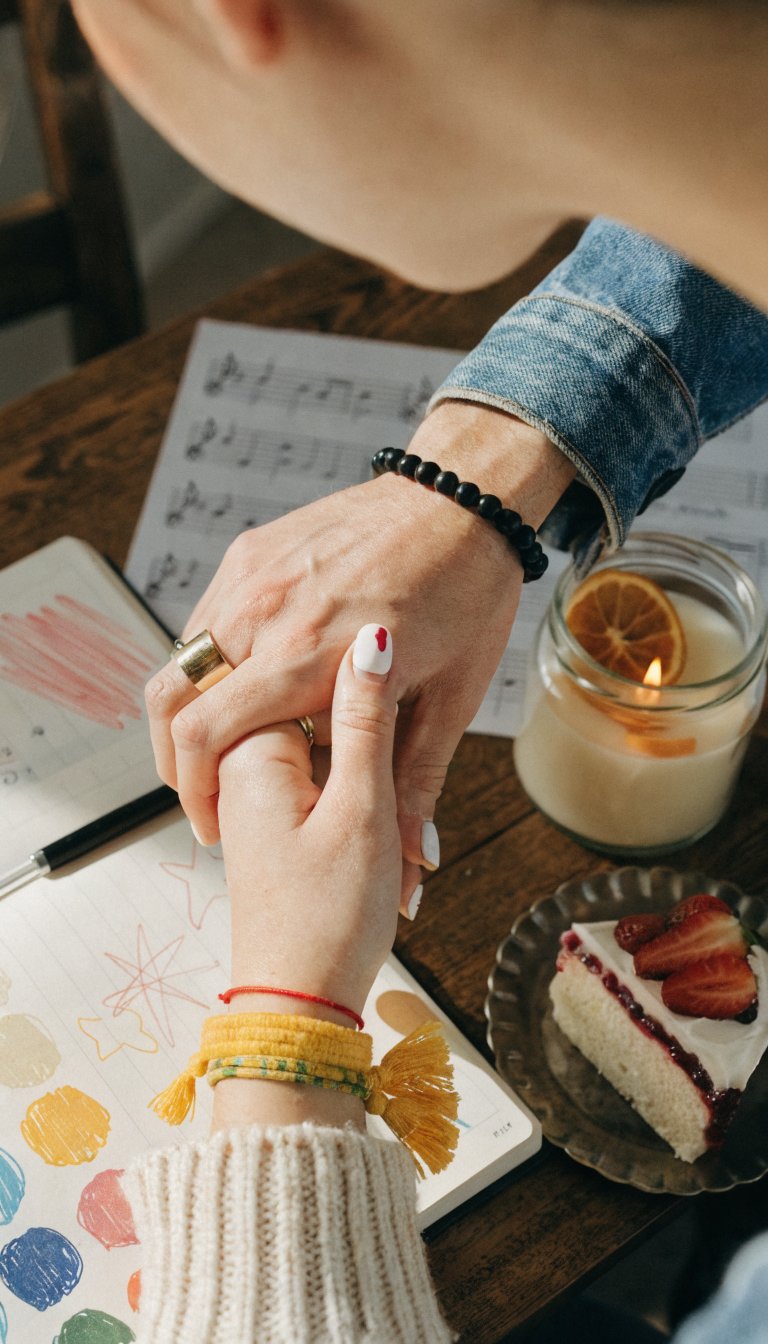
– You don’t need a million strict traditions to create magic. A few meaningful rituals can carry your theme with heart.
– Examples: a personalized welcome ritual for guests, a dessert moment that doubles as a photo op, or a first-dance that tells a mini-story.
Ritual ideas to borrow
– A “story toast” where you share how you met in a short, unscripted moment.
– A sunset handfasting for a boho vibe.
– A late-night snack bar with your favorite comfort foods.
7. Layer in personal details that don’t demand attention
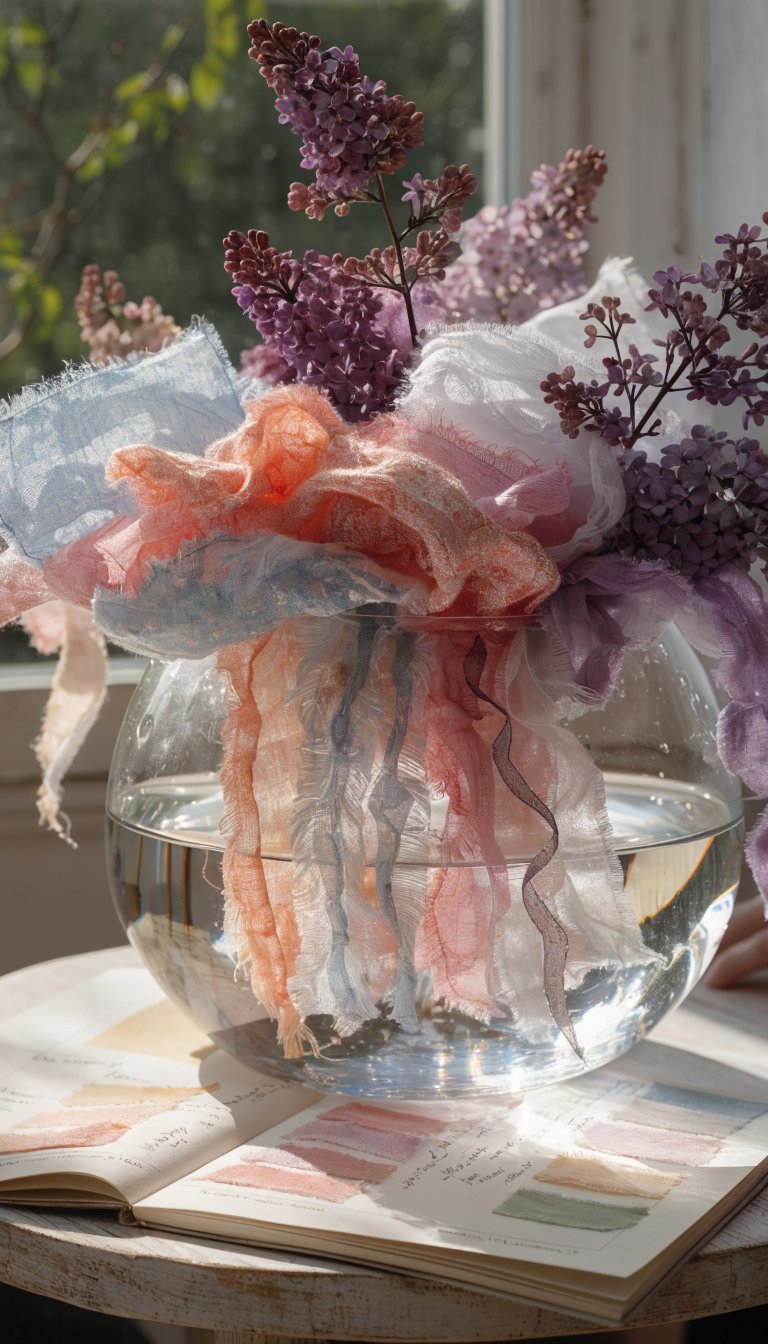
– Small, well-chosen details tell guests who you are without shouting your entire backstory.
– Think: favorite coffee blend in the welcome note, a playlist made of songs that matter to you both, or a quirky guest-book idea.
Personal detail ideas
– Custom monograms with a nod to your hobbies (you cook together? recipes on display).
– A photo wall of milestones from your relationship.
– A “this is us” seating chart with little notes.
8. Create a decor philosophy you can actually maintain
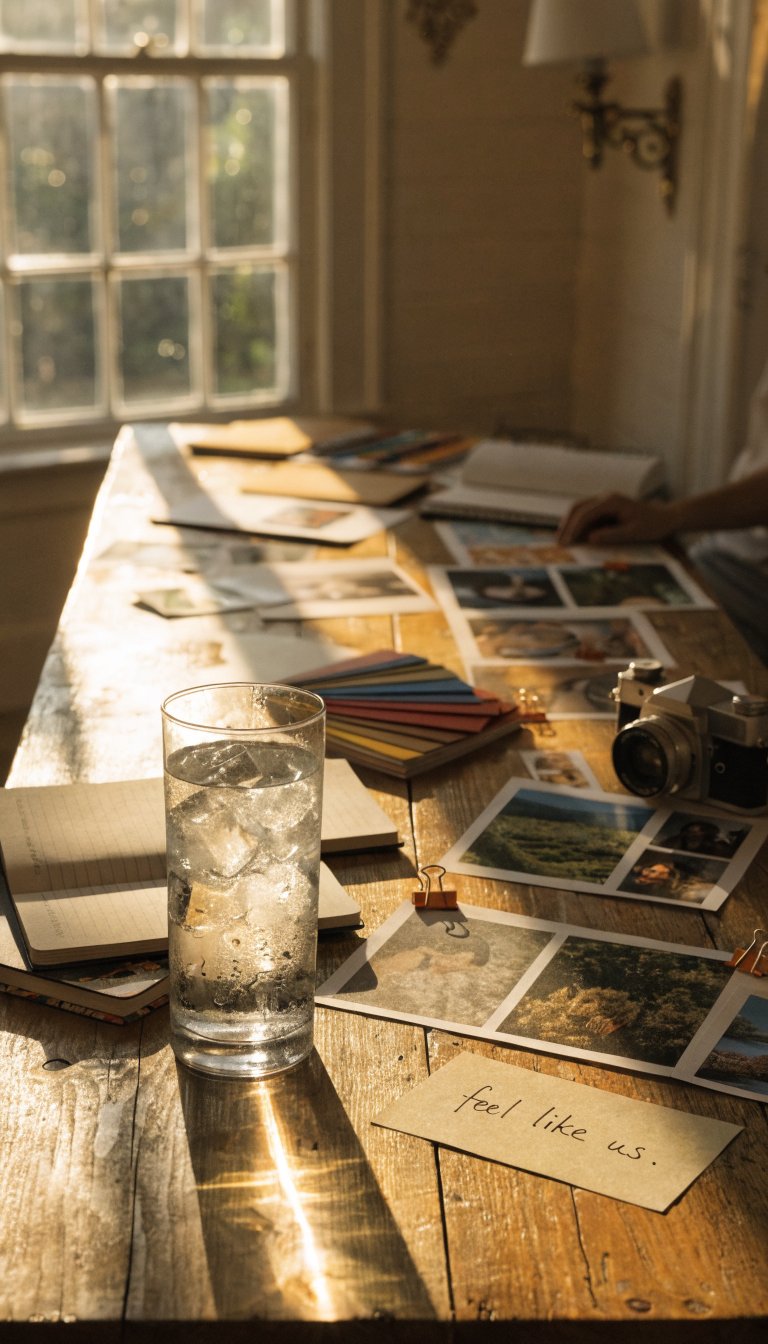
– A theme isn’t a fantasy; it’s an actionable plan you can execute. If you set it up like a routine, you won’t burn out mid-planning.
– Decide on 3-4 non-negotiables that sing your vibe, then let everything else flow around them.
Non-negotiables example
– Lighting: warm, amber tones only.
– Florals: seasonal and locally sourced.
– Attire: dress code that matches the mood you want guests to feel.
9. Design a layered invitation to reveal your theme
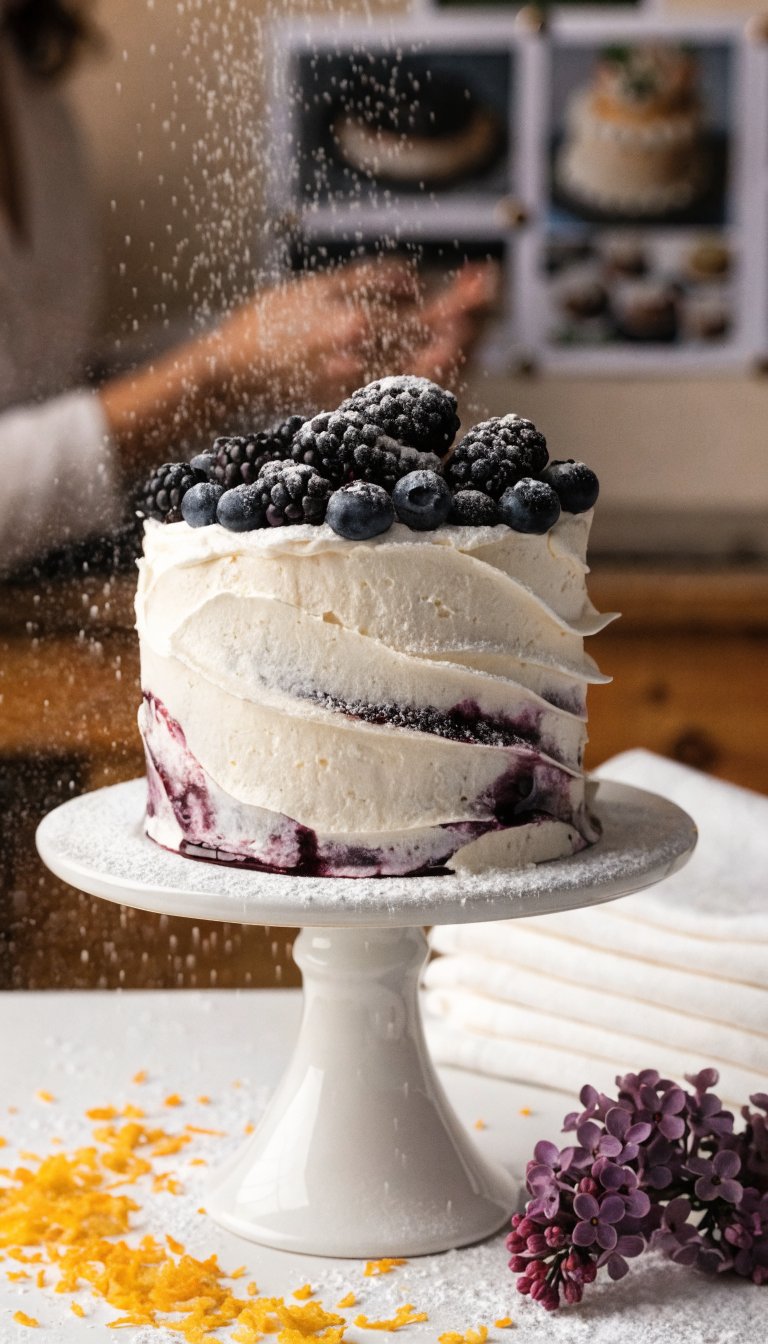
– Your invitation is the first whisper of your wedding day. Use it to set expectations without spoiling the surprise.
– Bring your motif, color story, and a hint of texture into your invitation suite.
Invitation layering ideas
– Use recycled paper with a subtle texture.
– Include a small swatch of fabric or a pressed flower.
– A digital version that echoes the physical design for guests who travel.
10. Plan for flexibility and surprises
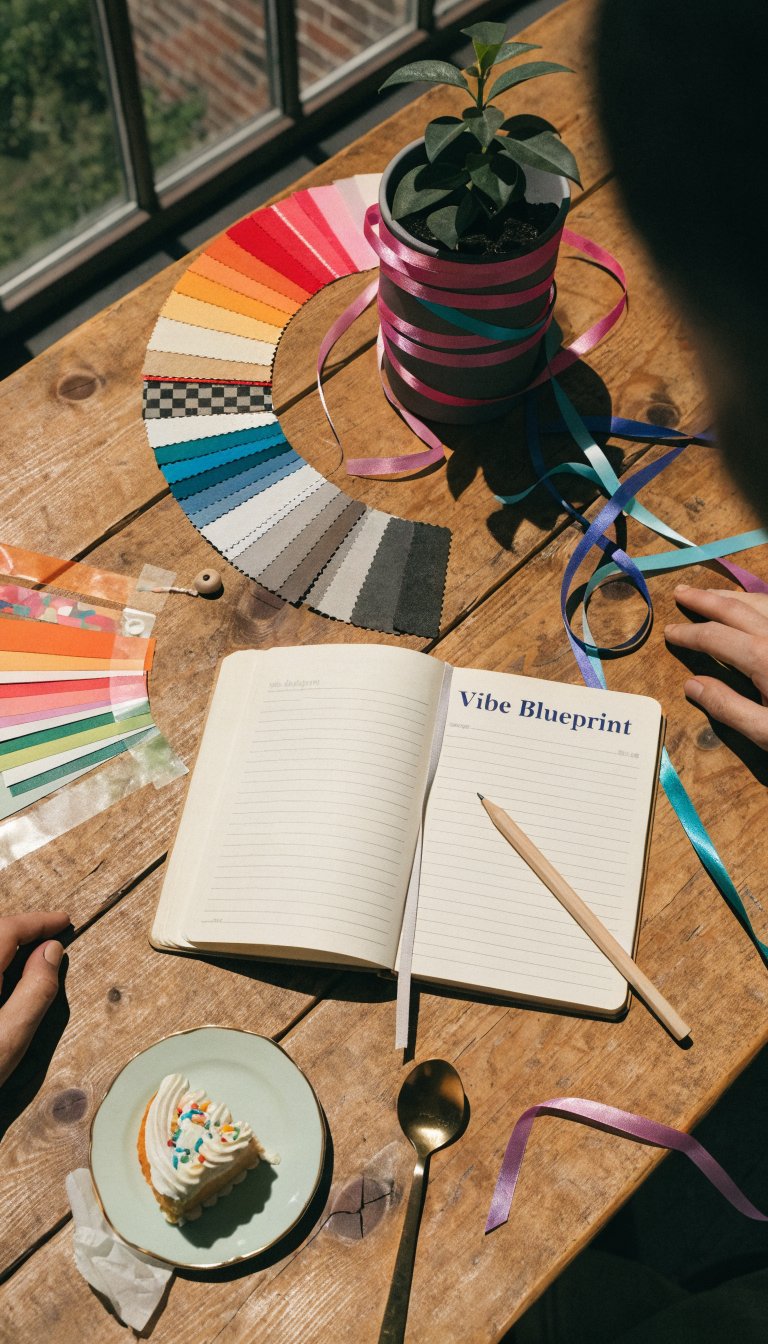
– Your dream theme should adapt to real-world constraints: weather, budgets, and venue quirks.
– Build in a few flexible elements that can shift without wrecking the vibe.
Flexibility tricks
– Use lighting as a major mood changer—you can alter the tone with switches and filters.
– Choose decor pieces that are easily repurposed for different spaces.
FAQ
What if my partner and I have totally different tastes?
– Start by listing three things you both love and three you can live without. Look for overlap and build from there. If you’re still stuck, pick a neutral theme (like “romantic minimalism”) and let each of you add a personal twist through small details.
How do I choose a theme that isn’t trendy?
– Focus on timeless elements that you actually enjoy wearing, using, and living with. A timeless theme centers on emotion, quality, and coherence, not fads. If you’re unsure, test it in a 2-week “mock-up” with decor and outfits that fit the vibe.
Can we DIY parts of the theme without losing quality?
– Yes, but be honest about your time and energy. Pick a handful of high-impact DIYs (like signage or altar decor) and outsource the rest to trusted vendors. DIY when it scales up your theme and value, not just to say you did it yourself.
What should I do first if I’m overwhelmed?
– Start with one clear emotion and a single motif. Build your palette around those two anchors, then let other elements flow in naturally. If needed, pause and revisit after a few days—it’s amazing what a fresh perspective can unlock.
How do we ensure our theme feels personal and not “cookie-cutter”?
– Inject your actual memories and hobbies into the details. A menu inspired by your first date, a playlist of songs from trips together, or a dessert bar named after your inside jokes will do wonders.
Conclusion
Choosing a wedding theme that feels like you isn’t about chasing perfection or copying a glossy magazine spread. It’s about listening to your own heartbeat, translating it into color, texture, and ritual, and letting those elements guide every practical decision. When you start with emotion, honor your story, and stay flexible, your day turns into a living, breathing reflection of who you are as a couple.
Remember: a theme is a compass, not a cage. It points toward the moment you pledge forever, while still leaving room for the spontaneous smiles and imperfect, real-life magic that makes your wedding truly yours. So take a breath, trust your instincts, and let the vibe flow. FYI, your guests will feel it before you say “I do.”