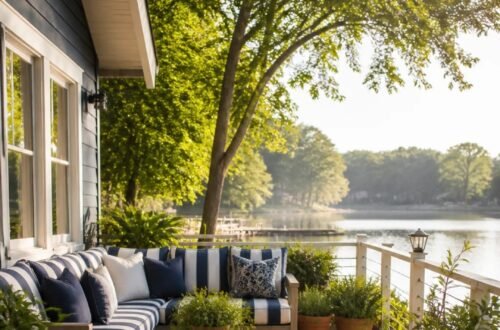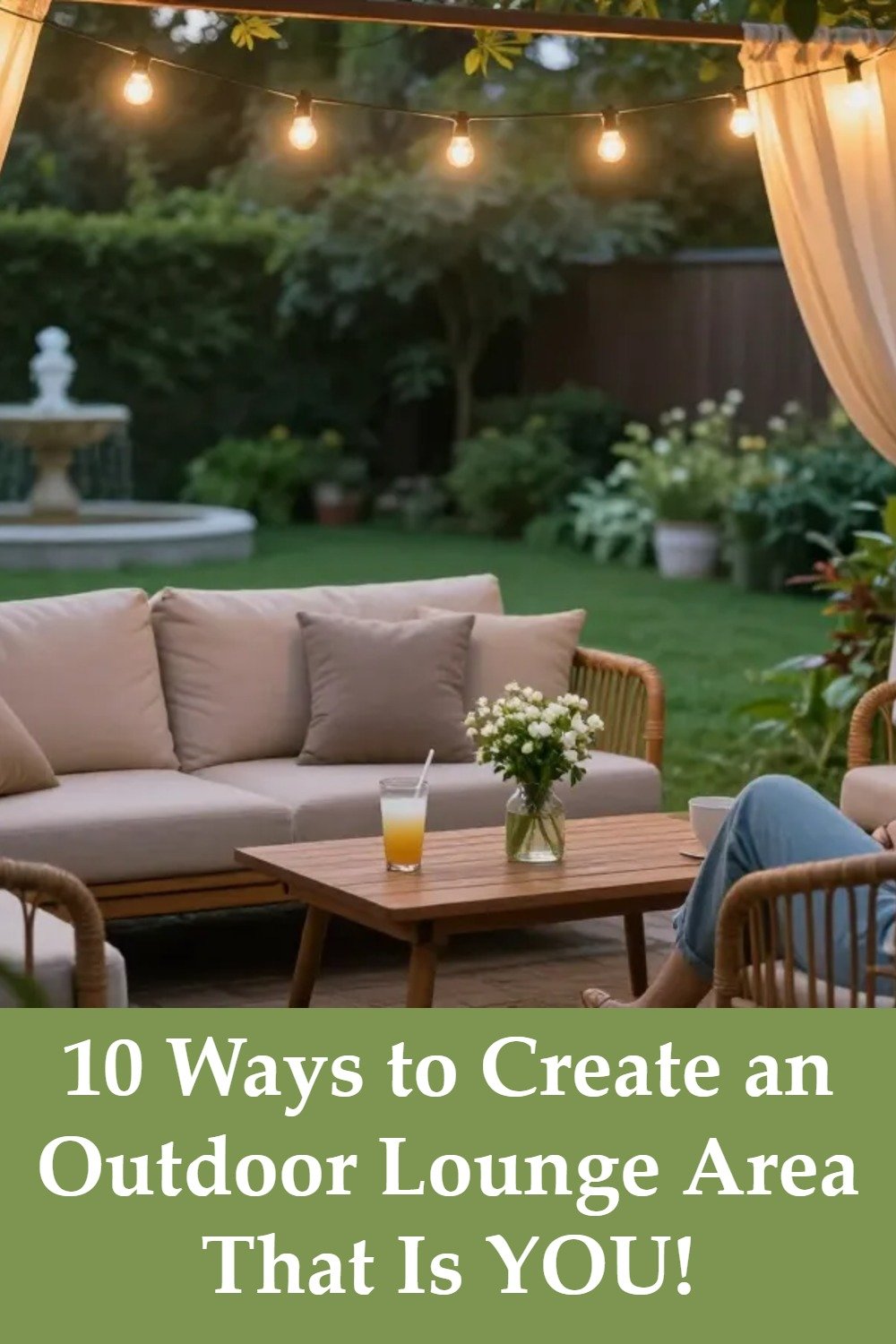
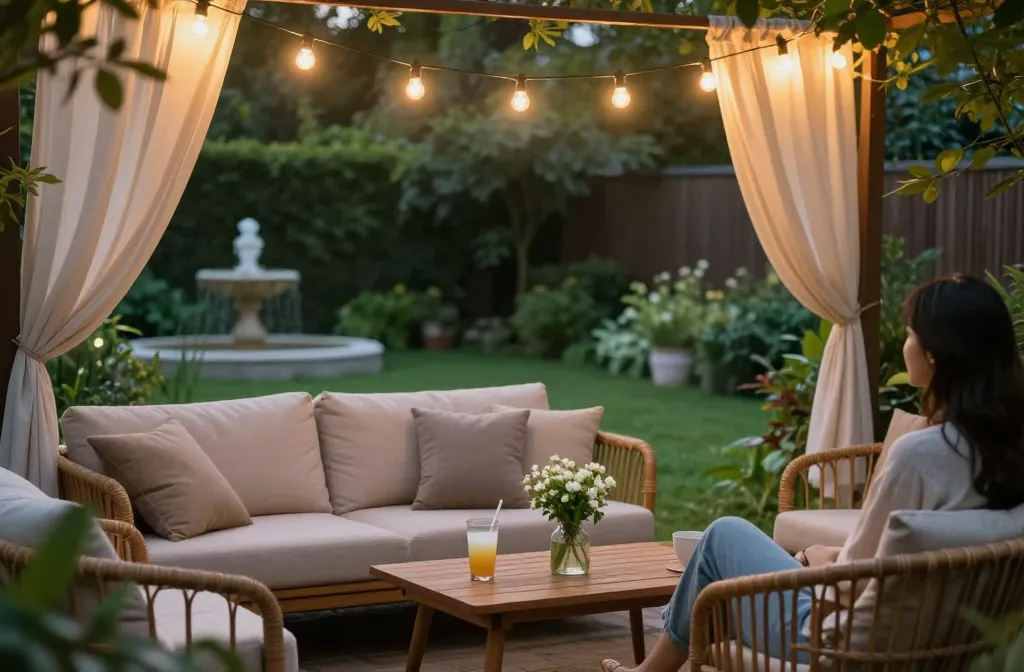
An instant, bite-sized sensory moment: dusk settles over the yard, string lights glow like embers, and a soft breeze carries the faint scent of jasmine. A cozy nook invites you to sink into a chair with a cool drink, the kind of evening that whispers you’ve earned this perch. The sounds of wind, distant crickets, and a nearby fountain blend into a soundtrack that says: this is your outdoor sanctuary.
Let’s be honest for a moment. You want an outdoor lounge area that feels effortless, not gimmicky. You want it to welcome friends, ignite conversations, and still look good in photos. But you’re likely worried about the math: costs, weather, choosing the right furniture, and avoiding that “showroom” vibe. If any of that sounds familiar, you’re not alone. Many people start with a grand vision and end up with a patio that looks nice but doesn’t feel like you.
I’ve spent years helping people design outdoor spaces that actually get used, not just admired from the kitchen window. I’ve tested countless furniture setups, lighting schemes, and layout tricks, learning what makes an outdoor lounge feel intimate, flexible, and genuinely livable. The secret isn’t about chasing trends; it’s about crafting a rhythm—how the space breathes, where people gather, and how it adapts from sunlit afternoons to moonlit evenings. FYI: the best lounges feel as good after a rain as they do on a sunny Sunday.
Here’s the core philosophy: start with comfort first, then layer in texture, light, and personality. If you arrange cushions that invite people to sprawl, pick materials that survive the seasons, and set up zones that serve different moods, you’ll create an outdoor lounge that feels right no matter who sits down. This approach keeps the space flexible, durable, and irresistibly welcoming.
Ready to build a lounge that actually lives? Here are 10 ways to get it right, plus a few deeper dives along the way.
1) Define a Natural Flow: Zone It Without Boxy Boundaries
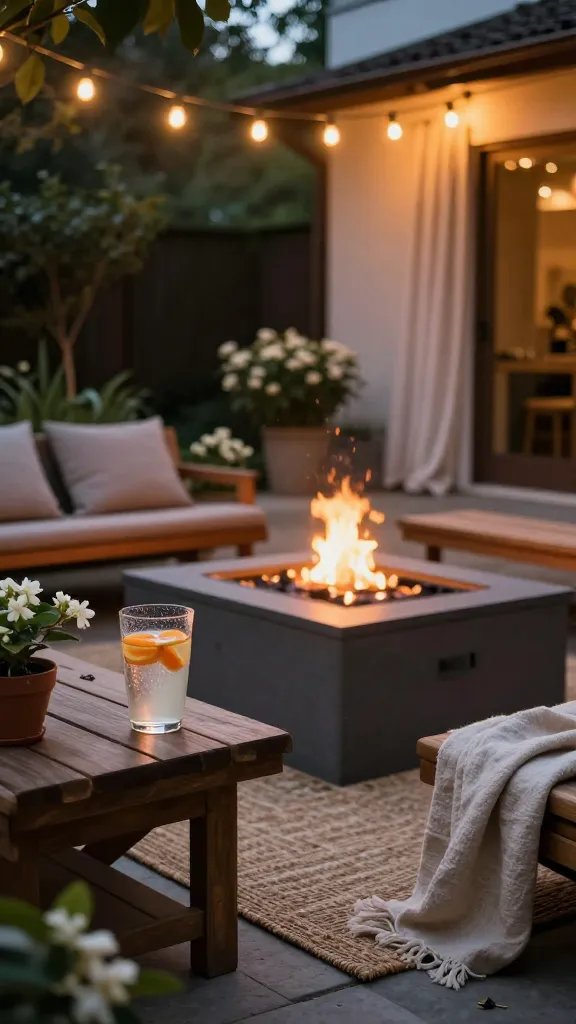
Your goal is to map how people move, not pin down every inch with rigid lines. Start with a central gathering area and let pathways loop around it. Think in zones rather than sections: a conversation circle, a sun-soaked reading nook, and a shaded retreat for afternoon naps.
– Place seating to encourage conversation: avoid angles that force people to twist unnaturally.
– Create a responsive space: add a portable side table, a lightweight ottoman, or a small bench that can shift with the crowd.
– Leave room to breathe: don’t cram furniture; you want 2–3 feet of walkable space around each cluster.
Pro tip: Use a rug to anchor the main seating cluster. It signals “this is the living room outside” and helps define the vibe.
2) Prioritize Comfort: Cushions, Fabrics, and Seatings That Invite Lounging
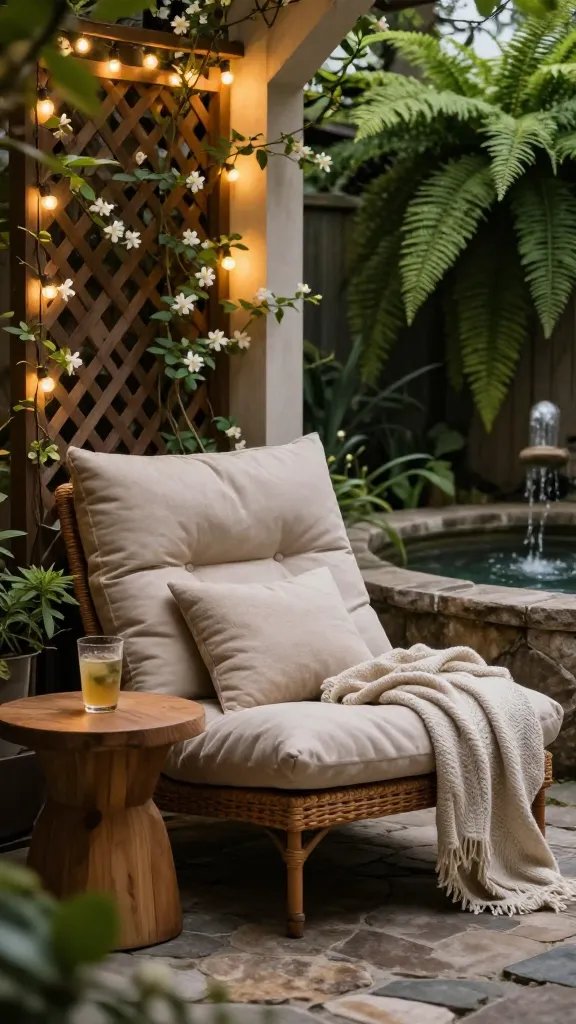
Comfort is the non-negotiable baseline. If people settle in and don’t want to get up, you’ve nailed it. Choose cushions with weather-resistant fills and fabrics that stay soft after a season of sun and rain.
– Try quick-dry foams for cushions to avoid that spongey, waterlogged feel after a storm.
– Pick fabrics with high UV resistance so colors don’t crack or fade.
– Include at least one deep, cushy seat for full-on lounging.
FYI, you don’t need a full outdoor sofa set if you’re short on space. A couple of lounge chairs and a big swing or hammock can do the trick beautifully.
2a) The Pillow in 3 Textures
Add depth with contrasting textures: a cotton-weave cushion, a faux-throw made of quick-dry material, and a washable cover for spills. Mix patterns carefully—two bold prints plus a solid can look intentional rather than chaotic.
3) Weather-Proof Materials: Beauty Meets Durability
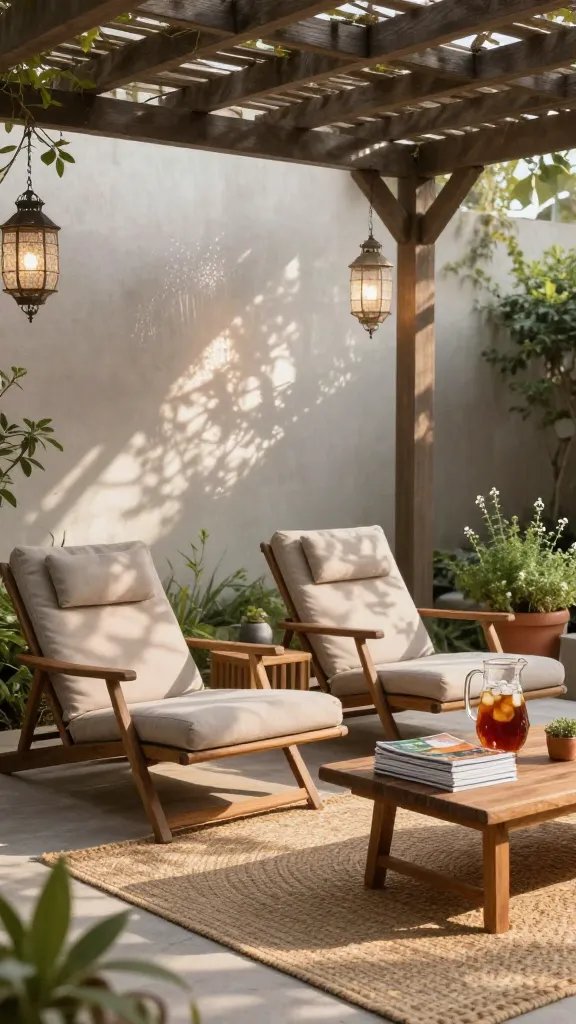
Outdoors, materials face sun, rain, and humidity. Your best bet is to mix durable basics with a few statement pieces.
– Choose all-weather wicker or powder-coated aluminum frames for longevity.
– Go for teak or treated woods with a weather seal if you crave a warmer feel.
– Use outdoor-friendly fabrics and cushions in light, washable colors to reflect heat.
IMO, invest in one or two high-quality pieces that carry most of the weight of your aesthetic. The rest should be more budget-friendly and replaceable.
4) Lighting That Makes You Look Like a Pro (Even If You’re Not)
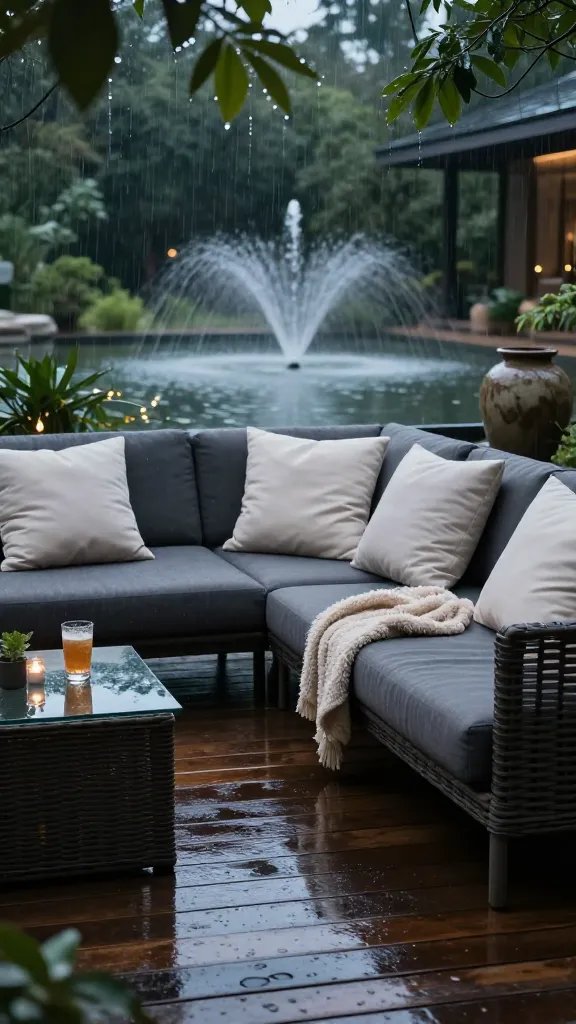
Lighting transforms the mood more than any weaponized rug could. Layer light so you can switch from bright for games to soft for privacy.
– String lights above the main seating area for that cozy ambiance.
– Use warm-toned LED path lights to guide guests without glare.
– Add a focal light piece like a sculpture lamp or a lantern on a stand for drama.
Note: Dimmable options give you control without needing a stadium vibe.
5) Fire, Water, and a Hint of Zen: Centerpieces That Ground the Space
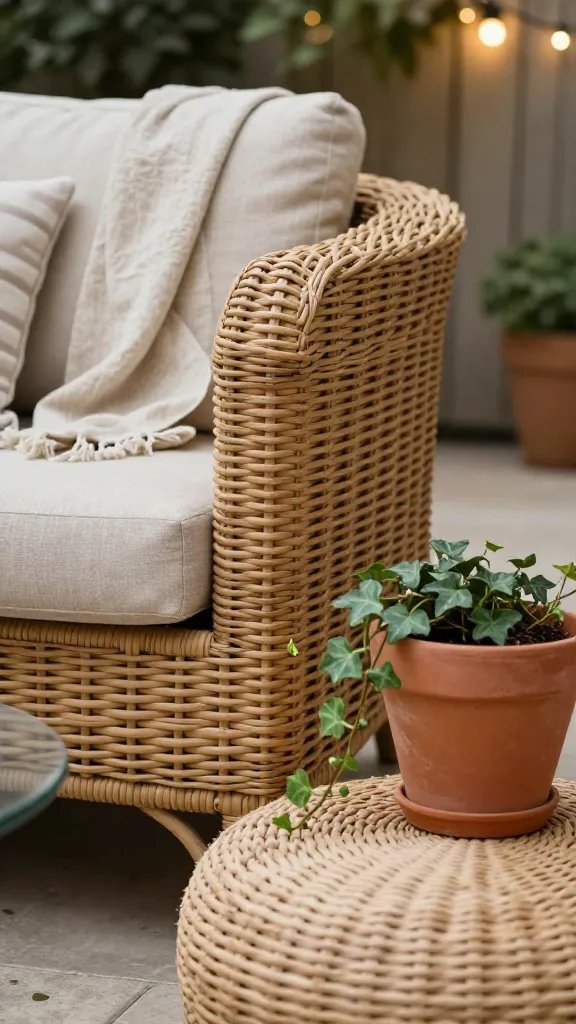
Ambient features take your lounge from “nice” to “unforgettable.” Fire and water are classic anchors, but you don’t need both to create a calming vibe.
– A bioethanol fire pit delivers drama without heavy maintenance.
– A small fountain or tabletop water feature adds soothing sounds and visual interest.
– If you’re not into water or flame, a simple bubbling rock or candle lanterns can still provide a serene atmosphere.
FYI, safety matters with fire features. Keep kids and pets in mind, place features on stable surfaces, and follow local regulations.
6) Textiles That Weather the Elements Without Losing Their Soul
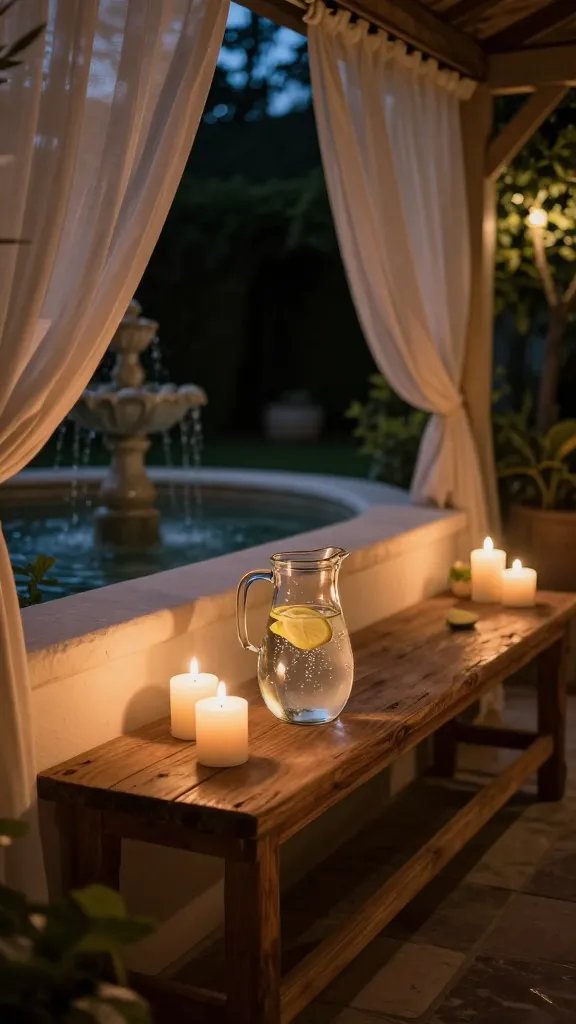
Textiles give you the warmth and personality of a living room. The trick is balancing looks with longevity.
– Use sun-resistant dyes so colors stay vibrant after months outside.
– Rotate cushions and throws to distribute wear evenly.
– Choose a neutral base and add color with accessories that are easy to swap.
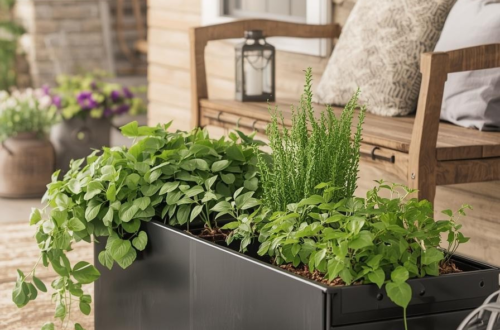
7) Greenery and Natural Elements: Bring the Outdoors In Without Overdoing It
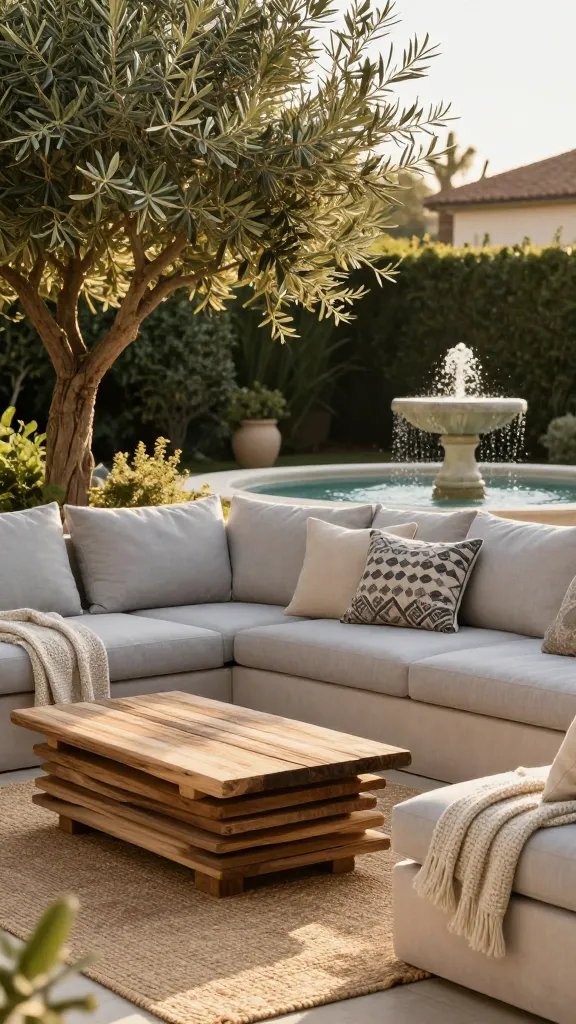
Plants frame the space, soften edges, and add life. But they should serve as accents, not clutter magnets.
– Use a mix of tall, sculptural plants and ground cover for texture.
– Integrate planters with wheels for easy repositioning.
– Consider a vertical garden or trellis with climbers to maximize privacy.
LOL, you don’t need a rainforest, just a few well-chosen greens.
8) Personal Touches: Mirrors, Art, and Storytelling Through Decor
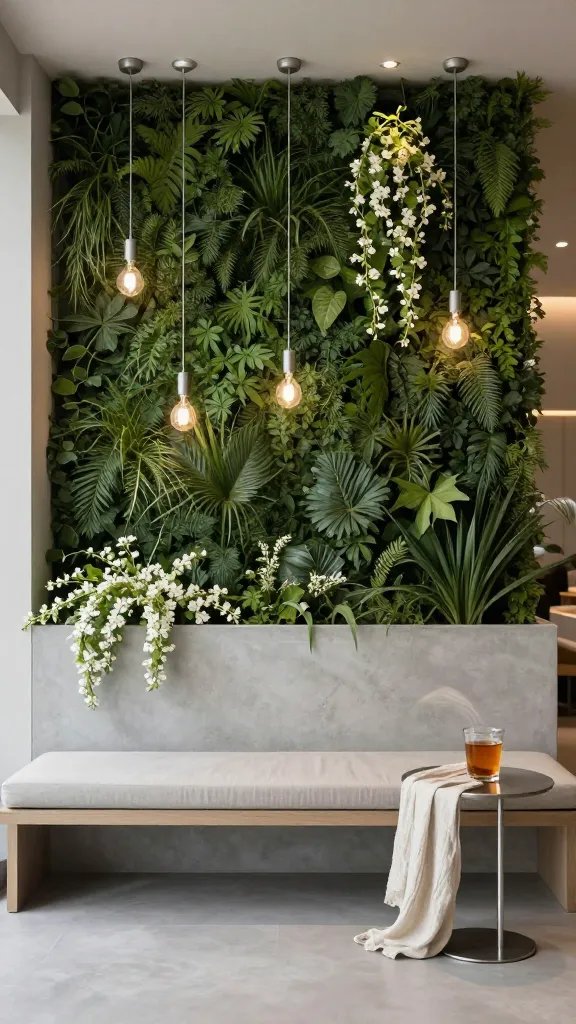
Your outdoor lounge should feel like you, not a catalog. Bring in small pieces that tell a story or reflect your hobbies.
– Art or wall decor designed for exterior use can add personality.
– A chalkboard or whiteboard wall (weather-protected) invites kids and guests to doodle or leave notes.
– Display a few favorite objects in weatherproof display cases or on shelves.
9) Storage That Keeps Your Space Tusable Year-Round
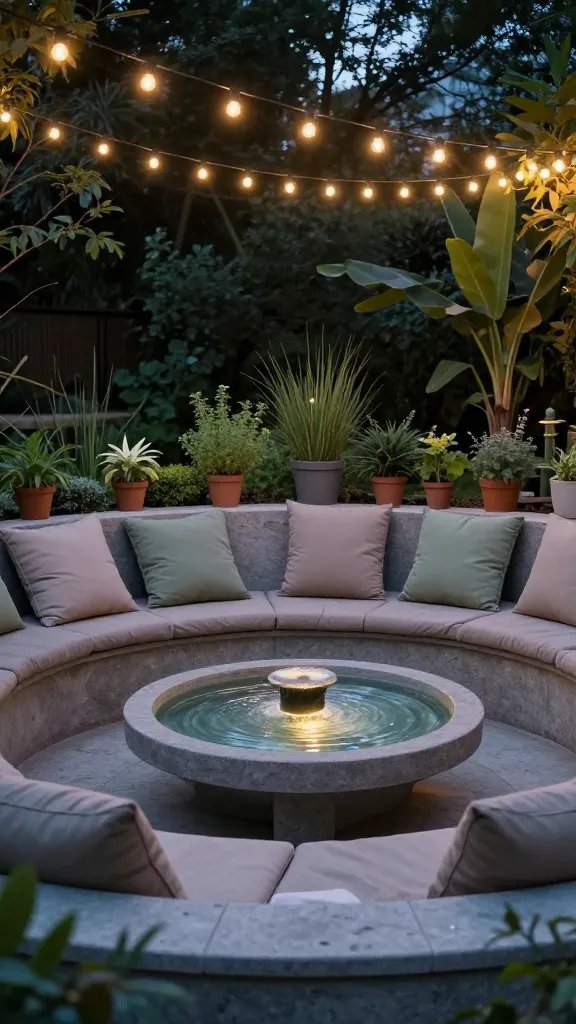
The best outdoor lounges hide storage in plain sight. You want clean lines when not in use and ready comfort at a moment’s notice.
– Opt for outdoor storage benches that double as seating.
– Use weatherproof ottomans with hidden storage for throws and cushions.
– Consider a deck box with a soft-close lid to avoid the “bang everyone hates.”
Pro tip: Keep a small rain plan: a shaded spot that protects cushions if a shower is forecast.
10) Maintenance Mindset: Simple Routines That Keep It Feeling Right
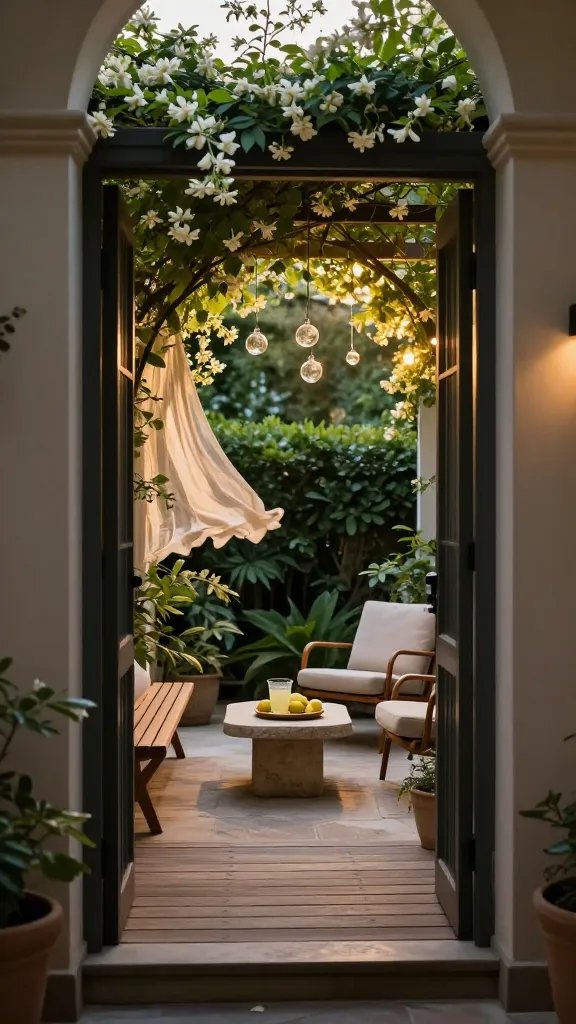
An outdoor lounge only works if upkeep is painless. Build routines that fit your life, not your fantasy.
– Quick weekly wipe-downs and a monthly deep clean keep things fresh.
– Store cushions indoors or in a dry place during heavy rain or winter.
– Check for wear, repair promptly, and replace items intentionally rather than all at once.
FYI, a little routine goes a long way. A home that’s easy to love is a home you’ll actually live in.
Deeper Dive: Choosing a Flexible Seating Strategy
If your space is small or you host varying group sizes, consider a flexible strategy that scales. Look for modular pieces, stackable chairs, and lightweight ottomans that can be rearranged in minutes. A movable coffee table can anchor different conversations and tasks, from board games to outdoor work sessions. The key is having options that don’t require a complete overhaul every time you reshuffle.
Deeper Dive: Lighting Zones for Different Moods
Create micro-zones with lighting to switch atmosphere without moving furniture. A bright perimeter ring can illuminate pathways for late-night gatherings, while a warm amber pool of light above the seating nook invites long conversations. Consider smart outdoor bulbs that adjust color temperature based on time of day, mood, or activity. If you love tech, pairing lighting with a voice assistant can make “turn on the lounge” as easy as asking a friend for a drink.
FAQ
What’s the easiest way to start if I have a tiny patio?
Start with one defined seating cluster and a compact focal feature, like a small fire pit or a single water element. Use multifunctional furniture—ottomans with storage, a bench that doubles as a coffee table—to maximize your footprint. A single outdoor rug can ground the space and make it feel intentional rather than crammed.
How do I keep outdoor furniture looking good year after year?
Choose weather-resistant materials and fabrics from the start. Use protective covers when you’re not using items, and store cushions indoors during heavy rain or winter. Regularly clean with mild soap and water, and address any wear or loose hardware before it becomes a bigger issue.
Is it better to mix plants or go green with a single theme?
A mix works best if you’re aiming for a natural, layered look. Pair structural plants (like a tall arborvitae or olive tree) with softer ground cover and seasonal blooms. This creates visual interest without overcrowding the space. Revisit your plant selection annually to maintain balance and ensure plants aren’t crowding seating.
How can I make it feel luxurious without breaking the bank?
Invest in a few high-impact pieces (like a standout lounge chair or a well-made fire pit) and fill the rest with budget-friendly, adaptable pieces. Focus on texture, lighting, and color to elevate the space. A cohesive color palette and a couple of statement accessories go a long way.
What if my space is exposed to harsh weather?
Choose durable, weather-resistant materials and store soft furnishings indoors when not in use. Use shade sails or a pergola to reduce sun exposure, and consider a rain cover or storage solution for cushions. A simple, sturdy layout that can withstand wind and weather will save you stress later.
How do I make the space feel intimate?
Create a central seating circle or semi-circle that faces a focal point (fire, water feature, or a view). Use warm lighting, and bring in soft textiles at quick-access heights. The goal is to invite people in with a sense of coziness and privacy, not a stadium vibe.
Conclusion
Turning an outdoor space into a lounge that feels right is less about chasing perfection and more about curating comfort, flexibility, and personality. Start with a plan that respects how you actually live outside—where you sit, what you touch, and how the space breathes. Layer textures, light, and greenery thoughtfully. Keep the layout adaptable so a Tuesday night hangout feels as good as a weekend barbecue. And most importantly, design for moments—quiet reading nooks, lively conversations, and the kind of evenings you’ll tell stories about for years to come.
If you’re ever unsure, remember the core idea: comfort first, then style. When you get that right, every other choice falls into place, and your outdoor lounge stops being a project and starts being your favorite room in the house—just with a breeze and a better view.