An introduction you’ll actually want to read? Let’s skip the fluff and get real. You want privacy without blowing your budget, and you want ideas that aren’t flimsy or flimsy-looking. I’ve got you covered with practical, doable options that mix function, style, and a little bit of brag-worthy curb appeal.
1) Start With a Solid Plan: Privacy Before Pretty
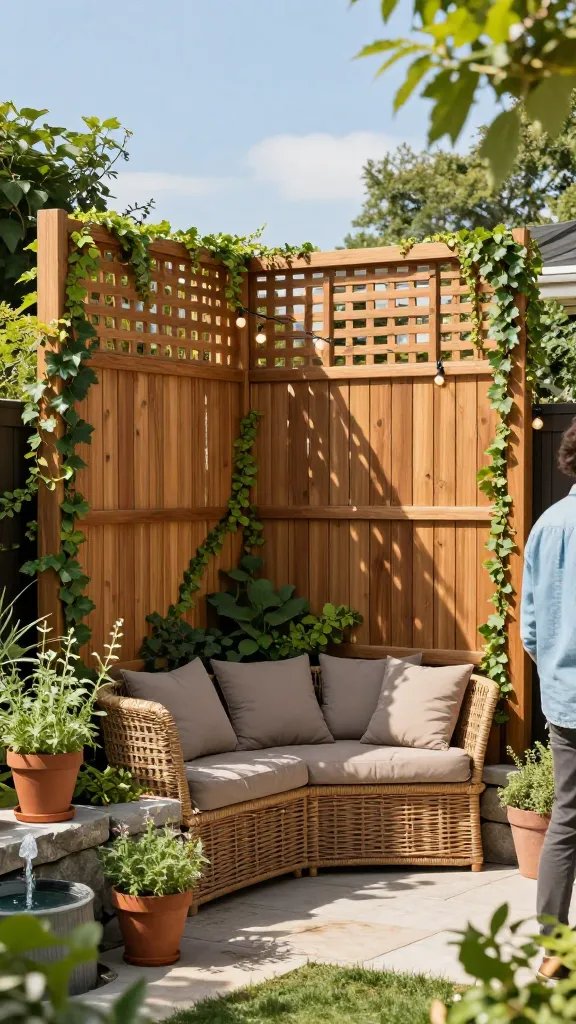
Before you buy a single panel or plant a single hedge, map out what you’re trying to block and from where. Do you want to block nosy neighbors, street traffic, or just feel cosier in your backyard? Jot down the key sightlines and the type of vibe you want—classic, modern, rustic, or lush garden hideaway. A plan saves you money and headaches later.
What to decide upfront
- Which sides need the most coverage
- How tall you need the barrier to be
- Maintenance level you can realistically keep up
- Budget ceiling and a little wiggle room for surprises
2) Freestanding Privacy Panels: Simple, Stackable, Stylish
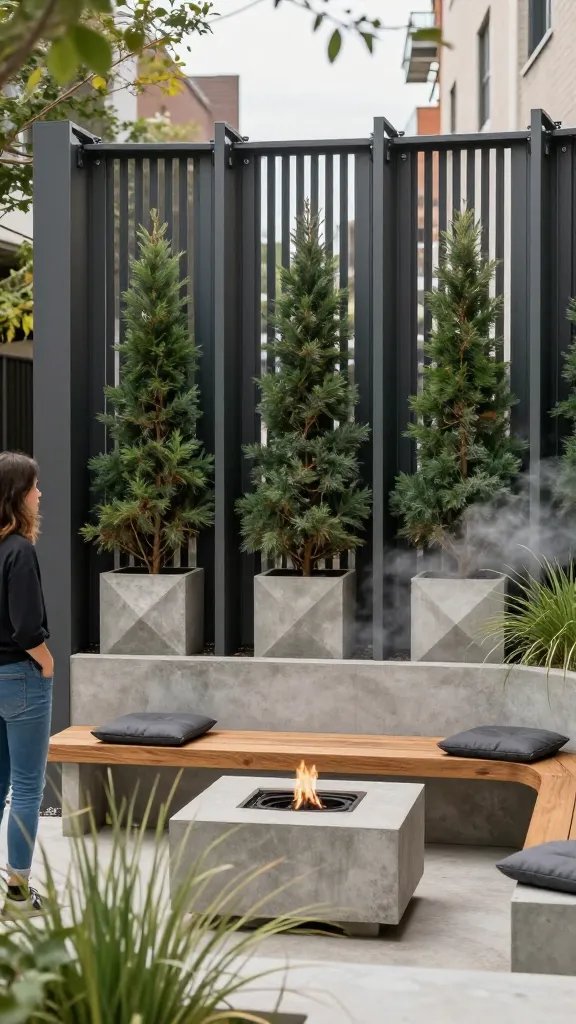
If you don’t want to commit to a full fence, consider freestanding privacy panels. They’re easy to move, repaint, or upgrade as your needs evolve. You can lean them against an existing structure or mount them on short posts for a semi-permanent vibe.
Why they work
- Budget-friendly and fast to install
- Portable, so you can rearrange for sun or shade
- They create instant privacy without a full-on fence commitment
3) Reclaimed Wood Planks: Charm Without the Price Tag
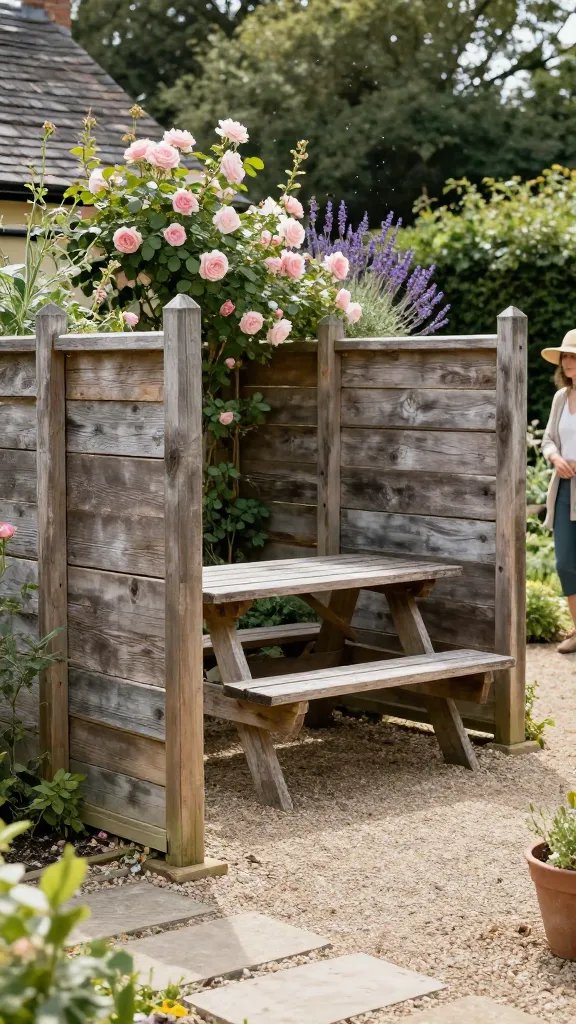
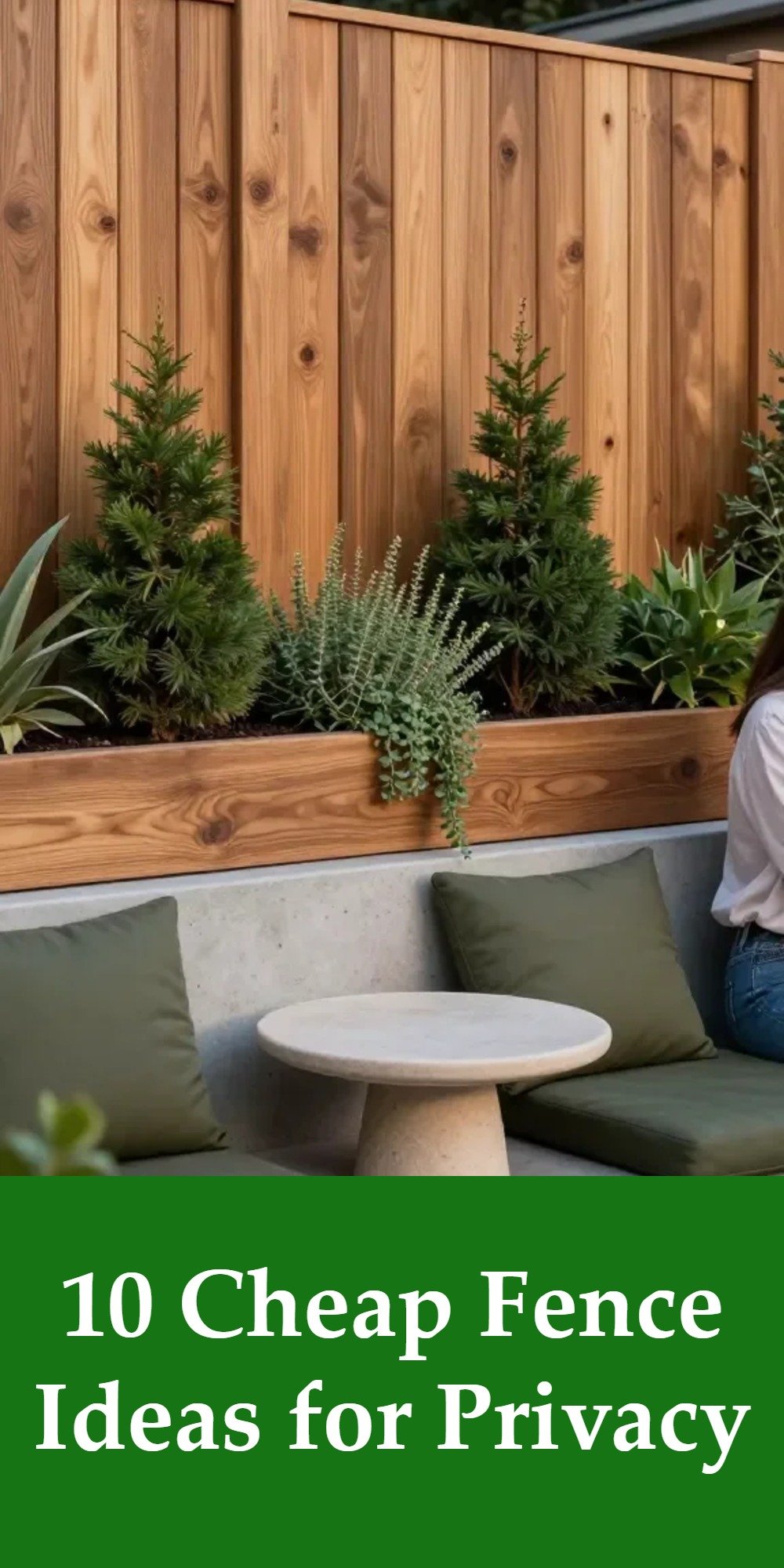
Reclaimed wood is not just eco-friendly; it’s wallet-friendly when you scavenge it from pallets or old fences. Use vertical slats to build a faux privacy screen or mount them as slatted panels along an existing fence for a warmer, busier look.
Tips for success
- Seal or treat wood to resist the weather
- Stain in a color that hides dirt between cleanings
- Mix widths for a rustic, cottage-core feel
4) Living Walls: Greenery That Hides and Heals Your View
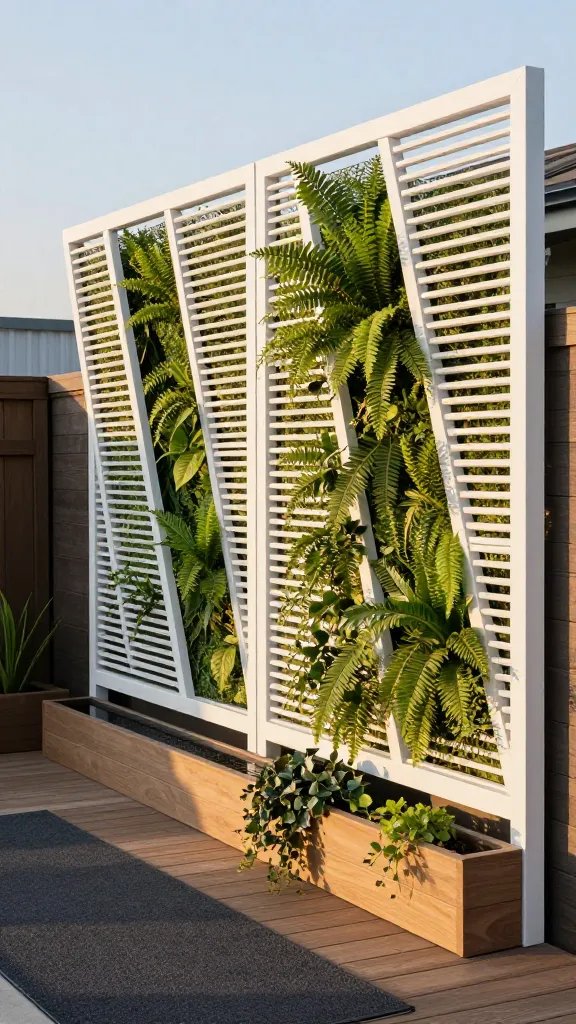
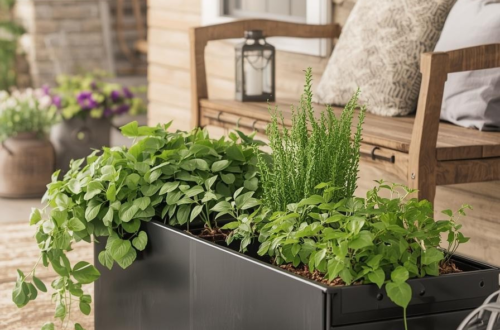
Plants are not just pretty; they’re practical privacy machines. A living wall or dense planting can soften harsh lines and block sightlines naturally. You can use trellises, wrappings, or planter boxes to create a green shield.
Plant options that work well
- Tall, fast-growing screening plants like arborvitae, bamboo (in contained setbacks), or hornbeams
- Vining climbers on a trellis—ivy, jasmine, or clematis for color
- Layered planting to ensure year-round coverage
5) Bamboo Fences: Exotic Look, Fast Growth
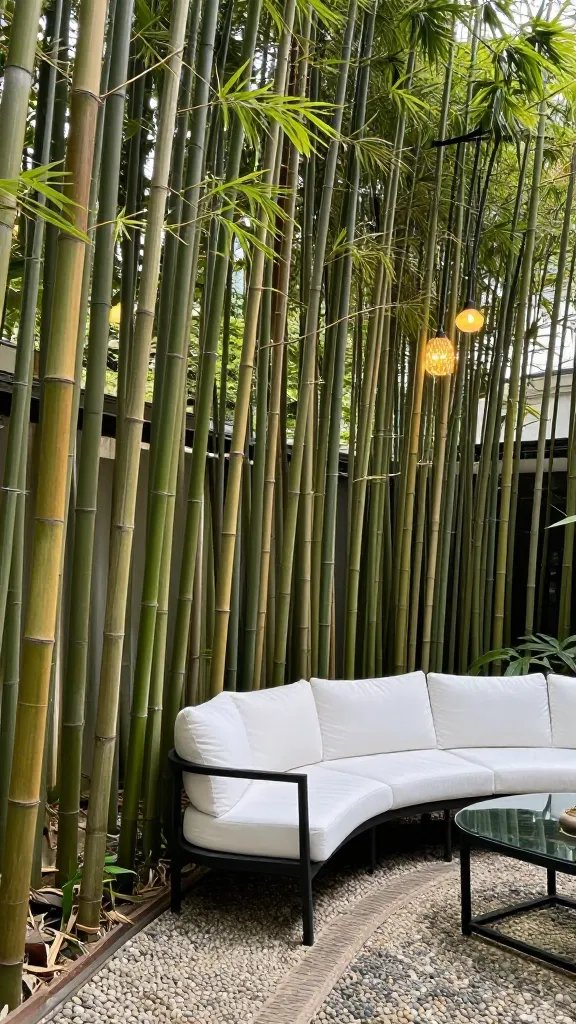
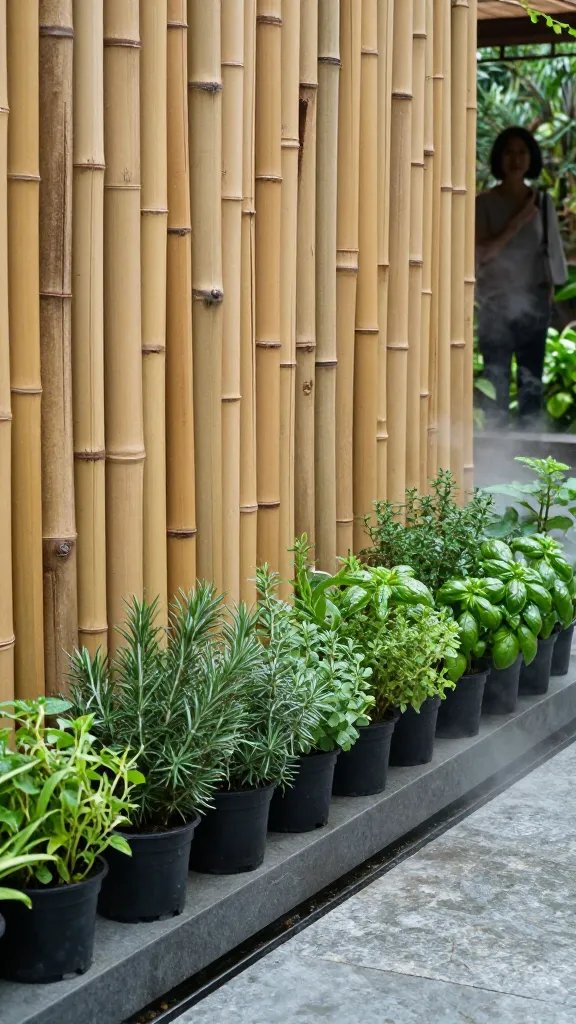
Bamboo fences are a classic cheap privacy option when installed properly. They offer a tropical vibe and impressive height for the price. The key is good installation: secure, with anti-ratchet hardware and water-resistant coatings.
Pros and caveats
- Pros: Quick cover; versatile aesthetic
- Caveats: Some types can spread, so choose clumping or controllable varieties
6) Reed or Wattle Panels: Textured Privacy That Plays Nice
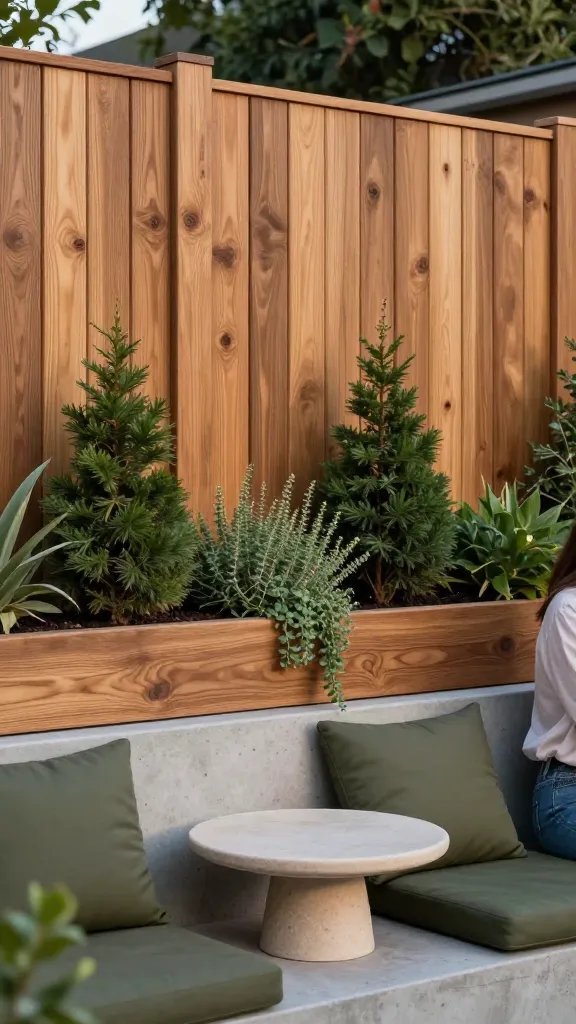
Reed, wattle, or cane panels give you a texture-forward privacy screen without the weight of solid boards. They’re especially good for lounging areas where you want a little breeze to pass through.
Placement ideas
- Against an existing fence or wall to camo gaps
- As a back panel on plant stands to create a green room
7) Hedges on a Budget: The Living Wall That Grows With You
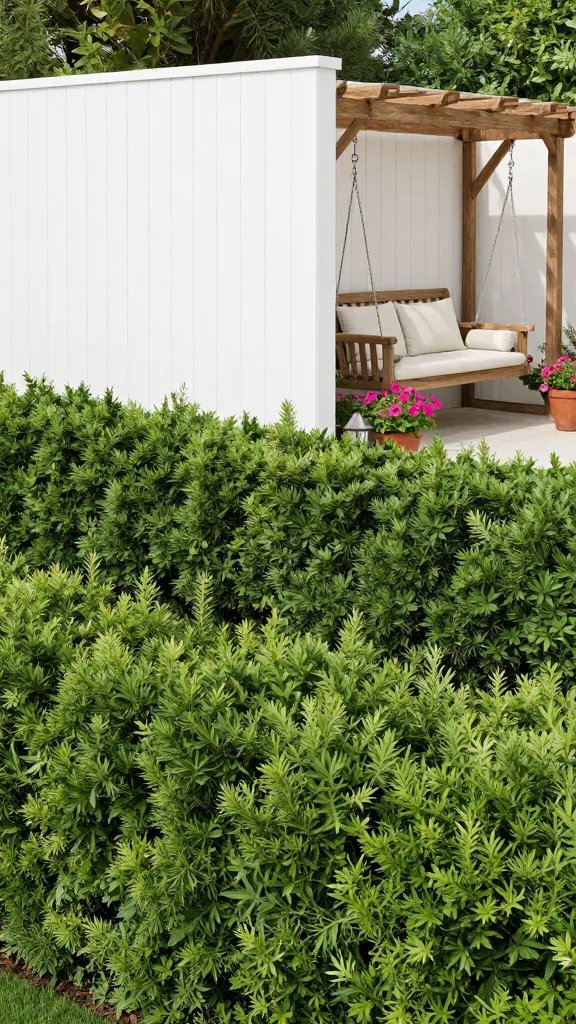
Hedges don’t have to be fancy to work. Boxwood, privet, or laurel can deliver privacy year after year with moderate maintenance. You’ll get greener with time, plus the privacy you crave when the shrubs fill in.
Maintenance basics
- Regular trimming to keep height and density in check
- Soil prep and occasional feeding for faster growth
- Mulch to reduce water loss and keep weeds at bay
8) Composite Panels: Modern Look, Low Upkeep
If you want a sleek, contemporary privacy screen, consider composite panels. They mimic wood but resist warping, rot, and splintering. They’re pricier than some options, but a few panels staged around your yard can deliver a premium look without the full fence overhaul.
Why people love them
- Long-lasting and low maintenance
- Weather-resistant with a modern finish
- Color options stay true longer than natural wood
9) Reversible Fence Slats: A DIY Hack For Instant Seclusion
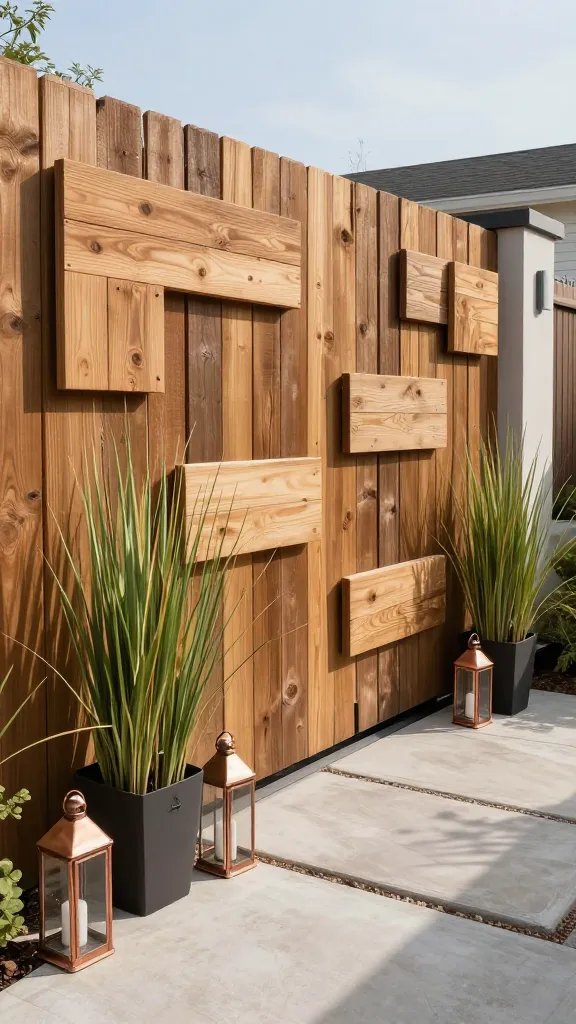
If you have an existing fence you want to make more private, add reversible slats. You can flip them to reveal more space or switch to solid privacy mode as needed. It’s like having two looks in one.
How to pull it off
- Attach slats loosely so they can rotate or be easily removed
- Use weatherproof hardware and corrosion-resistant screws
- Paint or stain to match the existing fence for a cohesive look
10) Upcycling and Layering: The Most Budget-Conscious Strategy
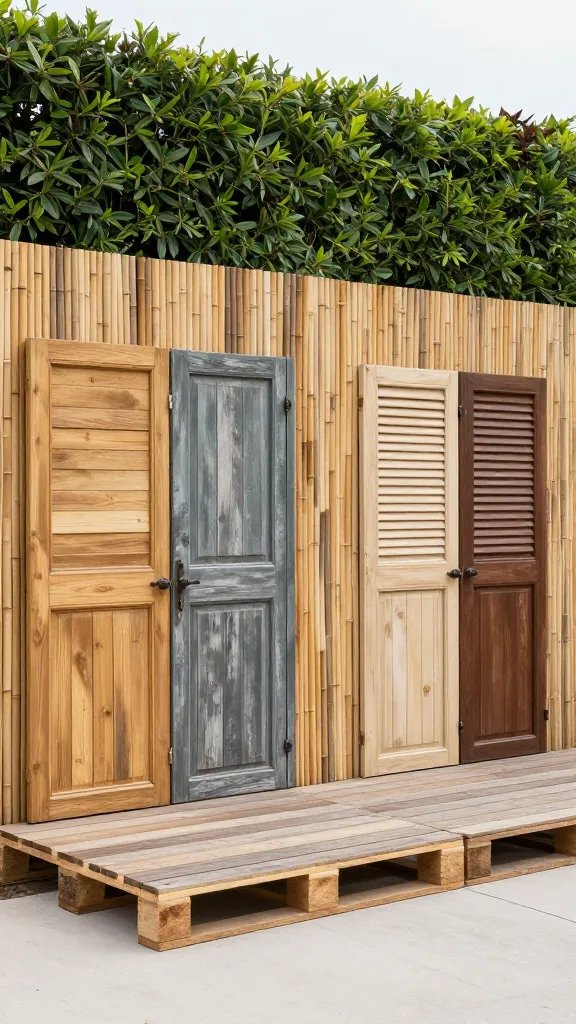
The vibe here is “more privacy, less waste.” Combine one or two of the above options with upcycled materials. Pallets, old doors, or shutter panels can be repurposed into privacy screens that give you personality without draining your bank account.
Layering ideas that work
- Pair a bamboo fence with a living wall for texture and height
- Use a tall hedge behind a freestanding panel to create a deep privacy field
- Install a shallow deck screen with planter boxes in front to blend structure and nature
FAQ
How tall should a privacy fence or screen be in most backyards?
A practical height is typically 6 to 8 feet, depending on local codes and what you’re trying to block. If you’re dealing with street-level visibility, go taller. For neighborly privacy solely from eye level, 6 feet often does the job. Always check your local regulations first.
What’s the quickest way to get instant privacy without tearing things down?
Freestanding privacy panels or tall hedges planted in large containers offer quick wins. You can tilt or position panels to shield sightlines within hours. If you want something even faster, consider bamboo or reed panels mounted on existing posts for an immediate shield.
Are there cheap privacy options that still look good year-round?
Yes. Consider evergreen hedges or hardy climbers on trellises. They stay green for most of the year and require less seasonal upkeep than deciduous plants. For a low-maintenance route, composite panels and stained wood slats maintain a polished look with minimal upkeep.
How do I prevent bamboo from spreading uncontrollably?
Choose clumping bamboo varieties or install a strong root barrier at least 1–2 feet deep along the perimeter. Regular maintenance helps keep runners in check, and you’ll reduce the risk of unexpected spread.
What’s the best DIY approach for renters?
Renters can lean on freestanding panels, vertical garden walls, and climbers on portable trellises. These options don’t require permanent changes and can be removed easily when you move.
Any safety concerns with inexpensive fences and screens?
Yes—make sure you secure any loose panels to sturdy posts or a wall, especially in windy areas. Use weather-resistant hardware and avoid sharp edges. If you have kids or pets, ensure the setup is stable and not easily toppled.
Conclusion
Privacy doesn’t have to mean drab or expensive. With a little creativity, you can craft a private oasis that fits your budget and your style. Whether you lean toward reclaimed wood warmth, lush greenery, or sleek modern panels, there’s a trick that fits your yard—and your wallet. FYI, mix-and-match is your friend: layer textures, heights, and colors to build a privacy shield that’s uniquely you. Ready to start planning your stealthy upgrade? Let’s pick a couple of these ideas and turn them into a cozy retreat you’ll actually enjoy using.