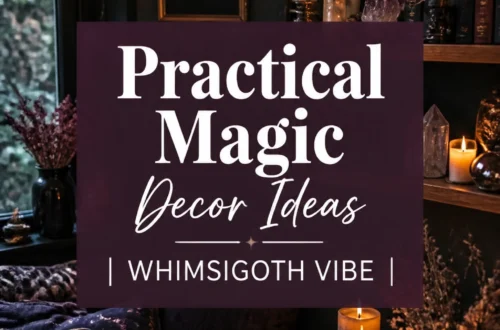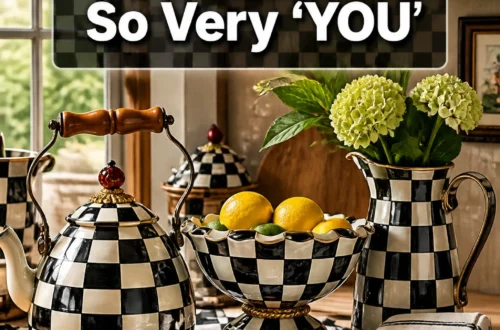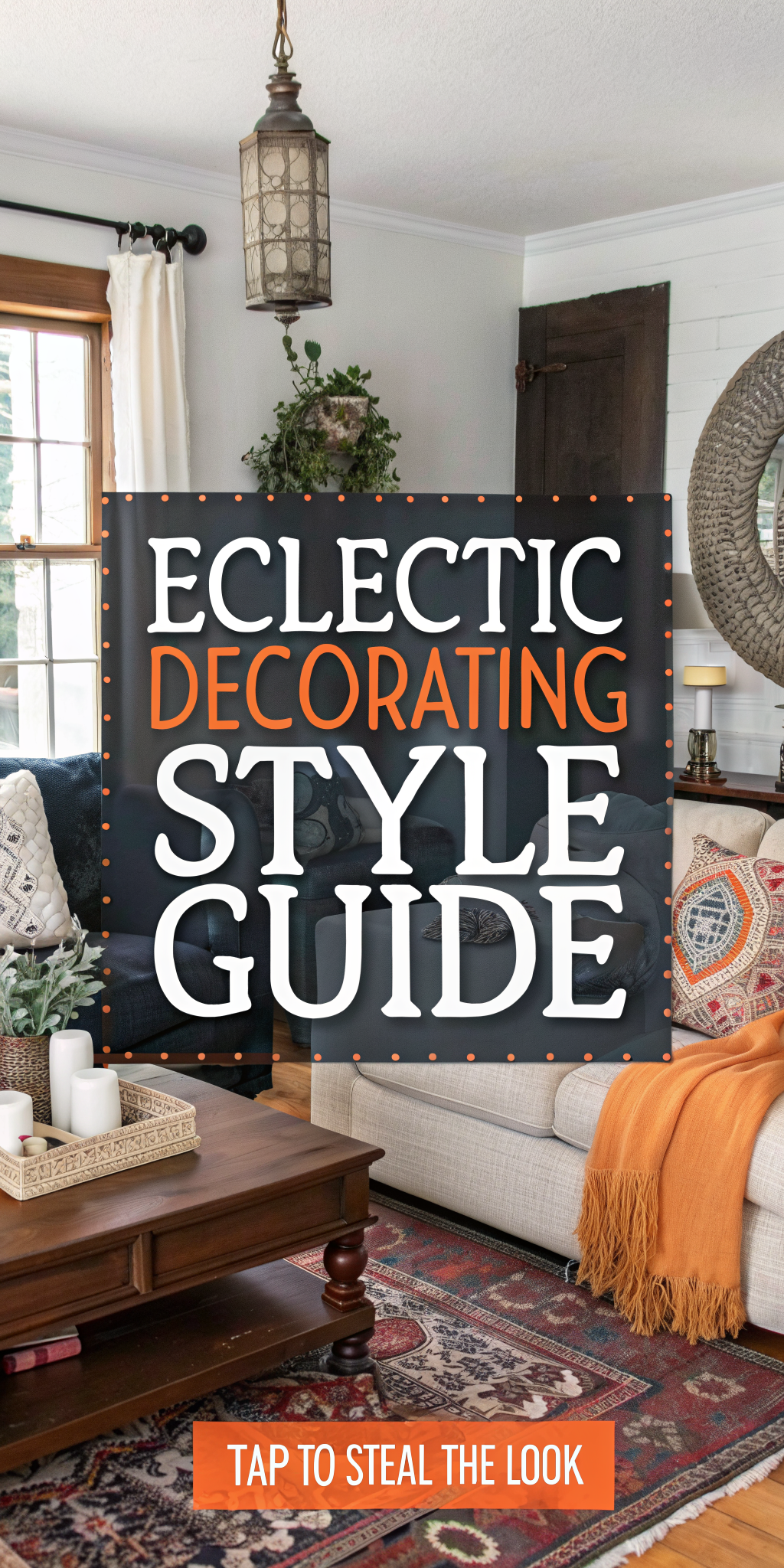
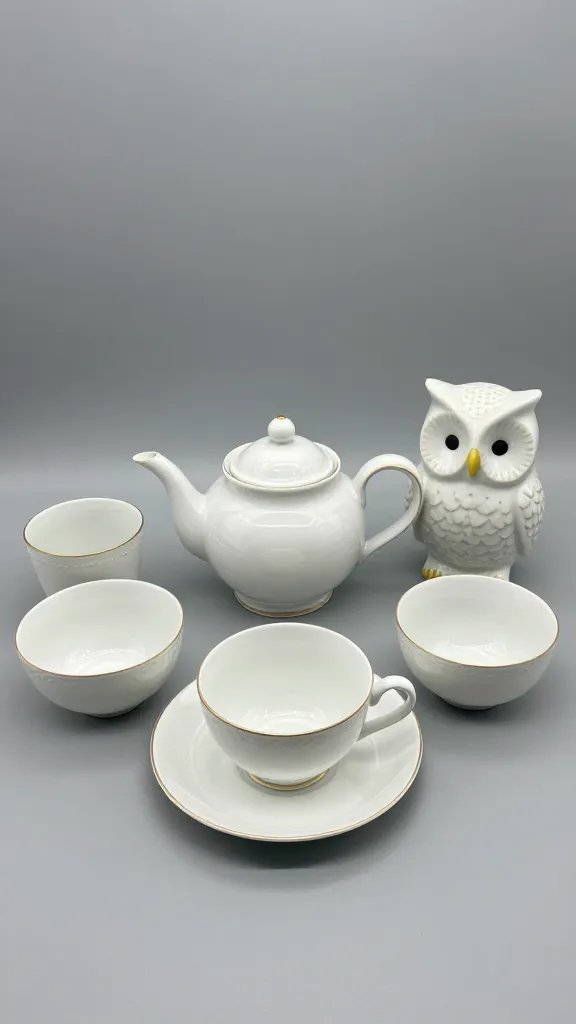
You know that perfectly curated, magazine-ready look where everything matches? Yeah, we’re not doing that. Eclectic decorating throws the rulebook out the window and invites you to mix your grandma’s vintage tea set with that weird ceramic owl you found at a thrift store last Tuesday. The secret isn’t chaos though—it’s controlled chaos with intention. Let’s talk about how to layer vintage, antique, and thrifted finds without your home looking like a hoarder’s paradise.
Understanding What Eclectic Actually Means (Because It’s Not Just Random Junk)
Eclectic gets a bad rap sometimes because people think it’s code for “I have no idea what I’m doing.” But here’s the thing: true eclectic style requires more thought than matchy-matchy decorating. You’re curating pieces from different eras, styles, and sources to create something uniquely yours.
The difference between eclectic and cluttered? Intention and restraint. Every piece should earn its place in your space, whether it’s a Victorian chair or a 1970s lamp shaped like a mushroom. If you’re keeping something just because it was cheap or because you feel guilty about throwing away Aunt Linda’s gift, that’s not eclectic—that’s just accumulation.
The Foundation: Start With Your Anchor Pieces
Before you start hauling home every interesting object you spot at estate sales, identify your anchor pieces. These are the larger items that set the tone for your space—think sofas, dining tables, bookcases, or statement rugs.
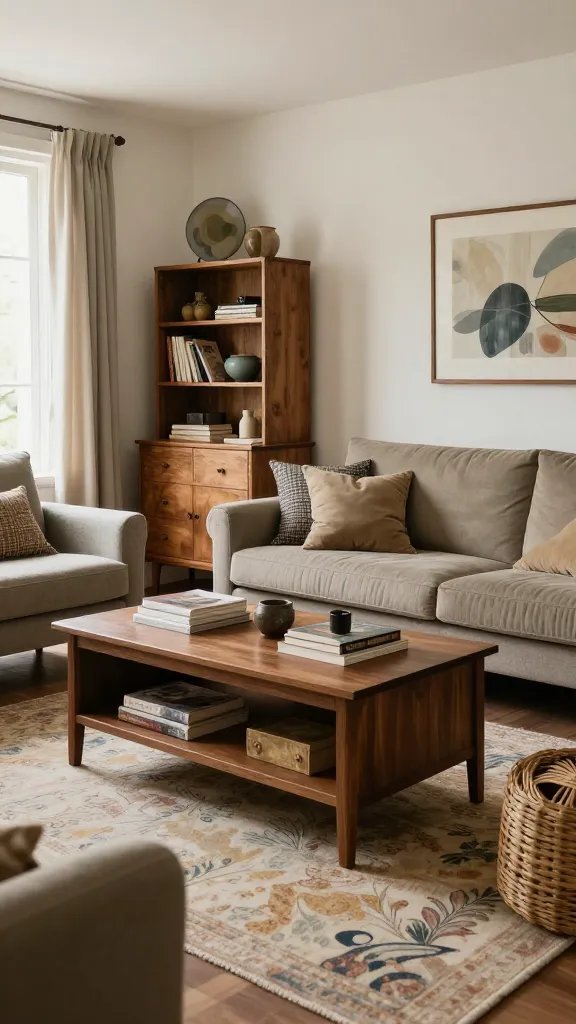
Your anchor pieces don’t all need to be vintage or antique. In fact, mixing a modern sofa with antique side tables often works better than going full vintage everything. The key is choosing anchors that you genuinely love and can build around.
Once you’ve got your foundation, everything else becomes easier. You’re not decorating from scratch anymore—you’re adding layers that complement what’s already there.
Mixing Eras Without Creating a Time Warp
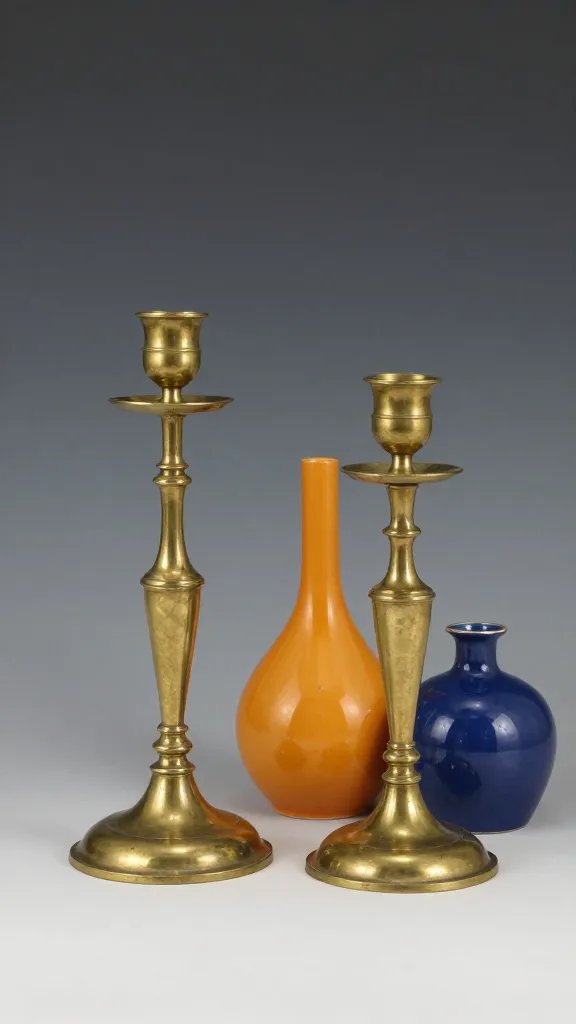
Here’s where people usually panic. How do you mix a mid-century modern credenza with Victorian candlesticks without looking like a confused museum? The answer lies in finding common threads.
Color Coordination Is Your Best Friend
You don’t need everything to match perfectly, but having a cohesive color palette ties disparate pieces together like magic. Maybe you’re working with warm woods, brass accents, and cream tones. Suddenly that 1920s mirror and that 1960s chair start talking to each other.
Pick three to five colors that appear throughout your space. These can be neutrals with pops of color, or you can go bold—just stay consistent.
Repeat Shapes and Materials
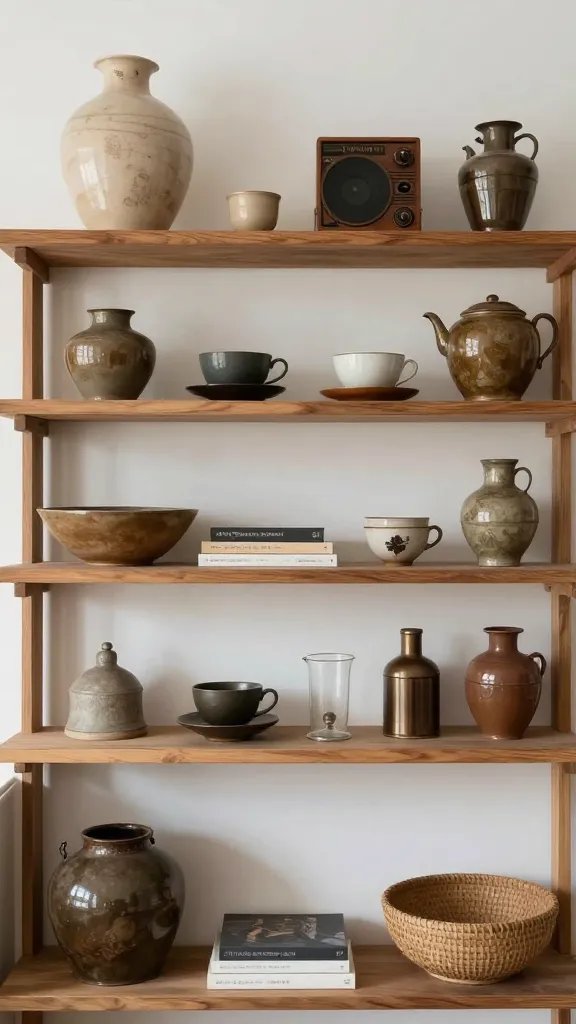
Notice how certain shapes or materials appear in different pieces? Lean into that. If you’ve got curved lines in your Art Deco lamp, echo them with a rounded vintage mirror. Working with lots of wood? Mix your walnut with oak with teak—the variety adds interest while the material creates unity.
The Art of Thrifting for Your Space
Thrift stores, estate sales, and flea markets are eclectic decorator’s hunting grounds. But walking in without a game plan leads to buying everything and regretting most of it. Trust me on this one.
Keep a running list on your phone of what you’re actually looking for. Need a vintage tray for your coffee table? Write it down. Then when you spot one buried under someone’s old exercise equipment, you’ll recognize the opportunity.
Also, don’t be afraid to walk away. Just because something is old or cheap doesn’t mean it belongs in your home. Ask yourself: Does this bring me joy? Does it fit my space? Can I realistically clean/repair it? If you’re answering no to these questions, leave it for someone else to love.
When to DIY and When to Leave It Alone
Some thrifted pieces need work, and that’s fine. A tired wooden dresser can become stunning with new hardware and a fresh coat of paint. But know your limits. FYI, reupholstering that vintage chair costs more than you think, and refinishing furniture requires actual skill and patience.
Sometimes the patina and wear are what make a piece special. Not everything needs to be restored to mint condition—signs of age add character and authenticity.
Layering Without Cluttering

This is the tightrope walk of eclectic decorating. You want richness and personality, not visual chaos that makes people’s eyes twitch.
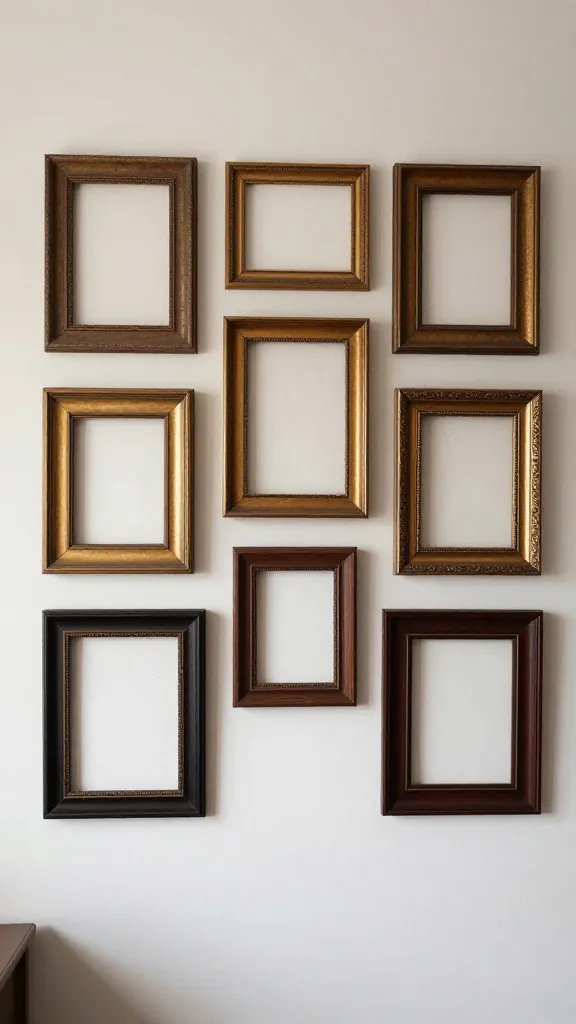
The rule of three works wonders here. Group items in odd numbers—three vases, five frames, seven books. Our brains find odd-numbered groupings more interesting and natural than even numbers.
Also, embrace negative space. Not every surface needs stuff on it. Your vintage finds actually stand out more when they’re not competing with seventeen other objects for attention. Edit ruthlessly. If your bookshelf looks like a yard sale exploded, remove half the items and see how much better the remaining pieces look.
Creating Vignettes That Tell Stories
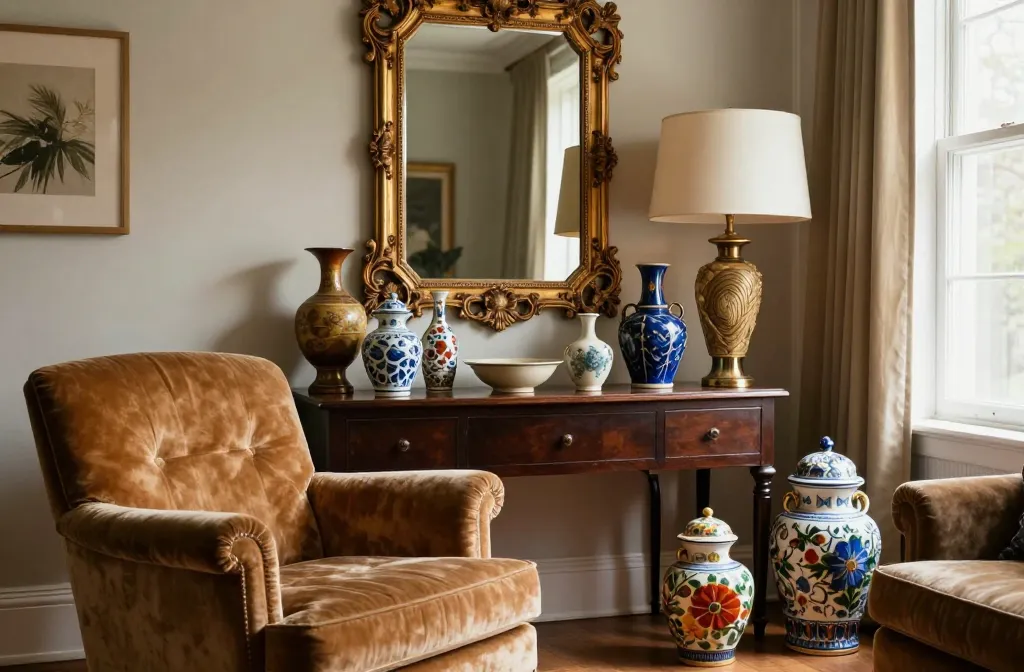
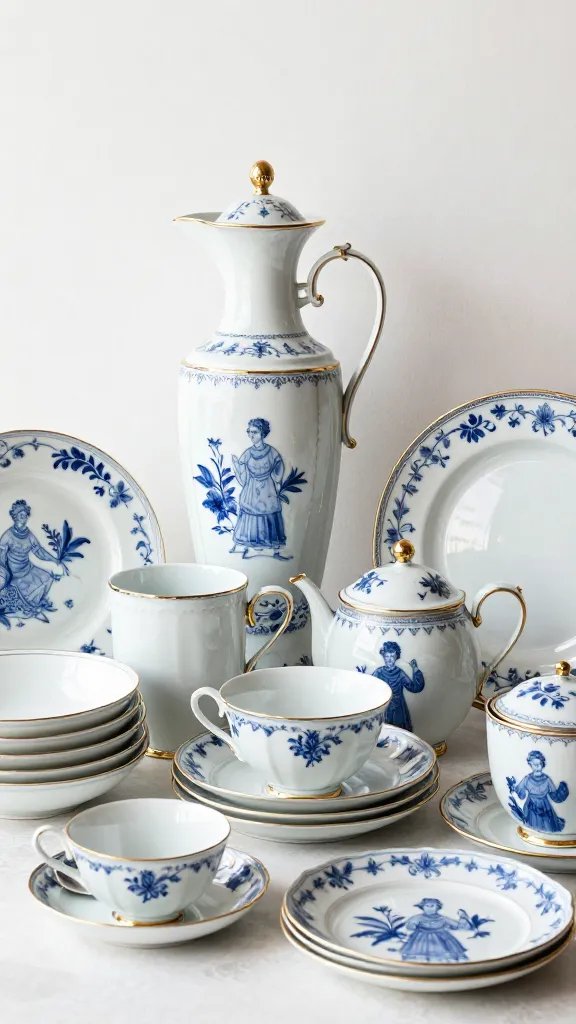
Instead of scattering your treasures randomly, create little vignettes—curated groupings that feel intentional. Maybe it’s a stack of vintage books topped with an antique magnifying glass and a brass candlestick. Or a collection of thrifted ceramic vessels in varying heights and textures.
These mini-displays give your eye somewhere to rest and make your collections feel purposeful rather than random.
Balancing Old and New
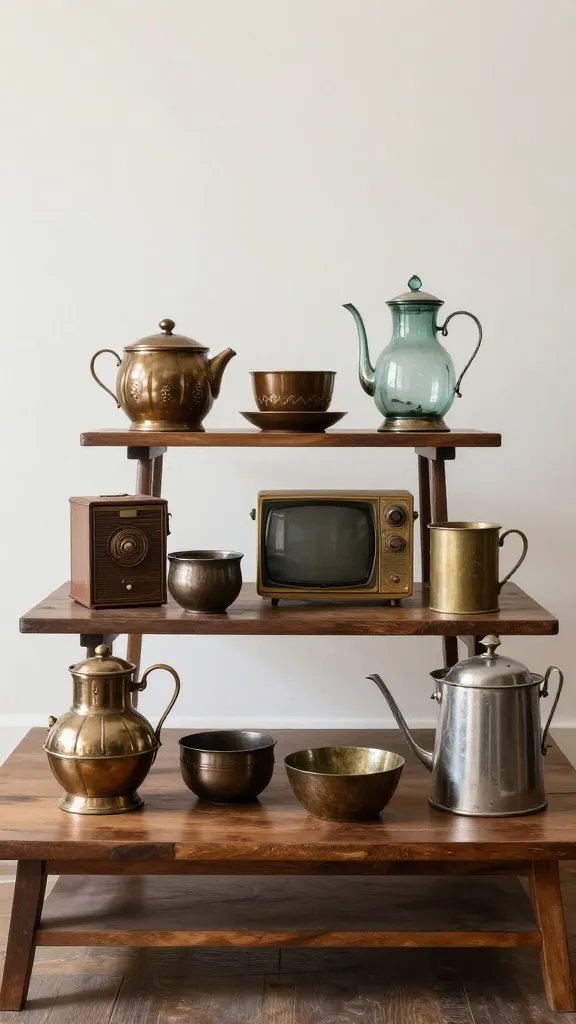
Going 100% vintage can make your space feel like a time capsule (and not in a good way). The magic happens when you balance old with new. A sleek modern lamp on an antique side table? Chef’s kiss.
Contemporary art on walls surrounded by vintage furniture creates an incredible tension. Modern textiles and rugs ground older furniture pieces and keep things from feeling stuffy. Don’t be afraid to let different eras have conversations with each other.
IMO, the best eclectic spaces feel collected over time rather than decorated in a weekend. Which, conveniently, is exactly how you build this style—slowly adding pieces that speak to you.
Frequently Asked Questions
How do I know if I’m mixing too many styles?
If you step back and your room feels chaotic or your eye doesn’t know where to land, you’ve probably mixed too much. Aim for three main style influences at most. For example, mid-century modern, rustic farmhouse, and industrial can work together. Throwing Art Deco, shabby chic, and minimalist Japanese into that mix? Probably too much.
What’s the difference between vintage and antique?
Antique refers to items over 100 years old, while vintage typically means items from 20-99 years old. Realistically though? Unless you’re selling on eBay or talking to collectors, most people use these terms pretty interchangeably. What matters more is whether the piece works in your space, not its official age category.
Should I worry about matching wood tones?
Nope! Mixing wood tones adds depth and interest to your space. The key is varying them enough that they look intentional rather than like you almost matched. Pair light woods with dark woods, mix warm and cool tones, and don’t stress about it. The matchy-matchy wood thing is outdated anyway.
How can I make thrifted items look expensive?
Clean them really, really well. Seriously, you’d be amazed what soap, water, and some elbow grease can do. Replace cheap-looking hardware on furniture. Style them with confidence—place that thrift store vase like it’s a designer piece. Also, mixing thrifted items with a few quality new pieces elevates everything.
What if my partner hates my vintage finds?
Compromise is key when sharing space. Maybe designate certain rooms or areas for your eclectic vision while keeping shared spaces more neutral. Or involve them in the hunt—sometimes people warm up to vintage pieces when they help select them. Worst case? Use your office or personal space as your eclectic laboratory.
How do I avoid the “grandma’s attic” look?
Keep things edited and curated. Grandma’s attic becomes grandma’s attic when you keep everything. Choose your favorite vintage pieces and let them breathe. Also, balance ornate vintage items with simpler modern pieces. And please, for the love of design, avoid lace doilies unless you’re genuinely going for that specific aesthetic.
Conclusion
Eclectic decorating isn’t about following rules—it’s about breaking them thoughtfully. You’re creating a space that reflects your personal history, your weekend adventures, and your unique taste rather than copying a showroom floor. The vintage lamp you haggled for at a flea market has way more personality than anything from a big box store.
Start slow, trust your instincts, and remember that your space should evolve over time. Some pieces will stay forever, others you’ll eventually replace as your style develops. The beauty of eclectic decorating is that it’s never really finished—it’s always growing with you.