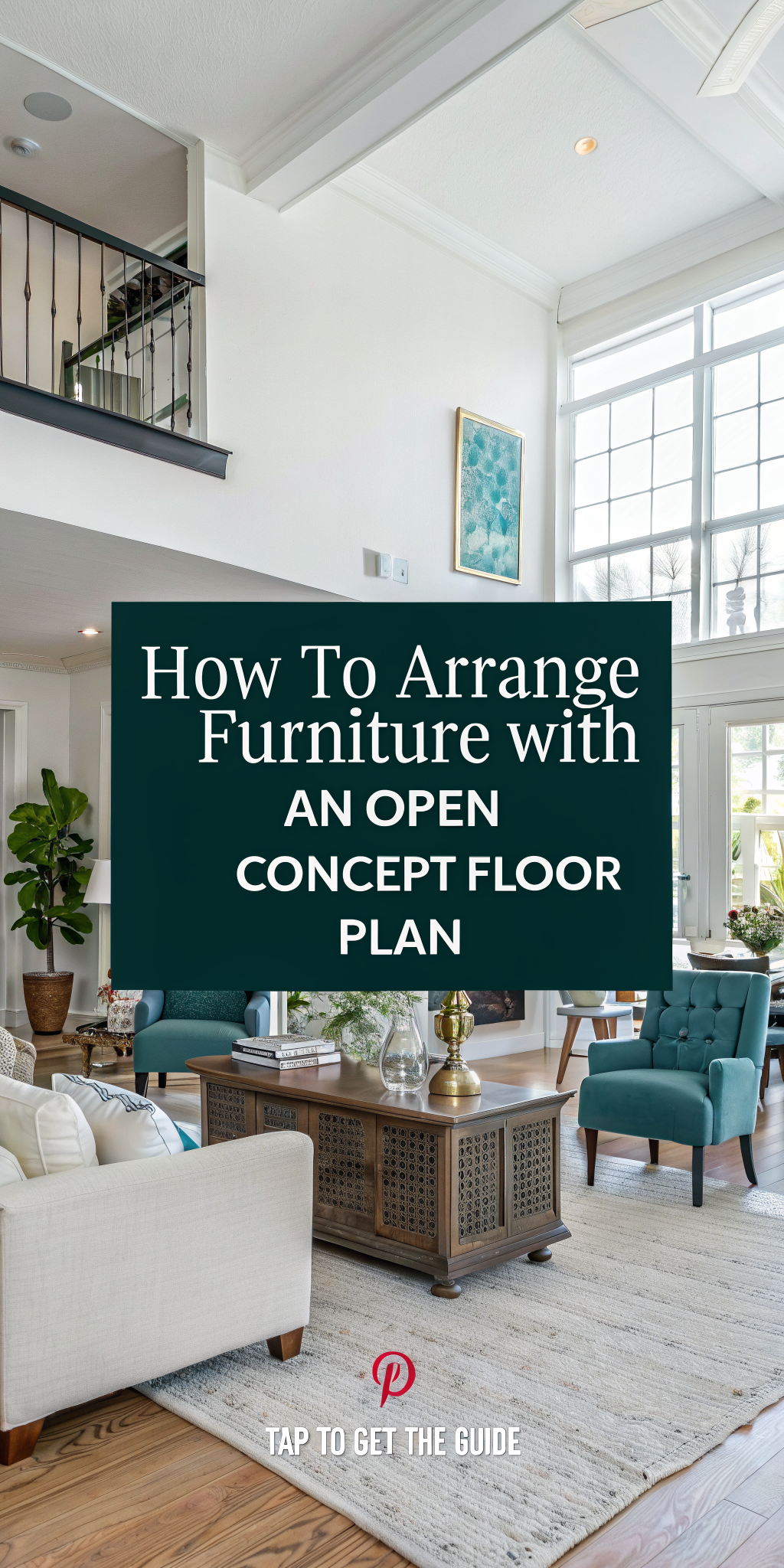
Open concept floor plans are amazing—until you’re staring at a massive, undefined space wondering where the heck your sofa should go. Without walls to guide you, furniture arranging can feel like playing Tetris on expert mode while blindfolded.
The good news? Once you understand a few key principles, you can turn that intimidating blank canvas into a functional, gorgeous space. Let’s break down exactly how to tackle this design challenge without losing your mind.
Think in Zones, Not Rooms
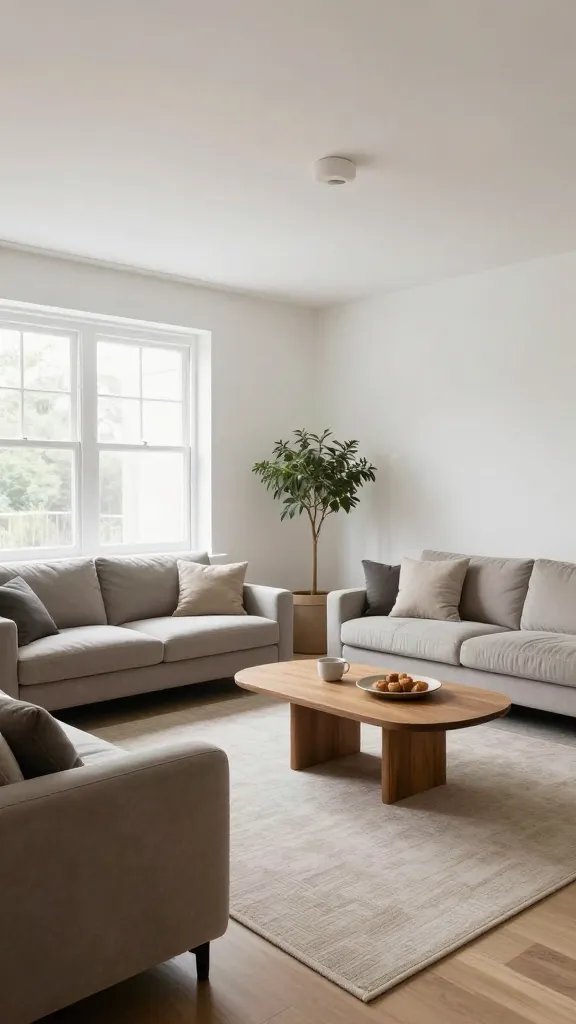
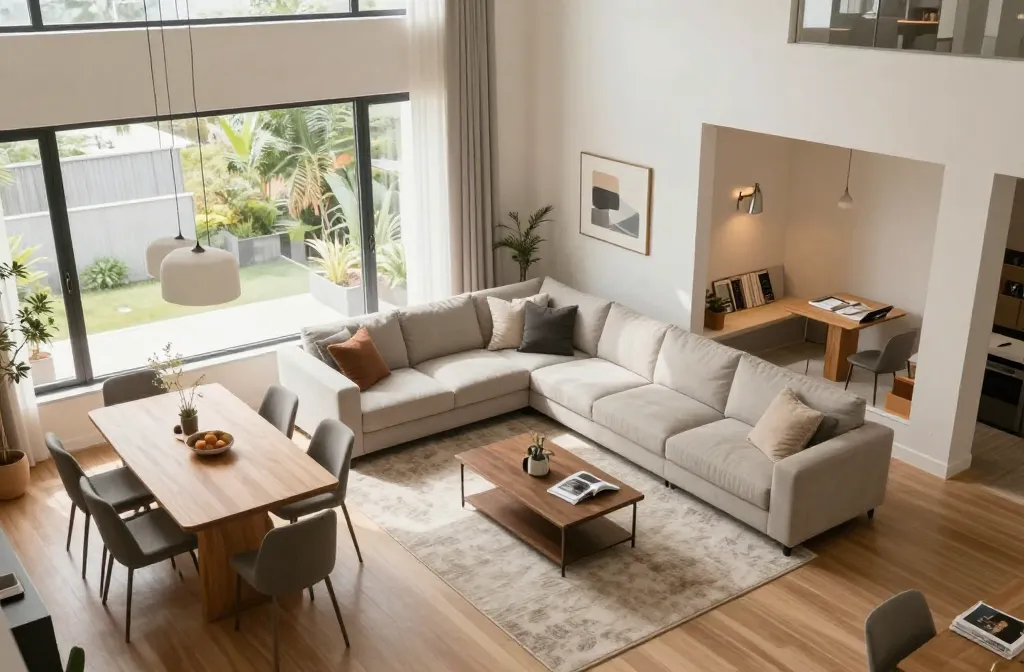
Your open concept space might technically be one big room, but it shouldn’t function like one. The secret is creating distinct zones for different activities—living, dining, working, whatever fits your lifestyle.
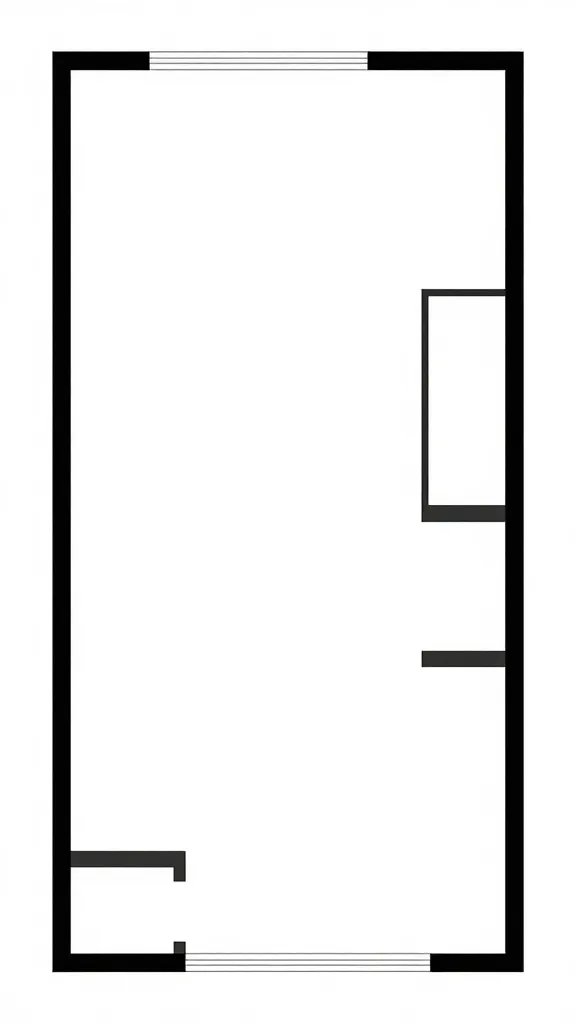
Start by mapping out what you actually need. Most open concepts include a living area and dining area at minimum, but you might also want a reading nook, home office corner, or play space for kids. Write down your non-negotiables before moving a single piece of furniture.
Here’s the trick: each zone needs a clear purpose and visual boundaries, even without walls. Think of it like organizing a studio apartment, except you have way more square footage to work with. You’re essentially building invisible rooms using your furniture as the walls.
Anchor Each Zone with a Focal Point
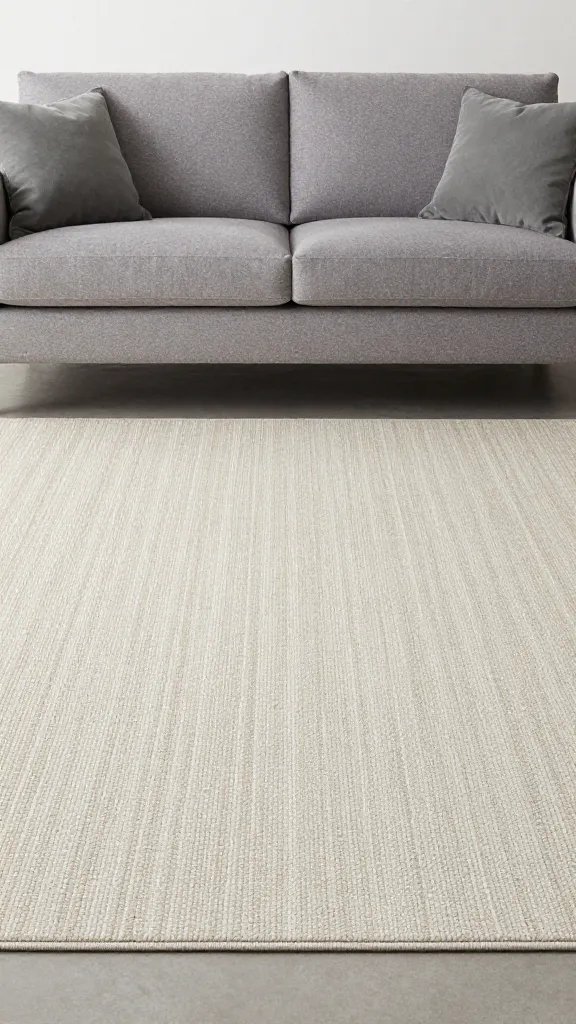
Every functional area needs something that screams “this is what this space is for!” In your living zone, that’s probably your sofa and TV or fireplace. In the dining area, it’s obviously your table.
Position these anchor pieces first before anything else. Your sofa typically works best facing away from the dining area, creating a natural back boundary for your living space. The dining table should sit close enough to the kitchen for practicality but far enough away that it feels like its own thing.
Pro tip: Don’t push everything against the walls. I know it’s tempting, but floating your furniture actually makes open concepts feel more intentional and spacious. Wild, right?
Use Furniture as Room Dividers
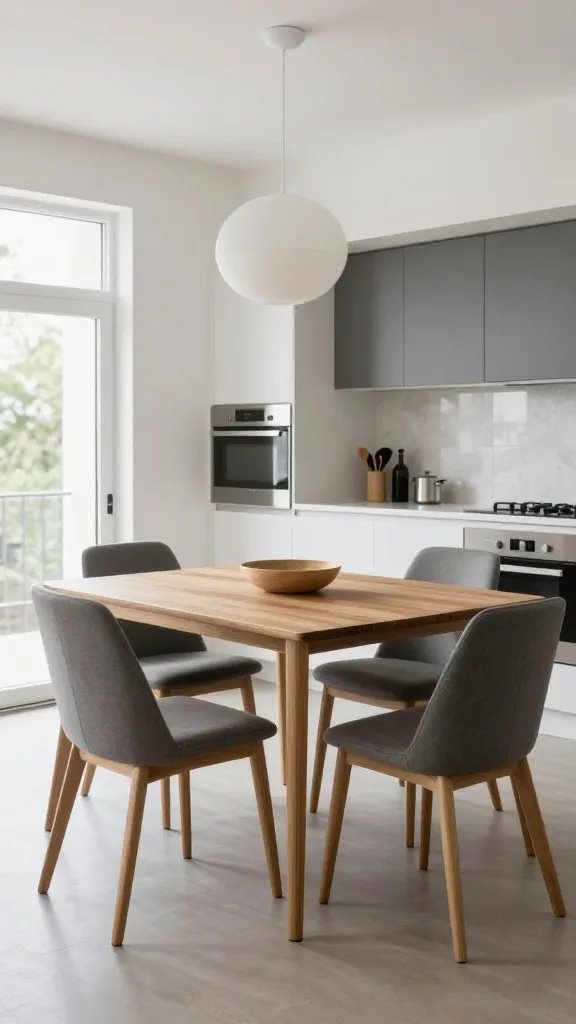
Since you don’t have walls doing the heavy lifting, your furniture needs to step up. This is where the magic happens.
Sofas and Sectionals
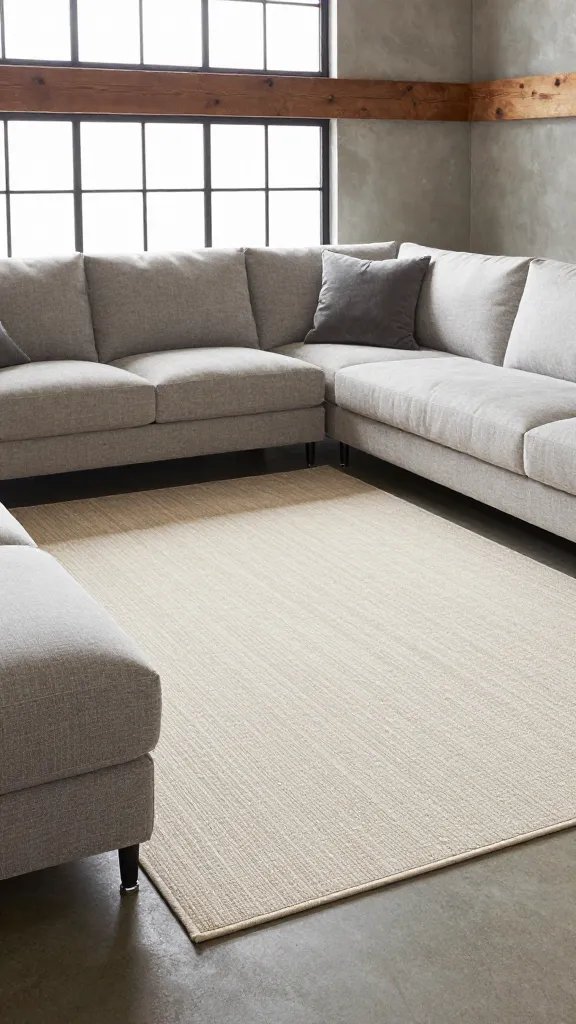
The back of your sofa creates an instant visual divider. Position it perpendicular to a wall rather than against it, and suddenly you’ve got a clear separation between your living and dining zones. Sectionals work brilliantly for this because they define a larger footprint and naturally create cozy conversation areas.
Bookcases and Shelving Units
Open-back bookcases are MVPs in open concept spaces. They divide areas while still letting light flow through, so you don’t create a claustrophobic vibe. Place one behind your sofa or between your living area and home office zone for instant definition.
Console Tables
A console table behind your sofa serves double duty—it marks territory AND gives you display space. Add some table lamps, books, or plants, and you’ve got both function and style working overtime.
Create Visual Continuity (Without Making Everything Match)
Here’s where people often mess up: they either make everything too matchy-matchy or go completely random with their choices. You want cohesion without being boring.
Pick a consistent color palette that flows throughout the space. This doesn’t mean everything needs to be beige (please, no). Choose 3-4 main colors and repeat them across different zones through pillows, rugs, artwork, and accessories.
Your furniture styles should also play nice together. You don’t need identical pieces, but mixing ultra-modern with shabby chic with industrial can look chaotic. Stick to a general aesthetic lane—you can always add personality through accessories.
Rugs Are Your Secret Weapon
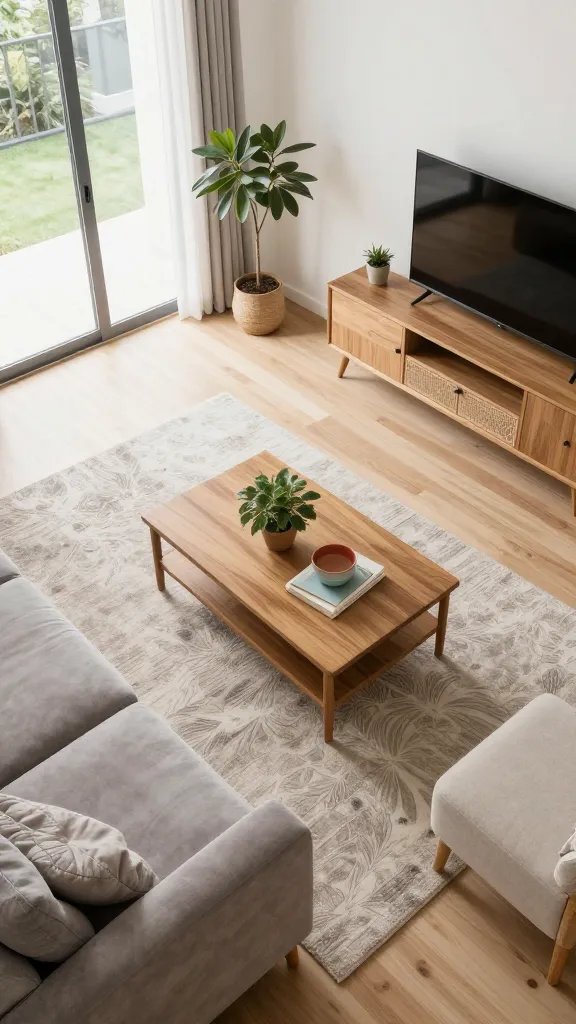
Want to know the easiest way to define separate zones? Drop some rugs, my friend. A rug literally draws a box around your furniture and says “this stuff belongs together.”
For your living area, make sure your rug is large enough that at least the front legs of all your seating furniture sit on it. Going too small is a rookie mistake that makes everything look disconnected and awkward.
Your dining area needs a rug that extends at least 24 inches beyond the table on all sides. Why? So chairs don’t fall off the edge when people push back. Nothing says “bad design” like chair legs constantly catching on rug edges.
Different rugs in different zones is totally fine—encouraged, even. Just make sure they complement each other in style or color so the space doesn’t feel disjointed.
Pay Attention to Traffic Flow
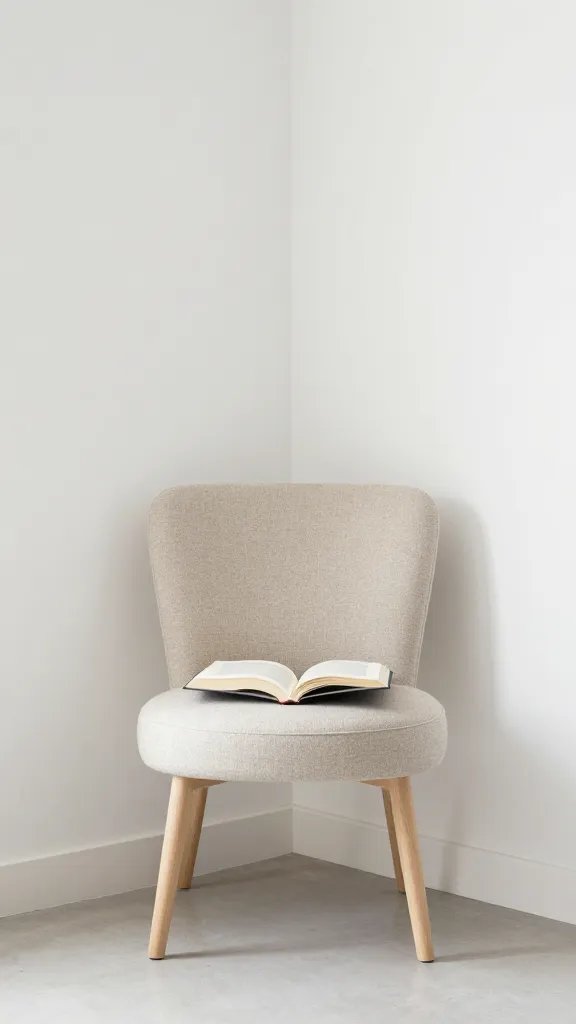
All the gorgeous furniture arrangements in the world mean nothing if people have to parkour over your ottoman to get to the kitchen.
Leave at least 30-36 inches of walking space for major pathways through your open concept. These are the routes people will naturally take from the entryway to the kitchen, kitchen to living area, etc.
FYI, you can get away with narrower paths (around 18-24 inches) in less-trafficked areas, like squeezing between the sofa and a side table. Just be realistic about how people actually move through your space.
Watch out for furniture that juts out into natural walkways. That cute armchair might look perfect in the corner, but if it forces everyone to take the long way around, it’s in the wrong spot.
Don’t Forget About Lighting
Open concepts can feel cavernous if you rely solely on overhead lighting. Each zone needs its own layered lighting to feel cozy and defined.
Think about it in three levels:
- Ambient lighting: Your overhead fixtures or recessed lights that provide general illumination
- Task lighting: Table lamps, floor lamps, or pendants that help you actually see what you’re doing
- Accent lighting: Decorative pieces that add mood and visual interest
Each zone should have at least two of these three types. Your living area might have recessed lights plus table lamps on end tables. Your dining area could feature a statement pendant over the table plus a floor lamp in the corner.
Pendant lights are especially great for open concepts because they hang from the ceiling and visually define spaces from above. A row of pendants over a kitchen island or a dramatic fixture over the dining table draws the eye and marks territory.
FAQ
How do I arrange furniture in a small open concept space?
Small open concepts require extra planning to avoid feeling cramped. Use smaller-scale furniture (apartment-sized sofas, round dining tables), and absolutely float your furniture away from walls to create depth. Skip the sectional and go for a loveseat plus two chairs instead. Every piece should earn its place—no decorative-only items unless they’re small.
Should I use the same flooring throughout an open concept?
IMO, yes. Consistent flooring makes the space feel larger and more cohesive. You can define zones with rugs instead of changing floor materials. The exception? If your kitchen genuinely needs tile for practical reasons, try to keep it in the same color family as the rest of your flooring.
How far should my sofa be from the TV in an open concept?
A good rule of thumb is to sit 1.5 to 2.5 times your TV’s diagonal screen size away from it. For a 55-inch TV, that’s roughly 7-11 feet. Don’t let your open space tempt you to push furniture too far apart—you’ll strain your eyes and lose that cozy conversation area feeling.
Can I use different furniture styles in different zones?
You can, but tread carefully. The key is finding a common thread—maybe similar wood tones, matching metal finishes, or a consistent color palette. Totally random styles will make your space feel like a furniture showroom, and not in a good way.
Where should I put my TV in an open floor plan?
Your TV should go in the living zone, ideally on a wall that doesn’t face windows (to avoid glare). Position it so it’s visible from your main seating but not the focal point when you walk in the door. If possible, avoid placing it where people eating at the dining table will be staring directly at it—keeps dinnertime more social.
How do I stop my open concept from echoing?
Hard surfaces everywhere create echo chamber vibes. Add soft materials liberally: rugs, curtains, upholstered furniture, throw pillows, and even wall hangings. Bookcases filled with books also absorb sound beautifully. The more texture and fabric you introduce, the better your acoustics will be.
Conclusion
Arranging furniture in an open concept floor plan definitely requires more strategy than traditional rooms with walls. But once you start thinking in zones, using furniture as dividers, and creating visual continuity, it all clicks into place. Start with your anchor pieces, define those invisible boundaries with rugs and strategic placement, and don’t forget that traffic flow matters. Your open concept has tons of potential—it just needs a thoughtful plan to unlock it. Now grab that tape measure and start mapping out your zones. You’ve got this!