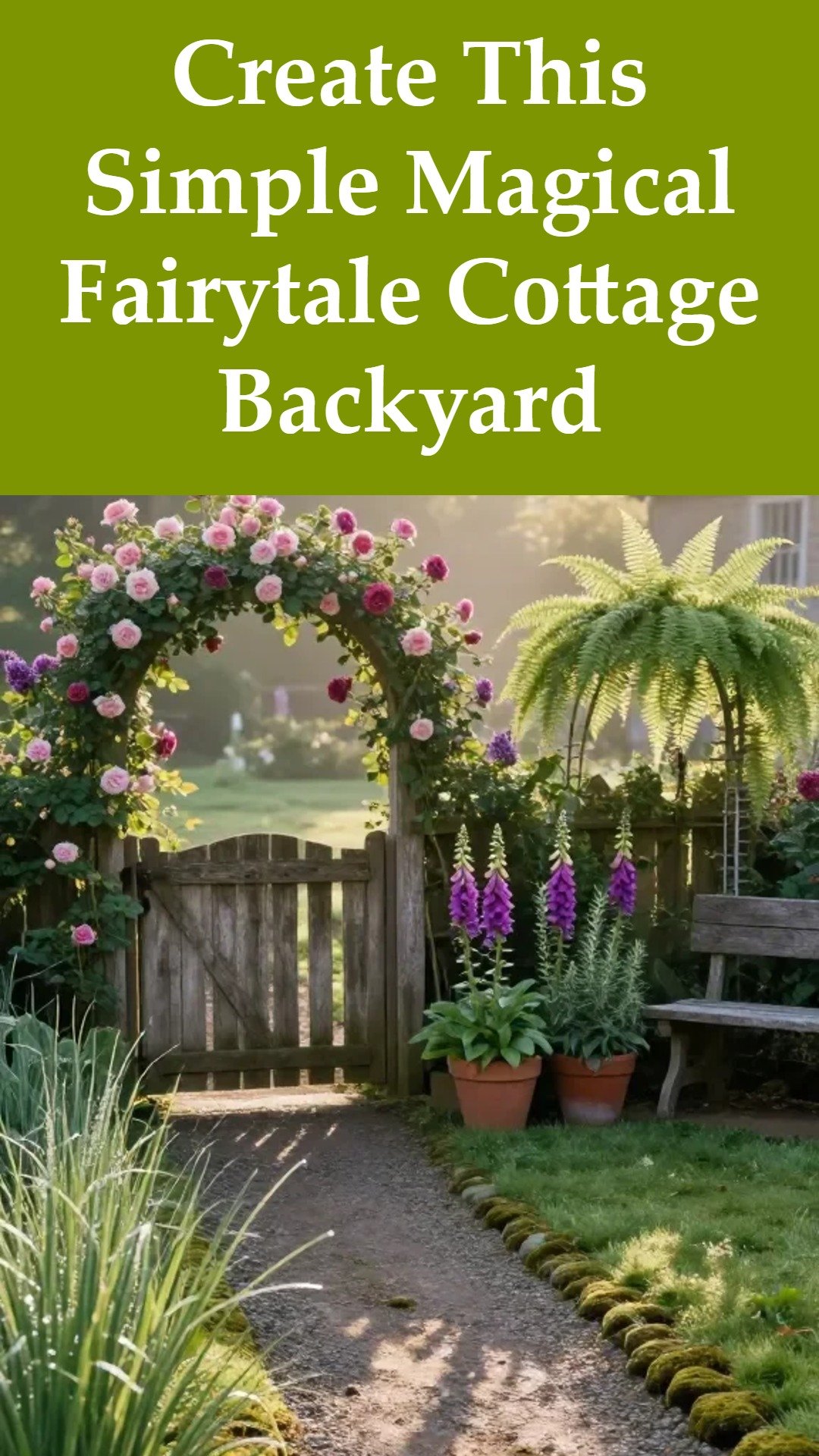
An early morning hush settles over the yard, like a soft shawl draped over the world. Dew still clings to the tips of grasses, and the air carries a whisper of lilac and damp earth. A bird darts through dappled sunlight, tracing a lazy arc above a weaving path. Welcome to a space that feels carved from a storybook, where every corner invites a lingering pause and a smile. This is the moment you’ll realize a fairytale cottage yard isn’t just a pretty backdrop—it’s a living, breathing design philosophy.
Right up front, the secret is deceptively simple: design for experiences, not aesthetics alone. The core philosophy behind creating a fairytale cottage yard is about rhythm, comfort, and curiosity. It’s the interplay of texture, scent, and sight that makes the magic feel effortless. Think of your garden as a stage where flowers, paths, and structures take turns in a slow, intimate performance. When you design with sensation in mind, the space glows with a quiet, everyday kind of enchantment.
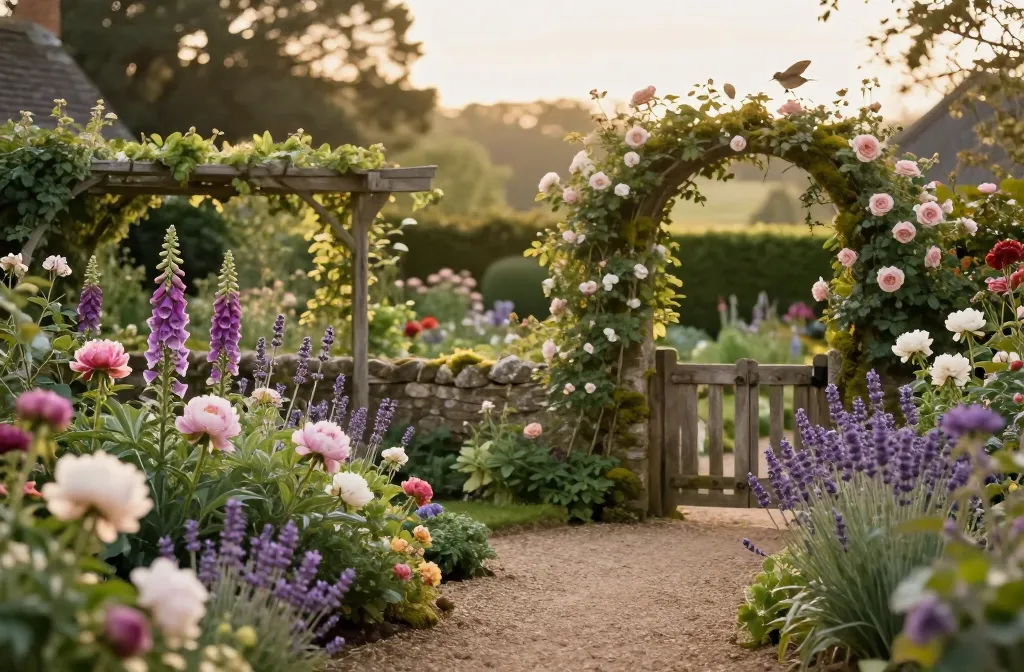
Now, you might be wondering: can I make a space that looks like a fairy tale without turning my yard into a full-blown conservatory exhibit? The answer is yes—and you’re not alone in feeling a little overwhelmed by the possibilities. Maybe you worry that a “magical” garden requires a lot of rare plants, or that paths will feel gimmicky instead of welcoming. Or perhaps you fear that a cottage garden needs endless maintenance, and you’re already juggling life like a circus performer. I hear you. But relax—the right approach blends simplicity with whimsy, and you can absolutely achieve it with a few thoughtful moves.
What you’ll get from this guide: practical steps to craft a fairytale cottage yard that feels magical, without overcorrecting into twee or chaotic. I’ve pulled together classic cottage garden layouts, smart options for pathways and borders, enchanting arches and trellises, and a planting plan that balances color, texture, and function. You’ll also find tips on growing climbers, attracting wildlife, and weaving sensory experiences throughout—plus an FAQ that tackles common doubts head-on. FYI, I’ll keep the vibe friendly and practical, with real-world tips you can actually implement this weekend.
Designing Your Fairytale Cottage Yard: A Gentle, In-Place Plan
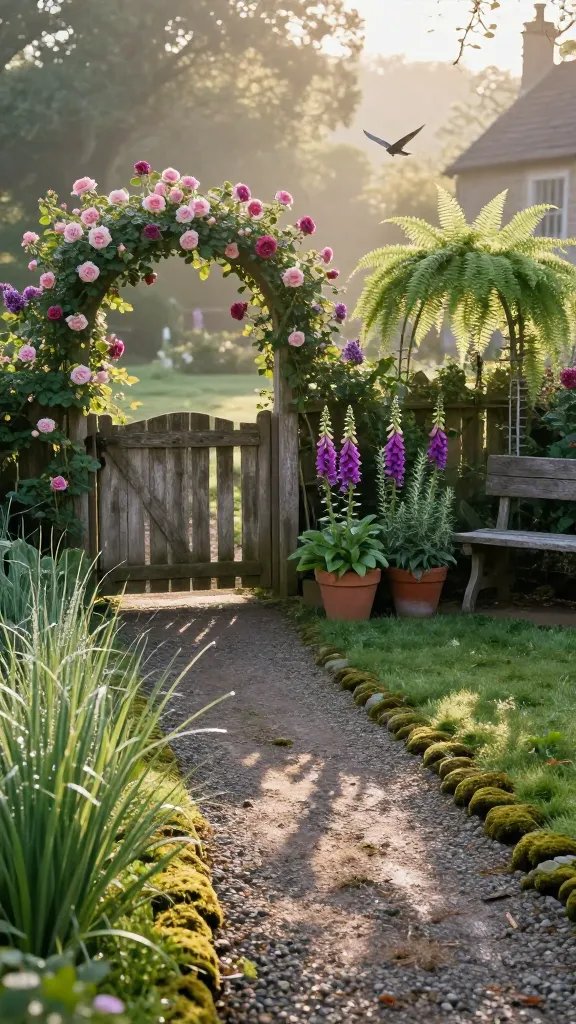
– Start with a mood map: sketch your space, noting sun exposure, soil type, wind patterns, and existing trees or structures. Label the spots that spark your imagination—a sunny bench, a quiet corner, a gate that feels like a doorway to another world.
– Establish a simple rhythm: a central path that curves gracefully, with a few secondary routes. The idea is to guide the eye and the feet, not to create a labyrinth that traps you.
– Embrace the “soft boundary” approach: hard edges are kept to a minimum; façades, hedges, and shallow borders create a gentle transition from yard to garden.
Classic Cottage Garden Layouts: The Soul of the Space
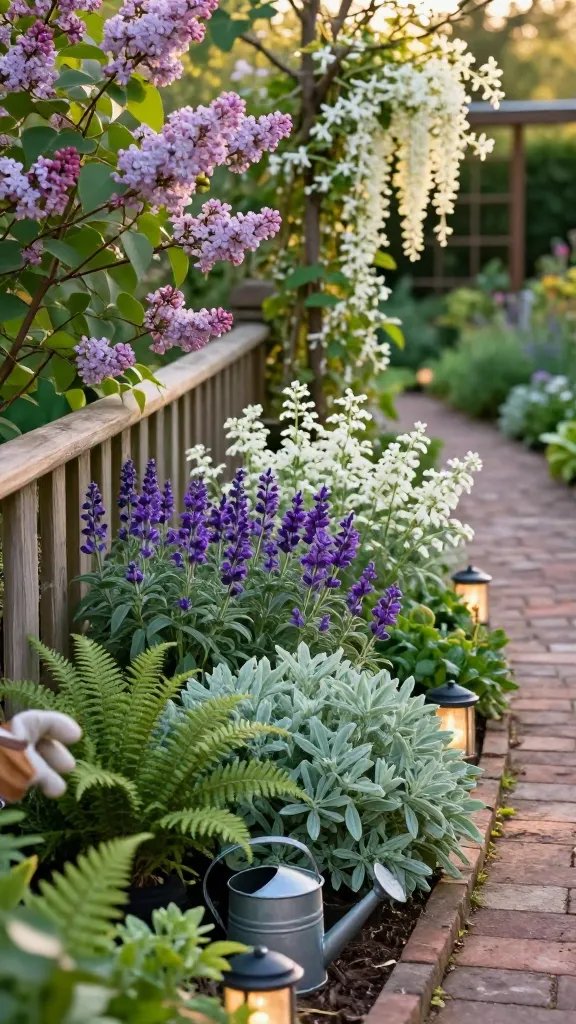
- Curved, meandering paths: Curves soften the landscape and invite exploration. They also reveal new sights with each turn, which is essential for a fairytale mood.
- Informal borders: A mix of self-seeding annuals, perennials, and grasses creates texture and movement. Think yarrow, nepeta, and forget-me-nots mingling with boxwood or rosemary.
- Bedrooms for sunlight and shade: Group plants with similar needs in “rooms” under different light. A sunny nook by the bench gets dahlias and poppies; a shaded corner loves hostas and ferns.
Subsection: Path Design Principles
– Use stepping stones set in soft mortar or gravel to create a tactile, joyful experience underfoot.
– Let paths widen slightly at focal points, like a sleepy hollow seat or a tiny gate that invites a closer look.
– Choose materials that feel timeless: brick, natural flagstone, cobblestones, or compacted gravel.
Choosing Pathways and Borders: Texture, Color, and Comfort
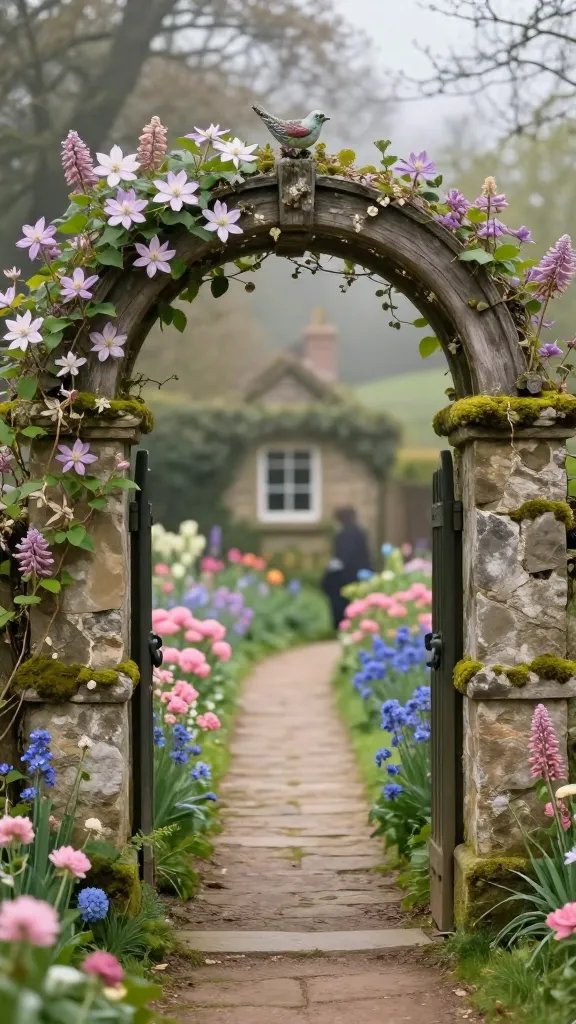
– Pathways: Aim for a width that accommodates two people strolling side by side, about 3 to 4 feet. The surface should be comfortable to walk on, not slippery when wet.
– Borders: Use a mix of evergreen structure and seasonal color. A low hedge (boxwood, small laurels) gives year-round form, while annuals and perennials spill over the edge in spring and summer.
– Edging: Consider soft, rounded edges to prevent a rigid feeling. A washed brick or wooden boarder keeps the cottage vibe intact.
Subsection: Archways, Trellises, and Fences
– Arches create focal points and frame views, almost like stepping through a portal. Use white-painted wood or black metal for contrast against green foliage.
– Trellises add vertical interest and help with climbers. Position them to screen an unsightly view or to highlight a blossom-laden entry.
– Fences provide structure without overpowering the whimsy. A lattice fence with climbing roses or clematis softens the line between yard and garden.
Adding Arches, Trellises, and Fences
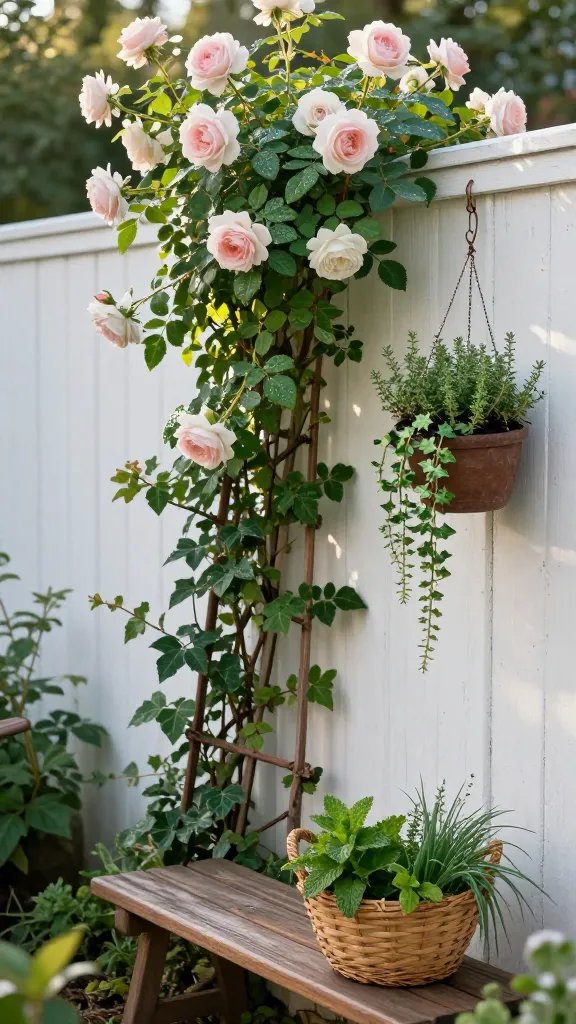
– Choose materials that weather beautifully: cedar, treated pine, or metal with a rustic patina.
– Integrate color-accent elements: a pop of blue on an arch or a hint of black on a trellis can pull the eye and harmonize with surrounding blooms.
– Think of scale and proportion: arches should feel like a natural doorway, not a gateway to a fortress. Adjust height to maintain a sense of intimacy.
Planting the Magic: Flowers, Foliage, and Focal Points
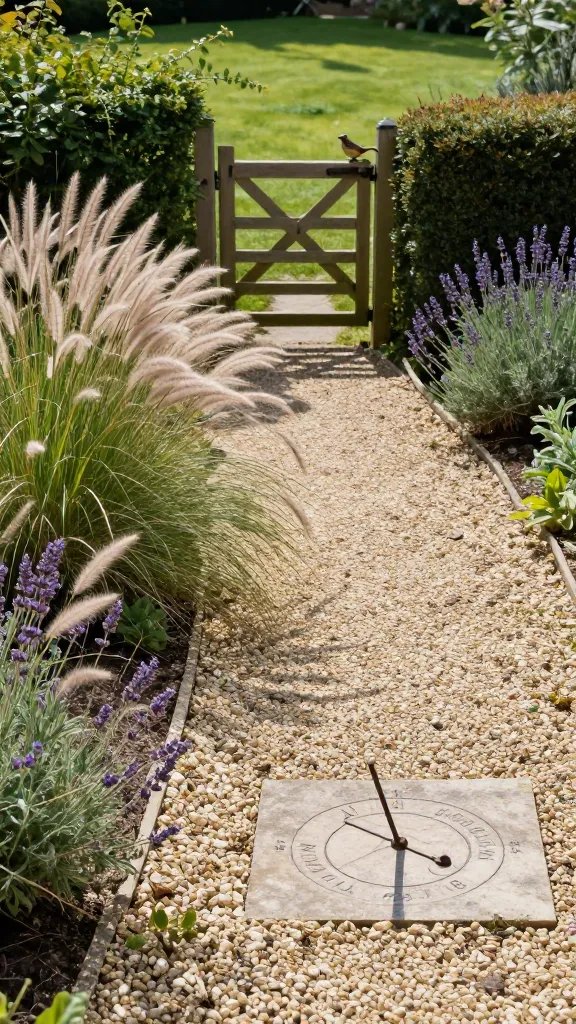
– Start with a soft foundation: grasses, broad-leaved perennials, and a line of evergreen structure.
– Introduce color through a curated plant palette: blues and purples for evening magic, pinks and creams for daylight charm, and sunny yellows for cheer.
– Create focal points: a single striking rose, a cluster of foxgloves, or a small fountain can become the heartbeat of the garden.
Subsection: Cottage Garden Flowers and Herbs to Include
– Roses, peonies, foxgloves, delphiniums, and sweet peas provide romance and fragrance.
– Fillers: snapdragons, baby’s breath, cosmos, and nigella for light, airy textures.
– Herbs: thyme, lavender, rosemary, and oregano add useful scent and practical flavor.
Subsection: Height, Texture, and Scent
– Plant in layers: tall spires at the back, mid-height grouped in front, and low ground covers near walkways.
– Mix textures: glossy leaves, fuzzy foliage, and fine grasses create depth.
– Don’t forget scent: plant where you’ll brush by, so fragrance accompanies you along the path.
Growing Climbers and Vertical Accents

– Climbers add vertical drama and privacy without overwhelming the space. Choose fast-growing options for quick results, or slow-blooming varieties for a patient reveal.
– Plant-climbers candidates: climbing roses, clematis, jasmine, wisteria, and mandevilla (for warmer climates).
– Support systems: sturdy trellises, arches, and pergolas give climbers proper structure to cling to and climb.
Subsection: Wildlife-Friendly and Sensory Touches
– Birds love berry-bearing plants and nectar-rich blooms. Include hibiscus, elderberry, or flowering currants for food and shelter.
– Sensory touches: add a water feature with soft ripples, a wind chime, or stepping stones that sing underfoot in the breeze.
– Sustainable practices: compost rich soil, mulch to retain moisture, and plant natives to support local pollinators.
Wildlife-Friendly and Sensory Garden Secrets
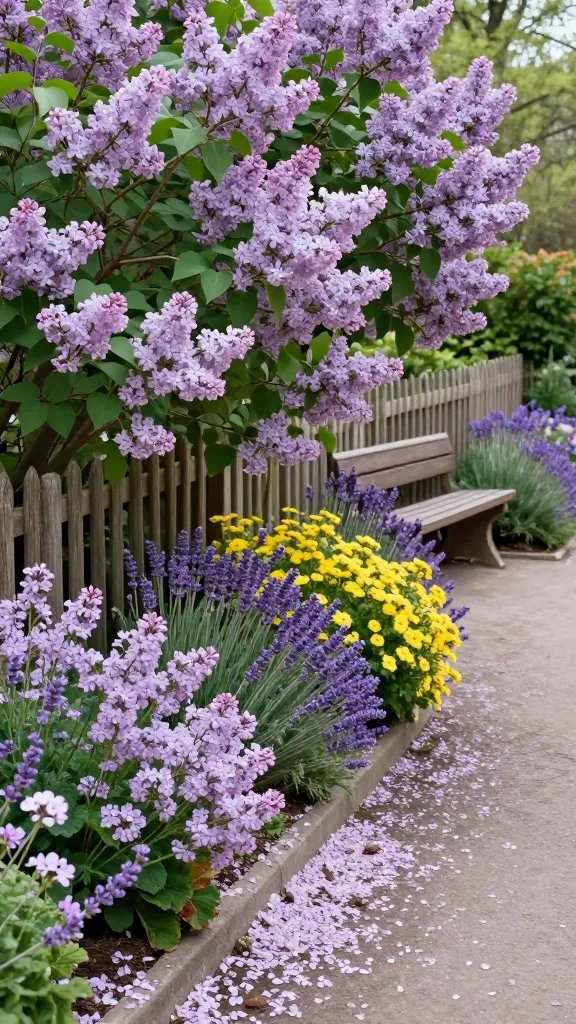
– Native palettes: plant natives that suit your climate to support local pollinators and wildlife.
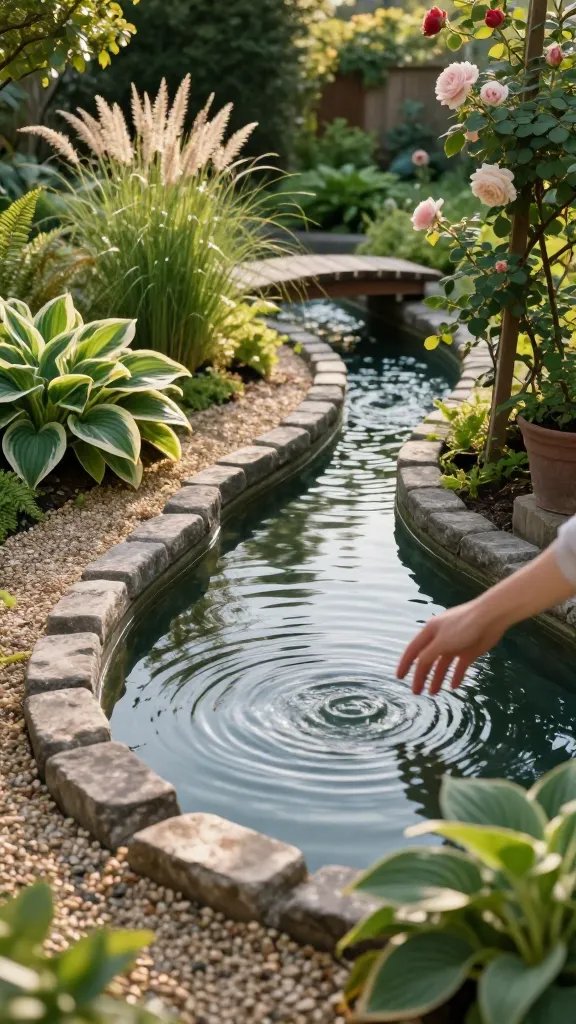
– Water features: a shallow birdbath or small pond becomes a magnet for activity and a soothing soundscape.
– Quiet corners: a bench tucked under a flowering shrub creates a private moment with nature.
FAQ: Quick Answers for Fairytale Cottage Garden Dares
What’s the first step to build a magical cottage yard?
Start with a mood and function map. Identify sun and shade zones, view lines, and the spots you want to highlight. Sketch a simple path and border plan to ground your ideas in reality.
How can I keep maintenance reasonable?
Choose a few repeat-blooming perennials and a few evergreen structure plants. Layer with grasses for movement. Mulch to curb weeds, and set up simple pruning schedules for key plants so you don’t get overwhelmed.
Which plants are best for a fragrant, romantic yard?
Roses, lavender, jasmine, heliotrope, and peonies fill the air with scent. Combine with sweet herbs like thyme and rosemary to extend fragrance along walkways.
How do I make the yard feel larger without losing coziness?
Use arches and trellises to create visual portals, plant in layers to add depth, and place light-colored blooms near walkways to open up the space. Reflective water features can also amplify light.
What are the best climbers for vertical drama?
Climbing roses, clematis, wisteria, and jasmine deliver robust vertical interest. For a longer season of bloom, pair early-spring climbers with later-blooming varieties.
Can I create a wildlife-friendly garden in a small yard?
Absolutely. Plant a mix of native flowering perennials, add a water source, and provide shelter with hedges and shrubbery. A small birdbath or shallow pond can transform the space into a wildlife magnet.
Conclusion: The Real Magic Is in the Everyday Moments
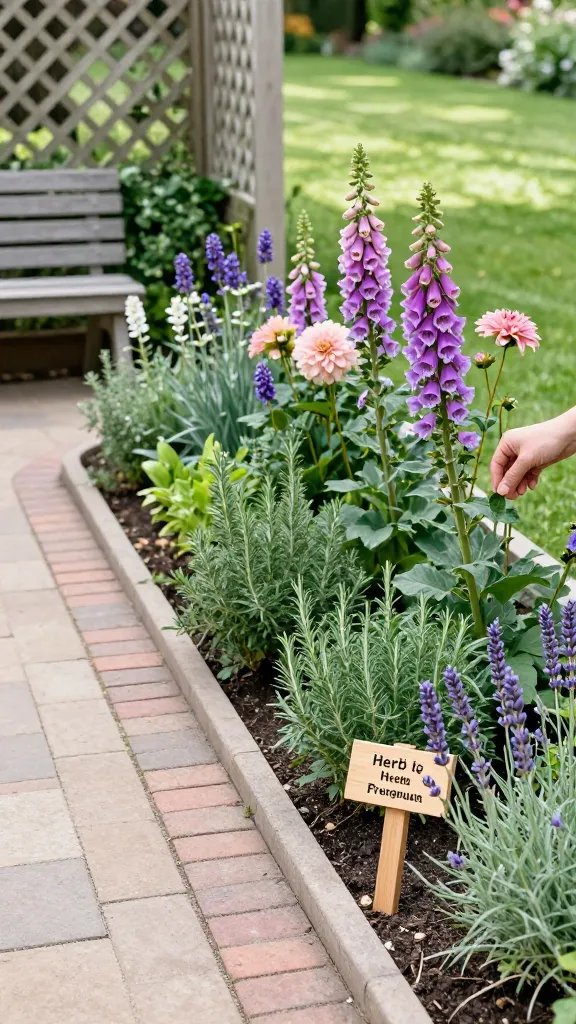
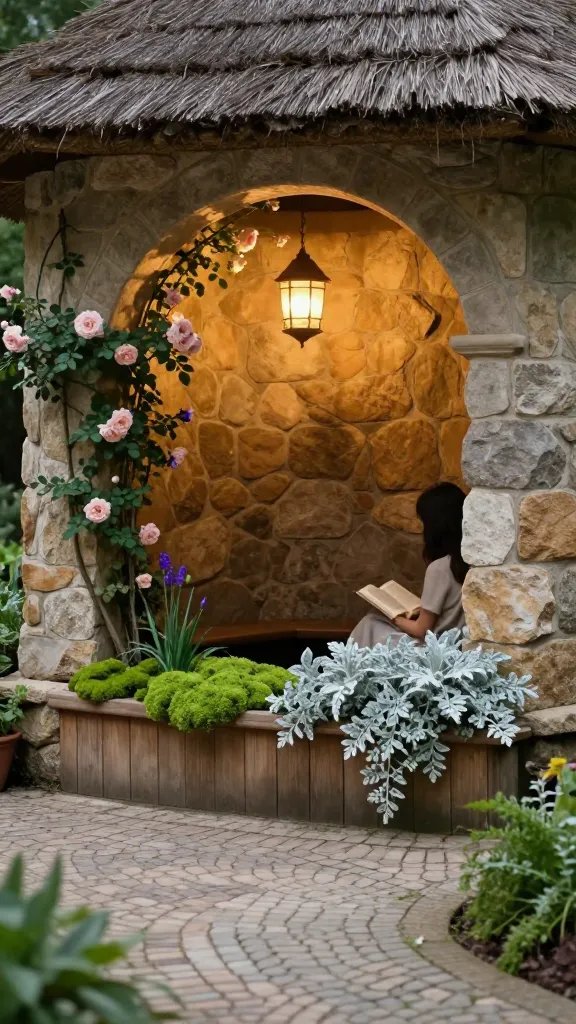
The fairytale cottage yard isn’t a destination; it’s a practice. It’s a space that invites you to slow down, breathe in the scent of rosemary and rain on stone, and notice the tiny miracles that unfold each week. The magic lives in the path that curves just so, in the way a trellis holds a climbing rose, in the fragrance of lavender at dusk, and in the soft rustle of grasses as the breeze drifts by.
If you take away one idea from this guide, let it be this: design for experience. Plan for touch, scent, sight, and sound. Let your plants tell a story, but keep the plot simple enough that you and your family can live in it without feeling overwhelmed. A cottage garden that feels magical is not about a rigid blueprint; it’s about an evolving page that you write with your daily gardening rituals.
So grab a mug of tea, lace up your gardening clogs, and start with a small, manageable sketch. Add a curved path. Plant a favorite climber on a trellis. Place a bench where you’ll pause and listen. Over time, your yard will evolve into the kind of place your imagination already knows—the kind of place you’ve always wanted to wander through in a storybook world, right in your own backyard.