Let’s be real—your home probably needs more plants. Not just one sad succulent on your windowsill, but actual greenery that makes your space feel alive. Decorating with houseplants isn’t just an Instagram trend; it’s one of the most effective (and honestly easiest) ways to completely transform how your home looks and feels. Plus, you’ll actually breathe better air while doing it.
Why Plants Are Actually a Big Deal for Your Home
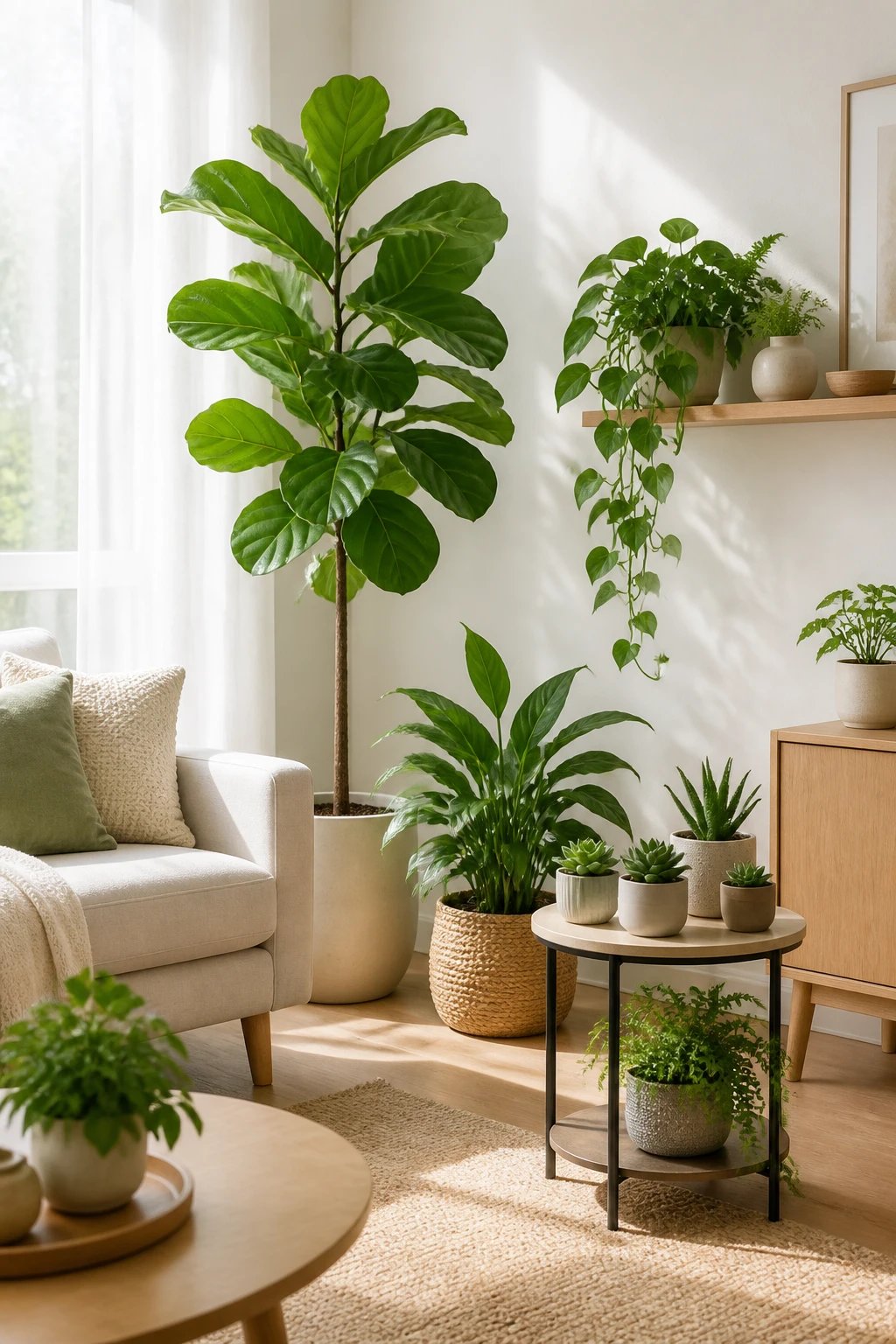
Look, we spend way too much time staring at screens and being stuck indoors. Bringing plants into your home isn’t just about making things look pretty—it’s about reconnecting with nature when you’re surrounded by concrete and technology all day.
Plants create this instant calming vibe that’s hard to replicate with any other decor element. They add warmth, tranquility, and that je ne sais quoi that makes a house feel like an actual home. And honestly? In our stressed-out, always-on world, we need all the peaceful vibes we can get.
The Health Benefits You’re Missing Out On
Here’s where things get really interesting. Your houseplants are basically working overtime while they sit there looking gorgeous.
Cleaner Air, Better Life
Plants are nature’s air purifiers. They absorb carbon dioxide and pump out fresh oxygen, making your indoor air significantly better. This is especially clutch if you live in a city with questionable air quality or have rooms with poor ventilation.
Some plants are absolute rockstars at filtering toxins. Snake plants, peace lilies, and English ivy can actually remove nasty stuff like formaldehyde, benzene, and xylene from your air. You’re literally breathing cleaner air just by having these green buddies around.
Brain Boost Alert
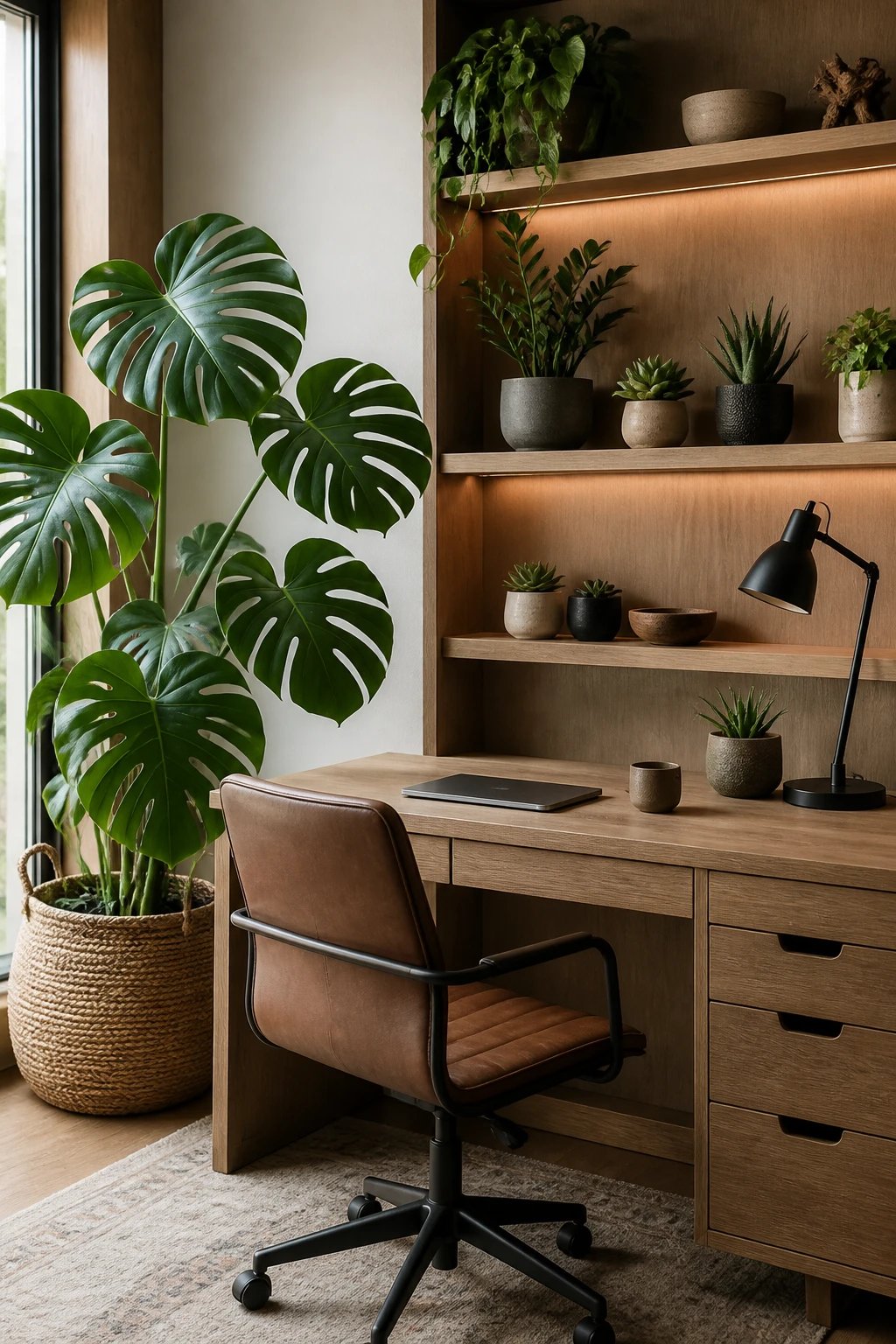
Studies have shown that having greenery around actually enhances cognitive function and improves memory. Working from home? Do yourself a favor and grab a few plants for your workspace. They’ll help you stay focused longer and might even boost your creativity.
The mental health benefits are legit too. Simply being around plants can lower your heart rate and blood pressure, making you feel more relaxed. It’s like having a tiny therapist that also happens to photosynthesize.
Room-by-Room Plant Decorating Ideas
The beauty of plant decorating is that you can customize every single room to match its vibe. Let’s break it down by space.
Living Room: Go Big or Go Home
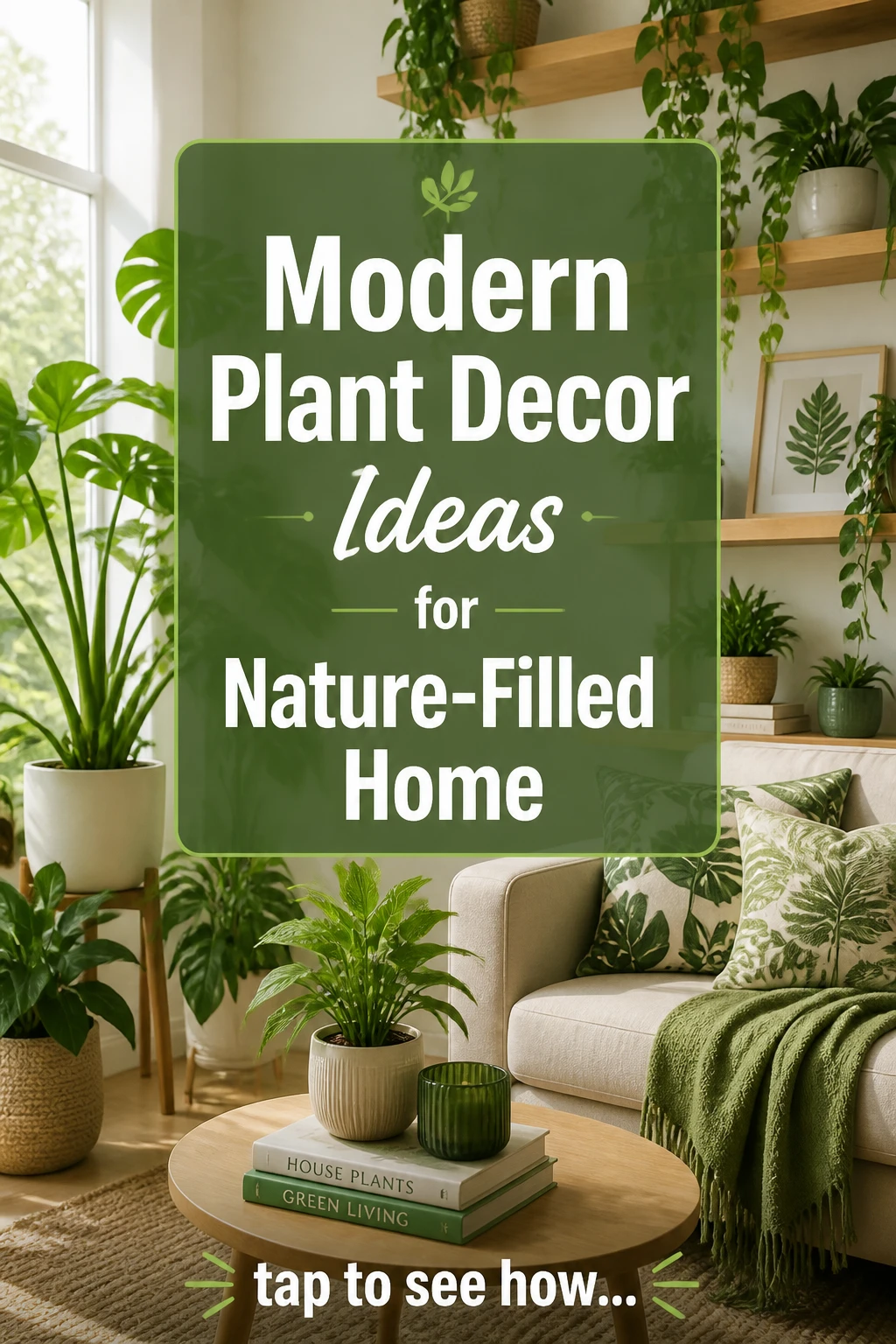
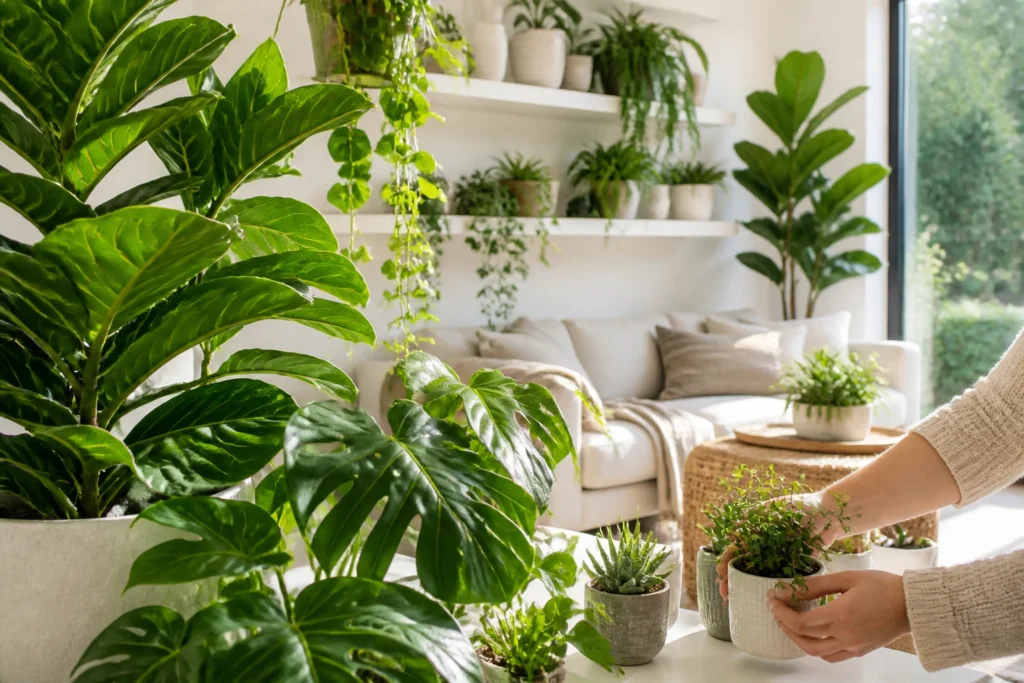
Your living room can handle some serious statement pieces. Think tall fiddle leaf figs or rubber plants that create a bold focal point and bring that “I definitely have my life together” energy. These plants scream sophistication without you having to say a word.
If minimalism is more your speed, stick with smaller plants like succulents or air plants. You can scatter them on coffee tables and shelves without making the space feel cluttered. They add life without overwhelming your carefully curated aesthetic.
Bedroom: Your Personal Oasis
Turn your bedroom into a relaxation sanctuary with the right plants. Lavender near your bed can actually help you sleep better thanks to its natural calming properties. No essential oil diffuser needed.
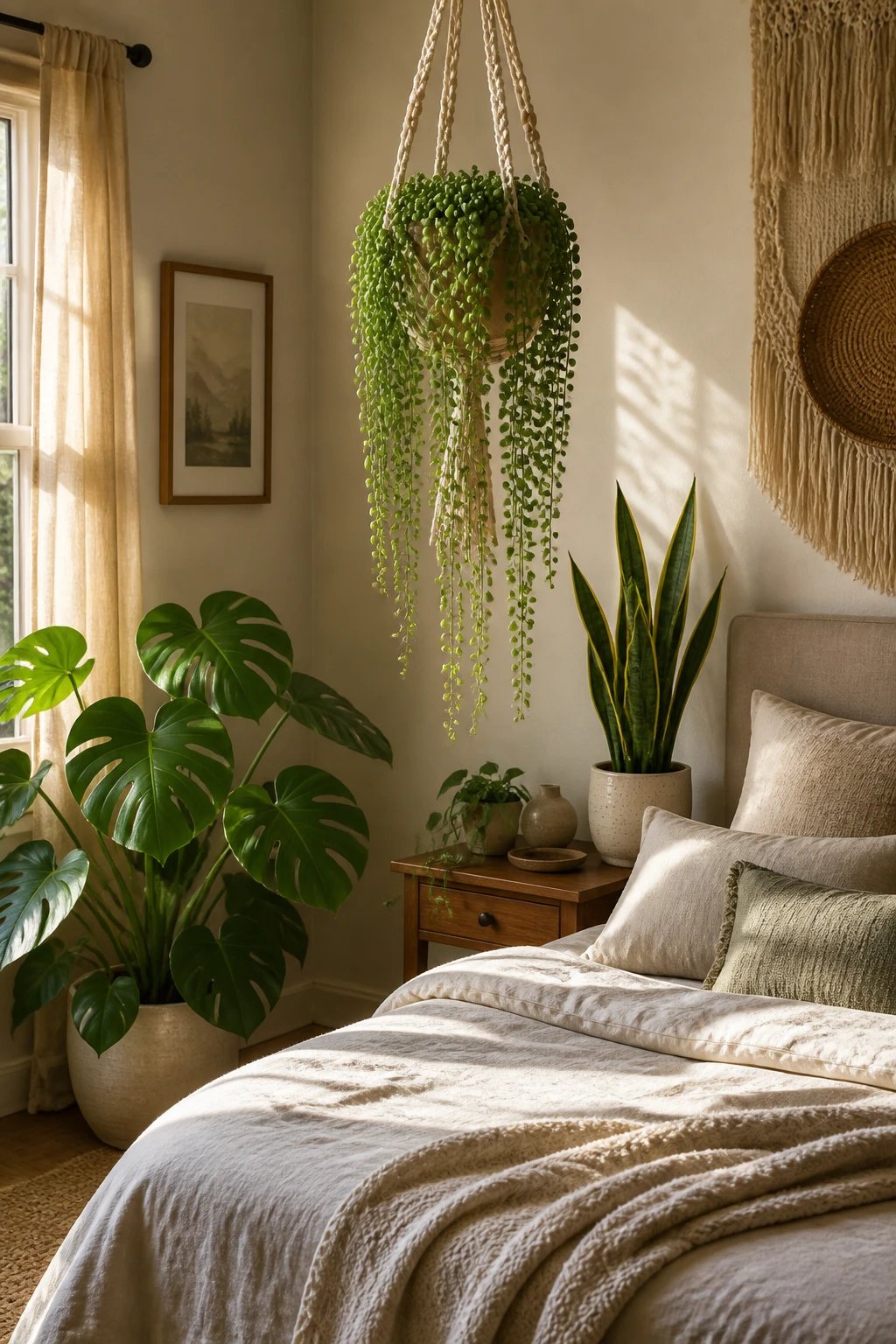
Hanging plants like pothos or trailing ivy are perfect for bedrooms because they use vertical space and create visual interest. Plus, they’re ideal if you’re going for that cozy boho vibe. Monstera and rubber plants add texture and warmth that make your bedroom feel like an actual retreat.
Bathroom: Spa Vibes on Demand
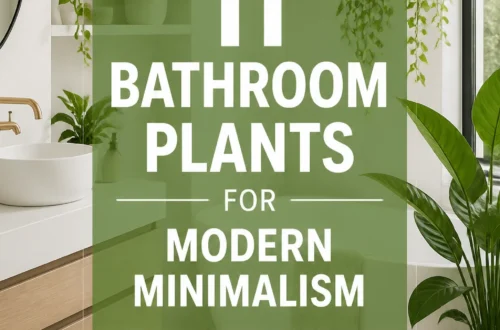
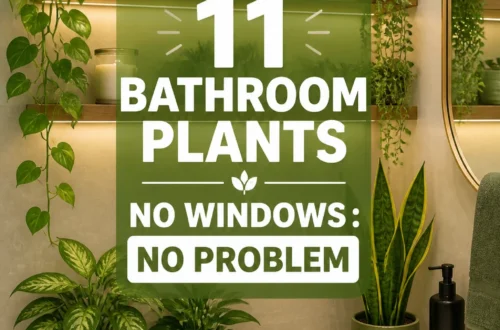
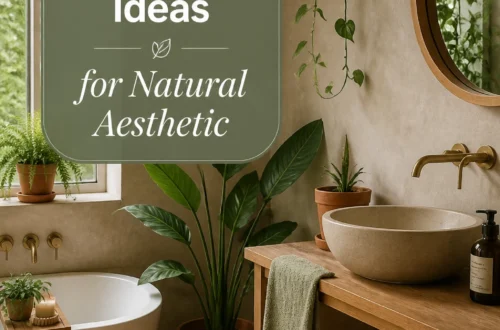
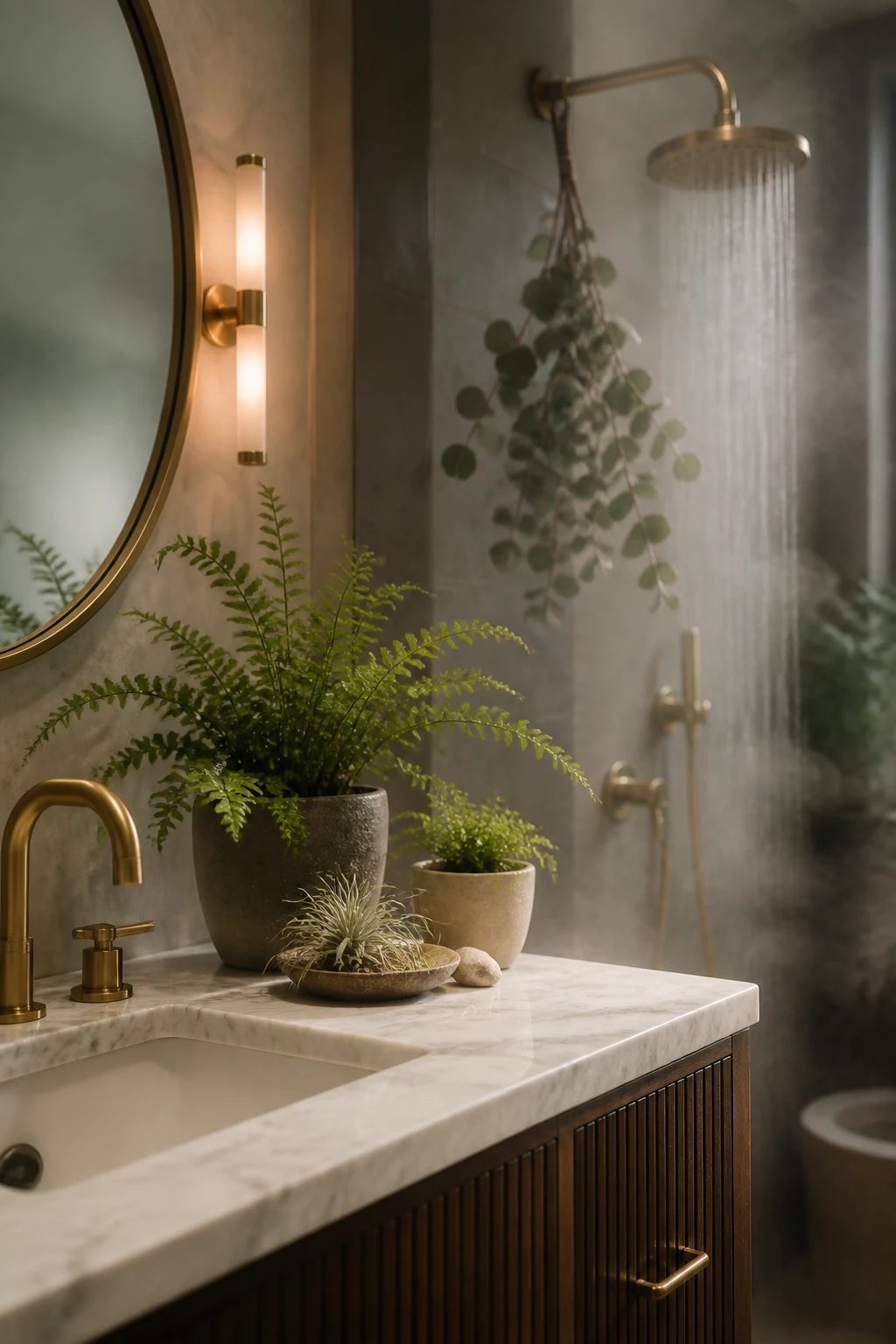
Your bathroom’s humidity is actually a plant paradise. Ferns, orchids, and peace lilies absolutely thrive in that moist environment, and they’ll make your bathroom feel like a luxury spa.
There’s something incredibly soothing about being surrounded by greenery while you’re taking a bath or doing your skincare routine. Plus, these plants help reduce excess humidity, so it’s a win-win situation.
Best Plants for Every Skill Level
Not all of us were born with green thumbs, and that’s totally okay.
For Plant Newbies
If you’ve killed every plant you’ve ever owned, start with the indestructible ones:
- Snake plants: Seriously, you’d have to try to kill these. They need minimal water and can handle low light
- Pothos: Super forgiving and can tolerate various light conditions
- ZZ plants: Only need occasional watering and don’t care about low light
- Succulents: Compact, colorful, and ridiculously low-maintenance
For the Ambitious Plant Parent
Ready to level up? Try creating a tropical paradise indoors with monstera or palm plants. They add that lush, vibrant feel that makes your space look like it belongs in a magazine. Just know they need a bit more attention than the beginner plants.
Styling Secrets That Actually Matter
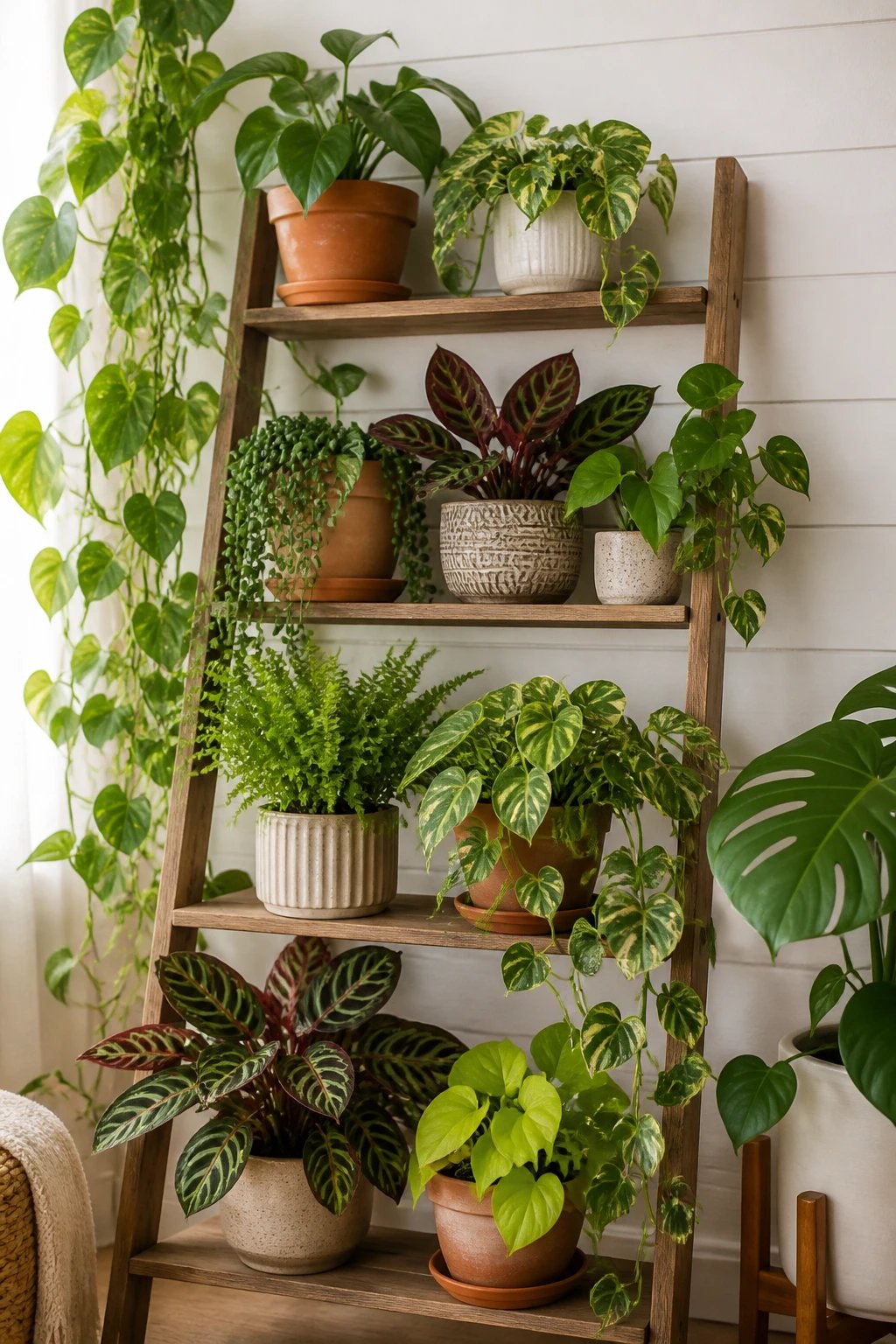
Where you put your plants is just as important as which plants you choose. Trust me on this.
Tall plants belong in corners or against walls where they can create drama and fill empty vertical space. Medium-sized plants work great on tables, shelves, or window sills—they add greenery without eating up all your surfaces.
For smaller plants like succulents, try grouping them together on a tray or scattering them across different surfaces. This creates a cozy, lived-in vibe that feels intentional, not cluttered.
And here’s a pro tip: hanging plants are your secret weapon for adding greenery without sacrificing floor space. They look amazing in kitchens, bathrooms, and hallways—basically any spot that feels a bit empty but doesn’t have room for a floor plant.
Keeping Your Green Friends Alive
Real talk: plants need care. Not a ton, but some. Don’t just plop them anywhere and hope for the best.
Do your homework on each plant’s needs. How much light do they want? How often should you water them? What’s their ideal humidity level? Some plants love direct sunlight while others will literally burn if you put them in a sunny window.
Watering is where most people mess up. Overwatering kills more plants than underwatering, FYI. Root rot is real and it’s devastating. Get a feel for each plant’s needs and adjust accordingly. Your plants will tell you what they need if you pay attention—yellowing leaves, drooping stems, brown tips—they’re all signs.
Express Your Personal Style
Here’s the fun part: plants let you showcase your personality in ways that furniture can’t.
Love clean, modern aesthetics? Go for succulents in sleek minimalist planters. More of an eclectic vintage soul? Grab some hanging macramé planters and fill them with trailing plants in mismatched pots.
Plants come in every texture, color, and leaf shape you can imagine. This means you can easily complement whatever furniture and decor you already have. IMO, this is what makes plant decorating so much more flexible than other design choices—you’re not locked into anything permanent.
Seasonal Plant Switching
Want to keep your space feeling fresh all year? Switch up your plants with the seasons.
In spring, bring in bright flowers like daffodils or tulips for that burst of color that screams renewal. Winter calls for poinsettias or evergreens to add festive vibes. This keeps your home feeling dynamic and connected to what’s happening outside.
Frequently Asked Questions
What are the easiest houseplants for complete beginners?
Snake plants, pothos, and ZZ plants are your best bets. They’re practically indestructible and can handle neglect, low light, and inconsistent watering. Succulents are also beginner-friendly as long as you don’t overwater them (seriously, less is more with these guys).
Can plants really improve air quality indoors?
Absolutely. Plants absorb carbon dioxide and release oxygen, which makes your air fresher. Certain plants like snake plants, peace lilies, and English ivy also filter out toxins like formaldehyde and benzene. You won’t turn your apartment into a mountain retreat, but you’ll definitely notice cleaner, fresher air.
Which plants work best in low-light rooms?
Snake plants and ZZ plants are champions in low-light conditions. Pothos also tolerates lower light pretty well, though it grows faster with more light. Peace lilies can handle shade too, making them perfect for bathrooms or rooms without many windows.
How do I know if I’m overwatering my plants?
Yellowing leaves, mushy stems, and a persistently wet soil surface are major red flags. If your plant’s leaves are dropping off or you notice a funky smell coming from the soil, you’re probably overdoing it. Most houseplants prefer to dry out a bit between waterings, so let that soil get slightly dry before you water again.
Do I need expensive planters to make my plants look good?
Not at all. While fancy planters are nice, your plants will look great in pretty much anything—terracotta pots, thrifted containers, even repurposed jars or baskets with proper drainage. What matters more is choosing containers that fit your overall aesthetic and have drainage holes to prevent root rot.
Can I have too many plants in one room?
Technically, no—but you want to maintain balance. Too many plants can make a space feel cluttered rather than lush. Start with a few statement pieces and build from there. Pay attention to how the room feels as you add more. If it starts feeling crowded or chaotic, you’ve probably hit your limit.
Final Thoughts
Decorating with plants isn’t just about filling empty corners or following trends. It’s about creating an environment that makes you feel better physically and mentally every single day.
From purifying your air to boosting your mood, plants offer benefits that go way beyond looking pretty on your shelf. Whether you start with one low-maintenance snake plant or go full jungle mode with dozens of varieties, you’re making a choice that’ll positively impact your everyday life.
The best part? There’s no wrong way to do it. Pick plants that speak to you, put them where they make you happy, and watch how they transform not just your space, but how you feel in it. Your home (and your lungs) will thank you.