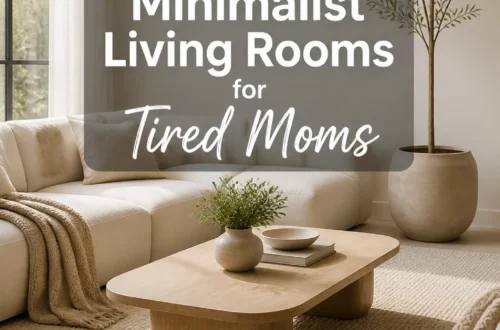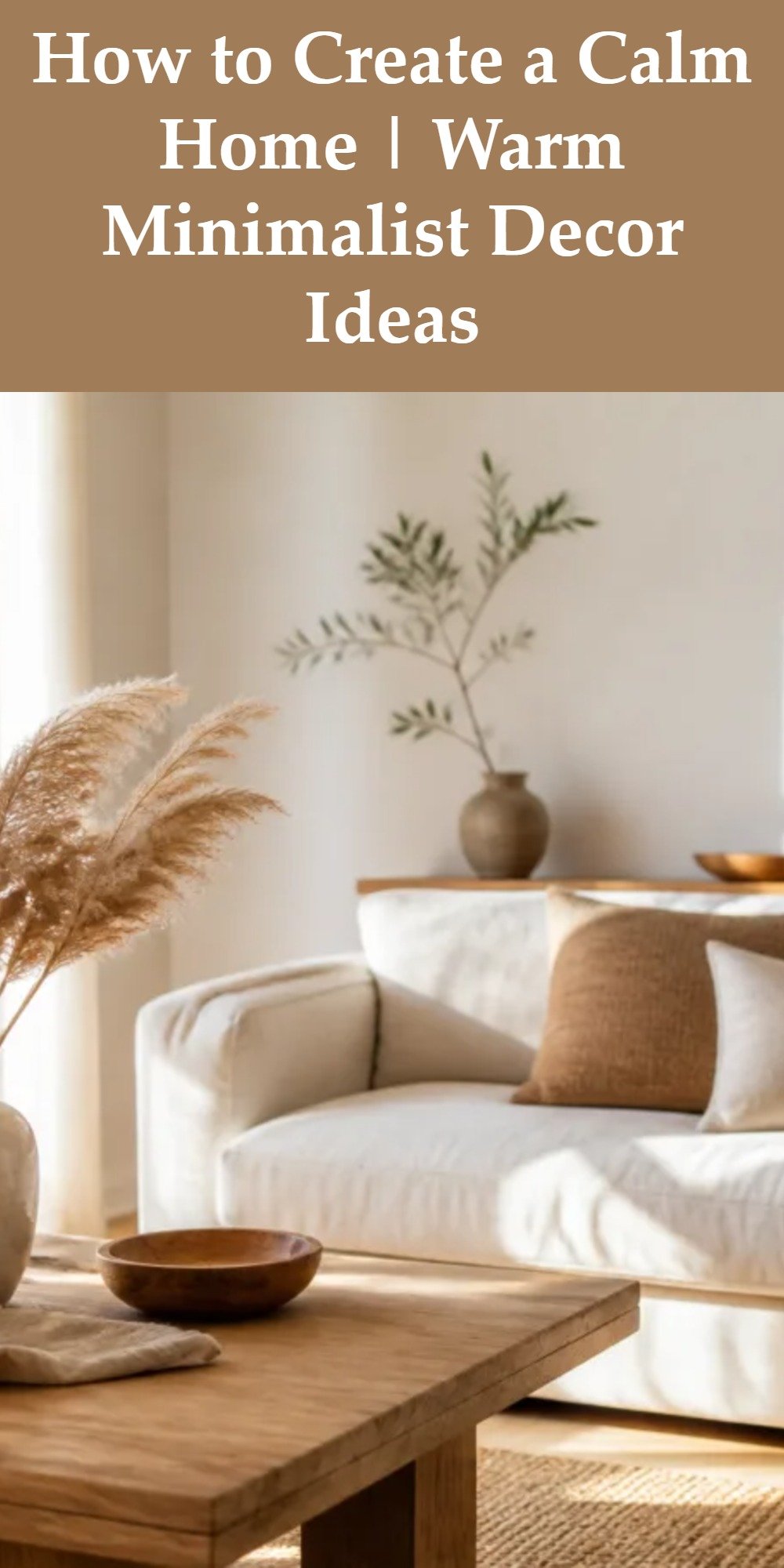
Ever walk into a space and just *exhale*? That’s the magic of a truly calm home. If you’re craving a sanctuary from our always-on world, the way you design your rooms can be your secret weapon. Let’s explore warm minimalist decor ideas that’ll transform your house into the peaceful retreat you deserve.
Why Your Home Should Be Your Slow-Living Sanctuary
Here’s the thing: slow living isn’t about doing everything at a snail’s pace. It’s about being intentional with your time and truly *present* in each moment. Think quality over quantity, mindfulness over multitasking.
And while this lifestyle shift goes way beyond just pretty rooms, your environment plays a bigger role than you might think. The spaces you inhabit either support your quest for calm or constantly pull you back into chaos mode. When you design with intention, every corner of your home becomes an invitation to breathe deeper and move slower.
That’s where warm minimalism comes in—it’s the sweet spot between stark minimalism (too cold) and cluttered coziness (too overwhelming). It’s clean lines meeting soft textures. It’s neutral palettes warmed up with natural materials. It’s *exactly* what your nervous system has been asking for.
Calm Home Decor Ideas: Start With Simplicity and Function
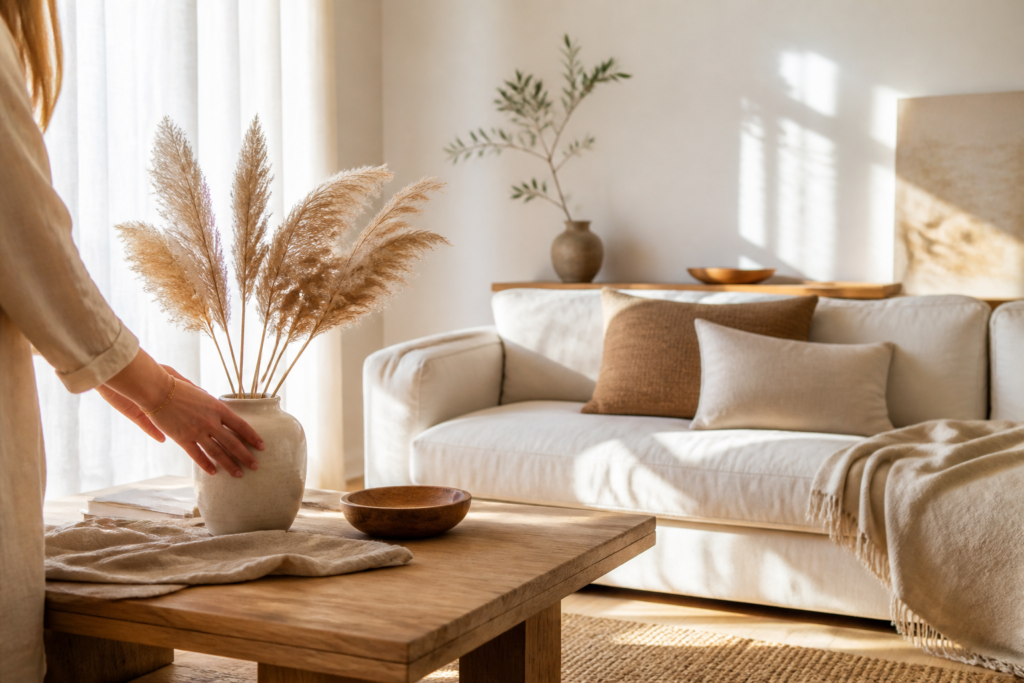
Let’s get real for a second: you can’t relax in visual chaos. Creating a calm home starts with the foundation of simplicity, and that means tackling the clutter monster head-on.
Declutter Like Your Peace Depends On It (Because It Does)
Before you buy a single throw pillow or scented candle, you need to clear the decks. A cluttered space equals a cluttered mind—it’s not just a saying, it’s neuroscience. Your brain literally processes every object in your visual field, creating mental fatigue.
The solution? Keep only what serves a purpose or brings genuine joy. Everything else needs to go. And here’s the kicker: you need systems to *keep* it that way. Invest in smart storage solutions that hide the everyday stuff. Baskets, closed cabinets, and built-in storage are your best friends here.
Make tidying part of your daily rhythm—ten minutes before bed can maintain that serene vibe you worked so hard to create. When everything has a home and surfaces stay clear, your space becomes instantly more restful.
Function Meets Beauty in Warm Minimalist Design
Warm minimalism isn’t about deprivation. Every piece in your home should earn its place by being both beautiful *and* useful. That gorgeous ceramic vase? It holds your farmers market flowers. Those linen baskets? They corral your living room blankets while looking effortlessly chic.
This approach keeps your space from feeling sterile while maintaining that calm, uncluttered aesthetic that makes your shoulders drop about three inches.
Soothing Color Palettes for a Peaceful Home
Color psychology is no joke, friends. The hues surrounding you directly impact your mood and energy levels, so choosing the right palette is crucial for creating calm.
Why Neutral Colors Create Instant Tranquility
Neutral doesn’t mean boring—it means your eyes get to *rest*. Highly saturated colors demand attention and create visual stimulation, which is the opposite of calming. Soft neutrals like warm whites, gentle beiges, soft grays, and muted taupes create a soothing backdrop that lets you decompress.
These colors flow seamlessly from room to room, creating harmony throughout your home. They’re also ridiculously versatile, working with virtually any decor style you love.
Adding Warmth With Desaturated Tones
Here’s where warm minimalism really shines: you can absolutely bring in color! The trick is choosing desaturated versions—think dusty rose instead of hot pink, sage green instead of lime, soft terracotta instead of bright orange.
These muted tones add personality and warmth while maintaining that peaceful, cohesive feeling. They’re inspired by nature’s own color palette, which brings us to our next point…
Bring Nature Indoors for Ultimate Calm Vibes
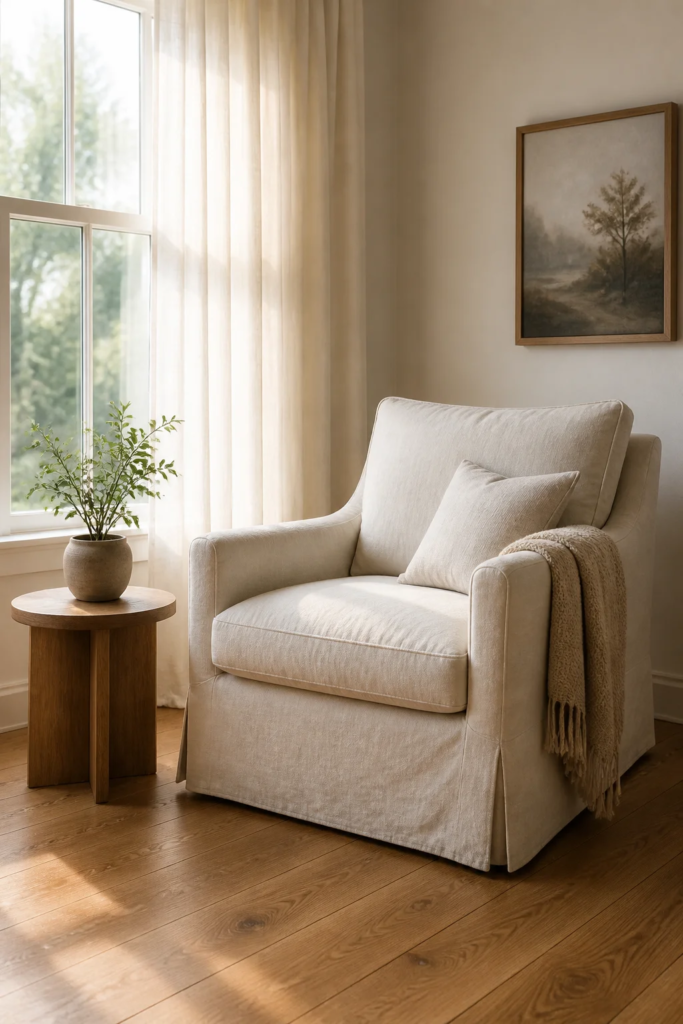
Nothing—and I mean *nothing*—creates tranquility quite like connecting with nature. Even if you live in a concrete jungle, you can harness nature’s calming power inside your four walls.
Maximize Natural Light and Views
Natural light is liquid gold for your wellbeing. It regulates your circadian rhythm, boosts your mood, and makes every space feel more open and peaceful. Keep window treatments simple and light-filtering. If privacy isn’t an issue, skip heavy curtains altogether.
Position your furniture to take advantage of views—even if it’s just a glimpse of sky or a neighbor’s tree. That visual connection to the outdoors works wonders for your mental state.
Layer Your Lighting for Evening Serenity
When the sun goes down, harsh overhead lighting kills the vibe fast. Instead, layer multiple light sources at different heights: table lamps, floor lamps, wall sconces, even candles. This creates soft pools of light that feel cozy and inviting rather than clinical.
Dimmer switches are a game-changer here—they let you adjust the mood as the evening progresses and you wind down.
Add Greenery and Natural Materials Everywhere
Plants are non-negotiable in a calm home. They purify your air, add life and movement, and have been proven to reduce stress. Not blessed with a green thumb? Start with foolproof options like pothos, snake plants, or ZZ plants.
Beyond plants, incorporate natural materials throughout your space: wood furniture, stone accents, linen textiles, wool rugs, rattan baskets, ceramic pottery. These organic elements create an earthy, grounding atmosphere that feels inherently peaceful.
The textures and imperfections of natural materials also add warmth and character that keeps minimalism from feeling too austere.
Creating Intentional Spaces for Slow Living Moments
A calm home isn’t just about aesthetics—it’s about designing spaces that actively encourage you to slow down and savor life’s simple pleasures.
Make Your Kitchen a Joyful Creative Space
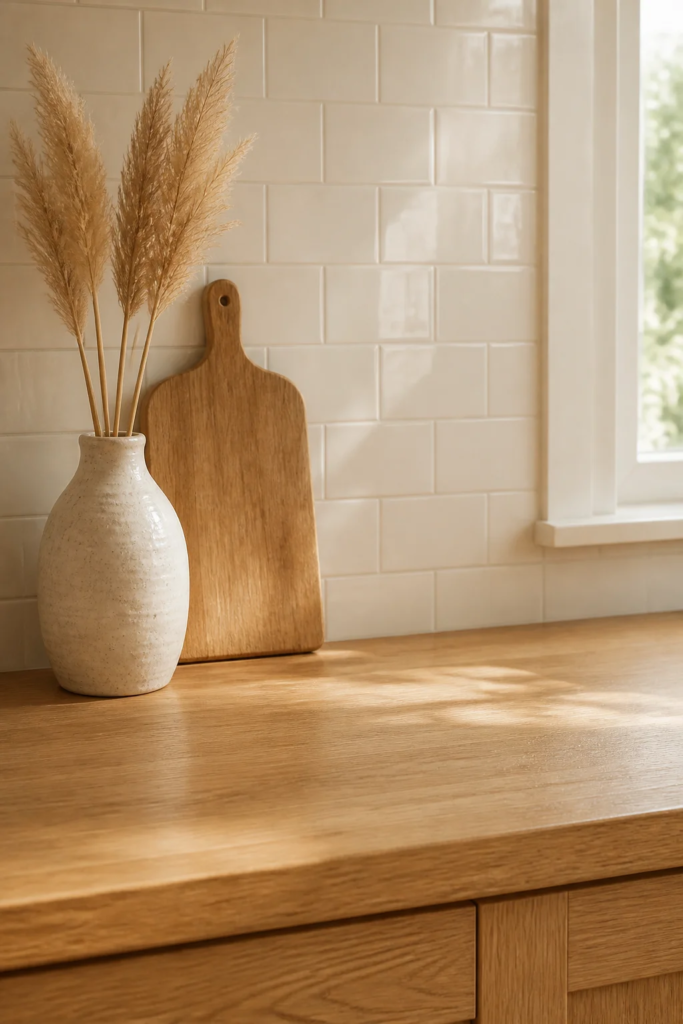
The slow living movement actually started with slow food, and for good reason. Cooking and eating mindfully is one of the most accessible ways to practice presence.
Set up your kitchen so food prep feels like a pleasure, not a chore. Display your beautiful dishes and tools. Keep quality ingredients visible and accessible. Create a coffee or tea station that makes your morning ritual feel special.
And please, take the time to set an actual table. Even if it’s just you and a Tuesday night dinner, using real plates and napkins (not eating over the sink, no judgment though) transforms eating into an experience worth savoring.
Design Living Spaces That Invite Lingering
Your living and dining areas should practically beg people to stay awhile. Soft, comfortable seating is essential—think plush sofas, upholstered chairs, and plenty of cushions.
Arrange furniture to encourage conversation rather than just facing the TV. Create multiple seating areas if your space allows. The goal is to make connection and relaxation so comfortable that rushing feels absurd.
Turn Bedrooms and Bathrooms Into Restful Retreats
Your private spaces deserve extra attention as true sanctuaries. In the bedroom, invest in quality bedding that feels like a cloud. Layer your lighting so you can read, relax, and wind down properly.
In the bathroom, fluffy towels, a beautiful bath mat, and some spa-like touches (a small stool, pretty storage jars, a candle) transform daily routines into self-care rituals.
Create a Fika Corner (Your New Favorite Spot)
Steal this Swedish tradition: “fika” is the practice of taking a break with coffee or tea and something sweet. It’s about pausing, connecting, or simply recharging.
Designate a cozy corner with a comfortable chair, good lighting, and a small side table. Keep your favorite tea or coffee nearby, maybe a few special treats. This becomes your official slow-down spot when life gets hectic.
Engage All Your Senses for a Truly Calming Home
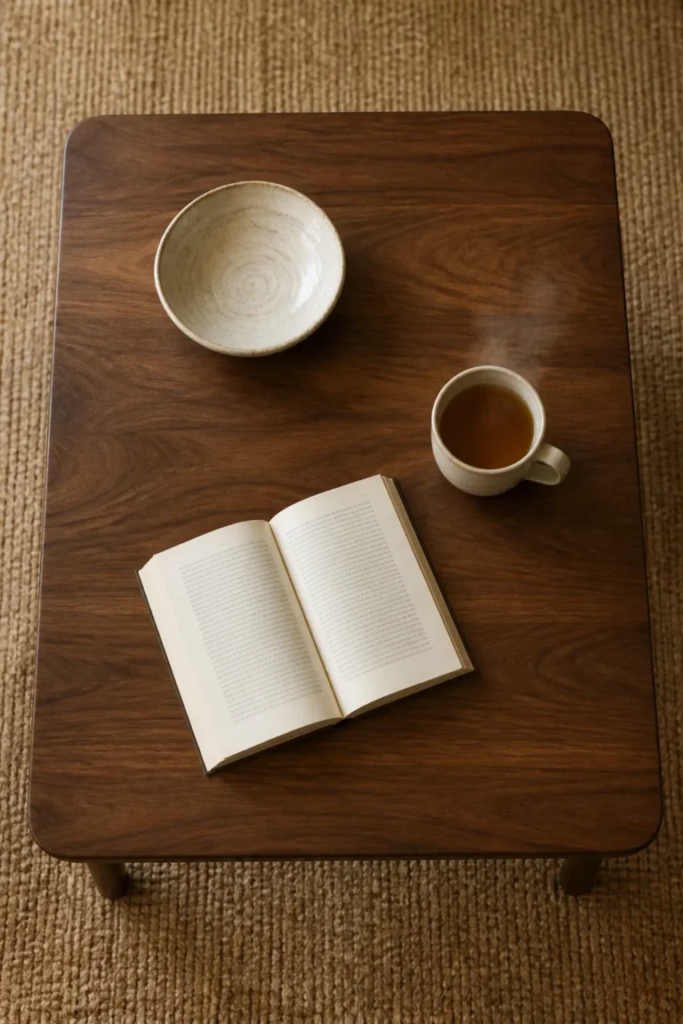
Being present means tuning into your sensory experience, and a calm home should delight all five senses—not just sight.
Texture: The Secret Weapon of Warm Minimalism
Visual minimalism can feel cold if you forget about texture. Layering different tactile elements adds depth, warmth, and that irresistible “stay awhile” quality.
Mix smooth with rough, soft with structured: a chunky knit throw over a sleek leather sofa, a nubby jute rug under a smooth wood coffee table, velvet pillows against linen upholstery. These combinations create visual interest while maintaining simplicity.
Bonus: soft textiles like rugs, curtains, and upholstered pieces actually absorb sound, making your space quieter and more peaceful. Hard surfaces bounce sound around, creating an echo-y, stressful environment.
Sound: Don’t Overlook Your Ears
A calm home sounds calm. Beyond the acoustic benefits of soft furnishings, think about intentionally adding soothing sounds: a small water fountain, a crackling fireplace (or convincing faux version), gentle music, or even a white noise machine.
Quality matters for music and conversation too—those textural elements that absorb sound make voices clearer and music richer, creating a more enjoyable auditory experience.
Scent: The Most Powerful Sense for Mood
Here’s a fun fact: your sense of smell is your strongest sense and the one most tied to memory and emotion. It also directly affects your mood and concentration. Oh, and 75% of what you think is taste is actually smell!
Use this to your advantage. Candles and essential oil diffusers are perfect for creating a calm atmosphere with soft, natural scents. Lavender promotes relaxation, eucalyptus feels spa-like, citrus is uplifting yet gentle, and vanilla feels cozy and warm.
Keep scents subtle and natural—you want a gentle background note, not a overwhelming fragrance cloud. Pin this tip: rotate scents seasonally to keep your space feeling fresh.
Warm Minimalist Decor Shopping Guide
Ready to start creating your calm home? Here’s what to focus on when shopping:
- Quality over quantity: Buy fewer, better pieces that’ll last
- Natural materials: Wood, linen, cotton, wool, stone, ceramic
- Neutral base: Invest in larger pieces in timeless neutrals
- Textural variety: Mix smooth, rough, soft, and structured elements
- Multipurpose items: Choose pieces that serve multiple functions
- Storage solutions: Beautiful baskets, boxes, and cabinets to hide clutter
- Lighting layers: Multiple light sources at different heights
- Comfort essentials: Soft throws, plush pillows, cozy rugs
Remember, building a calm home is a process, not a one-weekend project. Start with one room or even one corner, and let the peaceful feeling expand from there.
Frequently Asked Questions About Creating a Calm Home
What is warm minimalism and how is it different from regular minimalism?
Warm minimalism combines the clean lines and uncluttered aesthetic of traditional minimalism with cozy, inviting elements that make a space feel lived-in and welcoming. While stark minimalism can feel cold or sterile, warm minimalism incorporates natural materials, soft textures, and gentle color to create spaces that are both simple and comfortable. Think of it as minimalism with a hug—all the visual peace without the “don’t touch anything” vibe.
How do I create a calm home when I have kids and lots of stuff?
Creating calm with kids is absolutely possible—it just requires smart systems! Invest heavily in closed storage that hides toys and kid gear when not in use. Designate specific zones for kid activities so the chaos is contained. Implement a “reset routine” where everyone does a quick tidy before dinner or bedtime. Choose durable, washable fabrics in your calming color palette so the space still feels serene even with the realities of family life. Remember, calm is about the overall feeling, not perfection.
What colors are best for a calming bedroom?
The most calming bedroom colors are soft, desaturated neutrals and cool tones: warm whites, soft grays, gentle beiges, dusty blues, sage greens, and muted lavenders. These colors have a low visual temperature and saturation, which helps your nervous system relax. Avoid bright, highly saturated colors in the bedroom—save those for spaces where you want energy. That said, if a particular muted tone brings you joy, trust your instinct. Your personal connection to a color matters too.
How many plants should I have for a calm, nature-inspired home?
There’s no magic number, but a good rule of thumb is at least one substantial plant per room, with additional smaller plants in spaces where you spend the most time. For a strong nature-inspired vibe, aim for multiple plants of varying sizes throughout your space—maybe 5-10 plants total in common areas of an average home. Group them at different heights for visual interest. Just make sure you’re choosing varieties you can actually keep alive based on your light levels and maintenance commitment!
Can I create a calm home on a budget?
Absolutely! Creating calm is more about editing than buying. Start by decluttering ruthlessly—that’s completely free and has the biggest impact. Paint is inexpensive and transformative. Thrift stores and yard sales are goldmines for natural material pieces. DIY some elements like painting terra cotta pots for plants or making simple linen pillow covers. Rearrange what you have to maximize natural light. A calm home is about intentionality, not expensive furniture. FYI, sometimes the free act of simplifying creates more peace than any purchase ever could.
How do I maintain a calm home once I’ve created it?
Maintenance is all about daily habits. Implement a quick evening reset where you spend 10-15 minutes tidying and putting things back in their designated spots. Make your bed every morning—it sets a calm tone for the whole day. Deal with mail and paperwork immediately rather than letting it pile up. Regularly reassess your belongings and edit out what no longer serves you. The key is preventing clutter from accumulating in the first place by having a home for everything and being mindful about what you bring into your space.
Final Thoughts on Creating Your Calm Home Sanctuary
Creating a calm home with warm minimalist decor isn’t about achieving some impossible Instagram-perfect standard. It’s about designing a space that supports the life you actually want to live—one where you can breathe deeply, move slowly, and be truly present.
Start small. Choose one area to transform first. Clear the clutter, simplify the palette, add some natural elements and soft textures. Notice how it makes you feel. Then let that peaceful feeling expand, room by room, until your entire home becomes the retreat you deserve.