If you’ve been scrolling through Pinterest drooling over those clean-lined sofas, sculptural chairs, and warm wood tones, you’re not alone. Mid century modern style has captivated homeowners for over 70 years—and honestly? It’s not going anywhere. This guide will walk you through everything you need to create that effortlessly chic, functional vibe in your own home without turning your living room into a museum display.
What Makes Mid Century Modern Decor So Special?
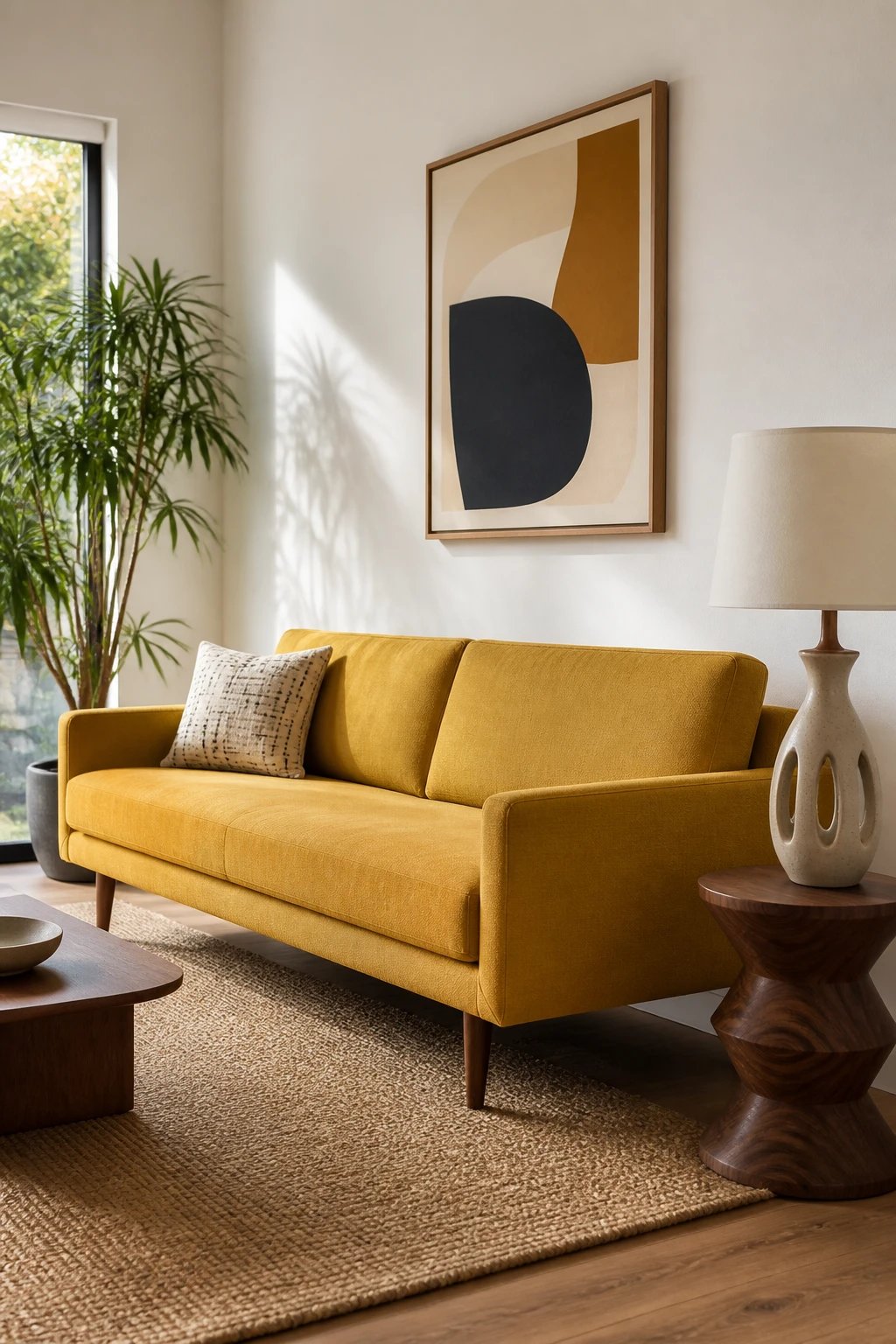
Let’s talk about why this style has serious staying power. Born in the post-World War II era, mid century modern wasn’t just about pretty furniture—it was a whole cultural shift. People were tired of stuffy, overly decorated spaces and craved something fresh, open, and optimistic.
This design movement blended influences from Germany’s Bauhaus philosophy with Scandinavian simplicity, creating something totally revolutionary. The designers were focused on bringing beautiful, functional design to everyday people, not just the wealthy elite. And honestly? That democratic approach is part of why it still feels so relevant today.
What really sets mid century modern apart is its perfect balance between beauty and practicality. Every piece serves a purpose, but it’s also sculptural enough to be considered art. No unnecessary frills, no clutter—just clean, intentional design that makes your space feel both stylish and livable.
The Essential Elements of Mid Century Modern Furniture
Sofas That Make a Statement
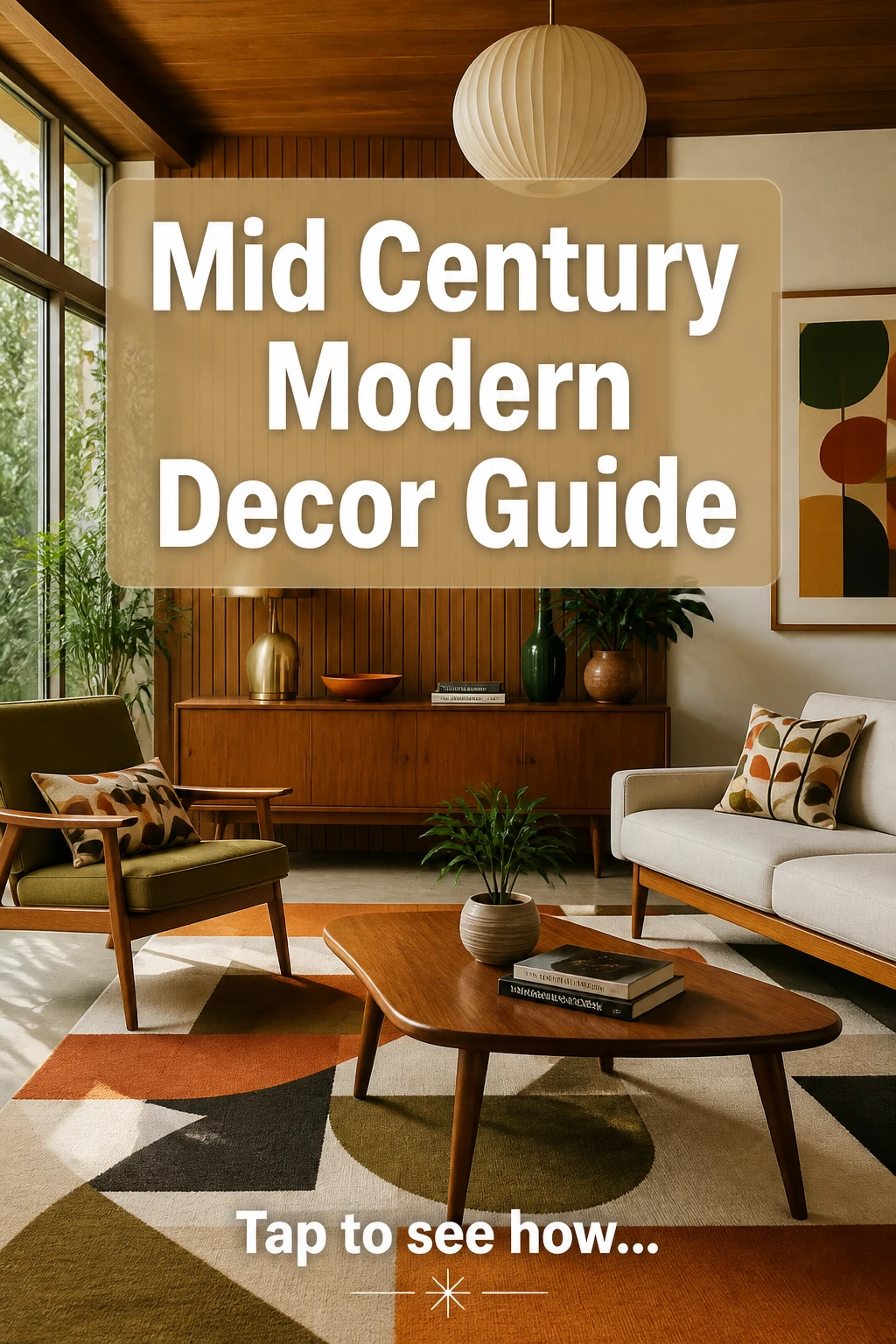
When shopping for a mid century modern sofa, you’re looking for sleek, straight lines with a distinctly rectangular silhouette. These beauties typically sit elevated off the floor on those iconic tapered legs—you know, the ones that angle slightly outward and sometimes feature cute brass caps.
The backs tend to be either tight and streamlined or feature button tufting for a touch of texture. Don’t worry if these sofas look a bit firm at first glance—that’s where throw pillows become your best friend. Layer in some cozy cushions to soften the look while maintaining that clean aesthetic.
Chairs With Personality
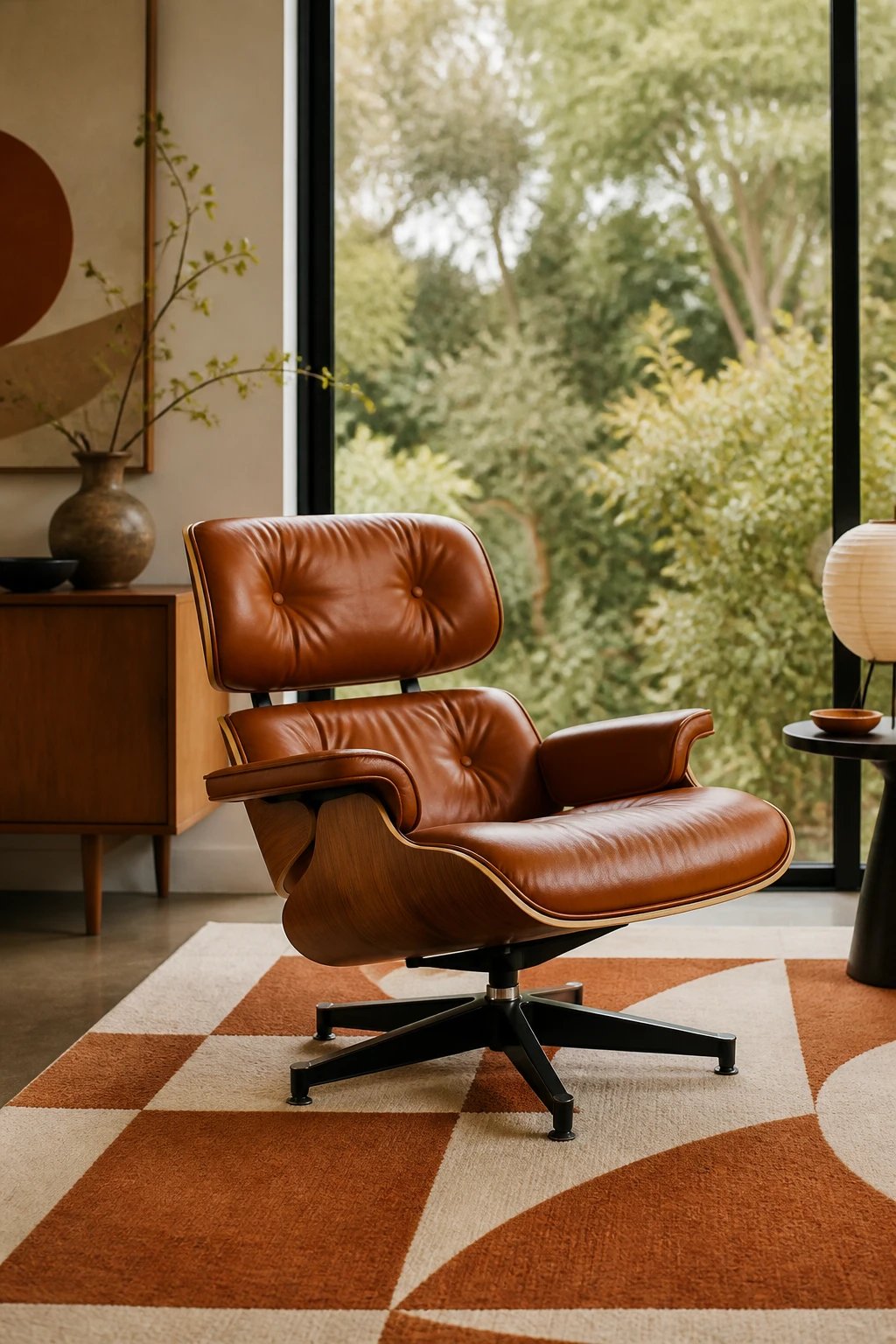
Mid century chairs are where the fun really happens. While they share the same clean lines as sofas, chairs is where designers got playful with organic curves and sculptural shapes. Think egg chairs, womb chairs, and those gorgeously curved lounge chairs that look like modern art.
You’ll notice those same tapered peg legs or sleek hairpin legs supporting these beauties. The combination of geometric precision with flowing, natural curves creates visual interest without feeling busy.
Material Combinations That Pop
Here’s where mid century modern gets really interesting. Designers at the time were experimenting with materials out of necessity—traditional supplies were scarce after the war. This limitation sparked incredible creativity.
You’ll see wood paired with marble, glass combined with metal, glossy plastics mixed with natural fibers. These unexpected combinations create contrast and visual depth. A walnut credenza with brass hardware? *Chef’s kiss.* A molded plastic chair with wooden legs? Absolutely iconic.
Mid Century Modern Color Palettes for Today’s Homes
The Classic Color Combo
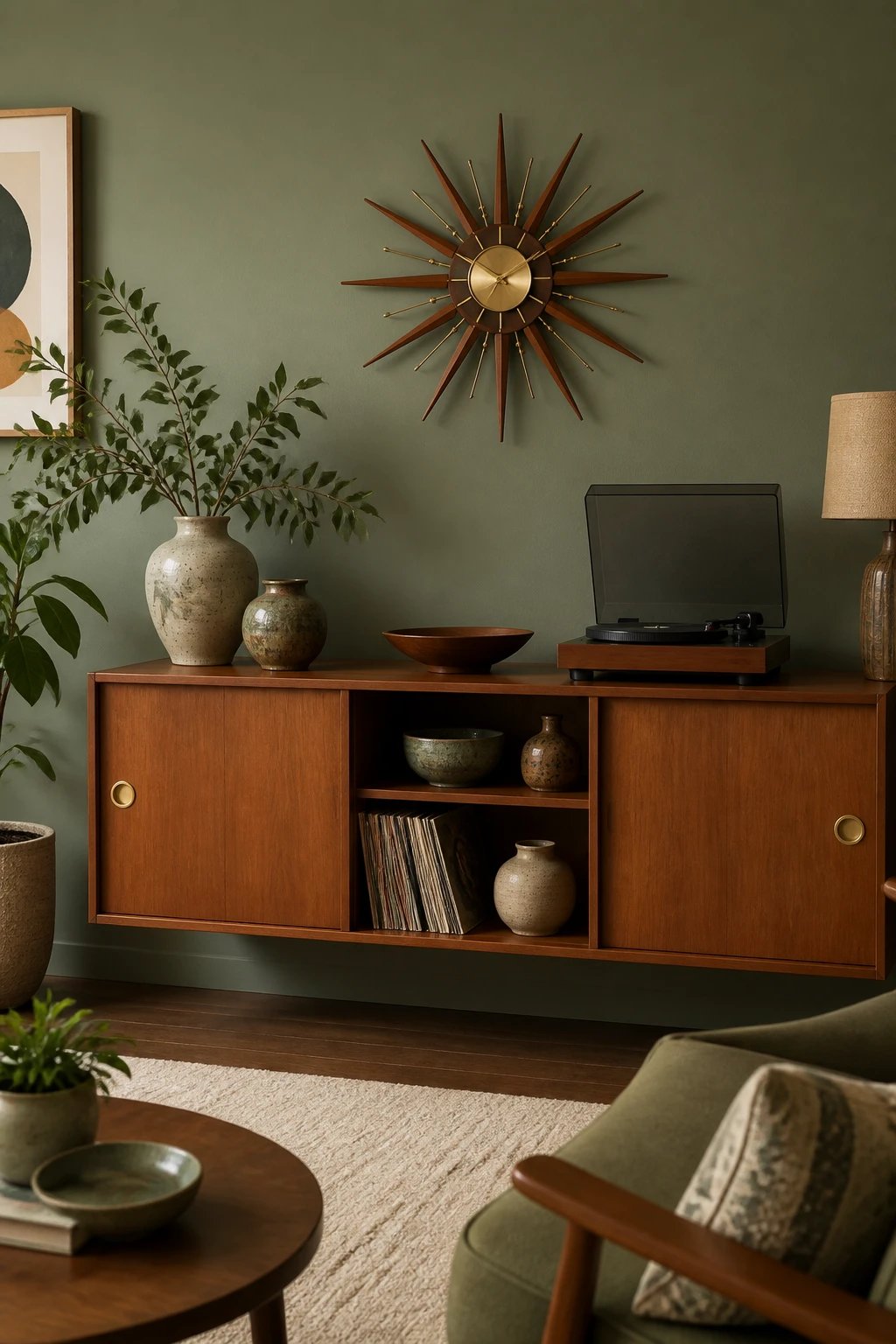
Traditional mid century palettes featured some seriously bold choices: sunny yellows, pumpkin oranges, mustard golds, and a whole range of greens from apple to avocado. Add in warm reds, earthy browns, teal, and even soft pastels like blush pink and baby blue.
Now, before you panic—you don’t need to paint your living room burnt orange to nail this look. The key is adapting these colors for contemporary spaces in ways that feel fresh, not dated.
Modern Ways to Use Mid Century Colors
If bright citrus tones aren’t your jam, try this approach: invest in mid century-shaped furniture in natural wood tones, then accent with leather upholstery, brass details, soft sage greens, warm tans, and crisp whites. This creates an early mid century vibe that feels sophisticated and timeless.
Feeling brave? Create a neutral foundation with whites, grays, and natural woods, then introduce one bold pop of color through an authentic mid century piece. The key word here is “authentic”—you can’t just grab any bright yellow chair and call it mid century. The shape and silhouette need to match the era for the look to work.
For a more contemporary twist on traditional mid century colors, stick with jewel tones. Emerald green, deep sapphire, rich mauve, and golden mustard create a sophisticated palette that honors the era while feeling totally current. Pin this color combo for your next refresh!
Shopping Guide: Where to Find Mid Century Modern Pieces for Every Budget
Budget-Friendly Options
You don’t need a trust fund to achieve this look, FYI. Target has surprisingly great mid century-inspired pieces that won’t break the bank. IKEA also offers affordable options that capture the clean-lined aesthetic.
Amazon actually has an impressive selection of mid century style furniture and decor. Look for pieces with authentic design elements like tapered legs, clean lines, and organic shapes rather than just anything labeled “retro.”
Mid-Range Investment Pieces
When you’re ready to invest a bit more, check out Article, CB2, Wayfair, and AllModern. These retailers offer quality construction and more authentic designs that’ll last for years. Think of these as pieces you’ll keep through multiple moves and style updates.
High-End and Authentic Vintage
For the real deal, Design Within Reach carries original designer pieces from legends like George Nelson and the Eames. West Elm and Rejuvenation also offer higher-end options with excellent craftsmanship.
But here’s a insider tip: thrift stores, estate sales, and flea markets are treasure troves for authentic vintage mid century pieces. Many people don’t realize what they have, so you can score genuine vintage finds at bargain prices. Check local secondhand shops regularly—the hunt is half the fun!
Small Decor Items That Add Mid Century Modern Style
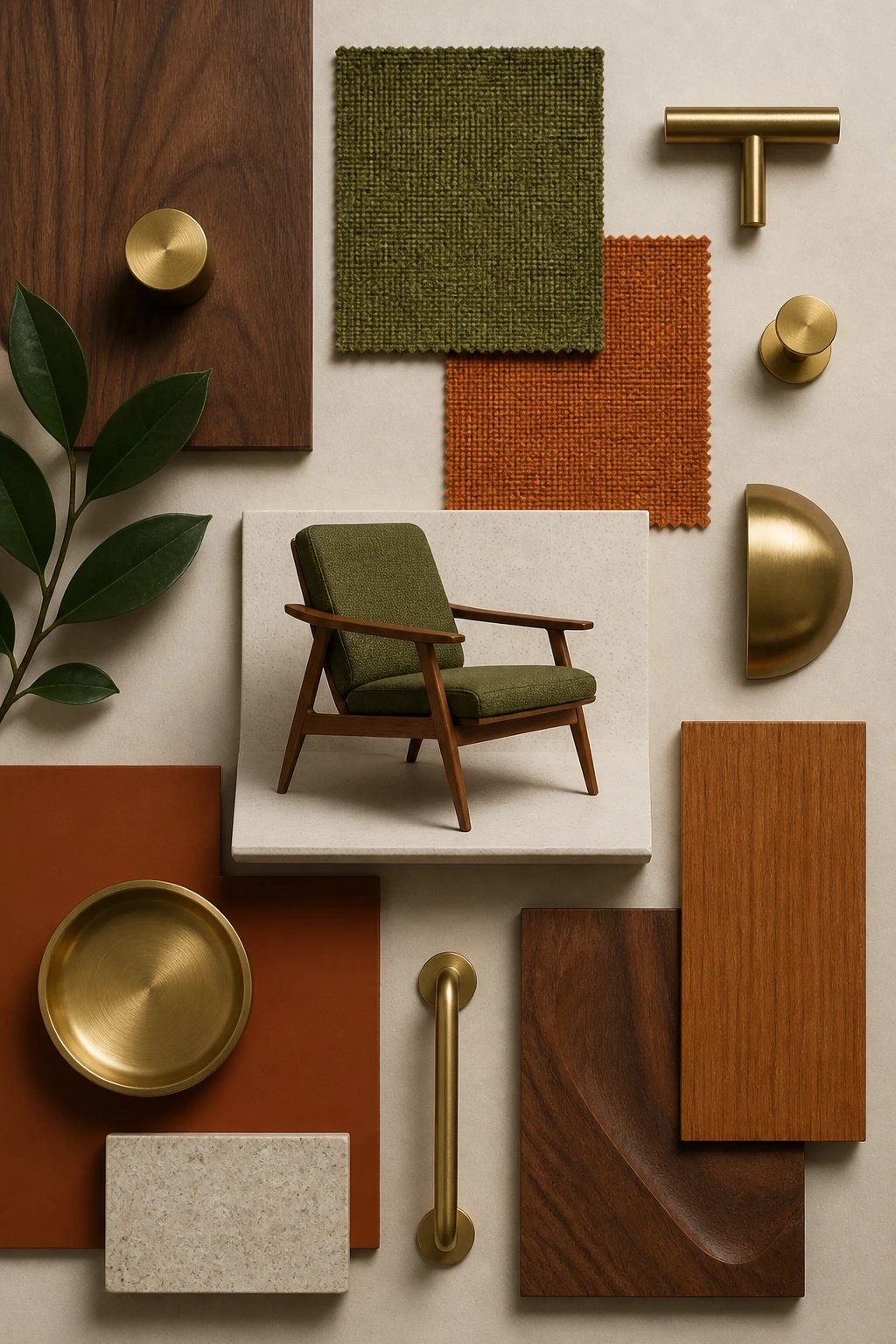
Not ready to commit to a whole new sofa? No problem. You can absolutely bring mid century vibes into your space through smaller accents that pack a visual punch.
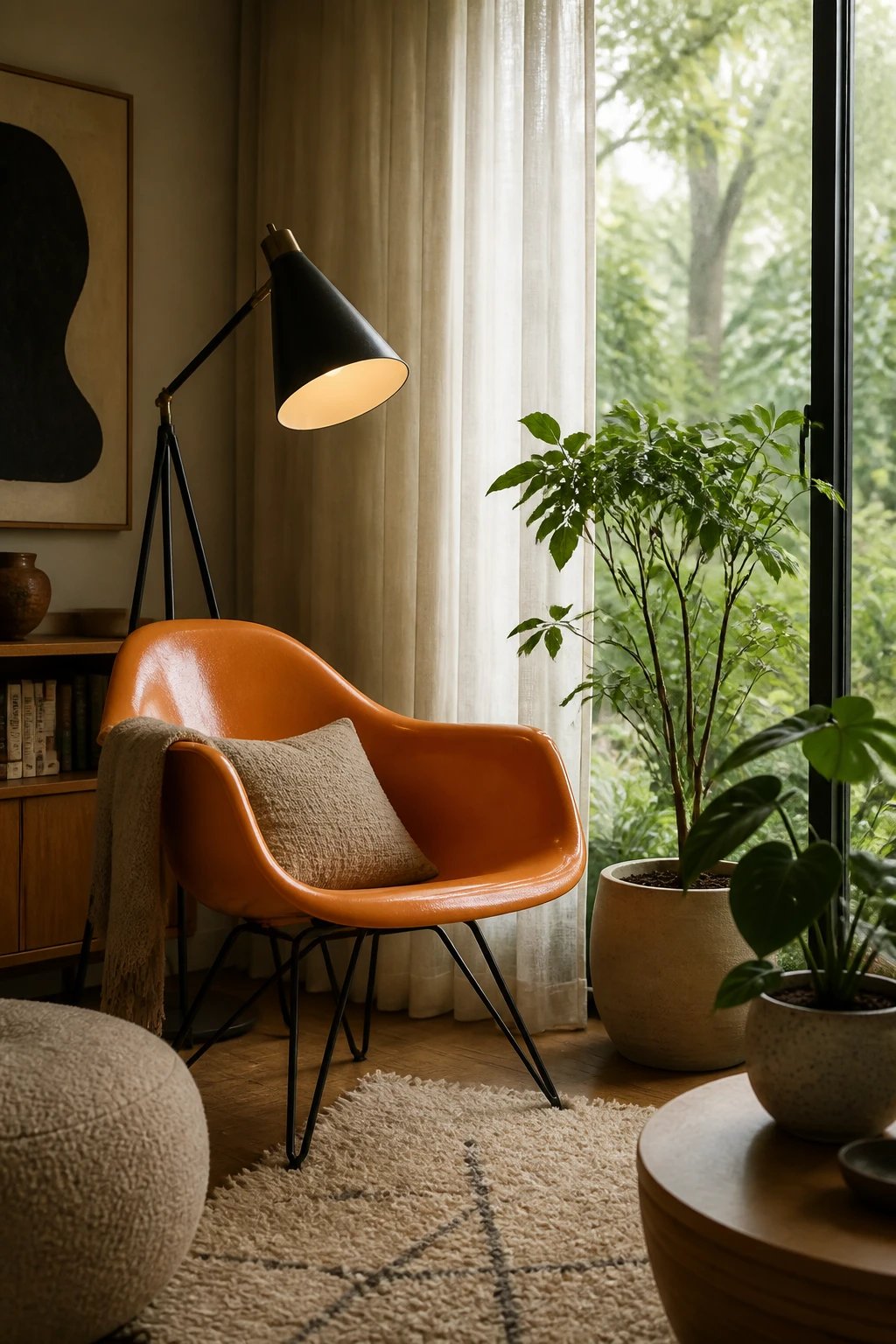
Lighting fixtures are your secret weapon here. A statement pendant light or sculptural floor lamp instantly transforms a room’s entire aesthetic. Look for pieces with geometric shapes, brass finishes, or those iconic sputnik designs with arms radiating outward.
Swap out boring picture frames for bold, graphic artwork. Mid century design loved geometric patterns, abstract forms, and vibrant color blocks. You can DIY these or find affordable prints online—either way, they create major impact.
Small furniture pieces like side tables, magazine racks, or plant stands in authentic mid century shapes add style without overwhelming your existing decor. These accent pieces let you test the waters before diving into larger investments.
Bringing Mid Century Modern Into Your Home: Actionable Ideas
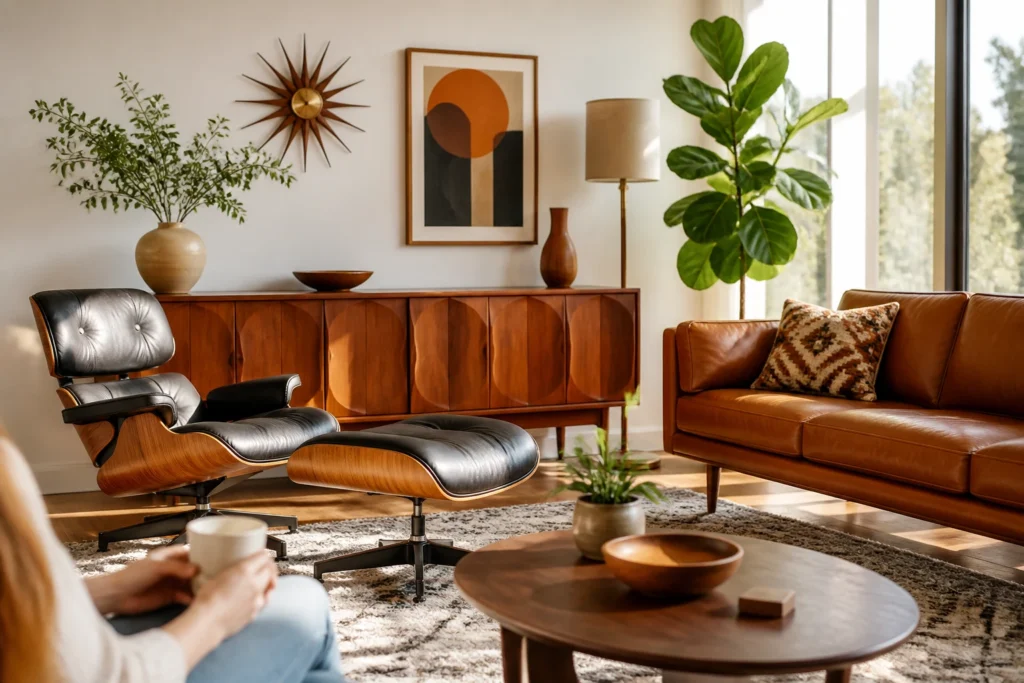
Start With One Bold Accent Piece
Instead of redecorating your entire room at once, choose one statement piece to serve as your focal point. A stunning mid century credenza, an iconic lounge chair, or a show-stopping sofa can anchor your space while you build around it gradually.
Update Your Lighting Game
Seriously, don’t underestimate the power of lighting. Swapping out a basic ceiling fixture for a mid century-inspired pendant or adding a sculptural arc floor lamp creates instant drama and sophistication. Lighting is often the quickest transformation you can make.
Create a Wood Accent Wall
Wood paneling was huge in mid century homes—but we’re not talking about the dark, cave-like paneling from the 1970s. Choose medium to dark-toned wood in horizontal or vertical planks for one accent wall. This creates warmth and texture while honoring the era’s love for natural materials.
Incorporate Geometric Elements
Mid century design is all about those satisfying geometric shapes and repeating patterns. Add these through throw pillows with abstract prints, rugs featuring bold geometric designs, or wallpaper with retro patterns. Just remember—a little goes a long way. Choose one or two areas to showcase these patterns rather than covering every surface.
Embrace Natural Light
Mid century homes featured expansive windows and minimal window treatments to flood spaces with natural light. If privacy isn’t an issue, try removing heavy drapes in favor of simple roller shades or going completely bare. This openness creates that airy, uncluttered feeling central to the style.
Add Greenery
Fresh plants were a staple in mid century interiors, bringing life and organic shapes indoors. Fiddle leaf figs, snake plants, and pothos in simple ceramic or wooden planters complete the look while improving your air quality. Win-win!
The Mix-and-Match Approach (Because Your Home Should Feel Like You)
Here’s some real talk: decorating your entire home in strictly authentic mid century pieces can feel overwhelming, and honestly? A bit like living in a showroom. The beauty of this style is its versatility and how well it plays with other aesthetics.
My recommendation? Choose two or three mid century pieces per room and mix them with contemporary items and personal touches that reflect your personality. This creates a collected, lived-in look rather than a staged museum vibe.
Mid century modern pieces are incredibly forgiving when mixed with other styles. A sleek walnut credenza looks amazing next to bohemian textiles. An Eames-style chair pairs beautifully with industrial metal shelving. Don’t be afraid to experiment and trust your eye.
The goal isn’t perfection or period-accurate rooms—it’s creating a space that feels functional, beautiful, and authentically yours. Let the principles of mid century design (clean lines, quality materials, functionality) guide you, but make it personal.
Frequently Asked Questions About Mid Century Modern Decor
What’s the difference between mid century modern and Scandinavian design?
These styles are like close cousins! They developed simultaneously and influenced each other heavily, which is why they share so many similarities. The main difference? Scandinavian design tends to emphasize coziness (hygge!), lighter woods, and more natural, rustic textures. Mid century modern incorporates those elements but isn’t afraid to mix in plastics, metals, and bolder color choices. Scandinavian style stays more neutral and organic throughout.
Can mid century modern work in small spaces?
Absolutely—in fact, it’s perfect for smaller homes! The style’s emphasis on functional, uncluttered design and furniture elevated on legs actually makes spaces feel larger and more open. Those tapered legs create visual space underneath furniture, and the clean lines prevent rooms from feeling busy or cramped. Just stick to a few key pieces rather than overfilling the room.
How do I make mid century modern feel cozy instead of cold?
Great question! Layer in soft textiles like throw blankets and pillows, add warm lighting through table and floor lamps, and incorporate natural elements like plants and wood tones. Choose warmer color palettes (think mustards, burnt oranges, and rich browns) rather than stark whites and grays. The key is balancing those clean lines with touchable, inviting textures.
Is it okay to mix wood tones in mid century modern design?
Yes! Mid century spaces often featured multiple wood species and finishes. Walnut, teak, oak, and rosewood all appeared together. The trick is to make sure the tones complement each other—warm with warm, or cool with cool. And don’t go overboard; stick to two or three different wood tones to maintain visual harmony.
What are the most iconic mid century modern furniture pieces worth investing in?
Some pieces have stood the test of time for good reason. The Eames Lounge Chair, Nelson Bubble Lamp, Noguchi Coffee Table, Tulip Table, and Womb Chair are all classics that retain value and never go out of style. Even high-quality reproductions of these pieces can serve as worthy investments that elevate your entire space.
Can I use mid century modern decor in a rental?
Definitely! Focus on furniture and movable decor rather than permanent changes. A mid century sofa, lighting fixtures you can swap out, area rugs, artwork, and accent pieces all bring the style without requiring landlord approval. When you move, everything comes with you. Temporary peel-and-stick wallpaper in geometric patterns is another renter-friendly option.
Final Thoughts on Creating Your Mid Century Modern Space
The enduring appeal of mid century modern design isn’t just about aesthetics—it’s about creating spaces that are both beautiful and livable. This style reminds us that good design doesn’t have to be complicated or precious. It can be functional, comfortable, and stunning all at once.
Whether you’re investing in one statement piece or gradually building a collection, remember that the best spaces reflect the people who live in them. Use these mid century modern decor tips as inspiration, not rules. Mix what you love, trust your instincts, and create a home that makes you happy every time you walk through the door.
Now go forth and create that Pinterest-worthy space you’ve been dreaming about—you’ve got this!