Decluttering Inspiration | 5 Mistakes Keeping Your House Cluttered You Haven’t Heard of

Intro: If your home feels overwhelmed by stuff, you’re not alone. Let’s flip the script together with practical, bite‑sized steps that actually stick. Think simpler, faster wins that spark joy and keep you motivated to keep things streamlined. You’ll love how tiny shifts unlock big, photo‑ready results.

1) Trying to Declutter Everything at Once? Go Small, See Big Wins
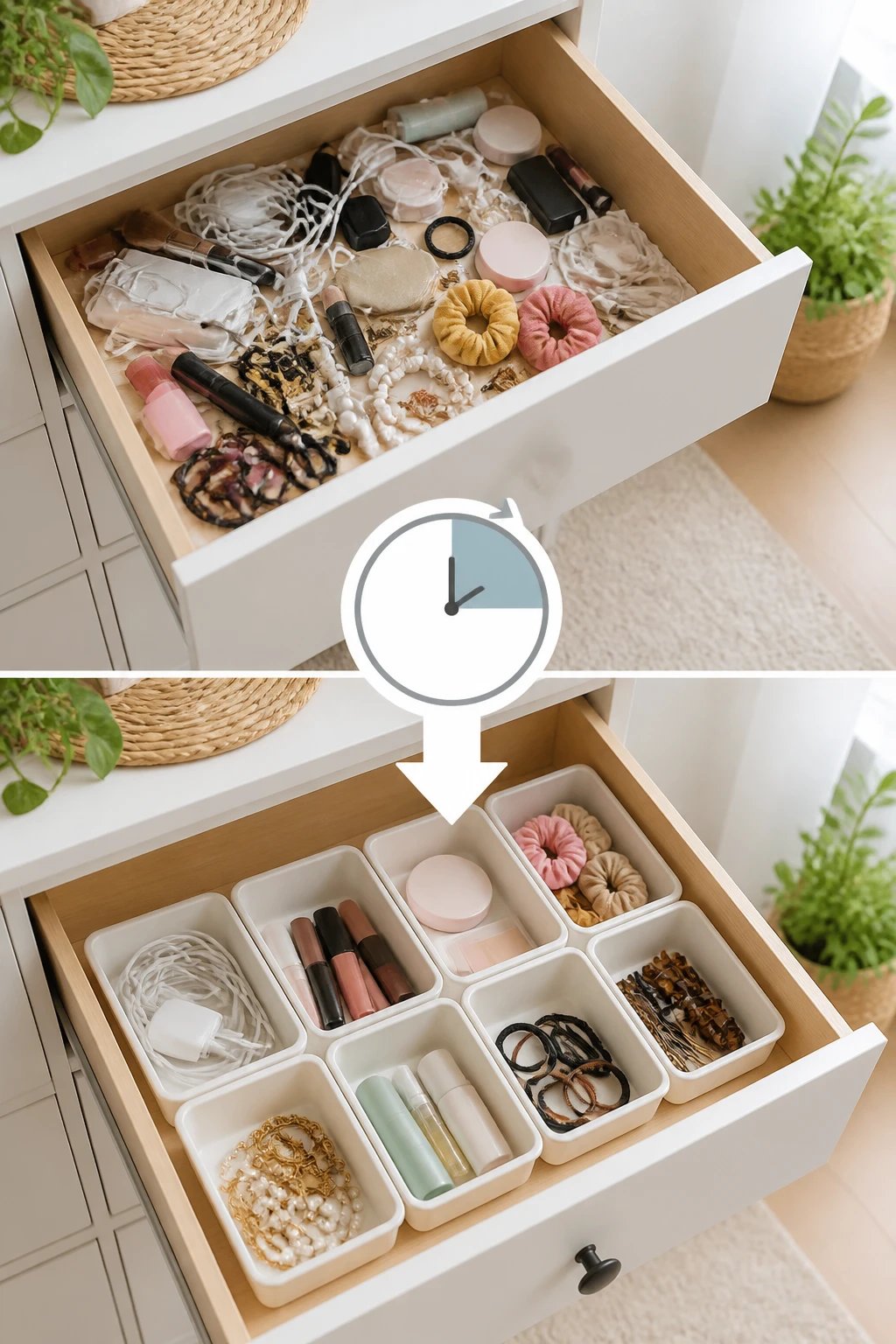
A bright, organized drawer being decluttered in 15 minutes: neatly labeled small storage boxes, a clear before/after visual vibe, soft natural light, no text on the image.
Decluttering burnout is real. We chase grand, all‑at‑once goals and burn out before the week is over. The smarter path is bite‑sized, daily wins that compound into real space and mood benefits. Start with a single drawer, a shelf, or a corner that’s visible to you every day. When you see a blank space appear, you’ll crave more of that momentum. Steal this look: a 15‑minute daily declutter sprint, then celebrate with a tiny but delightful reset like a fresh label or a pretty storage box.

2) The “Just In Case” Trap: Learn When Safe to Let Go
A single shelf with a visible transformation: one corner cleaned to reveal empty space, a single decorative storage box, a small plant, warm ambient lighting, no text on the image.
We cling to items because we fear needing them later. A common kitchen gadget, an old umbrella, or an unused rug can linger for years. The truth: if you haven’t used it in a year and you can easily replace it, it’s usually safe to release. Think of reclaiming space as a gift you give to yourself and your home. Pin this approach: create a quick “unneeded items” box and set a 30‑day window. If nothing in it is missed, it’s time to donate or recycle. Your future self will thank you for the extra breathing room.

3) Organization Isn’t Replacement—Decluttering Comes First
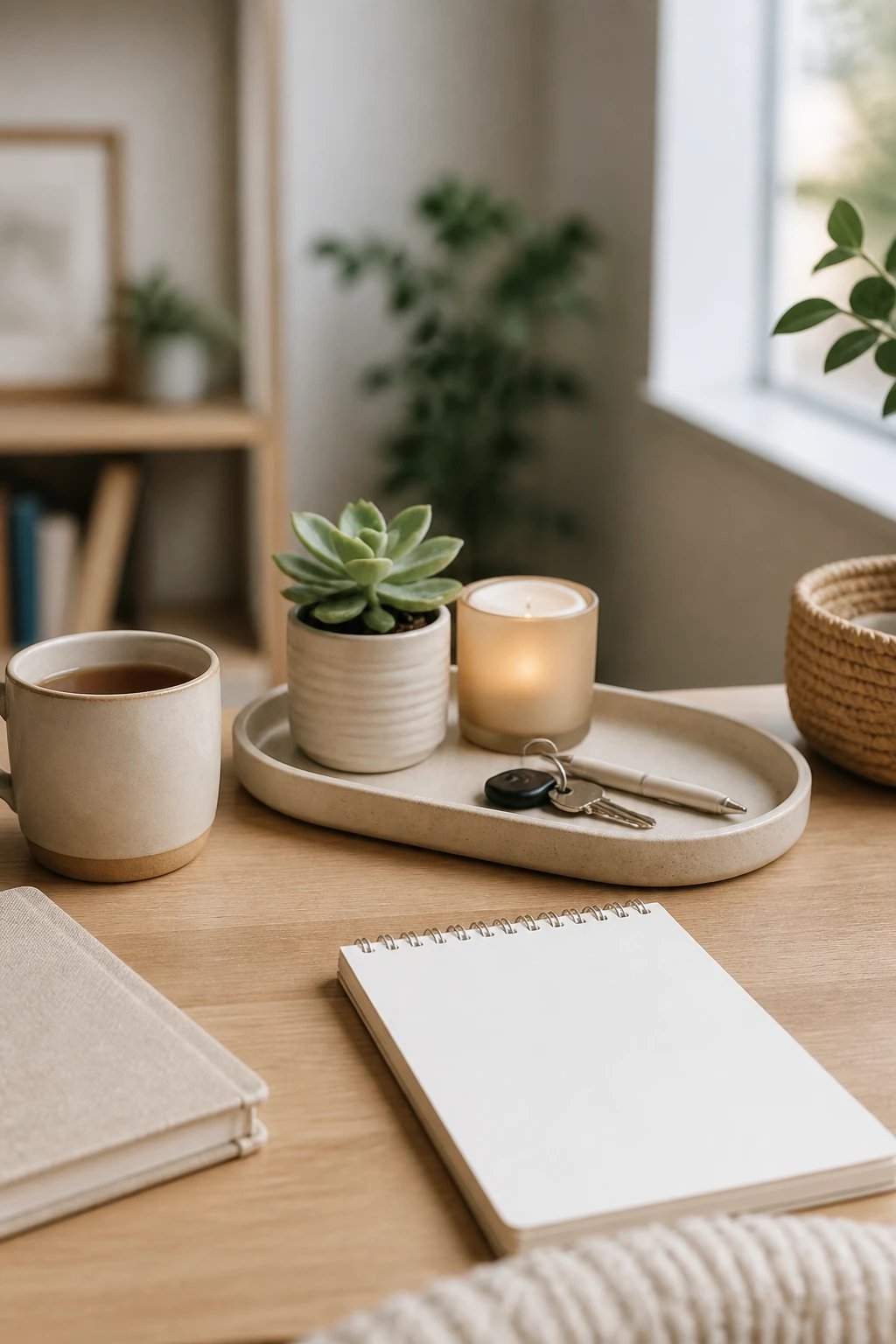
We love clever organizers, but organization chairs the table only after clutter is tamed. When you reduce the number of items, organizing becomes faster, cheaper, and more effective. It’s a two‑step dance: first, identify and remove, then categorize what remains. This creates liberated shelves, drawers, and corners. Save‑worthy tip: use clear bins and label lids so you can actually see what you own and avoid re‑cluttering in a few weeks.

4) Rules Make Decisions Easy: Define Space Boundaries
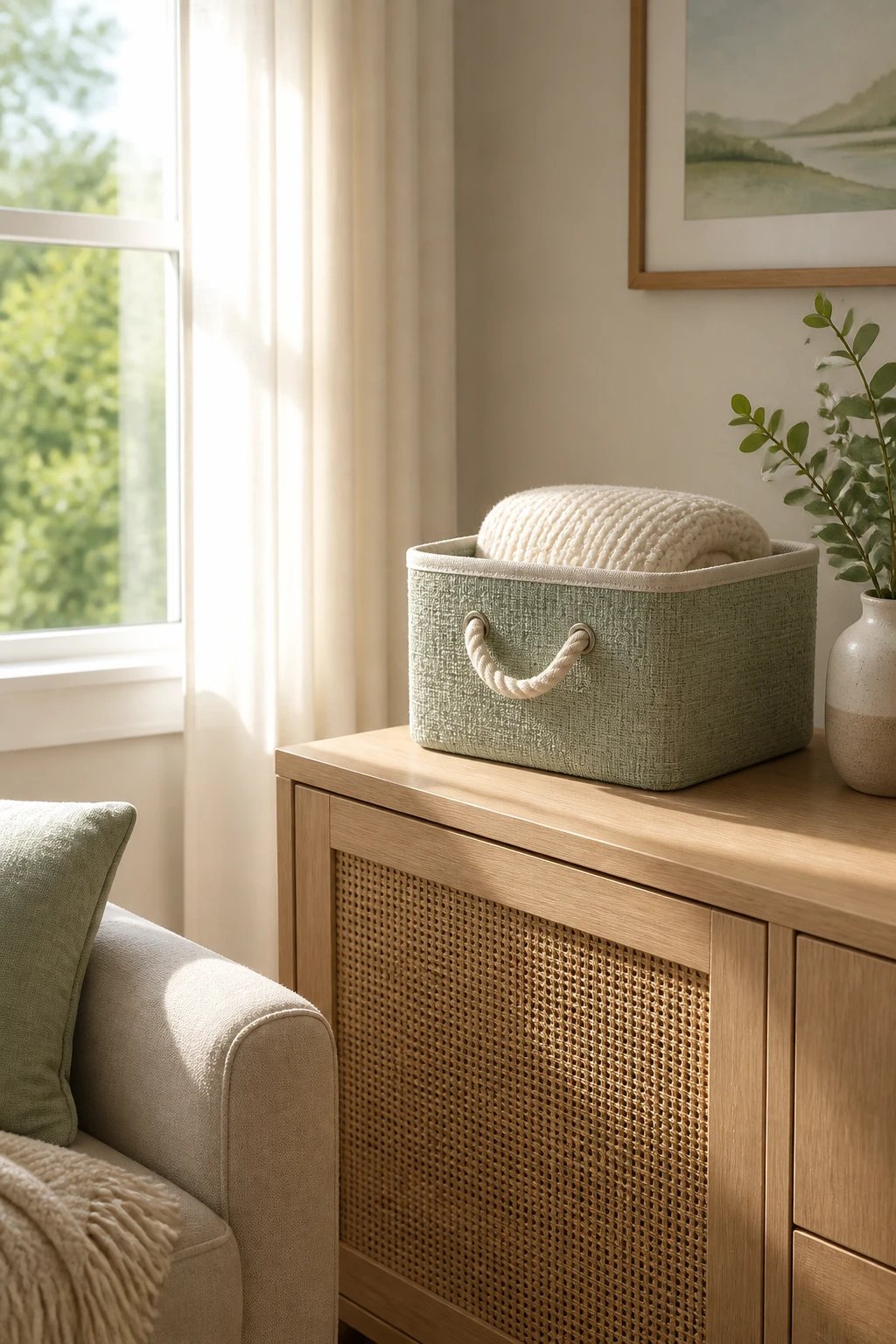
A calm living room corner after decluttering: a single, uncluttered surface with a pretty storage bin and label, gentle morning light streaming through a window, no text on the image.
A home that tells you when it’s full is a home that stays neat. The trick? Create simple rules and clear boundaries. For example, designate a certain number of storage bins per room, or set a cap on “non‑essential” items you’re allowed to keep. Clear limits prevent clutter from creeping back, especially in high‑traffic areas. Want a visual cue? Use color‑coded containers to remind yourself where things belong and how much space you’ve allocated.

5) Decluttering Isn’t a One‑Time Event—Turn It Into a Habit
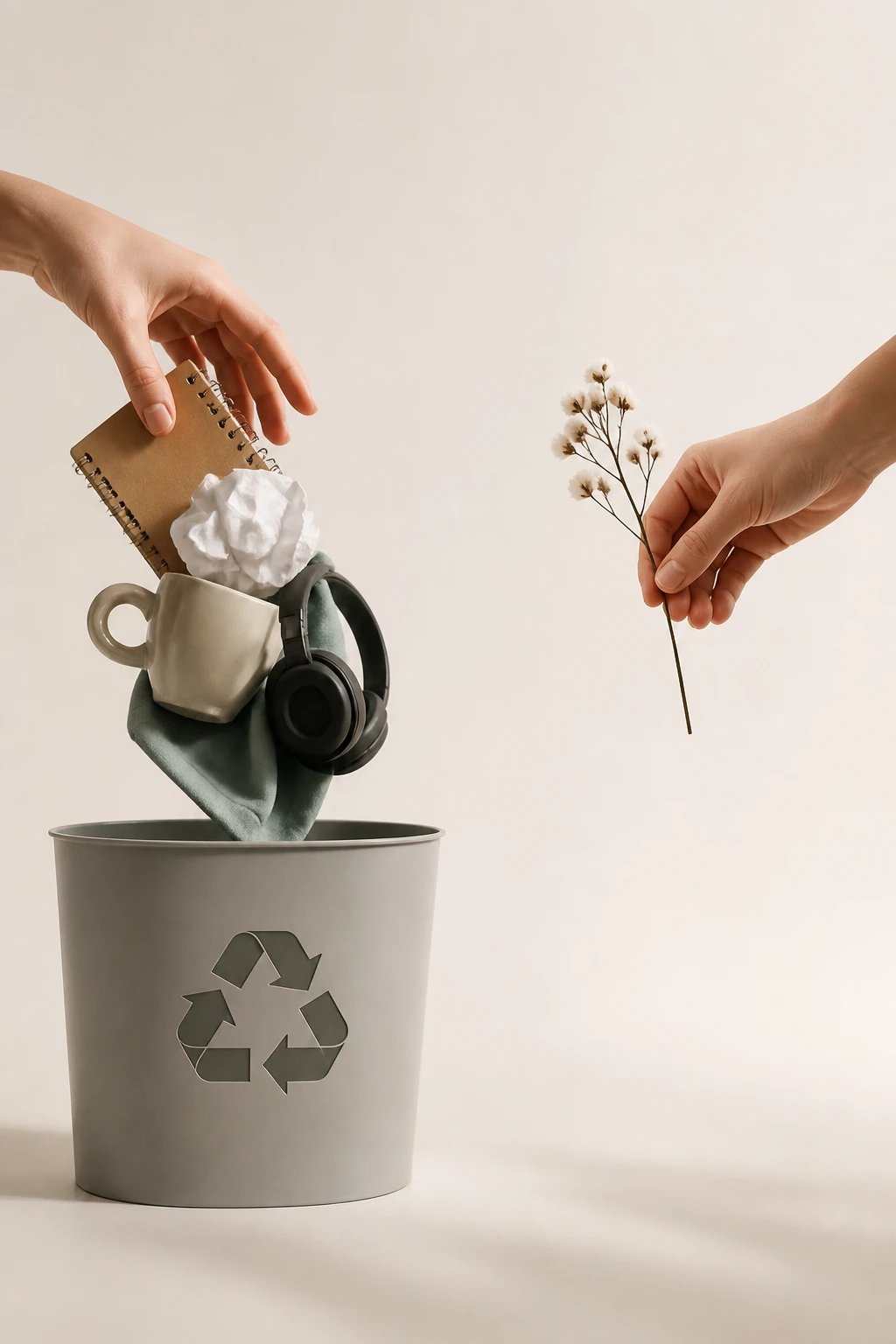
A visual metaphor of letting go: hands discarding or placing items into a recycling/bin, a solitary item being chosen to keep vs. let go, clean background, no text on the image.
Consistency beats intensity. A sustainable decluttering routine means small, regular maintenance instead of chaotic marathons. Quick daily checks, a weekly 15‑minute reset, and seasonal purges keep your space aligned with your life. Create a simple ritual: every Sunday, skim through a zone, decide what to keep, donate, or recycle. The goal is to keep your home feeling calm, chic, and effortlessly organized without heavy cleanups.

Bonus: Quick, Save‑worthy Routines to Try Now

  • Morning Reset: 5 minutes to straighten, toss obvious trash, and put away stray items before you start the day.
  • Nightly 3‑Minute Sweep: Gather loose objects, return them to their homes, and close the door on clutter for a fresh morning view.
  • Seasonal Refresh: A light purge every season to prevent buildup and keep your closet and pantry temptingly tidy.


Build a Pinterest‑Friendly Decluttering System

Imagine scrolling through a mood‑board of serene, airy spaces where every item earns its place. To replicate that vibe, base your system on save‑worthy ideas you can actually replicate tomorrow:


  • “Copy this idea”: Create a single‑purpose storage spot for everyday items (keys, mail, chargers) near the entryway.
  • “Steal this look”: Use labeled, uniform baskets for a cohesive, magazine‑worthy shelf display.
  • “Pin this for later”: Schedule a monthly declutter session with a friendly accountability buddy—preferably someone who loves a neat space as much as you do.


FAQ: Quick Answers to Common Decluttering Doubts

What’s the first small step I should take today?


Start with one drawer or one shelf that affects daily life the most. Clear out items you don’t use, group the rest by function, and label everything. Small wins fuel bigger motivation quickly.

How do I decide what to keep if I’m unsure?


Ask yourself: Do I love it, use it, or does it add measurable value? If the answer is no, set it aside for donation or recycling. If it’s uncertain, put it in a “maybe” box for a 30‑day decision window. If you don’t miss it in that time, you probably don’t need it.

What’s a simple daily habit to prevent clutter from returning?


A 5‑minute nightly reset keeps clutter from spiraling. Return items to their homes, toss out trash, and do a quick scan for “just in case” items that snuck back in. Consistency is the secret sauce.

How can I make decluttering feel stylish and fun?


Combine practicality with aesthetics: choose pretty, uniform storage, add soft textures, and arrange items like a mini interior design project. When it looks good, you’re more likely to keep it that way.

Is decluttering a one‑time thing or ongoing?


Ongoing. It’s a habit built through routine, not a one‑off event. Schedule regular, brief sessions and seasonal reviews to maintain a calm, functional home.

What about big clutter hotspots like closets and garages?


Tackle them in stages. Break a closet into zones, sort by function, and purge items you haven’t used in a year. For garages, clear a “launch pad” area for tools and gear, then build a simple system of labeled bins to keep everything visible and accessible.

Conclusion: A Lighter, Brighter Home is Just Ahead

Decluttering isn’t about perfection; it’s about clarity, ease, and the delight of a space that actually works for you. By avoiding common traps, setting clear boundaries, and building tiny, repeatable habits, you’ll see your home transform—one small win at a time. Remember, the goal is a living space that feels calm, beautiful, and truly yours. Ready to start? Pin this plan, save your favorite tips, and watch your space become your favorite place to be.




This post may include affiliate links. Some are Amazon: As an Amazon Associate, I earn from qualifying purchases. See affiliate disclosure.