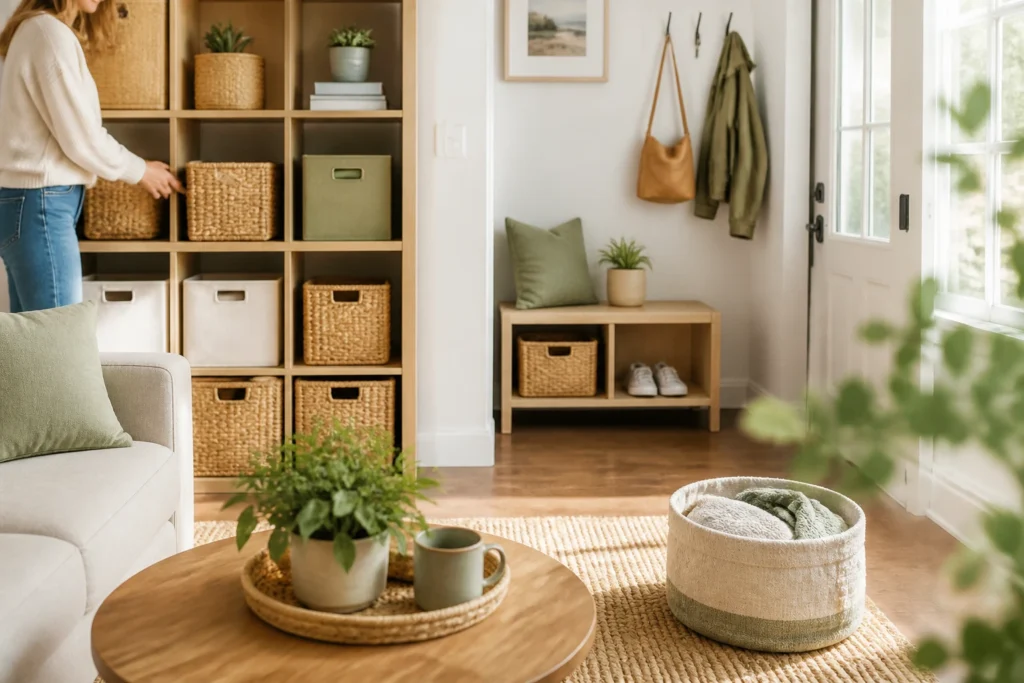
Decluttering can feel like a giant pit of doom, but it doesn’t have to. These ideas are practical, doable, and oddly satisfying—like finally finding a sock that doesn’t disappear into a black hole. You’ll see how small shifts add up to big calm. Let’s dive in and reclaim that peaceful vibe, one organized corner at a time.
1. Start with a 15-Minute Clear-and-Contain
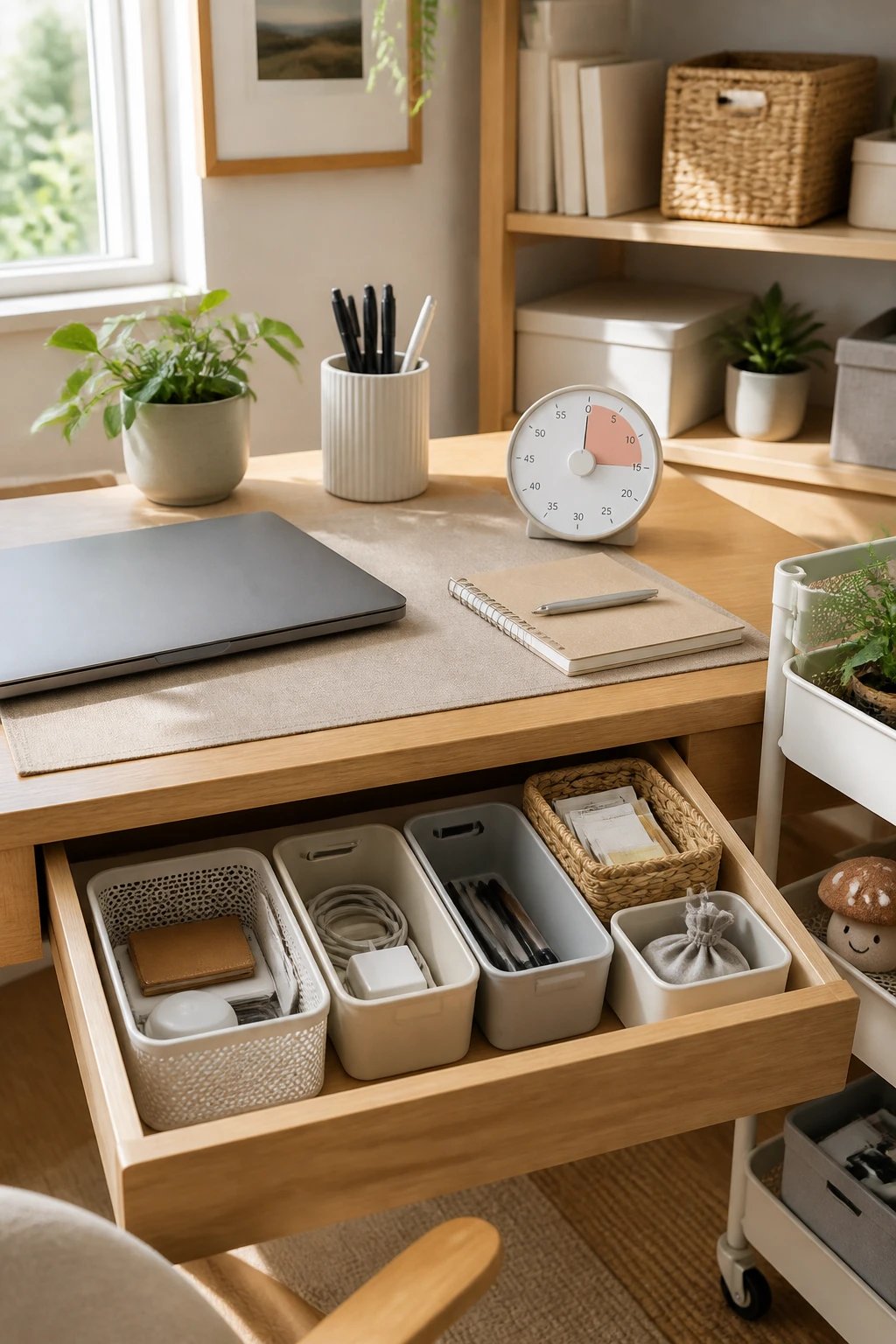
You don’t need to organize your whole life in one go. A quick 15-minute sprint to clear a single area proves momentum exists. This is the gateway drug to peace, seriously.
Why it works: it sets a baseline, reduces overwhelm, and creates instant visible results. The key is containment—baskets, bins, and smile-inducing labels.
Tips:
- Set a timer and pick one zone (drawer, desk, or shelf).
- Only handle items once; decide keep, donate, or trash on the first touch.
- Label containers so you know where things belong next time.
Benefits: faster mornings, less rummaging, and a tiny win that compounds into bigger habits.
2. Create Simple Zones That Serve Your Day
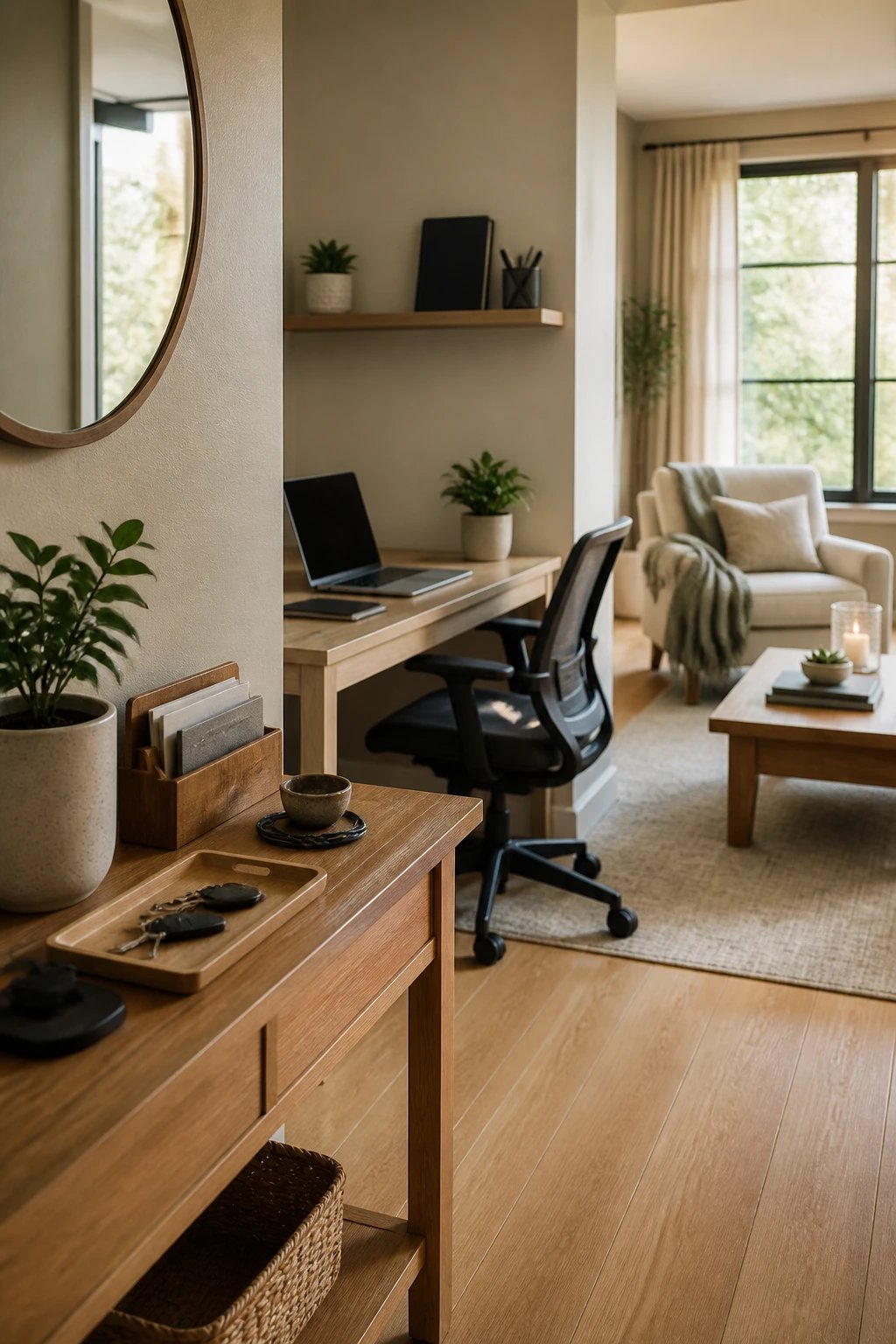
Zones transform chaos into a routine. When everything has a home, you stop chasing clutter and start living calmly. It’s like giving your space a personality with boundaries.
Allocating spots makes you aware of what truly belongs where and what doesn’t.
Key Points:
- Designate a drop zone near the door for keys, wallets, and mail.
- Have a “work” zone for laptop, notebook, and chargers.
- Set aside a “relax” zone with a throw, a book, and a candle.
Explanation: clear zones reduce random clutter because items know where to go when you’re done with them.
3. Tidy Surfaces Once a Day (The Power of a Clear Counter)
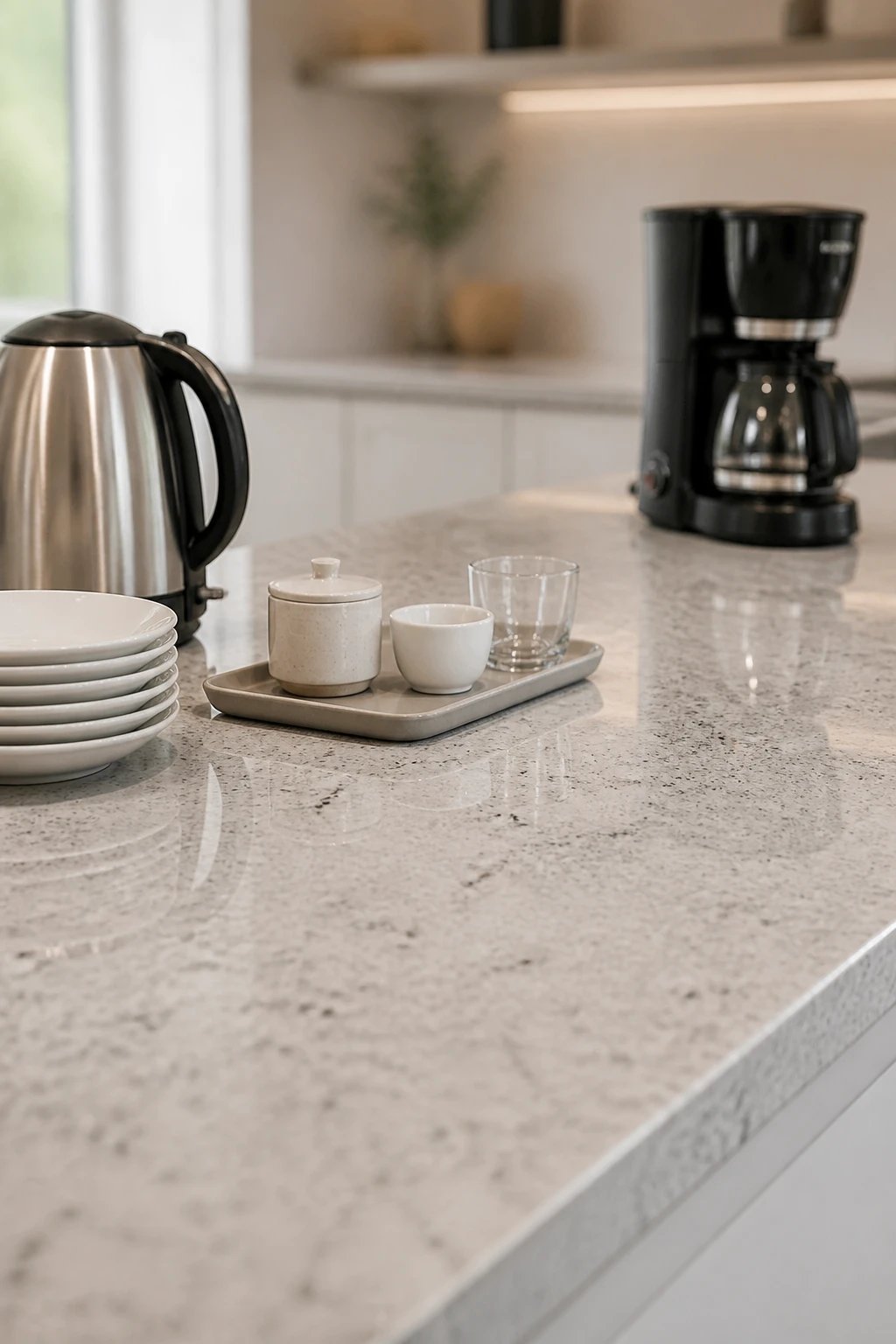
Countertops are the stage where clutter performs its loudest role. A quick daily tidy makes rooms feel twice as large and calm.
Keeping surfaces clear signals your brain that space is intentional, not chaotic.
Tips:
- Choose one surface to maintain daily (kitchen counter, desk, or bathroom sink).
- Put items away before bed, not when you remember at 2 a.m.
- Keep a small tray for odds and ends to minimize visual noise.
Benefit: less mental clutter, more focus, and you’ll actually enjoy the space you’re in.
4. The One-In-One-Out Rule (With a Gentle Twist)
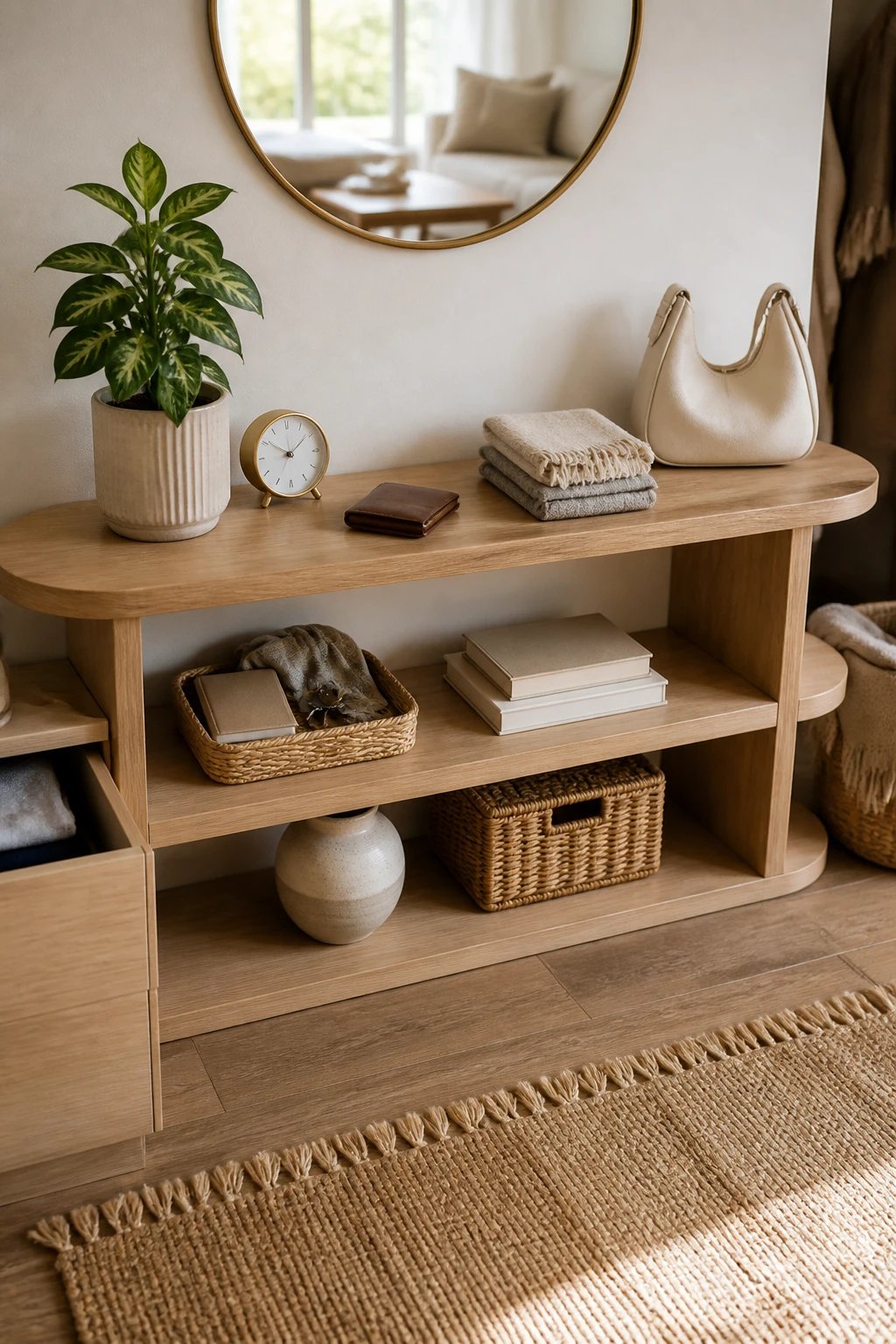
Occasional guilt can sabotage decluttering. The one-in-one-out rule helps, but you don’t have to be ruthless. Do a humane swap: for every new item, remove one you no longer love.
This keeps momentum without turning you into a minimalist monk.
How to Do It:
- Choose items you truly use or wear.
- When you bring in new stuff, discard something similar.
- Use a simple tracker—a sticky note count is enough.
Bottom line: balance over zero-sum chaos, and you’ll feel lighter instantly.
5. Digital Declutter That Feels Like Magic
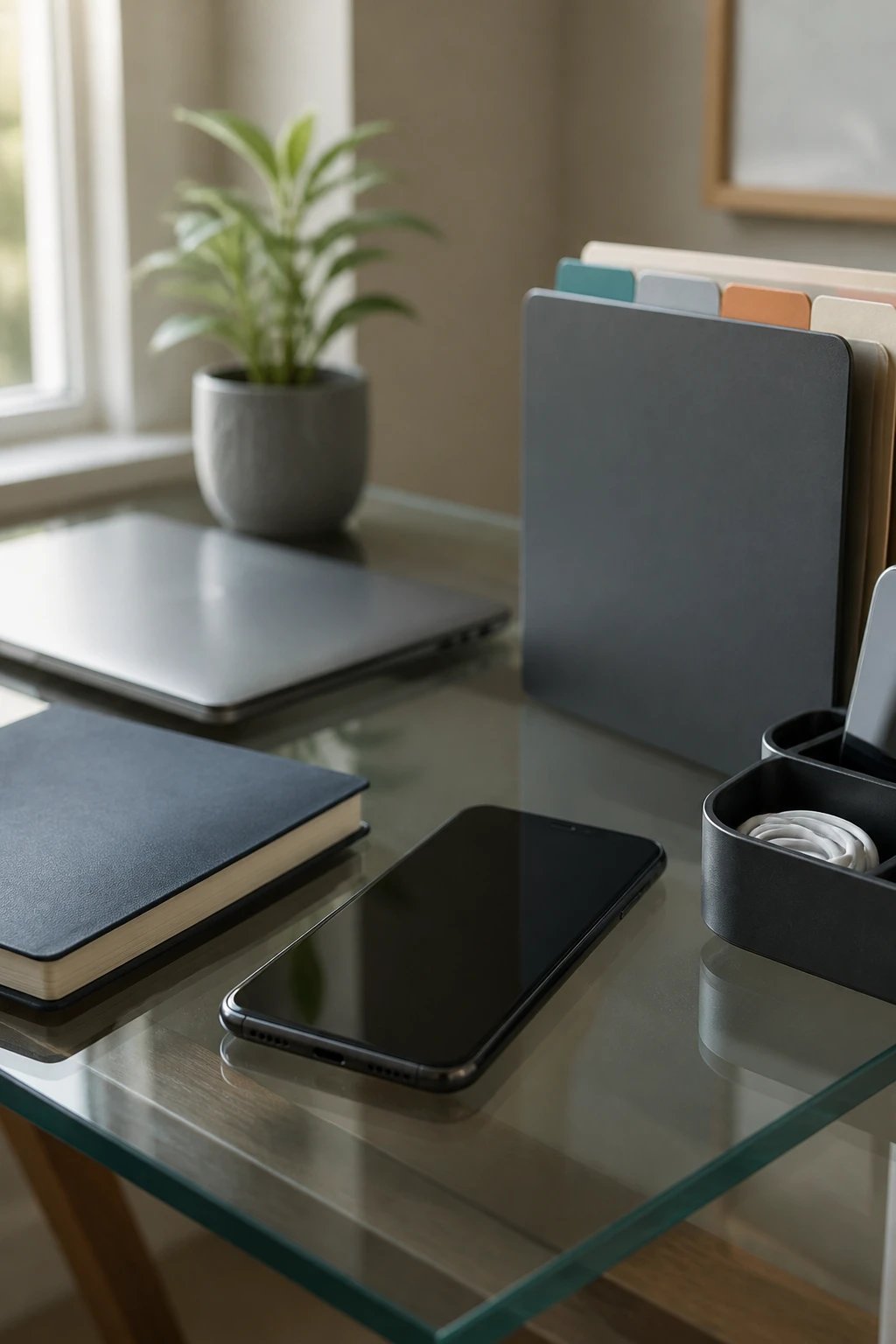
Physical decluttering isn’t the only battlefield. Your digital world can be calmer, too. Cleaner files reduce decision fatigue and free brainspace for real-life tasks.
FYI, digital chaos drains energy in the background, even when you’re not looking at it.
Key Elements:
- Archive and delete unused apps on your phone.
- Organize files into a simple, consistent folder system.
- Dedicate 10 minutes to unsubscribe from newsletters you never read.
Benefits: faster device, clearer focus, and less procrastination due to messy folders.
6. Textures Over Clutter: Choose Quality Substitutes

When you’re tempted to fill space with more stuff, opt for texture rather than quantity. A single well-chosen piece can transform a room’s vibe and feel calmer.
Less can feel more when you lean into tactility and color harmony.
Notes:
- Invest in a soft throw, a velvet cushion, or a woven basket.
- A few statement pieces beat a shelf full of neutral fillers.
- Rotate textiles with the seasons to keep things fresh without buying more.
End result: cozy without clutter, and you won’t believe how peaceful a simple swap can be.
7. Rethink Your Storage (Not Just More Boxes)
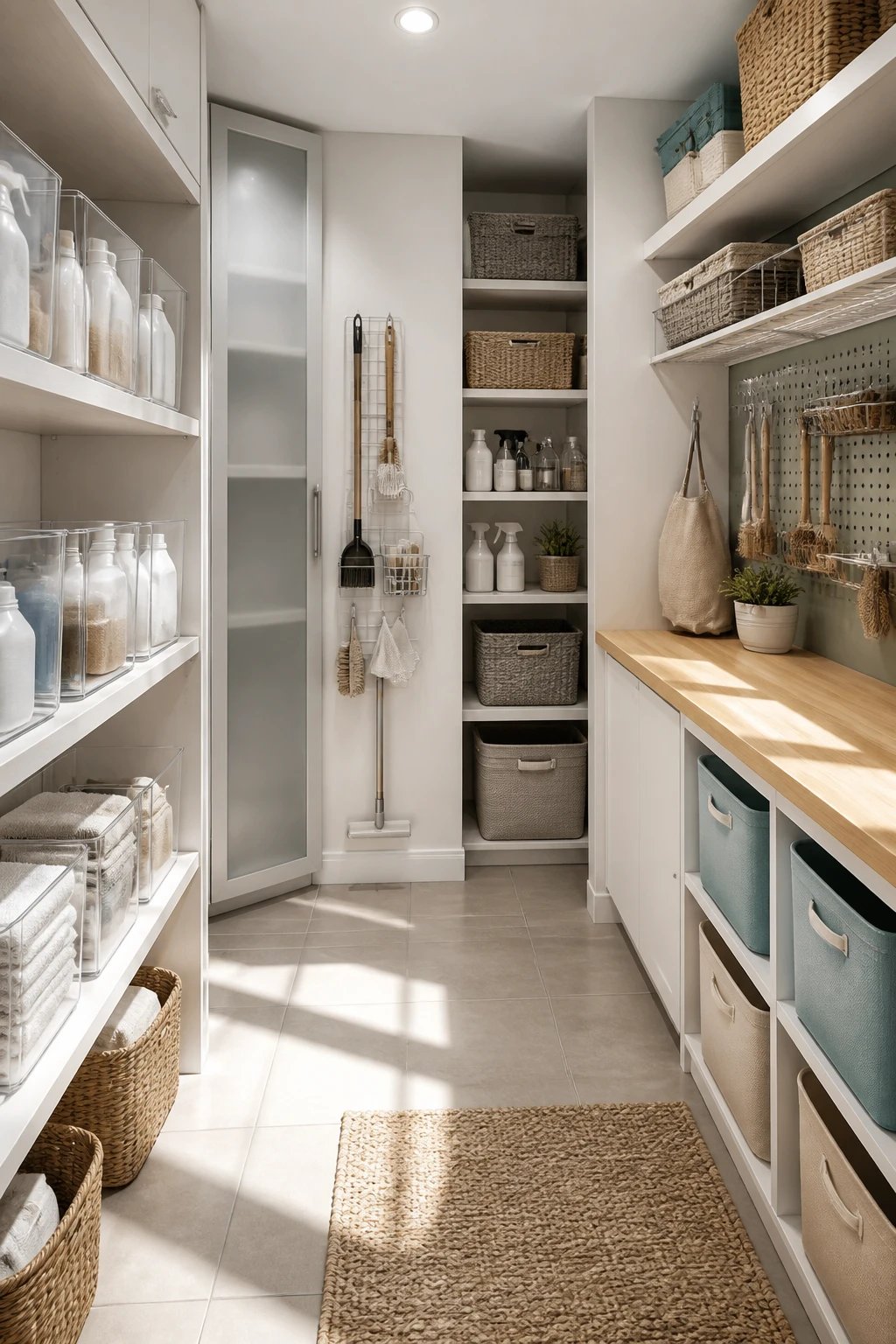
Storage can either amplify clutter or suppress it. Rethink what you store, how you store it, and where it lives. The right setup makes you forget you even organized at all.
Think accessibility, visibility, and simplicity. If you can’t see something, you’ll forget you have it.
Options:
- Clear acrylic bins for laundry or pantry items.
- Label shelves with bold, easy-to-read markers.
- Use vertical space—wall racks, tall slim cabinets, hanging organizers.
Result: easier maintenance and less rummaging around for the missing sock or charger.
8. The “Donate First, Trash Second” Mindset
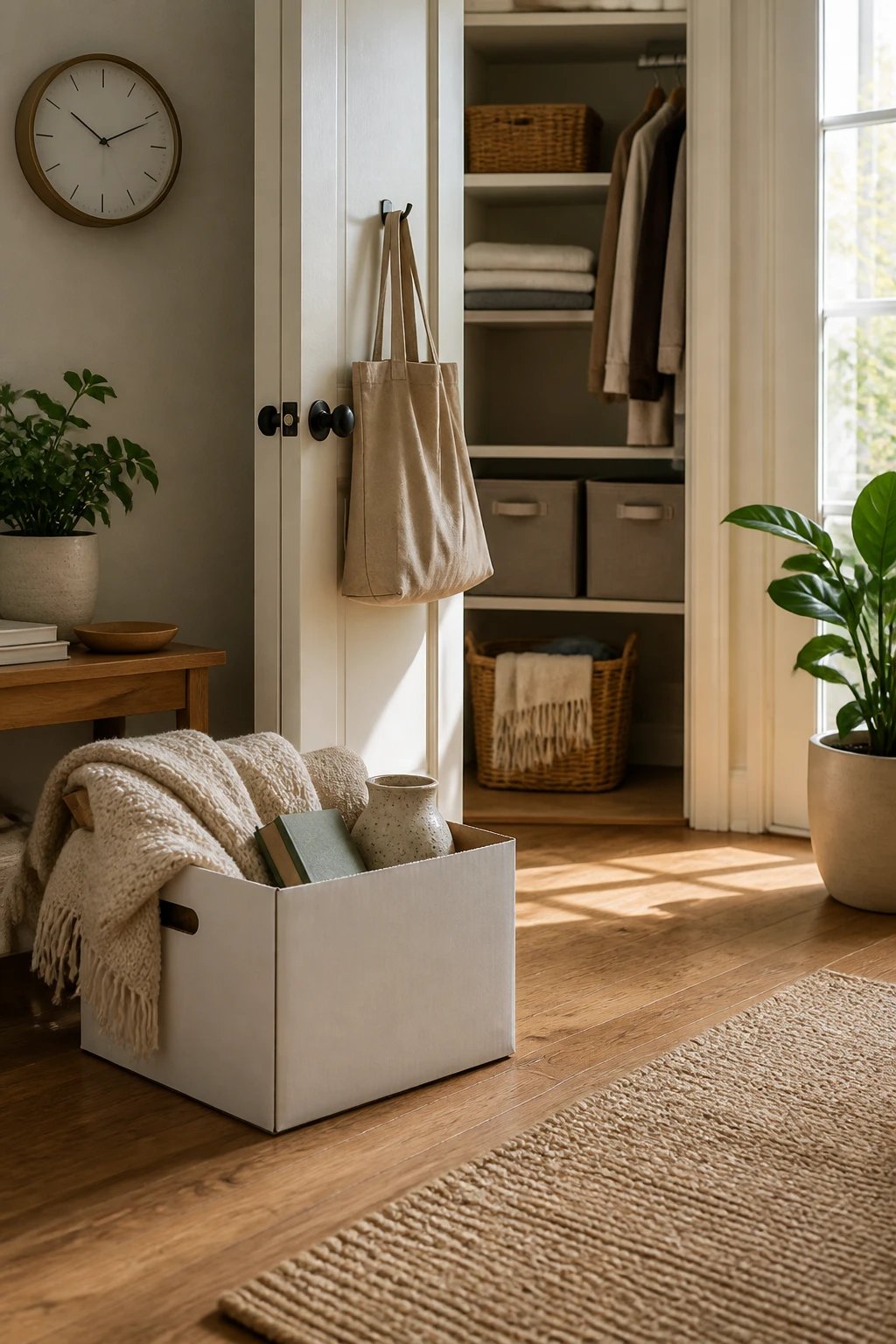
Adopt a mindset that prioritizes giving items a home with someone who will love them, followed by discarding what’s truly done. This makes letting go less painful and more purposeful.
When you preview where items will go, decisions become faster and friendlier.
Process:
- Have a dedicated box labeled Donate near the door.
- Move items you no longer need to the box within minutes of deciding.
- Schedule a weekly drop-off or donation pickup to seal the deal.
Benefit: you’ll feel lighter knowing you’ve helped someone else and stopped holding onto junk you don’t use.
9. The Clothes Clean-Out That Actually Sticks

Wardrobes tend to become black holes of “just in case.” A focused, practical declutter of clothing makes mornings smoother and outfits more intentional.
Think capsule wardrobe vibes with a dash of personality—without sacrificing joy.
Strategy:
- Turn all clothes hangers backward, flip them after wearing an item. Track your actual usage in a month.
- Keep a tiny number of favorites in rotation; consider a seasonal swap box.
- Donate or recycle pieces you didn’t reach for this season.
Result: you’ll wear more of what you love and stop buying duplicate items you’ll never wear.
10. The Nightly Reset That Takes 5 Minutes
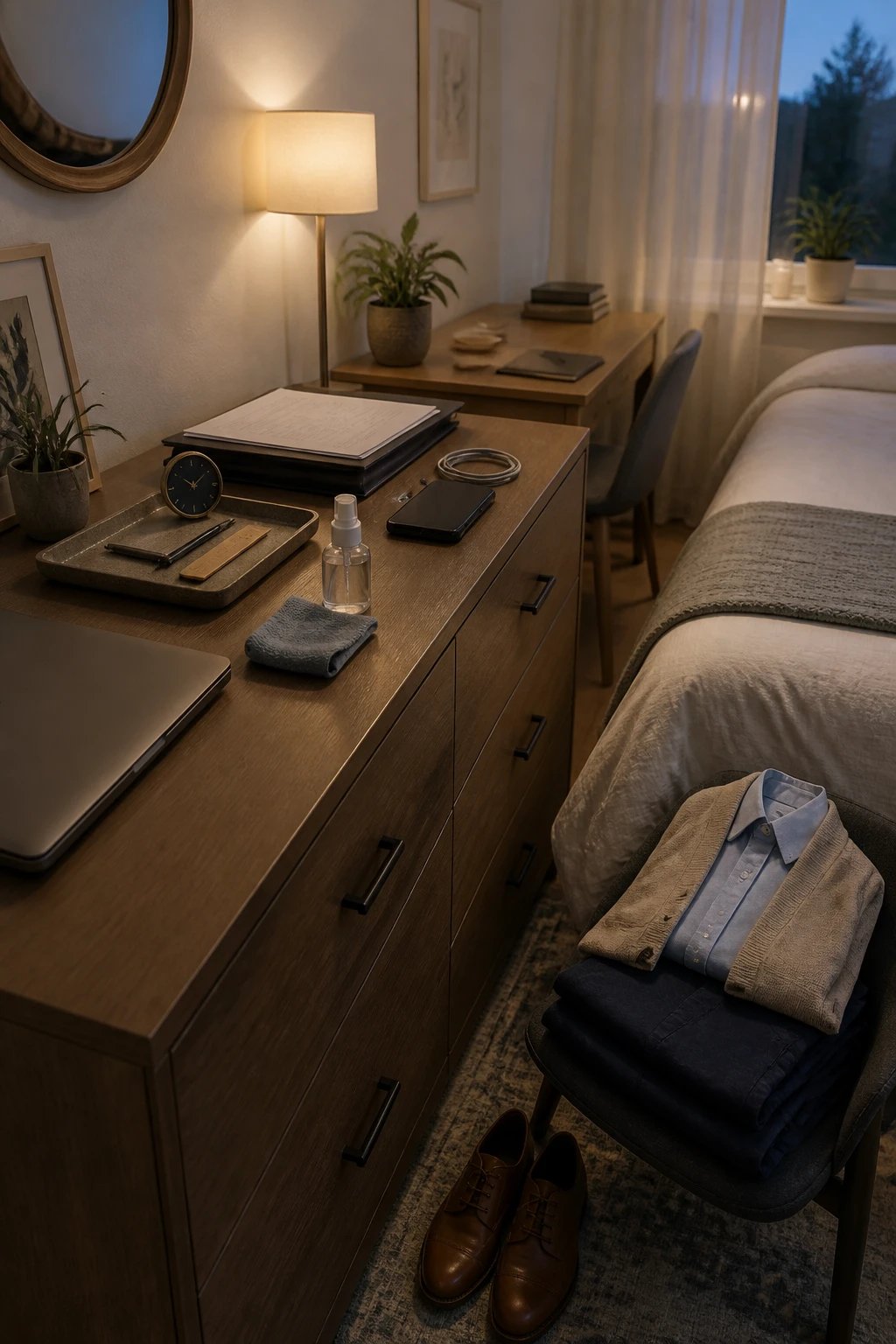
A tiny routine every night pays dividends the next day. It’s not glamorous, but it’s reliably peaceful.
Think of it as setting tomorrow up for success with 5 minutes of calm.
What to Do:
- Put away essentials from the day (bags, papers, and gadgets).
- Wipe down a surface to start the morning with a fresh feel.
- Lay out tomorrow’s outfit or items you’ll need soon.
Why it matters: you wake up with less friction, and your space feels consistently controlled.
11. Greenery as the Final Peacekeeper
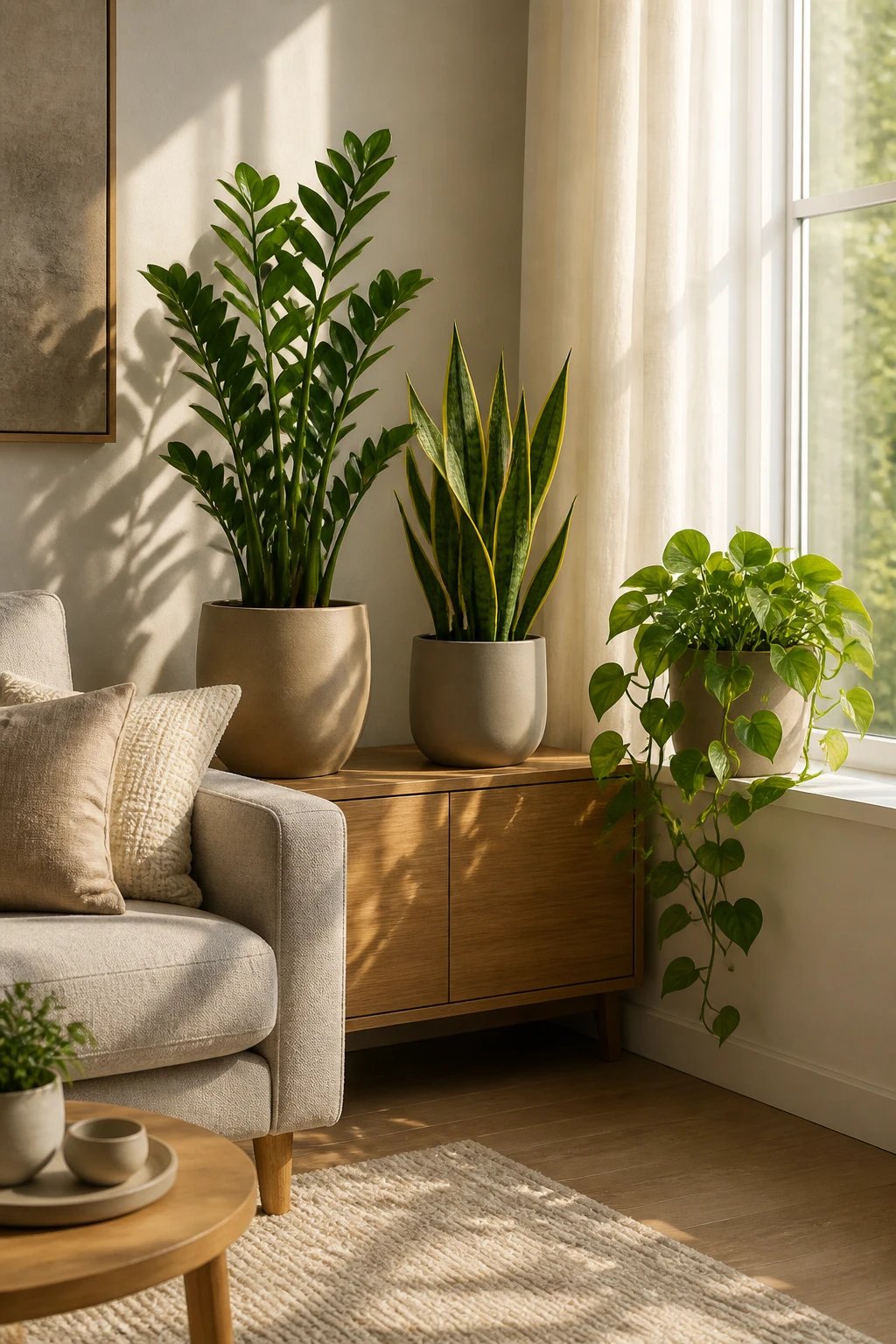
Plants aren’t just decor; they bring life, texture, and a sense of calm to busy rooms. They also nudge you toward a slower, more mindful pace.
Even if you’re not a plant whisperer, low-maintenance greens work wonders for air and mood.
Best Bets:
- Low-maintenance options: pothos, ZZ plant, snake plant.
- Use a few ceramic pots with neutral tones to keep the look cohesive.
- Place plants where you often sit to enjoy the calming presence.
Bonus: plants remind you to pause and care for living things, which slows the clock in a good way.
12. Celebrate Your Tiny Wins With a Peaceful Corner
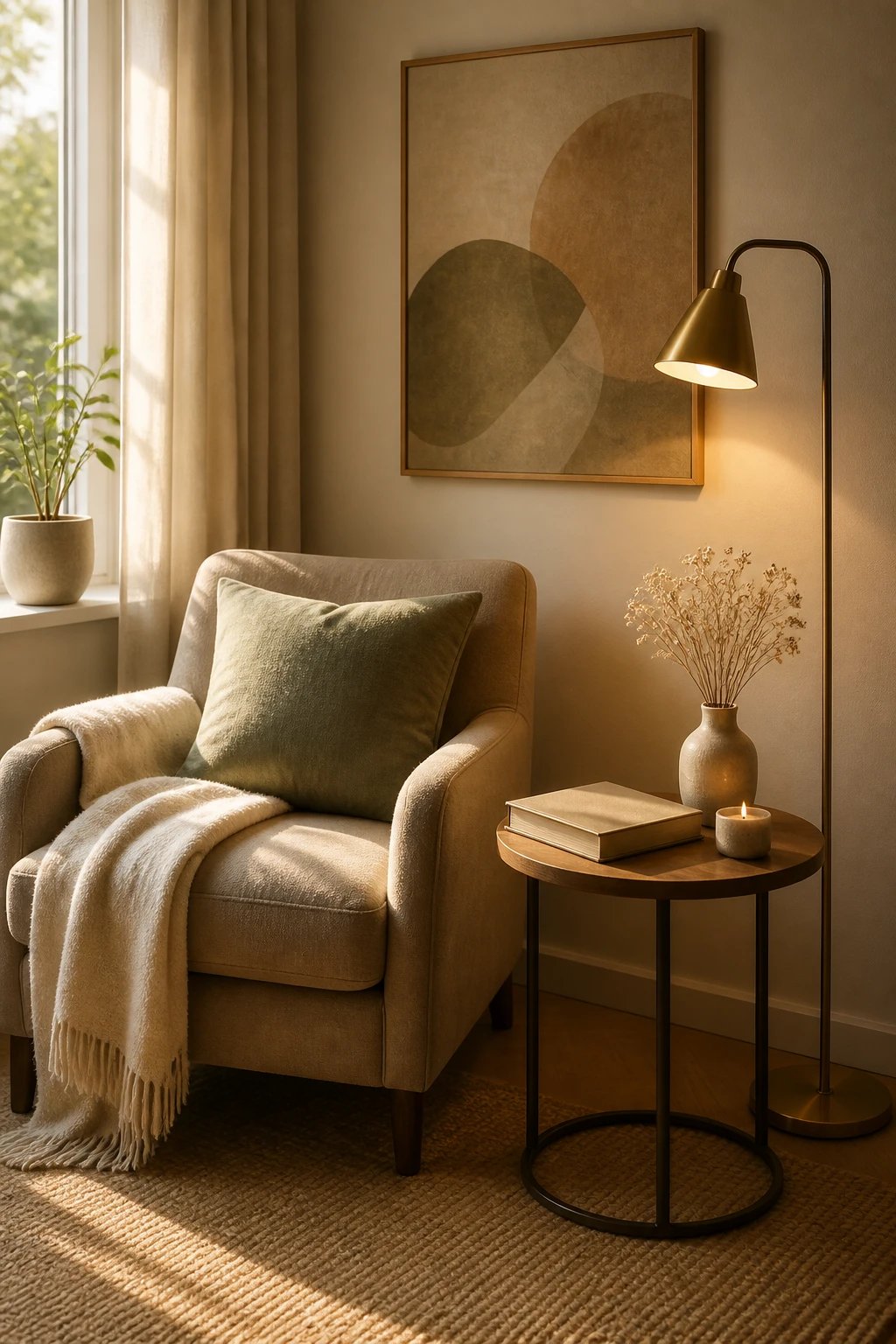
The final idea is to create a small, dedicated corner that feels like a sanctuary. This is where you celebrate progress and recharge.
This isn’t about perfection; it’s about making space feel inviting again, one corner at a time.
How to Build It:
- Choose a comfortable chair, a soft throw, and a small lamp.
- Include a book, a candle, or a calming object that sparks joy.
- Keep it free of clutter and reserved for rest, reading, or reflection.
End with benefit: you’ll have a reliable retreat to reset, re-center, and reset your day whenever you need it.
Conclusion: You’ve got this. Start with one tiny change, and the rest will follow in a surprisingly gentle wave. Trust me, your space—and your brain—will thank you for embracing these ideas, one peaceful step at a time.