If you want a spotless room without wasting hours, you’re in the right place. Turns out, hotel housekeepers aren’t magic; they follow a system. I dug into their methods and tweaked them for a home setup. Spoiler: it’s all about planning, timing, and a little color coding.
1) Start with a rock-solid prep and “never touch twice” rule
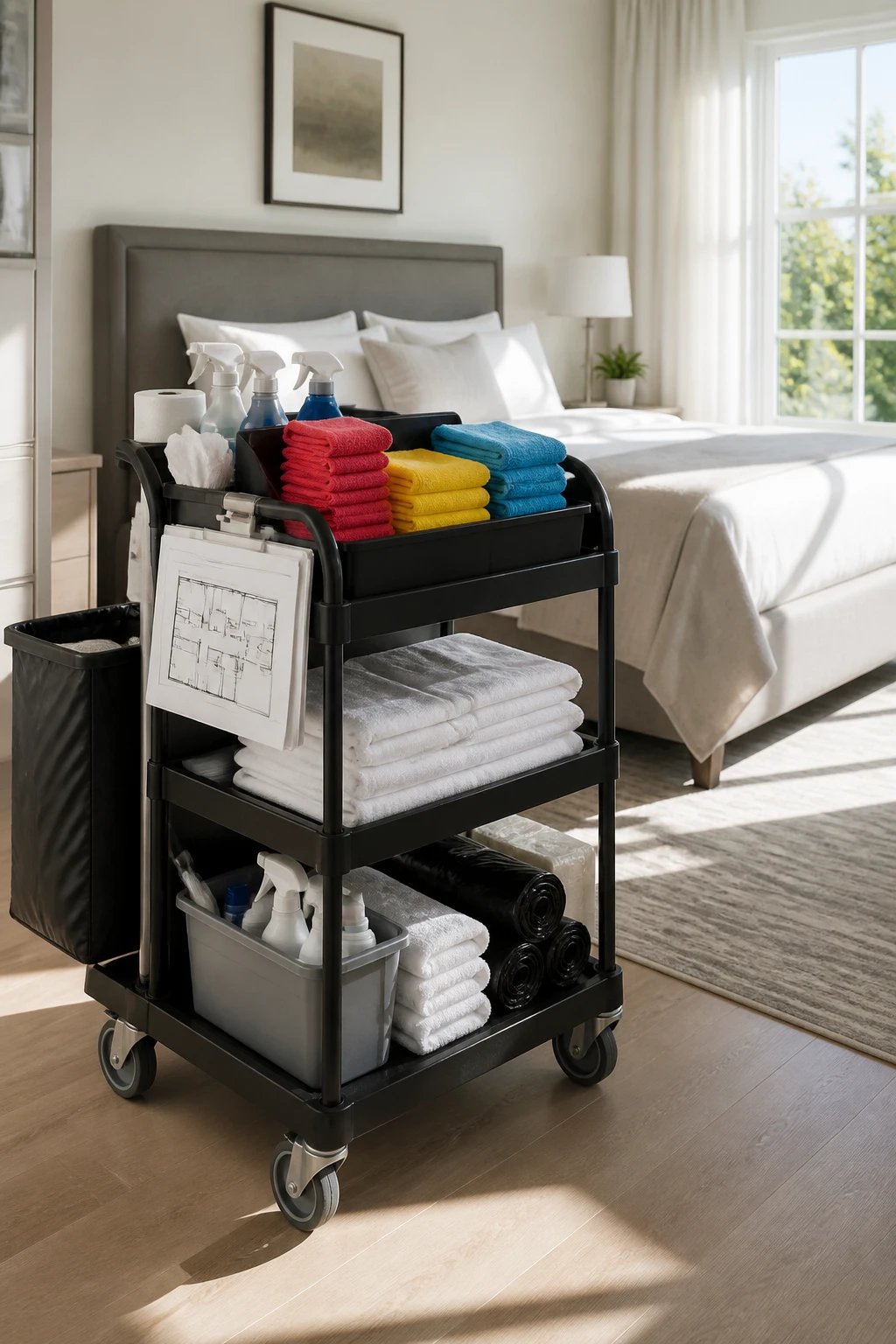
– Before you enter a room, assemble a ready-to-go kit. Imagine a tidy cart: cleaners, cloths, trash bags, and fresh linens all in one spot.
– The key principle is simple: every action moves the room closer to done, and you never circle back for the same miss. It sounds obvious, but most of us wander and double-handle tasks. Not here.
Why this works at home
– It cuts wasted steps and mental load. You won’t be bumbling for supplies or re-cleaning the same spot twice. FYI, your brain loves a predictable path.
2) The color-coded cloths and room sets
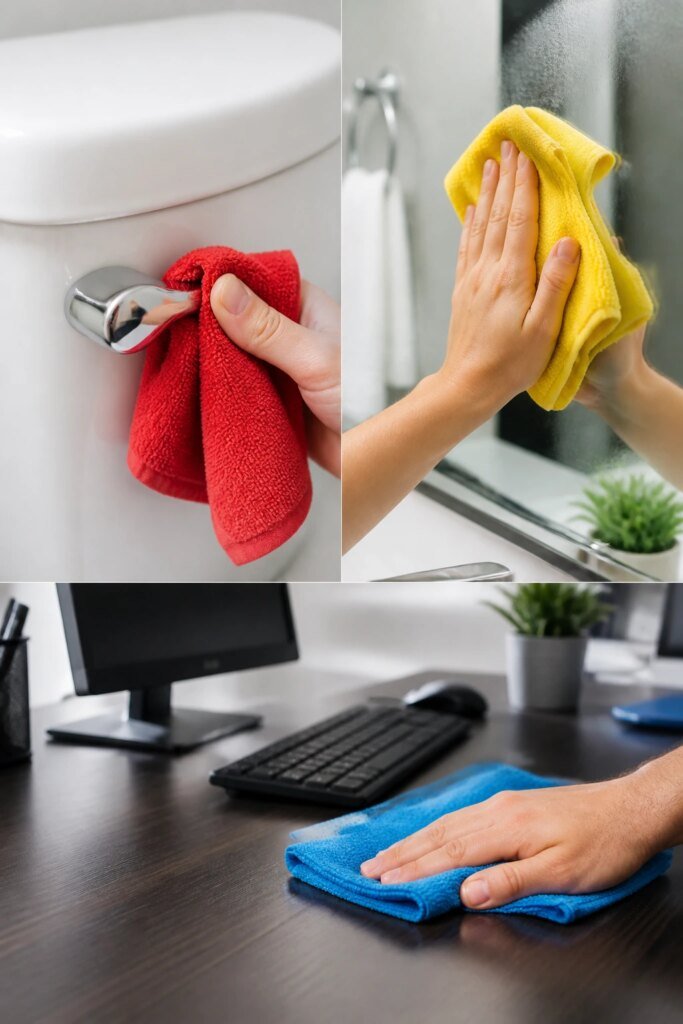
– Red cloths for toilets and high-risk zones, yellow for sinks and mirrors, blue for general surfaces, and green for kitchens.
– A typical hotel cart carries 20–25 cloths in different colors, plus ready-made “room sets” with all needed linens and amenities for various room types.
Home tricks you can borrow
– Pick a color scheme for your cleaning rags and designate each one to a surface. No cross-contamination, no accidents with the bathroom cloth on the mirror. It’s like a traffic control system for germs.
3) The bed transformation: triple sheeting and smart sheet management
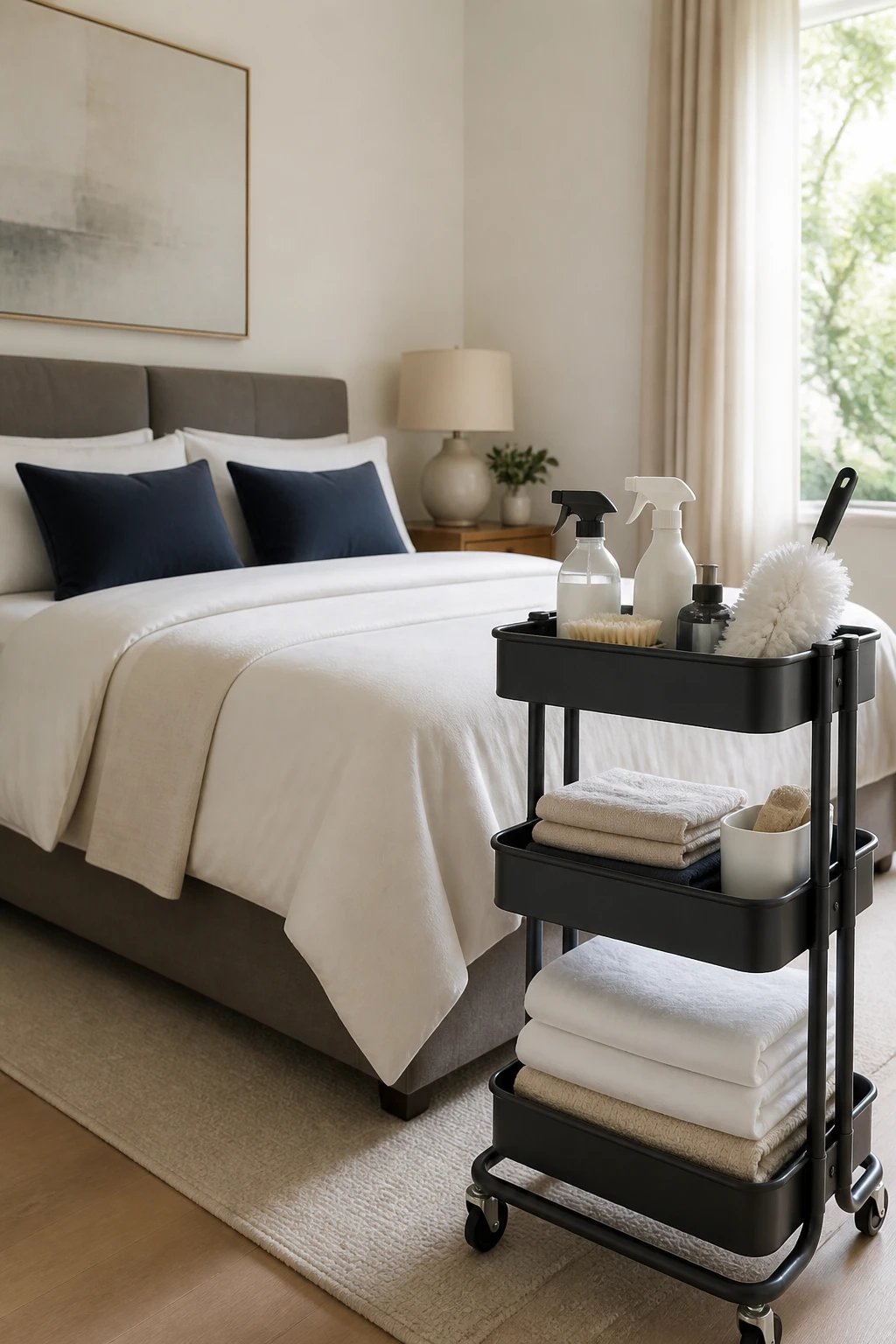
– They strip the bed in a controlled way and use the dirty sheet as a bundle for all linens.
– Many hotels use flat sheets instead of fitted bottom sheets to save time, and they deploy triple sheeting: flat sheet, blanket, and a top sheet to avoid wrestling with duvets.
How to replicate at home
– Use triple layering if you’re changing sheets: a flat sheet, a lightweight blanket, then a top sheet. It’s faster, it looks tidy, and you avoid stuck corners under duvets.
4) The bathroom routine: soak, scrub, and attack in order
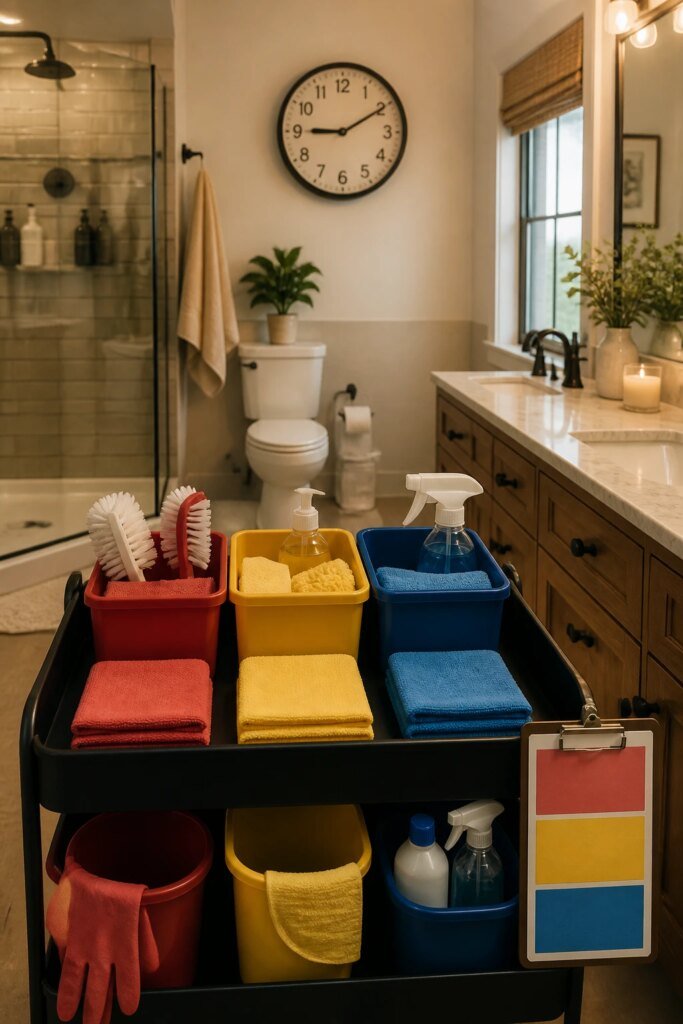
– They spray surfaces first and let the cleaner work while they tackle other tasks.
– Clean from inside out and top to bottom, hitting shower tiles, sink, vanity, and finally the toilet.
– They emphasize moving from clean to dirty zones and not backtracking.
A practical home guide
– Spray everything first, then return to wipe it down. Let the products do the heavy lifting while you focus on other tasks.
– For small bathrooms, map your path: shower/tiles, sink area, vanity, and toilet last. Keep a logical flow so nothing gets recontaminated.
5) The final sprint: high-touch items and the “exit scan”
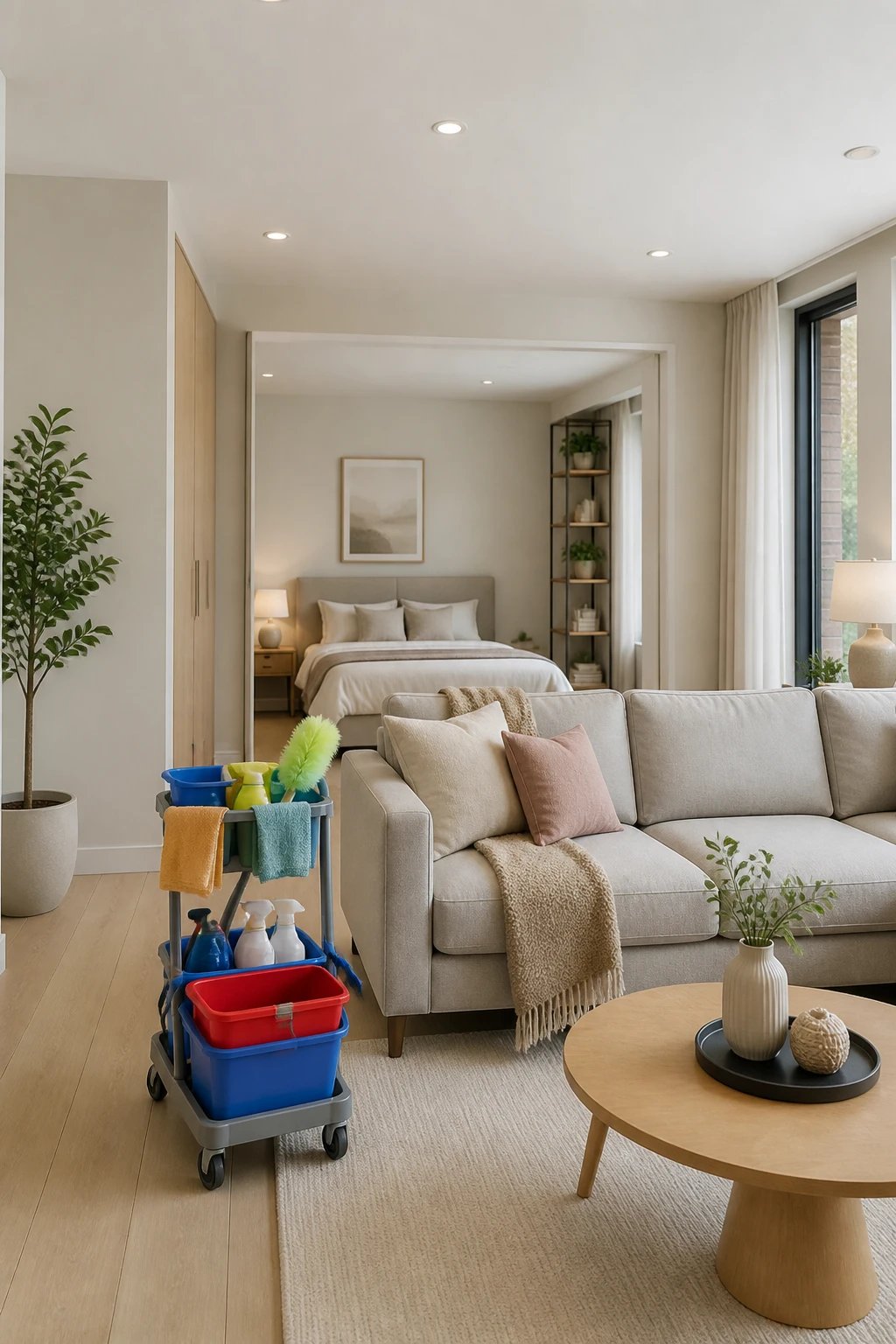
– After cleaning, sprint through high-touch surfaces: door handles, light switches, remotes, thermostats.
– Do a quick dusting pass, then vacuum or mop from top to bottom, back to the exit.
– The final check is done at the doorway: you pretend you’re the guest, spot any “what’s that” moments, and fix them on the spot.
6) The mindset: efficiency over speed, safety, and sustainability
– Time is money in hotels, but speed isn’t the only win. The system minimizes wandering, backtracking, and decision fatigue.
– Ergonomics matter: proper form reduces injuries. The color-coded system also helps with contamination control and makes the workflow safer.
What this means for your body
– Repetition trains your body to move efficiently, so you don’t burn out mid-clean. It’s not about sprinting; it’s about executing a smart sequence.
7) A real-world trial: applying the method at home
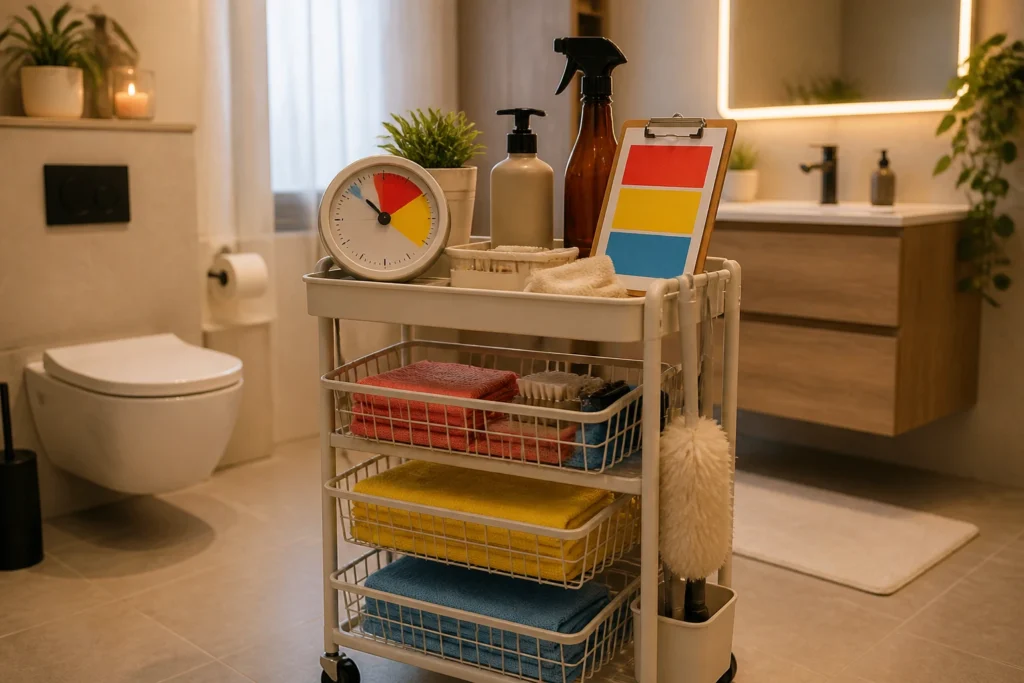
– One person tried the home version: built a cleaning caddy, stocked color-coded cloths, and created simple room sets.
– The result? Faster cleaning, less backtracking, and a surprisingly energized feel after finishing. The pre-spray step alone changed the game, letting chemistry do the heavy lifting.
Tips from the field you can steal now
– Don’t rush the chemistry. Let pre-treating surfaces sit a moment before wiping.
– Keep your workflow top-to-bottom and front-to-back. You’re walking out of the room with clean everything, not stepping on half-done mess.
– If you don’t have the luxury of a cart, use labeled bins or a tote to mimic the flow and keep supplies organized.
FAQ
1) Do I really need the color-coded cloths?
While not mandatory, color-coded cloths help prevent cross-contamination and speed up your process. Red for toilet areas, yellow for sinks and mirrors, blue for general surfaces, and green for kitchens is a solid starting point.
2) Can these methods work in small spaces?
Yes. The core idea is a planned path and minimal backtracking. Adjust the number of “room sets” and keep supplies within easy reach. The top-to-bottom, front-to-back approach scales down nicely.
3) How long should a home cleaning session take with this system?
In hotels, a room might be cleaned in about 15 minutes, but at home, it’s realistic to expect a bit longer as you adjust. The goal is to near that efficiency over time while preserving quality.
4) What’s the biggest mental hurdle?
Deciding to commit to a sequence and resisting the urge to jump around. The never-touch-twice rule helps you stay disciplined and finish rooms faster without redoing work.
5) Is pre-spraying really worth it?
Absolutely. Letting cleaners sit briefly delivers better results and reduces scrubbing time. It’s a small step with a big payoff.
Conclusion
Hotel houses have spent decades perfecting a clean that’s fast, reliable, and healthy. The magic isn’t about brute force or superhuman speed—it’s about systems. With a well-organized cart, color-coded cloths, a smart bed change, and a clean-from-top-to-bottom routine, you can transform any room in your home. So give the never-touch-twice rule a try, map your flow, and watch your space get sparkling in a fraction of the time. IMO, you’ll feel less drained and more energized—plus your guests (even if it’s just you) will notice the difference. Stay tidy and mighty!