Why a Defined Entryway Zone Turns Clutter Into Calm
Wall‑Powered Smart Storage: Hooks, Racks, and Hidden Helpers
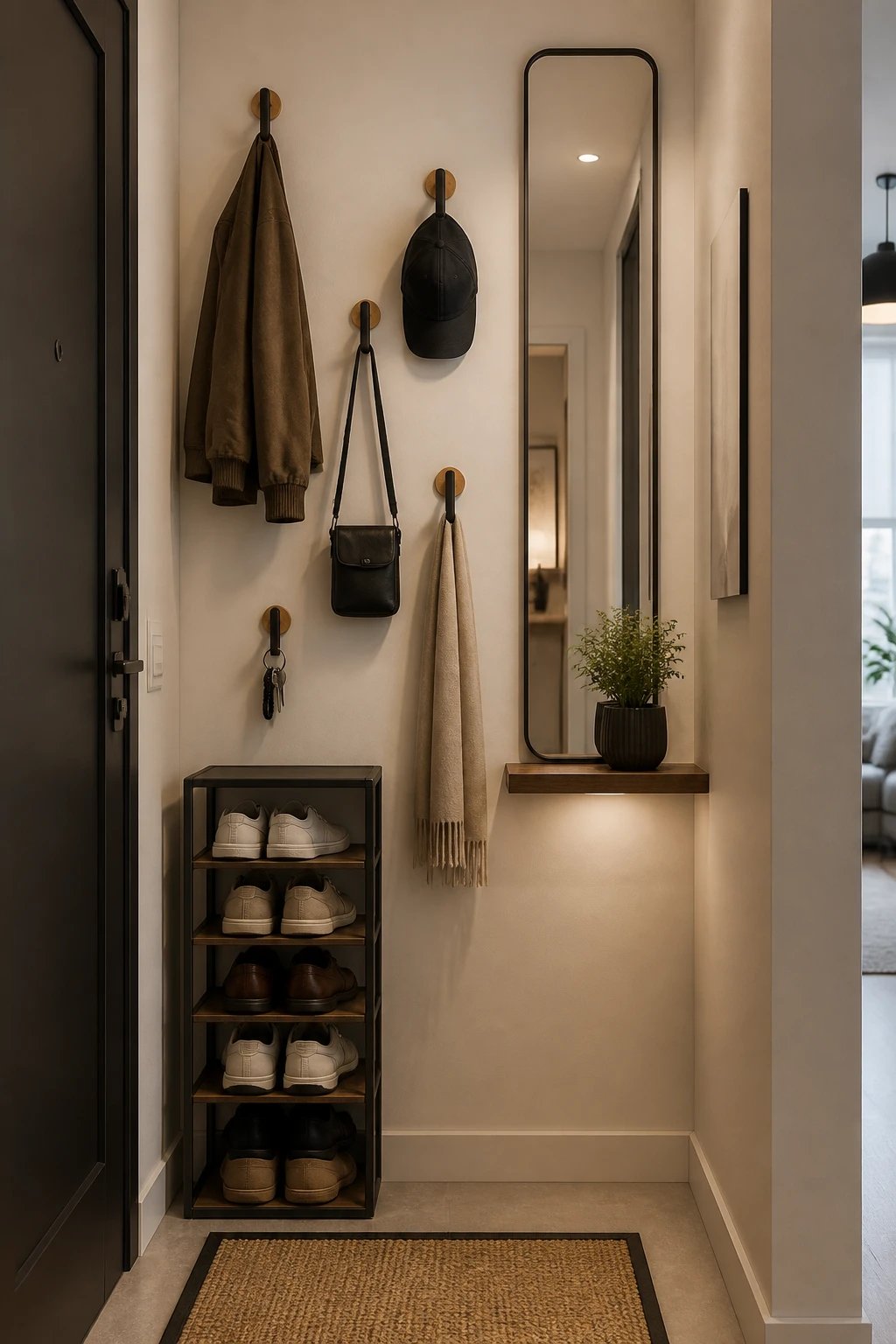
Top Wall Storage Tactics for Tiny Hallways
- Install a row of double hooks at different heights for families or long‑term guests.
- Choose a narrow wall shelf with a tray for keys, wallets, and mail.
- Add a slim mirror to bounce light and make the space feel bigger.
Shoe Salvation: Keep Only What You Actually Wear Near the Door
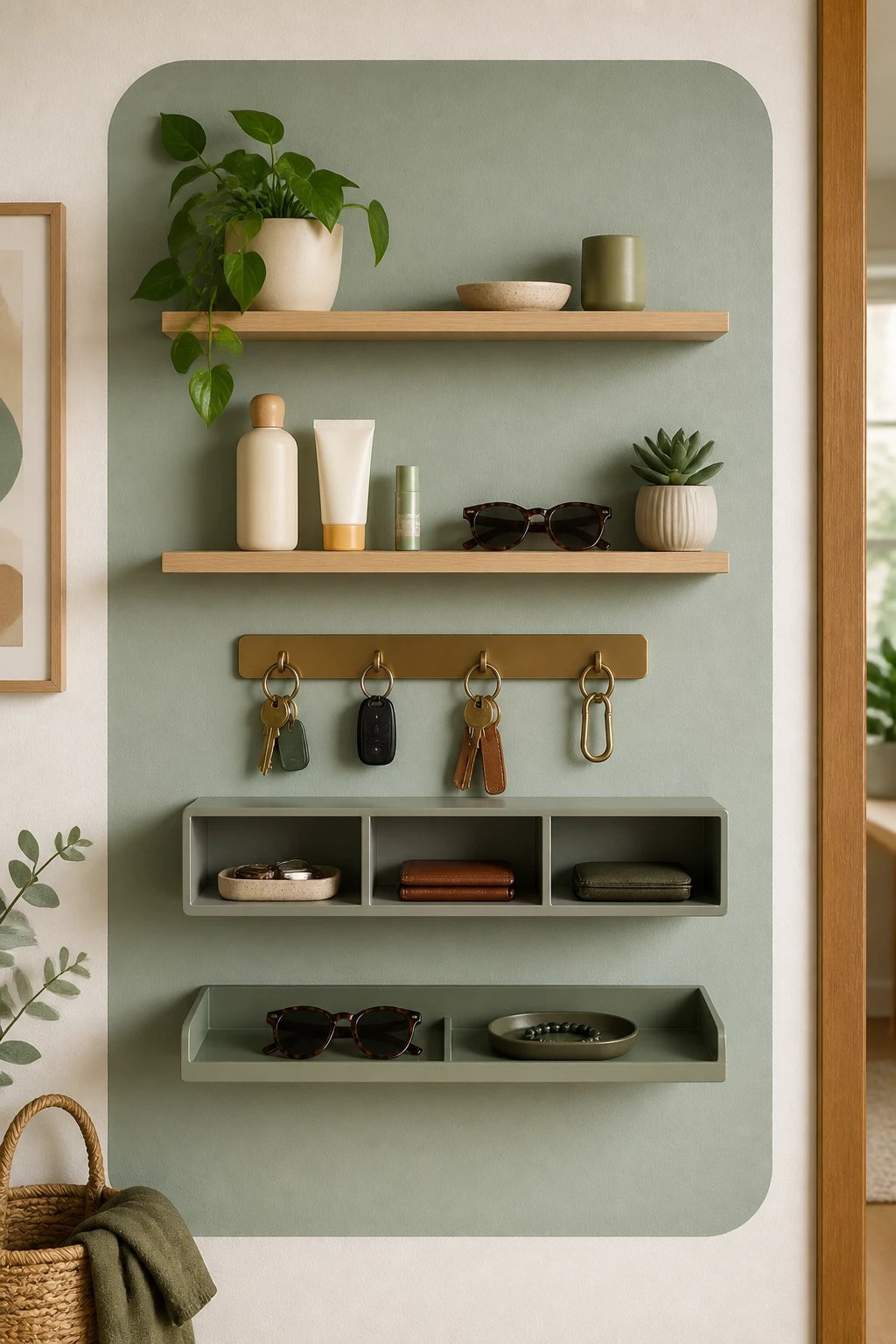
Practical Shoe Curations for Small Apartments
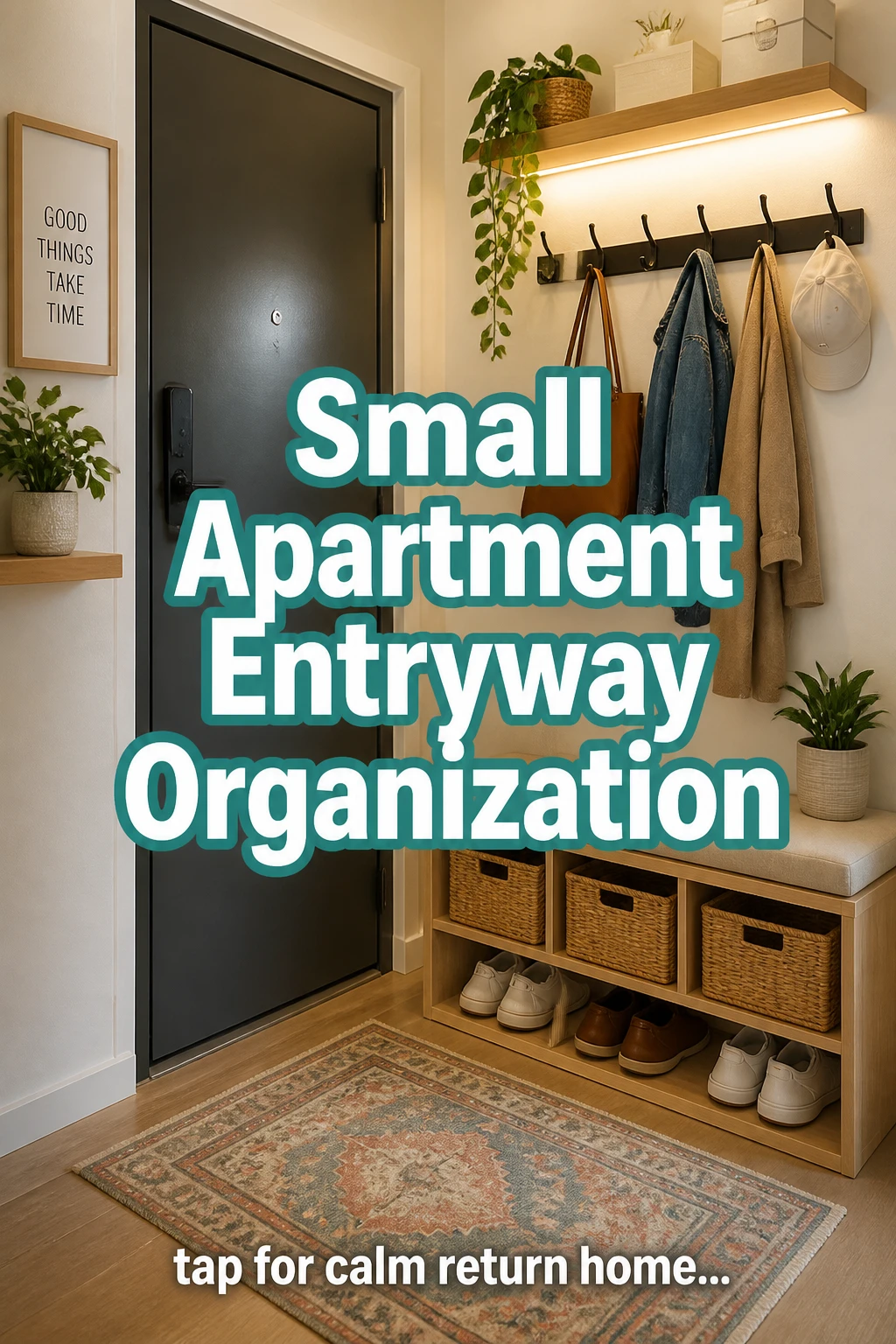
- Adopt a single shoe‑storage solution, like a compact cubby or a slim bench with built‑in slots.
- Rotating seasonal pairs elsewhere (closet or hallway niche) keeps the near‑door zone streamlined.
- Label bins or use color coding to make grab‑and‑go effortless.
A Simple Drop Zone: The 15‑Second Reset That Keeps It Clean
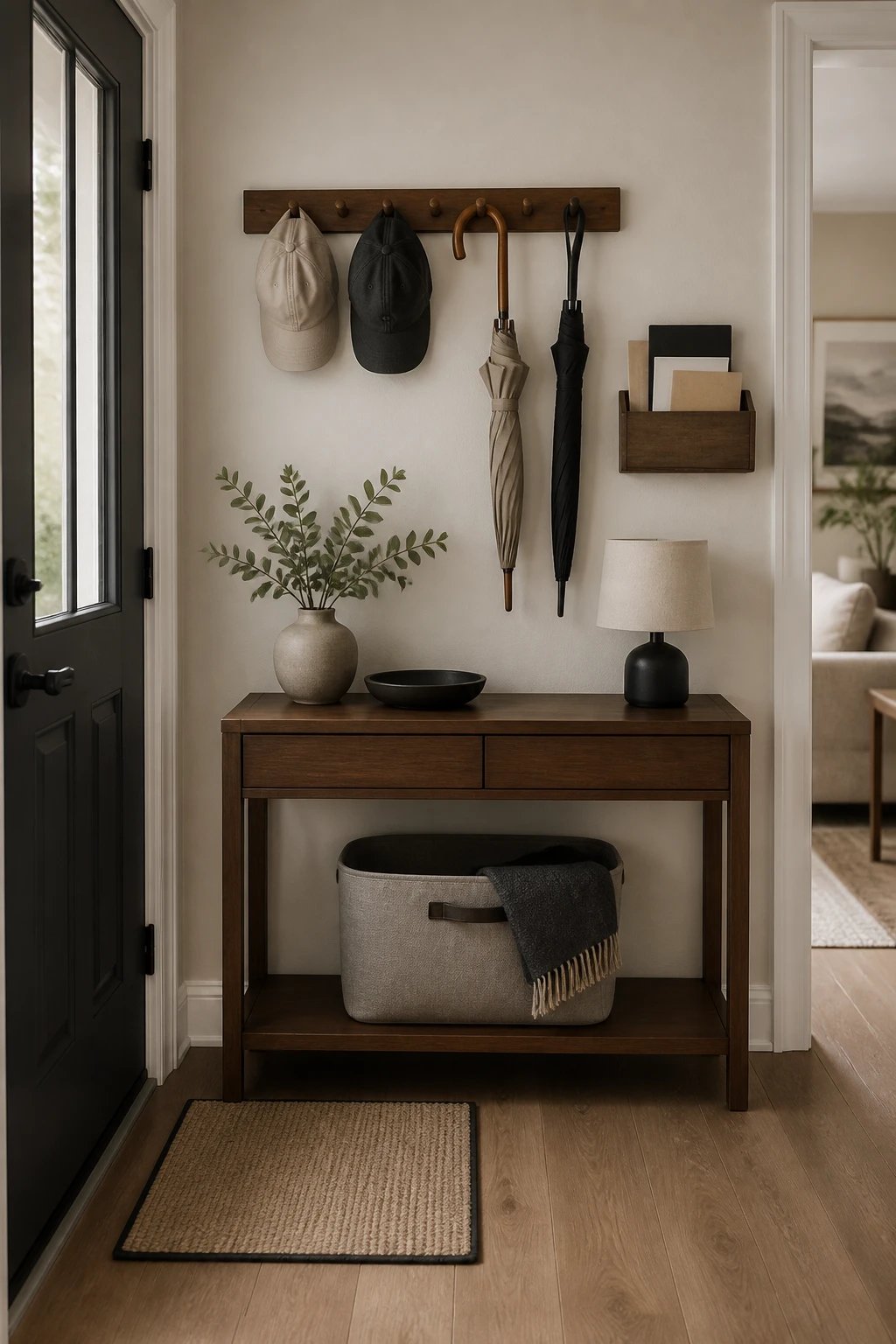
How to Design an Efficient Drop Zone
- Choose a shallow tray or tray-like basket that sits on a console or shelf.
- Pair it with a small hook or peg next to it for leashes, masks, or wallets.
- Keep the surface clear by limiting items to daily essentials only.
Low‑Maintenance Systems: Make It Easy to Maintain (Not Overwhelm)
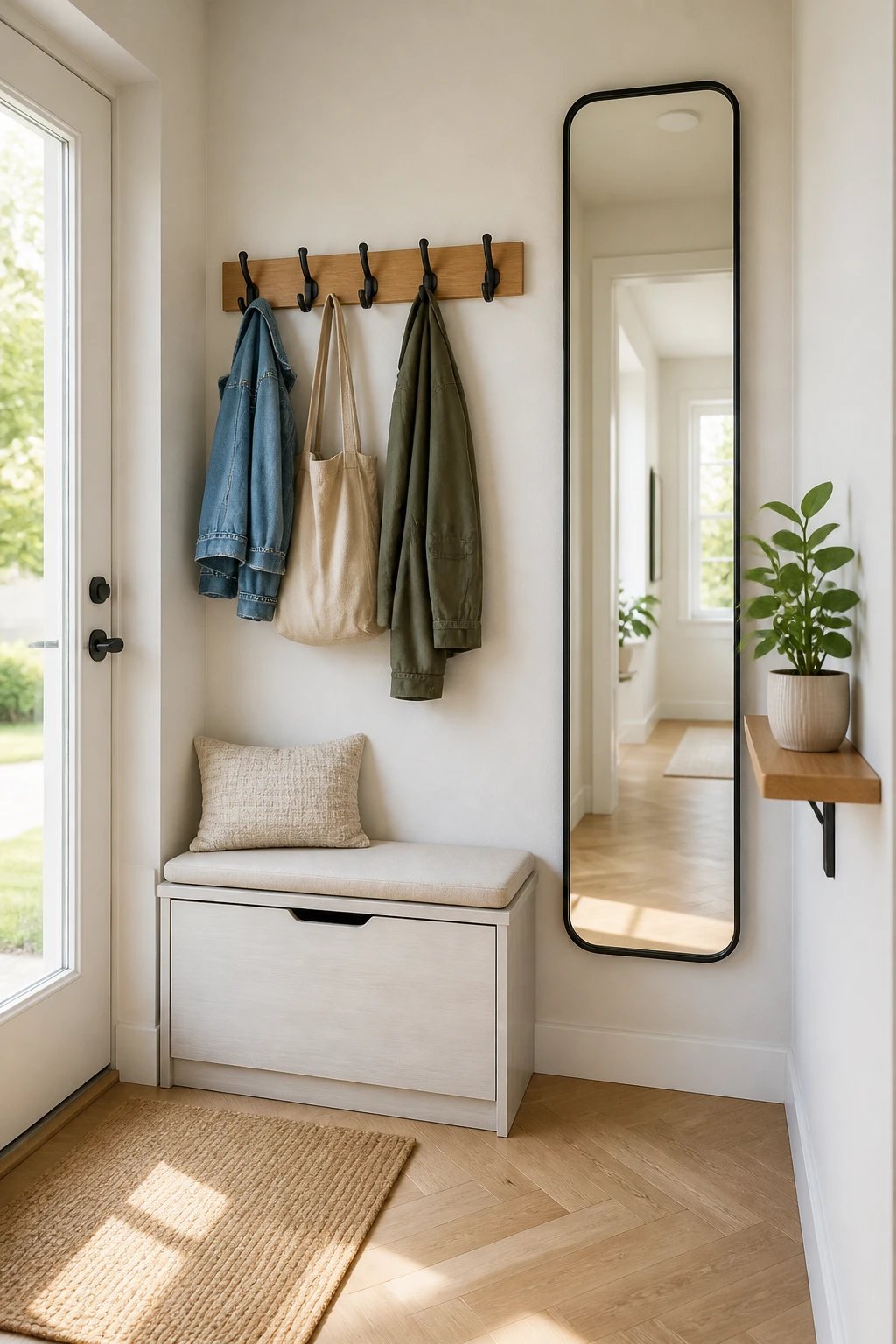
Simple Habits That Keep Your Entryway Fresh
- 15 seconds a day rule: a quick glance, return items to their homes, and wipe surfaces if needed.
- Weekly mini‑declutter: remove items that don’t belong or aren’t used.
- Rotate décor seasonally to keep the space feeling intentional rather than cluttered.
Crafting a Pinterest‑Worthy Aesthetic: Color, Texture, and Visual Flow
Your entryway is a visual micro‑story before you even step inside. Layer textures, cohesive colors, and small decor accents that echo the rest of your home. A calm color palette, a hint of metallic or wood warmth, and a couple of personal touches make the space feel curated rather than crowded.Savvy Styling Ideas That Save Space
- Stick to 2–3 accent tones to unify the entire entry with the rest of your home.
- Choose multi‑functional pieces (bench with storage, a console that doubles as a charging station).
- Pin this look: a tidy, accessible drop zone, wall storage, and a welcoming mirror for quick checks on the way out.
Want‑To‑Have Accessories: Small Details That Make a Big Difference
Accessories should be functional and delightful. A stylish tray, a decorative basket, and a couple of artful hooks add personality without creating clutter. Think of your entryway as a tiny gallery that also functions as an organized command center.Suggested Accessory Kits for Tiny Entrances
- Nature‑inspired tray set for keys and mail, plus a discreet charging dock nearby.
- A slender coat rack with mixed materials (wood and metal) for warmth and durability.
- A compact activity board for kids’ items if you have little ones at home.
FAQ: Quick Answers for Small‑Space Entryway Wins
How can I maximize storage without making the entryway feel crowded?
Start with vertical storage: hooks, slim shelves, and wall pockets. Limit what truly belongs near the door, and keep the surface clear to preserve a sense of space. A dedicated drop zone helps all the mantles of chaos stay contained.
What’s the best way to choose an entryway setup for a tight hallway?
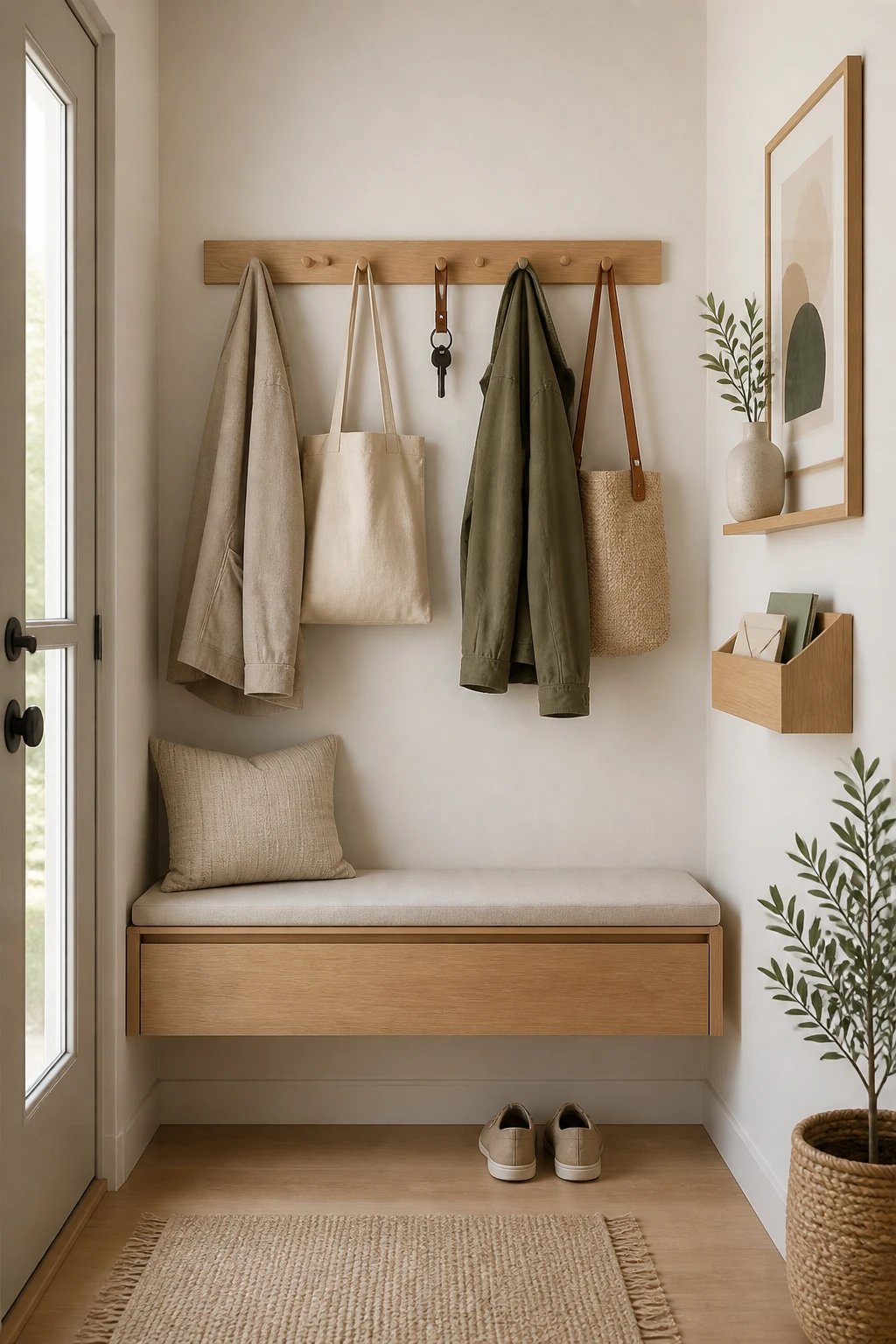
Prioritize wall‑mounted solutions and multi‑purpose furniture. A narrow bench with storage, plus a row of hooks, gives you seating, storage, and a path that doesn’t feel constricted.
How can I keep daily routines from becoming a mess at the door?
Create a simple 15‑second reset ritual. A quick scan, items returned, and surfaces wiped keeps the space consistently tidy and ready for tomorrow.
Which colors and textures work best in small entryways?
Stick to light neutrals with a touch of warmth—think soft whites, warm beiges, and natural wood tones. Small accents in one or two hues tie the space to the rest of your home and keep it feeling airy.
What are some quick upgrades that feel high‑end without breaking the bank?
Install slim, high‑quality wall hooks, opt for a compact mirror to bounce light, and use a chic tray or basket with a minimal design. A small investment in organization can yield a big visual payoff.
How can I adapt this for a busy household?
Create separate drop zones for adults and kids, color‑code items, and set clear rules about what belongs at the door. Consistency is the secret sauce for family harmony in tiny spaces.
Conclusion: Welcome Home to Calm, One Tiny Zone at a Time
Small apartments don’t have to mean chaos at the threshold. With practical wall storage, a strategic drop zone, and habits that make maintenance effortless, your entryway can become a calm, stylish launch pad for every day. Pin these ideas, try a few on your own doorstep, and watch how the rest of your space follows suit—neat, welcoming, and absolutely you.