
Tossing and turning at 2 AM again? Your bedroom might be sabotaging your sleep without you even realizing it. The good news is that transforming your space into a sleep sanctuary doesn’t require a complete overhaul or a massive budget. These 15 bedroom design ideas focus on creating an environment that tells your brain it’s time to wind down and actually rest. We’re talking simple changes that make a real difference, from lighting tweaks to texture choices that’ll have you sleeping like a baby. Ready to finally get those eight hours everyone keeps talking about? Let’s dive in.
1. Embrace the Power of Blackout Everything
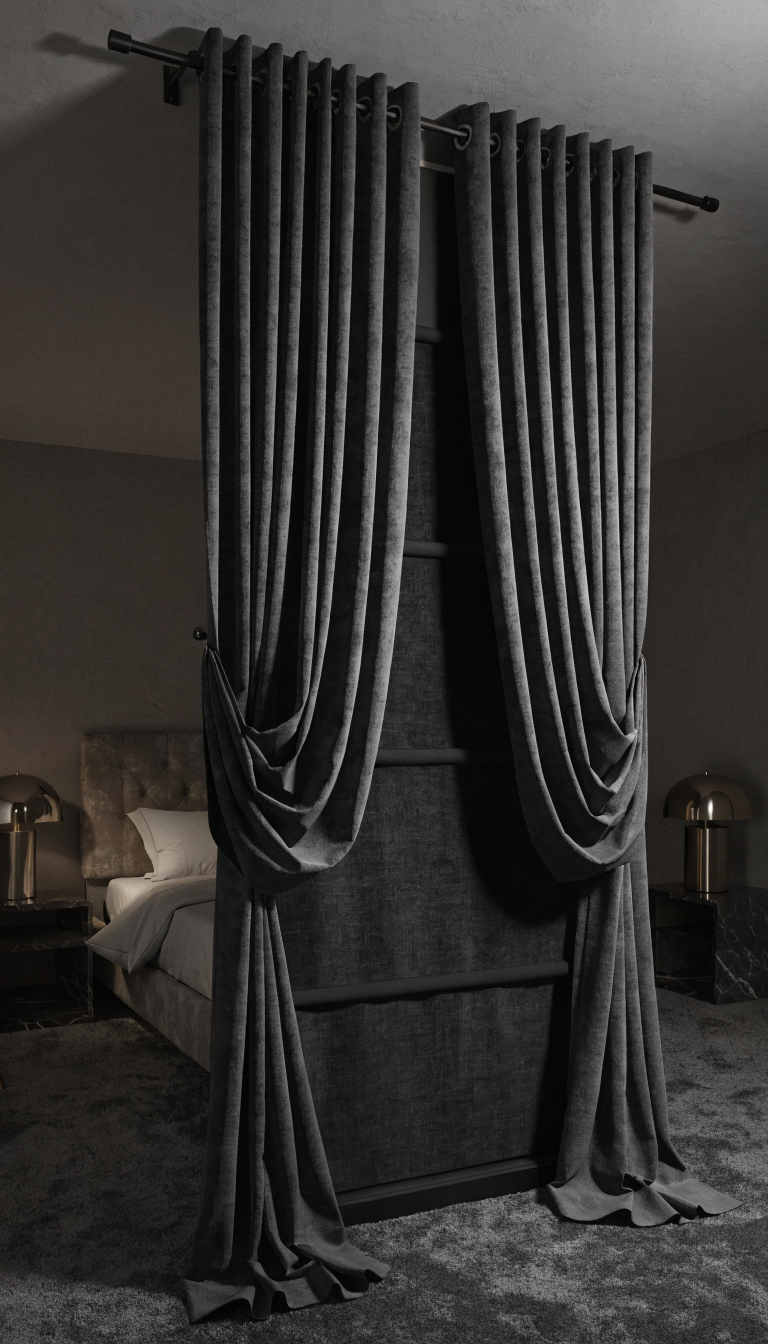
Light is basically kryptonite for quality sleep. Even the tiniest sliver of streetlight or that annoying LED from your charger can mess with your circadian rhythm and keep you wired when you should be dreaming.
Blackout curtains are your first line of defense, but don’t stop there. Layer them with blackout shades for maximum darkness, especially if you work night shifts or live in a city that never sleeps.
Essential Blackout Elements:
- Thermal blackout curtains with side channels to prevent light leakage
- Blackout roller shades as a base layer
- Draft stoppers for light gaps under doors
- Blackout tape for covering annoying electronic lights
The difference is honestly night and day (pun intended). Your room should feel like a cave at bedtime, and your body will thank you with deeper, more restorative sleep.
2. Choose a Soothing Color Palette That Calms Your Mind
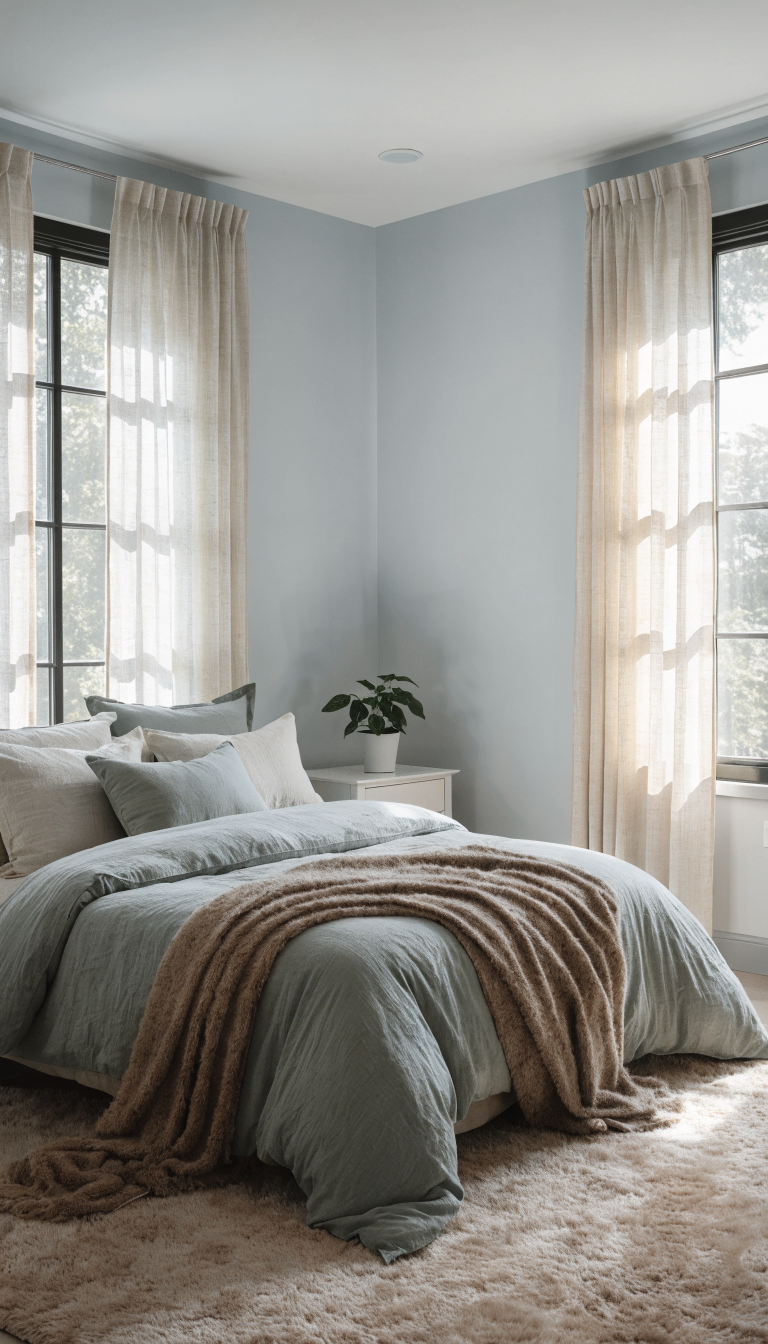
Painting your bedroom fire-engine red might seem bold, but it’s also a terrible idea for sleep. Colors genuinely affect your mood and energy levels, so pick wisely.
Cool tones like soft blues, gentle greens, and muted grays are scientifically proven to lower heart rate and blood pressure. Think spa vibes, not nightclub energy.
Warm neutrals like beige, taupe, and warm whites also work beautifully if cool colors feel too sterile for you. The key is avoiding anything too stimulating or bright. Save those vibrant accent walls for literally any other room in your house.
3. Invest in Temperature-Regulating Bedding

Ever notice how you sleep better in a slightly cool room? That’s because your body temperature naturally drops during sleep, and fighting against stuffy, hot bedding works against this process.
Breathable fabrics like linen, bamboo, and high-quality cotton allow air circulation and wick away moisture. No more waking up in a sweaty mess at 3 AM.
Smart Bedding Choices:
- 100% linen sheets for year-round temperature regulation
- Bamboo duvet covers that feel luxuriously soft
- Wool blankets for natural moisture-wicking
- Cotton percale sheets for crisp, cool comfort
Trust me, once you experience the difference quality bedding makes, you’ll wonder why you suffered through those polyester sheets for so long.
4. Create Layers of Ambient Lighting
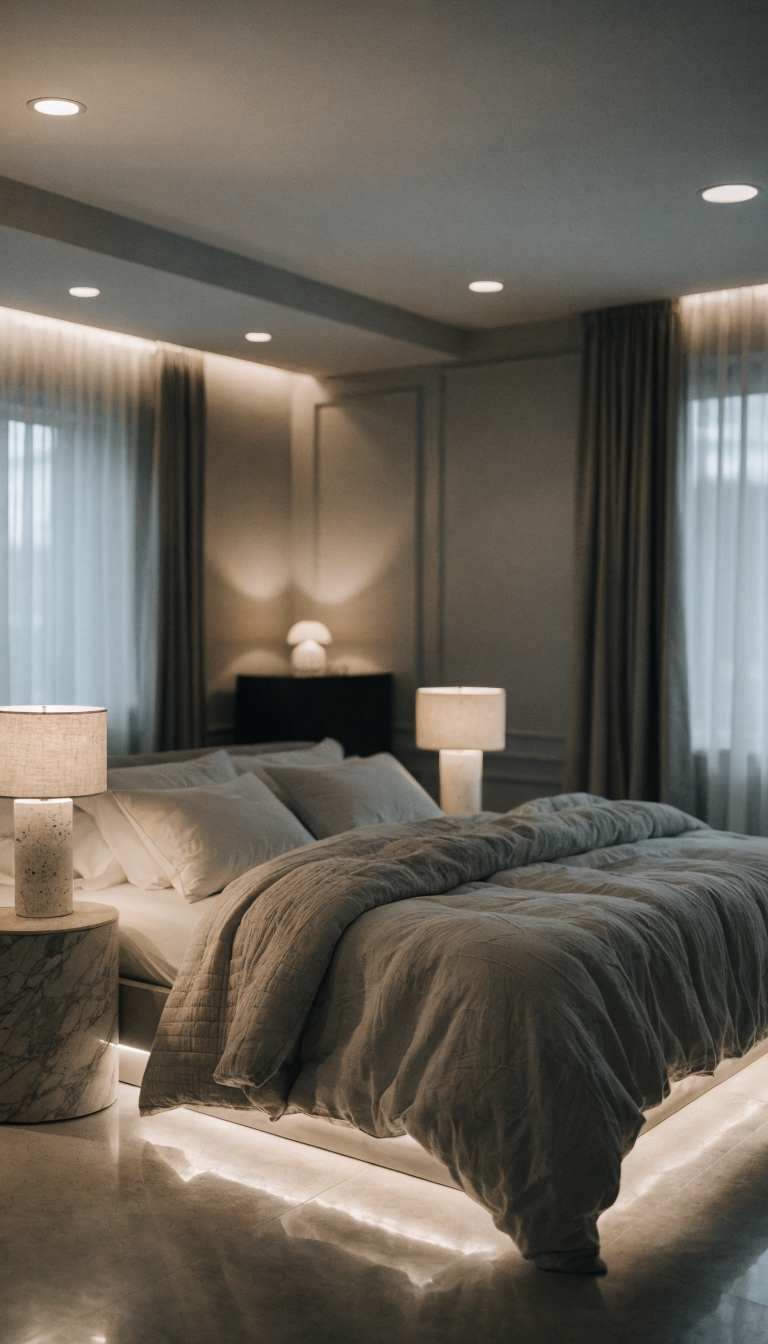
Harsh overhead lighting is the enemy of relaxation. Walking into a bedroom lit up like a hospital waiting room sends all the wrong signals to your brain.
Layered lighting gives you control over the mood and helps you transition from daytime alertness to nighttime relaxation. Install dimmer switches, add bedside lamps with warm bulbs, and consider LED strips with adjustable color temperatures.
The goal is creating multiple lighting options so you can gradually dim things down as bedtime approaches. Your circadian rhythm will pick up on these cues and start producing melatonin right on schedule.
5. Banish Electronics to Create a Digital-Free Zone
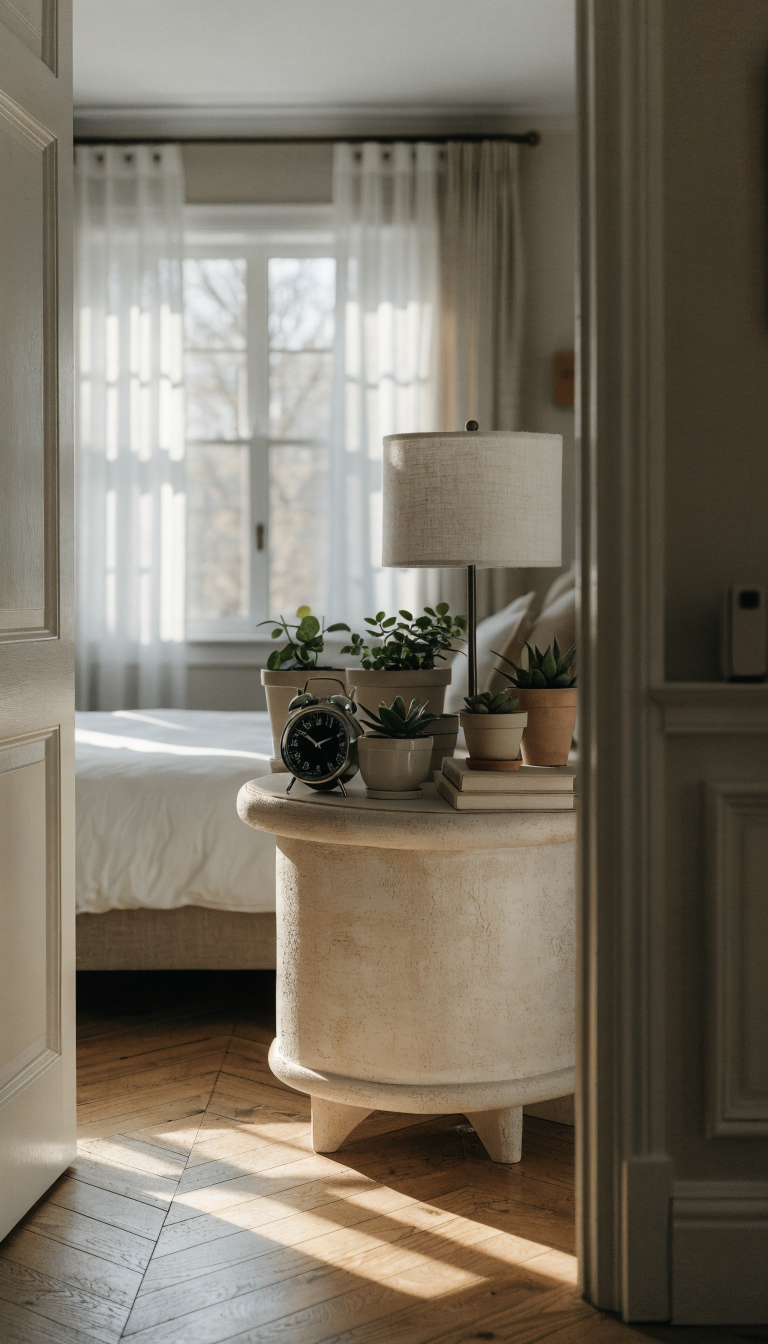
This one’s tough in our smartphone-obsessed world, but seriously consider making your bedroom a tech-free sanctuary. The blue light from screens suppresses melatonin production and keeps your brain in alert mode.
Remove the TV, charge your phone in another room, and yes, even ditch the laptop work sessions from bed. If you absolutely need an alarm, get an old-school alarm clock instead of relying on your phone.
Create a charging station outside your bedroom door so you’re not tempted by late-night scrolling. Your sleep quality will improve dramatically when your brain starts associating your bedroom with rest, not entertainment or work stress.
6. Add Sound-Absorbing Textiles for Acoustic Comfort
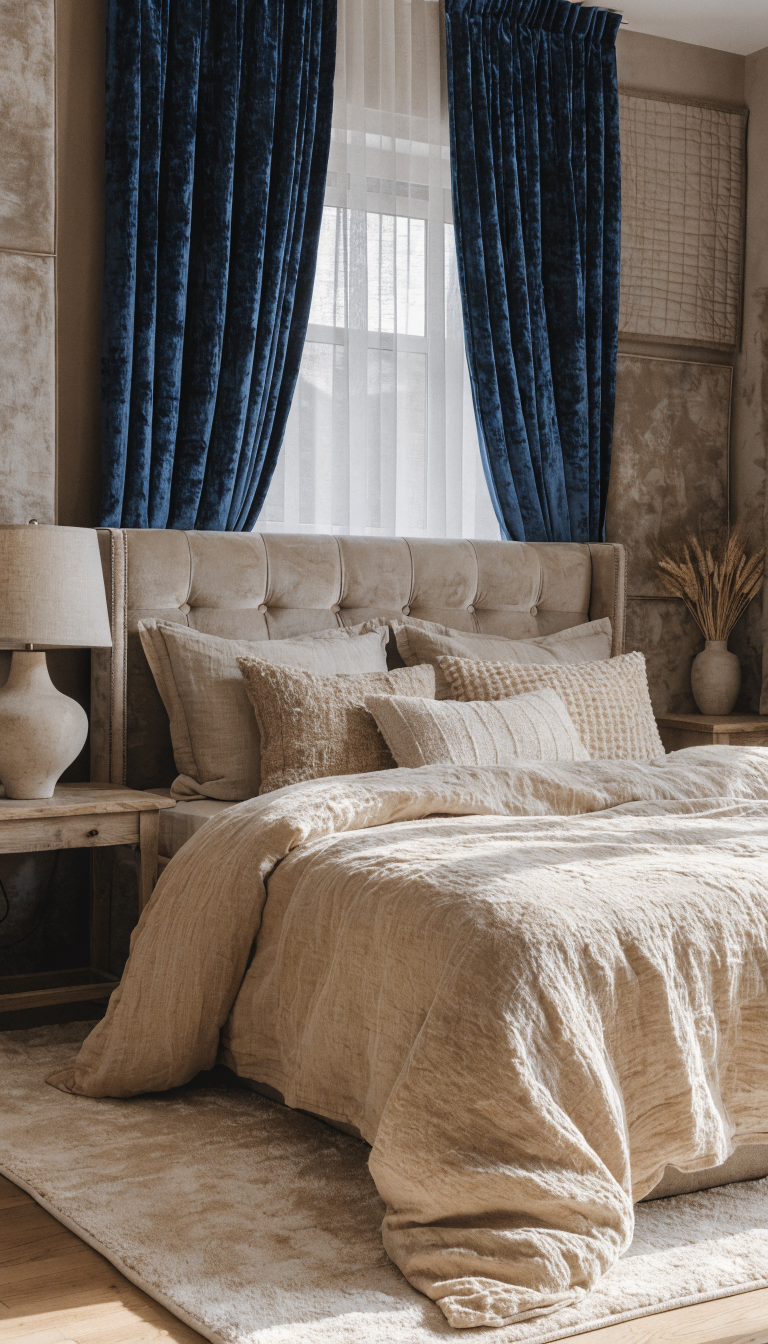
Noise pollution disrupts sleep cycles even when you don’t fully wake up. Every car horn, neighbor’s footstep, or creaky floorboard pulls you out of deep sleep phases.
Soft textiles naturally absorb sound and create a quieter environment. Layer up with thick curtains, plush rugs, upholstered headboards, and fabric wall hangings.
Sound-Dampening Elements:
- Heavy velvet or suede curtains
- Thick area rugs with padding underneath
- Upholstered headboards and wall panels
- Fabric tapestries or quilts as wall art
The added bonus? All these textiles also make your bedroom feel incredibly cozy and inviting. Win-win.
7. Declutter Surfaces for a Clear Mind
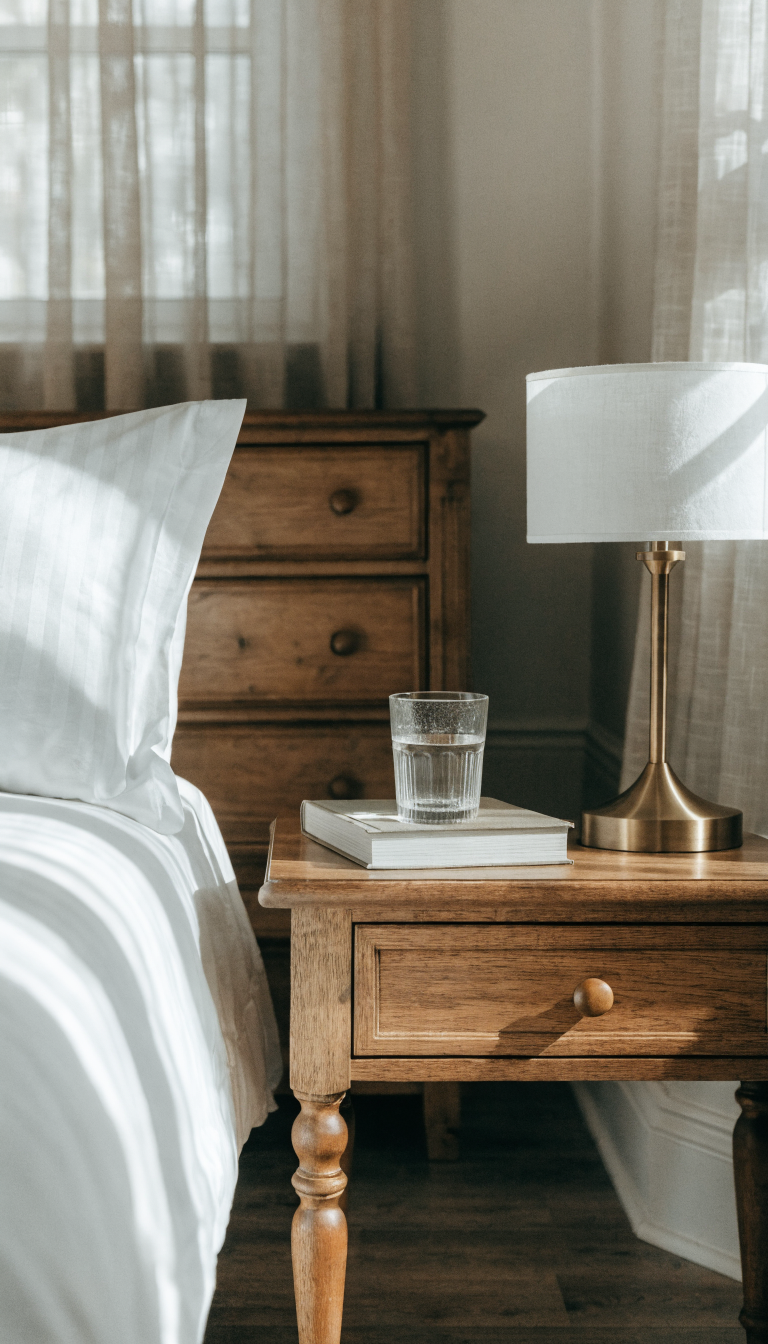
Visual clutter creates mental clutter, and your stressed-out brain doesn’t need more stimulation when you’re trying to sleep. A messy bedroom literally increases cortisol levels.
Clear off your nightstands, dresser tops, and any visible surfaces. Keep only the essentials within reach: maybe a book, a glass of water, and a small lamp.
Everything else should have a proper home in drawers or closets. IMO, implementing the “surfaces stay clear” rule is one of the fastest ways to make your bedroom feel instantly more peaceful and sleep-ready.
8. Position Your Bed for Maximum Feng Shui Flow
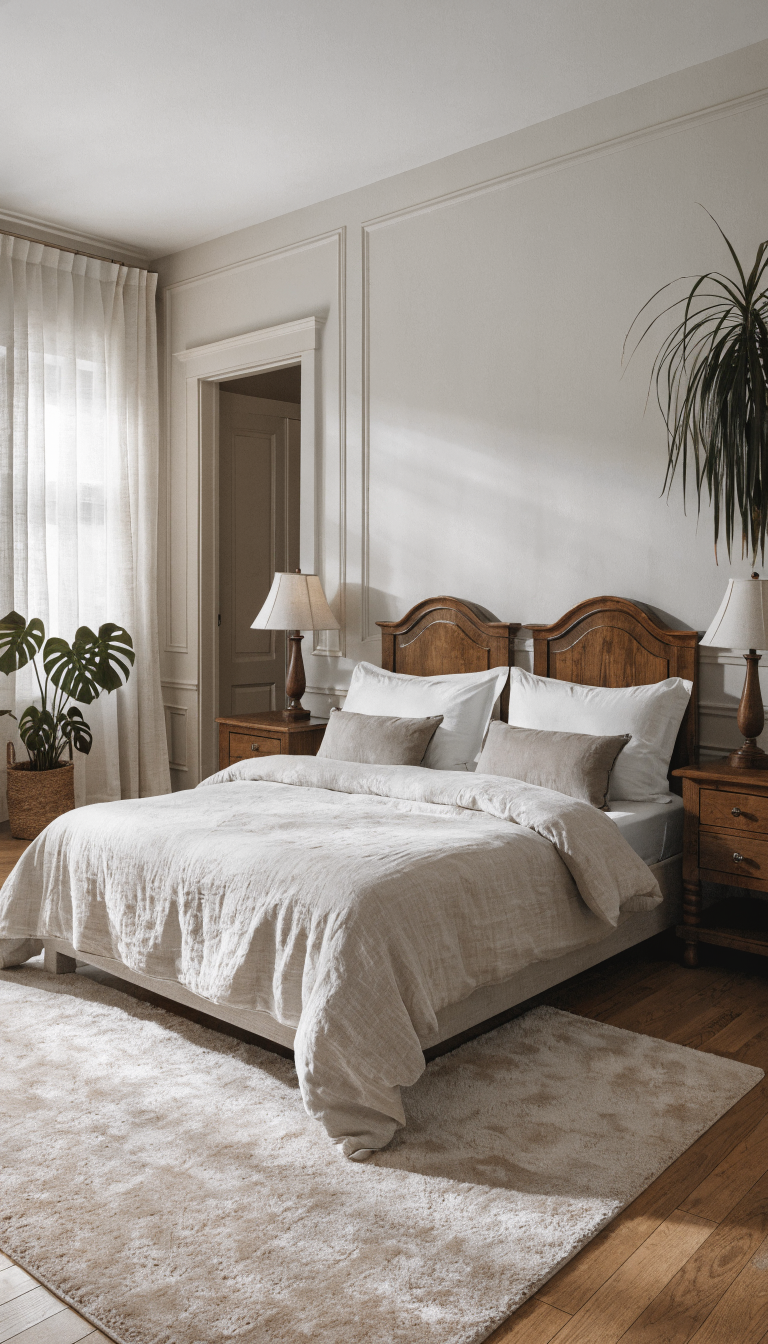
Before you roll your eyes at feng shui, hear me out. Some of these principles actually make practical sense for sleep quality.
Position your bed so you can see the door but aren’t directly in line with it. This commanding position makes you feel secure subconsciously, reducing anxiety. Avoid placing your bed under windows or beams if possible.
Leave equal space on both sides of the bed for balanced energy and easy access. Even if you sleep alone, this creates better flow and makes the room feel more harmonious. Plus, you won’t bang your knee trying to get up in the middle of the night.
9. Incorporate Natural Elements for Grounding Energy
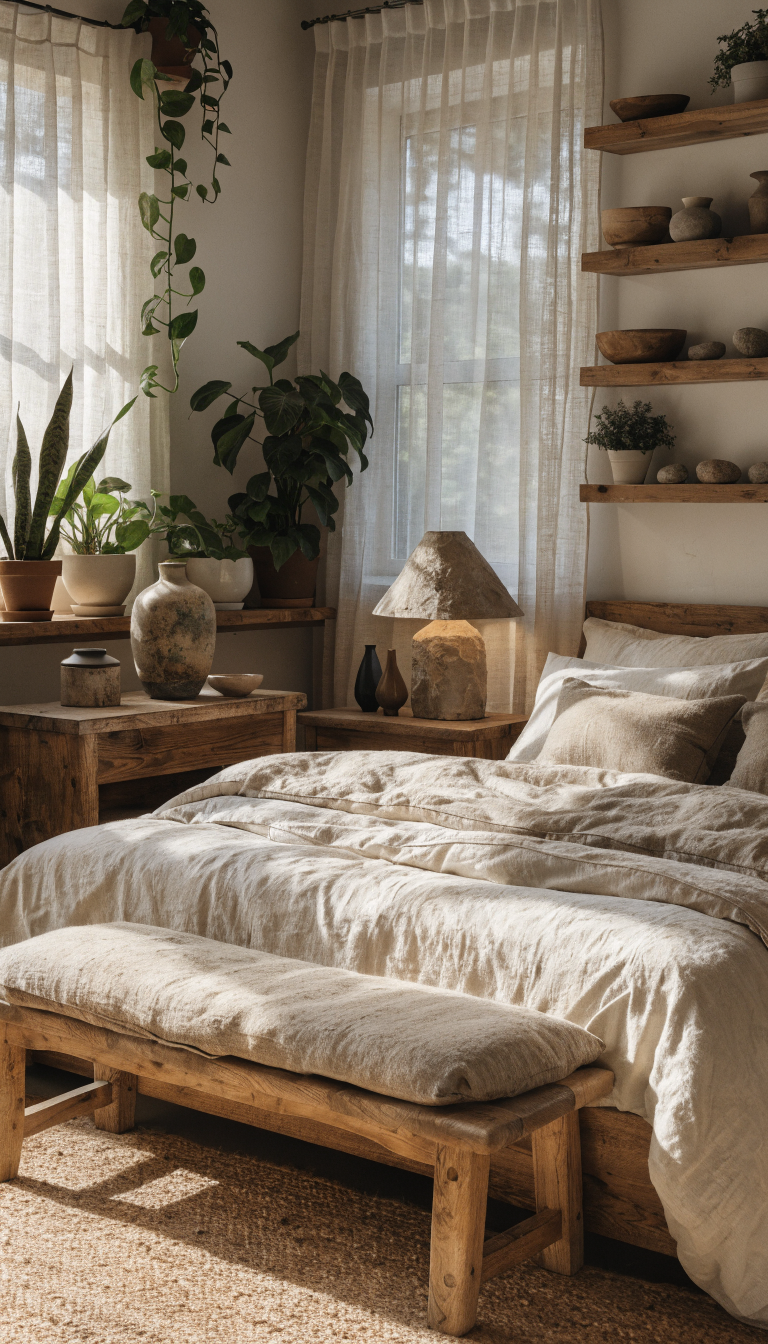
Bringing nature indoors creates an instant calming effect. Natural materials like wood, stone, and plants make spaces feel more organic and less sterile.
Add a wooden bench at the foot of your bed, swap plastic for ceramic or stone accessories, and introduce low-maintenance plants like snake plants or pothos that actually improve air quality while you sleep.
Nature-Inspired Additions:
- Wooden furniture with visible grain patterns
- Stone or ceramic bedside lamps
- Air-purifying plants in ceramic pots
- Natural fiber rugs like jute or sisal
These elements create a connection to the outdoors that feels inherently relaxing, even in the middle of a concrete jungle.
10. Design a Dedicated Reading Nook for Wind-Down Time
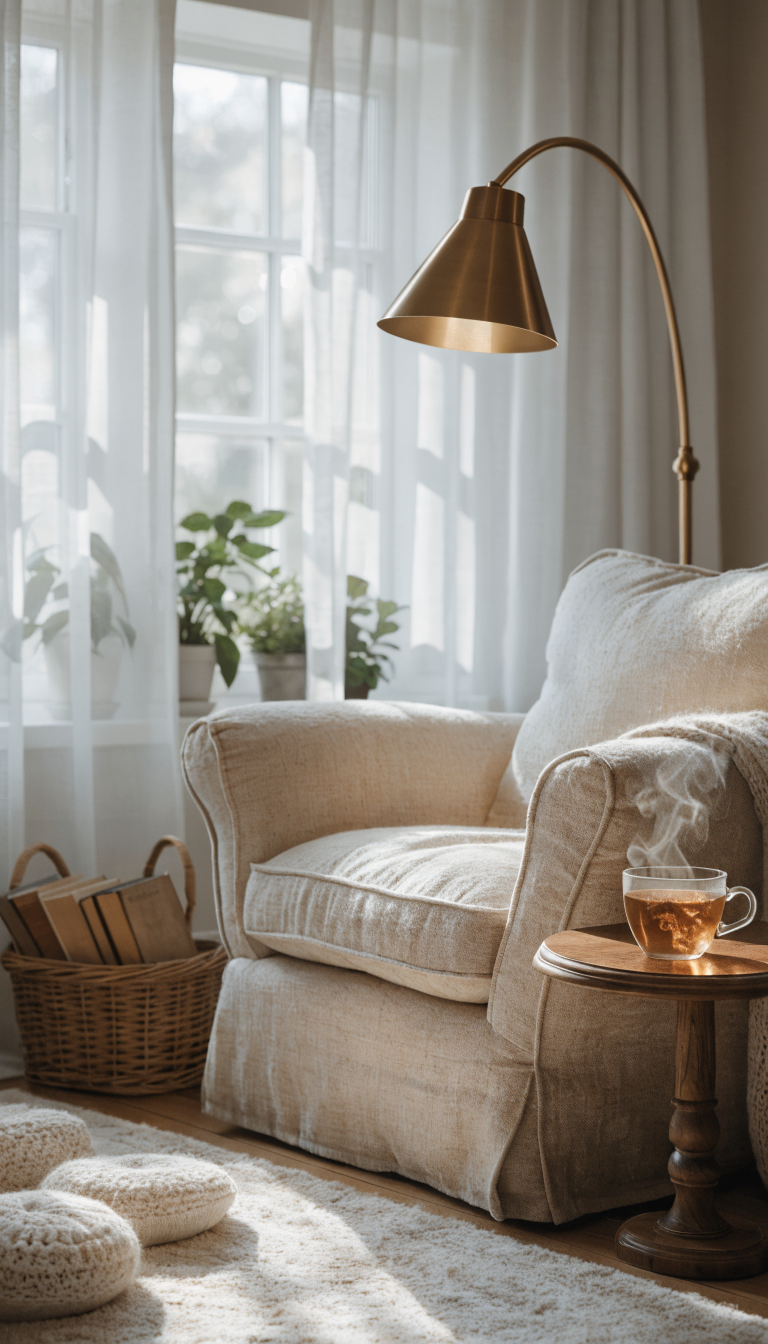
Creating a specific spot for pre-sleep rituals helps train your brain that bedtime is approaching. A cozy reading nook gives you somewhere to decompress without screens.
Add a comfortable chair or floor cushions near a window, include good task lighting, and keep a basket of relaxing books nearby. This becomes your transition space between day and sleep.
Even 15 minutes of reading in your designated nook signals your brain to start producing melatonin and winding down. It’s way more effective than scrolling Instagram until your eyes burn.
11. Control Temperature with Strategic Ventilation
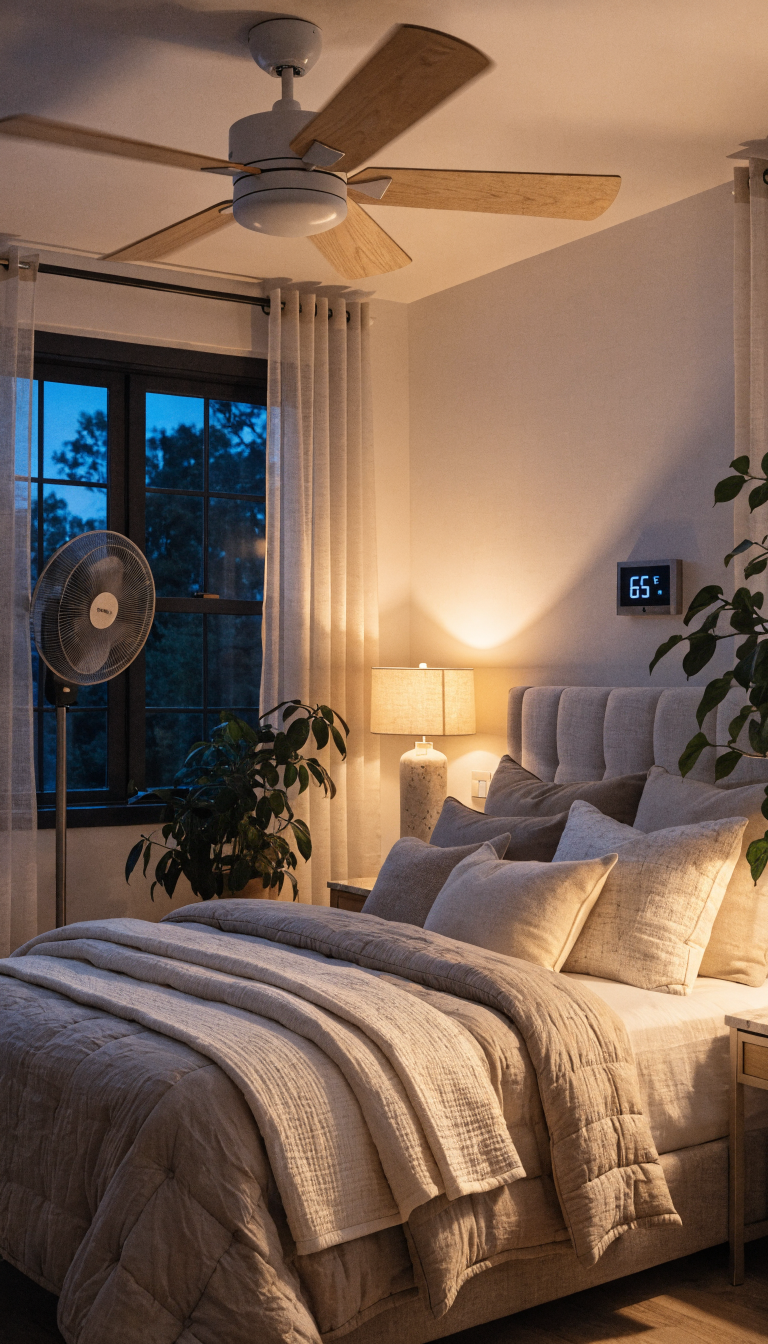
The ideal sleep temperature hovers between 60-67°F, but not everyone has perfect climate control. Strategic airflow makes a massive difference in sleep quality.
Position a quiet fan to create gentle air circulation without blasting directly on you. Keep windows cracked if outdoor temperatures cooperate. Consider a ceiling fan on low for consistent air movement.
In winter, prevent stuffiness by cracking a window slightly while piling on those temperature-regulating blankets we talked about earlier. Fresh air really does help you sleep deeper and wake up feeling more refreshed.
12. Install Aromatherapy for Sensory Sleep Cues
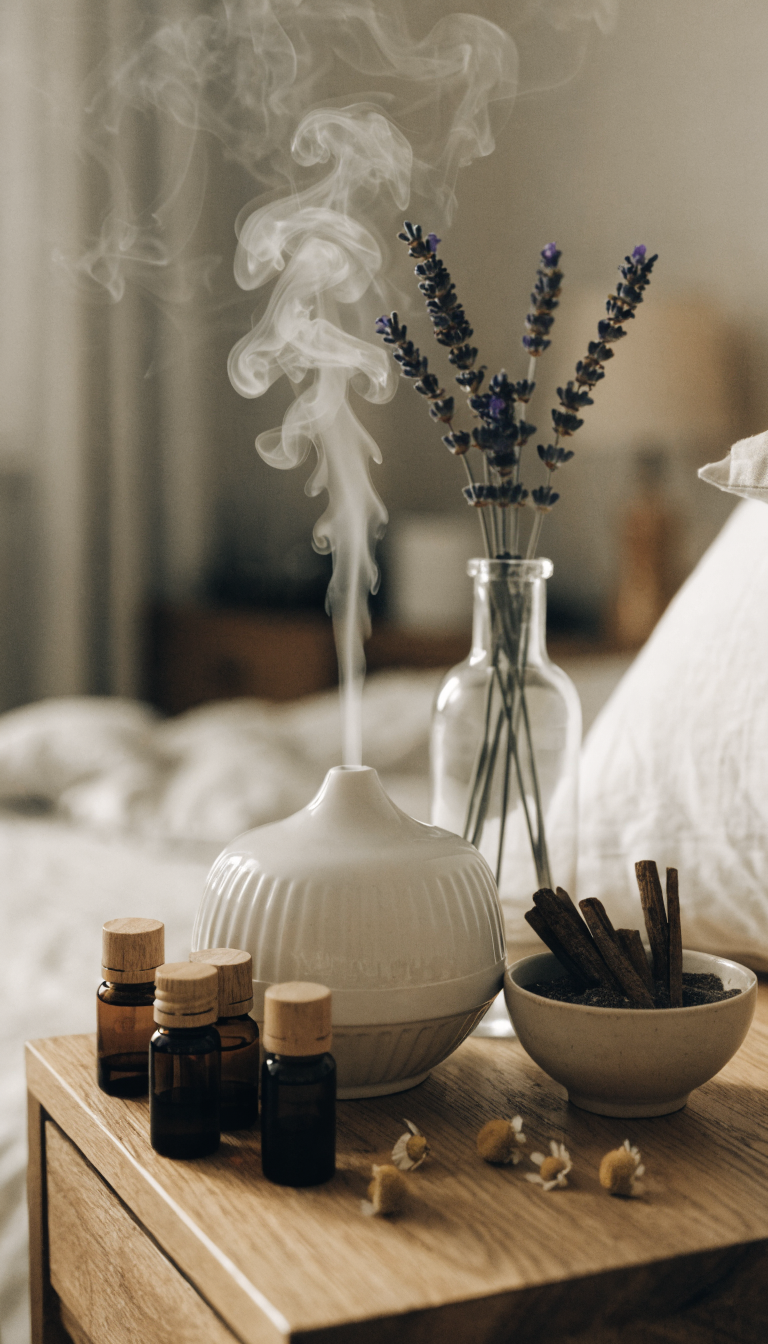
Your sense of smell connects directly to the emotional center of your brain. Using calming scents consistently before bed creates powerful sleep associations.
Lavender, chamomile, and sandalwood have scientifically proven relaxation effects. Use essential oil diffusers, linen sprays, or sachets tucked into pillowcases.
Sleep-Promoting Scents:
- Lavender for stress reduction
- Chamomile for gentle calming
- Sandalwood for grounding anxiety
- Bergamot for mood elevation
FYI, stick with natural essential oils rather than synthetic fragrances, which can actually trigger headaches and disrupt sleep. Quality matters here.
13. Choose the Right Mattress Firmness for Your Sleep Style
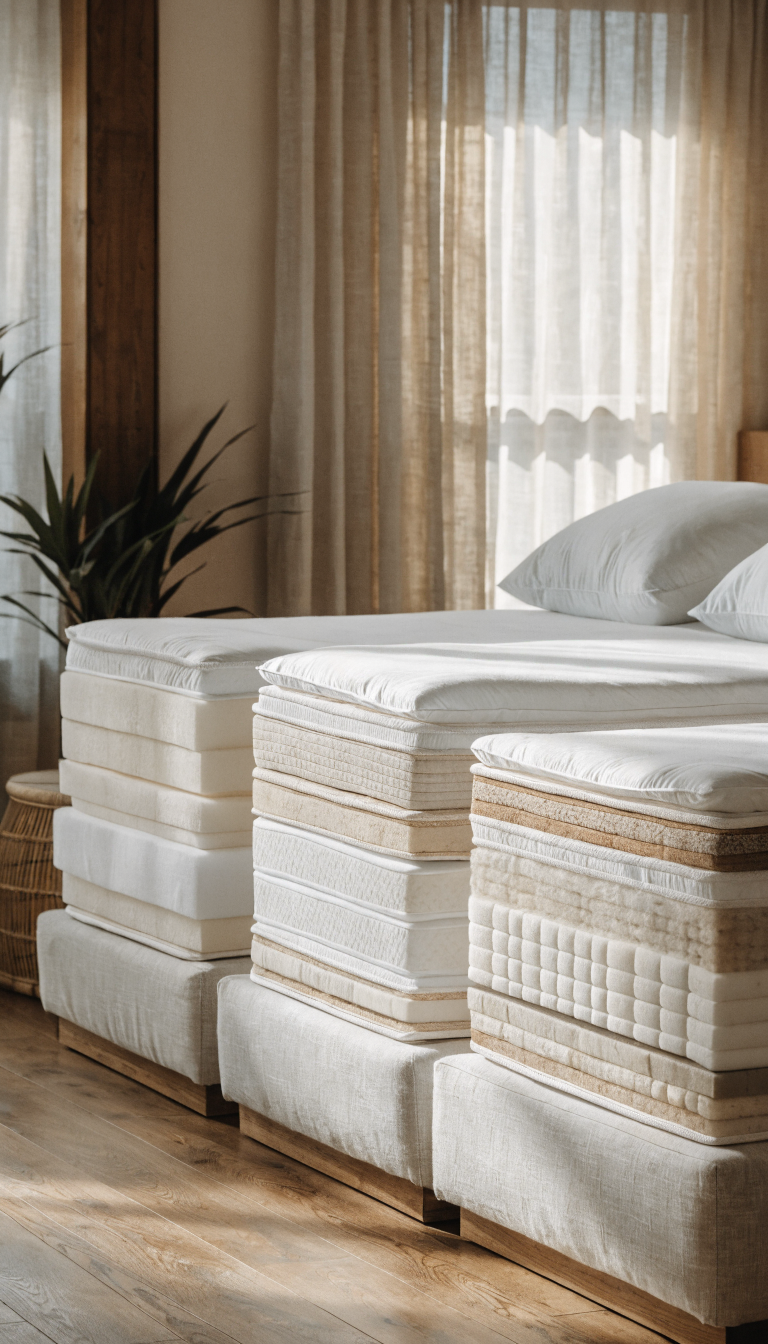
Sleeping on the wrong mattress is like wearing shoes two sizes too small—you can do it, but why would you? Your mattress firmness should match your sleeping position and body type.
Side sleepers typically need medium to medium-soft mattresses for pressure relief on shoulders and hips. Back sleepers usually prefer medium-firm for spinal support. Stomach sleepers need firmer surfaces to prevent back arch.
Don’t stick with a mattress that’s causing you pain just because you spent money on it years ago. Your body changes, and your sleep surface should support those changes. A good mattress is an investment in your health, not a luxury.
14. Add Weighted Blankets for Anxiety Relief
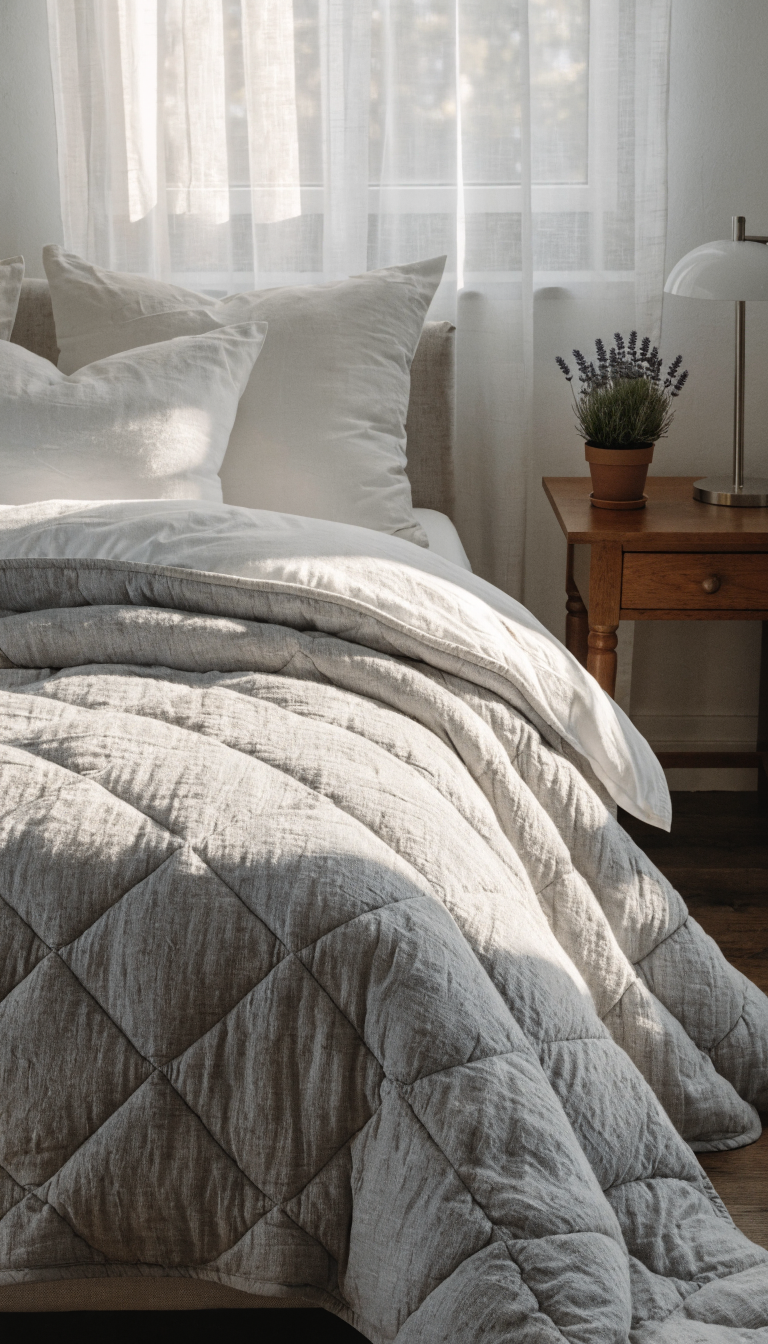
Deep pressure stimulation from weighted blankets triggers the release of serotonin and dopamine while reducing cortisol. Basically, it’s like a gentle hug that tells your nervous system to chill out.
Choose a blanket that’s roughly 10% of your body weight for optimal comfort without feeling trapped. Look for breathable materials like cotton or bamboo to prevent overheating.
If you run hot at night, try using the weighted blanket just for the first 20 minutes of sleep to help you drift off, then push it to the side once you’re out. You get the calming benefits without the sauna effect.
15. Personalize with Meaningful Art That Makes You Happy
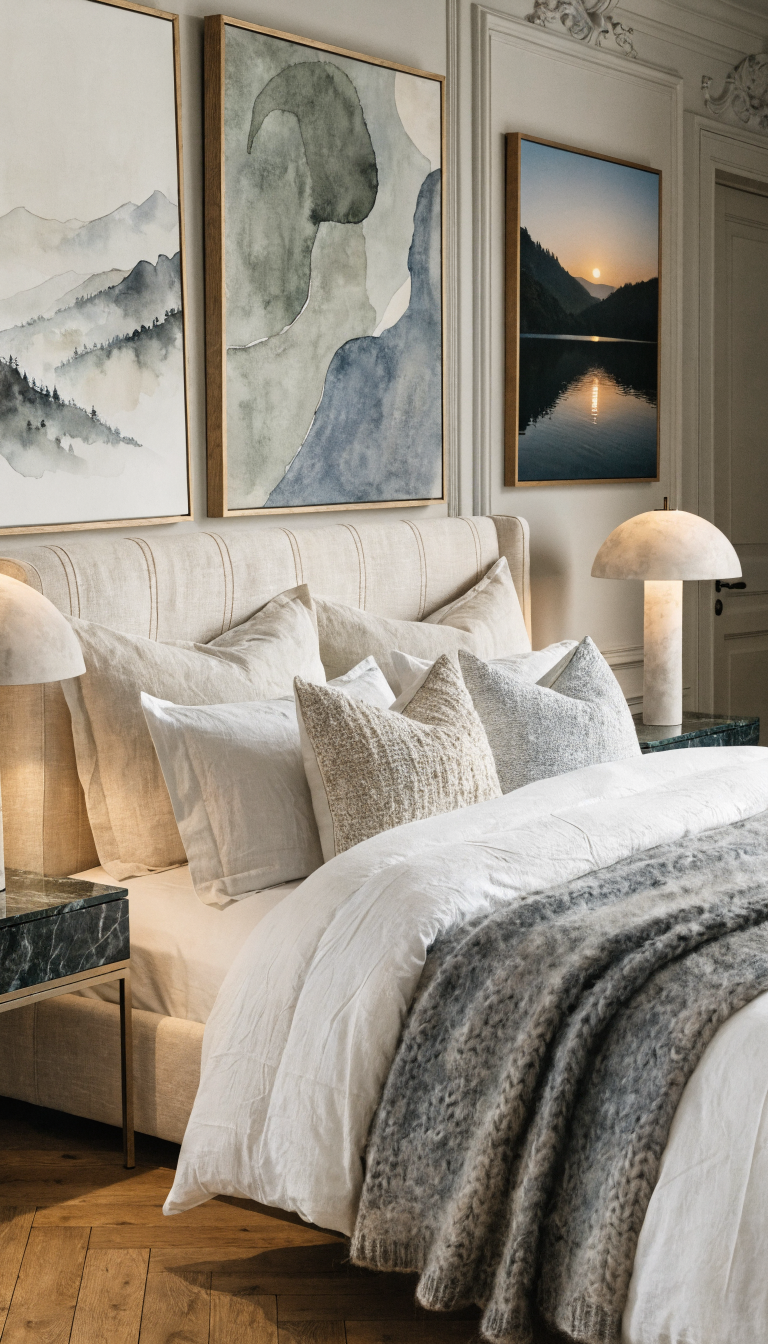
Your bedroom should feel like your personal sanctuary, not a generic hotel room. Hanging meaningful artwork that brings you joy creates positive emotional associations with your sleep space.
Choose calming images over stimulating ones—think peaceful landscapes, abstract art in soothing colors, or personal photography that makes you smile. Avoid anything too energizing or emotionally heavy.
The goal is creating a space that feels uniquely yours while maintaining that restful vibe. When you love your bedroom aesthetically, you’ll actually want to spend time there winding down instead of passing out from exhaustion wherever you happen to land.
There you have it—15 bedroom design ideas that’ll transform your sleep space from chaotic to calming. Start with one or two changes that resonate most with you, and build from there. Sweet dreams are closer than you think!