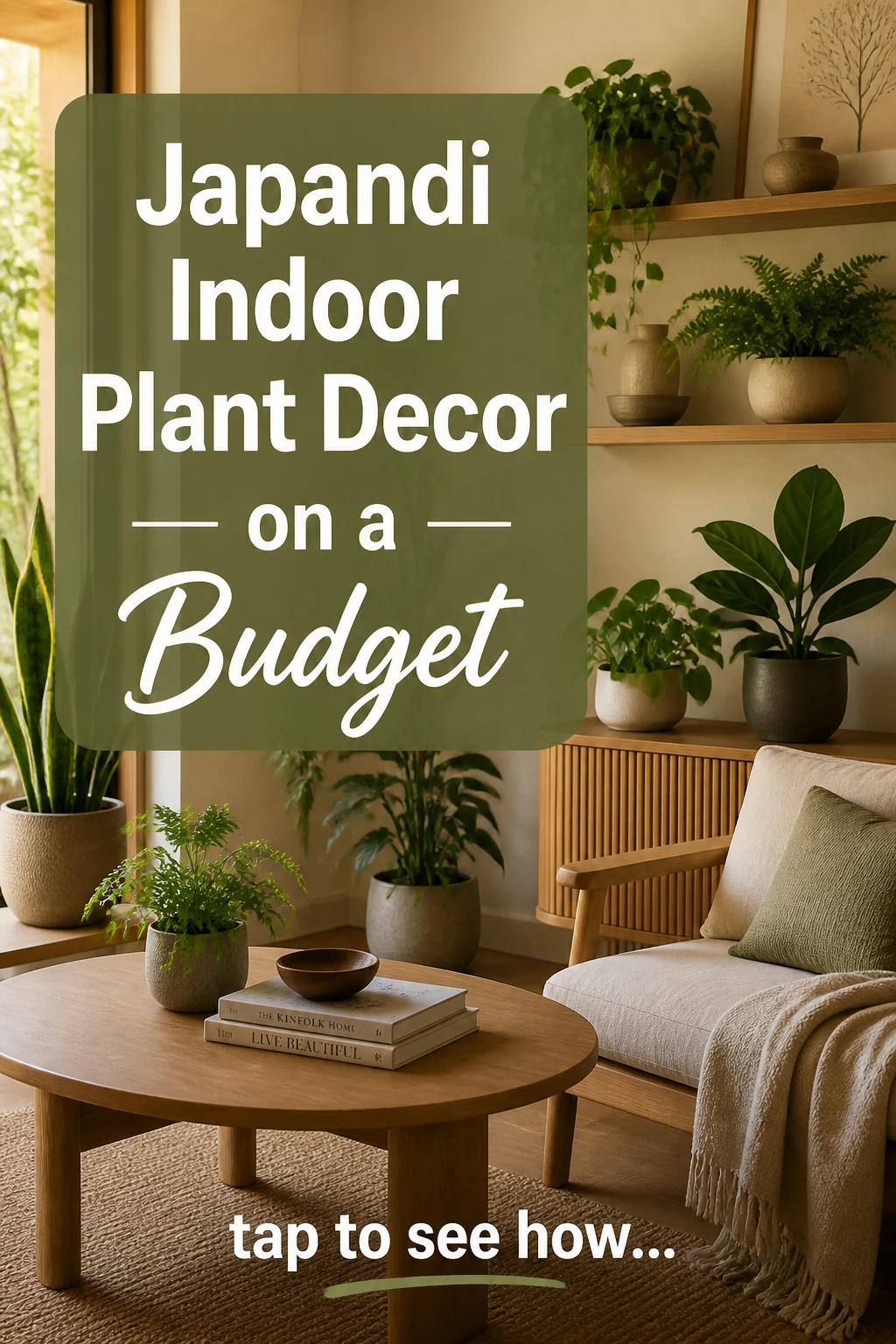
Let’s be real—you want your home to look like it belongs in a design magazine, but your wallet is screaming “absolutely not.” Good news: the Japandi aesthetic is basically made for people like us. This beautiful mashup of Japanese minimalism and Scandinavian coziness creates a serene, clean space that actually gets better (and cheaper) when you add plants.
Ready to turn your place into a zen paradise without emptying your bank account?
What Makes Japandi the Perfect Plant Aesthetic
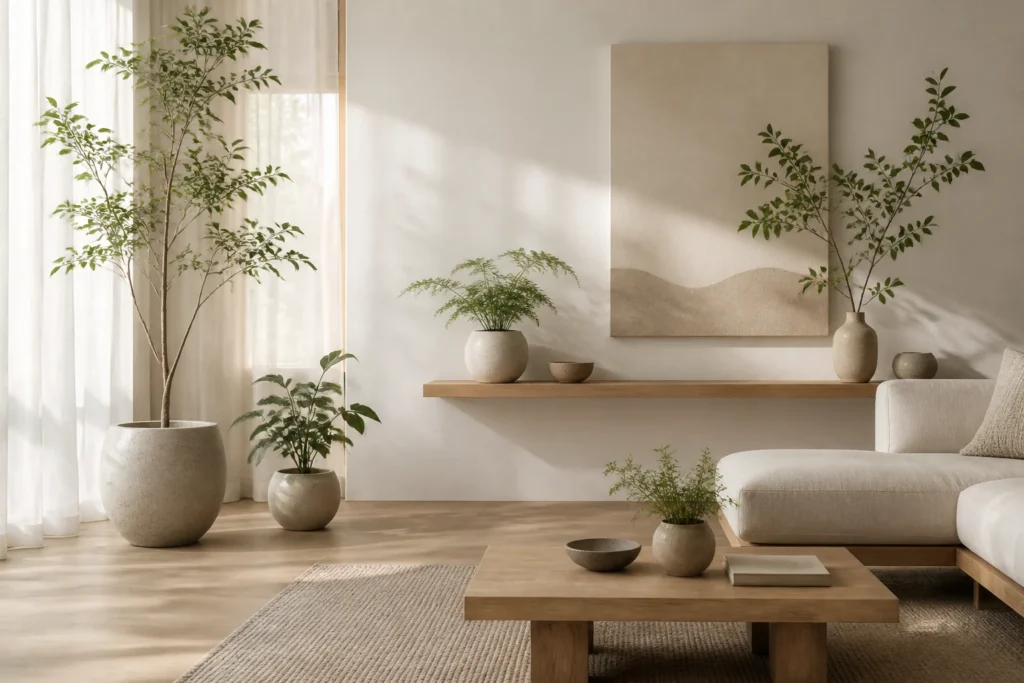
Think of Japandi as the design world’s power couple. You’ve got Japanese minimalism bringing that calm, decluttered energy, while Scandinavian functionality adds warmth and livability. Together, they create spaces filled with natural light, neutral tones, and just enough breathing room to make you feel like you can actually relax.
Plants fit into this vibe like they were literally designed for it. They soften all those clean lines and linear furniture pieces without creating visual chaos. Plus, they bring in organic shapes and textures that contrast beautifully with the structured aesthetic. And let’s not forget the practical stuff—air purification and mood boosting are pretty sweet bonuses when you’re trying to create your personal sanctuary.
Start Growing Your Collection Without Spending a Dime
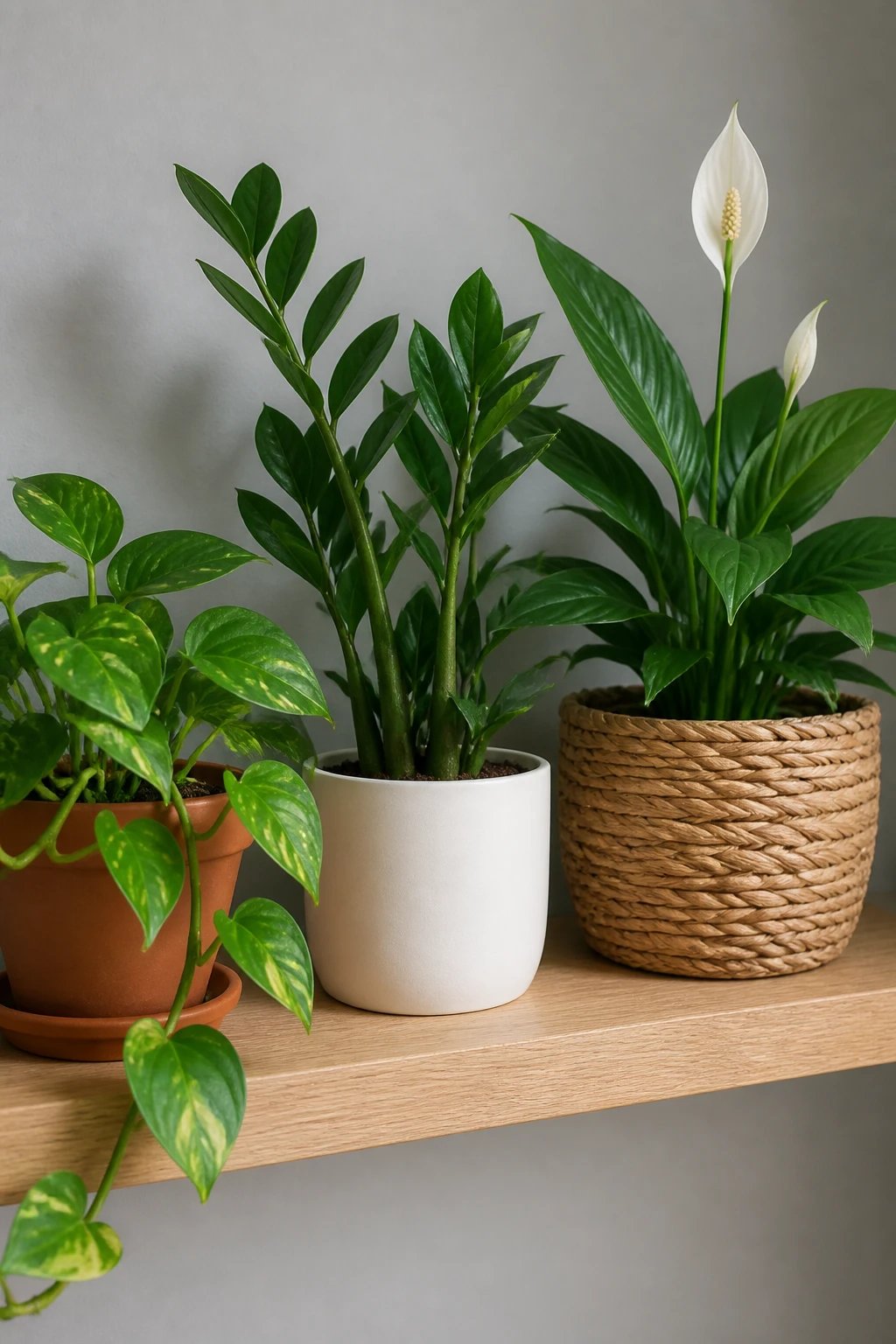
Here’s where things get fun. You don’t need to raid the garden center to build an impressive plant collection. Propagation is your new best friend, and it’s basically free.
The Propagation Game Plan
Got friends with plants? Ask for clippings. Most plant people are actually thrilled to share because we’re nerds like that. Pothos, string of pearls, and snake plants propagate ridiculously easily—just stick them in water and wait for roots to appear.
Plant swaps are another genius move. Check your local community groups or social media for plant swap events. You show up with clippings or plants you’re willing to trade, and you leave with completely new varieties. Zero dollars spent, maximum plant diversity achieved.
Choosing the Right Pots and Planters
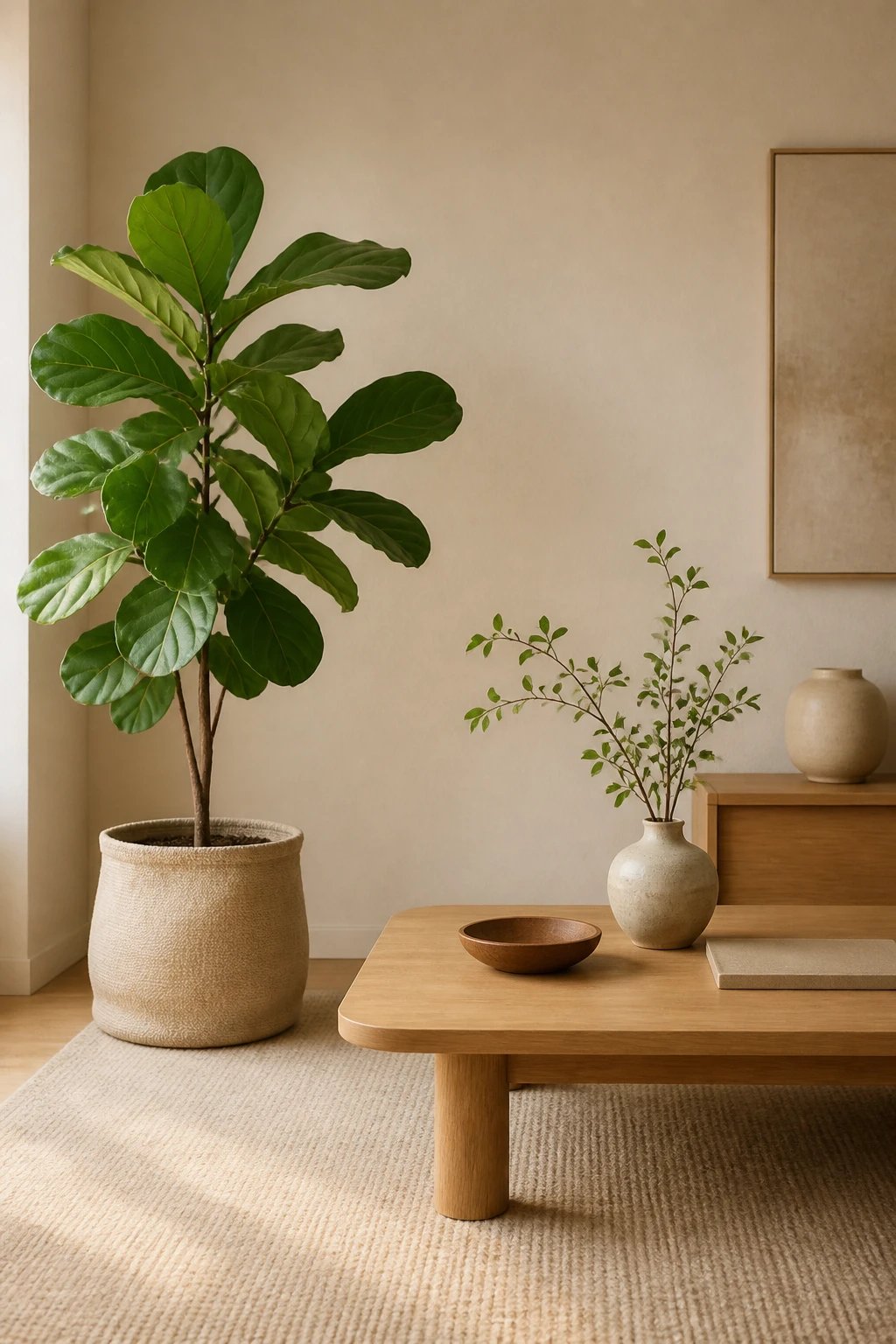
This is where a lot of people accidentally ruin the Japandi vibe. You want to stick with materials that feel natural and subdued—think clay, ceramic, or matte white finishes. Glossy neon pots? Save those for a different aesthetic.
Mix up your pot shapes to keep things interesting. Combine round and square planters for subtle visual variety while maintaining that minimal, elegant look. The key word here is subtle—Japandi isn’t about loud statements.
DIY Pot Makeovers That Actually Look Good
Got some old pots lying around that don’t quite fit the vibe? Paint them in soft beige, taupe, or chalk white. Wrap them with jute or linen ribbons to tie in those natural materials the Japandi style loves so much. Honestly, a $2 can of paint can transform your entire plant game.
Smart Display Solutions for Small Spaces
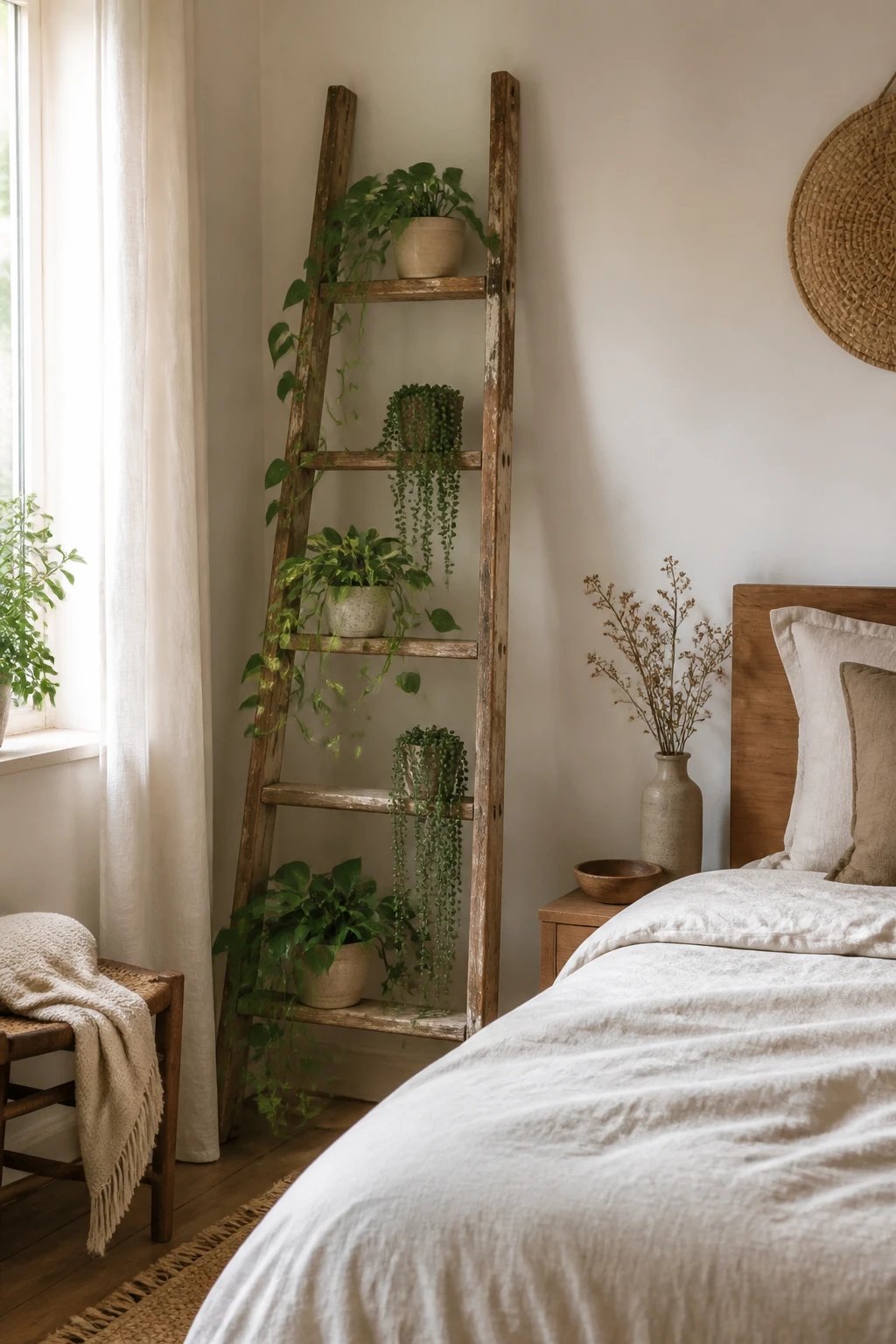
Not everyone has sprawling square footage to work with, and that’s totally fine. Japandi actually works brilliantly in compact spaces because it’s all about intentional placement.
Go Vertical with Plant Stands
Bamboo or wood plant stands are your secret weapon. They let you display multiple plants in a tiny footprint while adding visual height. This vertical approach creates layers and depth without eating up precious floor space. Plus, most plant stands are surprisingly affordable—you can find decent ones for under $30.
Hang It Up
Hanging plants near windows using jute or rattan planters is peak Japandi energy. Pothos and string of pearls are perfect candidates because they look gorgeous cascading down. You get all the greenery benefits without sacrificing any floor or surface space. Win-win.
Floating Shelves Are Your Friend
Simple wood or white floating shelves create a structured plant wall that still feels open and minimal. Style them with smaller plants, a few carefully chosen books, and maybe a ceramic piece or two. The beauty is in the breathing room between items—don’t pack them in like you’re running a plant store.
The Best Low-Maintenance Plants for This Look
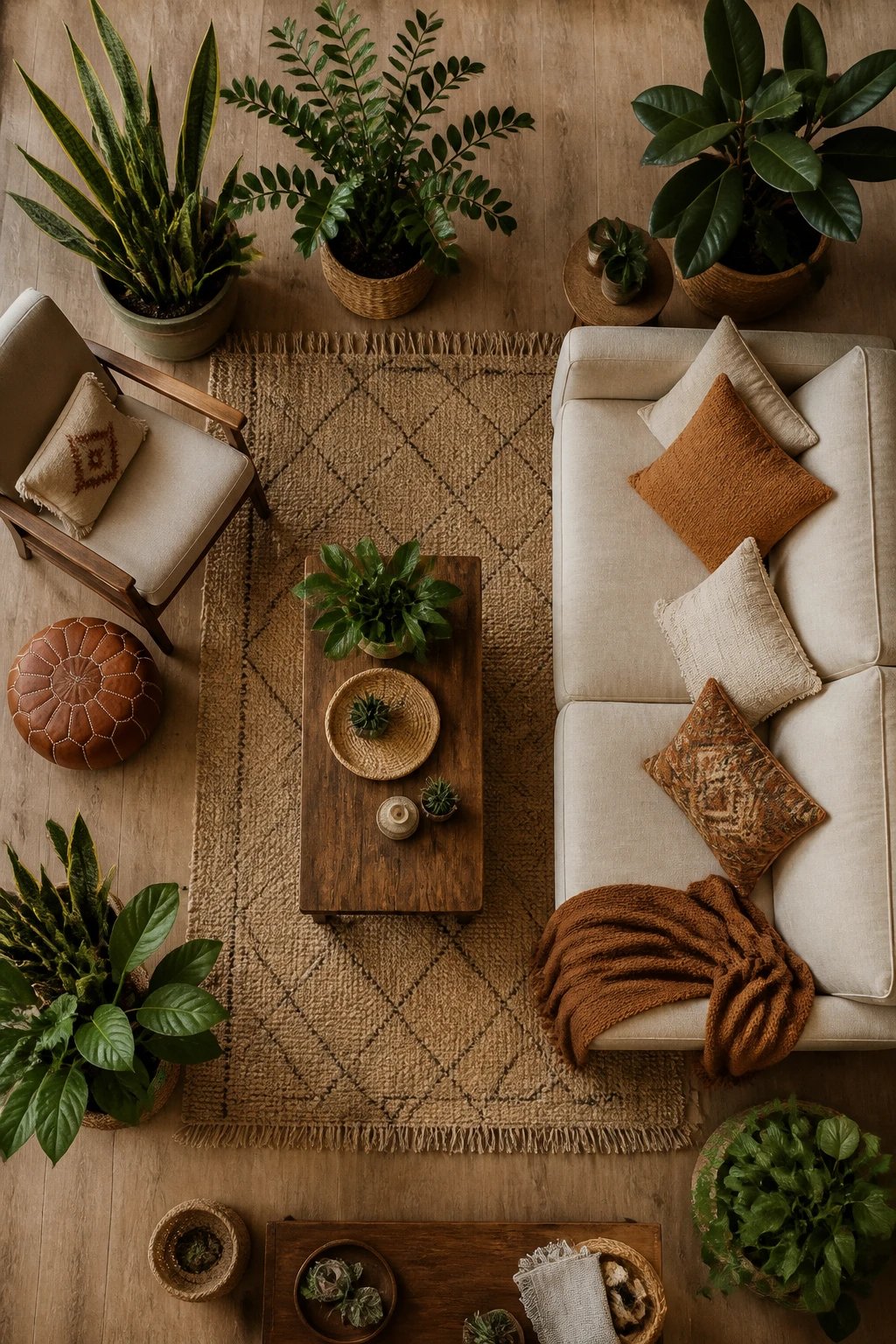
Let’s talk plant selection, because not every green thing belongs in a Japandi space. You want plants with strong, clean silhouettes that complement the aesthetic’s structured lines.
The MVPs here are snake plants, rubber plants, and ZZ plants. They’ve got that architectural quality that looks intentional and sculptural. Plus, they’re basically indestructible, which is perfect if you’re busy or, let’s be honest, occasionally forget to water things.
For visual interest, mix your plant personalities. Pair a tall rubber plant with a trailing fern or a monstera for variety that feels curated instead of chaotic. You want leafy, trailing, and sculptural elements working together in harmony.
Statement Plants That Won’t Break the Bank
Sometimes you just need one dramatic plant to anchor a space. A tall fiddle leaf fig or bird of paradise makes a gorgeous statement piece, especially in a bare corner that’s been looking sad. You can often find these on sale at big box stores or through local plant sellers on Facebook Marketplace.
Budget-Friendly Styling Tricks That Look Expensive
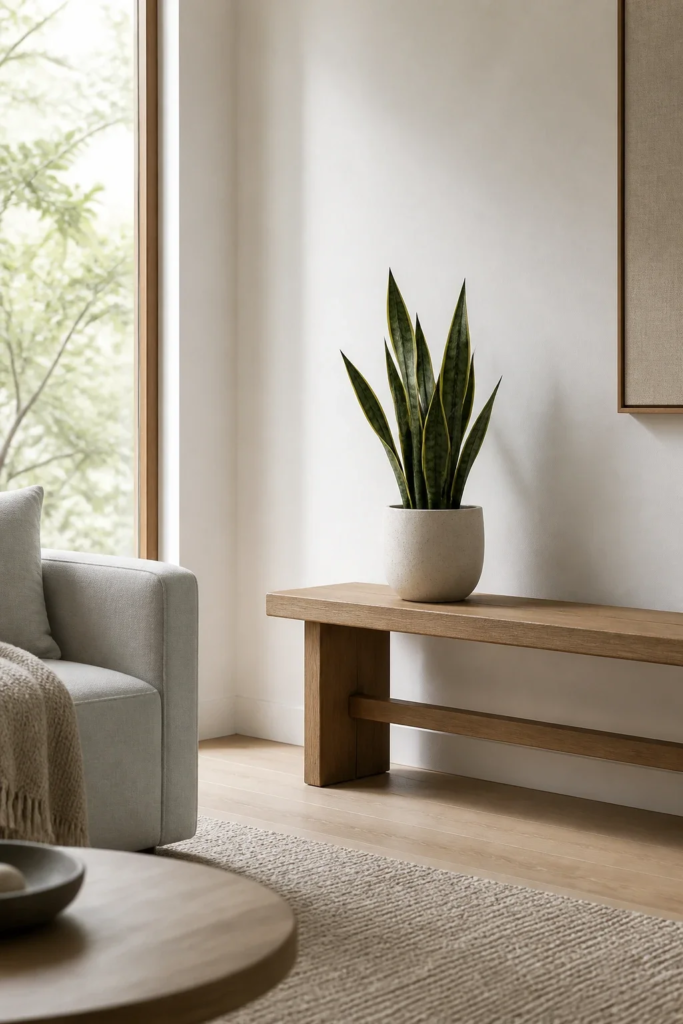
This is where you separate the amateurs from the pros. These little touches elevate your plant game from “I have plants” to “I clearly know what I’m doing.”
Top Dressing for That Polished Look
Finish off your pots with moss, sand, or neutral-colored pebbles on top of the soil. This creates a polished, zen-like effect that screams Japandi sophistication. Plus, it helps retain moisture and keeps fungus gnats at bay. Functional and beautiful? That’s the whole point of this aesthetic.
Repurpose What You Already Have
Glass jars, tea tins, old candle holders—they all make fantastic planters. Line them with plastic if they don’t have drainage holes, and suddenly you’ve got sustainable, characterful plant displays. FYI, this approach adds unexpected texture that makes your space feel more collected and personal.
Use Reclaimed or Alternative Furniture
Instead of buying expensive plant tables, scout out reclaimed wood benches or low-profile coffee tables. Thrift stores and Facebook Marketplace are goldmines for this stuff. These pieces fit the Japandi aesthetic perfectly while giving you surfaces to create small plant groupings.
Woven baskets are another budget-friendly winner. Choose neutral or light-toned ones for that cozy Scandinavian feel. Just line them with plastic pots to protect the basket interior from water damage. You can find decent baskets at dollar stores, IKEA, or home goods stores for under $15.
Creating Your Personal Green Oasis
Now for the fun part—bringing it all together into actual livable spaces.
The Reading Nook Setup
Designate a cozy corner with a lounge chair, a soft throw, and a trio of plants. This becomes your personal quiet green space—perfect for reading, sipping tea, or just sitting quietly while questioning your life choices (we all do it). The plants create a natural boundary that makes the nook feel special and separate.
Window Sill Magic
Natural light is essential for both your plants and the Japandi aesthetic. Place plants on window sills or near large openings to enhance that airy, open feel the style is known for. This also happens to be exactly where most plants want to be anyway, so you’re really just working with nature here.
Low-Maintenance Dried Arrangements
Not every plant needs to be alive, and I mean that in the best way possible. Dried branches, eucalyptus, or pampas grass in neutral vases bring nature indoors without any watering requirements. They’re perfect for people who travel frequently or just want some no-fuss greenery in certain spots.
Maintaining the Japandi Plant Vibe
You’ve set everything up beautifully—now let’s keep it that way without becoming a slave to your plants.
Rotation Is Key
Rotate your plants every week or so to ensure they get even light exposure. This keeps them growing symmetrically and prevents that sad lean toward the window. Healthy, balanced plants enhance the peaceful energy that Japandi interiors are all about.
Less Is Actually More
This might be the hardest lesson for plant enthusiasts, but avoid overcrowding. Japandi values breathing space and intentionality. Arrange plants in small clusters of two or three, and let each one have its moment. Not every surface needs a plant. Some surfaces can just… exist. Revolutionary, I know.
Style with Complementary Decor
Pair your plants with neutral-toned books, ceramic candle holders, or linen-covered journals. These small accents tie together the natural and minimal elements without creating clutter. The goal is cohesion, not chaos.
Embrace Seasonal Changes
Swap in new leaves or flowers based on the season. A simple eucalyptus sprig in winter or a blooming kalanchoe in spring adds freshness without requiring a complete redesign. This keeps your space feeling dynamic and connected to the natural world.
Frequently Asked Questions
What exactly is Japandi style?
Japandi combines Japanese minimalism with Scandinavian functionality and warmth. You get clean lines, neutral colors, natural materials like wood and linen, and plenty of breathing room. It’s basically the design equivalent of a deep breath—calm, intentional, and focused on quality over quantity.
Which plants work best for Japandi interiors?
Look for plants with strong, sculptural silhouettes like snake plants, rubber plants, ZZ plants, monstera, and fiddle leaf figs. These have clean lines that complement the aesthetic. Mix in some trailing plants like pothos or string of pearls for variety. The key is choosing plants that look intentional rather than messy.
How can I style plants on a tight budget?
Start with propagation and plant swaps to build your collection for free. Use DIY pot makeovers with paint and natural materials. Shop thrift stores and Facebook Marketplace for plant stands and furniture. Repurpose jars and containers you already have. The Japandi aesthetic actually benefits from this resourceful approach—it values sustainability and thoughtful curation over expensive purchases.
What colors should I use for pots and planters?
Stick with neutral tones like matte white, beige, taupe, soft gray, and natural terracotta. These colors blend seamlessly with Japandi’s muted palette. Avoid bright colors, busy patterns, or glossy finishes that would disrupt the calm, cohesive look.
How many plants should I have in a Japandi space?
Quality over quantity is the mantra here. Rather than filling every corner with plants, choose fewer specimens and give them proper space to shine. Arrange them in small groupings of two or three, with plenty of negative space around them. IMO, three well-placed plants create more impact than fifteen crammed together.
Can I include colorful plants or flowers?
Absolutely, but keep it subtle and seasonal. A blooming plant in soft pink or white works beautifully. Just avoid anything too bold or tropical-looking that would clash with the serene aesthetic. Think delicate orchids, white peace lilies, or soft-colored kalanchoes rather than bright orange gerbera daisies.
Bringing It All Together
Creating a beautiful Japandi plant space on a budget isn’t just possible—it’s actually easier than going the expensive route. The whole philosophy behind this aesthetic values intentionality, sustainability, and breathing room, which naturally leads you away from impulse buying and toward thoughtful curation.
Start small with propagation and plant swaps. Choose your pots and planters carefully, favoring natural materials and neutral tones. Display your plants using vertical solutions and reclaimed furniture. Focus on low-maintenance varieties with strong silhouettes. And most importantly, resist the urge to overcrowd. Every plant, every pot, every surface should have a reason for being there.
The beauty of Japandi is that it works with your life rather than against it. You don’t need a massive budget or endless time for plant care. You just need to be deliberate about what you bring into your space and how you arrange it. The result? A home that feels like a peaceful retreat where you can actually breathe—and that’s worth way more than any expensive design scheme.