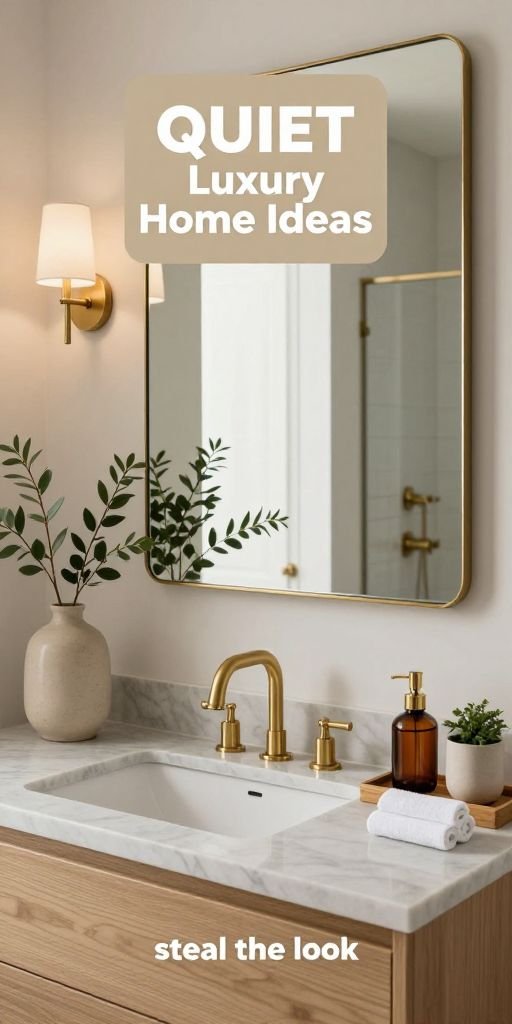
Remember when luxury meant dripping chandeliers and gold everything? Yeah, that era is officially over. The homes that truly feel expensive today don’t shout about it—they whisper. They make you want to kick off your shoes, curl up with a book, and never leave.
Let’s talk about how to create that vibe in your own space.
The Big Shift: Why Luxury Got Quiet
Here’s the thing about modern luxury: it’s doing a complete 180 from what our parents thought looked expensive. Gone are the days of formal living rooms nobody actually sits in and gold-trimmed everything that screams “look at me!”
The luxury homes that actually feel luxurious today have one thing in common—they feel lived in. They’re calm, intentional, and somehow effortless, even though we all know someone spent serious time getting them to look that way.
You walk into these spaces and immediately sense something’s different. Not because there’s a massive statement piece demanding your attention, but because everything just feels… right. Every object seems like it belongs exactly where it is.
Collected, Not Catalog: The Art of Looking Unstaged
Want to know the fastest way to make your home look like a boring showroom? Buy everything at once from the same store. Seriously, don’t do it.
Luxury interiors feel curated over time, like each piece has its own little backstory. Maybe that ceramic vase came from a trip to Portugal. Perhaps those vintage books were your grandmother’s. The modern coffee table? That’s new, but it plays beautifully against the aged wood shelving.
The magic happens in the contrast. Soft linen draped over a rough wooden bench. A sleek modern lamp next to weathered antique books. These combinations create visual interest without making your space feel like a chaotic mess.
Think of decorating like building a playlist. Sure, you could fill it with the top 40 hits from this week, but the really good playlists mix decades, genres, and moods. Your home works the same way.
Go Big or Go Home: Why Size Actually Matters
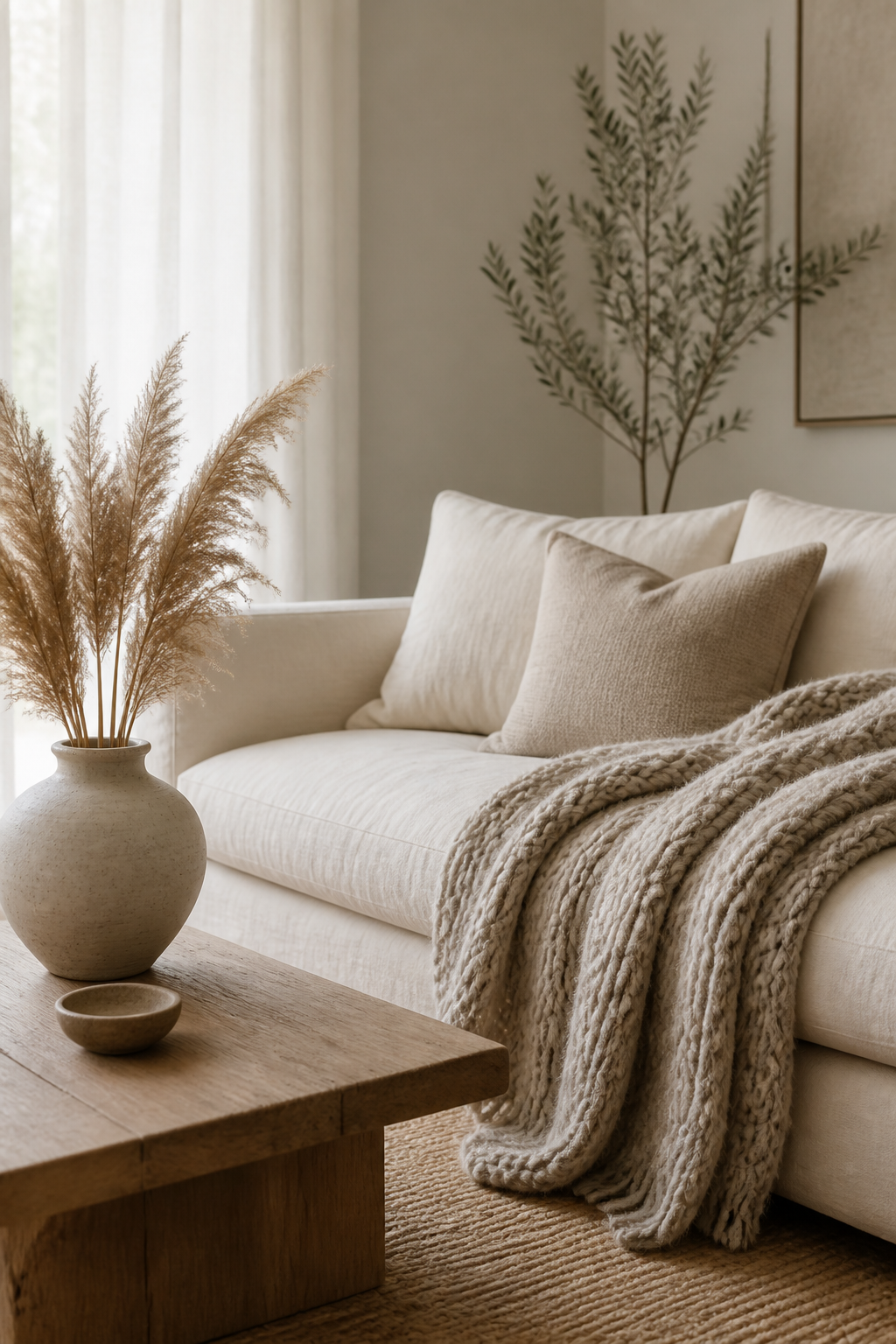
Here’s a counterintuitive tip that’ll change how you decorate: use fewer, larger pieces instead of a bunch of tiny objects.
Most homes feel visually exhausting because every surface is covered in small stuff. Little frames here, tiny candles there, a collection of miniature succulents over there. Your eye doesn’t know where to land, so it just gets tired.
Luxury spaces do the opposite. One oversized vase makes a statement. One large piece of artwork anchors a wall. One substantial lamp creates presence. These bigger pieces give your room visual confidence and, honestly, make decorating way easier.
Plus, fewer objects mean less dusting. Just saying.
Let Your Room Breathe
When you scale up your decor, something magical happens—your space gets room to breathe. Suddenly, you’re not playing decorative Tetris on every shelf and surface.
This breathing room creates the kind of calm that genuinely feels expensive. Empty space isn’t wasted space. It’s luxury.
Designing With Light and Shadow (Not Just Objects)
Most people decorate by choosing furniture and objects. Designers? They decorate with light and shadow, and this is where things get really interesting.
Think about a softly glowing lamp casting warm light against a textured wall. Or natural sunlight filtering through linen curtains, creating those gorgeous shadows that shift throughout the day. Maybe it’s candlelight reflecting off a wooden surface at dinner.
This atmospheric quality—this play of light and shadow—creates mood in a way that objects alone never can. It makes a home feel alive and constantly changing rather than static and staged.
Want to level up your lighting game? Layer it. Overhead lighting is fine for functionality, but it’s the table lamps, floor lamps, and candles that create actual atmosphere. Aim for multiple light sources at different heights in each room.
Embrace Imperfection (Yes, Really)
Here’s the plot twist: what often makes a home feel truly expensive is imperfection. Wild, right?
Handmade ceramics with slight variations. Natural stone with unique veining. Aged wood with character marks. Linen that wrinkles (because that’s what linen does). These materials feel human and authentic in a way that perfectly polished, mass-produced stuff just can’t match.
Modern luxury leans into organic, natural materials because they bring warmth. They tell you that real people live here, not robots programmed for perfect interior staging.
That hand-thrown pottery bowl might not be geometrically perfect, but it has soul. The reclaimed wood table might have some weathering, but that’s exactly what makes it interesting. IMO, these “imperfections” are actually the whole point.
The Warmth of Natural Materials
Natural materials also age beautifully. That leather sofa gets better with time. The wood floor develops a patina. The stone countertop tells a story.
Compare that to cheap synthetic materials that just look increasingly worn and sad. Natural materials mature; synthetic ones just deteriorate. There’s a difference.
The Power of Empty Space
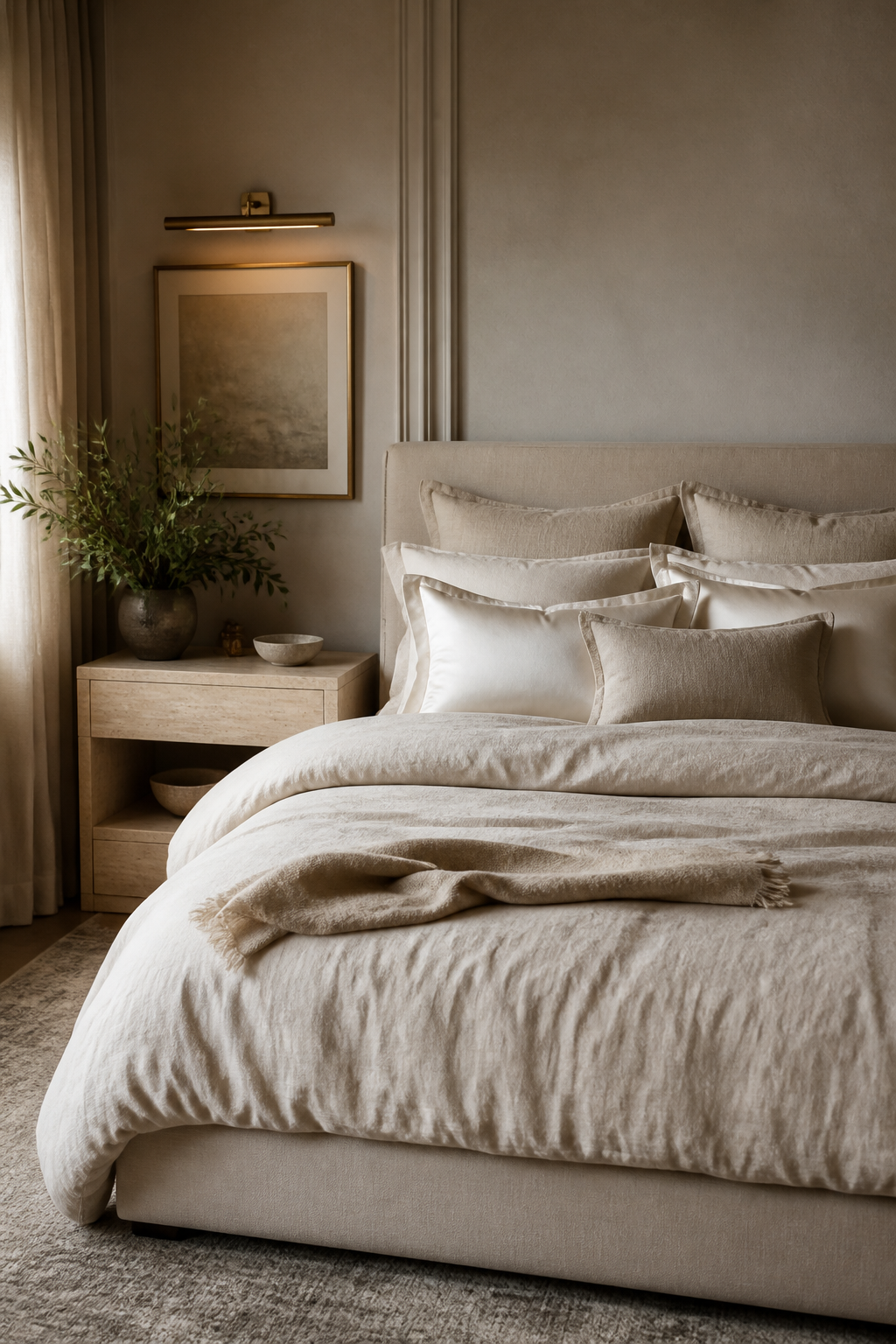
Let’s talk about something radical: leaving surfaces empty. I know, I know—it feels weird at first.
One of the rarest luxuries in modern homes is actually emptiness. We’re so conditioned to fill every corner and cover every surface that we forget how powerful negative space can be.
Luxury interiors aren’t afraid of emptiness. They embrace it. A dining table with just a simple vase (or nothing at all). A shelf with three objects instead of thirty. An entire corner that’s just… empty.
This “silence” in design creates visual calm, and calmness absolutely feels expensive. Your brain doesn’t have to work overtime processing visual information, so you can actually relax.
Try this experiment: clear off one surface completely. A countertop, a shelf, whatever. Leave it empty for a week and notice how it makes you feel. You might be surprised.
The Rule of Three (or Less)
When you do style a surface, consider the rule of three. Three objects (or fewer) tend to look intentional and curated. More than that, and you’re entering “busy” territory.
Group items in odd numbers and vary their heights for visual interest. But honestly? Sometimes one perfect object is all you need.
Layered Warmth Over Matchy-Matchy
Here’s what expensive interiors don’t do: match everything perfectly. You know those furniture sets where the sofa, loveseat, and chair all come from the same collection? Yeah, designers usually avoid that.
Instead, luxury spaces layer warmth through subtle variations. Cream beside beige. Matte black next to walnut wood. Soft white paired with textured stone. Linen curtains with wool throws.
These combinations create depth and visual richness without looking chaotic. The key is staying within a cohesive color family while mixing textures, materials, and tones.
Think of it like cooking. A dish with twenty different spices tastes confused. But a few complementary flavors, each adding their own dimension? That’s when magic happens.
Mix Your Eras for Instant Depth
Want your home to look like it wasn’t decorated in a single panic-fueled IKEA trip? Mix old and new.
Pair that sleek modern sofa with a vintage coffee table. Put contemporary art above an antique console. Combine mid-century chairs with a brand-new dining table.
This mixing of eras adds layers of interest and keeps your space from looking like a showroom floor. It also makes your home feel more personal and collected over time, even if you actually did buy half of it last month. (Your secret’s safe with me.)
Plus, incorporating vintage or antique pieces is often more sustainable than buying everything new. And it gives you permission to haunt estate sales and thrift stores, which is honestly just fun.
The 80/20 Rule
If you’re nervous about mixing styles, try the 80/20 rule. Let 80% of your space be one dominant style (modern, traditional, whatever), then add 20% of contrasting pieces for interest.
This keeps things cohesive while still adding that layered, collected vibe that feels expensive.
Hidden Functionality: Luxury Loves a Secret
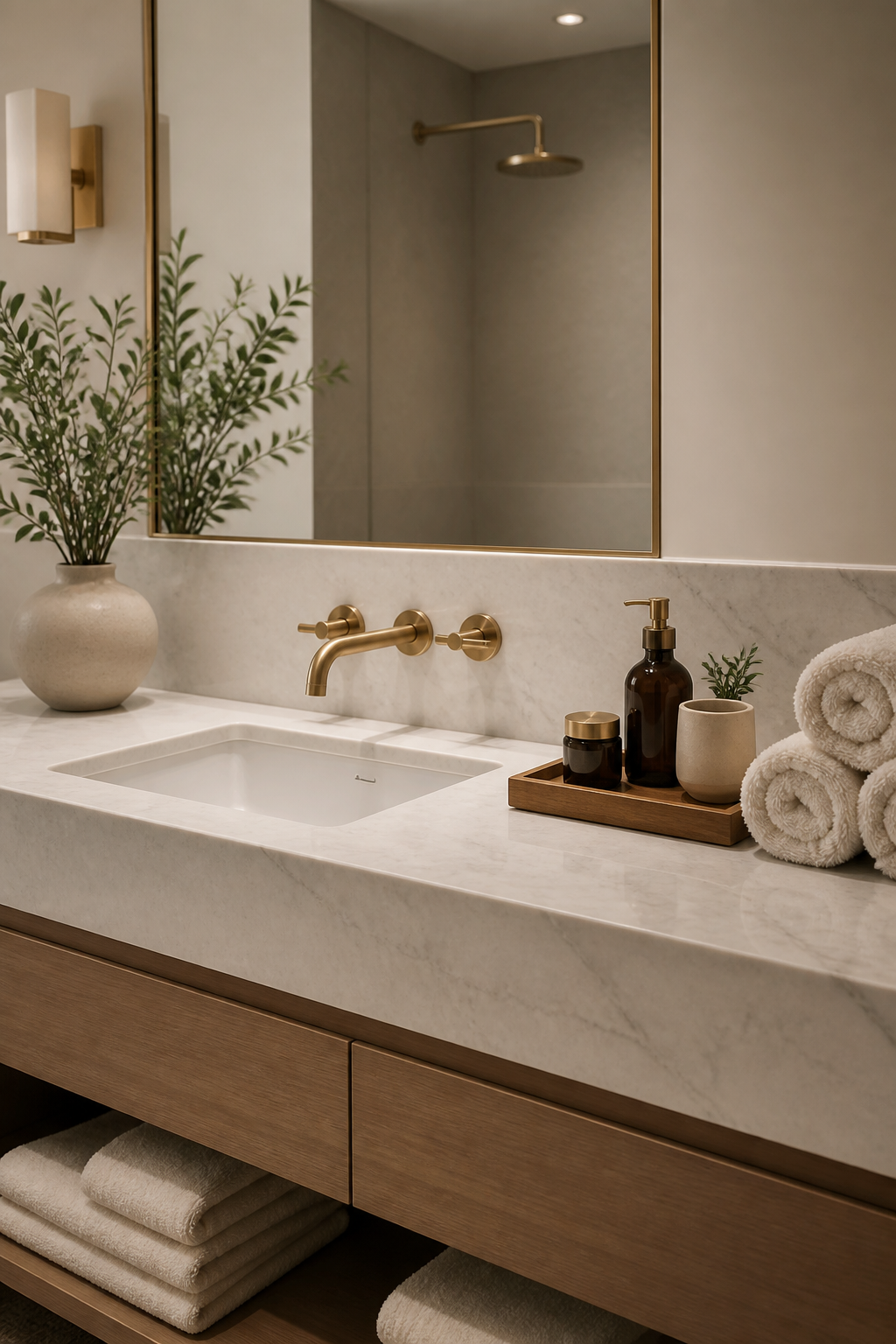
True luxury often feels effortless because all the messy, functional stuff is hidden. The TV disappears into a cabinet. Charging stations hide in drawers. Storage looks like beautiful furniture, not plastic bins.
This hidden functionality is what makes those gorgeous Instagram homes actually livable. They’re not actually clutter-free because the people who live there own nothing—they just have really good storage solutions.
Invest in furniture that works double duty. Ottomans with storage inside. Coffee tables with hidden compartments. Beautiful boxes and baskets that corral the chaos while looking intentional.
When your functional items are handled, your home automatically feels calmer and more refined. The room works quietly in the background instead of shouting about all your stuff.
Work With Your Architecture, Not Against It
Your home’s bones matter. Luxury spaces feel cohesive because the decor complements the architecture rather than fighting it.
If you have beautiful archways, echo those curves in your furniture choices. Got gorgeous hardwood floors? Choose wood furniture that complements (not necessarily matches) that tone. Large windows with great natural light? Don’t block them with heavy, dark curtains.
This doesn’t mean you can’t put modern furniture in a traditional home or vice versa. It just means being thoughtful about how everything works together. The architecture, the furniture, the decor—they should all feel like they’re part of the same conversation.
FYI, this is also why Pinterest inspiration can be tricky. That Scandi-minimal look might be gorgeous, but if you live in a Spanish colonial with arched doorways and textured walls, you might need to adapt the aesthetic rather than copy it exactly.
The Real Secret: Less Is More (But Make It Intentional)
Want to know the biggest secret behind expensive-looking homes? It’s not about adding more. It’s about choosing carefully.
Carefully chosen textures. Carefully chosen light. Carefully chosen objects. Carefully chosen empty space.
When these elements come together naturally—without force, without overthinking—the home starts to feel calm, elevated, and deeply personal all at once. That’s the sweet spot.
This is why “quiet luxury” works so well. It’s not about impressing people with how much money you spent. It’s about creating a space that feels so good to be in that you never want to leave.
And honestly? That’s way more valuable than any chandelier.
Frequently Asked Questions
What exactly is “quiet luxury” in home decor?
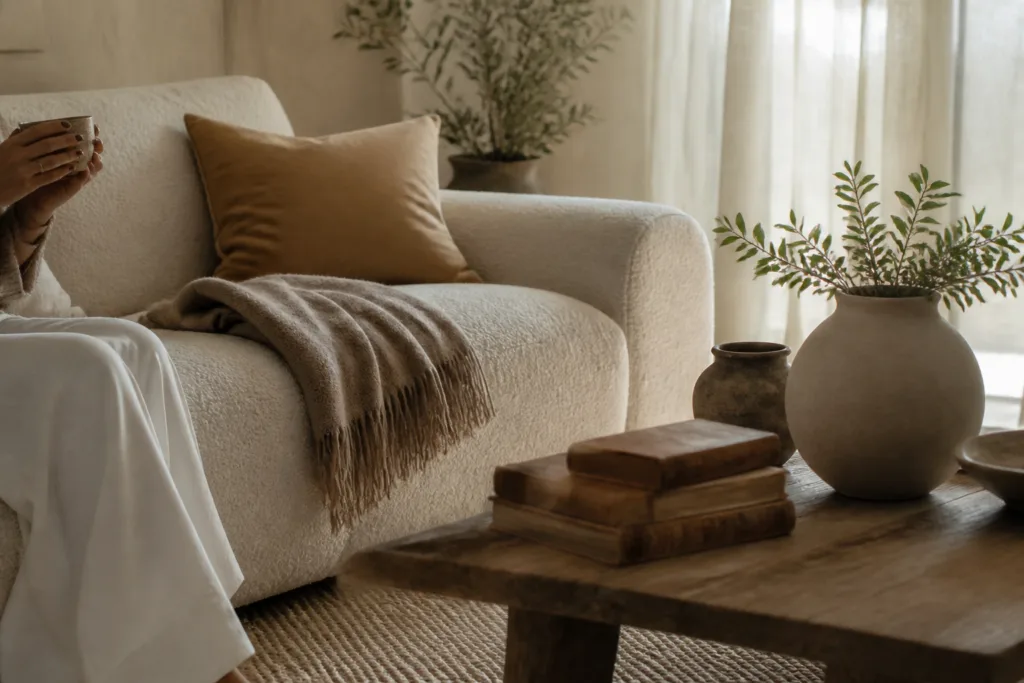
Quiet luxury is an aesthetic that prioritizes understated elegance over obvious displays of wealth. Instead of flashy gold accents and ornate details, it focuses on high-quality materials, thoughtful curation, beautiful lighting, and plenty of breathing room. The goal is creating spaces that feel calm, intentional, and effortlessly sophisticated rather than showy or staged.
How can I make my home look expensive on a budget?
Focus on decluttering and creating empty space first—it’s free and instantly elevates your home. Then prioritize a few larger statement pieces over many small objects. Invest in good lighting (even affordable lamps make a huge difference). Mix in natural materials like wood and linen, which add warmth without breaking the bank. Finally, shop secondhand for vintage pieces that add character and depth to your space.
Should I avoid matching furniture sets?
Generally, yes. Matching furniture sets can make your home look like a showroom rather than a curated, lived-in space. Instead, mix pieces from different sources and eras while keeping them cohesive through color palette, scale, or style. This creates visual interest and makes your home feel collected over time rather than purchased all at once.
What’s the biggest mistake people make when trying to create a luxury look?
Over-decorating. The impulse is to fill every surface and corner, but luxury spaces actually embrace emptiness. Too many small objects create visual chaos and make even expensive items look cheap. The key is editing ruthlessly—keeping only pieces that genuinely add to the space and letting everything else go.
How important is lighting in creating a luxurious feel?
Incredibly important. Lighting might be the single most underrated element in home design. It creates atmosphere, highlights textures, and transforms how everything else looks. Layer multiple light sources at different heights, avoid relying solely on overhead lighting, and pay attention to how natural light moves through your space throughout the day. Good lighting makes even budget furniture look elevated.
Can I mix modern and traditional styles without it looking weird?
Absolutely! Mixing eras and styles actually adds depth and prevents your home from looking one-dimensional. The trick is maintaining some cohesion through color palette, scale, or repeating materials. Try the 80/20 rule—let one style dominate while using the other as an accent. The contrast creates visual interest while keeping things harmonious.
Final Thoughts
Luxury doesn’t have to be loud, expensive, or intimidating. The quiet luxury aesthetic proves that the most beautiful homes are often the simplest ones—spaces that prioritize quality over quantity, atmosphere over objects, and comfort over perfection.
Start small. Clear a surface. Invest in better lighting. Bring in one natural material. Mix something old with something new. You don’t need to renovate your entire home tomorrow.
The beauty of this approach is that it’s less about following rigid rules and more about creating a space that feels good to you. A home that makes you exhale when you walk in the door. That’s the real luxury, and it’s absolutely within your reach.