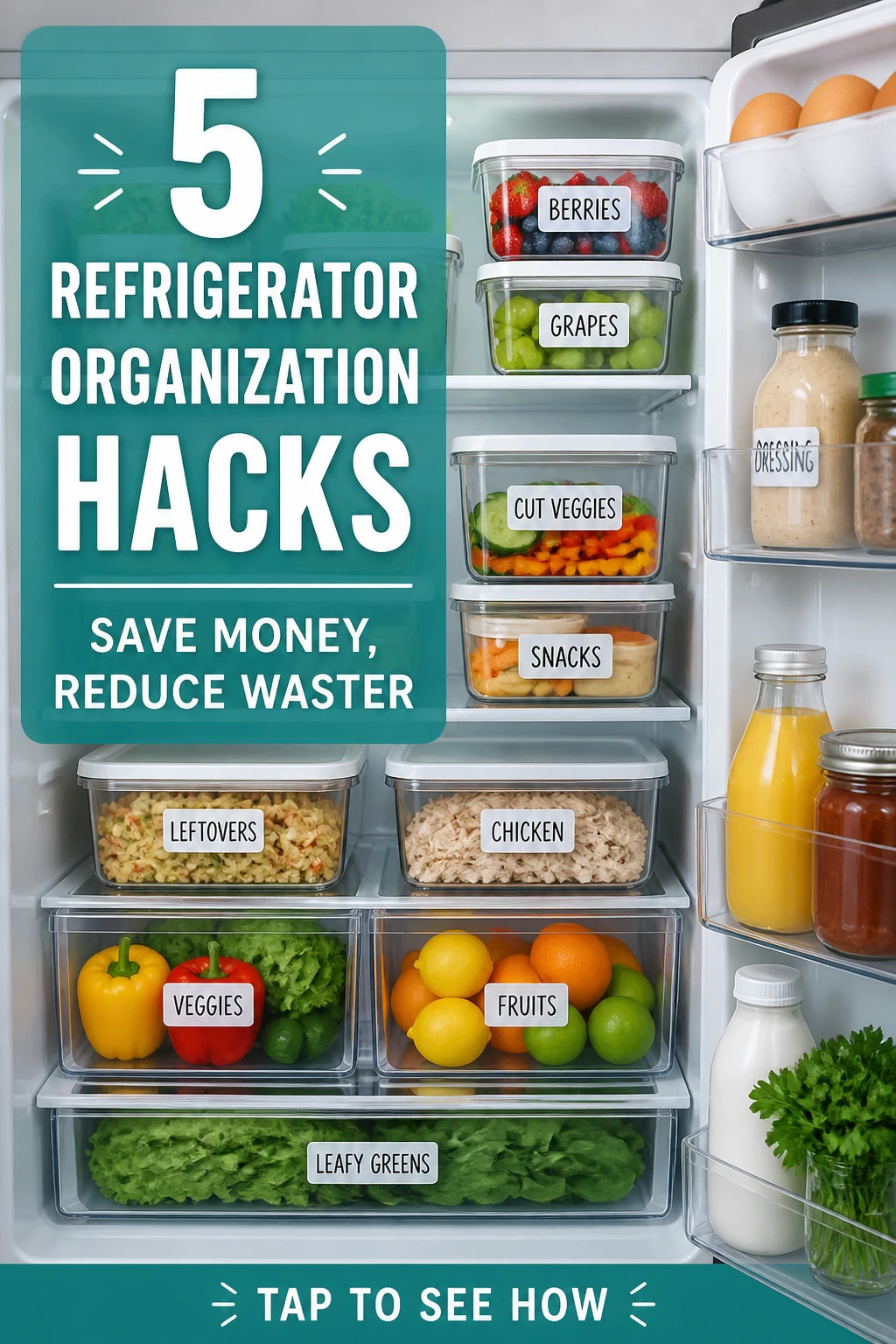
Is your fridge turning into a chaos zone or a money-saving machine? With a few clever tweaks, you can see everything at a glance, waste less, and actually enjoy grocery day again. Let’s turn your cold box into a visual, money-saving masterpiece that feels like a design project you actually want to tackle. Ready to build simple fridge habits that pay off weekly?
1) Smart Zoning For Freshness: Put the Right Things In The Right Spots
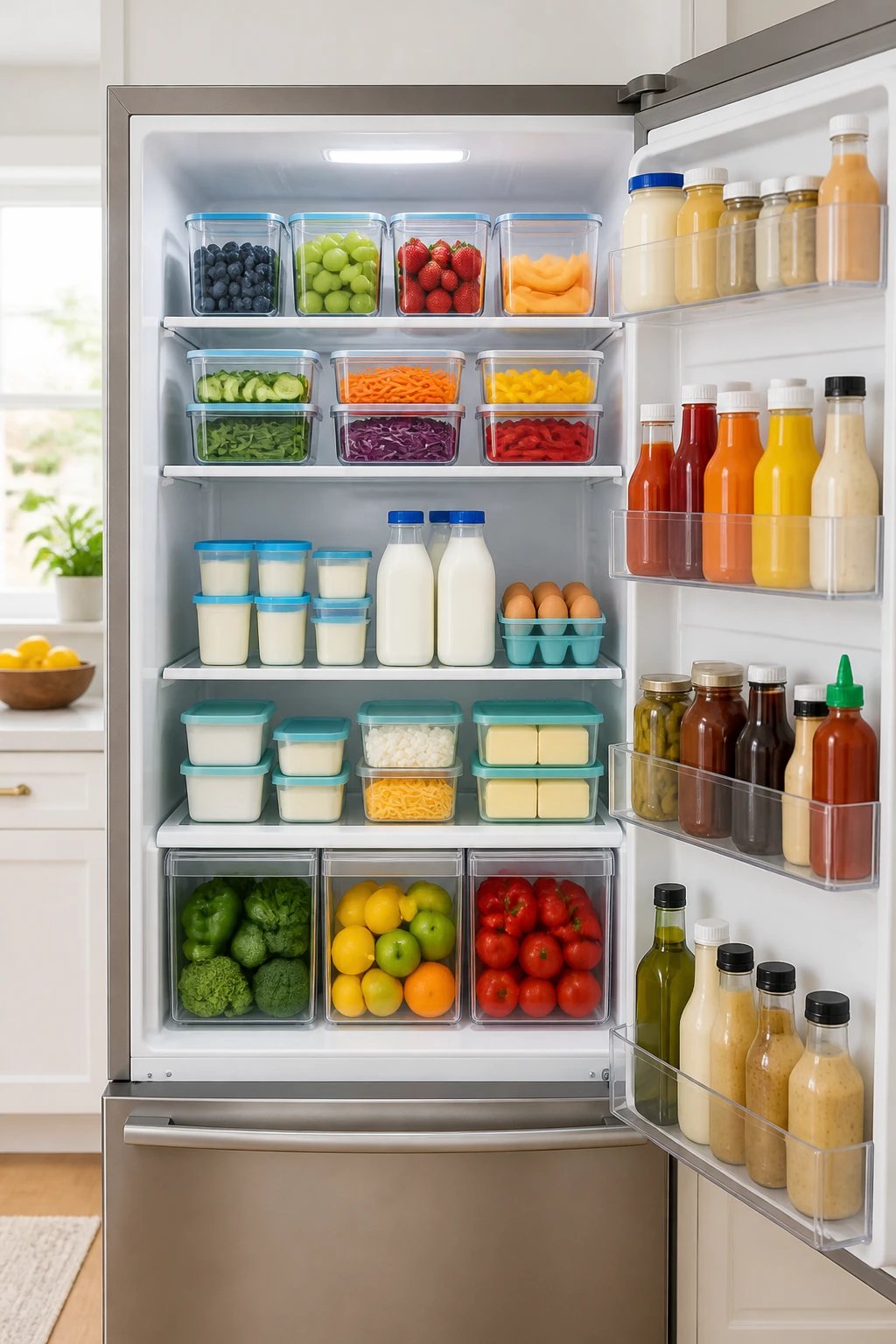
Your fridge isn’t a uniform climate chamber. Different shelves stay different temperatures, and a tiny shift can mean big waste. Think of it like a kitchen dress code: croissants go on the bottom, dairy loves the middle, and the door is for items that can handle a little warm air exposure. This simple zoning mindset keeps raw meat, dairy, and produce at their best so you don’t toss or rebuy as often.
Why bottom and middle shelves win
Bottom shelves tend to stay colder, which helps preserve the integrity of proteins and dairy. The middle area is a steadier zone for ready-to-eat foods and leftovers. When you respect these zones, you extend freshness and reduce the guessing game of “Is this still good?”
2) Visibility Wins: Make Leftovers Obvious To Avoid Waste
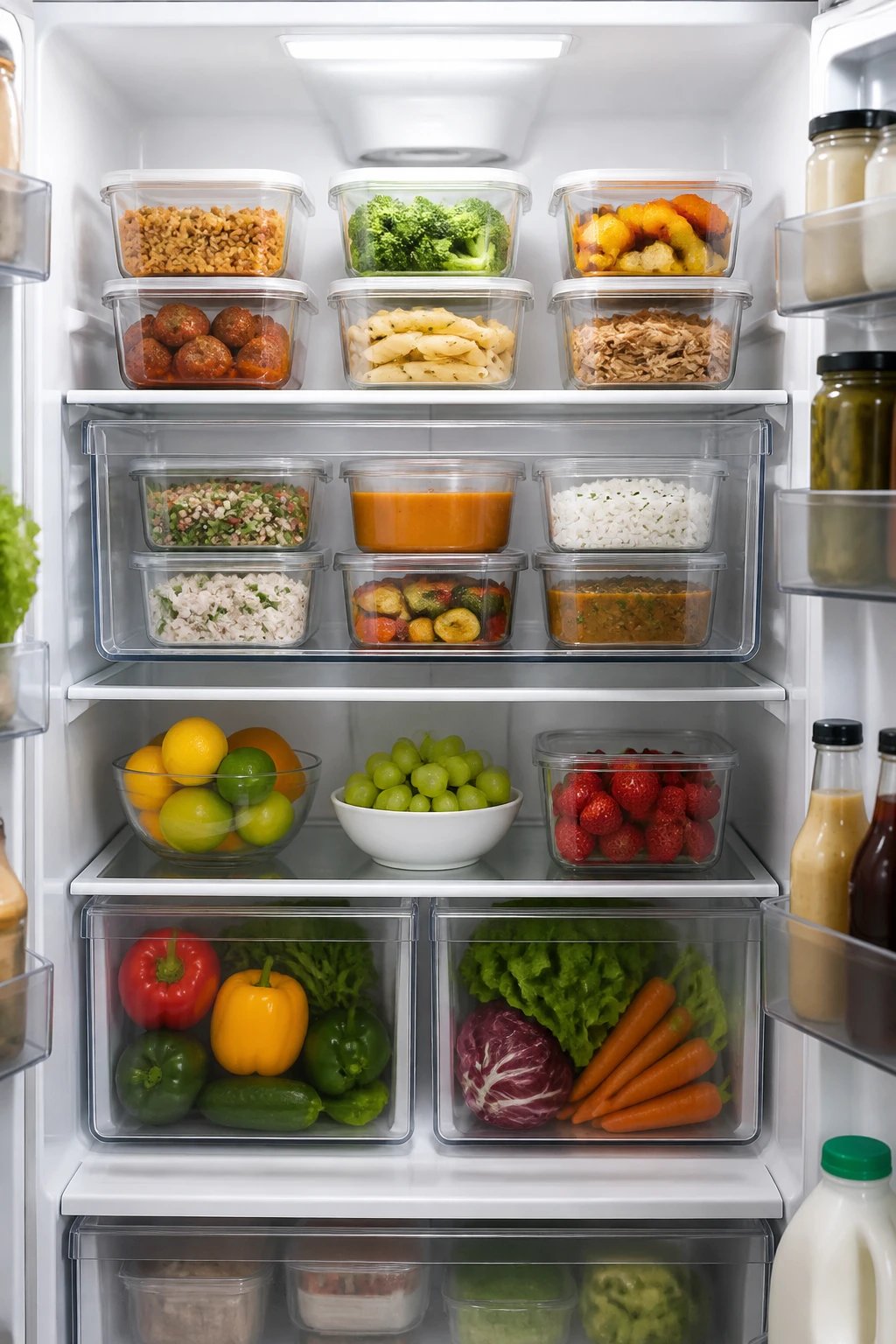
Out of sight usually means out of mind. When leftovers vanish into a Tupperware black hole, they quietly become yesterday’s lunch and then today’s trash. By keeping meals and odds-and-ends visible, you actually eat what you already cooked—saving money and calories.
How to maximize leftover visibility
- Label containers with dates and contents—no more mystery leftovers.
- Store leftovers in clear containers so you can see everything at a glance.
- Create a “this week” shelf or bin that’s easy to spot during quick meal planning.
3) Grouping & Segmentation: A Calm, Click‑Through Fridge
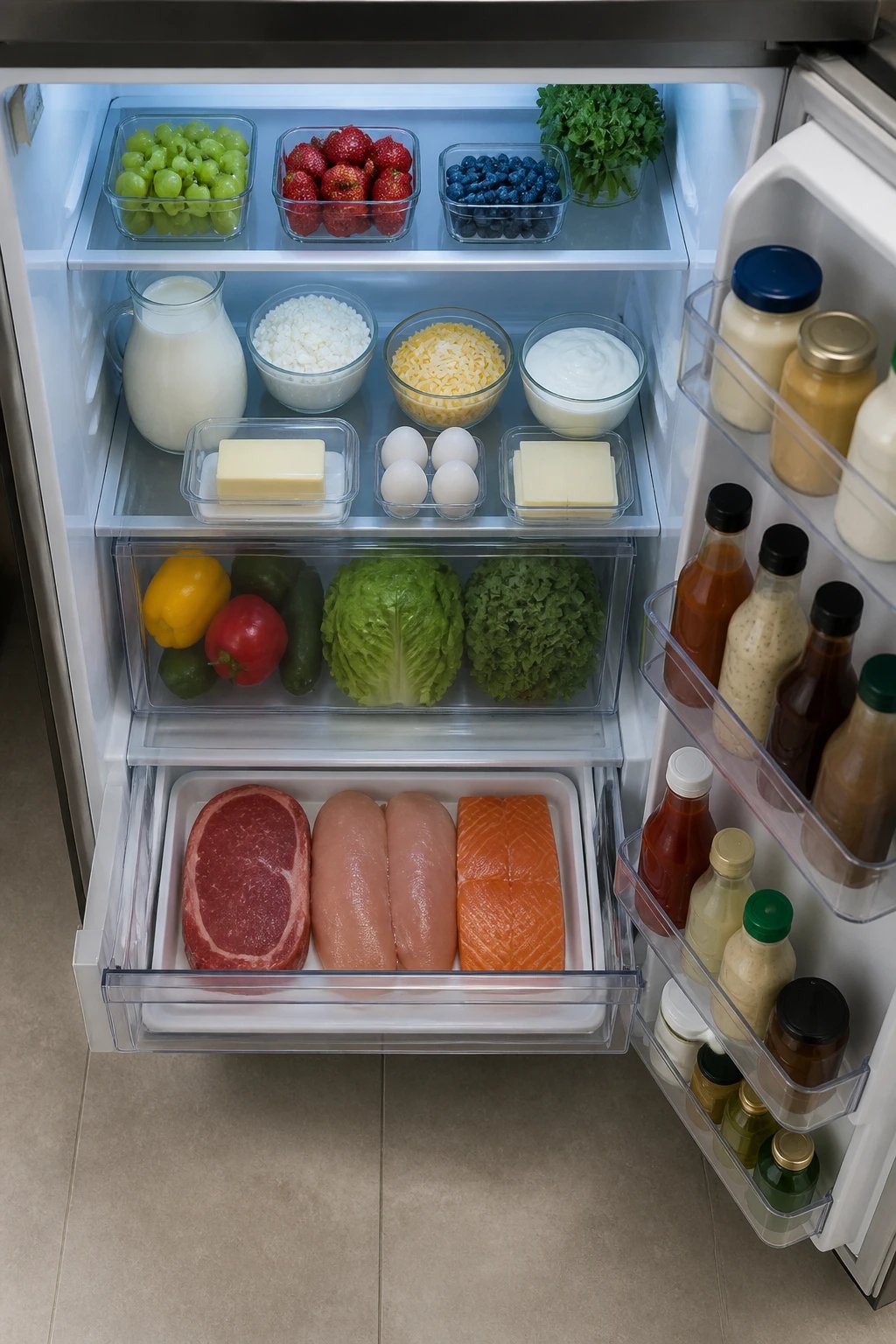
Grouping is not just for fashion boards; it’s science for your fridge. When you group like items together, you cut down on search time, keep similar temps in the same zone, and reduce the amount of cold air that escapes when the door opens. A tidy, grouped fridge feels calm and is a secret weapon for saving energy and money.
Smart grouping ideas you can steal
- Produce bin with dedicated spots for leafy greens, berries, and high-hiber produce like herbs.
- Snack and lunch prep zone for quick, healthy meals—grab-and-go is real life.
- Meal-prep containers stacked by date, so you rotate through your plan naturally.
4) Light the Way: Prevent Overfull Fridges That Waste Energy
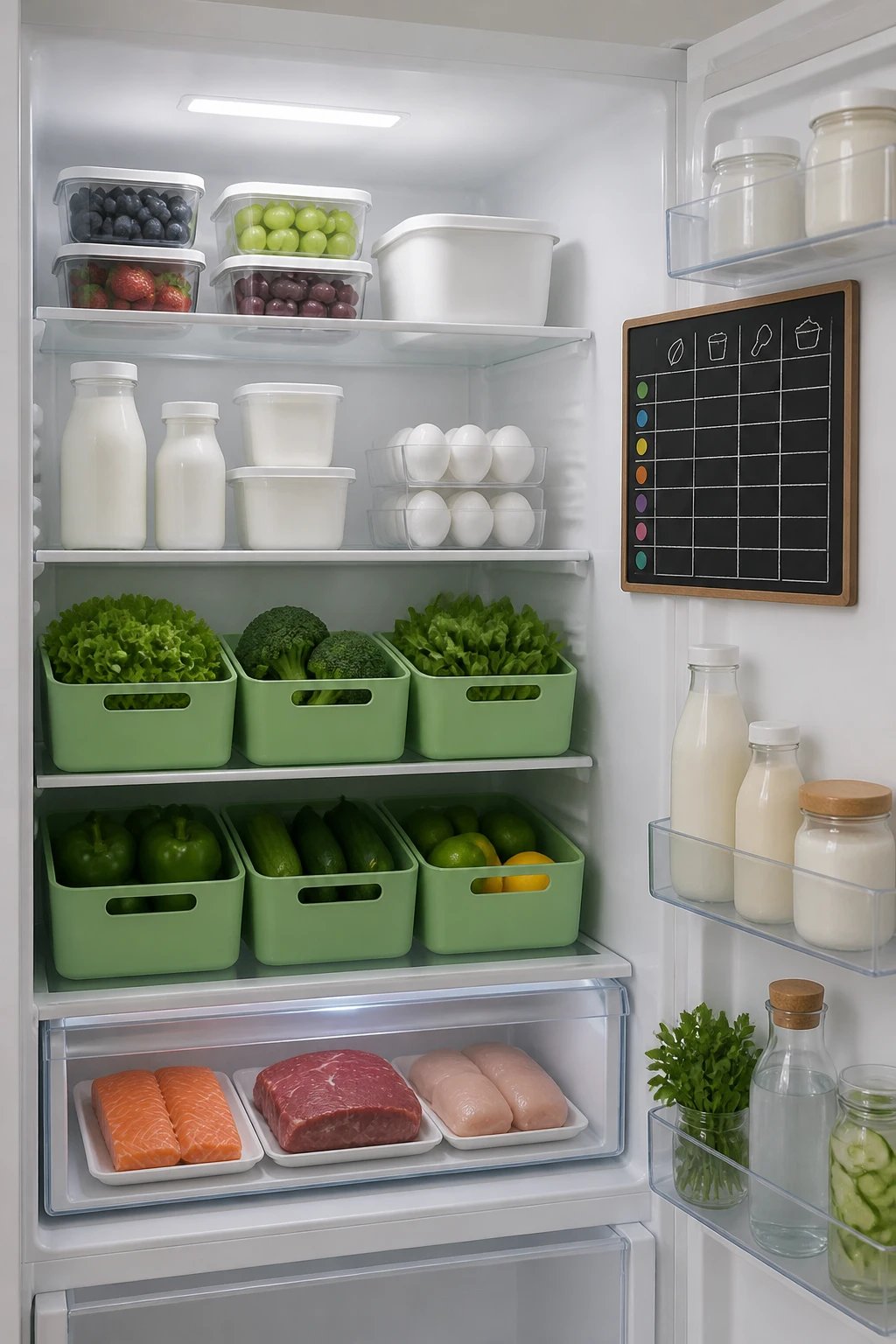
<pAn overstuffed fridge blocks air flow, and when the air can’t circulate, your compressor has to work harder—yep, you guessed it, higher energy bills and shorter appliance life. Smart, light, and breathable shelving keeps the fridge efficient, your foods evenly cooled, and your bills a little happier.
Tips for a breathable fridge
- Avoid cramming items into tight corners; leave small gaps for air to move.
- Use shelf organizers to create vertical space and better airflow.
- Do a quick weekly purge to keep the interior from turning into a food labyrinth.
5) Quick Weekly Clean: A Tiny Habit, Big Savings
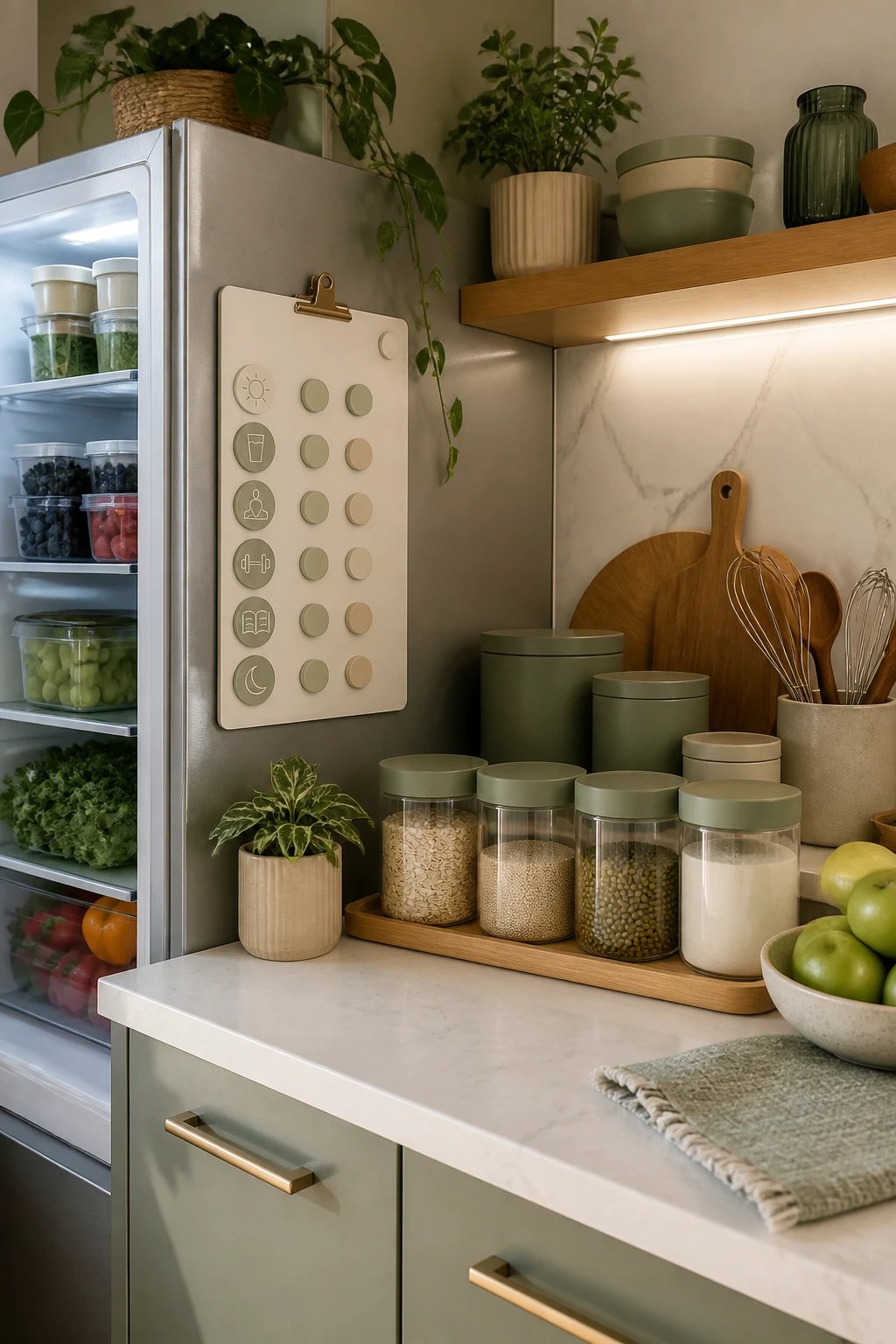
A quick weekly reset keeps your fridge humming and your food fresher longer. When you commit to a routine—check what’s there, plan meals around what you’ve got, and tidy up—your waste drops, your shopping list shrinks, and your wallet breathes a sigh of relief. Small habits, big impact.
Turn this into a mini routine
- Quick scan: look for leftovers to repurpose or freeze.
- Plan meals around items that are nearing their prime.
- Wipe shelves, discard spoiled items, and return everything to a visible position.
Visualizing Your Fridge Makeover: Save‑worthy, Pinable Steps
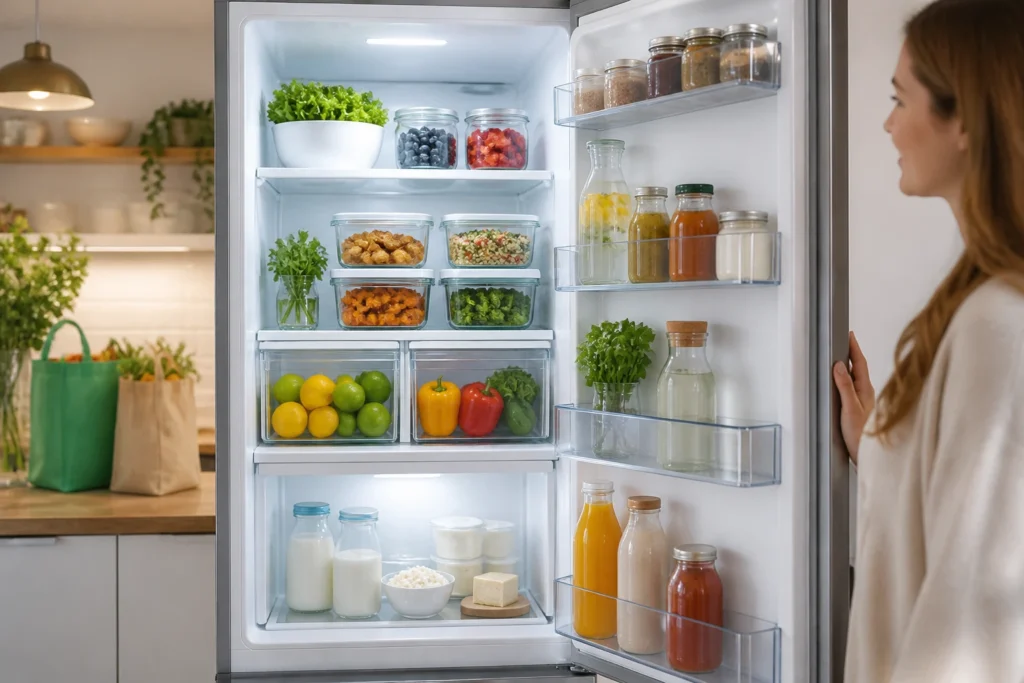
Turn these hacks into a living Pinterest board in your kitchen. Imagine a fridge that looks like a curated pantry, where every item has a home and every meal is a planned possibility. Copy this idea by labeling zones, using clear containers, and designing a weekly “visible list” of leftovers and ingredients. Pin this look for later and start your own fridge upgrade today.
Suggested Setup Checklist: Quick Start To A More Efficient Fridge
- Assign temperature zones: bottom for meat/dairy, middle for ready-to-eat, top for produce.
- Replace the door’s sensitive items with shelf-stable staples (like milk or eggs in the main shelves, not the door).
- Create a visible leftovers shelf with dated containers.
- Group items by type and function (produce, dairy, proteins, meals, snacks).
- Add breathable organizers and keep a rule: no cramming; airflow first.
- Designate a weekly 10‑minute clean‑out and meal plan pass.
FAQ: Quick Answers To Common Fridge Organizing Questions
How often should I reorganize my fridge for best efficiency?
Give your fridge a quick audit once a week. Check what’s lurking in the back, rotate items by date, and keep the layout aligned with your usage patterns. A 10-minute weekly ride-along makes a huge difference over time.
What’s the best way to label leftovers without making a mess?
Use clear, stackable containers with labeled lids. Write the date and contents on the lid with a dry-erase marker, then wipe clean as you rotate through your meals. It’s a tiny habit that saves big amounts of waste.
Which items should I keep out of the door for freshness?
Milk, eggs, dairy, and juices tend to spoil faster in the door’s warmer air. Move these to the main shelves and reserve the door for condiments and other shelf-stable items.
How can I prevent my fridge from becoming overcrowded?
Use a weekly purge and a stacking system. Only keep what you’ll actually use in the next week or two, and use clear containers so you can see everything at a glance. If you can’t see it, you won’t use it.
What’s a simple way to plan meals around what I already have?
Maintain a running “this week” list on the fridge front with items that need to be used. Build meals around those items first, then fill in with staples. It’s like a living, delicious calendar you can see and adjust every day.
Conclusion: Tiny Fridge Habits, Big Money Wins
A few mindful changes can transform your fridge from a chaos zone into a calm, money-saving hub. By respecting temperature zones, keeping foods visible and labeled, grouping items smartly, preventing air-blocking overfills, and committing to a quick weekly clean, you’ll waste less, shop less, and spend less—without feeling deprived. Think of this as a stylish, practical project you can tackle in minutes and see a real payoff every week. Your future self will thank you for the extra minutes of planning and the fewer trips to the store for wasted groceries.