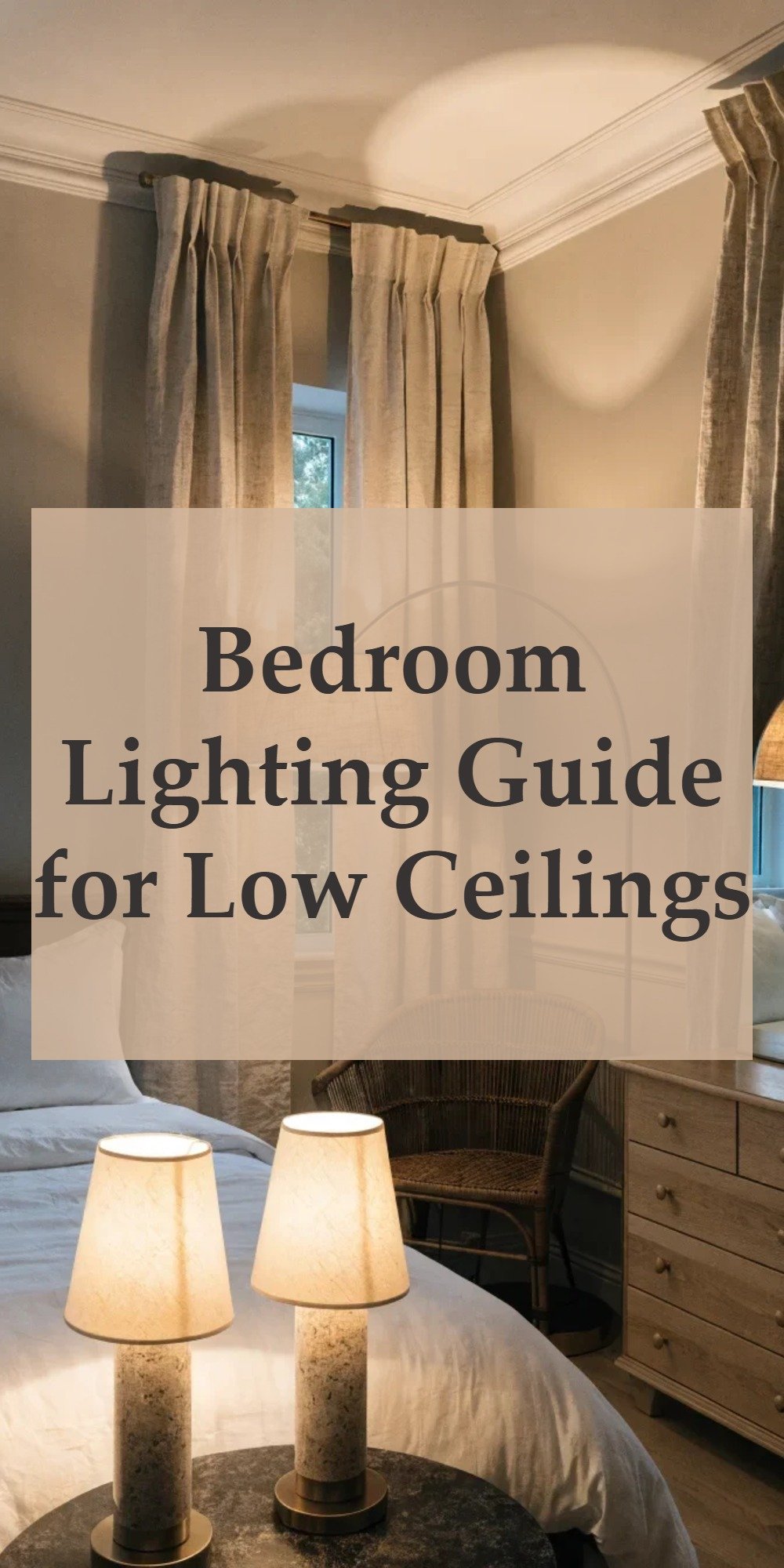
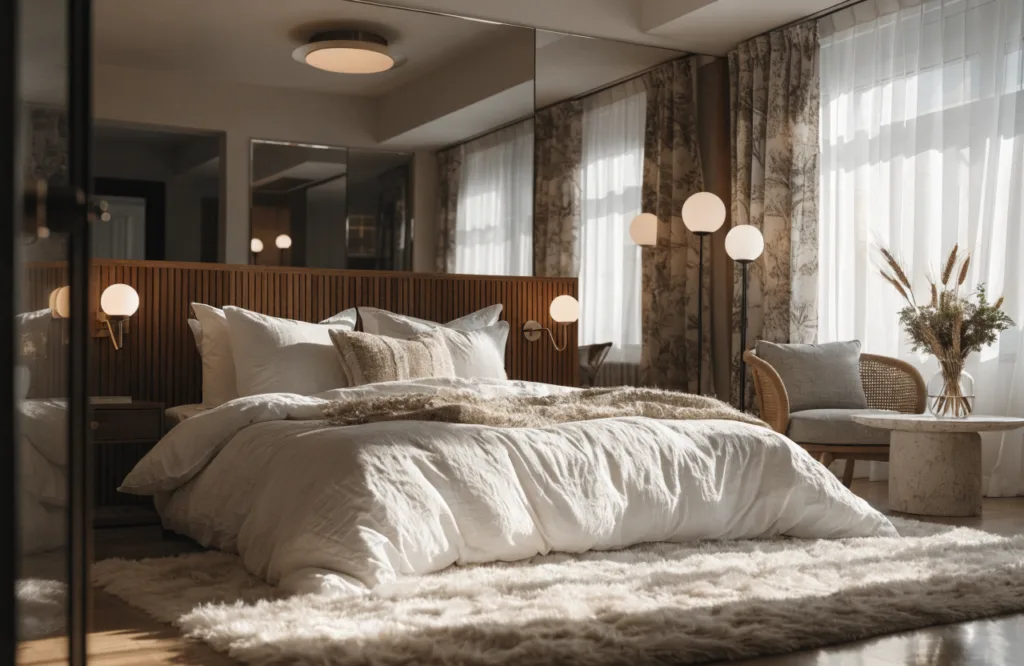
An inviting glow fills the room as you step into a bedroom that feels taller than the numbers on the ceiling chart. The air smells faintly of fresh paint and a hint of vanilla from the diffuser. Soft light pools around the bed like a warm hug, and every corner seems to breathe with intention. You know what’s possible, but you’re not sure where to start. You’re here to crack the code on lighting for low ceilings without turning your sanctuary into a cave.
Here’s the core philosophy: lighting should be layered, purposeful, and visually expansive. The secret isn’t more fixtures; it’s smarter placement, smarter choices, and smarter geometry. When light is arranged to bounce, reflect, and reveal, a low ceiling room suddenly looks taller, more welcoming, and undeniably chic. No drama. Just a room that feels bigger than its footprint.
If you’ve ever fought with a room that feels squashed by the ceiling, you’re not alone. You’ve probably faced dim corners, harsh glare, or fixtures that steal headroom rather than brighten it. The fear is real: a low ceiling can make a bedroom feel small, boxed in, and moodless. But you deserve a space that glows with character, not one that sighs under its own shadow.
You’ve got this. I’ve spent years helping people transform small spaces with lighting that works. In this guide, I’ll walk you through practical, proven ideas—no fluff, just strategies you can apply this weekend. You’ll end with a plan that feels personal, not designer-sterile, and you’ll see how easy it is to breathe life into a low-ceiling retreat.
Why Low Ceiling Lighting Goes Wrong — The Most Common Mistakes
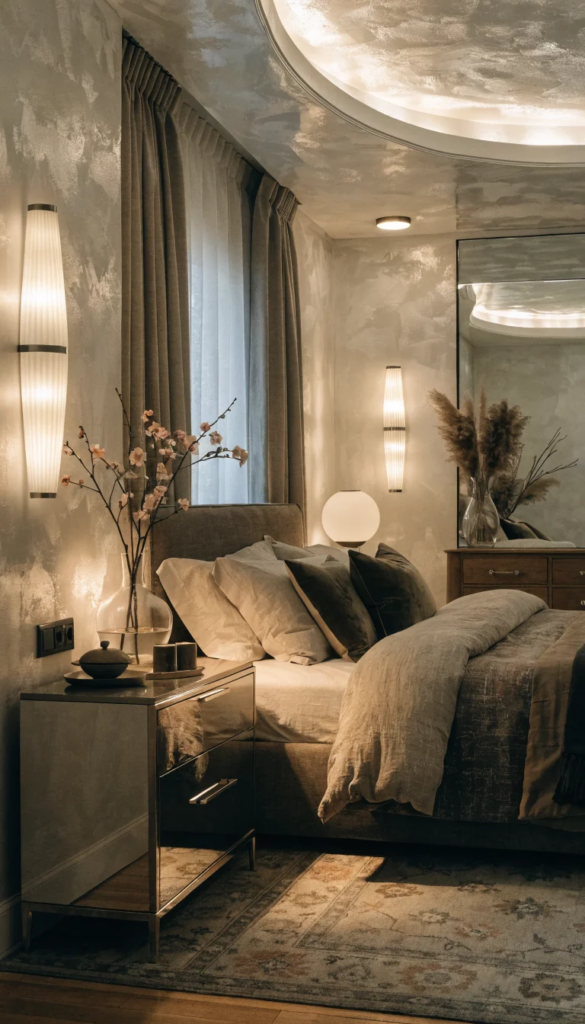
– Overlighting from the ceiling: Too many ceiling fixtures can create glare and shorten the perceived height. It’s like watching a stage light boom wash over a tiny set.
– Hidden shadows: If you lean on overheads alone, you’ll get a flat, uninteresting plane with dark nooks begging for attention.
– Poor scale and proportion: Fixtures that look enormous in a small room end up dominating the space. Size matters.
– Warm-to-cold mismatch: Mixing warmly glowing bulbs with daylight-like cool light can kill the mood and feel off.
– Ignoring reflectivity: Matte walls absorb light; glossy or lightly textured surfaces reflect it, widening the room in a subtle, luxe way.
- Layering is king: Use a mix of ambient, task, and accent lighting. Relying on one source is a shortcut to a boring room.
- Proportions over drama: Choose fixtures that sit in harmony with the ceiling height and wall dimensions. Small rooms demand restraint and clever scale.
- Light direction matters: Up-lighting can bounce light off the ceiling for a floating effect; down-lighting sharpens focus for reading and makeup.
- Color temperature consistency: Pick bulbs in a similar range (2700K–3000K for warm, 3500K–4000K for neutral; avoid jarring contrasts).
- Quality of light: Look for CRI 90+ for bedrooms so skin and fabrics read true and inviting.
Flush Mount Fixtures That Are Actually Beautiful — Not Just Functional
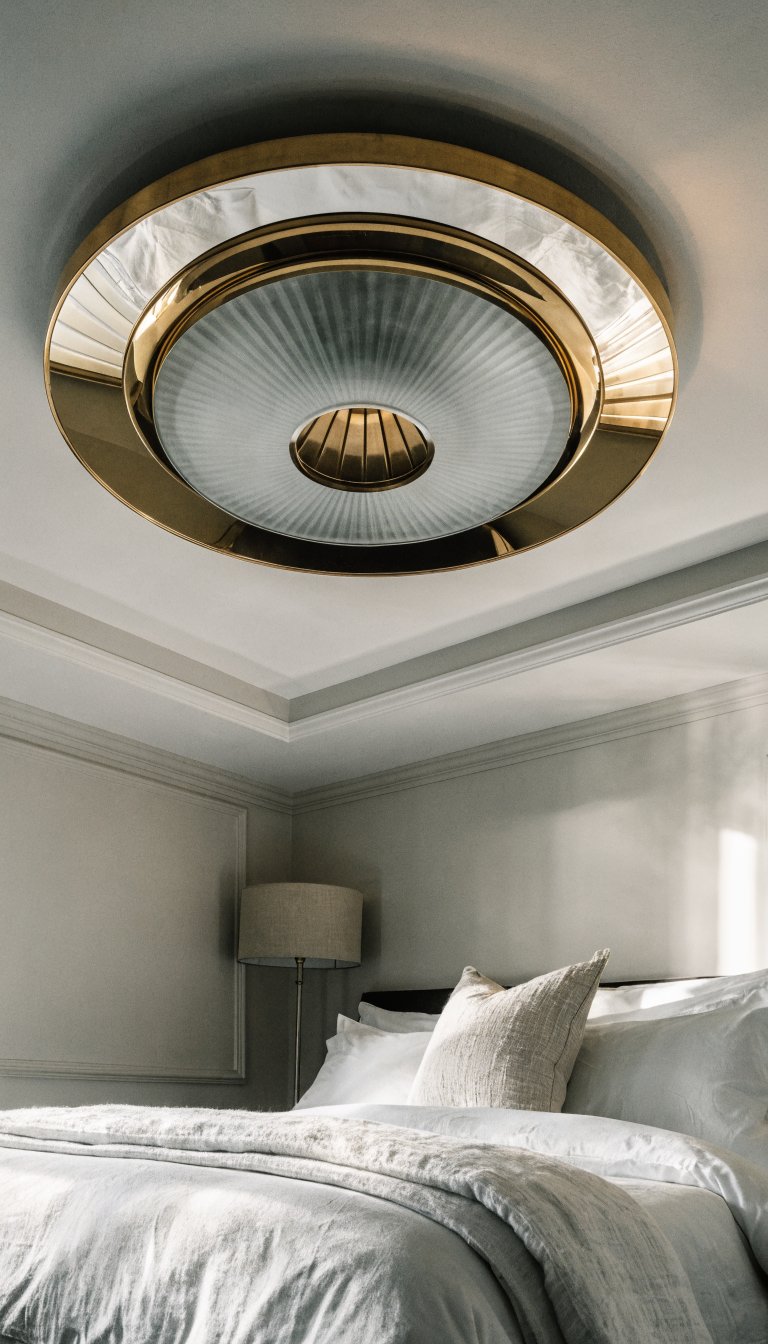
Flush mounts can be your best friend when you want a clean ceiling line. The trick is to choose shapes and finishes that feel intentional, not like space-age hoods.
– Low-profile elegance: Look for fixtures with a slim canopy and a shallow bowl or lattice that sits close to the ceiling but still shows character.
– Textured and warm finishes: Brushed brass, satin nickel, or matte black can add depth without visually dropping the ceiling.
– Glass and acrylic options: A frosted or seamed glass shade softens glare while maintaining a streamlined silhouette.
– Size matters: In a small room, choose flush mounts with a diameter that sits proportionate to the bed and nightstands. A crowded ceiling is a no-go.
– Placement strategy: Center two flush mounts along the length of the room to create a gentle baseline of light without creating a ceiling bus.
- One-piece fixtures for simplicity: Choose a couple of elegant, cohesive pieces rather than a mishmash of styles.
- Dimmer compatibility: Add dimmers to avoid harsh brightness in the evening; this helps the space feel larger and more relaxing.
- Texture adds warmth: A soft glass shade or a lightly ribbed metal gives personality without stealing height.
Semi-Flush Mounts — How Low Is Too Low
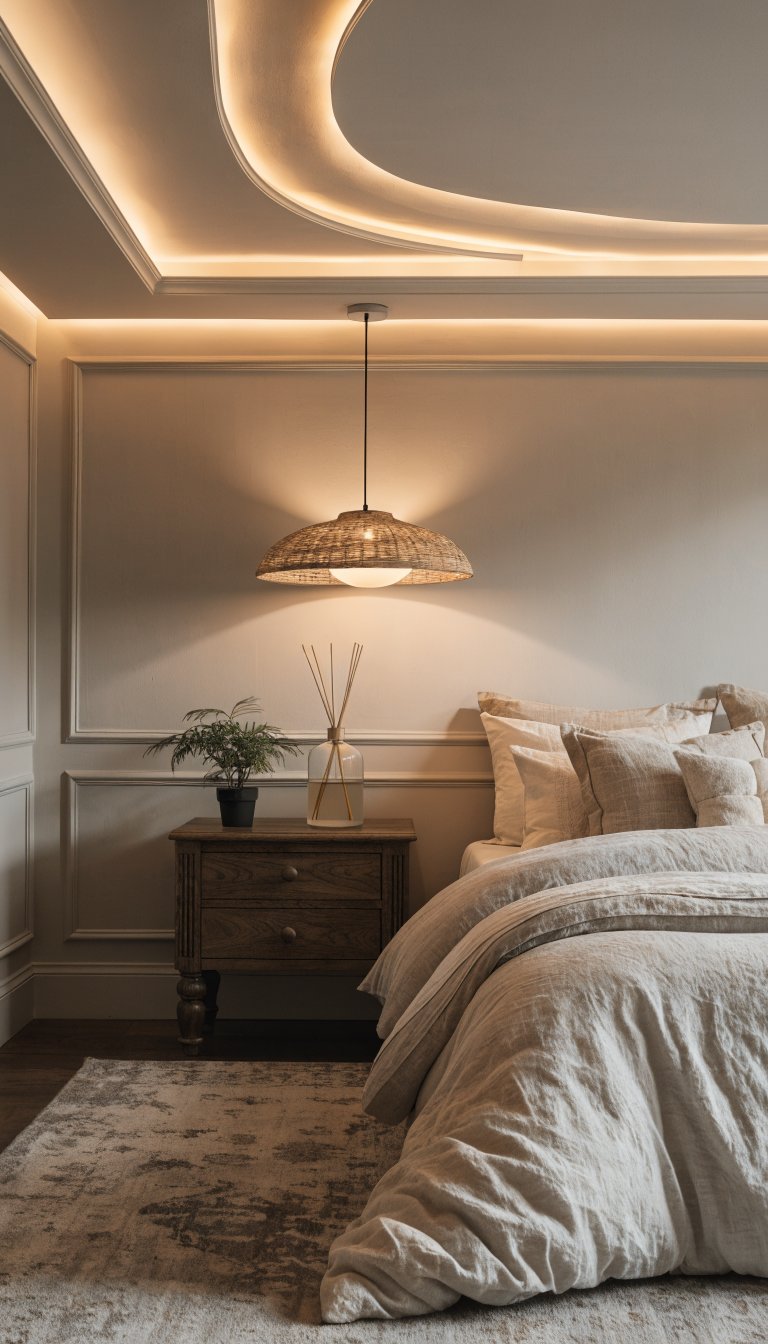
Semi-flush mounts bridge the gap between flush fixtures and pendant lights. They offer a little drama without sacrificing headroom.
– Height rules of thumb: In rooms with ceilings around 8 feet, keep the bottom of the fixture 6 to 7 feet from the floor when possible. If you must go lower, ensure you can stand up and move around without feeling crowded.
– Diffuser decisions: A generous diffuser doesn’t glare; it distributes light evenly and reduces eye fatigue.
– Scale check: Semi-flush mounts should feel proportional to the bed width and the nightstands rather than the entire room. You want a cohesive silhouette.
– Suspension alternatives: If you want a bit more drama but can’t spare height, opt for a semi-flush with a smaller canopy and a longer shade that creates visual interest without intruding on headroom.
- Bottom clearance matters: If you bump into a fixture, you’ll remember it every morning. Choose height wisely.
- Study and dressing zones: Put semi-flush fixtures near reading corners or above the dresser for functional drama.
- Glare control: Install in a way that directs light where you need it—downward for tasks, upward for ambient bounce.
Why Wall Sconces Are the Low Ceiling’s Best Friend
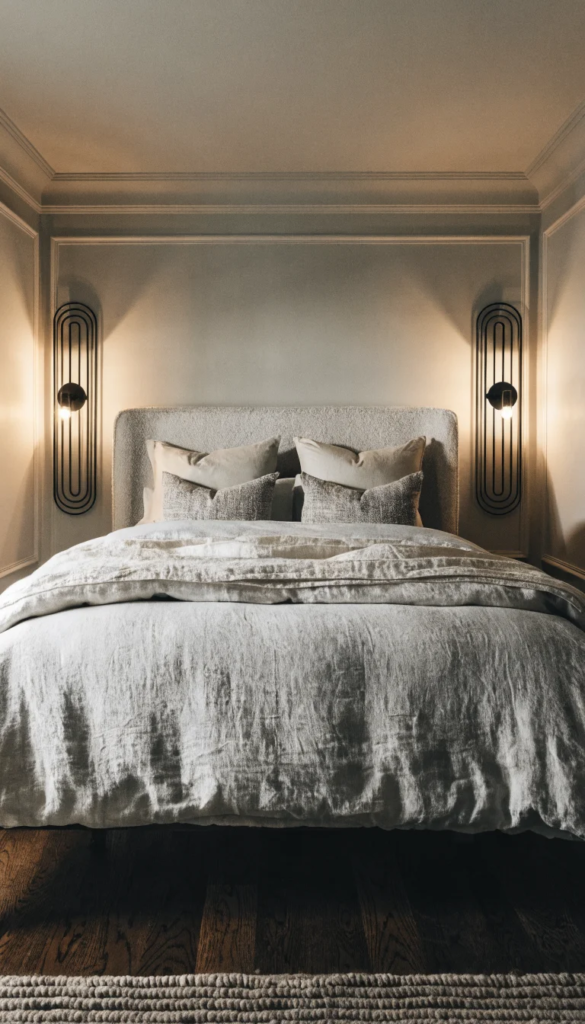
Wall sconces do wonders in a low-ceiling bedroom. They free ceiling space while adding vertical lines that trick the eye into thinking the room is taller.
– Side-sleep setup: Place sconces on either side of the bed at eye level. This creates balanced wings of light for reading and unwinding without needing table lamps.
– Vertical emphasis: A slender, elongated sconce draws the eye upward, expanding the perceived height of the room.
– Layered lighting in a narrow space: Use sconces for ambient or accent lighting, then rely on a floor lamp or a pair of table lamps for task lighting.
– Details that count: Choose shades and finishes that echo other hardware in the room to create cohesion—think brushed brass against a warm wood headboard.
- Swing arm sconces for flexibility: These can be angled toward the bed for reading or moved away when you want a softer glow.
- Dimmer adaptability: Add dimmers to sconces for easy mood shifts—romantic, cozy, or bright for morning routines.
- Avoid glare: Mount them slightly aside from the bed so you don’t reflect light in your eyes while reading.
Table Lamps and Floor Lamps — How They Help With Low Ceiling Rooms
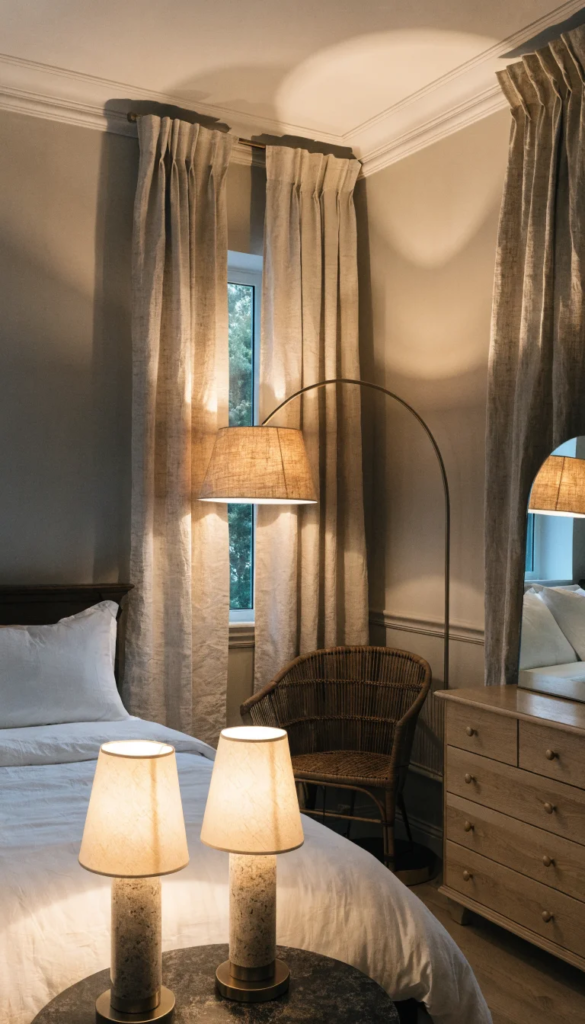
Lamps with real personality can shape a space without fighting the ceiling.
– Table lamps: A pair on nightstands provides symmetrical, warm light for reading. Choose lamps with a compact footprint and warm fabric shades to soften edges.
– Floor lamps: A slender arc or vertical club lamp can add height visually by drawing the eye upward. Place them near seating or corners to create inviting pockets of light.
– Light pooling: Use lamps with frosted or linen shades to avoid harsh glare while still delivering adequate brightness.
– Color and material cohesion: Tie the lamp finishes to your bed hardware, dresser pulls, or wall art to create a unified look.
- Switch strategies: If you hate reaching for a switch, pick lamps with easy on/off in reachable spots.
- Lamp height matters: A table lamp should place its shade just above the knee depth when you’re seated; floor lamps should extend to the shoulder or face level when seated for flattering light.
- Smart bulbs and scenes: Pair with smart bulbs to set scenes—warm mornings, cool focus hours, and soft evenings.
Mirrors and Light Reflection — How to Use Them Strategically
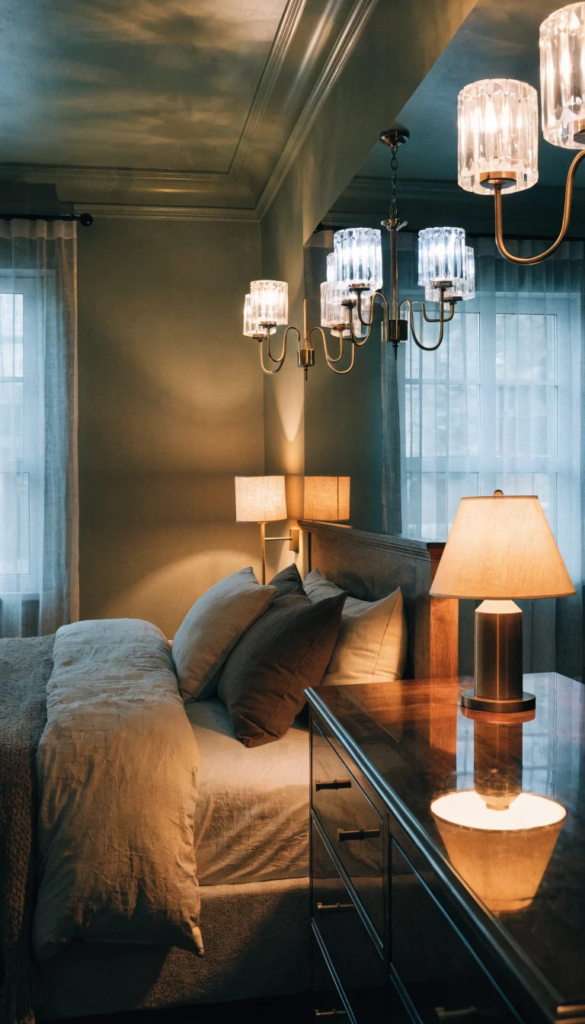
Mirrors aren’t just for getting ready. They’re powerful lighting tools that multiply brightness and visually expand a space.
– Mirror placement: Position mirrors opposite or adjacent to windows or light sources to bounce natural light and artificial light around the room.
– Size and frame: A large, framed mirror can act as a focal point and reflect the glow from lamps without crowding the ceiling.
– Surface choices: Try a slightly angled mirror above a dresser to bounce light toward seating areas or the bed for a soft, diffused radiance.
– Texture interplay: Pair a textured wall with a sleek mirror to catch light in different ways, creating dimension and depth.
- One big mirror or a gallery of smaller ones: Both work, but the effect is different—choose what makes the room feel larger to you.
- Avoid overwhelming reflections: Don’t place mirrors where they reflect bright glare from direct lamps; you’ll end up squinting all night.
- Reflective accents: Metallic surfaces and glass accents near light sources amplify brightness without adding ceiling clutter.
Bulb Color Temperature in a Low Ceiling Room — What to Choose
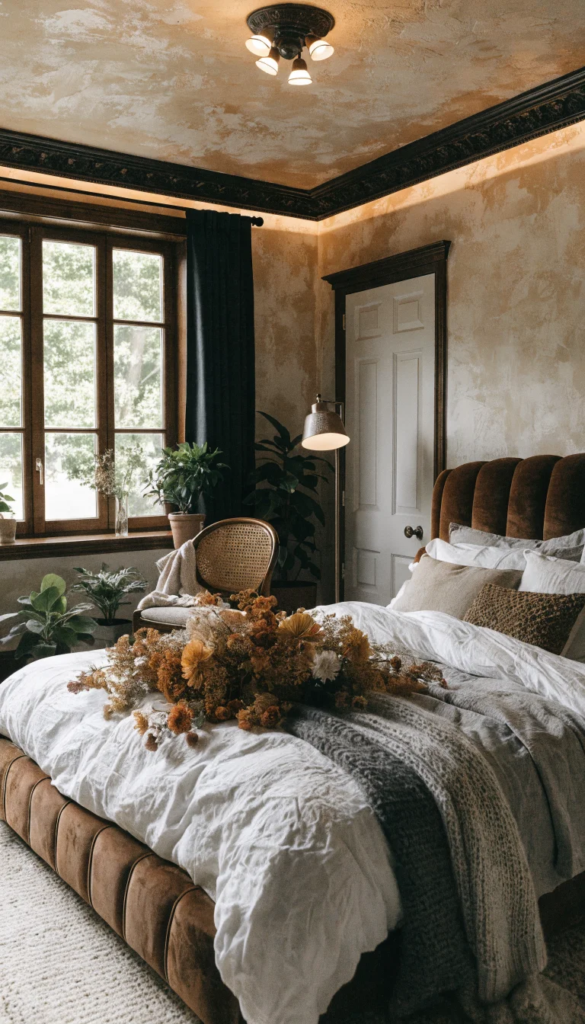
Color temperature shapes mood as much as layout does. In bedrooms with low ceilings, the right temperature makes a tiny space feel welcoming rather than clinical.
– Warmth vs. clarity: 2700K–3000K bulbs create a cozy, intimate vibe perfect for winding down. 3500K–4000K yields a cleaner, more modern feel that’s great for dressing and makeup areas.
– Consistency is key: Keep the entire room within a similar range to avoid jarring shifts when you move from one light to another.
– Dimmable bulbs: Dimming lets you calibrate the atmosphere. Warm and dim for evenings; brighter for getting ready or reading in the morning.
– Layer with cold light carefully: If you must use a cooler tint (for a modern look), limit it to task zones like the dressing area and pair with warm ambient lighting to balance.
- CRI matters: Aim for CRI 90+ so skin tones appear natural and fabrics read true in photos and real life.
- Mix or match with care: If you want cool accents, keep the rest of the room in warm tones so the space feels cohesive.
- Consistency across zones: If the bed zone uses warm light, keep the ceiling fixtures and sconces in that range to avoid a choppy feel.
Deep Dive: Reading Nooks and Lighting Comfort
– Reading zones benefit from a focused, adjustable light. A swing-arm sconce beside the bed or a compact lamp on the nightstand works well.
– If you share a bed, consider dual switches or smart bulbs so you can control lighting without stretching across the room.
– Remember contrast: The goal is gentle contrast, not blinding brightness. You want light to invite reading, not shout at your eyes.
Deep Dive: Color Temperature Transitions
– In a tiny room, a smooth gradient of color temperature feels expansive. Start with 2700K around the bed and gradually shift to 3000K or 3500K toward the dressing area if needed.
– For photo-readiness: If you take a lot of selfies or outfit shots, keep a consistent, flattering hue in the main lighting to avoid color casts in photos.
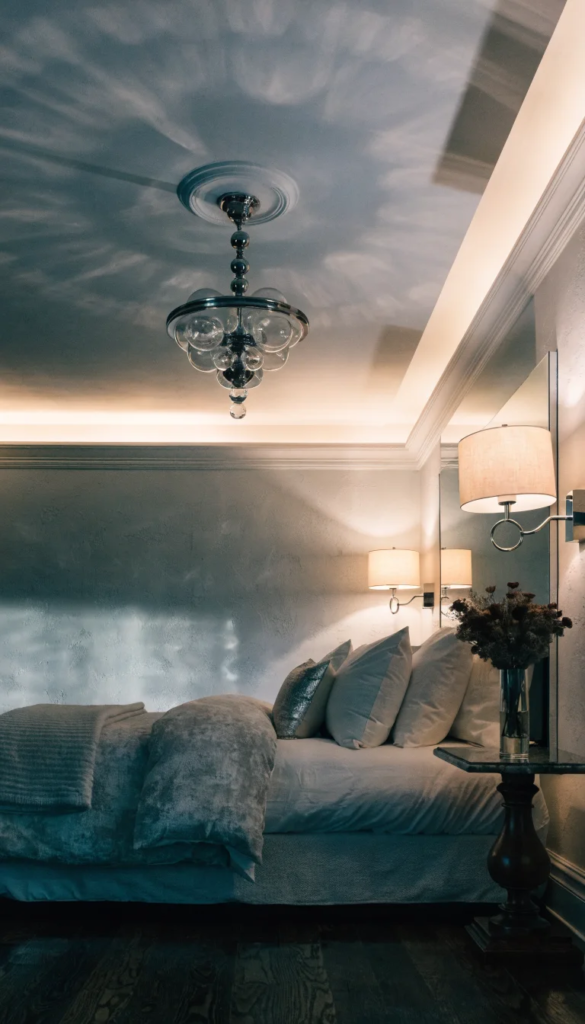
FAQ
Can you have too many lights in a low-ceiling bedroom?
– Yes, you can. The key is layering without clutter. Start with a couple of core sources (ambient + task) and add accents only where they enhance function or mood. Too many fixtures can create glare and visually shrink the space.
What height should I hang a semi-flush fixture in a bedroom with an 8-foot ceiling?
– Aim for the bottom of the fixture around 6 to 7 feet from the floor when possible. If you’re shorter or the bed is particularly close to the ceiling, choose a fixture with a smaller profile to avoid feeling boxed in.
Are LED bulbs okay for bedrooms or should I stick to incandescent?
– LEDs are perfectly fine and offer better efficiency and color options. Go with warm-dim or warm-white LEDs (2700K–3000K) for cozy nights, and pick high CRI (90+) to keep skin tones natural.
How can I make a small room feel taller with lighting?
– Favor wall-mounted lights to free ceiling space, bounce light off light-colored walls, and use vertical accents like tall mirrors or slender floor lamps to draw the eye upward. Also, consider a light, reflective ceiling finish to reduce the perception of a heavy ceiling line.
Conclusion
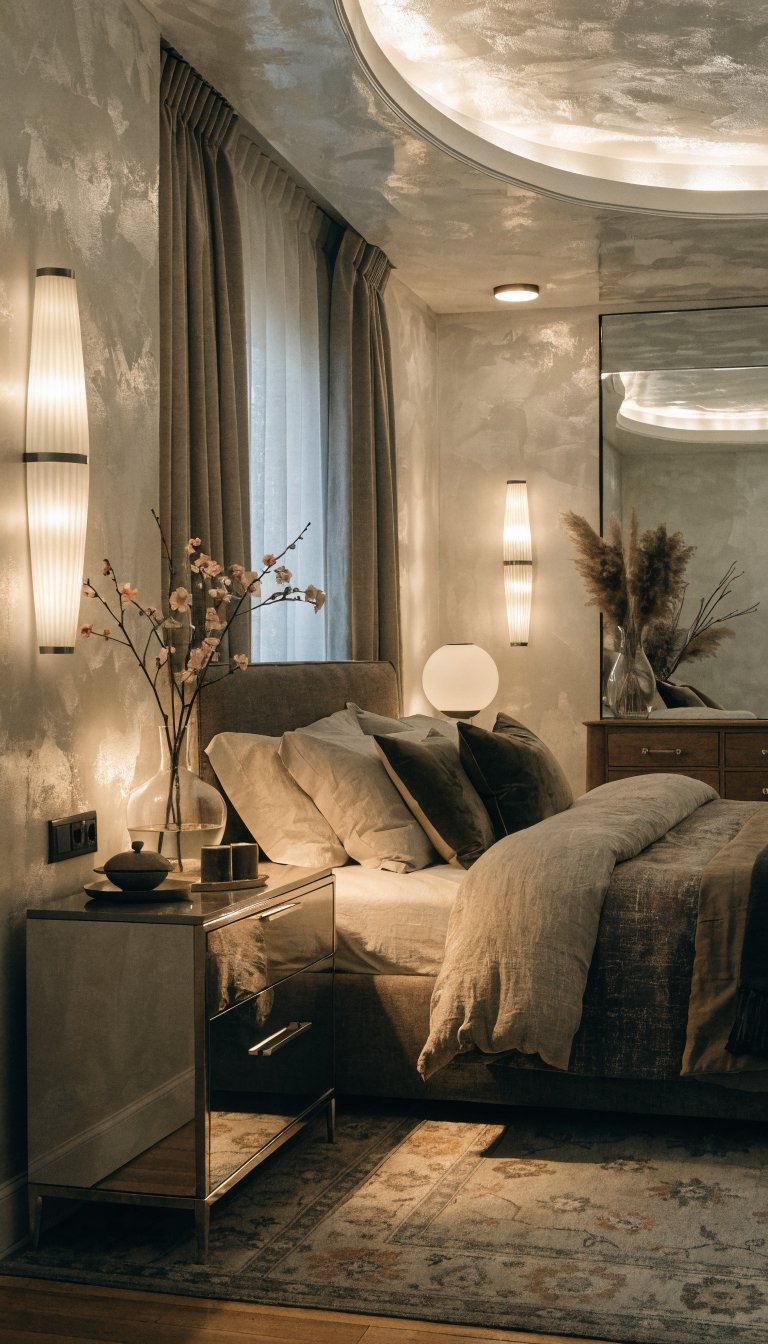
Lighting in a low-ceiling bedroom isn’t about fighting the ceiling—it’s about collaborating with it. The right mix of flush mounts, semi-flush adventures, wall sconces, and carefully chosen lamps can transform a space from cramped to cinematic. Layer light, play with reflectivity, and stay consistent with color temperature to keep the mood lush and cohesive. And most importantly, tailor every choice to your daily rituals: where you read, where you dress, and where you unwind.
If you’re ready to make a small room feel expansive and intimate at the same time, start with a simple plan: pick two primary ambient sources, add one or two task lights for reading or dressing, use a wall or two to mount sconces, and bring in a mirror to multiply brightness. Test a few bulbs and adjust as needed. Soon you’ll have a bedroom that feels taller, brighter, and absolutely you—no boxy vibes, just easy, stylish calm.