Anxious about a chaotic world around you while craving a peaceful corner you can actually breathe in? You’re not alone. A minimalist meditation room isn’t about emptying your life of personality; it’s about carving out a dedicated slice of space where your mind can slow down, your breath can deepen, and your day-to-day routines feel a touch kinder to you. The core idea is simple: less clutter, more intention. When your surroundings reflect calm, your thoughts follow—and yes, joy, comfort, and confidence show up without you chasing them.
This article dives into a practical approach to creating a minimalist meditation room that feels like you, not a showroom. You’ll get 5–7 ideas ranging from small tweaks to bigger changes that help you establish a retreat-like nook in your home. Whether you have a spare corner or an entire unused room, these ideas will help you design a space that supports focus, resets your nervous system, and makes daily meditation something you actually look forward to.
Define Your Center: Purposeful Layout for Tranquility
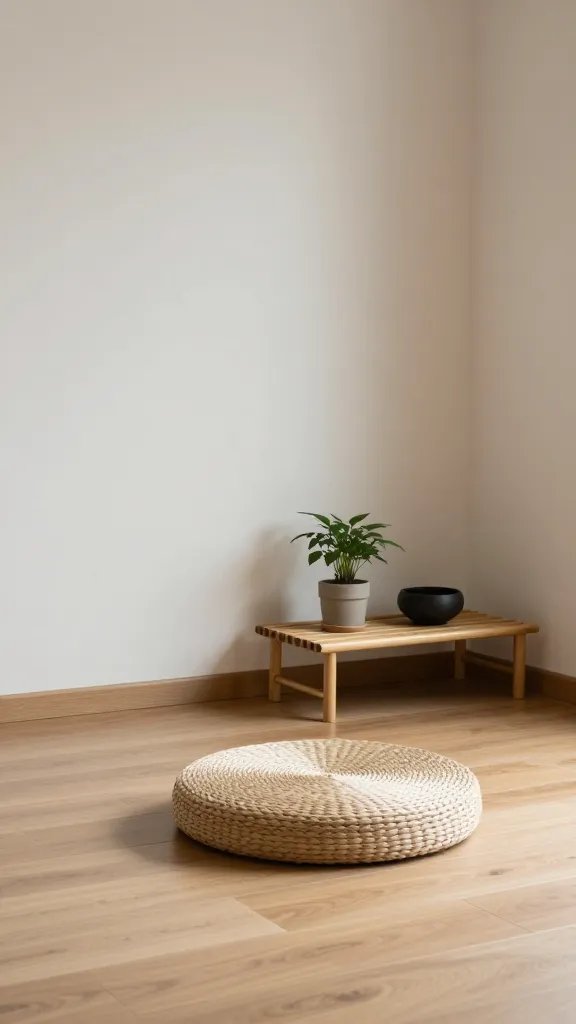
– Start by identifying the primary function of your meditation room. Is it daily mindfulness, occasional deep sessions, or a place for slow journaling after practice? Knowing the core purpose keeps decisions minimal and meaningful.
– Choose a single focal point. It could be a low-profile altar, a simple plant, a window view, or a wall with a soft texture. The point is to draw your eye and your breath to calm, not to over-stimulate.
– Plan the layout with intention. Place your seating and any essential objects along a vertical line from the door so you don’t disrupt your flow when you enter. Keep cables and clutter out of sight.
Subsection: Seating that Supports Stillness
– Pick a low, comfortable seat or a firm cushion. Avoid chairs with backrests that encourage slouching or slumping. Your spine should feel alert but relaxed.
– Allow space to shift: you want to be able to adjust posture without feeling boxed in. A little room to move equals a calmer mind.
The Palette and Light: Quiet Colors That Speak Softly
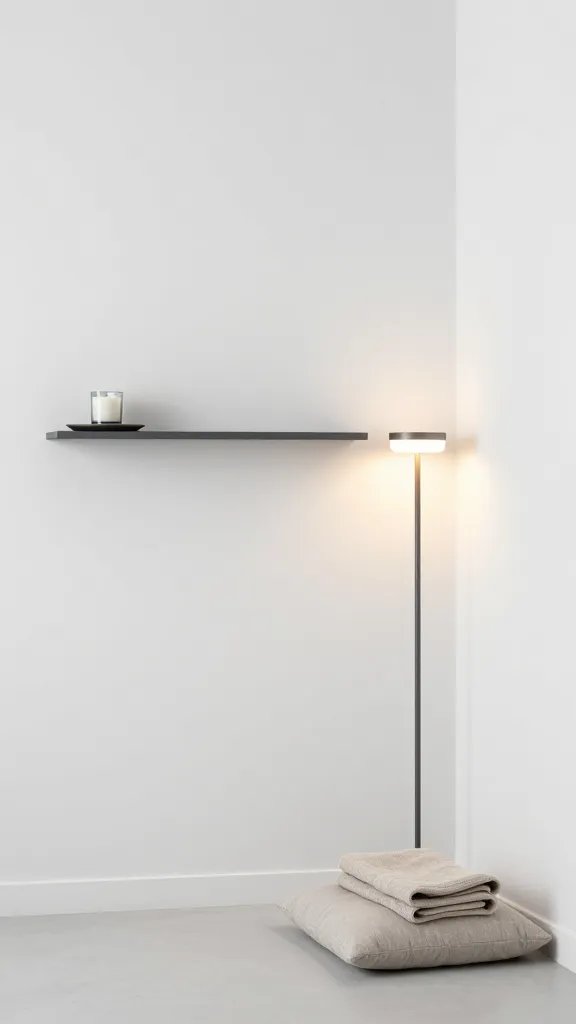
– Embrace a neutral base. Think warm whites, soft beiges, or cool greys. These shades reflect light softly and create a serene backdrop for your practice.
– Introduce subtle contrast. A single charcoal throw, a black-rimmed plant pot, or a wooden accent can ground the space without shouting.
– Let the light do the work. Favor natural light during the day and swap harsh overheads for warm, dimmable lamps in the evening. If you must use artificial lighting, aim for lights that mimic natural daylight in brightness but not in harshness.
Subsection: Plants as Mindful Accents
– A single easy-care plant can bring life and a sense of rhythm. Choose low-maintenance options like snake plants, pothos, or ZZ plants.
– Plants soften edges, improve air quality, and add a gentle, living reminder to breathe.
Textures and Surfaces: Layering Calm Without Clutter
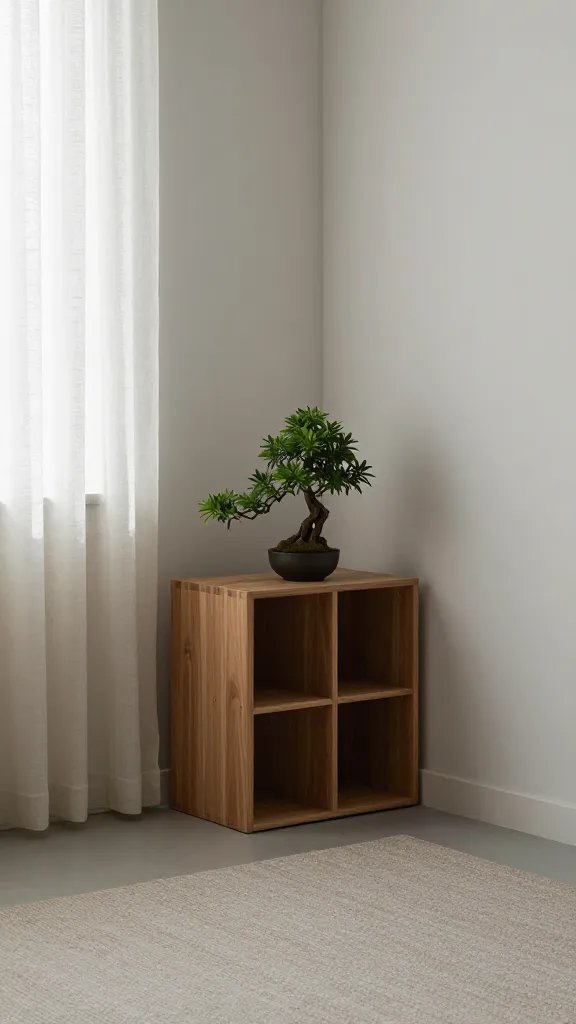
– Keep surfaces uncluttered but tactile. A soft rug, a woven mat, or a linen-covered cushion near your seat provides a subtle sensory anchor.
– Use natural materials. Wood, stone, cotton, and wool feel grounded and timeless, which suits a minimalist meditation room perfectly.
– Introduce a slight sensory cue. A light-scented candle, an essential oil diffuser, or a small bell can signal the start of your practice and help transition your brain into calm.
Subsection: The Texture Rule
– Mix two to three materials consistently across the space. Think wood and cotton with a touch of stone—enough variety to feel rich, but not chaotic.
Soundscapes: Silence That Speaks Volumes
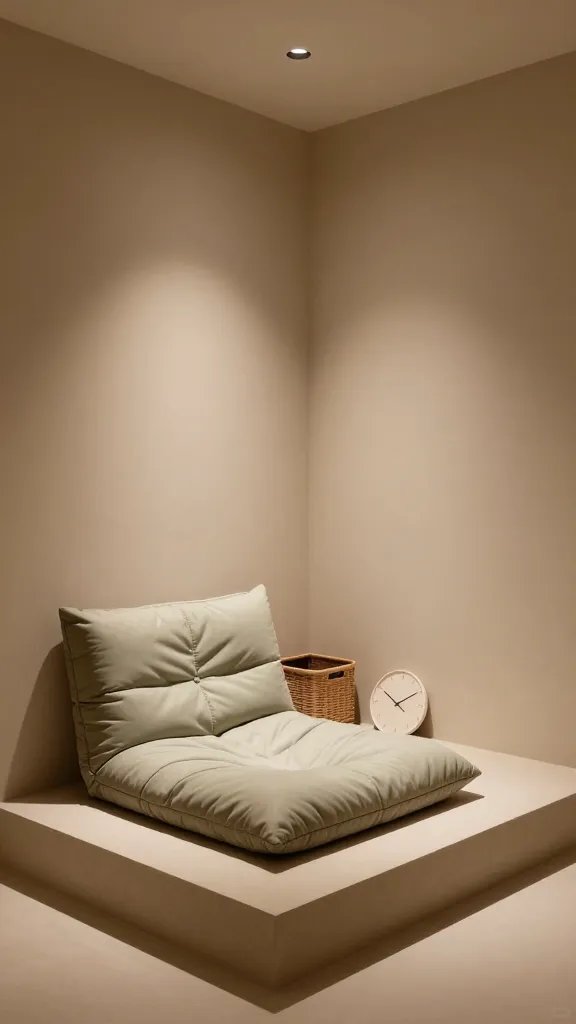
– Consider sound as part of the design, not an afterthought. A quiet room doesn’t have to be silent; it can be gently sonorous with the right ambient sounds.
– Use a low-volume sound source. A small water fountain, a distant wind chime, or a minimalistic speaker that plays soft, atmospheric tracks can anchor your meditation.
– Manage reverberation. Soft textiles like a wool rug or a linen curtain help absorb echoes, making the room feel more intimate and calm.
Personal Symbols: Minimalism That Feels Like You
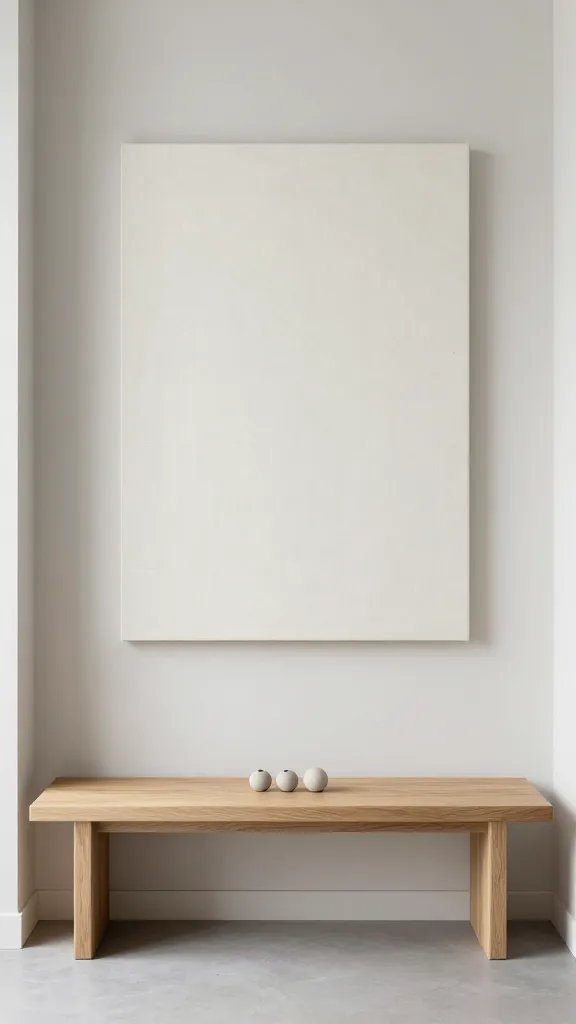
– Include just a few personal objects that truly matter. A meaningful statue, a framed photo with a calm memory, or a tiny collection of tokens can add a sense of identity without turning the space into a gallery.
– Practice intentional rotation. Swap out symbols every season or every few months to refresh your ritual without increasing clutter.
Subsection: The Rule of One Item Per Week
– If you’re overwhelmed by choices, implement a practice where you rotate one meaningful object each week. It keeps the room feeling fresh while preserving its minimalist vibe.
Storage and Organization: Clear Space, Clear Mind
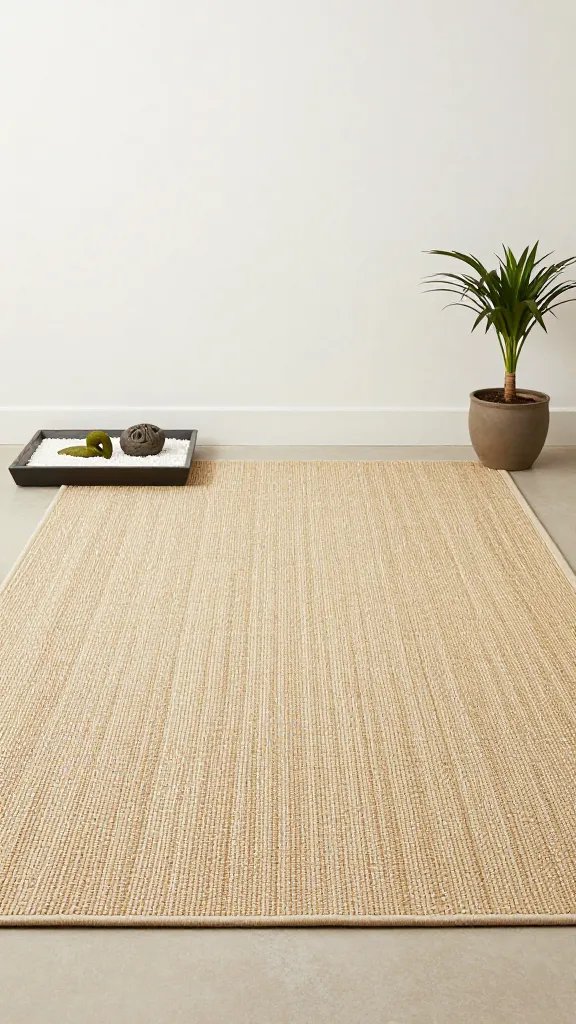
– Store essentials out of sight. Use shallow drawers, baskets, or slim cabinets to keep the room free of dust-collectors and distractions.
– Keep a “don’t-need-this-now” bin. If something doesn’t contribute to your practice, tuck it away and revisit it later. Your future self will thank you.
– Create a simple maintenance routine. A quick weekly reset—dust, straighten cushions, tidy the small items—keeps the space serene.
Subsection: Hidden Helpers
– Consider a small, discrete shelf or cabinet with a single slot for meditation tools: cushions, a timer, incense (or your preferred scent), and a notebook. Everything in its place reduces friction before you start.
Tech-Minimalism: Tech Out, Tranquility In
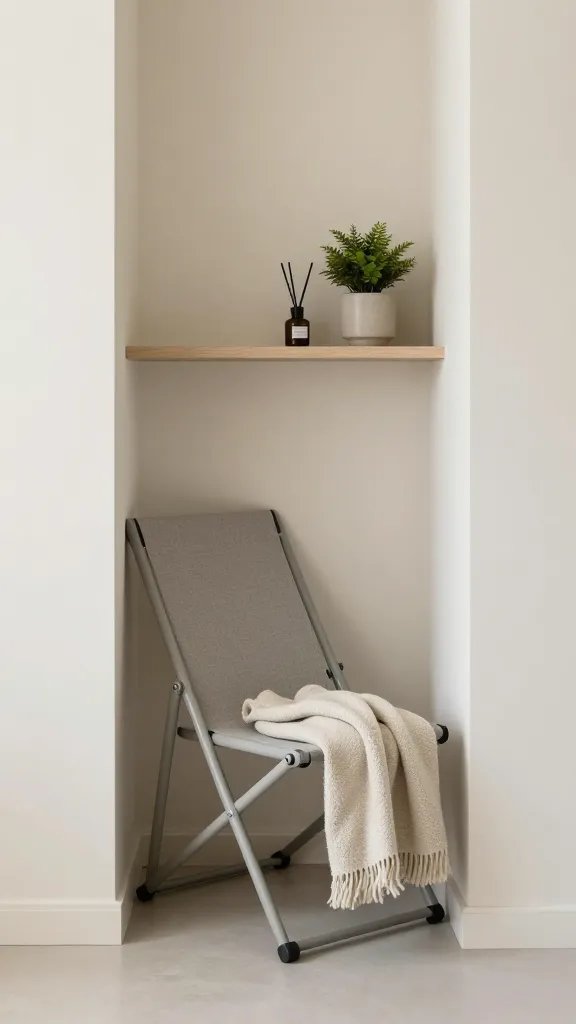
– Limit tech to essentials. A timer, a speaker, or a gentle breathing app can support your practice without turning the room into a gadget hub.
– Disable notifications during practice. A quick rule: your meditation corner is off-limits to notifications unless absolutely necessary.
Subsection: A Gentle Tech Setup
– If you use an app, keep it simple: one timer, one breathing exercise, and a quick reflection note. No dashboards, no distractions.
Common Pitfalls and How to Avoid Them
– Overloading with decor. Select a few meaningful pieces, not a shopping cart’s worth.
– Ignoring scent. A subtle, clean scent can be soothing; overpowering smells can jar you out of calm.
– Rushing changes. Give yourself time to live with the space. If a change feels off after a week, tweak it rather than overhaul.
FAQ
Is a dedicated meditation room necessary, or can a corner work just as well?
A corner works beautifully if your space is tight. The key is to create a defined boundary, a consistent setup, and a cue that signals you’re entering a calm state. Even a small, well-curated nook can become your sanctuary.
How minimalist should I go? What counts as too bare?
Minimalism is about intention, not emptiness. If every object serves a purpose or sparks calm, you’re right on track. If you feel a tug of dissatisfaction or “something’s missing,” try adding one meaningful element or a soft texture to restore balance.
What if I don’t have natural light?
Use warm, dimmable lighting and light-colored walls to bounce light around. A mirror facing a soft light source can help brighten the room without creating glare. A light therapy lamp can also mimic the feel of natural light during darker months.
How can I keep the space fresh without adding clutter?
Rotate one or two pieces on a schedule, like every 4–6 weeks. Keep a short list of go-to objects that never leave the room, and swap out the rest to keep the mood alive while preserving the minimalist vibe.
What if I practice different styles of meditation?
A flexible setup works best. Choose one or two anchor elements (like a cushion type and a small plant) and let the rest of the room stay adaptable. Your practice can evolve without feeling chaotic in the same space.
How do I choose the right scent for the room?
Start with subtle, clean scents such as light sandalwood, citrus, or eucalyptus. Use diffusers sparingly and keep fragrance distance-based to avoid overpowering your senses during meditation.
Conclusion
Creating a minimalist meditation room is less about deprivation and more about intention. It’s about giving your mind a calm crossroads where you can breathe, reflect, and reset. When your space feels right, your practice feels easier—and easier practice often translates into a more grounded life. Start with one or two changes, then let the room grow with you. FYI, you don’t need to wait for a home renovation to begin; a few thoughtful tweaks can transform a corner into your daily sanctuary. Your future self will thank you for choosing calm today.