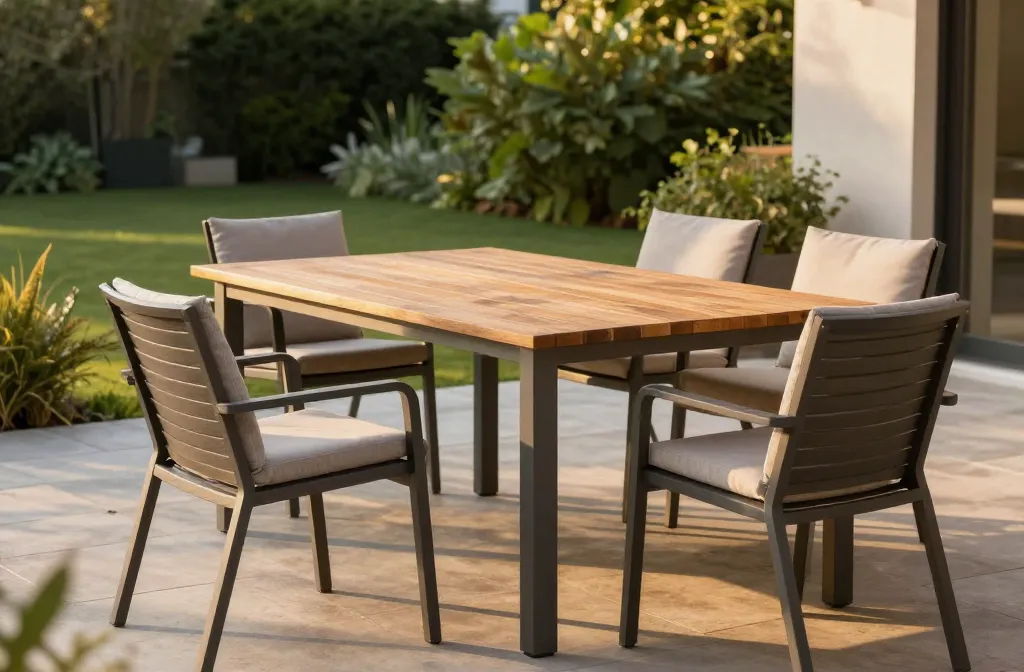
An inviting breeze swirls around your patio, the sun dipping low enough to paint the cushions in a soft gold. The table gleams, the chairs invite you to linger, and the sound of distant laughter from neighbors nods to a perfect evening in the making. You’re not dreaming—this can be your outdoor dining reality, with a set that feels like it was built for your space, your style, and your sanity.
The secret behind choosing an outdoor dining set that won’t disappoint is simple: balance. You want something that looks great in photos but also handles rain, sun, and spill-prone evenings without whining. The core philosophy is this: pick materials and dimensions that align with your climate, usage, and maintenance tolerance, then optimize comfort and aesthetics so the set becomes a natural extension of your home.
If you’re reading this, you probably feel a mix of excitement and fear. Excited because you’re almost there, and fearful because a wrong choice means constant wrangling—stains, rust, wobbly legs, or cushions that never stay fluffy. You’re not alone. Many of us have stood in the showroom or scrolled through countless online images, wondering if “that set” will actually live up to the hype. I’m here to guide you with a practical, designer-level approach that respects your time, budget, and tiny clues in the weather forecast.
Before we dive in, a quick promise: you’ll walk away with a clear checklist, a sense of which materials behave best in your climate, practical sizing tips, and maintenance strategies that extend the life of your investment. No fluff, just the good stuff. Ready? Let’s go.
Materials that Matter: Teak, Aluminum, Wicker, and Steel — A Real-World Comparison
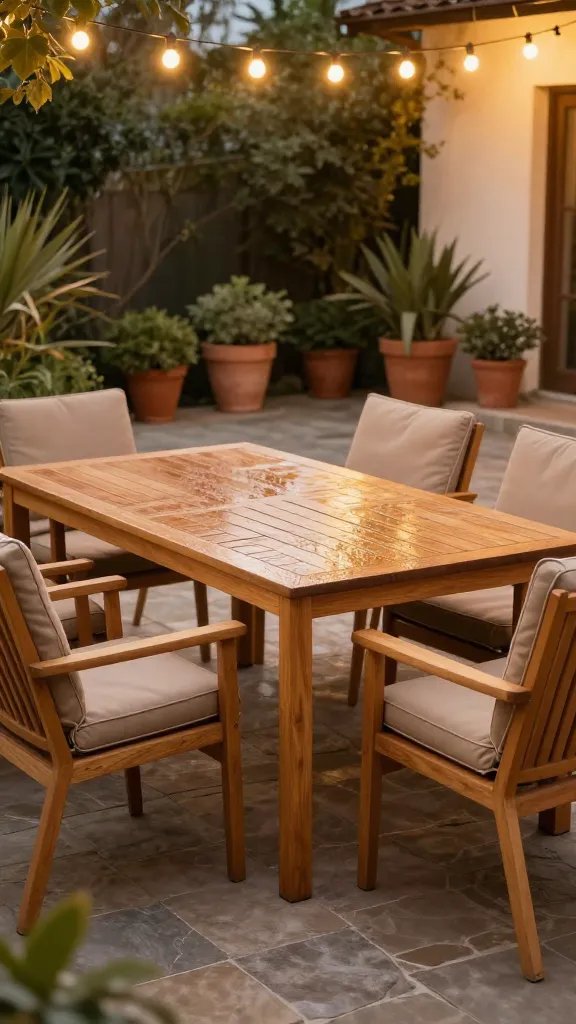
Choosing the right material is like picking the right instrument for a band. Each has a voice, a vibe, and a set of behavior traits you’ll want to match to your space and lifestyle.
Teak — The classic long-game performer
– Pros: Naturally oily, teak resists water and stains; it ages to a gorgeous silvery gray if you don’t mind the patina. It’s sturdy, holds up to sun, and can be refinished to look new if you’re into the “new wood, who dis” vibe.
– Cons: It’s one of the pricier options, and you’ll want to oil or seal it periodically to control color and moisture absorption. Can be heavy to move.
Aluminum — Light, sleek, and low-maintenance
– Pros: Very weather-resistant, won’t rust, and is easy to maneuver. Modern aluminum sets often come with marine-grade finishes that stand up to salty air and humidity.
– Cons: Can feel less substantial to some guests; cushions and fabric choices become more important for comfort and durability.
Wicker — Cozy, textured, and adaptable
– Pros: For a casual, comfortable vibe, wicker (especially high-quality synthetic variants) looks great and dries quickly after rain. It’s relatively light.
– Cons: Real wicker can be delicate and prone to snagging; synthetic wicker fares better in harsh weather but can look less premium over time if not upgraded.
Steel — Hefty, lasting, and bold
– Pros: Very durable; powder-coated finishes resist rust and scratches. A steel frame can anchor a look that feels timeless.
– Cons: Heavier to move; rust can be a concern if the finish is damaged, though modern coatings mitigate this risk.
How to think about it: pick a primary material that suits your climate and a secondary look that matches your home style. For example, teak with aluminum accents gives you classic elegance plus contemporary ease. Wicker pairs beautifully with soft cushions and outdoor rugs for a relaxed vibe, while steel anchors a modern, outdoor dining room.
The Right Size Table for Your Patio: Fit, Flow, and Function
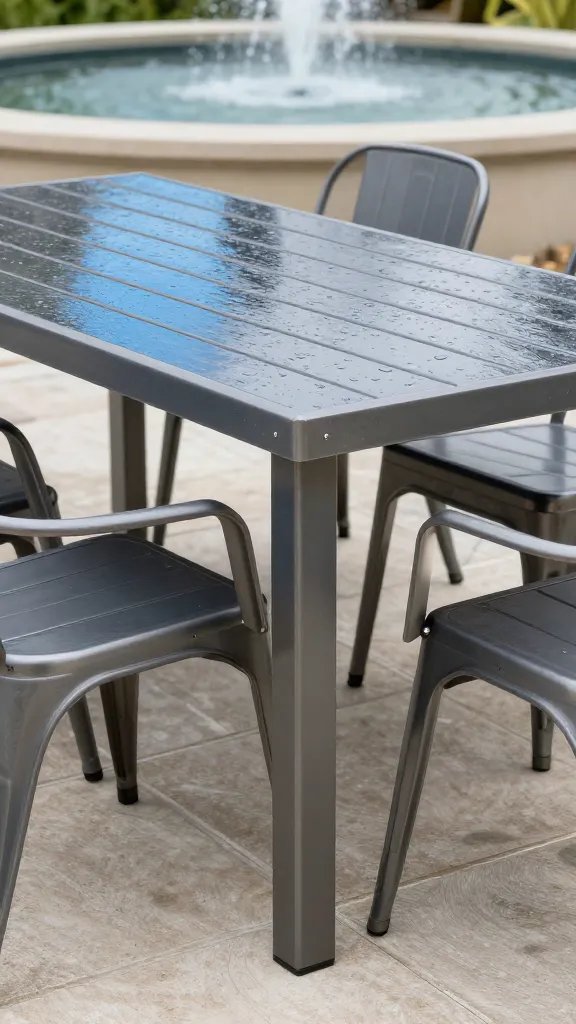
Table size is not just a number—it determines how many people you can seat, how you move around the space, and whether you can actually reach the last dish without leaning over your neighbor’s plate.
Measure first
– Length: Leave at least 24 inches of clearance on each side for comfortable seating. If you have a narrow patio, aim for a 4–6 foot table; for larger spaces, 6–8 feet works well.
– Width: A typical dining table is 36–42 inches wide. Anything much wider makes it hard for guests to reach the center, and anything narrower can look underwhelming.
– Seating: Plan for 2–3 inches of space per person at the table edge. Don’t you hate fighting for elbow room during sips of wine?
Shape considerations
– Rectangle: The most versatile for long patios and family meals. Great for seating 6–8 people on average.
– Oval: A nice middle ground that softens sightlines and can fit more easily around corners or irregular spaces.
– Round: Perfect for intimate gatherings; most comfortable for 4–6 people but can feel crowded with larger groups.
– Extendable: If you host varying group sizes, an extendable table gives you flexibility without sacrificing daily comfort.
Depth and chair clearance
– Chairs should have room to pull out and sit without hitting the table legs. Look for a 18–24 inch clearance from chair back to edge of the table when fully pulled out.
– Consider the space behind chairs as well—give guests room to stand and pass by without bumping into planters or railings.
Chair Comfort: Why It Matters More Than You Think
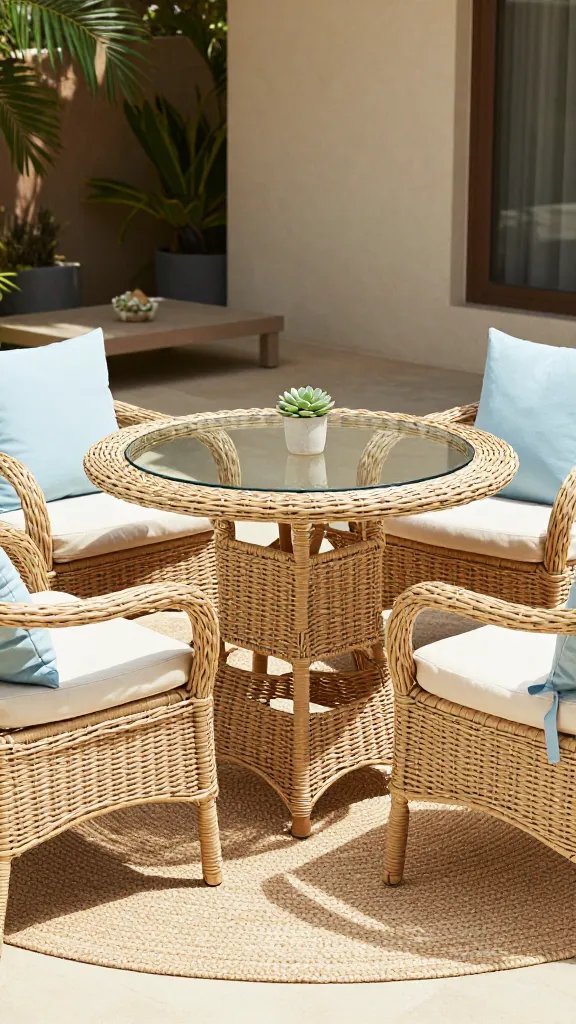
If your chairs aren’t comfortable, you’ll avoid dinner al fresco after a few weeks. Comfort isn’t a luxury—it’s the foundation of an outdoor dining routine.
Key comfort factors
– Seat depth: A 16–18 inch seat depth works well for most people. Too deep and you’ll feel like you’re sinking; too shallow and you’ll feel perched.
– Seat height: Aim for 17–19 inches from floor to seat. If you’re pairing with a taller table, you may want a higher seat to keep legroom balanced.
– Cushion density: Look for density around 2.0–2.5 pounds per cubic foot (PCF). Softer cushions feel plush but flatten faster; firmer cushions last longer but may feel rigid.
– Back support: A slight recline or ergonomic back can prevent fatigue on long meals. If you’re choosing dining chairs that lean back, make sure the tilt is gentle and the backrest height supports the upper back.
Materials and upholstery
– Fade and stain resistance matter for sun exposure and spilled sauces. Solution-dyed acrylics stay vibrant longer and resist water better than standard fabrics.
– Cushion storage: If you don’t have a covered storage space, opt for quick-dry cushions with removable covers. It makes cleaning and winter storage much easier.
Ergonomics and style
– If you entertain often, prioritize chairs that you and your guests can slide in and out of with ease. Armrests can add comfort but may reduce seating density, so balance is key.
Sets That Look Good in Photos vs Sets That Hold Up in Real Life
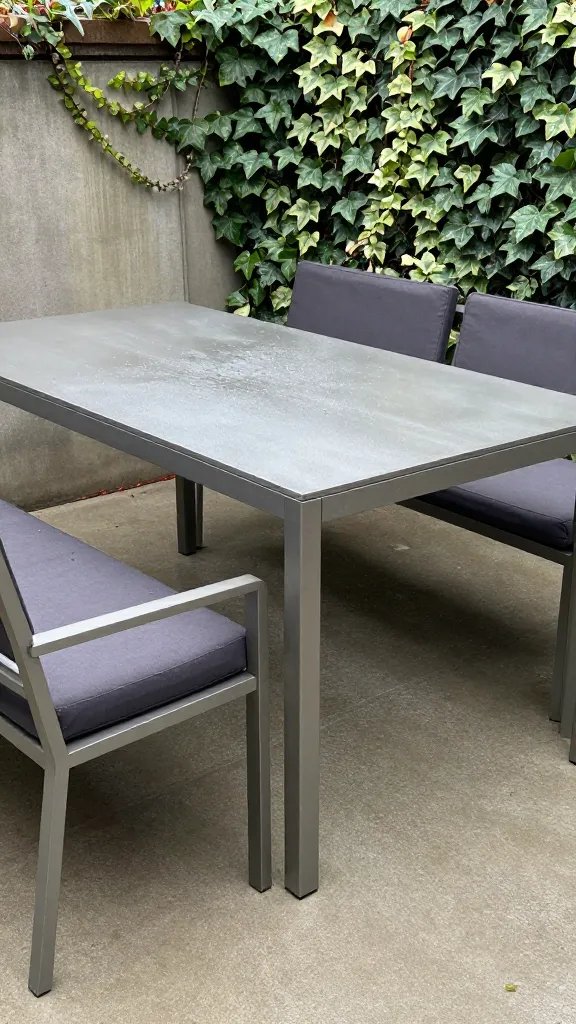
We’ve all fallen for a set that photographs beautifully—clean lines, perfect cushions, the “wow” factor. The test: will it perform under sun, rain, and wine spills?
Photo-worthy tips
– Color and texture: High-contrast cushions and woven patterns pop in photos. But they can appear busier in real life—balance with simpler surroundings.
– Finish and edges: Clean, smooth edges photograph better and resist showing the wear you’ll eventually notice when you live with the set.
– Lighting: Outdoor lighting can make or break the vibe. If you shoot in natural light, midday sun can wash out tones; golden-hour lighting adds warmth.
Real-life durability checks
– Weather resistance: Identify how the frame tolerates rain, humidity, and UV exposure. A set that fades or rusts quickly in your climate is a misbuy.
– Cushion performance: Quick-dry, mildew-resistant cushions are worth their weight in gold in humid or rainy climates.
– Maintenance ease: Sets that are easy to clean—think wipeable finishes and removable cushion covers—save you time and effort.
Where style meets function
– Aesthetics should align with your home’s architecture, but always test how the set feels when you’re actually using it. Do you enjoy the sightline as you serve, or does the arrangement feel cramped when you’re moving around?
Weather Resistance Tips: Keep It Looking Fresh Year After Year
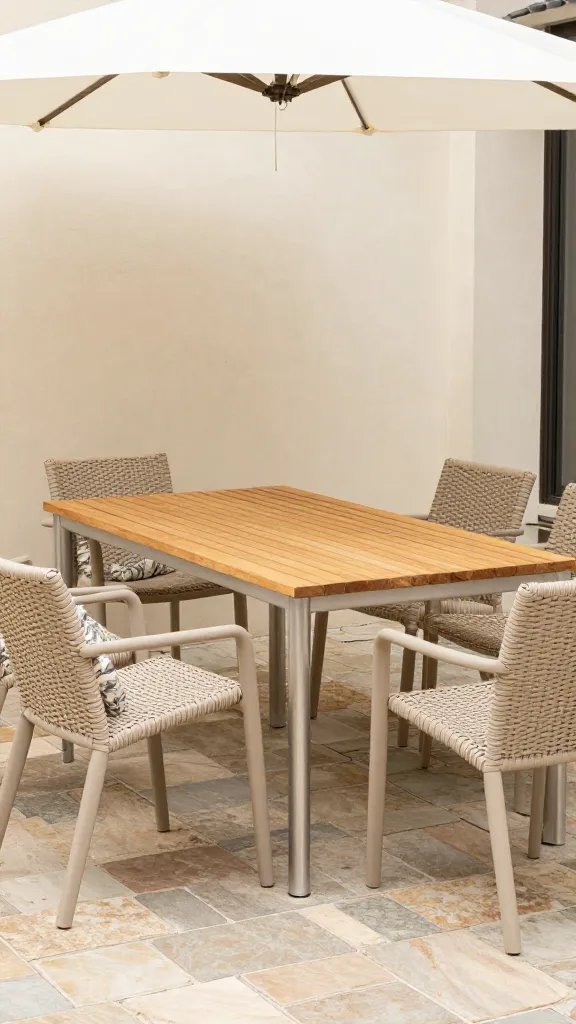
Outdoor life is a test, not a photo shoot. Here are practical tips to beat the elements without becoming a full-time maintenance person.
General maintenance
– Clean surfaces regularly with mild soap and water. Avoid harsh chemical cleaners that can strip protective finishes.
– Check screws and bolts every season. A simple tighten can prevent wobble and extend the life of the set.
– Use protective covers during heavy off-seasons or prolonged rain periods. Look for breathable fabrics to prevent moisture buildup.
Material-specific care
– Teak: Apply teak oil or sealant if you want to maintain its warm honey color. If you prefer the natural drift to silver, skip it and let it age gracefully.
– Aluminum: Rinse to remove salt and rinse away salt spray; avoid abrasive scrubbers that scratch finishes.
– Wicker: Protect from excessive sun and moisture. If you must, store cushions in a dry, ventilated space to prevent mildew.
– Steel: Inspect powder-coated finishes for chips. Touch up as needed with paint specifically designed for outdoor metal.
Seasonal prep
– Before winter or heavy rain seasons, give everything a thorough wipe-down, dry completely, and store cushions properly.
– Use weather-appropriate storage or covers that allow air to circulate. Avoid plastic bags that trap moisture.
Budget Ranges: What You Get at Each Price Point
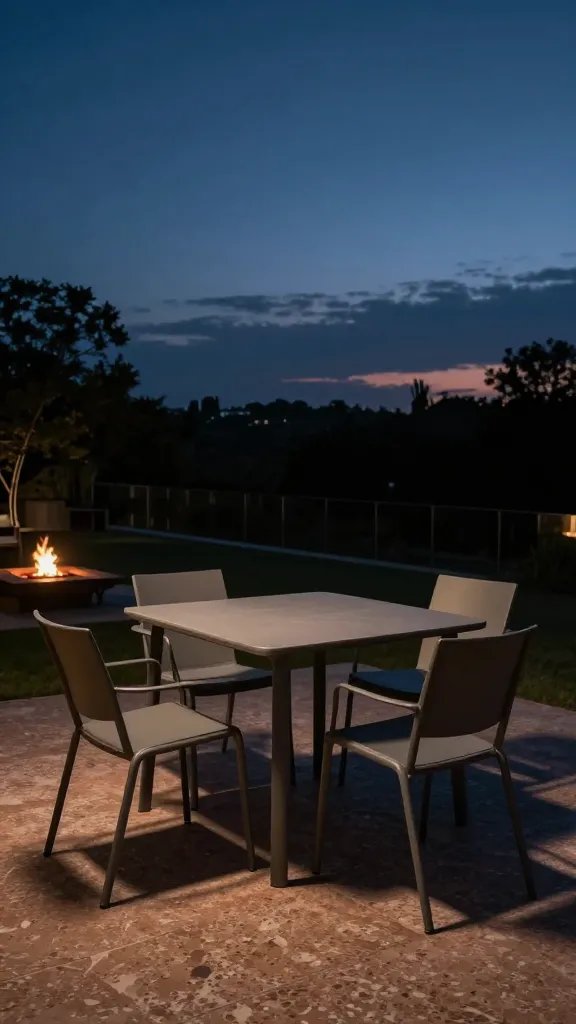
Money talks, but it also guides what you actually get: longevity, comfort, and materials that fit your climate.
Budget under $1,000 — Great for starter setups or small spaces
– What you get: A compact 4-person set, often aluminum or low-cost resin wicker. Cushions exist, but fabric may wear faster with sun exposure.
– Pros: Budget-friendly, lighter to move, quick aesthetic update.
– Cons: Might require more frequent replacements or refreshment; less cushion support.
$1,000–$2,500 — A solid balance of quality and style
– What you get: Mid-range materials like teak, mixed materials, or higher-quality wicker. Some extendable tables or better cushions.
– Pros: Better longevity, improved comfort, more versatile sizing.
– Cons: Still a limited range of finishes; you’ll want to verify the weather resistance.
$2,500 and up — Luxury, durability, and design-forward options
– What you get: Premium teak or steel frames, high-end synthetic wicker, thick cushions, and durable finishes. Extendable tables with smart mechanisms and weatherproof covers.
– Pros: Exceptional durability, comfort, and long-term value.
– Cons: Higher upfront cost. But if you protect and maintain it, you may save on replacements later.
FYI: If you’re in a climate with heavy sun and rain, prioritize materials with excellent weather resistance and low maintenance, even if the upfront price is a bit higher. In milder climates, you can favor aesthetics and cost with careful upkeep.
How to Protect and Extend the Life of Your Outdoor Dining Set
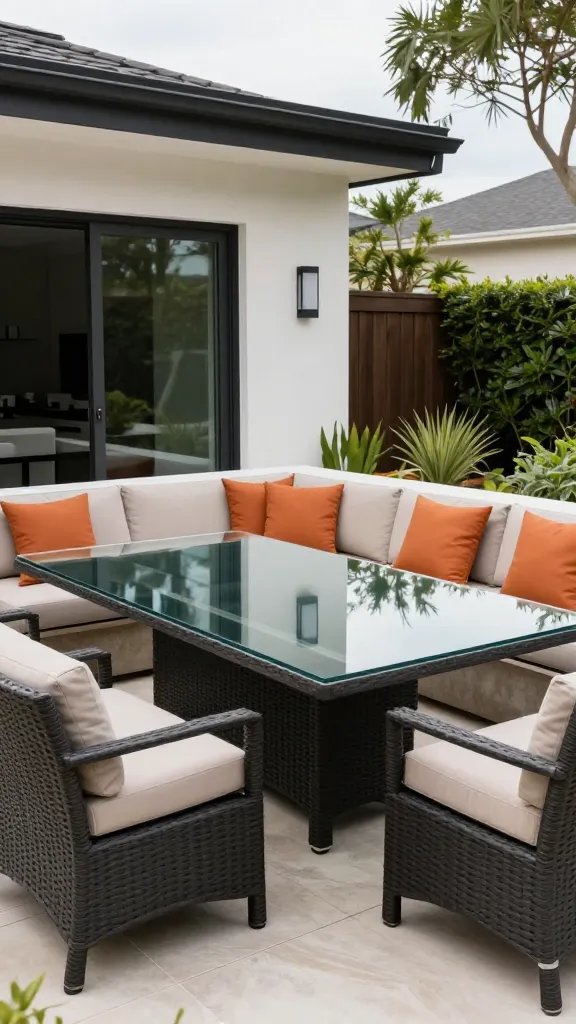
You’ve picked the perfect set. Now let’s keep it looking intentional for years to come.
Daily and seasonal care
– Wipe down after meals to avoid staining and sticky residues. A quick rinse keeps the finish fresh.
– Rotate cushions to distribute wear. This prevents focal flattening and color unevenness.
Storage strategy
– If you don’t have a true outdoor storage space, use breathable covers that slip on and off easily. Don’t seal cushions in plastic—mold loves a dark, damp place.
– In winter or heavy rain, store cushions and, if possible, the more delicate textiles indoors.
Protective and performance upgrades
– Use protective pads on chair legs to avoid scuffing decks or tiles.
– Consider a fabric protector spray for cushions, but test on a small area first to ensure color stability.
Small upgrades with big impact
– Swap old cushions for new, higher-density foams. Even a color refresh can dramatically change how the set feels.
– Add a matching sideboard or outdoor cabinet for storage, which reduces clutter and protects tabletop items.
FAQ
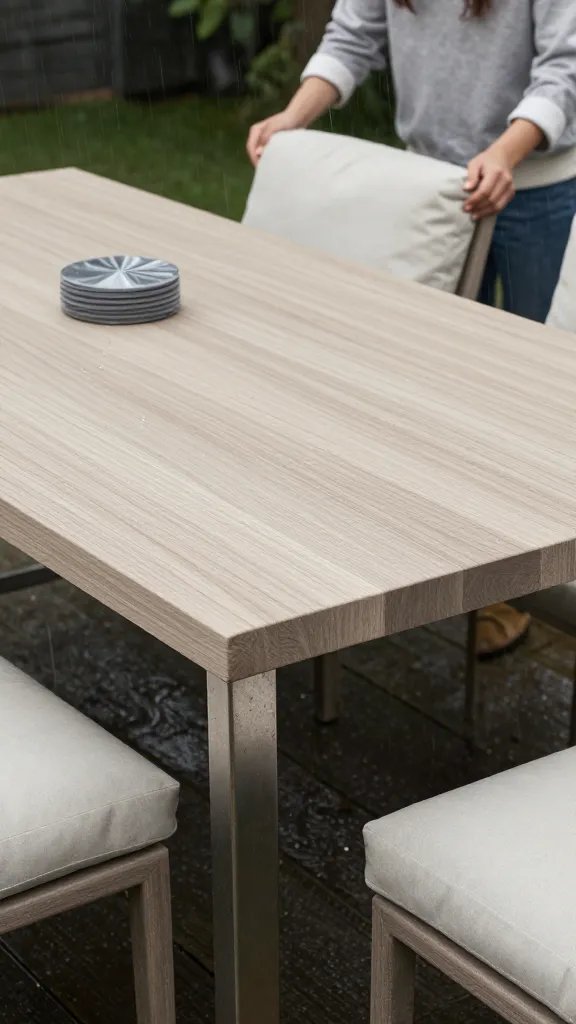
How do I pick the right outdoor dining set for a small balcony?
Consider a compact 4-person table with a rectangular or round shape, and opt for foldable or extendable options if you expect occasional guests. Choose chairs that stack or slide under the table when not in use to maximize floor space.
Is teak better than aluminum for coastal climates?
Teak handles salt air well but requires maintenance to preserve its color if you don’t want the natural patina. Aluminum resists corrosion and is virtually maintenance-free, which is ideal in harsh coastal environments.
How important are cushion materials?
Cushion fabrics influence comfort, durability, and maintenance. Look for solution-dyed acrylic fabrics for colorfastness and water resistance. Removable covers are a huge bonus for easy cleaning and storage.
What’s the best way to extend the life of an outdoor dining table?
Keep it clean, protect it from harsh sun with a shade solution, and consider a weatherproof table cover during off-seasons. For wood tables, reseal or oil periodically; for metal, ensure coatings are intact to prevent rust.
Do I really need a larger table for entertaining?
If you host frequently, a longer or extendable table is a smart choice. It saves you from squeezing guests and keeps the meal atmosphere energized and open.
Can I mix and match sets?
Absolutely. Mixing styles can create a curated outdoor lounge vibe. Just ensure the heights and proportions align so the space feels cohesive rather than chaotic.
Conclusion
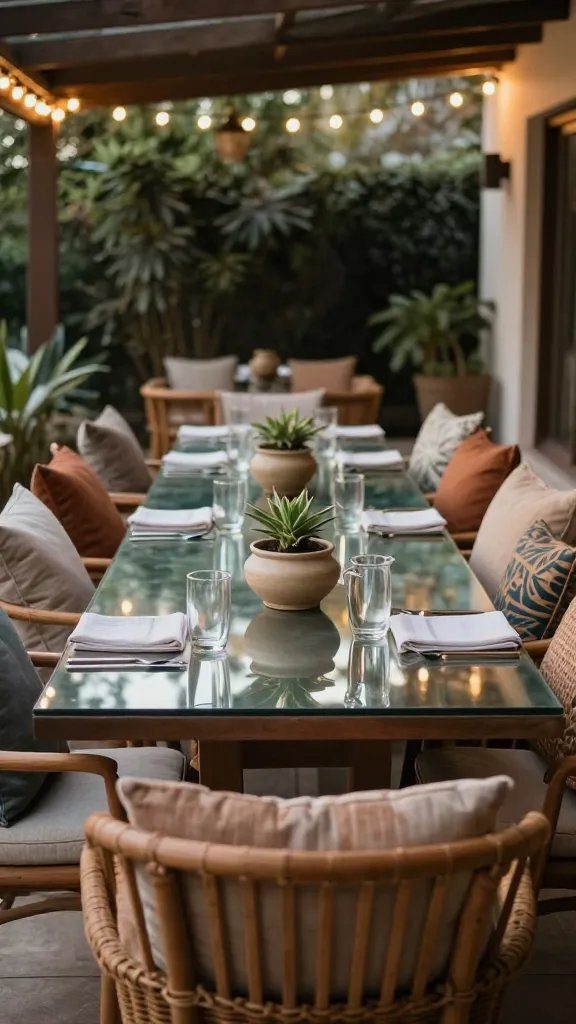
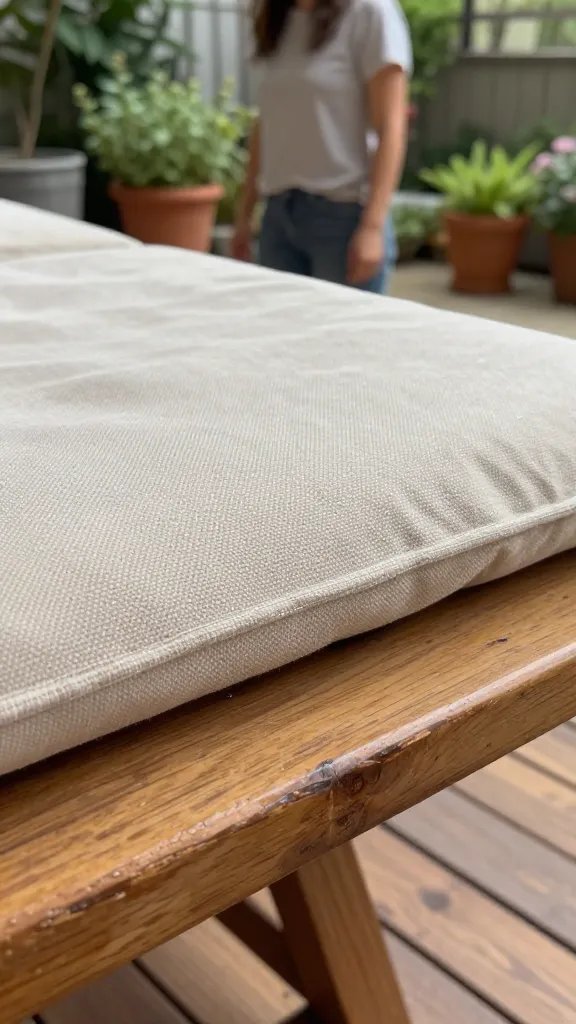
Choosing an outdoor dining set is a delightful balance between style, comfort, and resilience. Start by understanding how the materials will behave in your climate, then size the table to suit your space and hosting style. Comfort is the invisible thread that makes every meal feel easy and inviting, so test chairs for seat depth, height, and back support. Don’t be swayed by flawless photos alone—quests for durability, weather resistance, and low-maintenance upkeep win in real life.
With a clear budget in mind, you’ll be able to prioritize what matters most: a set that looks polished in photos and performs reliably in the daily rhythm of outdoor living. Invest in cushions with durable fabrics, protect your finishes from the elements, and plan for seasonal storage. The result? A dining setup that feels tailor-made for your home and your happy hours.
If you want a quick recap:
– Choose materials that suit your climate and lifestyle.
– Size the table for comfortable movement and ample seating.
– Prioritize chair comfort to extend your time outdoors.
– Find a balance between photo appeal and everyday durability.
– Protect and maintain your set with simple routines.
– Budget smartly across price points to maximize value.
Now go experiment with layouts, mix textures, and curate a little outdoor dining scene that feels genuinely yours. FYI, your future self will thank you for the planning, patience, and a few well-chosen upgrades. Your patio is about to become your new favorite room.