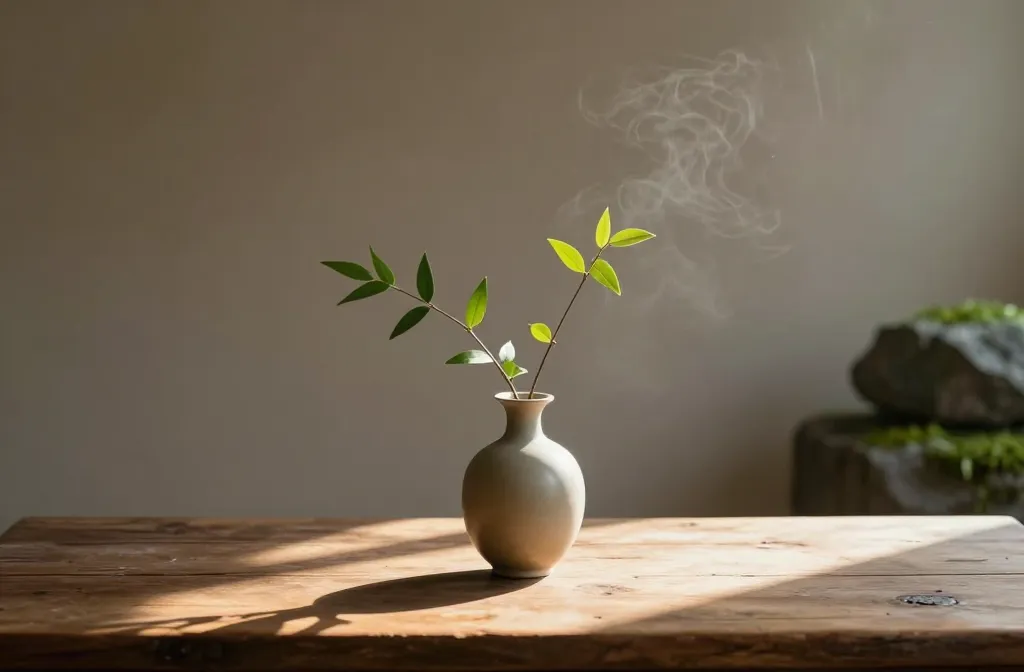
An early-morning sun spills across the studio, warm and golden, while a single vase catches the light like a tiny sculpture. The air carries a hint of wet stone, green tea, and damp soil from last night’s prune. You can almost hear a whisper: today is the day you finally harness ikebana’s quiet magic. You lean in, breathe in, and know you’re about to discover something that will change how you see vases forever.
The secret here isn’t about chasing perfect symmetry or filling every inch of space. It’s about tuning your eye to balance, line, and intention. Ikebana isn’t just about flowers in a vase; it’s a discipline of attention. When you pick the right vessel, you unlock a rhythm that makes even a humble branch feel cinematic.
Ikebana Vases on Etsy
If you’ve ever stood over a bloom and thought, “It’s pretty, but it doesn’t sing,” you’re not alone. Many of us worry we’ll pick the wrong vase, or arrange things so they look blooming chaotic rather than artful. The fear is real: will the vase overpower the blooms, or will the flowers drown in its shadow? Will my arrangement feel thoughtful, or will it look like I just piled stuff together?
I’ve spent years playing with vases, testing angles, and chasing the moment when a composition feels inevitable. I’ve learned to trust three guiding ideas: proportion, line, and silence. When you apply them, the vessel becomes a partner, not a prop. And yes, you can achieve that serene, editorial look without a dedicated studio or a fancy training—just a few practical moves and a touch of patience.
Ready to stop guessing and start crafting? Let’s walk through choosing, arranging, and refining ikebana vases in a way that’s friendly, actionable, and surprisingly approachable. FYI, by the end, you’ll be confident rotating a few simple vessels into show-stopping arrangements.
Ikebana Vases on Etsy
Finding Your Vessel: What Makes a Vase Ikebana-Ready?
Choosing the right vase is the first and most transformative step. The vessel sets the stage for line, balance, and breath in your arrangement.
- Size matters: The height should relate to the plant’s vertical rhythm. Tall stems love tall vessels; delicate stems thrive in shorter, stouter bases.
- Shape speaks: Cylindrical vessels read modern and minimalist. Curved bowls invite softness and curvature lines. A faceted or textured surface adds a tactile, sculptural punch.
- Material mood: Ceramic and lacquered wood feel traditional. Glass feels contemporary and light. Metal adds edge but can dominate if you’re not careful.
- Color coordination: Aim for contrast that highlights the flora. A soft matte white can make greens pop; a dark glaze will ground bright blossoms.
Quick-start taxonomy
- Classic saké-style stems > tall, slender vases with a narrow neck
- Minimal leaf displays > open, shallow bowls that let air around blooms
- Bold color blooms > neutral or textured vessels to avoid clashing
The Core Philosophy: Balance, Tension, and Quiet Presence
The core philosophy behind getting ikebana right is balance with intention. It’s not about filling space; it’s about aligning space, stems, and negative space so they breathe together.
- Balance: Visual weight should feel steady, not symmetric. An asymmetrical arrangement with careful weight distribution often feels more alive.
- Tension: A short branch juts up against a long leaf; a line cuts through a bloom’s curve. Small tensions create momentum.
- Quiet presence: Let negative space carry meaning. Silence between stems often speaks louder than blooms.
Etiquette of restraint
Less is more. If the vase is asking for attention, you’re probably overfilling. Let a few key stems tell the story, and let the vessel hold the rest.
The Fear, Frustration, and How to Overcome It
If you’ve struggled, you’re not failing—you’re learning a language. Here are common hiccups and simple fixes.
- Hiccup: Blooms flop forward Fix: Adjust the stem angle at the base, use kenzan (the pin frog) or floral foam sparingly, and tilt the bloom slightly back to counter gravity.
- Hiccup: Leaves overshadow flowers Fix: Trim leaves that sit below the vase’s water line; refocus the line with a couple key stems at varying heights.
- Hiccup: It looks “assembled” rather than intentional Fix: Remove one element and let the rest breathe. Rebalance height and distance until it feels inevitable.
A Simple Toolbox: What You Need to Start
You don’t need a full florist’s bench to begin. A few reliable tools will unlock a lot of potential.
- Vases: A few sizes and shapes—tall, short, wide, narrow—cover most concepts.
- Support: Kenzan (pin frog) for heavy arrangements, floral foam for quick setups, or water tubes for stems that need precision placement.
- Shears and snips: Sharp is non-negotiable. Dull blades crush stems and dull your line.
- A spray bottle: Keeps blooms hydrated between placements.
Five Signature Arranging Techniques You Can Use Today
Try these techniques to unlock different moods without reinventing the wheel each time.
Technique A: The Line-First Approach
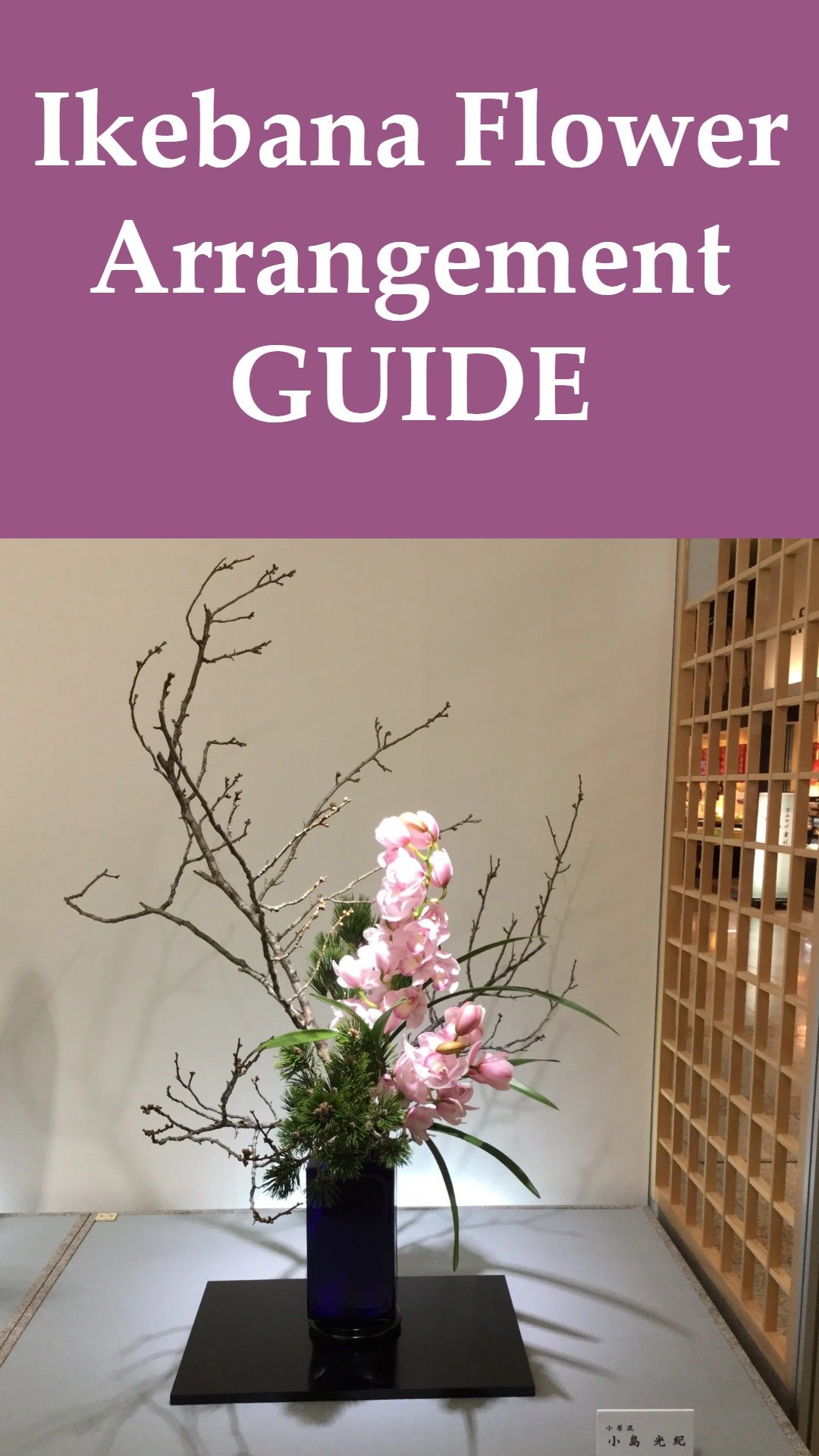
Look for a long, clean line—a stem that travels through the composition without obstruction. Build around this spine, placing other elements to echo or pivot away from it.
Technique B: The Triangle Rule
Place three focal points to create a natural triangle. This guides the viewer’s eye and prevents your arrangement from feeling top-heavy.
Technique C: The Space Whisper
Leave generous negative space. Don’t feel compelled to fill every inch. Empty space can make a bloom feel precious and deliberate.
Technique D: The Seasonal Pulse
Let the season dictate materials. For spring, try airy blooms with slender stems. For autumn, embrace robust textures and earth tones.
Technique E: The Asymmetry Dance
Balance can be a conversation rather than a mirror. Place heavier elements off-center and lighter elements on the opposite side to create a dynamic tension.
Deep Dive: Subtle Details That Make a Big Impact
Subsection: Choosing the Right Stems for Your Vessel
Not all stems behave the same. Short, sturdy stems suit wide bowls; thin, flexible stems glide in tall vases. If a stem droops, it’s probably asking for a pruners’ touch or a sturdier anchor.
Subsection: Water, Freshness, and Longevity
Change water every 2–3 days. Trim stem ends at a sharp angle when you refresh water to encourage uptake. A few crushed ice cubes in the water can perk up delicate blossoms on hot days.
Subsection: Color Strategy That Doesn’t Clash
Choose one “hero” color and then support with two harmonizing tones. If your vase is a bold color, keep most blooms within a narrow palette to avoid visual noise.
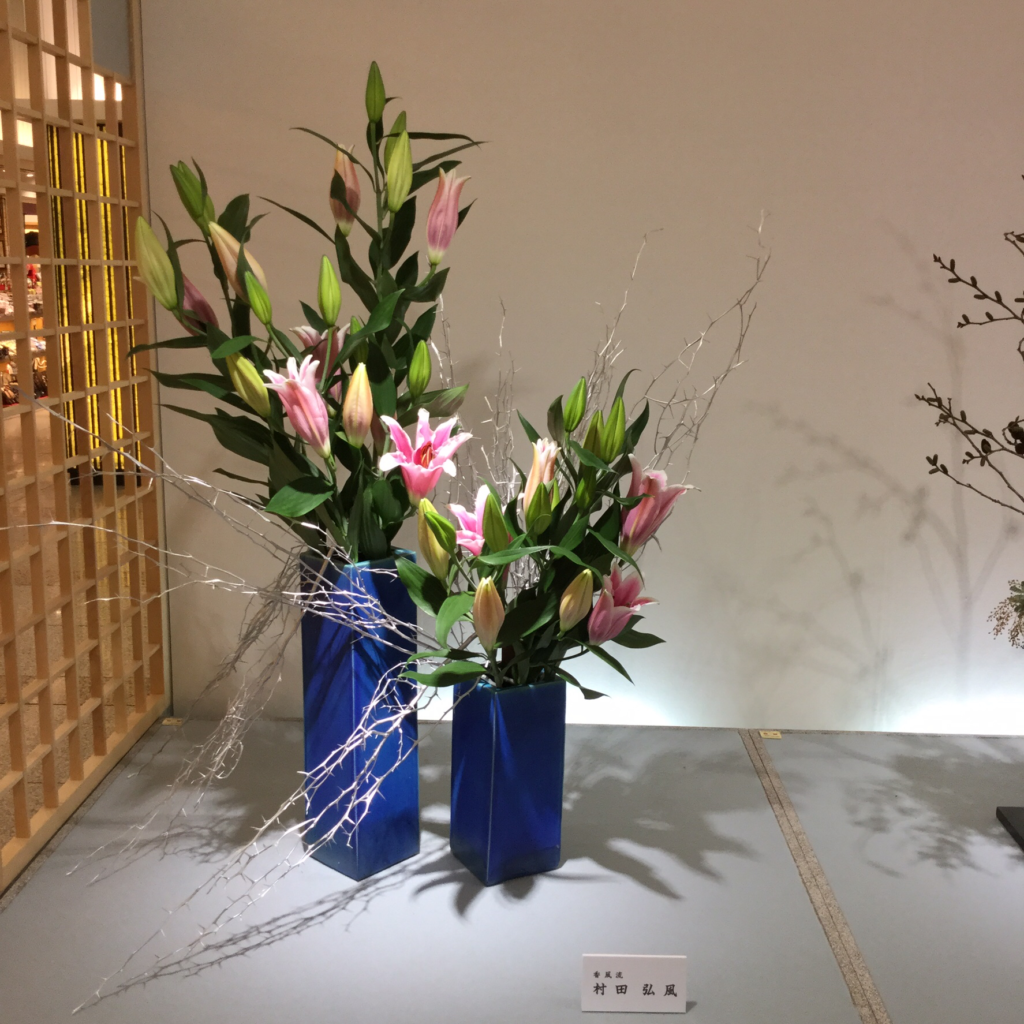
The Practical Setup: Step-by-Step for Beginners
- Choose a focal stem or bloom that will lead the arrangement.
- Place the vase in a good light so you can see lines clearly.
- Anchor the main line with the tallest element; add secondary lines at varying angles.
- Trim, adjust, and step back to observe from a distance.
- Refine by removing one element or tweaking height until it feels inevitable.
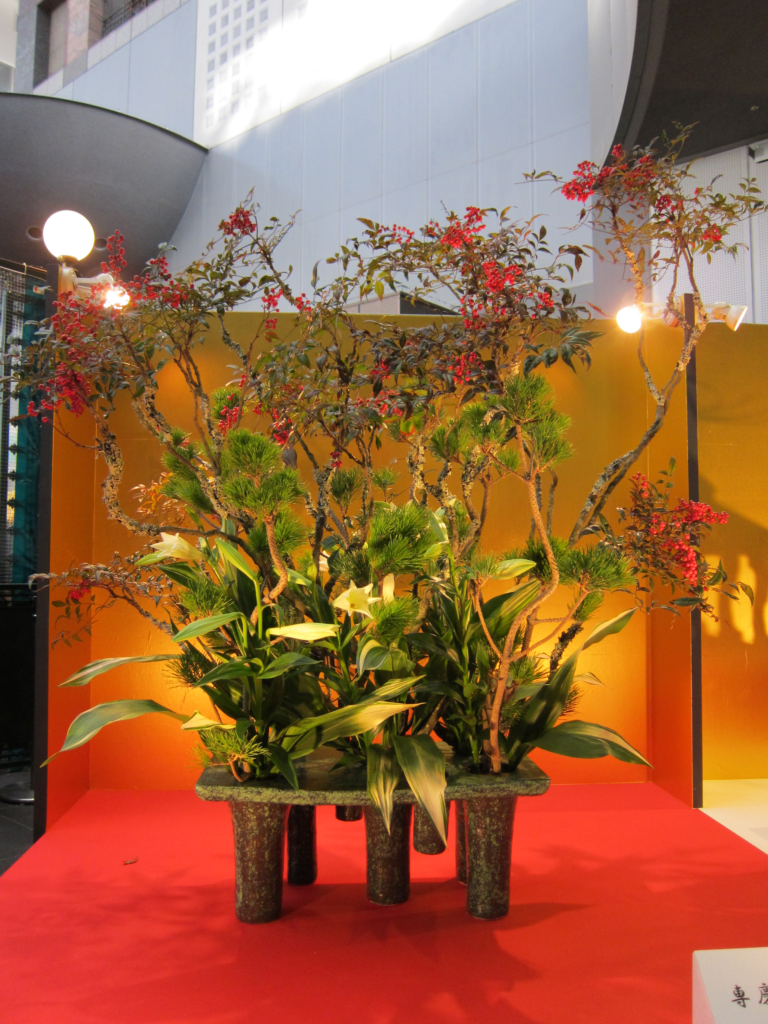
Styling Across Spaces: Home, Office, and Beyond
Vases don’t exist in a vacuum. They mold the vibe of a room or desk.
- Living room: A tall arrangement becomes a vertical focal point, drawing the eye up and widening the space.
- Dining table: A low, wide composition invites conversation and makes the meal feel grounded.
- Workspace: A compact, clean arrangement boosts focus and mood without overpowering notes of professionalism.
FAQ
What’s the best vase for beginners?
Start with a simple ceramic vase in a neutral color. It won’t compete with the blooms and will allow you to learn line and balance without fighting with aggressive patterns or colors.
How often should I prune stems during an arrangement?
Trim stems when you’re building the piece, and refresh water every 2–3 days. If you’re taking a longer break, re-cut stems when you next touch the arrangement to revive uptake.
Is it okay to use artificial stems?
Absolutely. They’re great for practice and display. Use a real bloom occasionally to reintroduce scent and life, but you’ll still reap the visual lessons from the form and line.
How do I fix an arrangement that looks flat?
Rebalance with a taller element, adjust the angle of existing stems, and introduce a negative space in a strategic corner. Sometimes removing one item does more good than adding another.
Can I mix ikebana styles?
Sure, but keep a unifying principle—line, balance, or color—so the result remains cohesive. Don’t fight the vessel’s personality; let it guide your choices.
Conclusion
You don’t need a gallery or a formal course to make ikebana vases speak. You need a quiet intention, a handful of practical moves, and a willingness to let the vessel do a little storytelling. Start with a vessel you love, respect its voice, and listen as the stems begin to talk back. With a few tweaks, your space shifts from nice to quietly remarkable.
If you’re itching to keep going, commit to a weekly mini-project: pick one vase, one technique, and one season’s palette. You’ll surprise yourself with how quickly your eye sharpens and your arrangements gain confidence. IMO, the best part is how approachable ikebana becomes when you let it be about feeling, not perfection. So go ahead—grab a vase, trust the line, and let the silence carry the arrangement.