An early-morning stroll through a sunlit patio feels like a mini vacation, even if your budget is shouting, “Keep calm and DIY on.” The air smells like fresh coffee, and your feet sink softly into a newly aligned floor of interlocking deck tiles. There’s a whisper of wicker, a splash of color from an outdoor rug, and a cluster of potted tall living plants that seem to rise like little green sentinels. You pause, take a breath, and imagine your space looking polished, cozy, and social—without a designer-priced bill.
The secret behind a credible, budget-friendly patio makeover isn’t magic. It’s a simple philosophy: create texture, layer in easy-to-change statement pieces, and scale your improvements to what you can actually replace or DIY. You want a space that feels intentional, not rushed. You want furniture that’s comfortable, not precious, and you want styling that reads as curated rather than chaotic. If you can master those ideas, you’ll pull off a look that feels expensive, but stays friendly to your wallet.
If you’re here, you’ve probably fought the same anxieties I hear from readers all the time: Will it look good in real life? Will it weather the weather? Can I achieve this without a full renovation? I hear you. I’m here to help you beat those fears with practical, high-impact moves that deliver wow—with a budget you can actually handle. FYI, you don’t need a huge budget to create a space that looks like it was plucked from a design magazine. You just need a plan and the right mix of buy, borrow, and DIY.
Let’s walk through 10 tested, camera-ready strategies to fake a patio makeover on a budget. We’ll stay practical, fun, and a little bit playful, so you finish with something you’re proud to show off.
1. Start with a cohesive backbone: the concrete-to-canvas plan
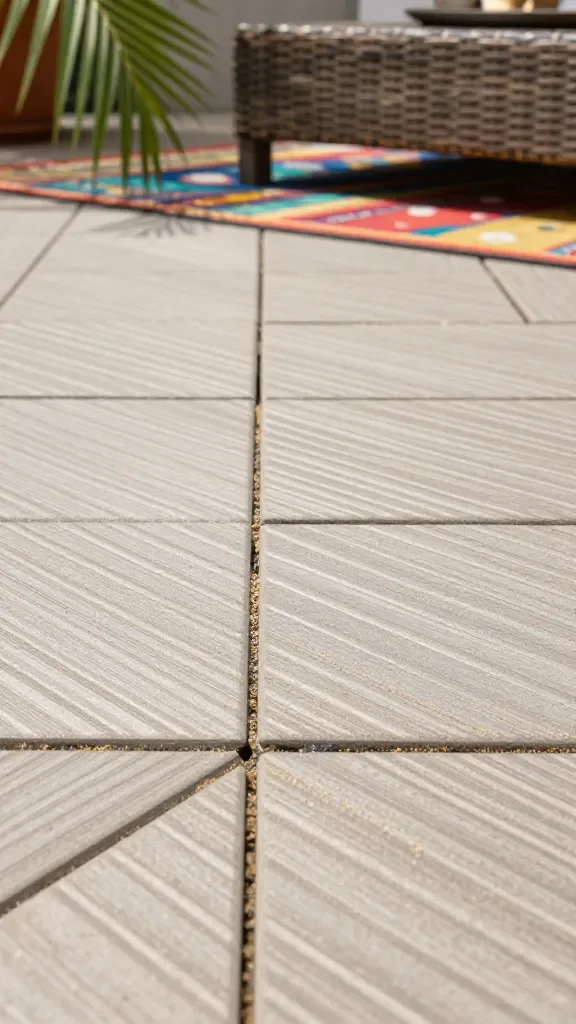
Your patio’s backbone is color, texture, and scale. You don’t want a jumble of furniture that fights for attention; you want a canvas that lets each element breathe.
– Interlocking deck tiles: A concrete patio can feel stark, so start here. Choose tiles with a surface that hides dirt and feels good underfoot. The trick is to alternate shades subtly to create depth, not a checkerboard chaos.
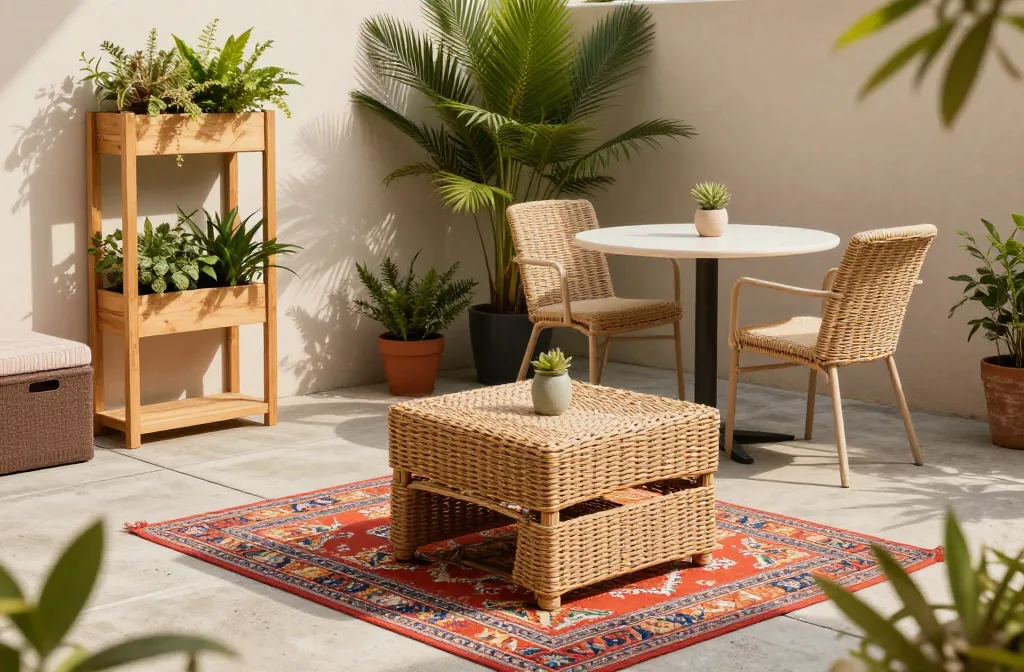
– Outdoor area rug: Layer a rug that’s long enough to anchor your seating zone. Look for a pattern that contains natural textures—think jute, sisal, or a faded kilim vibe. It should be outdoor-rated and easy to clean.
– Color story: Pick 2-3 core hues that you repeat across textiles, planters, and accents. A restrained palette reads collected, not chaotic.
Tip: If you can’t replace everything at once, start with the biggest visual anchor—the rug and deck tiles—then layer in the rest.
2. The furniture trifecta that looks premium, costs less
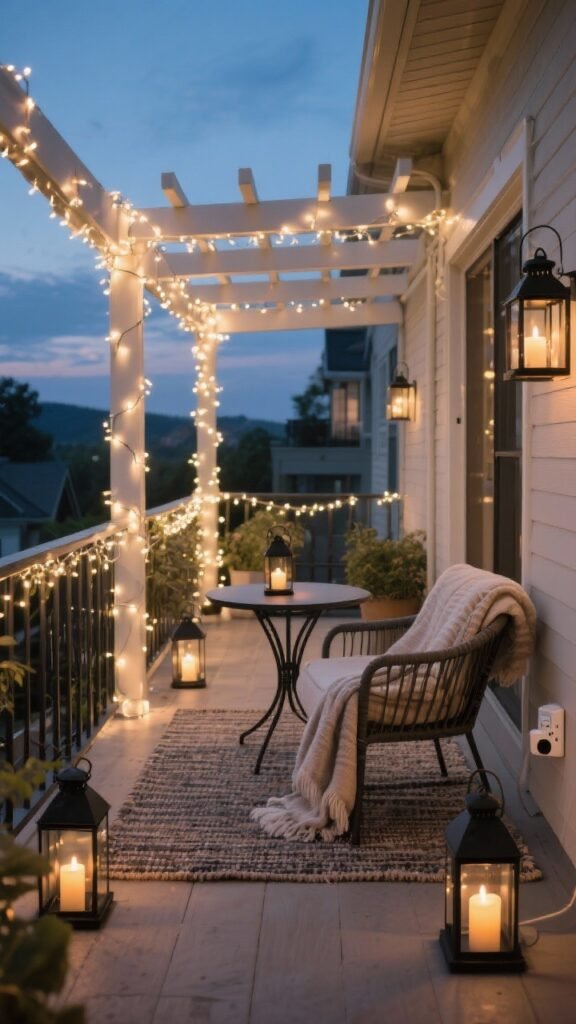
A small but mighty collection can transform any space. You don’t need a full outdoor set to get a luxe vibe.
– Outdoor bistro set: A compact pair of chairs with a round table can create an instant social spot. Look for resin wicker that mimics real rattan for a warmer feel without the maintenance.
– Wicker coffee table: A low, airy coffee table makes the space feel open. If you can’t find the exact finish you want, paint or stain a wood-look piece to match your scheme.
– Storage ottoman: This is your quiet genius move: extra seating, hidden storage, and a surface for coffee cups or a small plant. Pick a weather-resistant finish and a neutral color to keep things versatile.
Pro move: If you’re shopping, measure first, especially the seating area. You want enough walking space and a natural flow for conversation.
3. Green drama with tall living plants
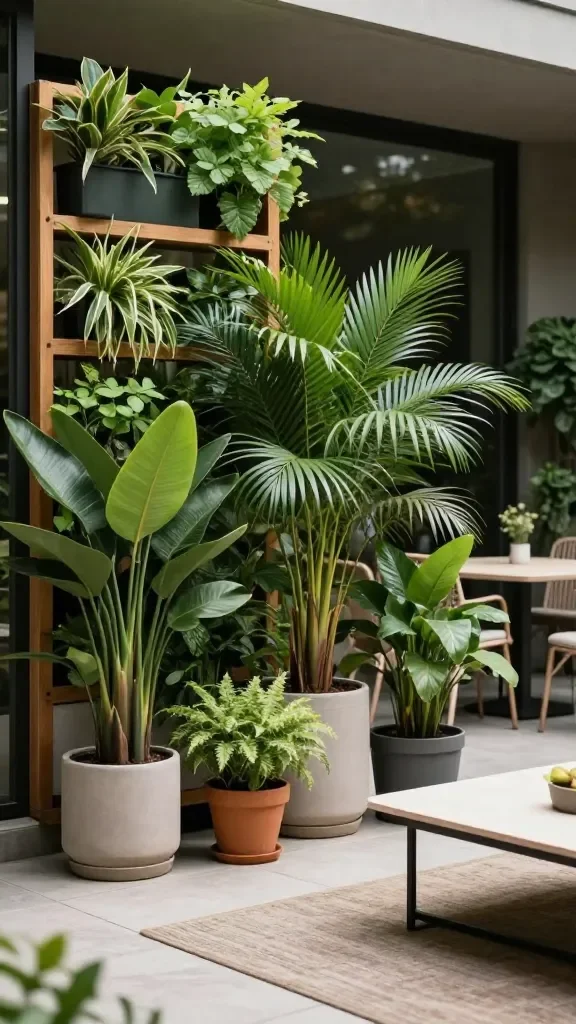
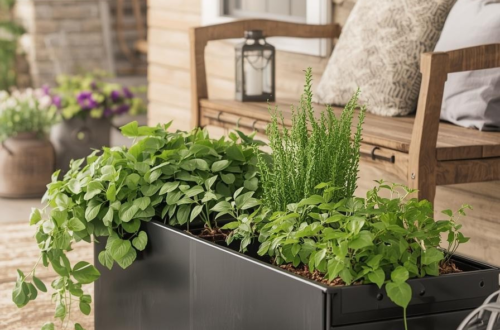
Plants aren’t just decoration; they’re architectural statements. Tall living plants bring vertical drama, soften edges, and improve the feel of any outdoor room.
– Potted tall plants: Choose species that thrive in sun or shade as needed. Consider bamboo, citrus trees, or tall grasses in sturdy planters. The height adds a sense of enclosure and privacy without blocking light.
– Planter strategy: Use a mix of standalone pots and a vertical wall planter on a stand-alone wooden frame. The vertical piece creates a focal wall that draws the eye upward and adds texture.
– Placement psychology: Group plants in odd numbers (three or five) for visual interest. Use varying pot textures—ceramic, fiber, or stone—to add tactile interest.
FYI: Rotate plants seasonally so they stay healthy and (bonus) spare you from looking at the same greenery all year.
4. The secret weapon: weather-resistant textiles that read luxe
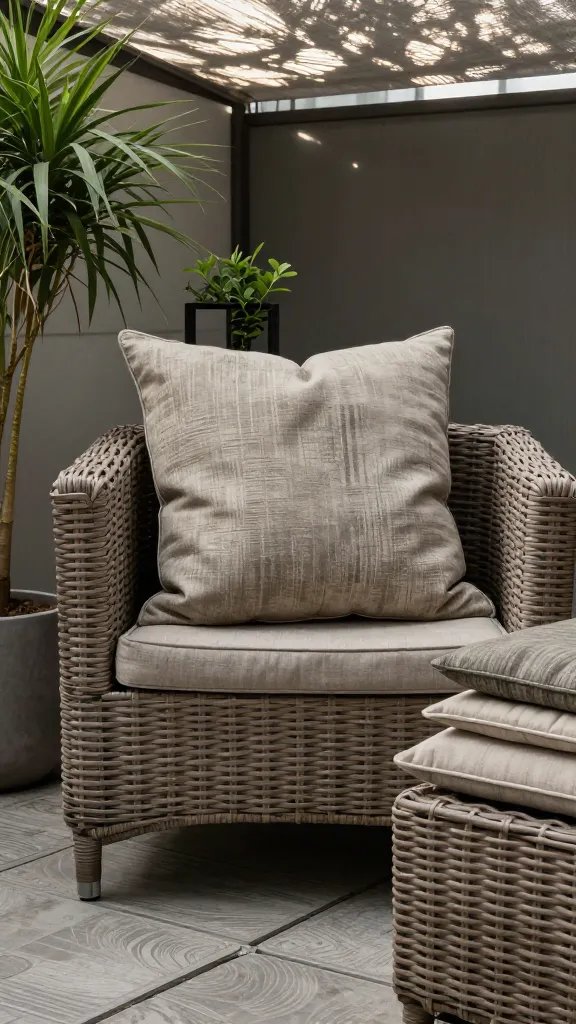
Textiles can make drama on a dime. Choose throw pillows and outdoor fabrics that resist sun, rain, and fading, then layer color and texture for depth.
– Weather-resistant throw pillows: Pick a couple of bold accents and a few neutrals. Swap them seasonally to refresh the look without buying new furniture.
– Outdoor area rug, again: A durable rug anchors the space and soaks up spills. If you choose a pattern with a border, it helps define seating zones without needing heavy furniture rearrangement.
– Soft textures: Consider a lightweight throw blanket for cool evenings. It’s decorative and functional, inviting people to linger longer.
Important: Avoid white-on-white combos outdoors—stains show fast, and the sun will be merciless.
5. A DIY privacy moment: a trellis you actually want to show off
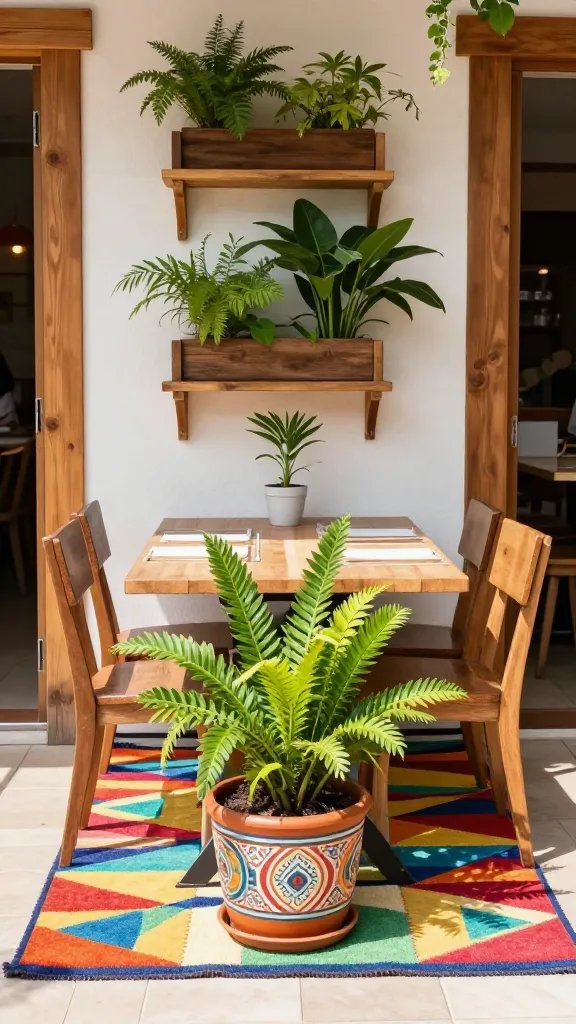
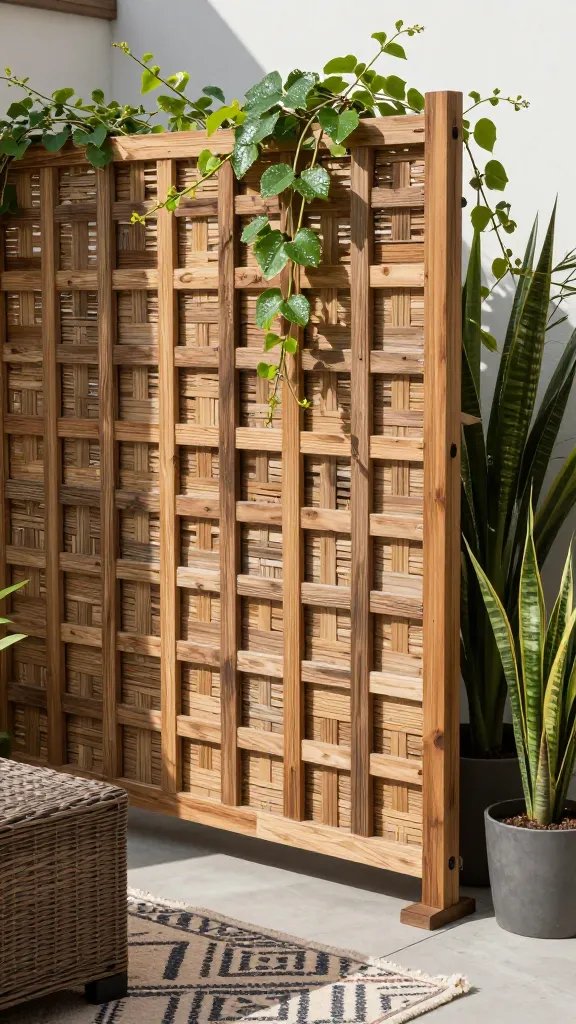
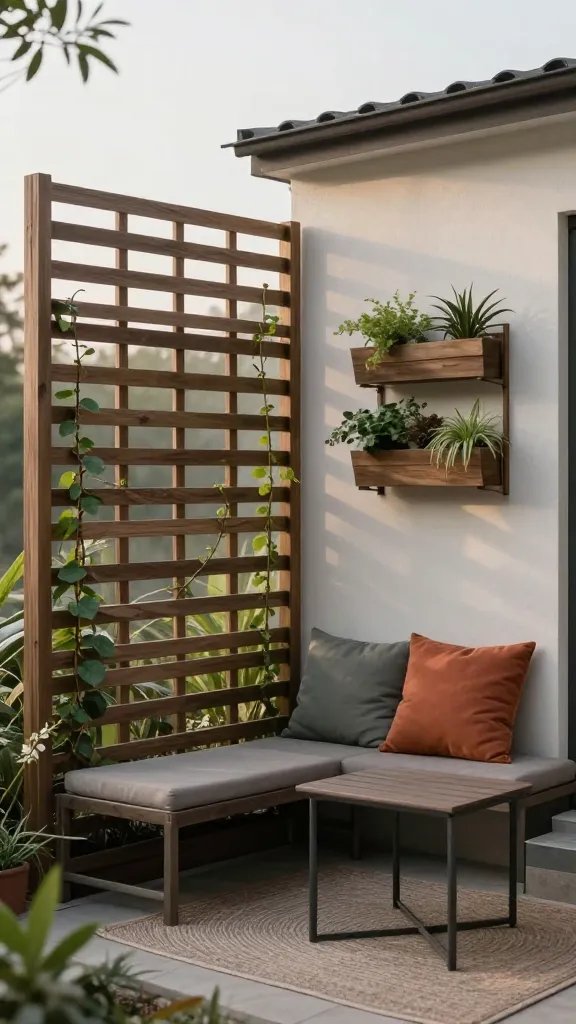
Privacy is a mood, not just a requirement. A DIY trellis on a standalone wooden frame can create an intimate nook and a backdrop for photos that feel magazine-ready.
– Materials: Use lattice panels or slatted boards, a simple wooden frame, and weatherproof sealant.
– Assembly: Build a lightweight frame that stands independently from the main patio. The frame can be placed along the edge, behind the seating, or near the cooking area to create a sense of enclosure.
– Decorate: Attach a few lightweight planters or trailing vines to soften the silhouette. A vertical wall planter on the frame adds greenery with height.
Technique: Stain or paint the frame in a color that matches or complements your furniture to unify the space.
6. The magic of floor art: stencils and concrete paint for a custom look
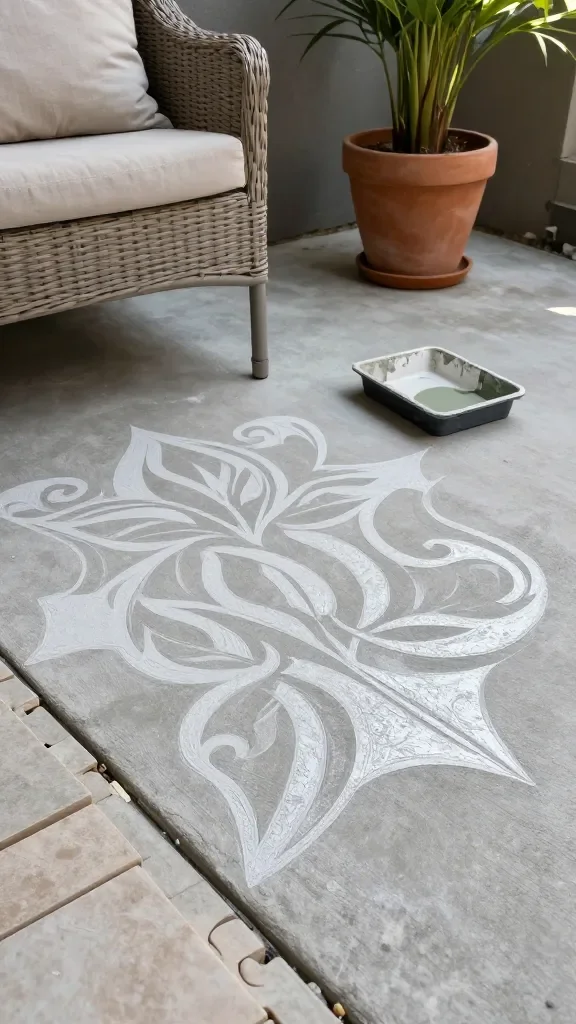
Concrete floors can feel boring. A little stencil magic can transform them into a mural-like surface that ties everything together.
– Floor stencils: Choose designs that echo your rug patterns or plant motif. Stick to simple shapes if you’re new to stenciling to avoid a busy look.
– Concrete-safe paint: Use exterior-grade concrete paint designed for outdoor surfaces. Seal the surface afterward to protect against foot traffic and weather.
– Application approach: Clean and dry the floor, tape the pattern, and apply thin coats. Layer multiple tones to build depth, then seal.
Reality check: Test a small inconspicuous area first to confirm adhesion and color saturation before tackling the whole patio.
7. Clever storage, stylishly hidden: the outdoor storage ottoman
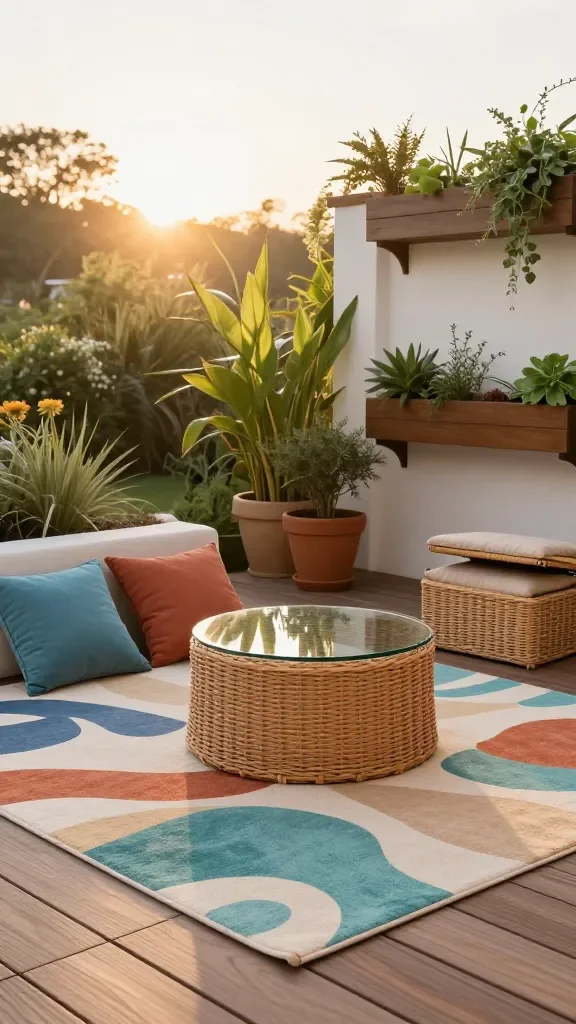
Storage is more exciting than you think when it looks good and adds to the scene.
– Dual purpose: Keep cushions, throws, and even a small garden tool kit inside the ottoman. It reduces clutter and gives you a place to rest drinks during a sunset gathering.
– Materials and finish: Look for weatherproof cushions and a surface finish that matches your furniture’s vibe. A wood-look or rattan-inspired finish keeps the look cohesive.
– Layering tips: Place the ottoman at the end of the seating arrangement to create a natural seating cluster and a handy footrest.
Pro tip: Use removable, washable cushion covers so you can refresh the look with minimal effort.
8. The power of lighting to extend your hours and mood
Outdoor lighting can be transformative, making a budget space feel curated and purposeful.
– Ambient lighting: String lights or lanterns add warmth and a soft glow for evenings. Position them to highlight the trellis or plant clusters.
– Task lighting: A small, weatherproof floor lamp near the seating area helps with reading or chats after dark.
– Accent lighting: Up lights on tall plants or the vertical planter frame create drama and texture.
Remember: Lighting is not just function; it’s the final brushstroke that pulls everything together.
9. Accessorize for personality without the clutter
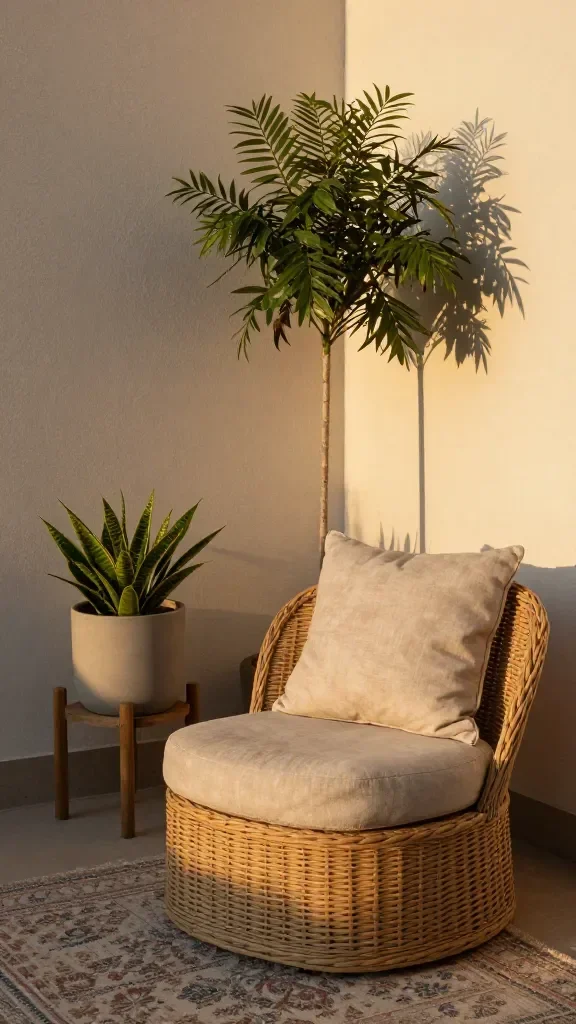
Small mismatches can ruin the vibe, but the right accents elevate the space quickly.
– Color pops: Use a few bright cushions, a vibrant outdoor rug edge, or a bold planter to bring in personality without overpowering the core palette.
– Natural textures: Include baskets, woven trays, or a textured throw to add depth.
– Personal touches: A few favorite decorative items or a small sculpture can make the space feel like yours, not a showroom.
Tip: Keep accessories grouped in threes or fives for a cohesive, intentional look.
10. The 5-minute refresh hack that keeps summer fresh
Sometimes the difference between good and great is simply refreshing what you’ve got.
– Rotate textiles: Swap pillow covers and throws to switch the mood with minimal effort.
– Clean and seal: Periodically clean furniture, decks, and planters. Re-seal wood pieces to maintain their weatherproofing.
– Quick updates: If a piece looks dated, paint or stain it to refresh. A fresh coat can dramatically change a piece’s presence.
FAQ ‘s
What is the fastest way to make a concrete patio feel premium?
Start with an outdoor rug that defines a comfortable seating zone, pair it with a weather-resistant coffee table and bistro set, and add a vertical wall planter for height. Layer with a few textiles in coordinated colors and finish with soft lighting. You’ll achieve an instant, premium feel without a full remodel.
Are interlocking deck tiles durable for a busy outdoor area?
Yes, when you choose tiles rated for outdoor use and ensure proper installation. They’re forgiving, easy to replace, and can dramatically alter the surface feel of a concrete patio. Regular cleaning and a quick sealant refresh help them endure sun and rain.
How do I maintain a DIY trellis without it looking cheap?
Use weather-resistant materials, keep the frame clean, and finish it with a matching stain or paint. Add a few trailing plants to soften the lines. The key is to keep it simple, balanced, and well-proportioned in relation to the surrounding furniture.
What is the best way to choose throws and pillows for outdoor use?
Pick fabrics labeled for outdoor use, like solution-dyed acrylics. Choose colors that repeat across the space to create cohesion. Ensure removable, washable covers to make cleaning a breeze. Rotate seasonal colors to refresh the vibe.
How can I prevent my patio from feeling cluttered with budget upgrades?
Limit your anchor elements (rug, bistro set, storage ottoman) to 3-4 strong pieces. Layer textiles and planters to create depth rather than crowding a single corner. Keep sightlines clean and ensure each item has a purpose.
What if I want to upgrade later—what’s the best next-step plan?
Start with the elements that are easiest to replace or refresh: cushions, rug, and planters. Then add a focal feature like the trellis or a stylish lighting plan. Keeping a simple, modular approach makes future upgrades painless.
Conclusion
You don’t need a full-blown renovation to create a patio that feels bigger, better, and more you. With a thoughtful mix of affordable furniture, strategic greenery, textures that invite touch, and a few design tricks, you’ll transform a plain concrete patio into an inviting outdoor oasis. The target isn’t perfection; it’s a space that looks intentional, feels comfortable, and makes your friends tell you it must have cost a fortune.
If you stay focused on cohesive layers, budget-minded materials, and a few standout features like the DIY trellis and vertical planter wall, you’ll watch your space evolve from a simple concrete slab into a stage for weekend gatherings, quiet mornings, and sunset conversations. And the best part? You’ll grin every time you walk outside, knowing you pulled off a look that’s stylish, livable, and refreshingly affordable.