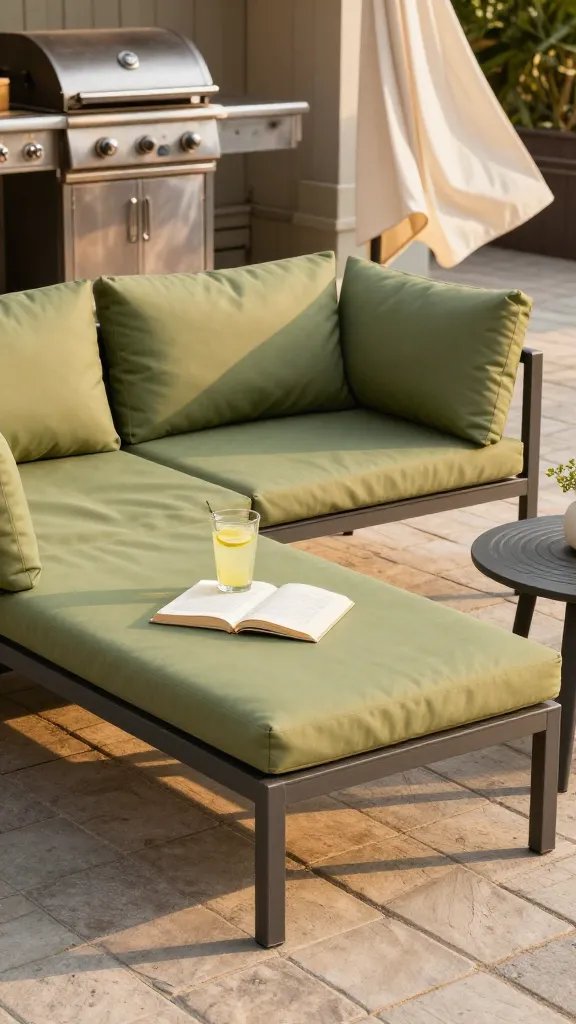
An inviting breeze brushes the patio as sun-warmed pavers glow and the scent of fresh cushions mingles with a hint of grilled garlic. A chaise-longue waits like a trusted friend, inviting you to flop down with a glass of lemonade and a good book. The scene isn’t just pretty—it’s the dream of outdoor living made real, one thoughtful purchase away.
The secret behind buying a patio sectional that lasts isn’t magic. It’s a clear philosophy: prioritize durable materials, easy upkeep, and timeless design that ages gracefully. When you align fabric performance with frame strength and clever maintenance, you get a sofa that stays welcoming year after year, through seasons of sun, rain, and the occasional spill from a curious grandkid or inventive outdoor chef.
If you’ve been burned by faded cushions, rusting hardware, or fabrics that cling to every drop of sauce, you’re not alone. DIY guides and glossy catalogs promise “outdoor perfection,” but reality often looks more like a sun-washed eyesore after two summers. The fear is real: will this purchase truly withstand weather, kids, pets, and the occasional patio party? Will it still look good after a weekend of BBQs and spontaneous gatherings?
You’re here because you want clarity, not hype. You want a sofa that’s comfortable, stylish, and actually easy to maintain—without costing an arm and a leg in repairs or replacements. I’ve spent years testing outdoor furniture setups, observing what wears well and what simply wears out. I’ve learned the hard way that longevity comes from a mix of material science, smart construction, and a realistic maintenance routine that doesn’t require a chemist or a full-time cleaning crew. Consider this your friend’s straight-talk guide to getting more life out of your patio seating without overthinking it.
Want a spoiler? The best patio sectional is less about chasing perfection and more about embracing practical, well-made choices. Keep reading, and you’ll discover a practical framework, specific fabric choices, frame materials that stand up to the elements, and a maintenance plan you can actually follow. FYI, you don’t need a designer budget to get a seriously durable setup.
Let’s dive in.
Know Your Climate, Then Choose Your Materials
You don’t dress for a party in a parka, so you shouldn’t choose outdoor furniture as if you’re living in an arctic lab. Start with your climate. How harsh are the summers? Do you get wild swing seasons with heavy rain or salty sea air? The more you know about your conditions, the longer your sectional will last.
– Fabric factors to weigh
– Water resistance: Look for fabrics labeled as water-repellent or quick-drying. You want cushions that shed a beer spill and dry before dessert.
– UV resistance: Fabrics should resist fading in direct sun. You’ll thank yourself when your sofa still looks inviting after a couple of summers.
– Cleanability: Smooth weaves and tighter textures trap less grit and are easier to wipe down.
– Static and pilling: Some blends resist pilling and feel soft without shedding fibers.
– Frame factors to weigh
– Aluminum frames: Light, corrosion-resistant, low maintenance. Great for coastal areas.
– Wrought iron or steel: Very sturdy but require rust protection; ensure powder coating is durable.
– Resin or synthetic wicker: Flexible, weather-tolerant, and usually low upkeep when you avoid low-quality finishes.
Pro tip: If you can, test a fabric’s wet-drag behavior. A quick wipe should lift most spills. If you see staining or color transfer, pass.
Waterproof vs. water-resistant: what’s the difference?
Waterproof means the material resists penetration, while water-resistant means it sheds most, but not all, moisture. Outdoor fabrics labeled as performance-grade often combine water resistance with breathable fibers to avoid mold. When spills happen, a quick blot and rinse usually suffices.
The Core Fabric Families You Can Trust
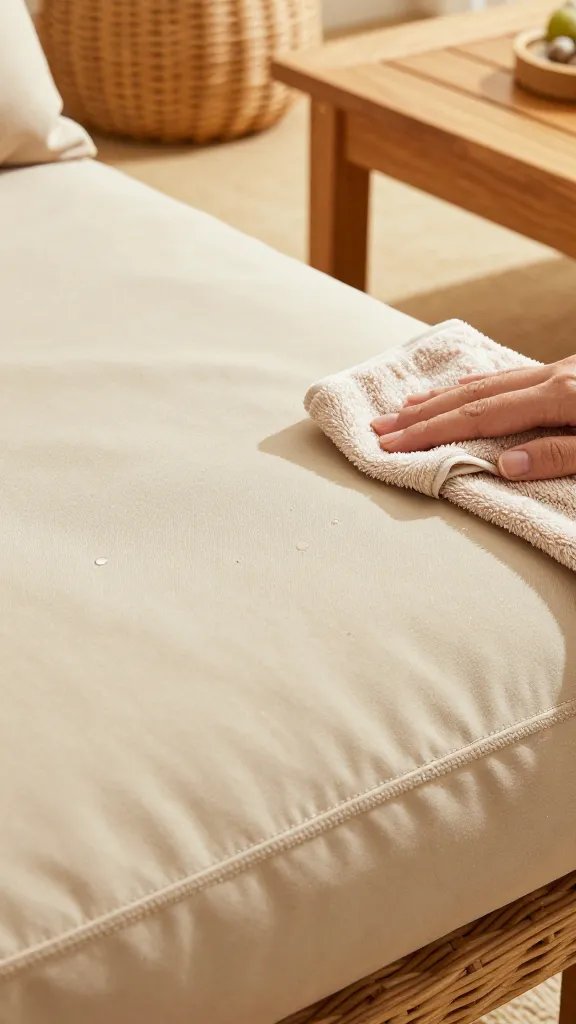
Fabric matters more than you think. It’s the first line of defense against stains, sun, and grime. Here are reliable options that strike the balance between comfort, durability, and maintenance ease.
- Sunbrella and performance acrylics: The gold standard for outdoor upholstery. They resist fading, repel water, and clean up easily. Expect years of color retention with minimal care.
- Corded or blended polyesters: More affordable, decent stain resistance, and quick drying. Not as plush as acrylics, but perfectly fine for many setups.
- Olefin: Highly resistant to abrasion and moisture, dries fast, and stays cooler to the touch. Great for busy patios and pet households.
- Geometric knit or woven fabrics: If you love texture, select blends that are tightly woven and treated for outdoor use. They’re usually easy to clean with a damp cloth.
- Sun-resistant microfibers: Softer to the touch, with good stain resistance. Look for fabrics labeled outdoor or performance microfiber.
What about cleaning routines? Most outdoor fabrics handle a quick wipe with mild soap and water. For tougher stains, a gentle fabric cleaner designed for performance fabrics does wonders. Avoid bleach on colored fabrics, which can fade the hue over time.
Stain resistance: practical tips
– Blot, don’t rub: Rubbing can work stains deeper into the fibers.
– Treat quickly: The faster you tackle a stain, the better your odds of full removal.
– Use removable covers when possible: They simplify cleaning and extend life.
Frames That Endure: Small Details, Big Payoff
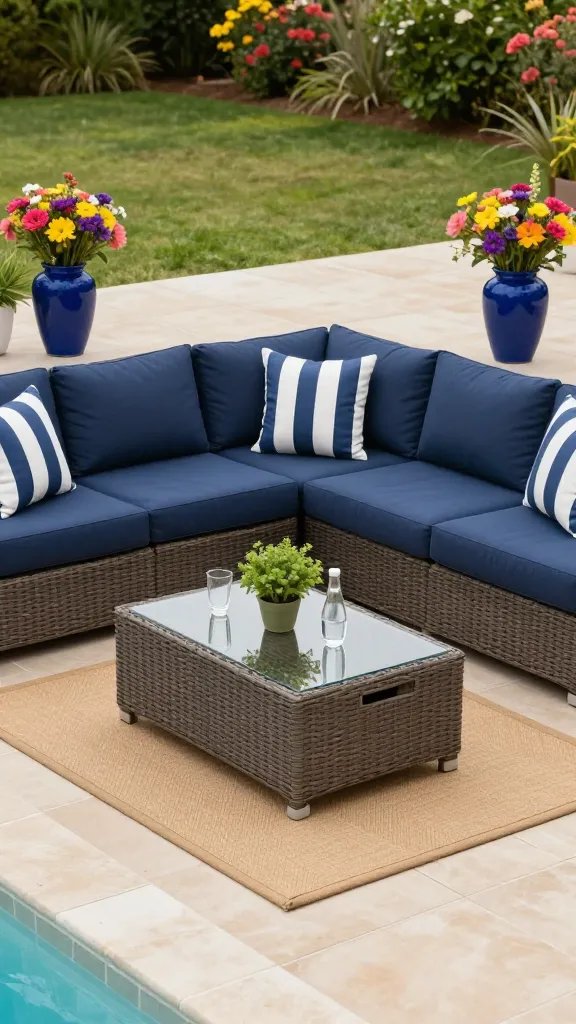
A durable frame is the backbone of longevity. It resists wobble, holds cushions securely, and keeps the sofa looking sharp after countless hangouts.
– Aluminum frames: Corrosion-resistant and lightweight. They’re the low-maintenance dream for coastal homes or humid climates.
– Powder-coated steel: Strong, durable, and resistant to scratching. Ensure the coating is high-quality and intact before buying.
– Teak or other hardwoods: Naturally weather-resistant but require seasonal care (oil or sealant) to maintain color and integrity.
– Resin wicker: Offers a classic look with modern resilience. Secure joints and rust-free hardware matter here.
Key construction cues
– Joints: Corner brackets and reinforced screws indicate a sturdier build than naive pin joints.
– Screws and hardware: Stainless steel or coated hardware resist rust. Look for hidden screws or clean, reinforced connections.
– Seat support: A solid, closely spaced webbing or engineered slats provide even weight distribution and less sag.
Comfort That Feels Like an Everyday Luxury
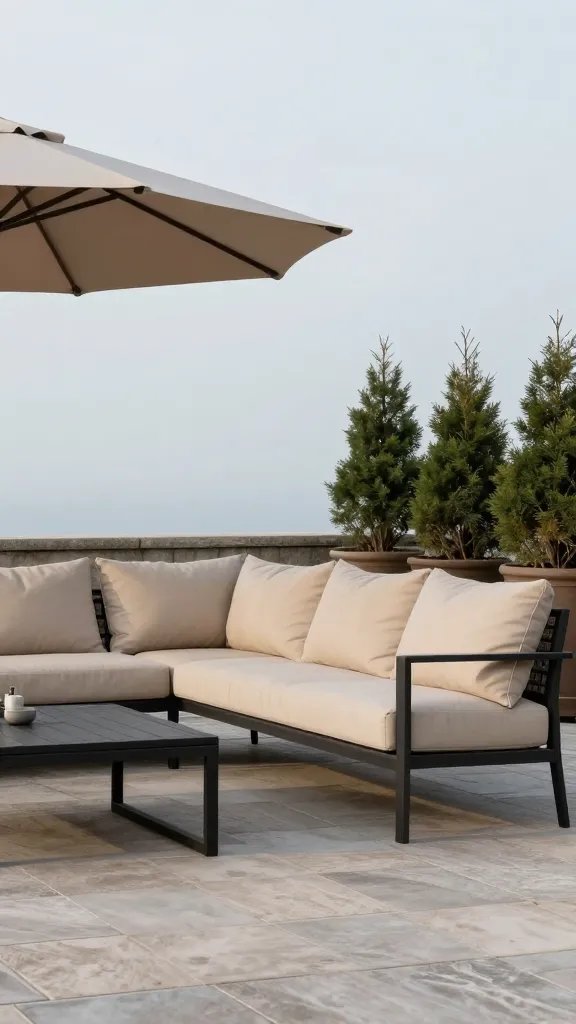
Longevity isn’t just about materials; it’s about how comfortable the seating feels under long conversations, sun-soaked naps, or backyard party playlists.
– Cushion fill matters
– Quick-dry foam: Springs back after rain and cushions dry faster than memory foam.
– Dacron or poly fiber wrap: Adds loft without compromising stability.
– Layered comfort: A cushion with a foam core plus a soft outer wrap feels plush but resists flattening.
– Cushion depth and seat height: Deep seats are comfy for lounging, but ensure they’re not a struggle for guests to stand up from. A 16–20 inch seat height is a practical range for most people.
– Back support: Slightly contoured backs provide comfort during long chats. If you entertain often, consider modular configurations that allow you to rearrange for guests.
How to choose with pets in mind
– Stain-friendly fabrics: Acrylic and olefin stand up to fur, saliva, and occasional accidents.
– Seam strength: Go for reinforced seams; cats and dogs can exert a lot of pull on cushions.
– Removable covers: If you have shedding pets, removable and washable cushions are a lifesaver.
Layouts, Sizing, and The Smart Buy: Getting the Right Fit
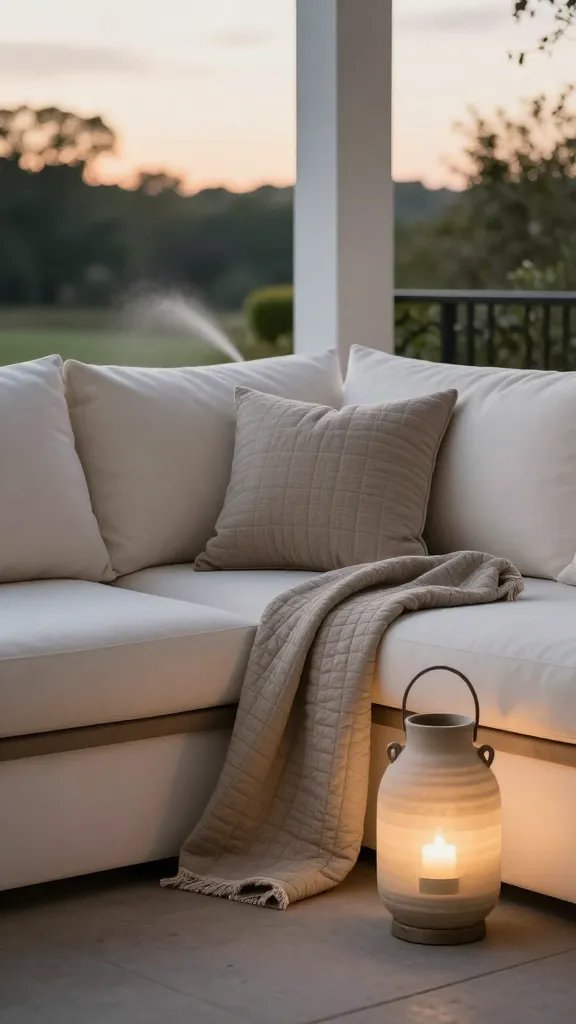
This is where you translate all the theory into a real-life setup that flows with your patio’s dimensions and how you use the space.
– Measure first
– Depth of the sofa and the total length of the sectional footprint
– Clearance for doorways and walkways
– Room for a coffee table or side tables without crowding
– Choose a configuration that fits
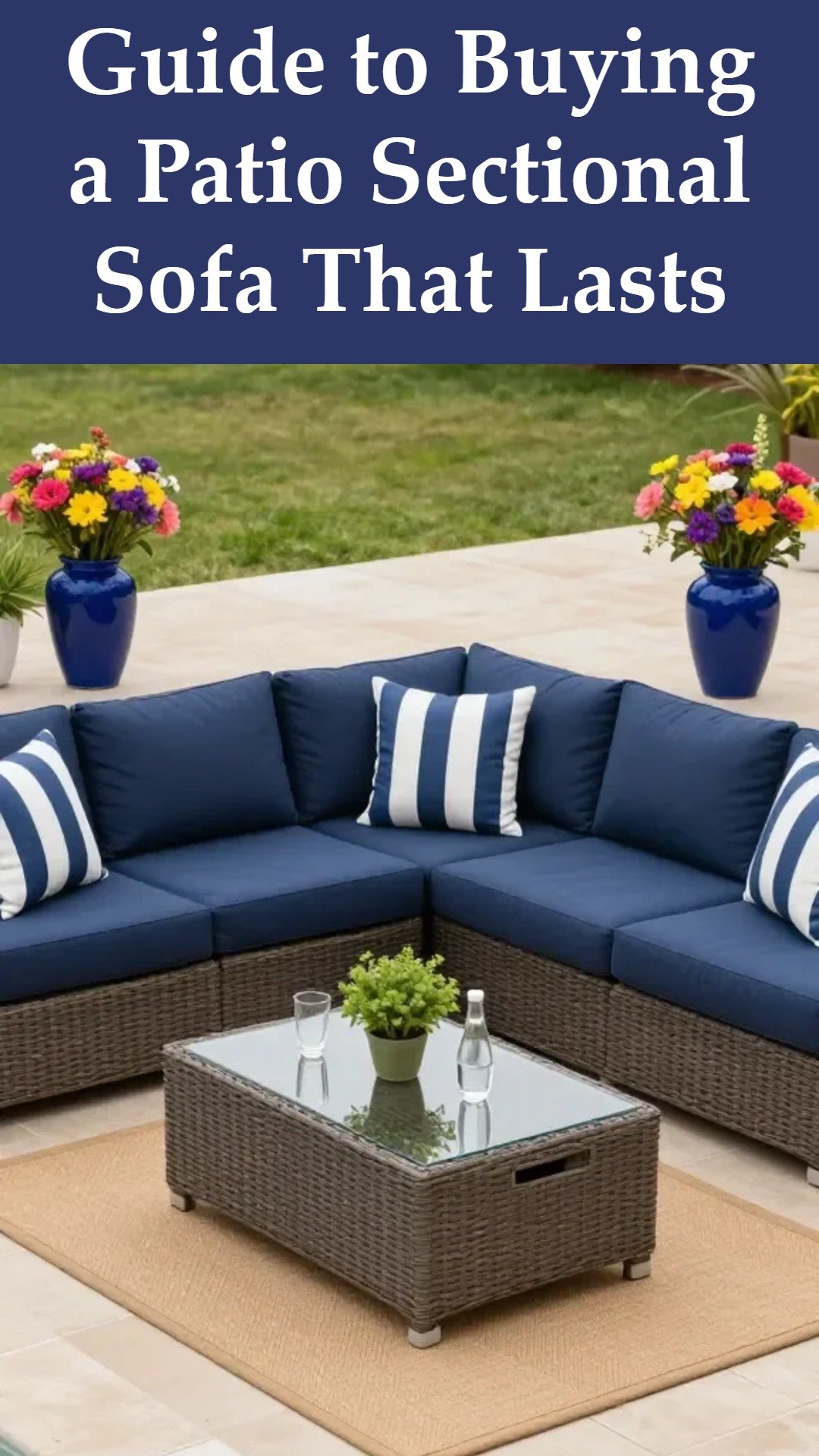
– L-shaped for corners and corners with a wall
– U-shaped for generous social settings
– Chaise lounges for a lounge-first vibe
– Consider modularity
– Interlocking modules let you reconfigure as your needs evolve
– A modular sofa can be resized for seasonal gatherings and balcony upgrades
– Color and finish continuity
– Coordinate with outdoor rugs, planters, and lighting
– Durable finishes in neutrals typically wear well and don’t show dirt
- Decide on a focal point (fire pit, water feature, or grill zone) and arrange seating around it.
- Leave enough space for movement: at least 3 feet of clear path around the sofa.
- Test sit: If buying in-store, have multiple people sit and lounge to check for comfort across different heights.
Quick maintenance plan that lasts
– Daily wipe-downs with a damp microfiber cloth
– Seasonal deeper clean with a gentle fabric cleaner
– Cover when not in use for extended periods
– Store cushions indoors or in a dry shelter during heavy rain or winter
FAQ
Is an outdoor sectional worth it for small patios?
Yes, but choose compact, modular designs with a smaller footprint and lighter materials. You can still get a cozy, social vibe without crowding the space. Prioritize pieces that can break down or reconfigure for different times of the year.
How often should I clean outdoor cushions?
Aim for a quick wipe weekly and a deeper clean every 2–3 months, depending on usage. More traffic and pets might require more frequent cleanings. FYI, never skip drying after a wash; moisture trapped in cushions breeds mildew.
What’s the best stain removal approach for fabrics?
Blot, don’t rub. Use a mild soap solution or a cleaner designed for outdoor fabrics, following the product’s instructions. Always test a small hidden area first to prevent color loss.
How do I protect metal frames from rust?
Check the powder coating for chips and scratches. If you spot any, touch up promptly with matching spray. Clean and dry regularly, especially in salt-heavy environments. Consider a fabric color that helps camouflage any weathering over time.
Can cushions be replaced or reupholstered?
Absolutely. Many manufacturers offer cushion replacement options, and some third-party services reupholster particular fabrics. If you love the layout, this is a cost-effective way to refresh the look without buying a new set.
What’s a realistic budget range for a durable outdoor sectional?
Durability often correlates with price. You can expect mid-range sets to deliver good performance for 5–7 years with proper care; premium options may last 10+ years, especially with high-quality acrylic fabrics and solid frame construction. IMO, invest in the best you can afford and prioritize materials that resist fading and wear.
Conclusion
Choosing a patio sectional that lasts isn’t about chasing perfection. It’s about making smart, durable choices that suit your climate, lifestyle, and aesthetic. Start with the fabric and frame, then perfect the layout for real-life use. Add a simple maintenance routine, and your outdoor seating becomes a welcoming, easy-to-live-with part of your home.
If you walk away with one takeaway, let it be this: durability is a practical habit, not a single purchase. Treat your cushions kindly, protect the frames, and the sofa will repay you with years of comfort, gatherings, and good times.
Ready to shop? Use the guidelines here to compare options confidently, and you’ll end up with a patio sectional that feels tailor-made for your life.