An outdoor kitchen on a warm summer evening feels almost magical. The scent of sizzling meat, the glow of the grill lights, and the soft hum of traffic fading into the background — it’s practically a mini-vacation in your own backyard. You’ve probably thought about upgrading your grill, or maybe you’re buying your first one. Either way, the goal is the same: grill better, not spend more than you need to.
Here’s the core philosophy in a nutshell: match your grill to how you cook, where you’ll put it, and what you’re willing to spend — then optimize features and maintenance so you actually use it, not stash it in the garage. If your grill isn’t a natural extension of your cooking style and space, it’s just a pricey ornament.
You might be nervous about making a big purchase. You’ve seen friends brag about shiny grills that didn’t fit their patio, or midrange units that rattled and corroded after a season. I get it — choosing the wrong grill can feel like a money pit disguised as a “great deal.” But don’t worry — you’ll walk away with a solid plan, a realistic budget, and a setup that makes weeknight burgers feel like a five-star meal.
Let’s break this down into a friendly, practical guide you can actually use. We’ll cover grill types, size and capacity, must-have features, build quality, value at different price points, and maintenance. Ready to grill smarter? Let’s dive in.
1) Grill Types: Gas, Charcoal, Pellet, Electric, and Portable — What’s Your Style?
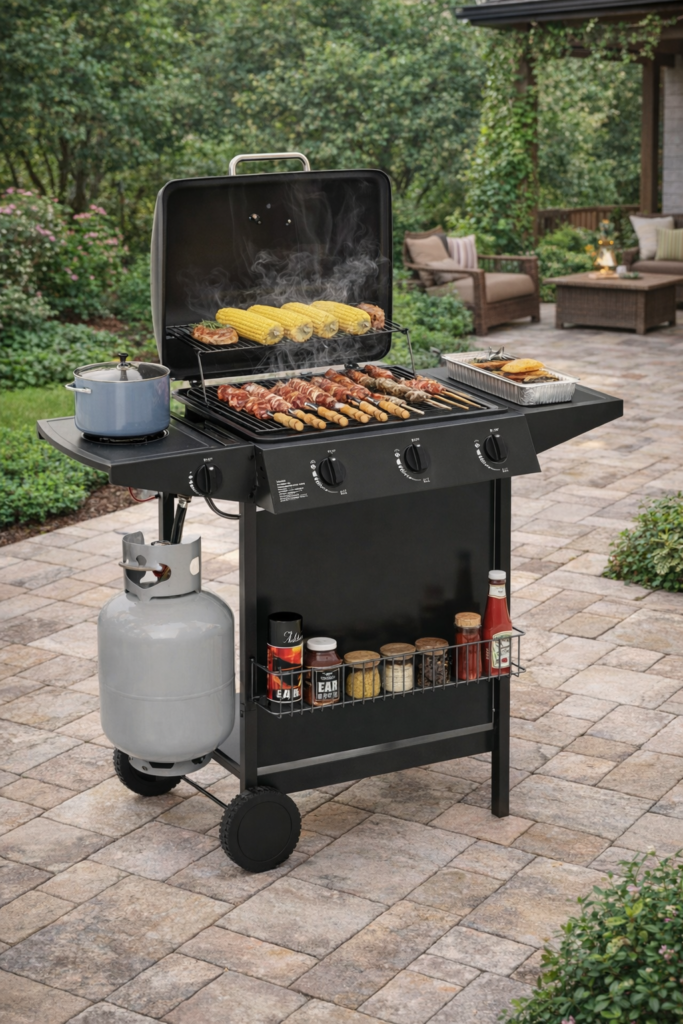
The first decision is the big one: what kind of grill fits your cooking personality. Each type brings a distinct vibe, flavor, and maintenance routine. Here’s a quick read on the core differences so you can picture yourself at the grill more clearly.
- Gas grills – Quick heat, precise control, and easy ignition. Great for weeknights, feeding a crowd with consistent temps. If you crave speed and predictability, gas is your friend.
- Charcoal grills – That signature smoky flavor and beautifully seared crust. They require a bit more technique and time, but the payoff is deliciously worth it for many pitmasters.
- Pellet grills – A hybrid sweet spot: set it, forget it, and let the wood-fired flavor come to you. They’re super convenient for long cooks and smoking, with modern digital controllers.
- Electric grills – Best for apartments or spaces without gas hookups. They’re clean, simple, and quiet, but you’ll miss the traditional flame and deeper smoke profile.
- Portable grills – Flexibility for camping, tailgating, or small balconies. They’re compact and light, but you’ll trade some flavor and capacity for portability.
Think about your typical cooking style: do you prefer quick burgers and veggies on a weekday, or slow-smoked ribs on weekends? Do you have outdoor power access or a tiny balcony? Answering these questions narrows your field fast.
How to choose based on cooking style
- Love weeknight meals with reliable heat? Go with a gas grill or a pellet grill that can reach high heat quickly.
- Obsessed with a deep smoky flavor and classic barbecue? Charcoal is your muse, or pair a charcoal setup with a dedicated smoker box.
- Need hands-off smoking and consistent temperature control? Pellet grills win here.
- Restricted space or no outdoor power? Electric or compact portable grills keep things simple.
2) Size and Capacity: Match Grill Size to Household Size and Entertaining Needs
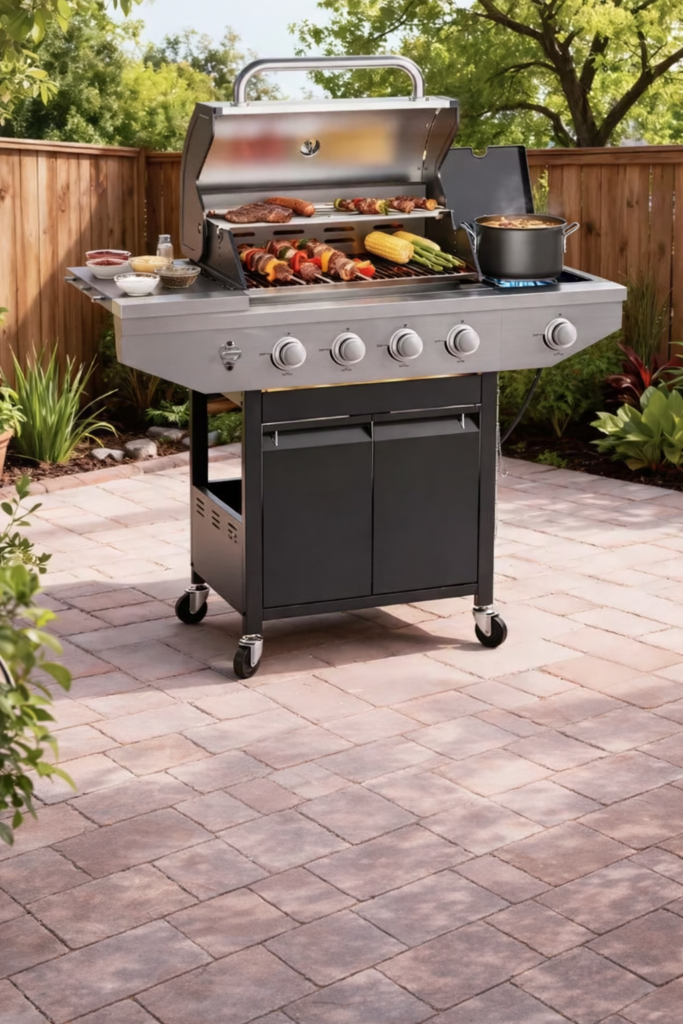
Size matters, but not in a scary, overbearing way. You want enough surface area to sear steaks, grill veggies, and have a couple of dishes going at once, without turning your patio into a wind tunnel of heat.
- Small households (1–2 people): A compact gas grill or a mid-size charcoal grill with a couple of burners or a single grill grate is usually enough. You’ll enjoy fast heat and easier storage.
- Growing households or frequent entertainers: Go for a mid-size to large grill with at least 3–4 burners (or equivalent on charcoal), plus an extra grate or warming rack for staging sides.
- Hosting large gatherings: A big, robust setup with multi-zone cooking gives you the flexibility to sear, roast, and keep sides warm without flaring temps. Think 4–6 burners or a sizable charcoal surface with good heat control.
How to estimate capacity without overdoing it
- Plan for 8–12 steaks or burgers for a typical party, or 12–16 chicken portions. The grill should comfortably fit these items with some space left for air flow.
- Consider a secondary area for veggies or baked goods. A warming rack or a side rack adds versatility without increasing the main footprint.
- Account for heat zones. Independent zones allow you to sear over high heat while cooking sides on cooler sections.
3) Features to Compare: Burners, Heat Zones, Grates, Lid, Side Shelves, Storage, and Ignition
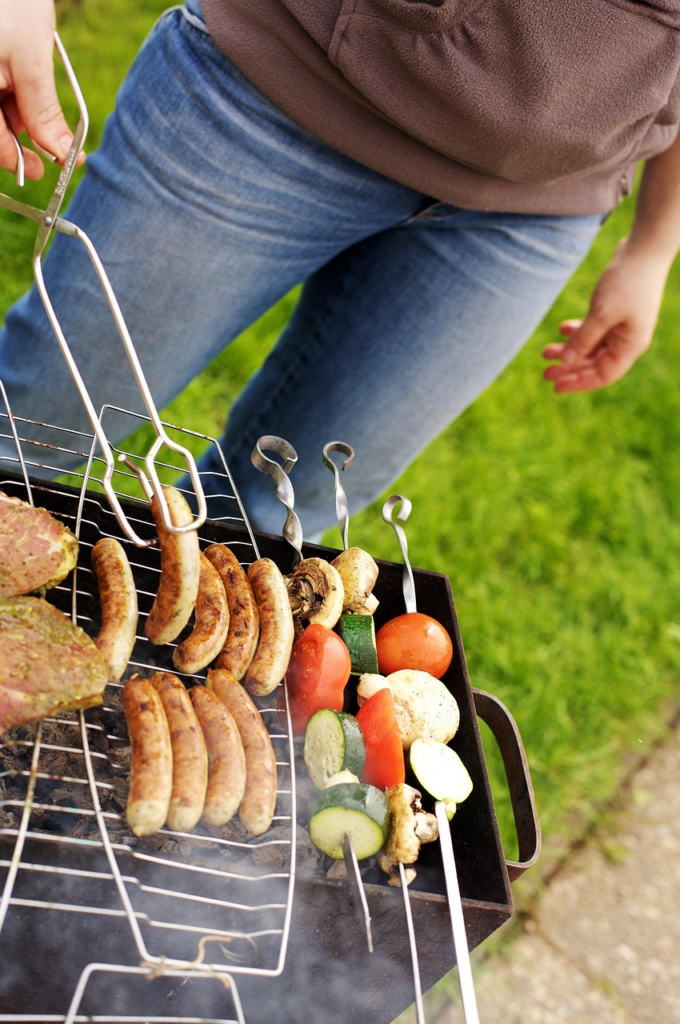
Once you know the type and size, start evaluating features that actually affect day-to-day use. Here’s what to look for and why it matters.
- Burners and heat zones: More burners mean more cooking space and the ability to separate temps. Look for at least two main burners with evenly distributed flame. For charcoal grills, focus on the diameter and the evenness of the grate.
- Even heat distribution: A lid helps trap heat and create oven-like cooking, which is essential for indirect cooking or roasting. Consider a grill with a well-insulated lid and sturdy hinges.
- Grates material: Stainless steel grates resist rust and are easy to clean. Porcelain-coated cast iron holds heat well but needs a little more care to prevent chipping. Cast aluminum is light and durable but can warp under high heat if cheaper.
- Lid design: A taller lid gives you more room for smoking larger cuts. A good vitality system for air circulation helps maintain steady temps.
- Side shelves and prep space: Side tables that fold away are great for small patios. Built-in cutting boards and tool hooks save trips inside the house.
- Storage and cabinet design: Look for enclosed storage to keep propane tanks (or pellets) clean and safe. Powder-coated steel or stainless doors resist rust better than pressed steel.
- Ignition systems: Reliable push-button or electric ignition reduces the pain of starting. If you’re tired of chasing a spark, test ignition in the store or read quick reviews about reliability.
Deep dive: multi-zone cooking
Some grills offer dedicated heat zones or infrared burners. These let you sear quickly on a hot zone while finishing other items on a cooler zone. It’s a game-changer for steak lovers and busy cooks who want flexibility.
4) Build Quality: What Materials Stand Up to the Elements?
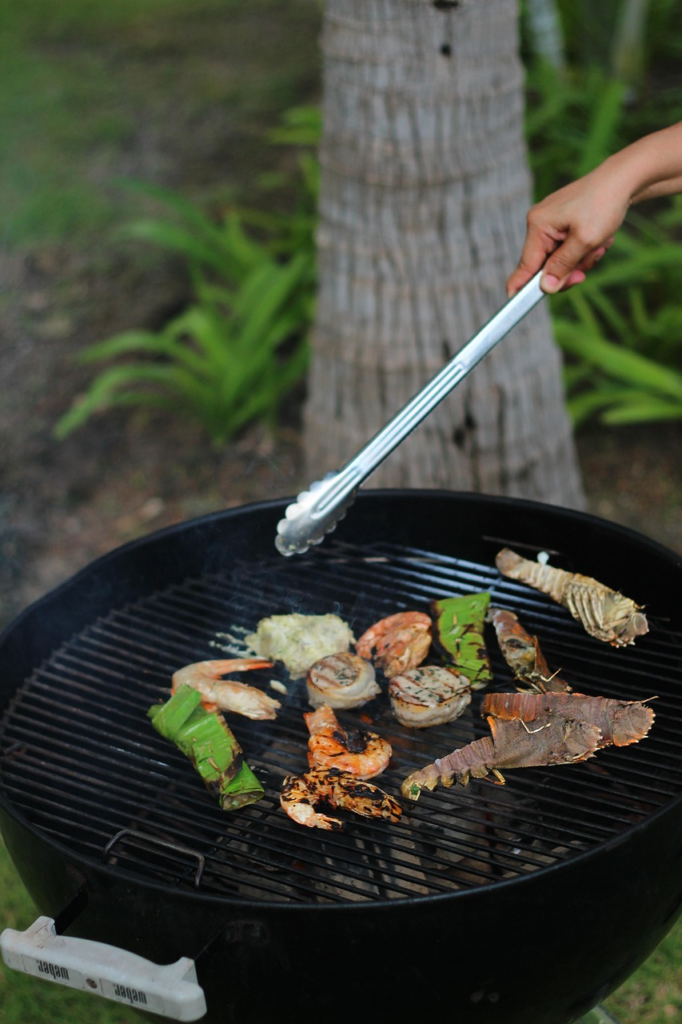
A grill isn’t just about sizzle; it’s about standing up to rain, sun, and the occasional accidental grease fire. Materials and construction matter far more than flashy finishes.
- Stainless steel – Durable, corrosion-resistant, and weather-friendly. Higher-end models often use 304 or 430 stainless, which holds up well under humidity and salt air.
- Cast aluminum – Lightweight and good heat distribution. It’s resistant to rust but can warp if you use it at extreme temps or stack exposure with heavy lids.
- Porcelain-coated materials – Grates and lids coated in porcelain resist rust and are easy to clean. The coating can crack if bumped, so handle with care.
- Rust resistance – If you live in a coastal or humid area, rust resistance should be non-negotiable. Check the chassis, screws, and drip tray for signs of corrosion resistance.
When you pick materials, consider your climate. If you have harsh winters or salty air, stainless steel with a good warranty often pays off in the long run. It’s not just about looks — it’s about who’s going to be there when you pull a steak off the grill at 7 p.m. on a Tuesday.
Where the steel meets the heat: durability checklist
- Are the burners and grill body rated for high-heat and long cooks?
- Is the firebox lined or protected to resist heat cycling?
- Are the wheels, legs, and bolts stainless or coated steel that might corrode?
5) Budget and Value: What You Get at Low, Mid, and Premium Price Points
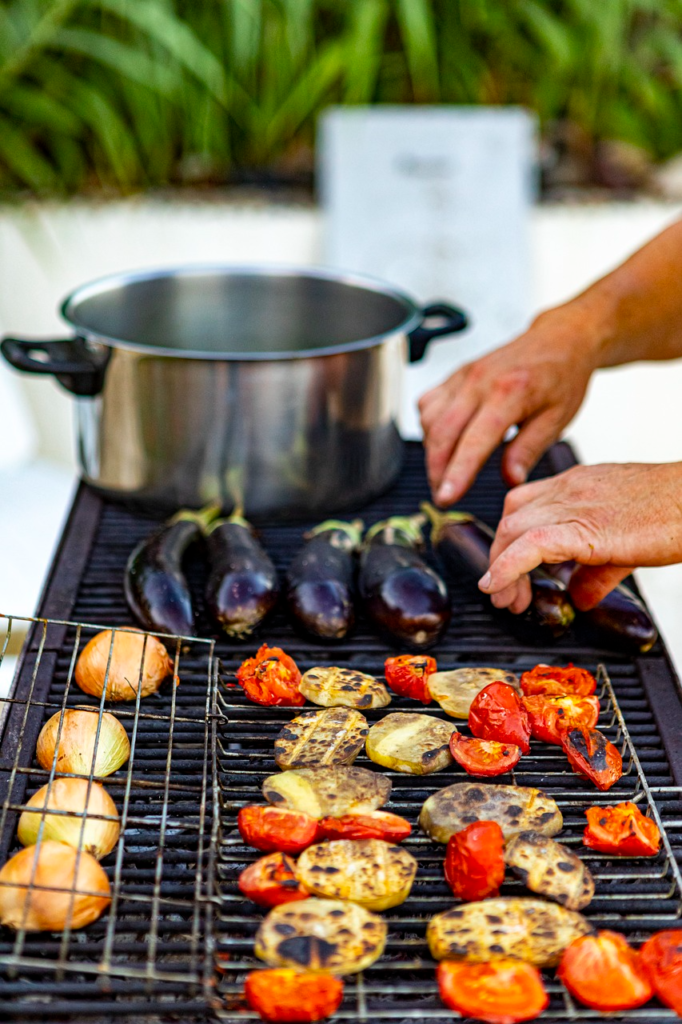
Money talks, but it doesn’t have to scream. Here’s a realistic map of what you typically get at different price points, plus how to stretch value without sacrificing essential features.
Low-price range (roughly budget to mid-low)
- What you get: Basic gas or charcoal grills with standard grates, minimal insulation, and simple ignition. Fewer burners and limited heat zones.
- Value notables: Great if you’re starting out, cook small meals, or don’t mind upgrading pieces gradually. Expect more frequent maintenance or shorter lifespans.
- Trade-offs: Smaller cooking area, fewer durable materials, and less consistent temperature control. You may also see more rusting and cheaper knobs.
Mid-range
- What you get: More burners, better grates, improved insulation, and usually a better lid. Some pellet or hybrid options start here.
- Value: Better heat management, more reliable ignition, and longer-lasting materials. You’ll get more enjoyable cooking experiences with friends and family.
- Trade-offs: You might still be paying for features you don’t need or want to upgrade a few pieces later on.
Premium
- What you get: Heavy-hitting construction (stainless steel, integrated multi-zone cooking, sophisticated ignition, advanced lids), luxury touches (hidden storage, premium wheels, precise temperature control).
- Value: The best longevity, reliability, and ease of use. It’s a long-term investment if you grill a lot or host big parties.
- Trade-offs: Higher upfront cost, ongoing maintenance expectations, and a bigger footprint. This is where you pay for the experience as much as the tech.
FYI: Don’t just chase features. Map thermometer accuracy, flame control, seasoning possibilities, and the ease of cleaning to your actual routines. A higher price doesn’t automatically equal better grilling if you’re not going to use the extra features.
6) Maintenance: Cleaning, Grease Management, Replacement Parts, and Warranty
The best grill in the world won’t stay great without a simple maintenance rhythm. Here’s how to keep yours running smoothly and extend its life.
- Cleaning: Wipe down surfaces after use, brush grates to remove residue, and perform a deeper clean quarterly. Don’t skip the grease tray — a full tray increases fire risk.
- Grease management: A solid grease tray and proper drainage prevent flare-ups. Consider grills with easy-access grease pans and splash guards to simplify cleanup.
- Replacement parts: Check availability of replacement burners, thermometers, and grates. Availability is a better predictor of long-term satisfaction than a flashy feature list.
- Warranty: Look for at least a 1–5 year warranty on burners and a 3–10 year warranty on the grill body. A strong warranty is a vote of confidence from the manufacturer and reduces risk if something goes wrong.
Maintenance quick-start
- Clean the grates after each use while they’re still warm for easier food residue removal.
- Empty and wipe the grease tray weekly during heavy grilling seasons.
- Inspect hoses and seals for wear every few months if you’re using a gas grill.
FAQ: Quick Answers to Your Burning Grill Questions
What’s the best grill type for a beginner?
For a beginner who wants reliability and ease, a gas grill is hard to beat. It heats quickly, is easy to control, and clean-up is straightforward. If you love smoky flavors, start with gas and plan a weekend for a charcoal side project once you’re comfortable.
How much should I realistically spend on a first grill?
Expect to spend somewhere between $300 and $1,200 for a well-made mid-range grill that will last many seasons. If you grill a lot, invest in a premium option with better materials and warranties. If you’re buying your first grill and budget is tight, a decent mid-range model often gives the best balance of performance and durability.
What maintenance tasks pay off the most?
Regular cleaning, timely replacement of worn burners or grates, and proper grease management protect your grill from rust and flare-ups. A well-maintained grill also cooks more evenly and lasts longer, which saves money in the long run.
Do I need a smoker box if I buy a charcoal grill?
If you’re chasing smoke flavor, yes, a smoker box or dedicated charcoal accessories help you create nuanced flavors. For some setups, a pellet grill or a dedicated smoker will deliver deeper smoke profiles with less effort.
Is a bigger grill always better?
Bigger isn’t always better. A grill should fit your space and typical cooking load. A too-large grill on a tiny patio is hard to manage and can waste fuel. Measure your space and estimate your usual cooking load before buying.
How do I protect my grill in winter or rainy seasons?
Cover it with a breathable grill cover, store fuel and accessories properly, and, if possible, store the grill indoors or in a sheltered area. A little protection goes a long way toward preventing rust and weather damage.
Conclusion: Your Best Grill, Your Best Summer
Choosing the right outdoor grill is less about chasing the latest gimmick and more about aligning with your cooking style, space, and budget. Start by identifying your preferred grill type, then size the unit to your typical crowd. Evaluate practical features that actually simplify cooking, weigh build quality against climate and storage, and don’t forget about maintenance and warranty. When you connect these dots, you’ll end up with a grill that feels like part of your cooking routine rather than an intimidating, expensive gadget.
If you’re still torn, here’s a quick recap to guide your decision:
– Decide on grill type based on flavor goals and space constraints (gas for convenience, charcoal for flavor, pellet for set-and-forget smoking, electric for apartments, portable for on-the-go).
– Match size to your household and entertaining needs; plan for zones to handle multiple dishes.
– Prioritize features that align with your cooking flow and hobby (multi-zone control, durable grates, lid quality, and convenient ignition).
– Invest in build quality that suits your climate; stainless steel and porcelain-coated options offer long-term resilience.
– Budget wisely, focusing on value and warranty rather than flashy extras.
– Set a simple maintenance routine to protect your investment and keep cooking enjoyable.
Now you’ve got a practical, friendly framework to pick a grill you’ll actually use. FYI, the right grill can turn weeknight dinners into small celebrations and weekend cookouts into memories you’ll brag about for years.
Happy grilling—and may your steaks be perfectly seared and your sides piping hot.