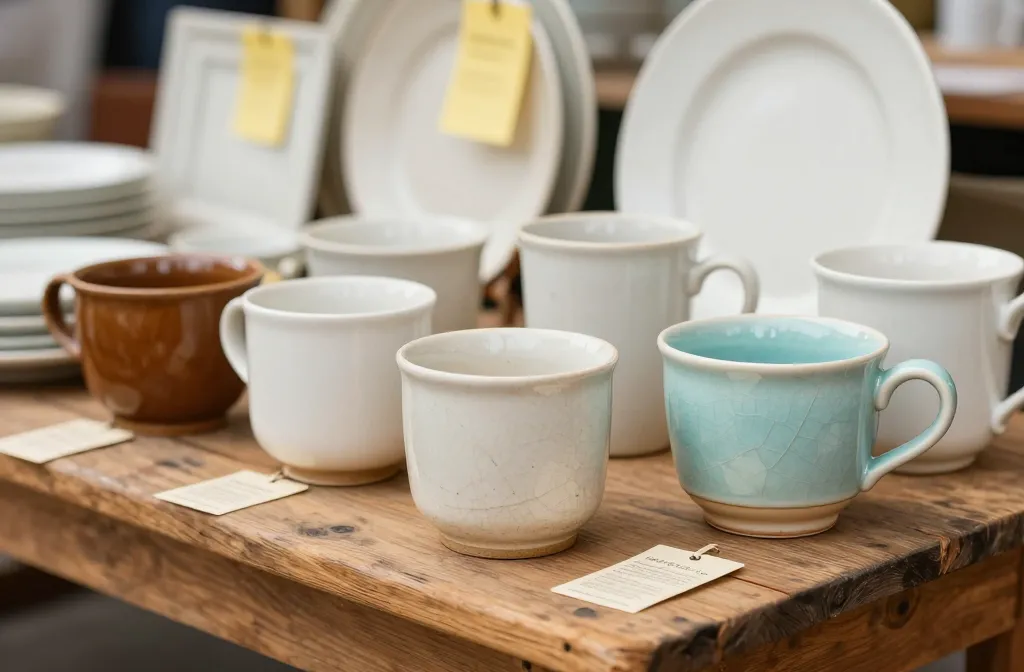
An aromatic whiff of coffee drifts through a sunlit flea market as you thumb the glaze on a chipped teacup and wonder if this is treasure or trouble. The shop walls glow with stories: yellowed price tags, chalky chalkware, and the quiet hum of someone else’s memories. You’re here chasing something more than pretty dinnerware; you want durable pieces that endure conversations, daily meals, and maybe a few clumsy moments without cracking at the first drop of a fork.
Get The Lead Testing Swabs at Amazon
What you’re really after is not a shiny pattern but a quality, a craftsmanship you can trust. The good stuff wears its secrets on the inside: sturdy clay, thoughtful glaze, and a maker who stood by their work. This guide is your compass to distinguish well-made, durable vintage dishware from decorative but inferior pieces that look charming on a shelf but crumble when used. FYI, you don’t need a museum-curated budget to get there. You just need know-how and a bit of patience.
You’re not alone in this hunt. Many shoppers feel overwhelmed by the twirl of patterns, the lure of ornate backstamps, and the fear of buying fragile junk. If you’ve ever walked away from a potential score, thinking you couldn’t tell the real from the faux, you’re in good company. I’ve helped dozens of collectors like you separate genuine quality from mere prettiness, and I’ll show you how to do the same.
Let’s dive into a practical, friendly approach that makes sense in the real world. You’ll learn how to assess structure, glaze, maker integrity, and longevity — so you can build a vintage set that’s not only beautiful but reliable for years to come.
Ready? Let’s get practical, not precious.
1) Start with the right mindset: quality as a habit, not a mood
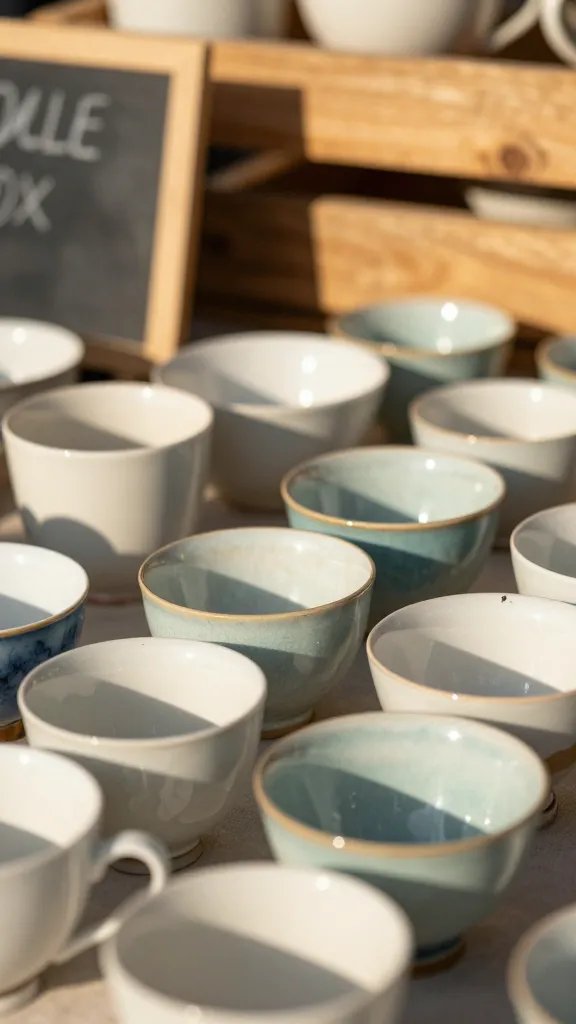
– When you’re vintage shopping, the first instinct isn’t gotta-have-it; it’s gotta-last. Look for pieces that feel substantial, with a heft that says “this dish can take a tumble and still stay in service.”
– Accept that patina and minor wear are clues, not disqualifiers. Small utensil marks, a tiny glaze check, or a slightly off-center stamp can signal a handmade process rather than mass production.
– Keep a mental checklist: durability, food-safe glaze, reputable maker or pattern from a known era, and repairability. If it sounds like a job, you’re doing it right.
2) How to spot real craftsmanship in the glaze and clay
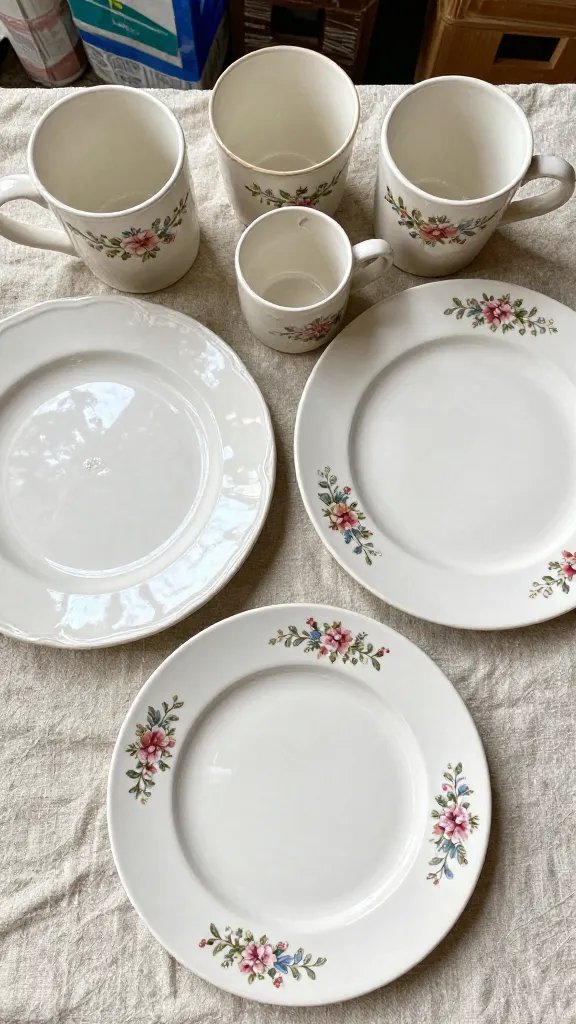
– Clarity of glaze: Real craftspeople layer glazes that fuse fully to the clay. If the glaze looks patchy, crazed, or seldom adheres at the lip, that’s a warning sign.
– Consistency of thickness: Genuine pieces usually have a balanced glaze thickness around the rim and foot. Over-glazing can indicate shortcuts or poor firing.
– Weight and balance: Pick up a cup or bowl and feel the balance in your hand. A well-made piece sits evenly, with a smooth foot that doesn’t rock on a table.
– Edge quality: Edges should be crisp, not buffed away. Handmade items often show slight variation in edge thickness, which signals care and process.
Subsection: Reading the glaze like a pro
– Backstamps can reveal origin, but don’t rely on them alone. Some fakes bear vintage-looking marks. Cross-check with known manufacturers and era-specific glaze characteristics.
– Look for lead-free assurances (if documented) and food-safe glaze notes. Some older glazes contained lead; a responsible seller should disclose this.
3) Makers, marks, and the story behind the stamp
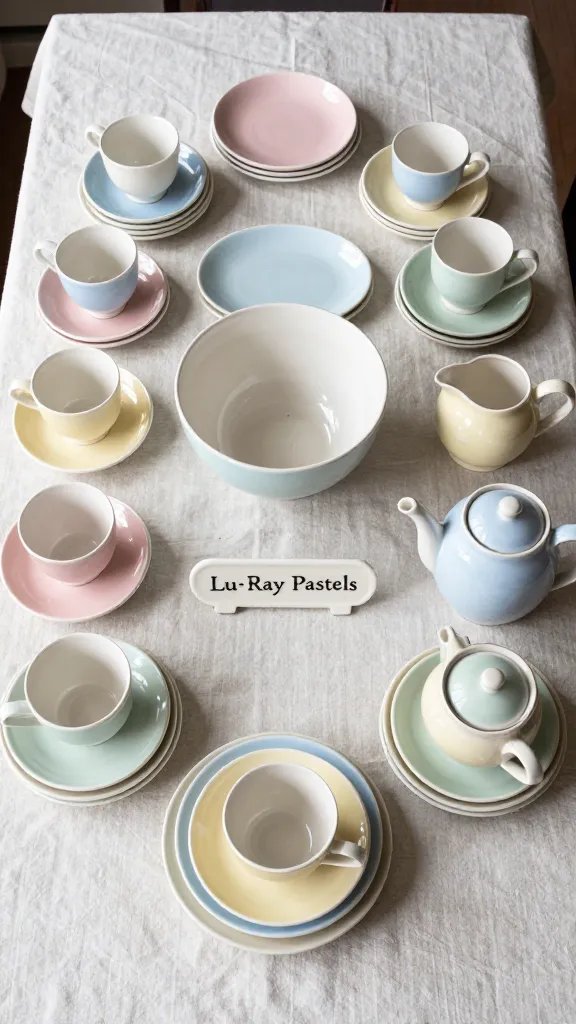
– Research matters: A maker’s mark, pattern name, and era reveal invaluable context about durability and repair practices used back then.
– Handcrafted vs. machine-made: Handmade items usually show minor asymmetry, unique tool marks, and slight glaze drips. Machine-made pieces feel uniform and slick but may not offer the same resilience.
– Provenance is gold: Pieces with a known history (estate finds, heirloom lineage, or documented restorations) tend to be more reliably durable and collectible.
Subsection: deciphering common vintage marks
– Porcelain marks from European studios often indicate high-fired clays and robust glaze systems; these tend to hold up well with daily use.
– American 20th-century pottery often uses incised or printed marks with batch numbers. A legible stamp isn’t a guarantee, so cross-reference with era catalogs.
– Asian ceramic marks can be deceptive. Look for production era cues in the glaze style, body weight, and typical shapes tied to that factory.
4) Real-world tests you can do in a shop or at home
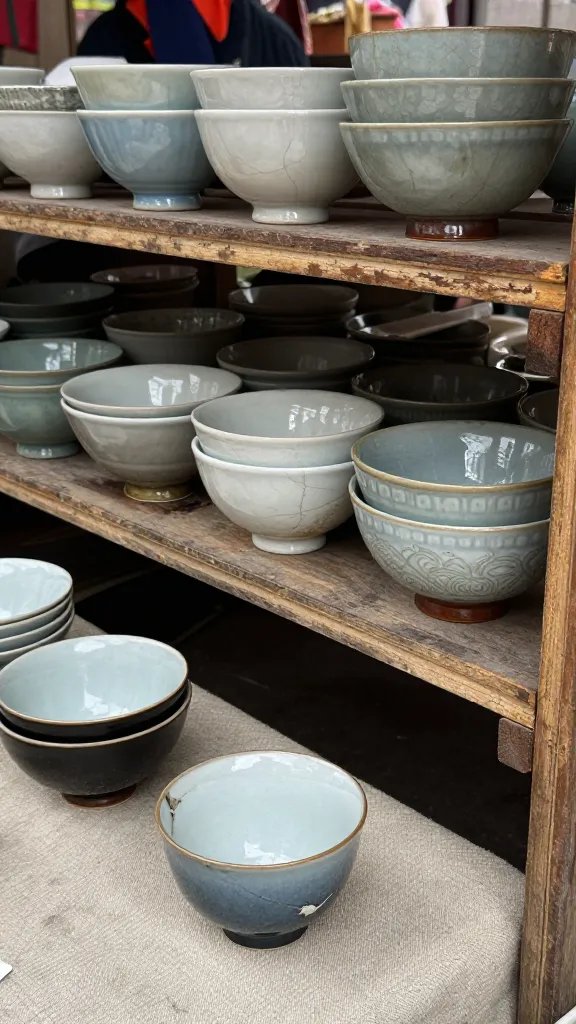
– Tap test: A solid hollow sound means the dish’s body is intact. A dull thud could indicate cracks or heavy repairs.
– Ring test: A clean ring indicates glassy glaze integrity; a broken tone might signal a microfracture or poor glaze bonding.
– Water soak test: If possible, submerge a piece for a short time. If it leaks or shows crazing, stop and reassess. Some vintage glazes are more crack-prone than modern equivalents.
– Stress test gently: Lightly press the edge and center to see if there are hidden cracks. Do not apply real force—just a careful assessment.
– Check for repairs: Small fills near chips are common but credibility matters. Are repairs neatly done or sloppy and obvious? Honest sellers often disclose.
5) How to assemble a durable vintage dishware collection without breaking the bank
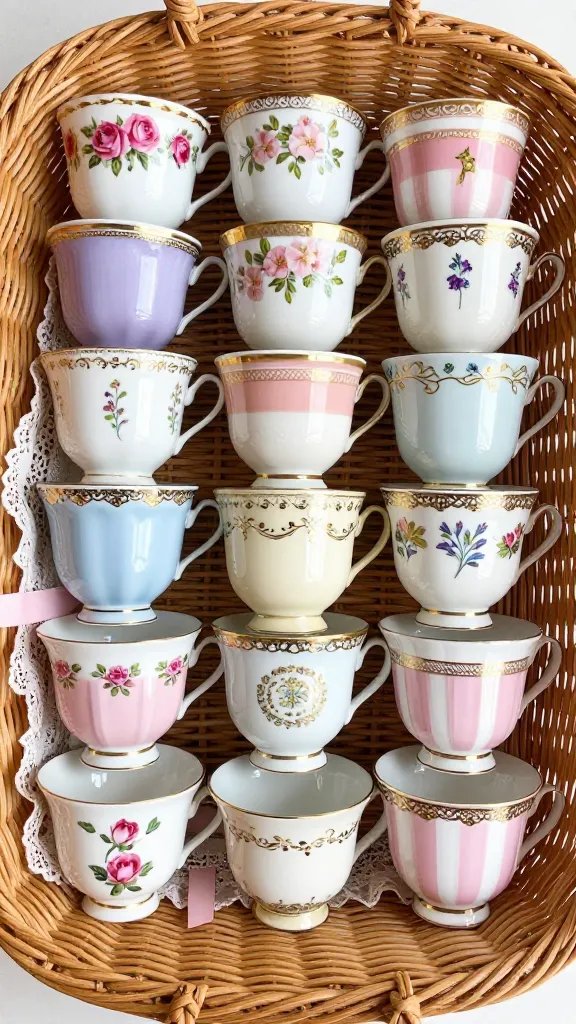
– Prioritize workhorses: Start with bowls and plates that you’ll actually use daily. Look for balanced weight, robust rims, and reliable glaze.
– Focus on a few proven shapes: Classic rounds, simple rims, and utility sizes are easier to replace if you ever need to add a pattern.
– Mix, but with sense: It’s okay to mix patterns if the shapes and weights align. Aim for a cohesive palette in color temperature, glaze texture, or era vibe.
– Budget-smart buying: Seek pieces with minor flaws that are easily repaired (chips that can be touched up, minor glaze flaws) rather than major functional defects.
– Repair and refresh: Learn basic repair techniques (chip fills, glaze touch-ups) to extend life. Small DIY fixes can keep a piece in rotation and save money.
Subsection: when to pass and when to buy
– Pass on pieces with cracks through the body, sustained chips at the rim that compromise stacking, or glaze crazing that spans large areas.
– Buy when you find a sturdy, well-glazed piece with a believable maker story, and a practical size for daily use.
6) FAQ: Common questions about authenticating vintage dishware
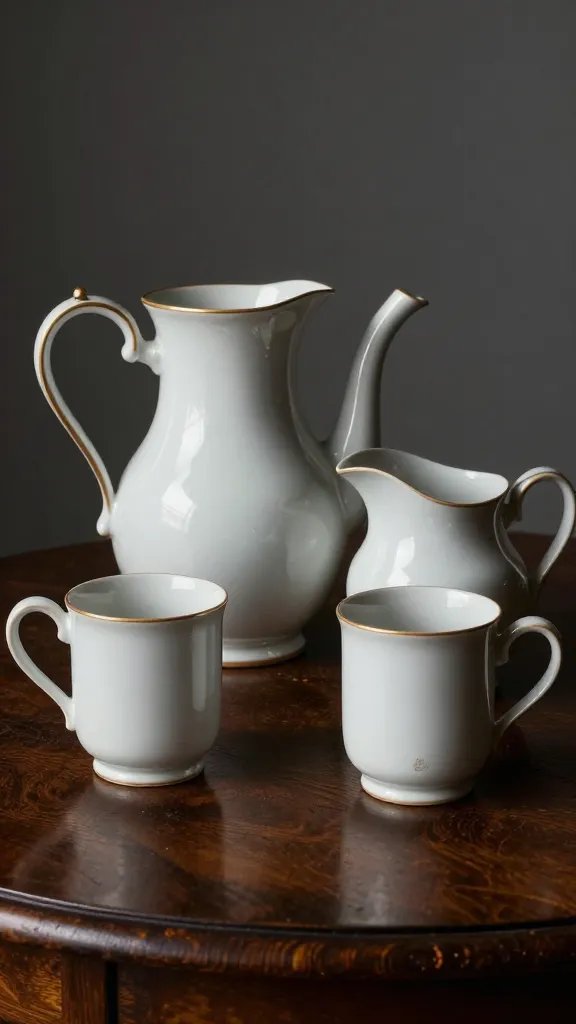
What makes a vintage plate truly durable, not just pretty?
Durability comes from the clay body, the firing temperature, and the glaze system. High-fired porcelain or stoneware with dense, well-applied glaze tends to last longer than thin, brittle wares. Look for even bottoms, consistent rims, and a glaze that fully covers the surface without peeling.
Are expensive marks always better than inexpensive ones?
Not necessarily. A pricey mark can indicate scarcity or branding, but durability and construction matter more. Some lesser-known makers produced exceptionally sturdy pieces. Do your due diligence: test, compare, and check references.
How do I spot a fake vintage dish at a glance?
Fakes often rely on convincing surface patina and copycat marks. Look for inconsistencies in glaze thickness, edge crispness, and weight. If something feels off or the price is too good to be true, pause and research before buying.
Can I safely use vintage dishware in the microwave or oven?
Many vintage glazes and clay bodies aren’t rated for high heat or microwave use. If you’re unsure, don’t risk a crack or glaze craze. Prefer pieces with documented safety notes or avoid heating altogether unless you’ve confirmed compatibility.
What repairs are acceptable, and when should I walk away?
Minor chips that don’t affect stacking or stability, or chips that can be touched up with matching glaze, are usually fine. Large cracks, multiple repairs, or compromised rims should raise a red flag. If the cost and risk of repair outweigh the utility, move on.
How can I responsibly care for vintage dishware?
Hand wash in mild soap, avoid harsh abrasives, and dry promptly. Store bowls and plates flat to prevent warping and keep heavy pieces on lower shelves to avoid accidental drops. Consider reseating any loose rims with professional help if you’re unsure.
Conclusion
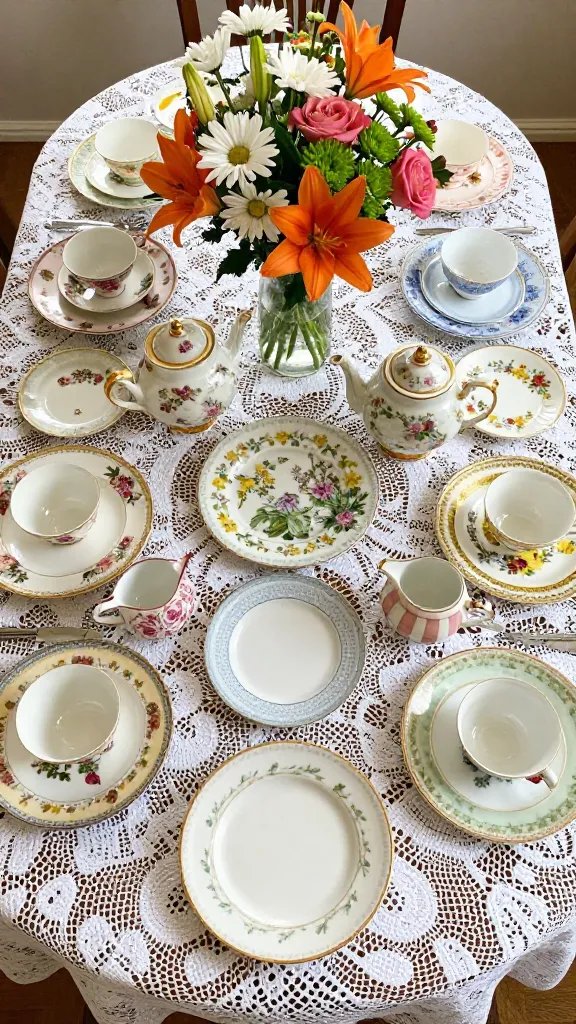
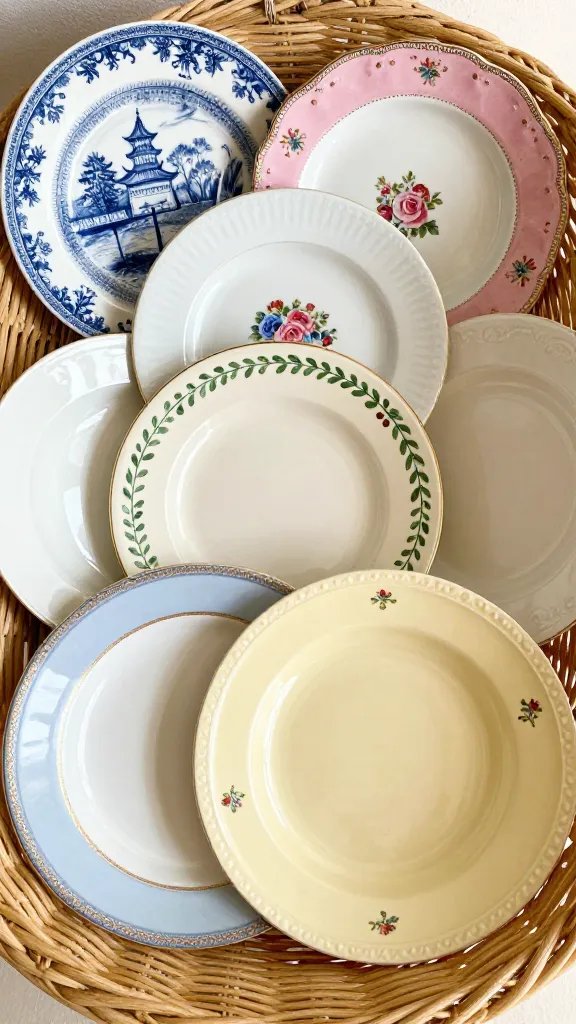
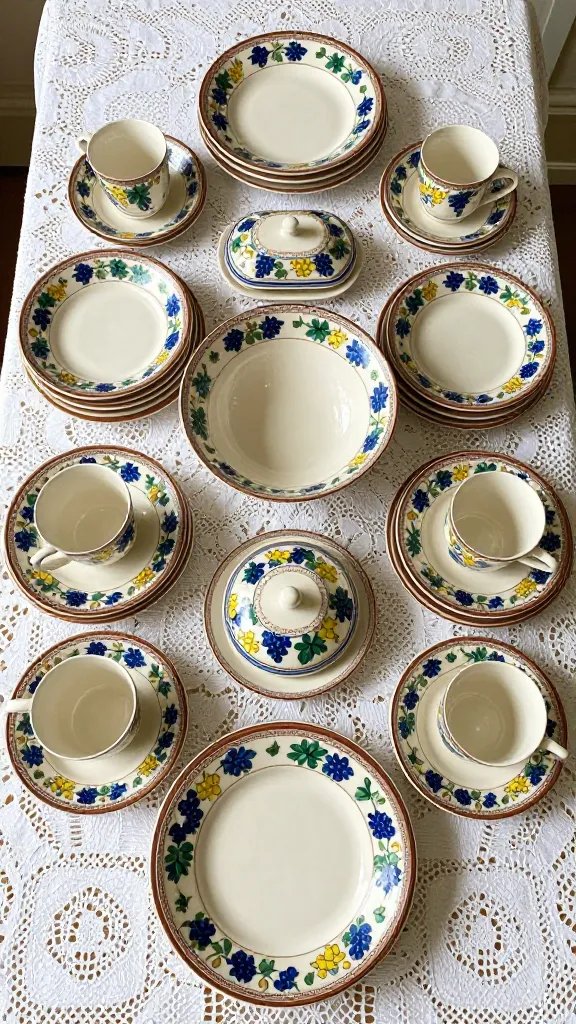
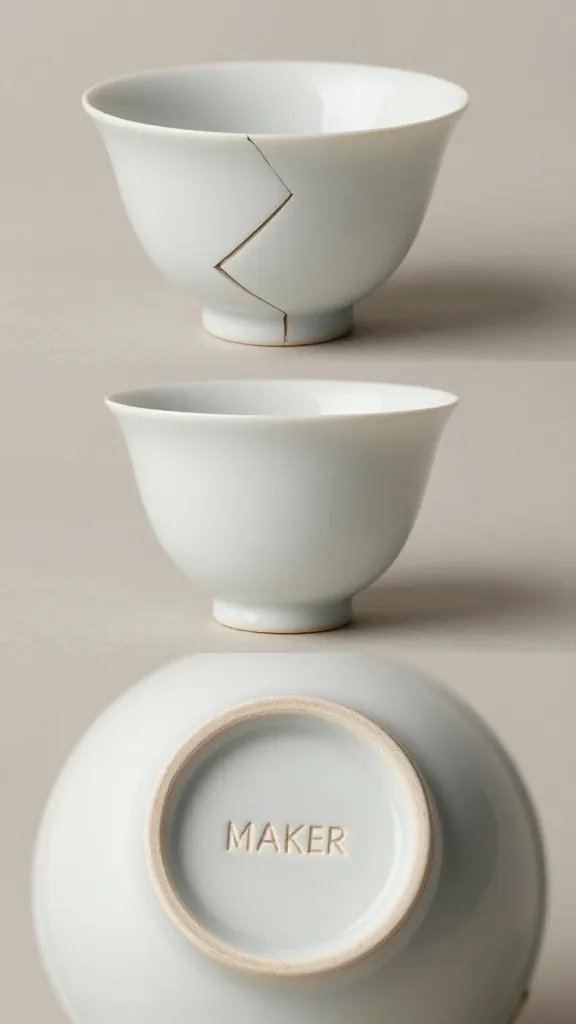
If you want a vintage dishware collection that stands up to daily use and adds real warmth to your table, the path is clear: focus on craftsmanship, not just looks. Seek sturdy clay, thoughtful glaze, and marks that tell a credible story. Ask questions, test what you can, and don’t be afraid to pass on something that doesn’t meet your standards. A durable, well-made set isn’t just a purchase—it’s an invitation to many meals, conversations, and memories. You’ve got this.