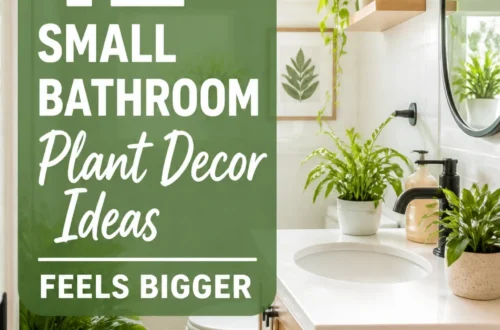
Your living room shouldn’t feel like a sterile showroom or a cluttered mess that stresses you out the second you walk in. Nature has this magical way of making us feel grounded and calm, and lucky for you, you don’t need to move to a cabin in the woods to get those vibes. With a few strategic tweaks, you can transform your space into a peaceful retreat that makes you actually want to hang out there instead of doom-scrolling on your phone.
Start With Living, Breathing Plants (Yes, Real Ones)
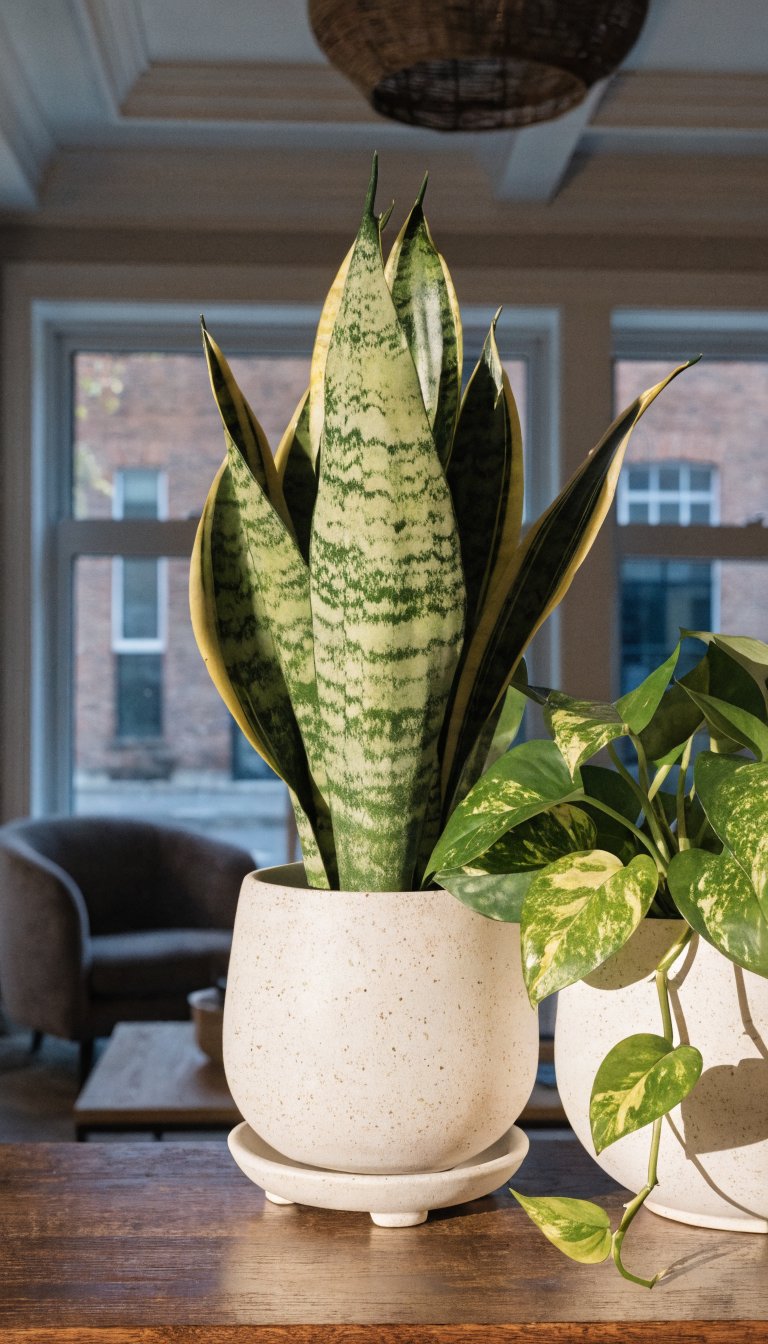
Let’s be real—nothing beats the energy of actual living plants. Fake plants have their place, but if you want that authentic connection to nature, you need the real deal. Plants don’t just look pretty sitting on your shelf; they actively improve your air quality and give your brain a little serotonin boost every time you see them thriving.
Start with low-maintenance options if you’re worried about becoming a plant parent. Snake plants, pothos, and ZZ plants can survive even if you forget about them for a week or two. They’re basically the chill roommates of the plant world.
Where to Place Your Green Friends
Think vertically and horizontally. Tall plants like fiddle leaf figs or rubber trees make stunning floor statements in empty corners. Trailing plants like pothos or string of pearls look gorgeous on shelves or hanging from the ceiling. Mix different heights and textures to create visual interest—your living room isn’t a military lineup, so embrace the natural chaos.
Group plants in odd numbers (three or five) for that designer touch. Our brains find odd-numbered groupings more appealing and natural. Weird but true.
Let Natural Light Take Center Stage
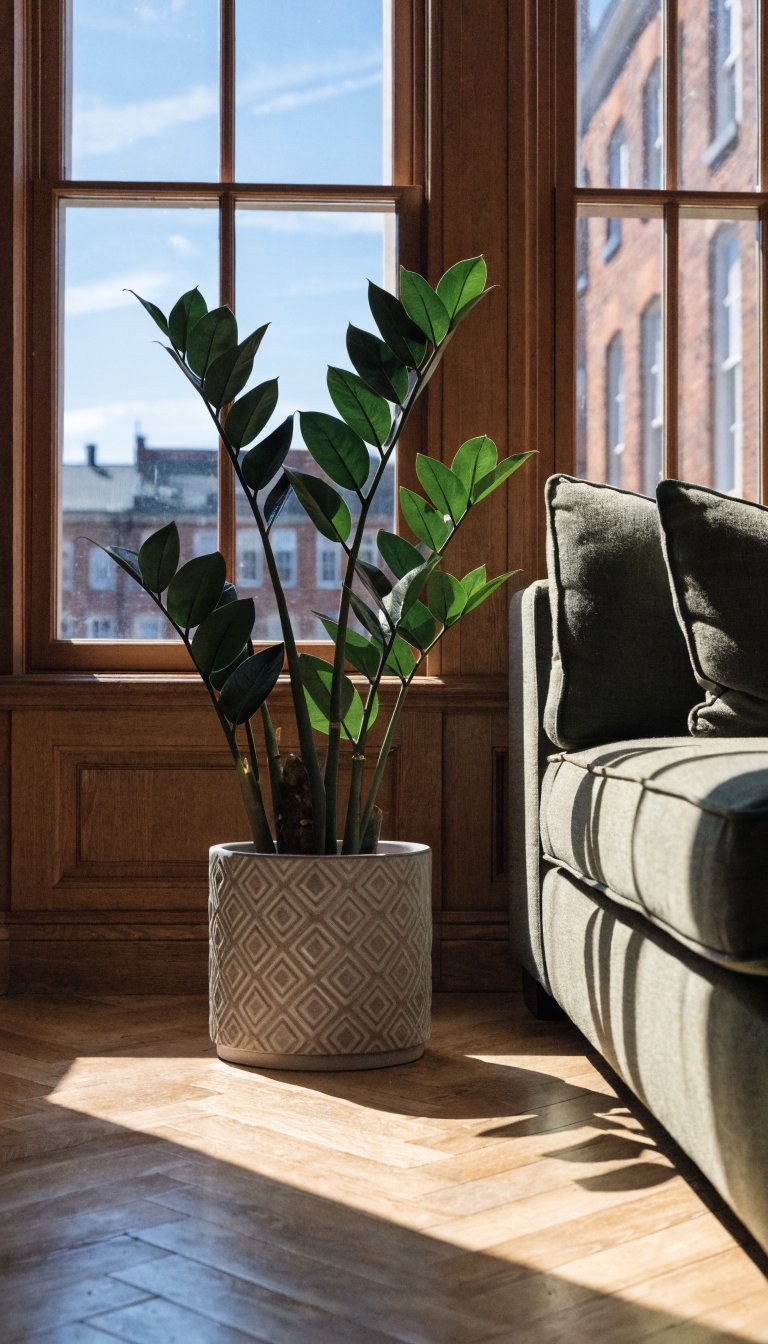
Heavy, dark curtains blocking out all your natural light? That’s basically nature-repelling behavior right there. Natural light is your secret weapon for creating a peaceful, nature-inspired space, and it’s completely free.
Swap those blackout curtains for sheer, lightweight fabrics that filter sunlight beautifully. You’ll get privacy while still letting that gorgeous daylight flood your space. If privacy isn’t a concern, ditch the curtains entirely and let those windows shine.
Keep your windows clean—I know, revolutionary advice, right? But seriously, clean windows make a massive difference in how much light enters your space. Schedule it into your cleaning routine every month or so.
Embrace Natural Materials and Textures
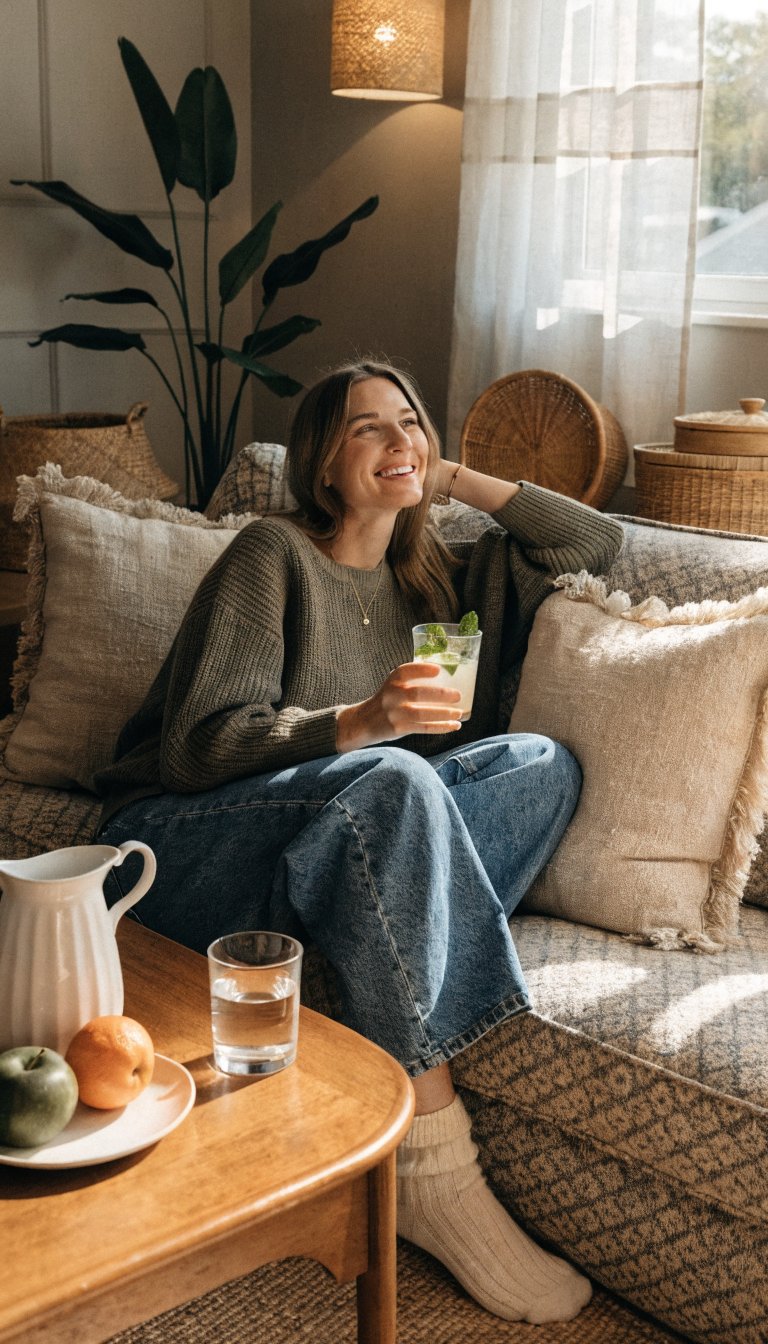
Plastic and synthetic materials everywhere? Your living room probably feels more “office waiting room” than “peaceful retreat.” Natural materials connect us to the outdoors in subtle but powerful ways.
Think wood, stone, rattan, jute, linen, and cotton. A wooden coffee table, rattan baskets for storage, linen throw pillows, or a jute rug all bring those earthy vibes into your space. You don’t need to replace everything at once—start with one or two pieces and build from there.
Texture Matters More Than You Think
Smooth, glossy surfaces feel cold and sterile. Layer in textured elements that beg to be touched. A chunky knit throw blanket, nubby linen cushions, or a woven wall hanging add depth and warmth. These textures mimic what you’d find in nature—nothing in the natural world is perfectly smooth and uniform.
Bring In Natural Colors and Earthy Tones
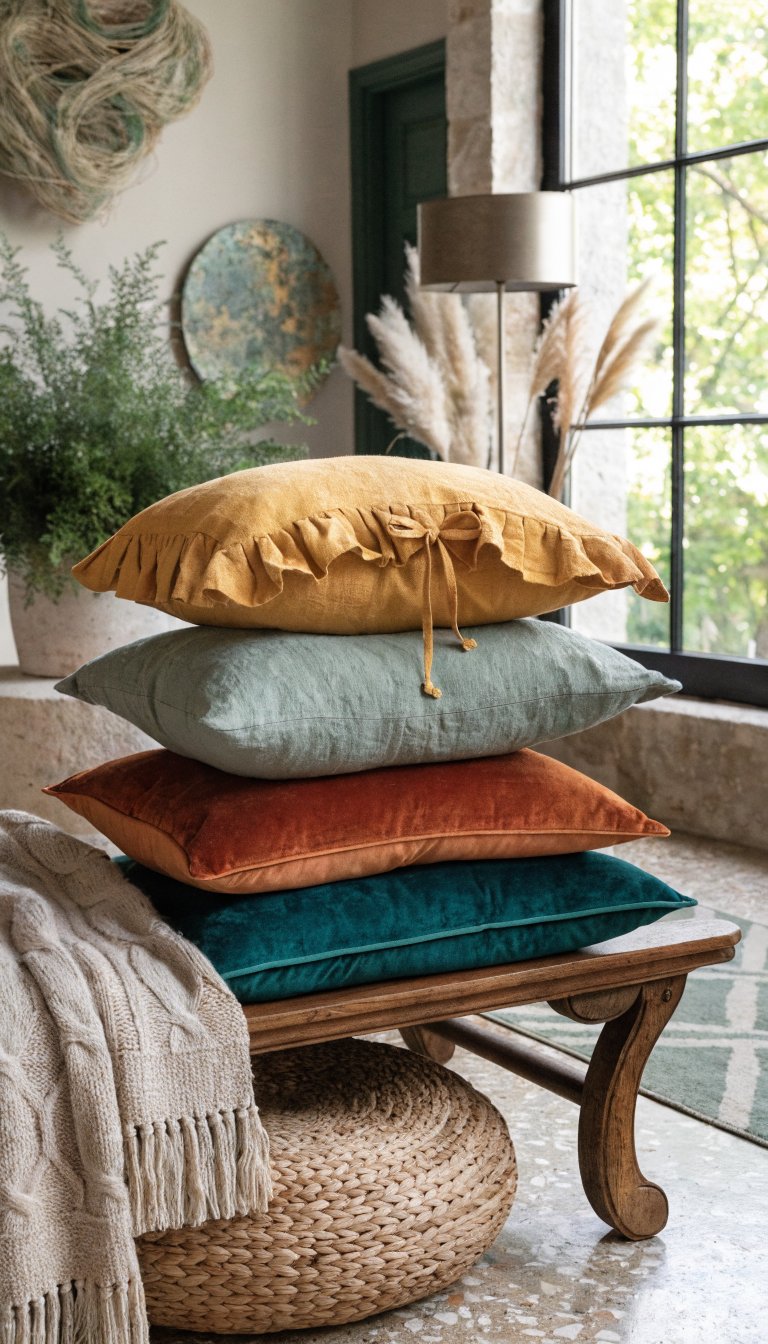
Neon pink and electric blue might be fun for accent pieces, but if you want that peaceful retreat vibe, you need to think like nature. Greens, browns, tans, warm grays, soft blues, and creamy whites create a calming palette that doesn’t overwhelm your senses.
You don’t need to repaint your entire room (unless you want to). Swap out throw pillows, blankets, and artwork for nature-inspired colors. Even small changes make a noticeable impact on the overall feel of your space.
FYI, you can absolutely add pops of brighter colors through flowers or plants. Nature has plenty of vibrant moments—sunsets, wildflowers, autumn leaves. Just keep the base palette calm and grounded.
Incorporate Water Elements for Instant Zen
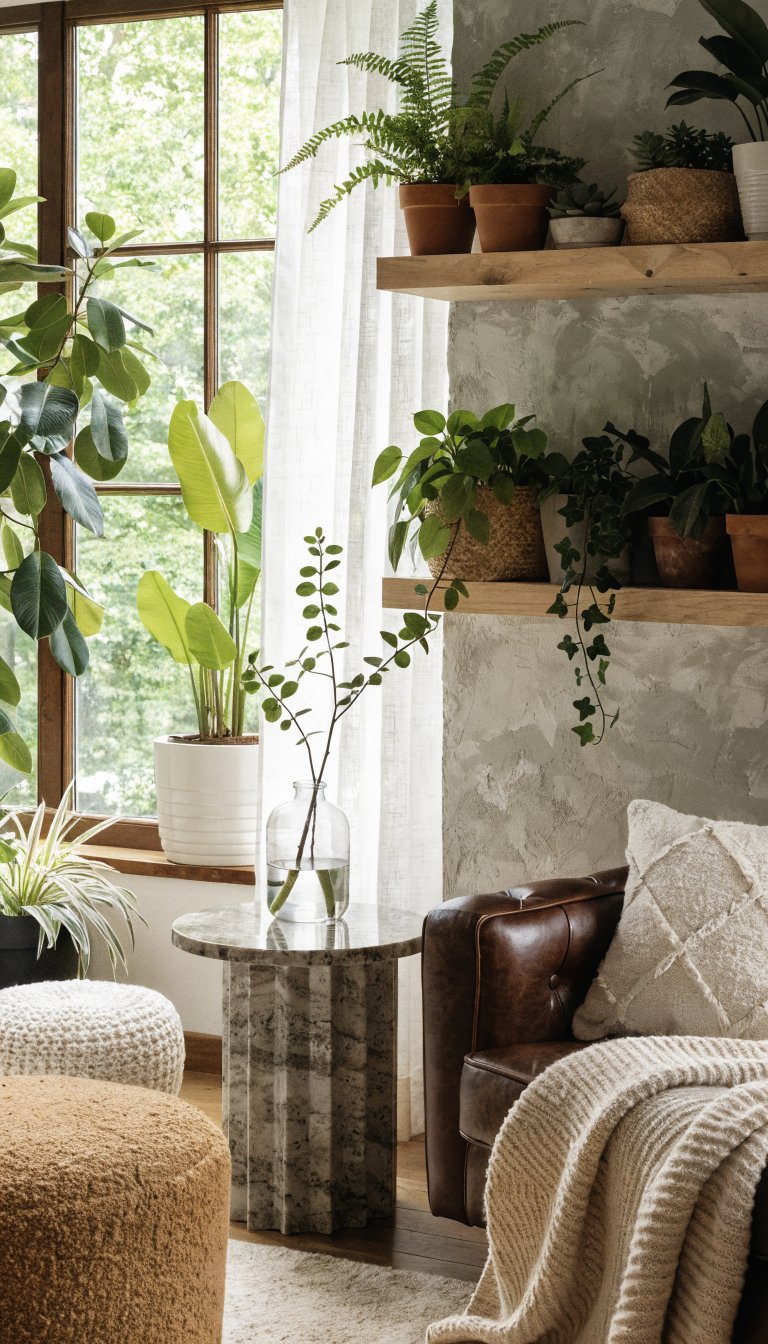
Water sounds are scientifically proven to reduce stress and promote relaxation. A small tabletop fountain creates gentle background noise that drowns out street traffic or noisy neighbors. Plus, the movement of water adds life to your space.
If a fountain feels too extra for you, try a fish tank or even a simple glass vase with water and floating flowers. The visual element of water—its reflective, flowing quality—brings a sense of calm that’s hard to replicate with other decor elements.
Display Natural Objects and Found Treasures
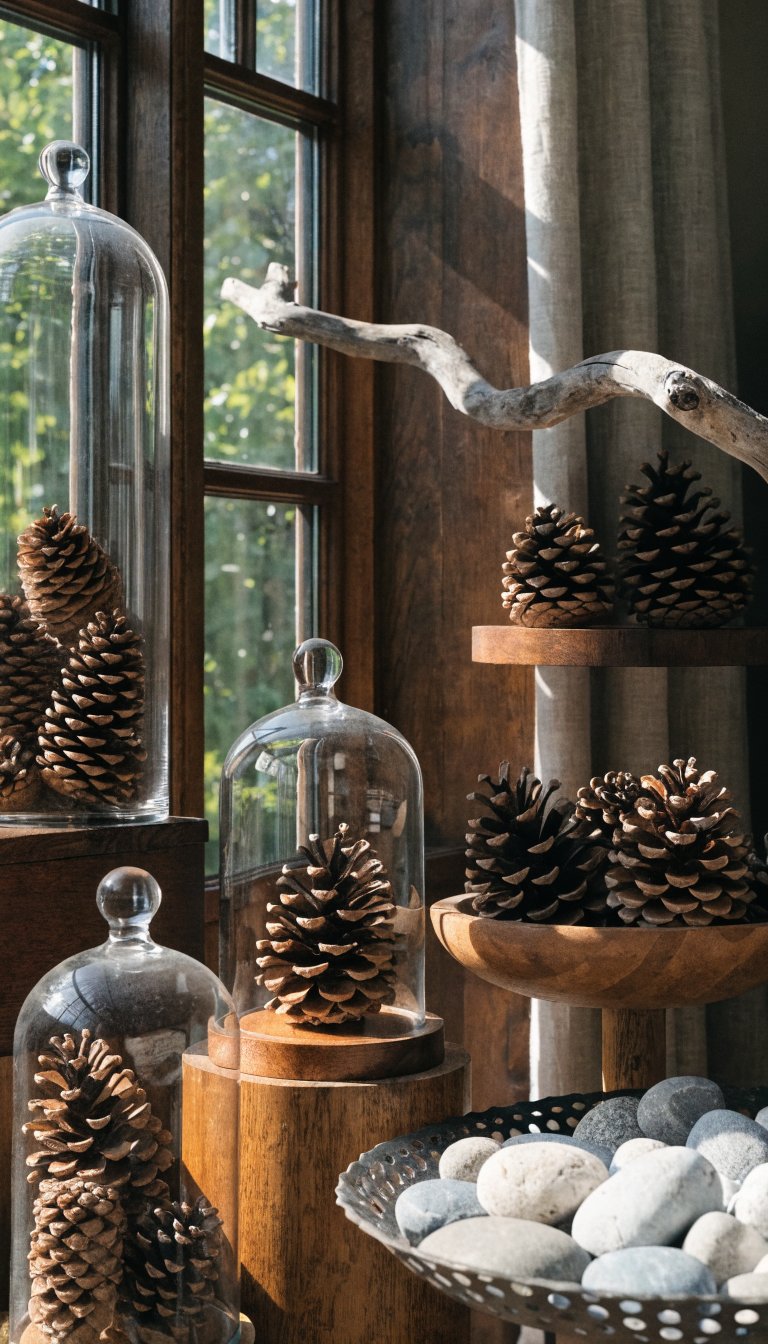
Remember those cool rocks, shells, or driftwood pieces you collected on vacation? Actually display them instead of letting them collect dust in a drawer. Natural objects tell stories and create instant conversation pieces.
Arrange items in shadow boxes, on floating shelves, or in glass cloches. A collection of pinecones in a wooden bowl, a piece of driftwood as a sculptural element, or smooth river stones in a decorative tray all bring the outdoors in without requiring any care or maintenance.
Create a Nature-Inspired Gallery Wall
Botanical prints, landscape photography, or abstract art in earthy tones transform blank walls into nature focal points. You don’t need expensive original art—print high-quality images yourself or hit up thrift stores for vintage botanical prints.
Mix frame styles and sizes for an organic, collected-over-time look. Perfectly matched frames feel too corporate. Nature is beautifully imperfect, and your gallery wall should be too.
Maximize Fresh Air and Natural Scents
Stuffy, stagnant air kills the peaceful retreat vibe immediately. Open your windows regularly to let fresh air circulate through your space. Even ten minutes makes a huge difference in how your living room feels.
Ditch the synthetic air fresheners and candles loaded with chemicals. Essential oil diffusers, natural soy candles, or simply fresh flowers provide fragrance without the headache-inducing artificial smell. Eucalyptus, lavender, pine, and citrus scents all evoke nature and promote relaxation.
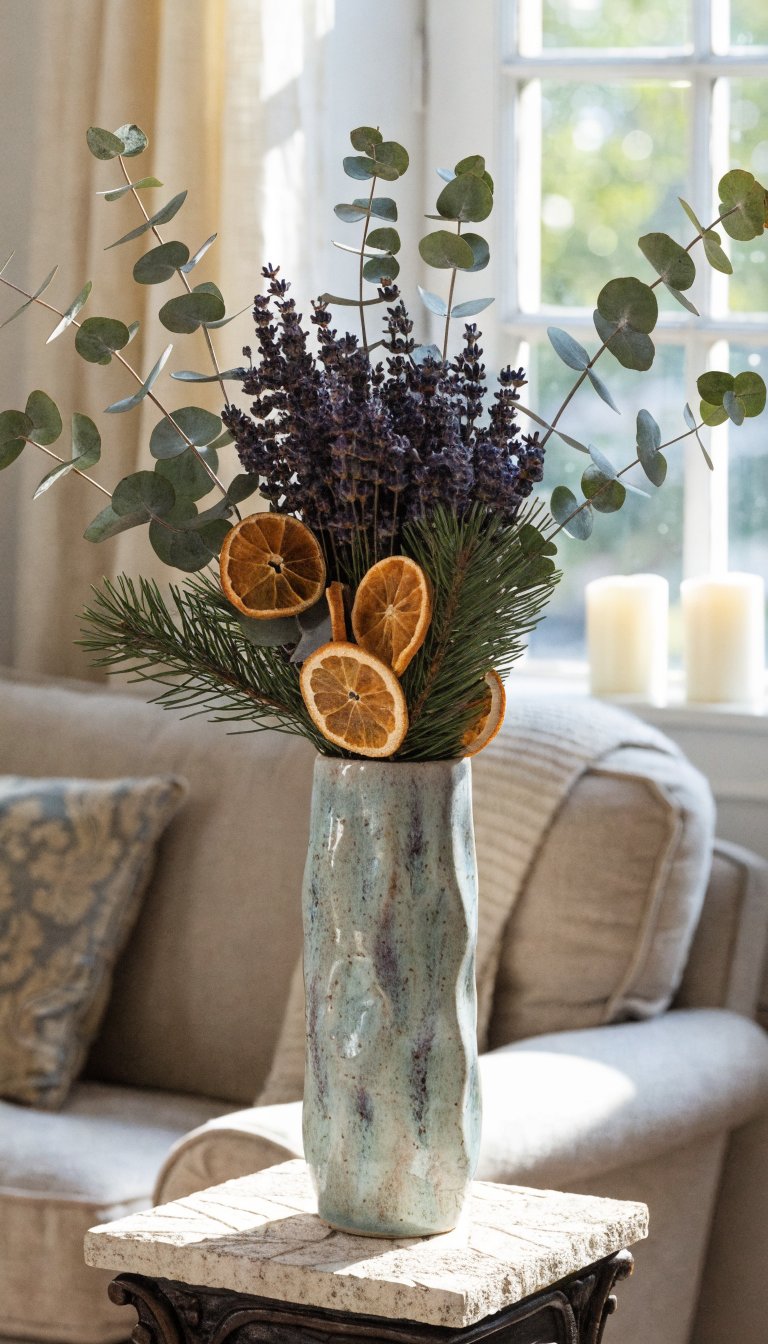
Bundle dried lavender or eucalyptus branches in a vase for a subtle, long-lasting natural scent. They look gorgeous and require zero maintenance once dried.
FAQ
What are the best low-light plants for bringing nature into a darker living room?
Snake plants, pothos, ZZ plants, and peace lilies all thrive in low-light conditions. They’re practically indestructible and perfect for living rooms that don’t get tons of natural sunlight. Cast iron plants also live up to their tough-as-nails name and tolerate neglect like champions.
How many plants are too many plants for a living room?
IMO, there’s no such thing as too many plants, but realistically, you want to maintain balance. If you can’t walk through your living room without bumping into foliage, you might have gone overboard. Start with 3-5 plants and add more gradually. Your space should feel lush, not like a jungle obstacle course.
Can I create a nature-inspired living room on a tight budget?
Absolutely. Hit up thrift stores for natural materials like wooden bowls or woven baskets. Propagate plants from friends instead of buying expensive specimens. Collect natural objects from walks or beaches. Print your own botanical art. Nature-inspired doesn’t have to mean expensive—some of the best elements are literally free.
What’s the easiest way to add nature to a rental where I can’t make permanent changes?
Focus on portable elements: potted plants, natural fiber rugs, throw pillows in earthy tones, removable peel-and-stick botanical wallpaper, and freestanding natural decor items. Command hooks let you hang lightweight natural elements without damaging walls. Everything can move with you when your lease ends.
How do I keep plants alive if I travel frequently?
Choose drought-tolerant plants like succulents, snake plants, or ZZ plants that can handle weeks without water. Set up self-watering globes or ask a neighbor to water occasionally. Group plants together to create humidity that helps them survive longer between waterings. Some people even set up automatic watering systems with timers.
What natural materials work best for people with allergies?
Stick with hard surfaces like wood, stone, and ceramic rather than natural fibers that trap dust and allergens. Choose plants that don’t produce pollen or have strong scents. Smooth river stones, polished wood, and sealed natural surfaces give you that nature vibe without triggering allergy symptoms.
Conclusion
Creating a nature-inspired living room doesn’t require a complete renovation or a massive budget. Small, intentional changes—adding plants, swapping in natural materials, embracing earthy colors, and maximizing natural light—transform your space into the peaceful retreat you actually deserve. Your living room should restore your energy, not drain it. Start with one or two changes that speak to you, and build from there. Before you know it, you’ll have created a space that feels like a breath of fresh air every single time you walk through the door.