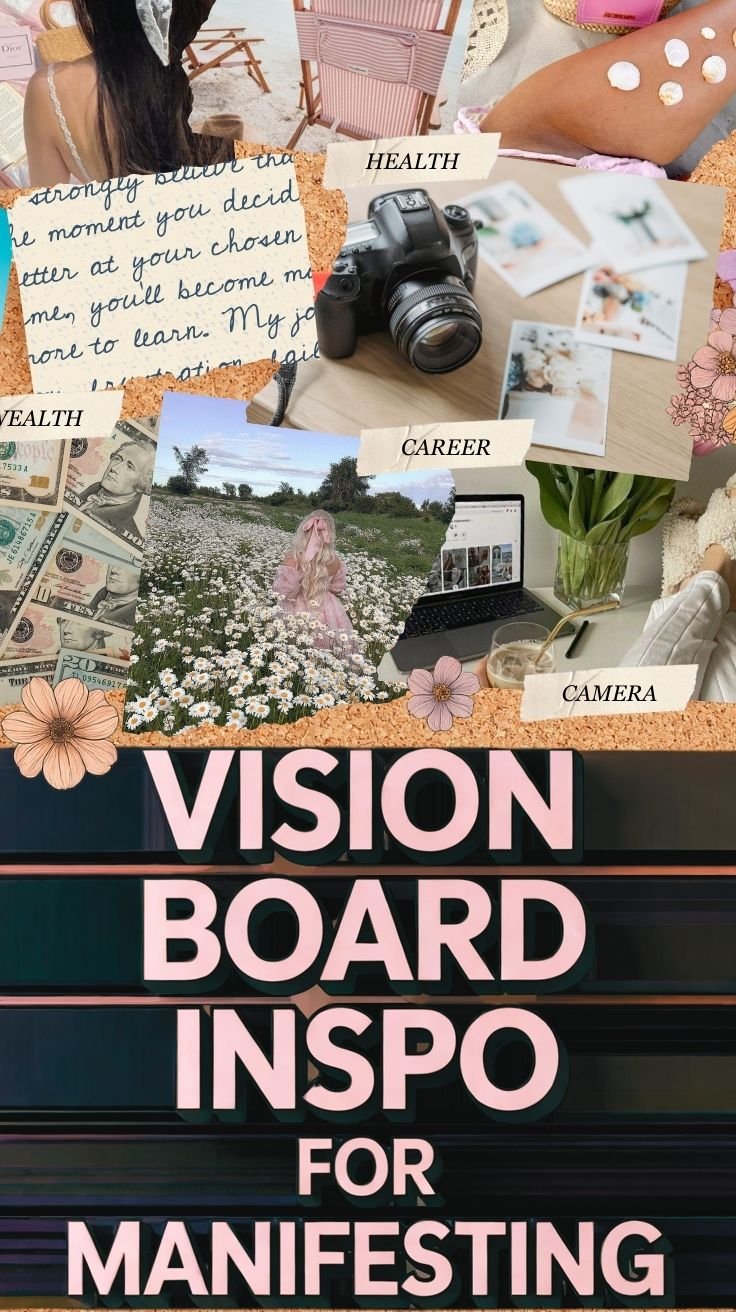
You want inner peace that doesn’t feel like a Pinterest quote, and goals that don’t fight your nervous system? Cool. A vision board can help—if you build it with intention instead of random magazine confetti.
Let’s ditch the fluff and craft a board that keeps you calm, focused, and excited to show up for your life. Sound good?

Why Vision Boards Work (Even If You’re Skeptical)
Vision boards feel woo-woo to some people, but they work because they train your attention. Your brain loves patterns, and it seeks evidence for whatever you keep seeing.
When you look at images that signal calm and aligned goals, you nudge your mind toward choices that match. You also get a daily micro-meditation. One glance at your board, and your nervous system gets a reminder: oh right, we’re doing this the peaceful way.
FYI, that’s not magic—it’s repetition plus emotion.

Start With Inner Peace, Not Hustle
If your board screams achievement but your body screams “nap,” you’ll burn out. Build from peace first, then place goals on top. When you feel grounded, you make clearer decisions and waste less energy. Ask yourself:
- What does calm look like to me? (Colors, textures, spaces)
- What feels safe and energizing at the same time?
- Where do I feel “too much”?
That might need trimming.
Choose a Peace Palette
Pick a color scheme that relaxes your nervous system. Soft neutrals, dusty blues, muted greens, warm clay tones—whatever feels like a deep exhale. Keep it consistent across your board so it doesn’t look like a chaotic bingo card.
Set Your “North Star” Intention
Write a one-sentence intention and place it at the center.
Keep it short and present tense: I create spacious success. Or I move slowly and win anyway. IMO, fewer words = more power.
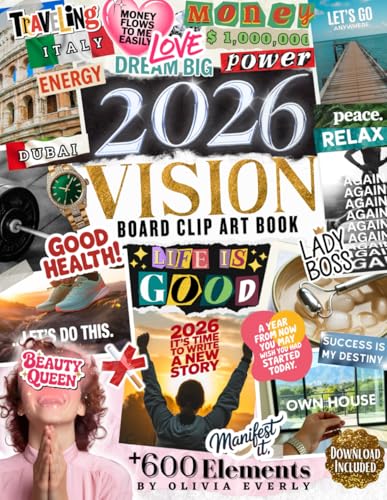
Collect Images That Feel Like Alignment
Let’s avoid random tropical beaches unless you actually plan to live there. Curate images that resonate with your daily life and your dream life’s vibe. If an image makes you tense, it doesn’t belong—no matter how “motivating” it looks on Instagram. Good image categories:
- Energy scenes: Sunlit rooms, cozy corners, nature paths, slow mornings.
- Embodied reminders: People smiling softly, grounded postures, open skies.
- Process over outcome: Writing desks, calendars with buffer days, rested faces.
- Values in action: Community dinners, mindful rituals, unhurried walks.
Pro tip: Use symbolic images
A lighthouse for clarity.
A bridge for transition. A steady ripple for consistency. Symbols bypass logic and speak to your subconscious.
They also age better than hyper-specific goals.
Design Your Board With Zones
A scattered board equals a scattered mind. Use zones so your brain knows where to look. You can do this with a physical board, a digital canvas, or a desktop wallpaper. Try this layout:
- Center: Intention – short sentence or keyword.
- Top left: Inner peace anchors – colors, rituals, sensory calm.
- Top right: Core values – family, creativity, freedom, health.
- Bottom left: Aligned goals – 3-5 goals max, not 35.
Quality over chaos.
- Bottom right: Tiny habits – the daily behaviors that make goals inevitable.
Make It Tactile
If you build a physical board, layer textures—linen paper, matte photos, washi tape. The tactile feel makes your ritual pleasant. Digital boards still work, but print a mini version for your nightstand so it doesn’t live only on a laptop tab next to 47 others (no judgment).

Write Micro-Mantras That Calm Your System
Words matter.
Pair your images with simple statements that guide your day. Keep them short and kind, not bossy. Your inner critic does not need a megaphone. Examples:
- I have time.
- One clear step.
- Slow is smooth, smooth is fast.
- Rest counts as progress.
- Aligned, not rushed.
Use “If-then” prompts
Tie mantras to moments.
If I feel overwhelmed, then I choose one thing and breathe for 30 seconds. If I scroll mindlessly, then I stand up and get water. Tiny scripts = fewer spirals.
Align Goals With Your Nervous System
You want goals that fit your energy budget.
Overambitious goals might look cool but feel awful. Instead, make them spacious, flexible, and rooted in your values. Check each goal with this filter:
- Does it feel expansive in my body? If it constricts, adjust the scope.
- Can I see the first tiny action? If not, break it down more.
- Does it serve my top 2 values? If it’s just vibes or vanity, pass.
- Can I reach it without sacrificing sleep and basic joy? If no, rethink.
Create “Minimum Viable Goals”
Make a smaller version you can always hit. Want to meditate daily?
Minimum viable: 3 breaths at your board. Want to write a book? 10 minutes counts. Progress compounds; burnout backfires.
FYI, your future self loves consistent, boring wins.
Ritualize Your Board: Daily, Weekly, Monthly
A board works when you use it. Don’t just hang it and hope. Make it part of your routines so it quietly calibrates your choices. Try this cadence:
- Daily: 30-second glance + one breath + one micro-mantra.
- Weekly: 5-minute check-in.
What felt aligned? What felt crunchy? Swap one image or move something.
- Monthly: Mini refresh.
Replace anything that lost its spark. Add one image that represents progress.
Keep It Visible
Place it where your eyes naturally land: beside your desk, near your kettle, or as a phone lock screen. If you hide it, your brain forgets it.
Out of sight, out of alignment.
Common Vision Board Mistakes (And Fixes)
- Too many goals: Cap at five. The rest go on a parking lot list.
- Perfection trap: Imperfect but visible beats perfect but unfinished.
- Only outcomes, no processes: Add images of routines and environments.
- Clashing aesthetics: Stick to 2-3 fonts and a tight color palette.
- Never updating: Treat it like a living garden, not a museum exhibit.
FAQs
Do I need a physical board, or can I go digital?
Either works. Physical boards feel ritualistic and tactile, which can deepen the emotional link.
Digital boards win for convenience—set it as your wallpaper, screensaver, or phone lock screen. IMO, a hybrid approach hits the sweet spot.
How often should I change my vision board?
Update micro elements weekly and do a bigger refresh monthly or quarterly. Keep what still resonates and retire what feels stale.
Your life evolves; your board should evolve with it.
What if I feel silly making one?
That’s normal. We’re all a little allergic to earnestness. Do it privately if you want and keep it simple.
Once you see how it reduces decision fatigue and anxiety, the “silly” feeling fades.
How specific should my goals be?
Specific enough to act, flexible enough to breathe. “Publish three essays by June” beats “be a better writer,” but leave room to adjust based on capacity and feedback. Think clarity without rigidity.
Can a vision board replace planning?
Nope. It informs your planning.
Use your board to set direction and vibe, then translate that into calendars, to-do lists, and habits. Inspiration plus systems equals momentum.
What if my goals change?
Great. That means you’re paying attention.
Remove images that no longer fit and add new ones. Growth isn’t betrayal—it’s alignment in action.
Conclusion
A vision board for inner peace and aligned goals isn’t about manifesting a yacht with moon crystals. It’s about training your attention and honoring your energy so progress feels humane.
Build from calm, choose images that feel true, and keep it alive with small rituals. Do that, and your board stops being decor—and starts being a quiet compass that actually helps you live the life you want.