You know that moment when your bed looks like a cloud and your brain decides to rehash every awkward thing you did in eighth grade? Yeah, we’re fixing that. Your night routine can become a sleep ritual that makes your brain say, “Ahhh, we’re safe,” instead of, “Let’s draft 42 to-do lists.” You don’t need a monk’s discipline or a lavender farm.
You need a plan that feels good, fits your life, and sticks.
Set Your Sleep Intentions (Before You Get Sleepy)
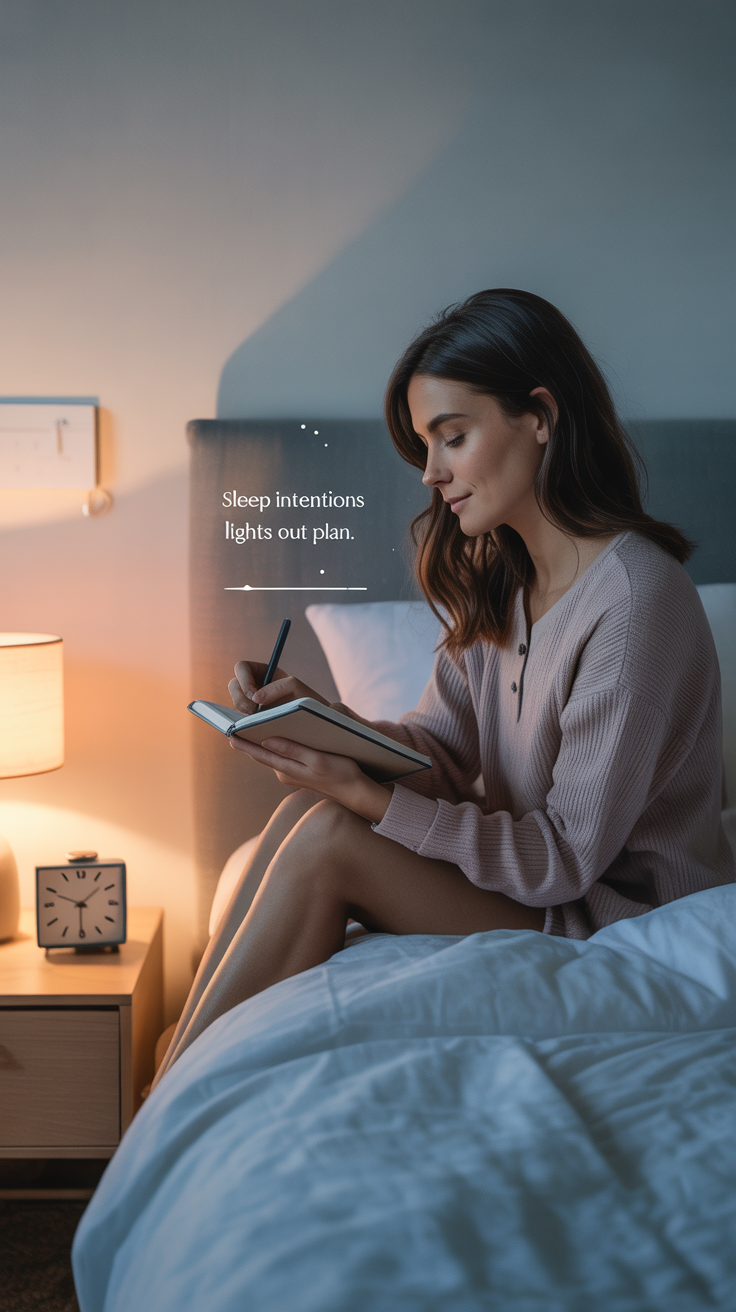
You can’t build a sanctuary if you don’t know what you’re aiming for. Decide on a target bedtime and wake-up time first. Nothing rigid—just a consistent window.
Your body loves rhythm, like a metronome, not chaos. Pick your “lights-out” zone (say, 10:45–11:15) and work backward. If you want 7.5–8 hours, protect that like you protect your last fry. FYI: consistency beats sleeping in on weekends.
It keeps your circadian rhythm steady, which makes falling asleep feel easy instead of like a negotiation.
Design Your Wind-Down Hour
Think of the hour before bed like a slow glide onto a runway. You don’t slam the brakes at 11 and hope for the best. You signal to your brain: we’re powering down.
- 60 minutes out: Dim the lights.Lower light = lower cortisol. Bright light equals your brain yelling “Daytime!”
- 45 minutes out: Finish any hygiene tasks: shower, brush, skincare. Warm water drops your core temp after, which helps sleep.
- 30 minutes out: Screens off or set to ultra-warm/night mode.And nope, doomscrolling doesn’t count as “reading.”
- 15 minutes out: Low-stakes rituals: stretching, journaling, or reading paper pages. Keep it calm and boring—in a cozy way.
Make It Frictionless
Set your routine props where you’ll actually use them. Place your book on the pillow, a stretchy resistance band by the bed, and a glass of water on the nightstand.
Reduce decisions. Remove excuses. You’re not weak; your brain just loves easy.
Create a Bedroom That Whispers “Sleep”
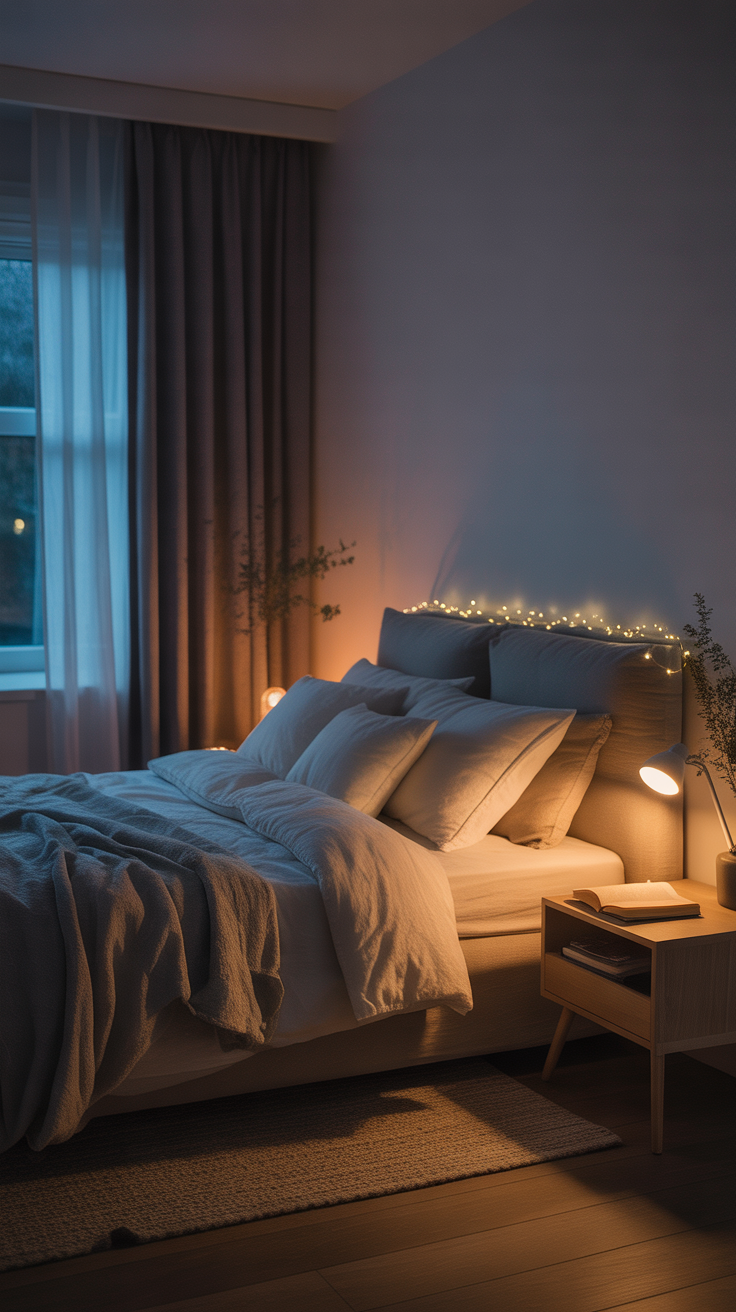
You can’t out-routine a chaotic sleep cave.
Make your space do the heavy lifting.
- Cool it down: Aim for 60–67°F. Cooler rooms help your body drift off faster.
- Darkness is king: Blackout curtains or a sleep mask. Even a tiny LED can annoy your brain.Tape over those evil little status lights.
- Quiet-ish: Use a white noise machine, fan, or pink noise playlist. Drown the neighbor’s late-night blender.
- Upgrade touch points: Pillow and sheets matter. Breathable, soft, not scratchy.If your mattress feels like a medieval plank, rethink it.
Scents, Sounds, and Signals
Scent won’t knock you out, but it helps set a ritual. Try lavender, chamomile, or cedarwood. Pair it with one sound: ocean waves, rain, or brown noise.
Keep the same combo every night. Repetition builds a strong “sleep cue” in your brain. Pavlov, but make it cozy.
Stop the Night Saboteurs
Some habits sucker-punch sleep and then pretend they’re helpful.
Let’s call them out.
- Caffeine: Cut it by mid-afternoon (IMO, 2 p.m. latest). It sticks around for hours. Yes, decaf still has a bit.
- Alcohol: It knocks you out but wrecks REM and deep sleep.If you drink, keep it light and stop 3 hours before bed.
- Late heavy meals: Big dinners close to bedtime can cause reflux and restlessness. Aim for a light snack if you’re hungry.
- Blue light and hot takes: Phone + drama = cortisol party. Switch to airplane mode or “do not disturb.” Your group chat can wait.
Make a Worry Parking Lot
If your brain revs at night, dump everything on paper 1–2 hours before bed.
Use a “Tomorrow List” and a “Worries List.” Then write one tiny next step for each item. Your brain loves closure; give it a breadcrumb trail and it finally chills.
Build a Ritual That Feels Like You
You don’t need a 17-step skincare routine unless it sparks joy. Choose 3–5 mini-rituals you’ll actually do.
Keep it enjoyable. Keep it repeatable.
- Gentle mobility: 5 minutes of neck, hips, and hamstrings. Your desk posture will thank you.
- Breath work: Try 4-7-8 breathing for 3 rounds.Inhale 4, hold 7, exhale 8. Your nervous system loves it.
- Gratitude or brain-dump journaling: Two lines: what went well, what I’ll handle tomorrow.
- Analog reading: Fiction beats productivity books at night. Save the hustle for daylight.
- Warm shower or bath: 10–15 minutes before bed helps trigger that sleepy temperature drop.
Two-Minute Reset for Chaotic Nights
No time?
Do this:
- Turn off overheads; turn on one warm lamp.
- Two slow breaths with long exhales.
- Put phone across the room. Alarm on. Done.
The Tech Tamer Plan
You can use gadgets without letting them use you.
The trick: automation and boundaries.
- Night Shift + warmest tone automatically at sunset.
- App limits for social and email after a set hour. You can bypass them, but at least you’ll think twice.
- Bedtime Mode silences notifications except true emergencies. Create a VIP list for family.
- Analog alarm or a sunrise clock.Keep the phone out of arm’s reach. FYI: snoozing fragments sleep—one alarm, then up.
Move, Sun, and Sip: The Daytime Dominoes
Great nights start during the day. Boring but true.
Small moves make huge sleep gains.
- Morning light within an hour of waking (5–10 minutes outside). It anchors your circadian rhythm and sets a stronger melatonin release at night.
- Exercise most days, but wrap vigorous workouts 3+ hours before bed. Late workouts bump adrenaline.
- Hydrate earlier and taper at night so you don’t play bathroom hopscotch at 2 a.m.
Nutrition Nudges
If you need a bedtime snack, go for a small combo of complex carbs + protein or fat:
- Greek yogurt with berries
- Banana with peanut butter
- Whole-grain toast with ricotta and honey
Nothing greasy, nothing spicy, nothing that could start a fire in your esophagus.
Make It Stick: Habit Tricks That Work
Consistency beats perfection.
A routine you enjoy will outlast a strict one you resent.
- Habit stacking: Attach new actions to existing ones. After brushing teeth, I stretch for two minutes. After stretching, I read two pages.
- Set visual cues: Lamp timer turns warm at 9:45 = start winding down.
- Forgive slip-ups fast: Life happens.Resume the next night. No guilt spirals.
- Track wins, not just streaks: Note energy levels and mood. Good sleep pays dividends you can feel.
FAQ
How long until a new night routine actually helps?
Most people feel improvements in 3–7 days, especially with consistent bed/wake times and light cues.
Deeper changes in energy and mood usually show up within 2–4 weeks. Stick with it through weekends, and your body will start autopiloting the routine.
Do I really need to ditch screens at night?
You don’t need to live like it’s 1890, but screens should stop being stimulating. Use warm filters, turn brightness way down, and avoid hot-content (news, intense emails, cliffhanger shows).
If you must watch something, pick mellow, familiar stuff and stop 30 minutes before bed.
What if I wake up at 3 a.m. and can’t go back to sleep?
Stay calm. If you can’t drift off after ~20 minutes, get out of bed. Keep lights low and do something calm and boring—like reading or a puzzle—until you feel drowsy again.
Avoid phones. Return to bed only when your eyelids feel heavy. It retrains your brain that bed = sleep, not frustration.
Is melatonin a good idea?
Low-dose melatonin (0.3–1 mg) can help with jet lag or shifting schedules, but it’s not a nightly cure-all.
Focus on light exposure, timing, and routine first. If you try it, keep the dose small and take it 60–90 minutes before bed. IMO, talk to your healthcare provider if you have ongoing issues.
Can naps ruin nighttime sleep?
Short naps can help, but keep them power-nap length: 10–20 minutes, before 3 p.m.
Long or late naps can push your bedtime back and reduce sleep pressure. If nights feel rough, pause naps for a week and reassess.
What’s the best position to sleep in?
The “best” position is the one that keeps your spine neutral and your breathing clear. Back or side sleeping usually wins.
Use pillows to support knees or between legs for alignment. If snoring or reflux bugs you, side-sleeping often helps.
Conclusion
Turn your night routine into a sanctuary, and sleep stops feeling like a mystery and starts feeling inevitable. Dim the lights, stack a few soothing rituals, and let your bedroom do the heavy lifting.
Keep it simple, consistent, and a little indulgent. You’ll wake up clearer, calmer, and—dare I say—almost excited for bedtime. IMO, that’s the best kind of adulting.