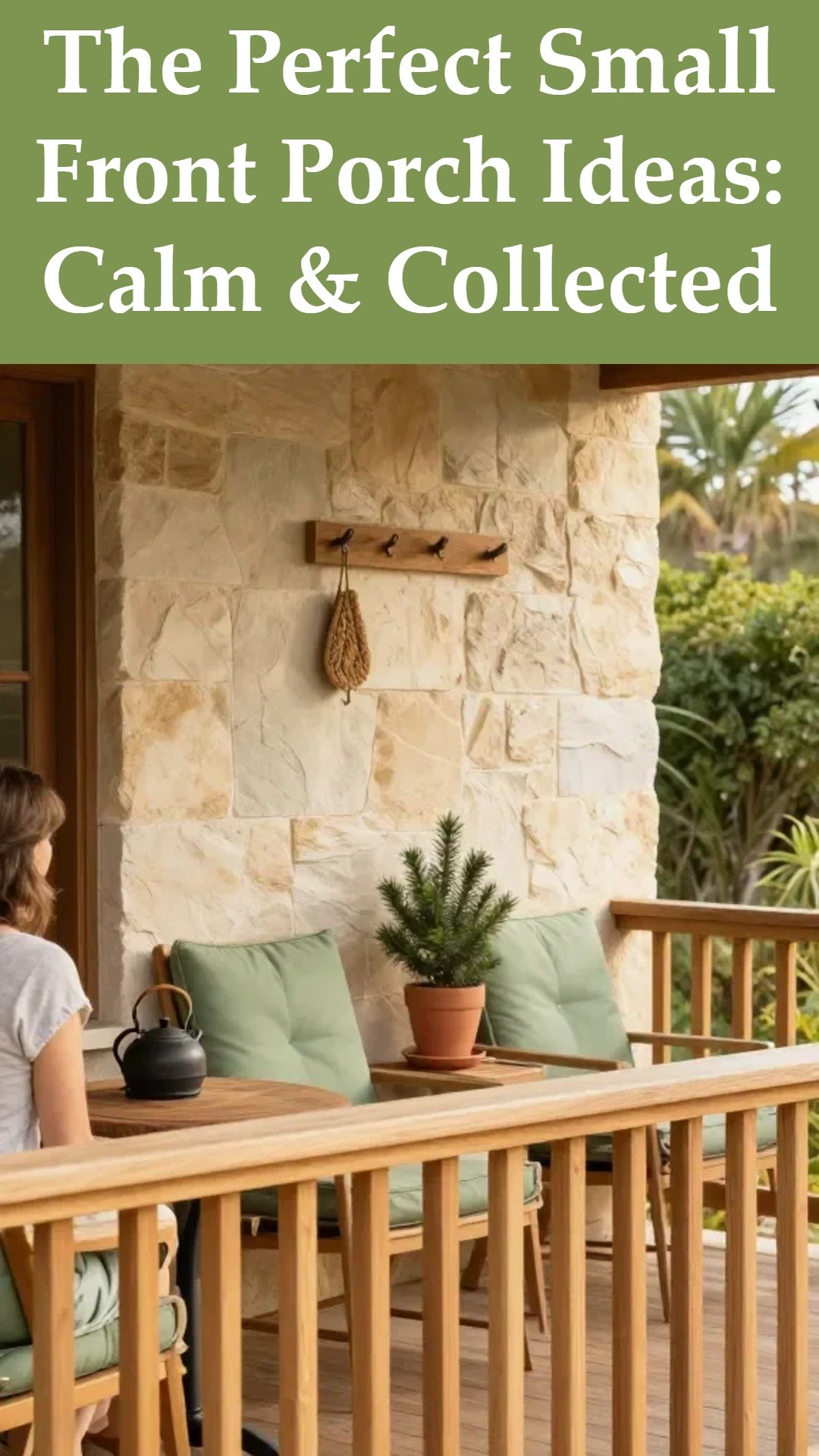
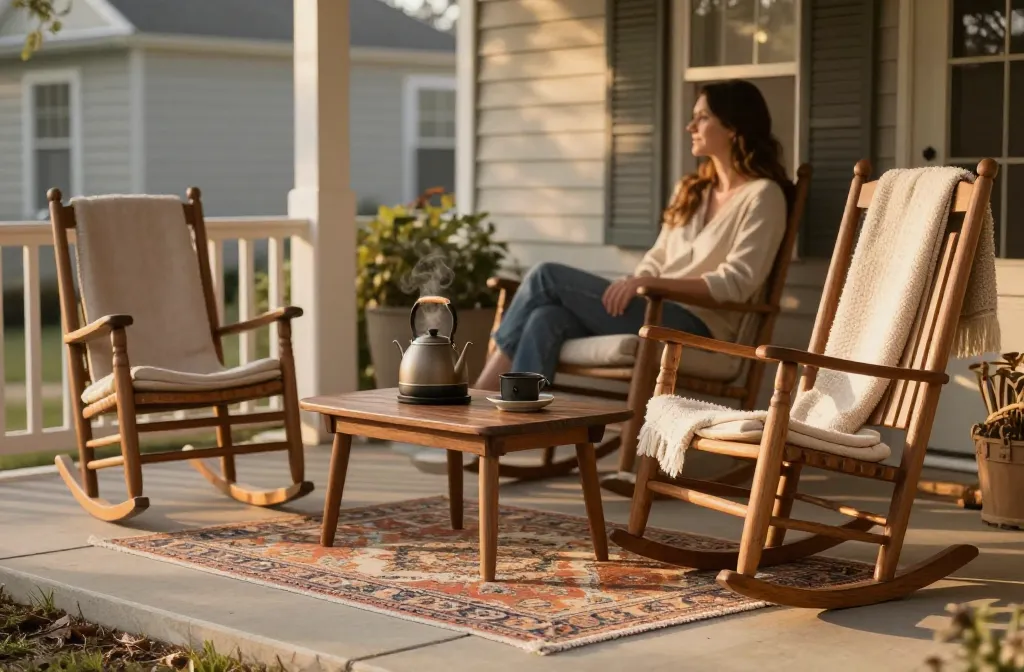
An early-morning sun spills across the street, painting the railing in honey and turning a sleepy front yard into a tiny stage. A kettle steams softly on a small table, and the air carries a sigh of fresh pine and coffee. You pause at the threshold, imagining what a porch could be—not a random assortment, but a scene that invites conversation, lazy Sundays, and window-shopping from the sidewalk. This article is about building that scene with intention, not chaos.
The secret is simple: design around a core philosophy you can feel in your gut. When five approaches share a quiet conversation, the porch stops feeling like a collection and becomes a cohesive invitation. You don’t need a big budget or a grand plan to make it happen. You need a deliberate order, a few universal rules, and a wink of personality.
Ready to dive in? Let’s build a porch that feels like it grew there.
1) The Core Philosophy: Harmony Through Intentional Pieces
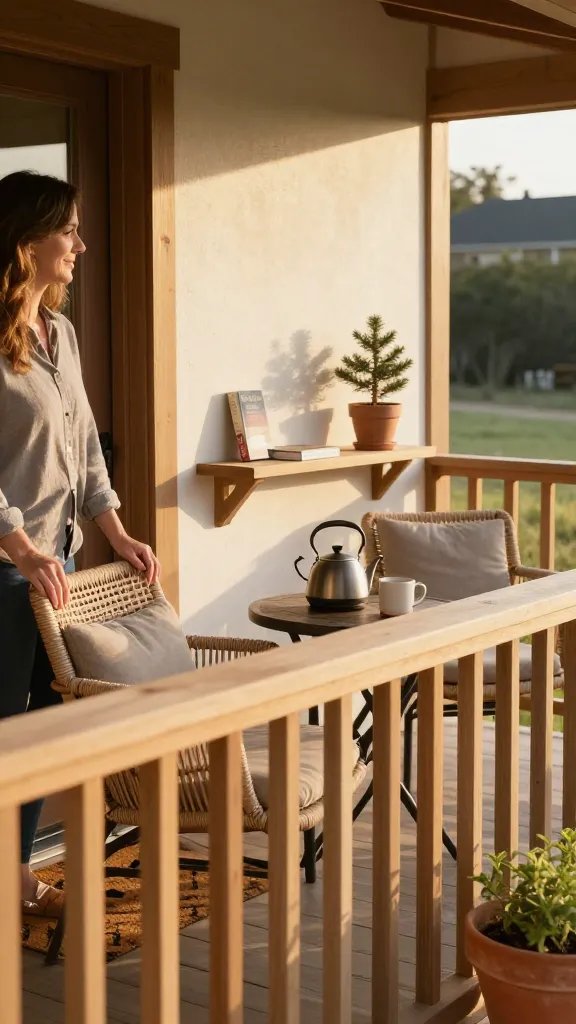
What makes a small front porch feel like a single, living space rather than a grab bag of decor? It’s all about harmony. Harmony comes from choosing five key pieces that each serve a purpose, echo each other in color or texture, and sit on a deliberate sequence. If one element feels out of place, the whole porch wobbles like a toddler on training wheels.
– Start with a unifying color palette. Pick three to five colors and repeat them across all five pieces.
– Prioritize function plus form. A chair isn’t just a seat; it’s a statement. A rug isn’t just decor; it’s a cue for the porch’s rhythm.
– Use texture as glue. Natural fibers, metal, wood, and ceramics can all play nice if you balance rough and smooth.
Most people try to “decorate” first and then wonder why nothing feels right. Do the opposite: decide your five anchor pieces, ensure they talk to each other, and then fill in with small accents. It’s a surprisingly small shift that makes a huge difference.
2) The Five Anchors: What They Are and Why They Work
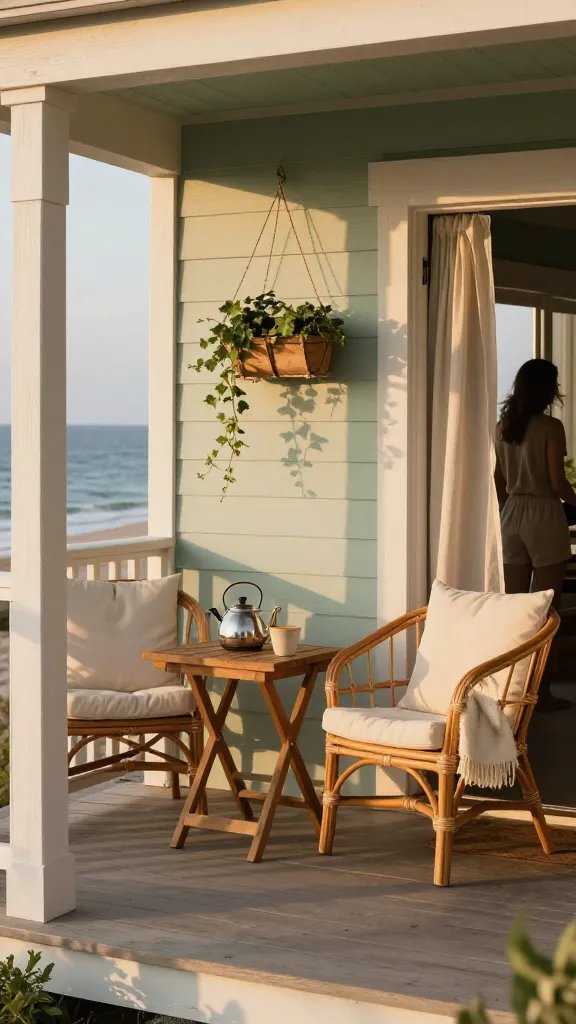
Here are the five pieces you can confidently build around. They’re chosen for versatility, weather resistance, and the way they amplify each other when placed in order.
- Seat with a Story — Pick a chair or bench that invites lingering. Look for clean lines and a finish that wears well in sun and rain. A single, comfortable seat sets the porch’s emotional tone.
- Grounding Element — A durable outdoor rug anchors the space. It defines the seating zone, adds warmth, and introduces a texture that makes the entire porch feel intentional.
- Lighting that Speaks — A small, warm lighting solution keeps the porch usable after dark and guides the eye through the space. Think a pendant, lanterns, or sconces with a personality.
- Side Tables or Surfaces — A slim table or two surfaces provide places for drinks, plants, or a favorite book. They’re the punctuation marks that help the arrangement read as a complete thought.
- Greenery or Sculptural Accents — Plants soften edges, bring life, and break up hard materials. A single tall plant or a cluster of small ones, plus a characterful ornament, completes the cycle.
Why these five? They cover seating, space definition, mood lighting, practicality, and life. When arranged thoughtfully, they create a porch that welcomes, then rewards, repeat visits.
3) How They Work Together: The Flow and the Rhythm
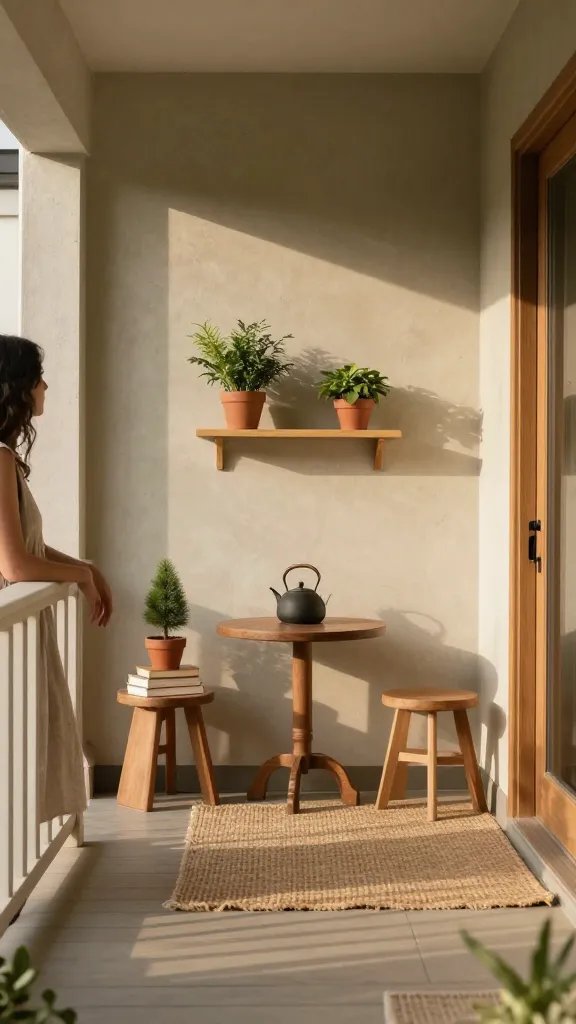
The order matters. Imagine a five-song playlist where each track builds on the last. If you jump around, you lose the mood. If you follow a steady progression, you’re left with a porch that feels curated, not cluttered.
– Start with the Seating that Sets the Tone: Place the seat at a comfortable depth from the door, angled to invite conversation but not block foot traffic. The chair is the hero, and every other piece orbits it.
– Define the Floor with the Rug: Lay the rug so the seating sits squarely within its boundaries. The rug anchors the visual space and creates a warm landing for feet after a long day.
– Light the Scene: Install lighting that complements the chair and rug without overpowering them. It should feel like a soft glow, not a spotlight. If you can, hang light above eye level to avoid glare.
– Add Surfaces for Interaction: Position a small table to the side of the chair. It should feel reachable from the seat without stretching. A second table near the second seat (if you have one) mirrors the layout and creates balance.
– Finish with Life: Place greenery or a sculptural piece where it can be seen from the seating position. A plant at knee height adds dimension, while a sculptural object introduces personality.
If any piece feels out of place, you’ll notice instantly in the flow. Keep the rhythm steady, and the porch will feel like one well-rehearsed scene.
4) The Practical Guide: How to Choose and Place Each Piece
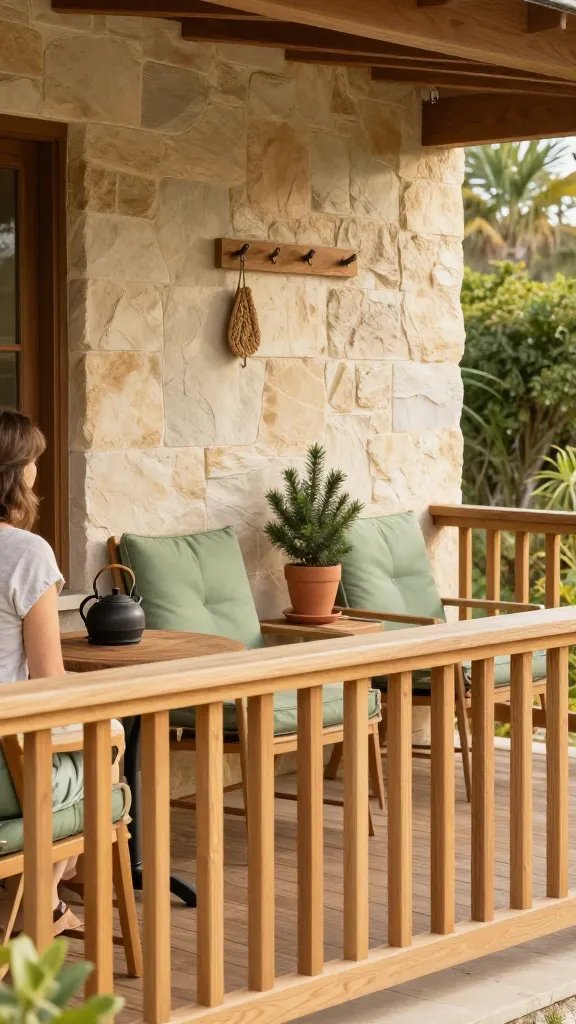
Let’s break down the five anchors with practical, no-drama tips so you can shop and arrange with confidence.
Seat with a Story: Choosing and Positioning
– Look for comfort first. Test the seat height and depth. You want feet flat, back supported, and shoulders relaxed.
– Pick a finish that wears well. If you’re in sun or rain, choose materials that don’t fade or warp quickly.
– Choose a narrative element. A cushion with a bold color or a subtly patinated wood tells a story before you sit.
Placement tips:
– Angle the chair toward the door but not directly in line with it.
– Create a conversation zone with a matching second seat if space allows.
Grounding Element: Rug Rules
– Size matters: your rug should fit under the front legs of the seating plus a few inches more. It defines the space without sending the entire porch into disarray.
– Material matters: consider outdoor-friendly fibers that resist mildew and fading.
– Pattern vs. solid: a subtle pattern adds depth; solid can feel calmer. Either can work if color ties back to the chair and lighting.
Lighting that Speaks: Choosing and Layering
– Start with a warm baseline: aim for 2500–3000 Kelvin to emulate cozy interior lighting.
– Layer light sources: one primary ceiling or wall light, plus a secondary lantern or string lights for ambiance.
– Think dimmable if possible. You’ll thank yourself on stormy evenings or late-night porch chats.
Side Tables or Surfaces: Function Meets Style
– Size to scale: tables should be reachable from the chair without stretching.
– Material echo: pick a surface that complements the chair—wood tones with natural fibers or metal accents with ceramic tops.
– Keep it uncluttered: a tray, a book, and a plant are enough.
Greenery or Sculptural Accents: Finishing Touches
– Plant choice matters: pick something forgiving if you’re new to plant care (pothos, sansevieria, or a compact fern can be good starters).
– Elevation helps: a tall plant on one side, a smaller bloom on the other keeps the eye moving.
– A sculpture or craft piece adds personality without shouting.
5) Variations to Make It Yours: Customizing Without Breaking the Flow
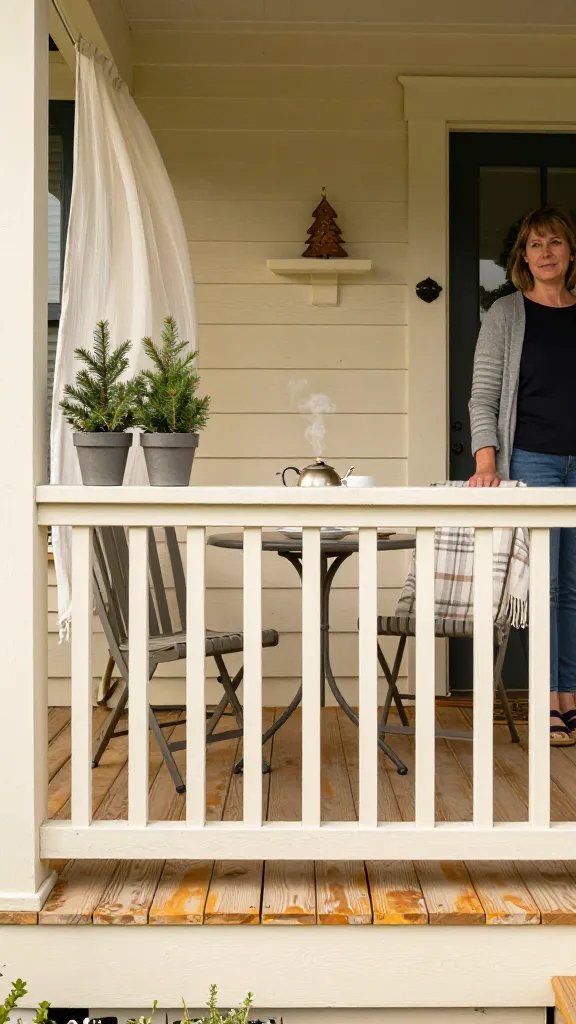
– The neighborhood vibe: If you’re in a coastal town, driftwood-inspired accents and pale blues can harmonize with the sea air. In a city setting, sleek lines and warm metals can feel more at home.
– Climate considerations: In hotter climates, a light rug and breathable fabrics keep the space comfortable. In cooler climates, add a throw blanket and a heated outdoor lamp if you love late-night porch hangs.
– Personal rituals: If you love morning coffee, arrange the rug to catch the sunrise and place the table to hold a mug and a small journal. If you entertain, swap in a bottle centerpiece and a couple of low plants to keep the area social without feeling crowded.
6) When the Porch Is Done: How It Builds on Itself
A five-piece porch designed with a single vision becomes a living room outdoors. You’ll notice:
– The space feels larger because each element has a purpose and a place.
– The eye travels in a circle, not a scatter of random objects.
– The porch invites rather than demands attention; it becomes a stage for everyday life.
If you’re new to this, start small. A single chair, a rug, and a light can be enough to set the stage. Then you add the second seat, table, and a plant. Before you know it, you’ve created a porch that looks like it belonged there all along.
7) FAQ
How do I choose the right color palette for a small porch?
Start with a dominant color inspired by your home’s exterior, then pick two accent colors and one grounding tone. Repeat these colors in cushions, rug patterns, and planters. The key is consistency across all five pieces so the palette feels intentional, not accidental.
What if my porch is tiny and I can only fit three pieces?
Focus on the essentials: seating, a rug, and a light. You can then add a small table or a slim plant stand. When space is limited, placement matters more than quantity. Leave negative space so it doesn’t feel crowded.
Can I mix vintage with modern for the five anchors?
Absolutely. The trick is to keep a common thread—finish, color, or material—that ties the pieces together. A mid-century chair with a woven jute rug and a metal lantern can be stunning if they share a unifying hue or texture.
How do I maintain a small porch that’s both stylish and durable?
Invest in weather-resistant materials, bring cushions with removable, washable covers, and store or cover items during harsh weather. Rotate accents seasonally to keep the look fresh without buying new pieces every year.
What if I don’t have a doormat or entry step?
Even a small mat on a porch plank can define the entry. If you’re truly minimal, choose one of your five anchors to function as a focal point for curb appeal, like a striking planter or a sculptural lantern near the doorway.
Is it okay to change the arrangement after a year?
Yes. The beauty of a five-piece system is its adaptability. If you find one piece isn’t your vibe, swap it and tweak the placement a little. You’ll feel the porch recalibrate itself without starting from scratch.
Conclusion
Your porch should feel like a curated moment rather than a random snapshot of decor. With five anchors built to work in concert, you create a space that grows with you. It invites conversation, morning coffee, and a deep sigh of contentment after a long day. IMO, the magic isn’t in chasing trends; it’s in designing around a core philosophy and letting the pieces talk to one another.
So grab a seat, lay down a rug, light a warm glow, set a tiny table nearby, and introduce a plant or sculptural object into the scene. Watch how the porch transforms from a collection of items into a welcoming, cohesive nook that feels like it was always meant to be there. FYI, the moment you realize the five-piece system is working, you’ll never want to leave the porch again.