You can feel it in your shoulders first—the low buzz of hurry that never quiets. Your phone flickers, your to-do list multiplies like rabbits, and your energy resets to “meh” every morning. What if you opted out?
What if you chose ease over urgency, depth over speed, and presence over productivity? That’s slow living, and yes, it’s as good as it sounds.
What Slow Living Actually Means (And What It Doesn’t)

Slow living doesn’t mean you move at a snail’s pace or ditch ambition. It means you choose intention over autopilot.
You work, create, and care—just with more attention and less noise. Key idea: Slow living helps you design a life you can actually feel. Not a frantic highlight reel, but a steady, meaningful one you enjoy.
What It’s Not
– It’s not lazy. You still get stuff done—just not by burning out. – It’s not minimalist for the sake of minimalism.
You keep what adds value and drop what drains. – It’s not anti-tech. You use tools wisely without letting them use you.
Start With Your Pace: Reclaiming Your Daily Rhythm
Your day already speaks a language—dings, deadlines, and “just one more thing.” Change the language by changing your pace. Try this: bookend your day with rituals that calm you and focus you. Morning ideas:
- Two-minute stretch and three steady breaths before you touch your phone.
- Drink water before coffee.
Your brain will thank you. Your future self will send a fruit basket.
- Choose three priorities. Not eight, not twelve—just three.
Evening ideas:
- Light tech after 8 p.m. if you can—swap doomscrolling for a book or a playlist.
- Write one sentence about your day.
Not a whole journal, just one sentence.
- Prep tiny things for tomorrow—bag by the door, clothes laid out, lunch ready.
The 3-3-3 Rule (IMO, criminally underrated)
– 3 deep work blocks (30–50 minutes each) – 3 connection points (message a friend, hug someone, talk to your neighbor) – 3 small acts of care (drink water, walk outside, stretch your neck) That’s a day that breathes.
Make Space—Literally: Edit Your Environment
Your surroundings nudge your behavior. Clutter shouts. Calm whispers.
Edit your spaces so they support your slower life. Quick declutter circuit:
- Flat surfaces first: counters, desks, nightstands.
- High-traffic zones: entryway, kitchen sink, coffee table.
- One personal nook: a chair, a corner, a small table with a candle and a book.
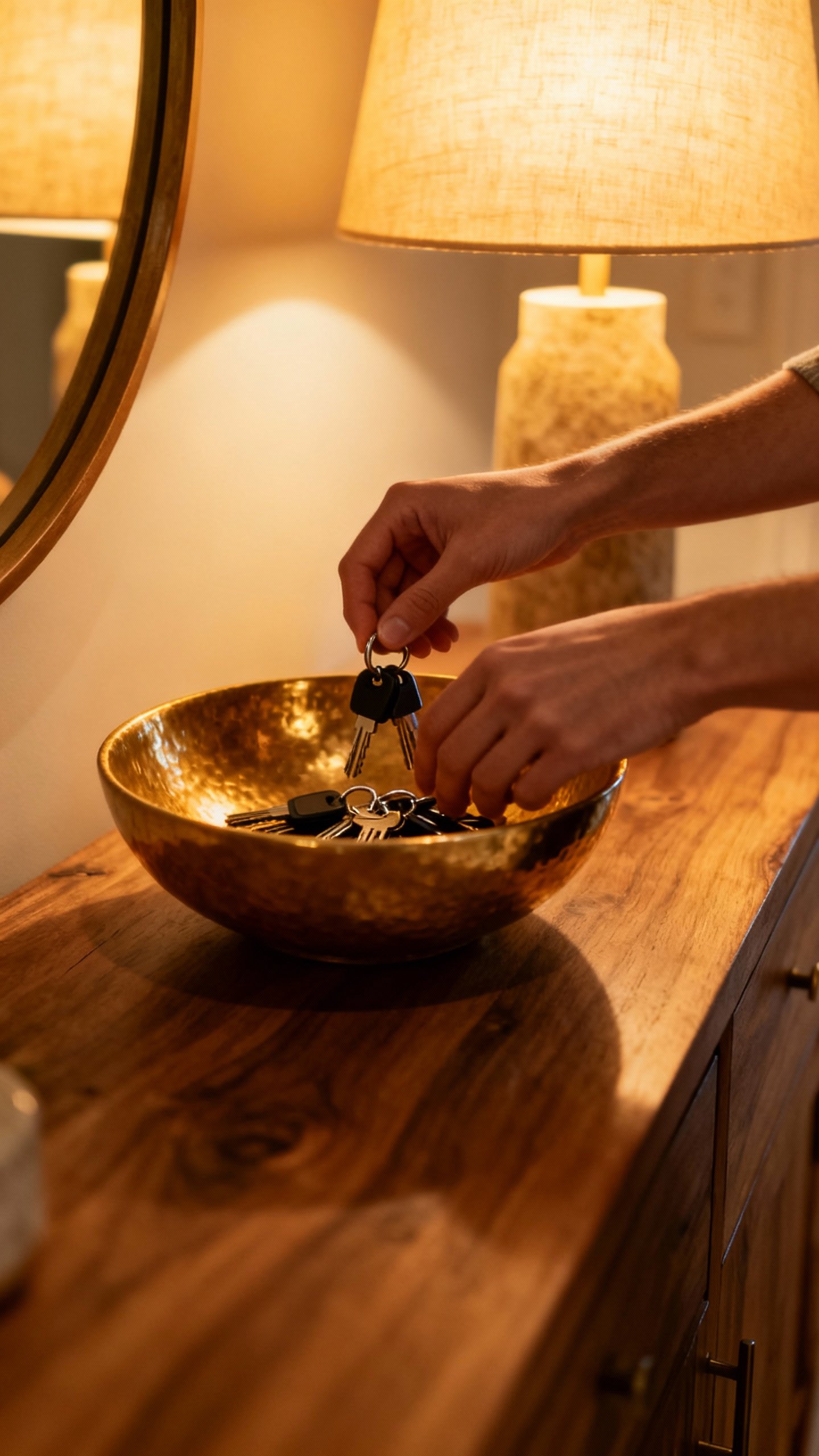
Pro tip: Create “homes” for frequently used items. Keys by the door, charger in one spot, notebook on the desk. You’ll save time and sanity.
Sensory reset (fast wins)
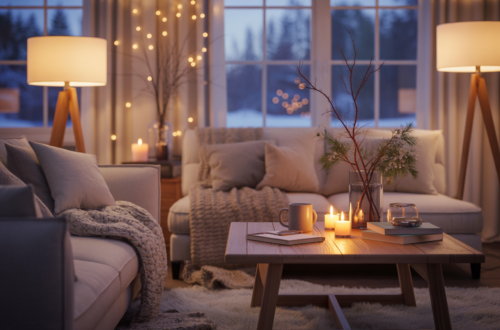
- Light: Use warm bulbs and a lamp, not just overhead lighting.
- Scent: A drop of essential oil or a candle can cue calm instantly.
- Sound: Low-volume playlists, nature sounds, or silence—yes, silence still exists.
Time Isn’t the Enemy: It’s the Ingredient
You don’t “find” time; you design it.
The trick? Slow your defaults. Try these swaps:
- Walk for short errands instead of driving when possible.
- Batch tasks. Email twice a day instead of every five minutes.
- Cook one-pot meals that stretch into tomorrow. Future you will fist-bump you.
- Say no faster.
Yes is expensive; no is protective.
The Pause Practice
Before you agree, buy, post, or react—pause for five breaths. Ask: – Do I want this? – Do I need this? – Will this matter in a week? Five breaths can save you five hours later, FYI.
Mindfulness Without the Incense: Practical Presence
Mindfulness sounds fancy, but it’s really just paying attention without judging yourself for being a human.
You can practice it while doing very normal things. Mindful moments:
- Shower: Feel the water. Notice the temperature. Don’t plan your entire career path.
- Eating: Put your phone away for the first five bites.
Taste your food like it worked hard to be there.
- Walking: Listen to your footsteps and the air on your face. Nature is free therapy.
Mini-reset in 60 seconds: – Inhale for 4, hold for 4, exhale for 6. Repeat 4 times. – Drop your shoulders.
Unclench your jaw. Soften your belly. – Name 3 things you can see, 2 you can hear, 1 you can feel.
Work, Ambition, and Going Slower without Losing Your Edge
Slow living doesn’t kill ambition; it cuts the drama around it. You can still go after big goals—just don’t sprint every mile. Strategy over speed:
- Define one meaningful metric that matters (quality, revenue, impact) and drop vanity metrics.
- Plan in weekly themes instead of hourly micromanagement.
- Protect focus time like a dragon guards treasure.
Boundaries That Stick
– Set “office hours” for your phone.
Real ones. Tell people. Hold them. – Keep meetings short and rare.
Send a memo instead when you can. – Create a “stop doing” list. Example: No late-night Slack. No meetings on Mondays.
No guilt about either. IMO, boundaries are just self-respect with a calendar.
Relationships: The Slow Lane Is the Intimate Lane
Speedy life starves relationships. Slow life feeds them.
People need presence more than perfection. Simple connection rituals:
- Daily: 10 minutes of no-phone conversation with your partner or friend.
- Weekly: One shared meal where everyone lingers. Dessert helps.
- Monthly: A phone-free outing—gallery stroll, park picnic, thrift hunt.
Conversation prompts that go deeper: – What made you laugh this week? – What felt heavy? – What are you excited to try next month?
Money, Stuff, and Choosing Enough
Slow living nudges you to spend on what you value and ditch the rest. Not austere—aligned. Try a 30-day “enough” experiment:
- Buy replacements only.
No “cute but unnecessary” items.
- Borrow before buying. Libraries and neighbors exist for a reason.
- Track joy per dollar. If it adds delight or saves time, it’s a win.
Food and Finances, The Calm Combo
– Plan three staple meals and rotate.
Remove decision fatigue. – Batch-cook grains and roast veggies on Sundays. – Automate bills and savings so your brain can nap.
Tech That Supports Slow Living (Yes, Really)
You don’t need a flip phone to live slowly. You just need settings that favor sanity. Settings to switch:
- Turn off non-human notifications. Apps can wait; people can’t.
- Set Focus modes: Work, Personal, Sleep.
- Keep apps off your home screen if they tempt you.
Use tech for good: – Ambient music for focus. – Calendar reminders for water, stretching, bedtime. – Photo albums for gratitude—snap one simple moment a day.
FAQ
Is slow living realistic with kids, a job, and, you know, life?
Short answer: yes.
You won’t create a zen monastery, but you can weave in rituals and boundaries. Think micro-moments—morning stretches, device baskets at dinner, and earlier bedtimes for screens if not for humans. The small shifts stack up.
Do I have to meditate to live slowly?
Nope.
Meditation helps, but it’s not mandatory. You can practice presence while washing dishes, walking the dog, or making coffee. If you want structure, try two minutes of breathing.
If not, keep it simple: notice your senses and call it good.
Will slow living make me less productive?
You might do fewer things, but you’ll do the right things better. That’s the trade. Most people scatter energy; slow living focuses it.
Fewer tabs, more traction.
How do I start if my schedule is jam-packed?
Start with what’s already happening. Add intention to your commute, lunch, and bedtime. Pick one slow habit this week—say, the 3-3-3 rule—and one boundary.
Keep the rest the same. Adjust after seven days.
What if my friends or coworkers don’t get it?
Explain your why, not your rules. Say you want to be more present and less frazzled.
Invite them to try one small habit with you. Or just model it quietly—results speak louder than speeches, IMO.
Closing Thoughts: Choose Quiet On Purpose
You won’t “find” a slow life behind a secret door. You’ll build it—one pause, one boundary, one unhurried moment at a time.
Choose what matters, release what doesn’t, and let your days breathe again. And if anyone calls that lazy, smile and sip your tea a little slower. They’ll get it eventually.