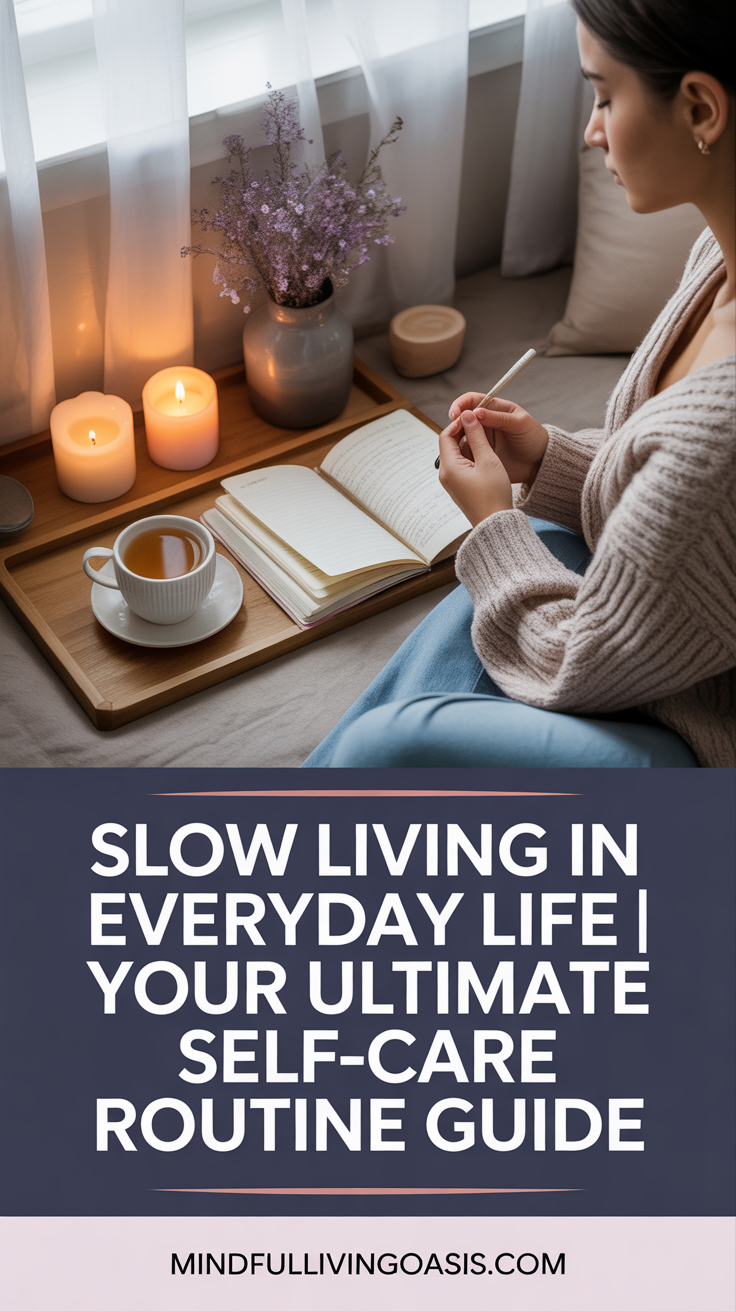
How does slow living improve mental health and well-being?
In the fast-paced world we live in today, embracing slow living has become a sought-after lifestyle choice. Integrating slow living into your everyday life helps reduce stress, improve mental clarity, and foster deeper connections with yourself and others. This comprehensive guide will walk you through creating the ultimate routine that blends mindfulness, balance, and productivity to transform how you experience each day.
What is Slow Living?
Slow living is more than just a trend; it is a philosophy that encourages you to slow down, savor moments, and focus on quality over quantity. It prioritizes intention, simplicity, and awareness over rushing through the daily grind. The aim is to live more meaningfully, sustainably, and peacefully.
Why Adopt Slow Living Routines?
Modern lifestyles often leave people feeling overwhelmed, anxious, and disconnected. A slow living routine helps combat this by:
- Reducing stress: Mindful tasks decrease anxiety and promote calm.
- Enhancing focus: Slowing down sharpens concentration on tasks.
- Boosting creativity: Quiet moments inspire original ideas.
- Improving relationships: Being present deepens social bonds.
- Supporting wellness: Balanced living encourages physical and mental health.
Building Your Everyday Slow Living Routine
1. Morning Rituals to Start Mindfully
How you start your morning sets the tone for the day. Incorporate these gentle habits to ease into your day with intention:
- Wake up naturally: Avoid alarm jolts by waking with sunlight or a gentle alarm sound.
- Practice gratitude: Take a few moments to reflect on things you appreciate.
- Stretch or meditate: Gentle yoga or meditation enhances calm and body awareness.
- Limit screen time: Delay checking phones or email to protect your mental space.
- Savor your breakfast: Enjoy each bite mindfully without distractions.
2. Midday Habits to Maintain Balance
Slowing down doesn’t mean stopping productivity-it’s about intentional pacing.
- Take regular breaks: Short pauses improve focus and reduce fatigue.
- Connect with nature: Step outside for fresh air or a green view.
- Eat wholesome meals: Choose nourishing food with time to fully enjoy it.
- Limit multitasking: Focus on one task at a time for better quality.
3. Evening Routines for Restful Closure
A calming evening routine helps wind down and prepare for restful sleep.
- Unplug from devices: Reduce blue light exposure 1 hour before bed.
- Reflect on the day: Journal or think about what went well.
- Read a physical book: Replace screens with relaxing reading material.
- Prepare for tomorrow: Organize clothes or meals to reduce morning stress.
- Sleep rituals: Use aromatherapy, gentle stretches, or breathing exercises.
Benefits of a Slow Living Routine
| Benefit | Description | Impact on Life |
|---|---|---|
| Reduced Stress | Mindful pacing lowers cortisol levels | Improved mental health and mood |
| Better Focus | Single-tasking increases attention | Higher productivity without overwhelm |
| Stronger Relationships | Presence enhances emotional connections | More authentic and supportive bonds |
| Increased Wellness | Holistic lifestyle supports physical health | Greater energy and longevity |
Practical Tips to Incorporate Slow Living Into Your Everyday Life
- Declutter your space: A clean environment promotes calmness and clarity.
- Set realistic goals: Prioritize tasks that truly matter; say no more often.
- Practice mindful breathing: Use breath exercises during stressful moments.
- Limit digital distractions: Schedule specific times for social media and emails.
- Engage in hobbies: Dedicate time weekly to activities that bring you joy and relaxation.
- Connect deliberately: Make time for meaningful conversations with family and friends.

Case Study: A Week Embracing Slow Living
Jane, a busy marketing professional, implemented a slow living routine for one week. Her daily schedule adjustment consisted of:
- Starting mornings with meditation and journaling
- Taking midday walks outside instead of quick coffee breaks at her desk
- Preparing simple, home-cooked meals without distractions
- Limiting evening screen time to 30 minutes for leisure reading
At the end of the week, Jane reported feeling less anxious, more focused, and better connected with her loved ones. This experience highlights how even small changes in routine can foster profound benefits aligned with slow living principles.
First-Hand Experience: My Journey to Slow Living
As someone who used to juggle multiple tasks with constant urgency, shifting to a slow living routine felt like a breath of fresh air. Initially, it required conscious effort to resist the pull of productivity culture. However, incorporating mindful mornings, nature breaks, and tech curfews gradually rebuilt my mental energy and motivation. This approach also deepened my appreciation for simple pleasures like having tea, reading, and sunset walks. Embracing slow living redefined my relationship with time-transforming it from an enemy into an ally.
Conclusion: Making Slow Living a Sustainable Part of Everyday Life
Slow living is not about doing less; it’s about doing more with intention. By adopting a thoughtfully designed daily routine that emphasizes mindfulness, balance, and presence, you can significantly enhance your well-being and life satisfaction. From calming morning rituals to restful evenings, every step fosters a deeper connection to yourself and your surroundings. Start small, stay consistent, and watch slow living transform your everyday life into a peaceful, purpose-filled journey.
Ready to embrace slow living? Begin tweaking your daily routine today and unlock a more meaningful, joyful life!