You want better boundaries, deeper rest, and a quieter mind—but your to-do list keeps yelling louder than your intuition. Same. That’s why a vision board for self care works: it turns fuzzy intentions into visuals your brain can lock onto. You stop relying on willpower and start getting nudges from your wall. Easy, visual, and honestly kind of fun.
Let’s build vision board themes that actually help you say no, take naps without guilt, and stop spiraling at 2 a.m. Yes, we’re manifesting peace—with scissors, glue, and a tiny bit of sass.
Start With Your Why (So You Don’t Make a Pretty Collage That Does Nothing)
Before you start cutting photos of candles and bathtubs, ask: what do I want to feel daily? Calm? Energized? Unbothered? Name three core feelings and let them guide every image and word you choose.
Quick prompts to clarify your vision:
- What do I want to stop tolerating? (Late-night Slack? People-pleasing? Guilt naps?)
- What does a peaceful day look like in 3 snapshots?
- What would “rested me” do differently this week?
Pick a few answers and turn them into themes. That way your board becomes a blueprint, not just aesthetic vibes.
Theme 1: Boundaries That Feel Like Freedom
Boundaries don’t trap you. They protect your time and brain from nonsense. If you’ve ever said “sure!” and then resented every second after, this theme will save your energy.
What to include:
- Images that show doors closing, fences with gates, headphones, do-not-disturb signs
- Power phrases: “No is a complete sentence,” “Not available,” “Let me get back to you”
- Visuals of calendars with blocked time and small circles labeled “me”
Mini ritual to anchor it:
- Place your boundary section near the top-left of the board—your eye hits it first.
- Attach a sticky note script you can actually say: “I can’t commit to that right now.”
- Add a symbol for courage—a lion, bold typography, or your favorite “don’t test me” face.
Micro-scripts you can add as cutouts
- “That doesn’t work for me.”
- “I’m unplugged after 7 p.m.”
- “I’ll think about it and get back to you.”
Repeat these like you mean it. Practice out loud. IMO, nothing manifests faster than a clear “no.”
Theme 2: Rest Like You Mean It (Not as a Reward)
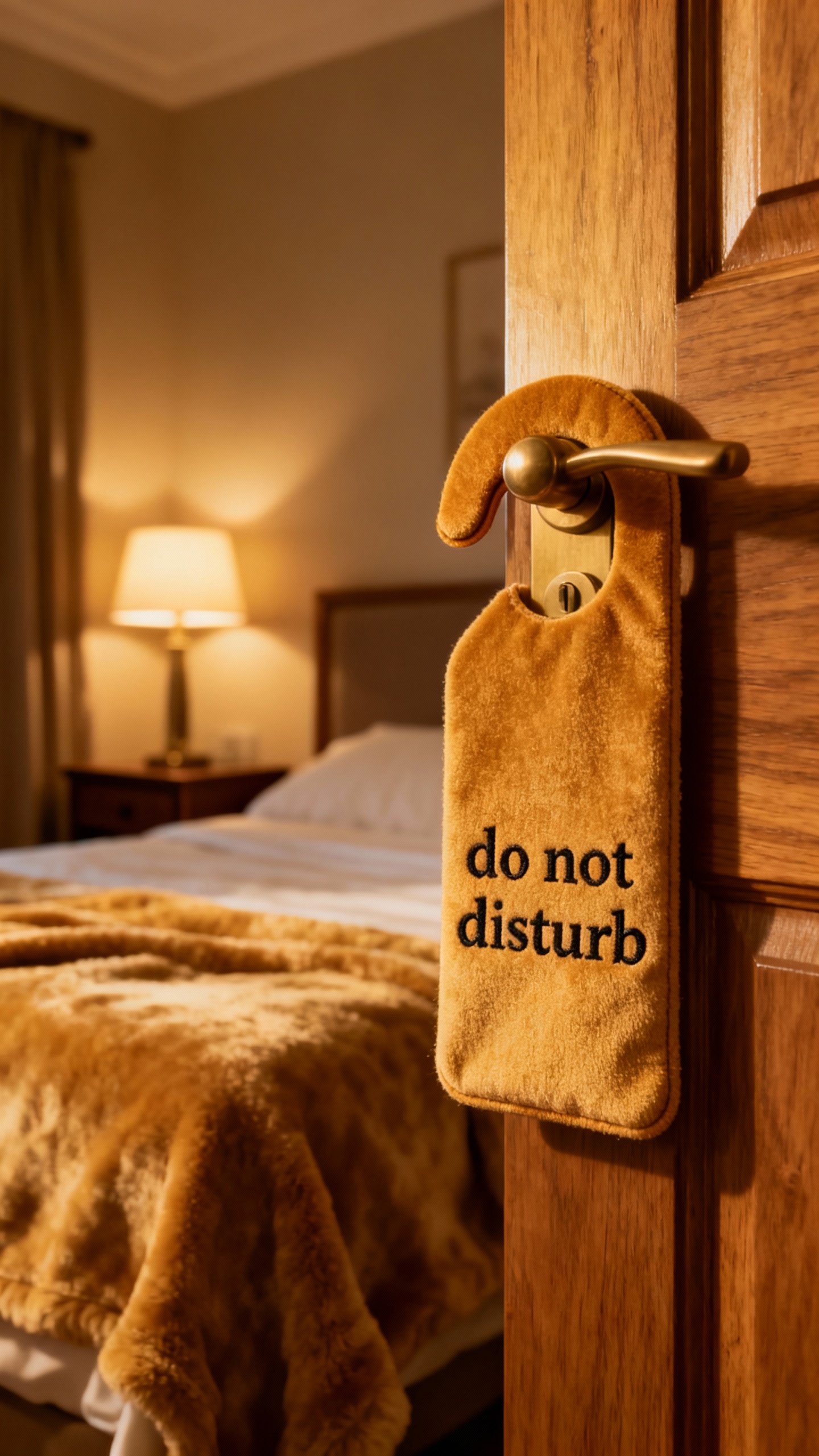
We don’t earn rest—we require it. Your rest theme should make sleep, stillness, and downtime look ridiculously appealing.
What to include:
- Cozy textures: blankets, tea, hammocks, dim lamps, clouds
- Key phrases: “Unscheduled time,” “Slow mornings,” “Rest is productive”
- Sleep rituals: a winding-down clock, phone in a drawer, a journal on a nightstand
Build a “Rest Menu” right on the board
- 10-minute options: legs-up-the-wall pose, breathwork, silent tea
- 30-minute options: nap, nature walk, guided meditation
- 90-minute options: digital-free evening, bath + book, early bedtime
FYI: Rest that you plan works better than accidental doom-scrolling.
Theme 3: Inner Peace as a Daily Practice
Inner peace doesn’t arrive from nowhere; you cultivate it. Think of this theme as your toolkit for calm during chaos.
What to include:
- Visuals of serene landscapes, soft water, wide horizons
- Mantras: “I choose ease,” “One thing at a time,” “I am safe here”
- Icons for practices: meditation cushion, journal, prayer beads, incense, nature trails
Anchor habits to places on your board
- Top right: morning calm—breathwork and sunlight
- Center: mid-day reset—one minute of silence before switching tasks
- Bottom right: evening wind-down—journaling, gratitude, screen-off
When your eye lands on each quadrant, your brain remembers the habit. That’s low-key neuroscience helping your peace.
Theme 4: Energy Protection and Emotional Hygiene
Think of this as spiritual SPF. You can’t control everyone’s energy, but you can filter what reaches you.
What to include:
- Boundary imagery: bubbles, shields, light halos, roots in the earth
- Prompts: “Whose feeling is this?” “Return to sender, with care”
- Ritual cues: salt baths, grounding walks, clutter clearing
Quick reset practices to visualize
- Three-box breathing: in-3, hold-3, out-3
- Shake-off minute: literally shake your limbs to release stress
- Doorway reset: every time you pass a doorway, unclench your jaw
If it sounds simple, good. Your nervous system likes simple.
Theme 5: Relationships That Respect Your Capacity

Your peace thrives around people who get it. Curate this theme to remind yourself what healthy connection looks like.
What to include:
- Images of supportive friendships, slow dinners, shared laughter
- Affirmations: “I deserve reciprocal energy,” “I choose mutual effort”
- Visual filters: green flags you want, red flags you refuse
Green flags list (add as a small card)
- They respect “no” without a debate.
- They text “got home safe” without you asking.
- They don’t punish you for resting.
Keep this section near your boundary visuals. Both reinforce each other, like besties who actually listen.
Theme 6: Time, Tech, and Space That Support You
Your environment either drains you or nourishes you. Let your board nudge practical upgrades.
What to include:
- Phone-free zones symbolized by baskets or airplane mode icons
- Clean, calm corners: a reading chair, a tidy desk, sunlight
- Calendars with white space, color-coded blocks, and buffer time
Tiny tweaks that make a big difference:
- Set “focus” mode schedules on your phone and mirror them on the board.
- Put a physical book image by your bed image—habit stack reading with bedtime.
- Add a 15-minute “transition buffer” tag between commitments.
IMO, one well-placed basket for devices can resurrect your attention span.
How to Build and Use Your Board (Without Overthinking It)
You don’t need fancy tools. You need clarity and consistency.
Supplies:
- Poster board or cork board, magazines or printed images, glue or pins
- Markers, washi tape, sticky notes for scripts and menus
- Optional: a small envelope or clip for evolving intentions
Layout tips:
- Place your top priority theme dead center. If rest is urgent, put it there.
- Cluster related items so your brain connects them.
- Leave white space. Your nervous system needs breathing room too.
Daily ritual (2 minutes):
- Look at the board each morning and choose one boundary, one rest action, one peace practice.
- At night, glance again and celebrate one thing you honored. Small wins build momentum.
Digital option
Use Canva, Notion, or your phone wallpaper. Create sections as screens you swipe through. Set it as your lock screen for constant reminders. Low effort, high payoff.
Make It Real: From Vision to Action
A beautiful board means nothing if your calendar ignores it. Convert visuals into habits and micro-policies.
Turn images into actions:
- Headphones image = “I schedule two focus blocks daily.”
- Sunset image = “I log off at 6 p.m. three nights a week.”
- Tea image = “I take a 10-minute afternoon reset.”
Turn phrases into boundaries:
- “No rush replies” = Email auto-response with response windows.
- “Off on Sundays” = Auto-scheduled Do Not Disturb every weekend.
- “One thing at a time” = Task batching + no multi-tab chaos during deep work.
Track your shifts weekly. Adjust your board as your needs evolve. You’re not chiseling a tombstone; you’re designing a living practice.
FAQ
Do I need a physical board, or can I go fully digital?
Either works. Physical boards add tactile engagement and daily visibility. Digital boards travel with you and update easily. Pick the format you’ll actually look at, not the one that seems trendier.
What if I’m not “artsy”?
Good news: neatness doesn’t manifest peace—consistency does. Keep it simple with clean images, bold words, and sticky notes. The point is clarity, not craft perfection.
How often should I update my vision board?
Check monthly, tweak quarterly. Add or remove images as your capacity and priorities shift. New season, new you—but keep core commitments stable so they stick.
Can a vision board really help with boundaries?
Yes. Seeing boundary scripts and symbols daily primes your brain to use them under pressure. You train your nervous system to expect and protect your needs. Repetition turns intention into reflex.
What if I feel guilty resting?
Put that guilt on the board, then counter it with truth: “Rest fuels everything.” Add proof visuals—athletes recovering, gardens lying fallow, sunsets that don’t apologize. Rest isn’t lazy; it’s maintenance.
How do I involve my family or roommates?
Share your board and your new “house policies.” Put simple visuals in shared spaces: phone basket, quiet hours, Sunday slow mornings. Boundaries work best when everyone knows the plan.
Wrap-Up: Your Peace, Your Rules
A self care vision board doesn’t magically fix your life. It keeps your best self front and center so your choices get easier. Build themes that protect your time, honor your body, and quiet your mind. Then follow those visuals like a compass—one sturdy boundary, one real rest, one peaceful breath at a time.