Walking into a Moroccan-inspired room is like stepping into a jewel box where every surface tells a story. The rich patterns, saturated colors, and intricate details create spaces that feel alive and deeply personal. If your home currently looks like it belongs in a beige hospital waiting room, Moroccan decor might be exactly the visual feast you need. Let’s dive into how you can transform your space into something that actually has a pulse.
The Magic of Moroccan Color Palettes
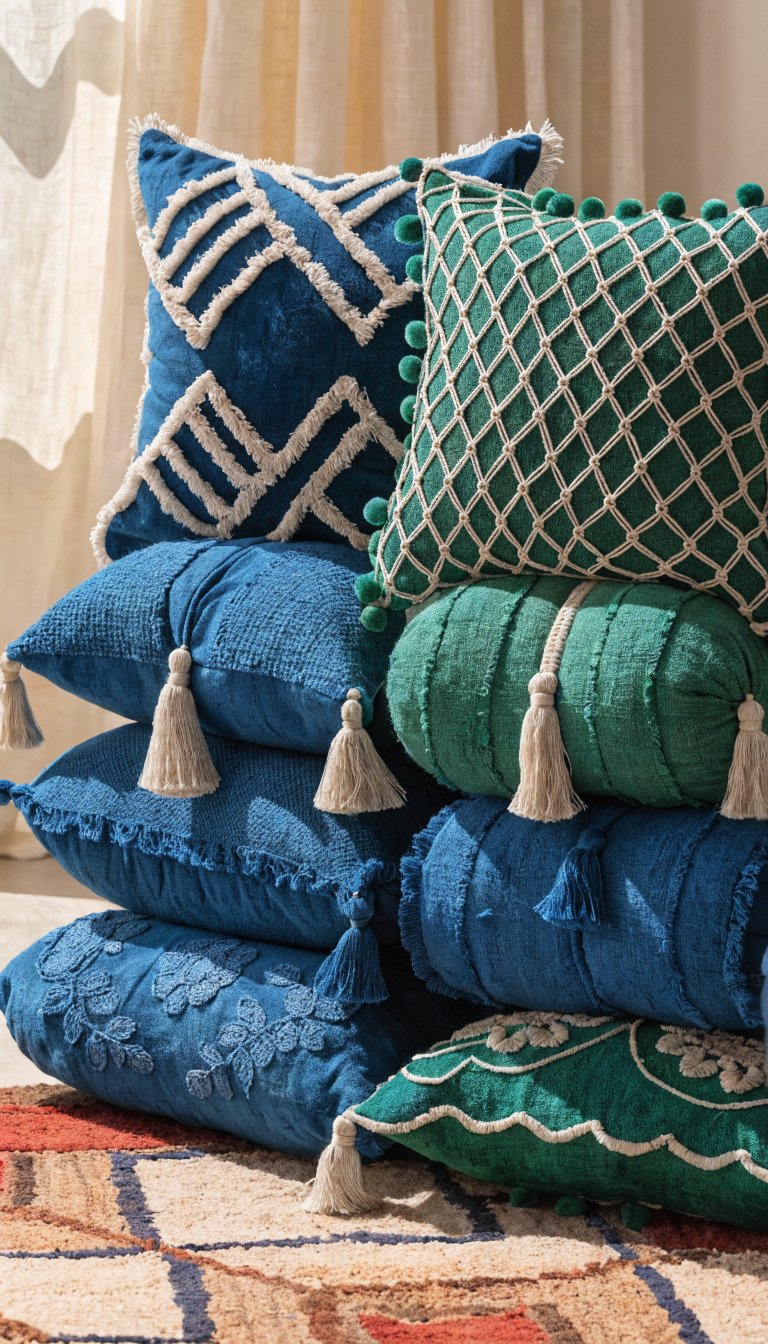
Moroccan design doesn’t whisper—it announces itself with bold, confident color choices that would make minimalists break out in hives. Think deep jewel tones like sapphire blue, emerald green, and ruby red paired with warm earth tones like terracotta, burnt orange, and golden yellow.
The secret sauce? Layering these colors without making your room look like a crayon factory exploded. Start with neutral walls in warm whites or soft terracottas, then bring in the drama through textiles, accessories, and accent pieces. This gives you flexibility to go bold without commitment issues.
Don’t be scared of mixing colors that traditional design rules tell you to avoid. Fuchsia pink next to orange? Absolutely. Teal blue with purple accents? Why not! Moroccan design laughs in the face of Western color theory, and honestly, the results speak for themselves.
Tile Work That Makes Your Heart Sing
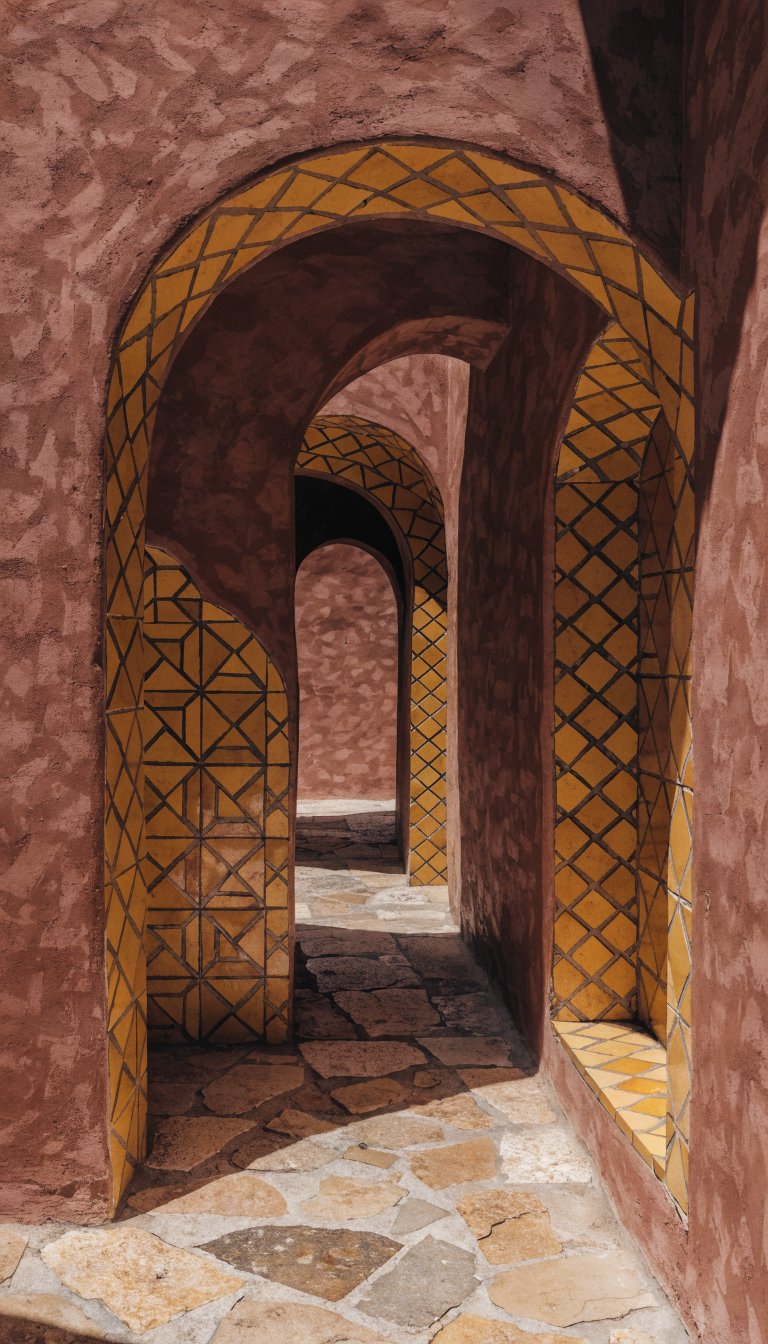
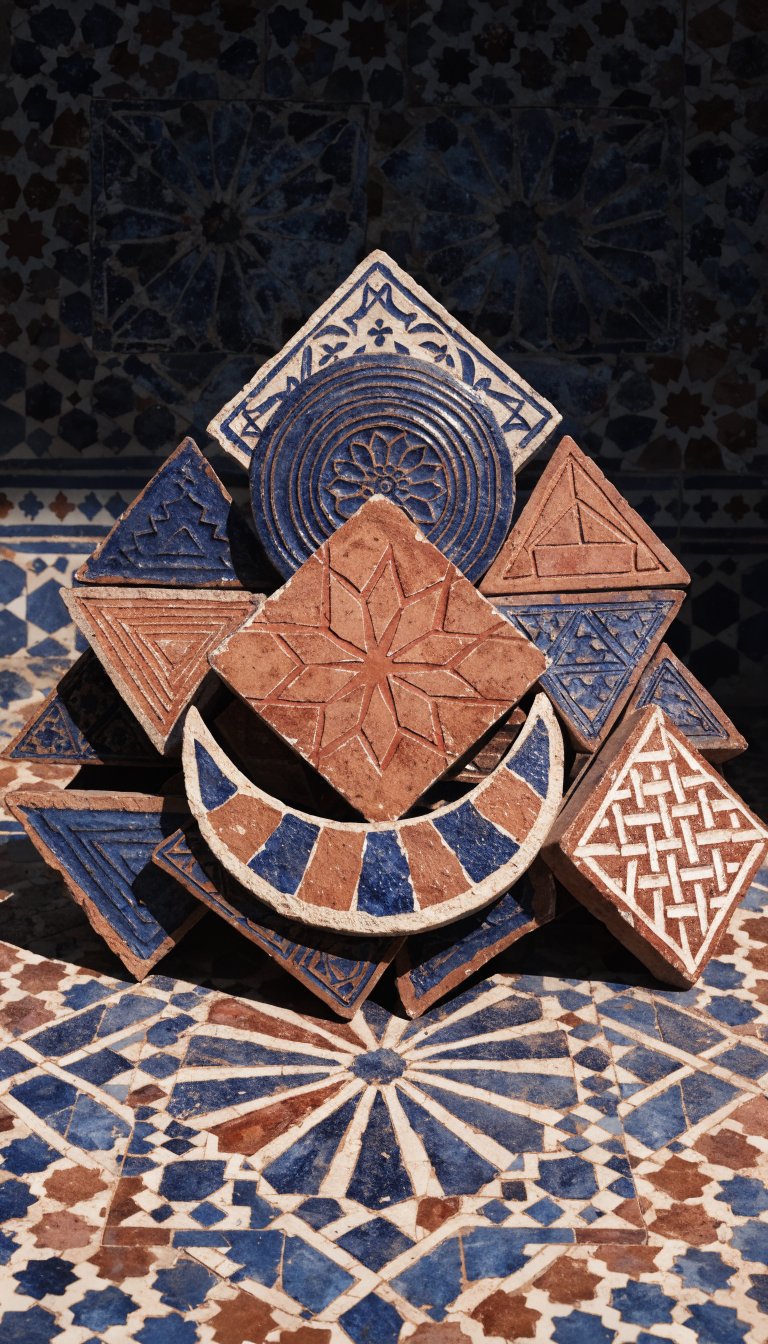
Moroccan zellige tiles are basically functional art, and they’re probably the most recognizable element of this design style. These hand-cut geometric tiles create mesmerizing patterns that draw your eye and refuse to let go.
You don’t need to tile an entire room to get the effect. A zellige tile backsplash in your kitchen or a tiled fountain in your entryway creates an instant focal point. Even a small tiled side table can transport your space to Marrakech faster than you can book a plane ticket.
Where to Use Moroccan Tiles Without Going Broke
Let’s be real—authentic handmade Moroccan tiles cost serious money. Strategic placement is your friend here. Focus on high-impact areas like bathroom floors, kitchen backsplashes, or a statement wall in your entryway. You can also find gorgeous tile-inspired wallpaper or decals that give you the look without the four-figure price tag.
Textiles: Layer Like Your Life Depends On It
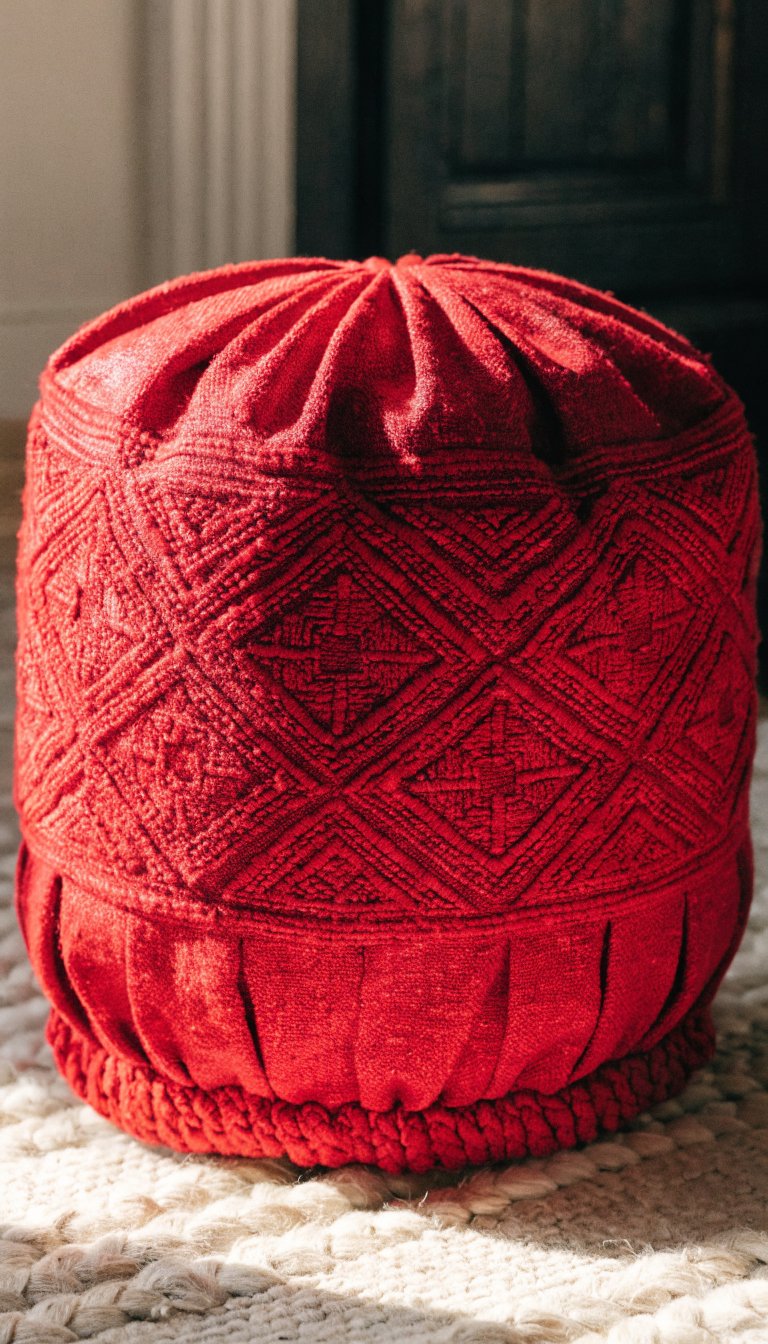
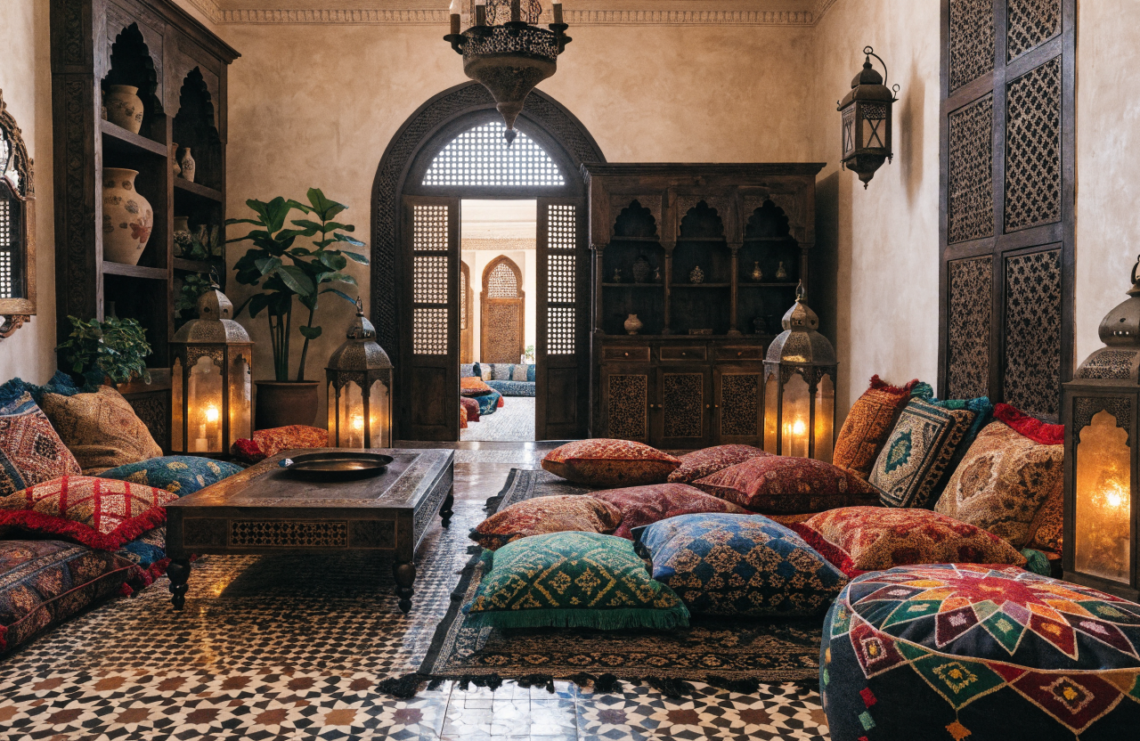
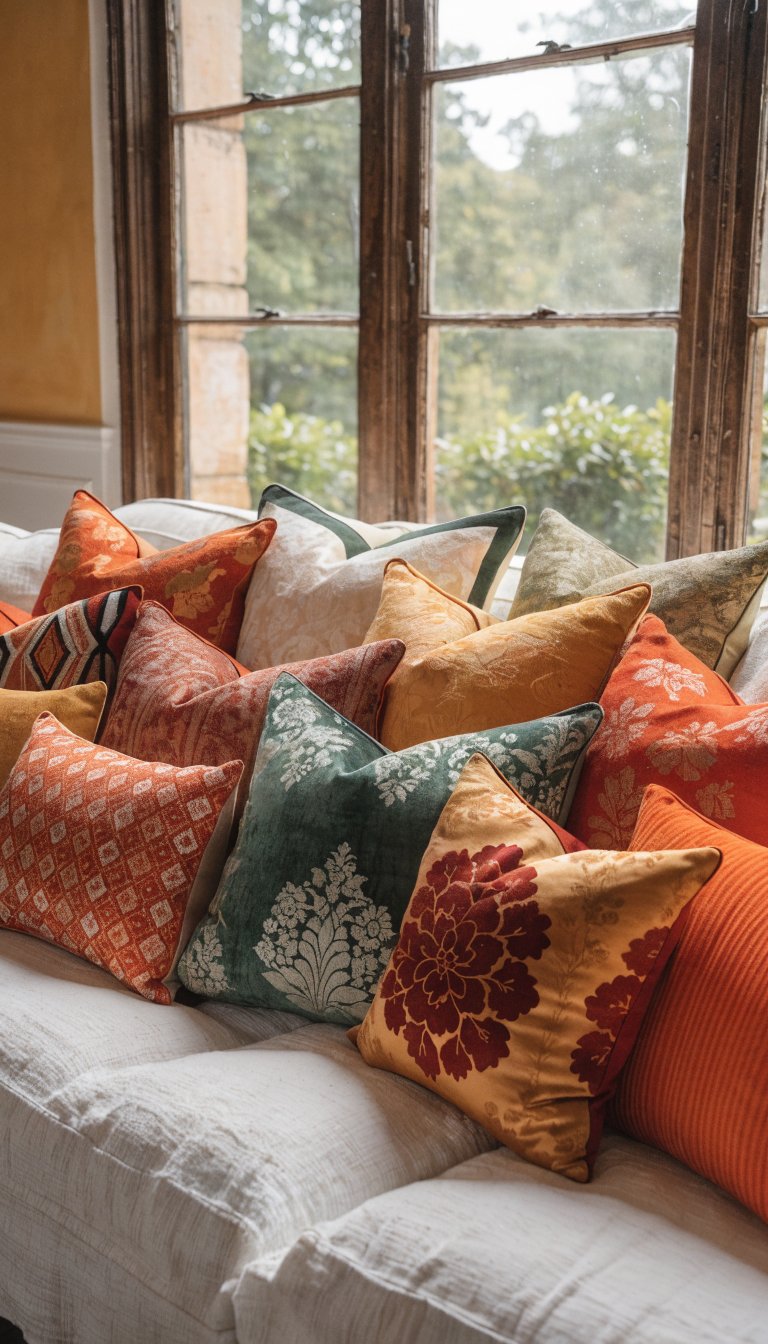
If Moroccan design had a motto, it would be “more is more” when it comes to textiles. We’re talking rugs on rugs, pillows upon pillows, and throws draped over everything that doesn’t move.
Start with a traditional Beni Ourain rug or a colorful Berber rug as your foundation. These handwoven beauties add texture and warmth while grounding your space. Then pile on embroidered pillows, silk cushions, and woven poufs until your seating area looks like the coziest spot on earth.
Don’t match everything perfectly—that’s not the vibe. Mix patterns, textures, and colors with abandon. Geometric patterns next to florals? Check. Velvet next to rough-hewn cotton? Absolutely. The slightly chaotic layering creates visual interest that keeps spaces from feeling stale.
The Pouf Situation
Moroccan leather poufs deserve their own moment because they’re ridiculously versatile. Use them as footstools, extra seating, or side tables. Authentic leather poufs develop a gorgeous patina over time, but you can find budget-friendly versions in every material imaginable. Just scatter a few around your living room and watch how they instantly make the space feel more casual and inviting.
Lighting That Creates Atmosphere
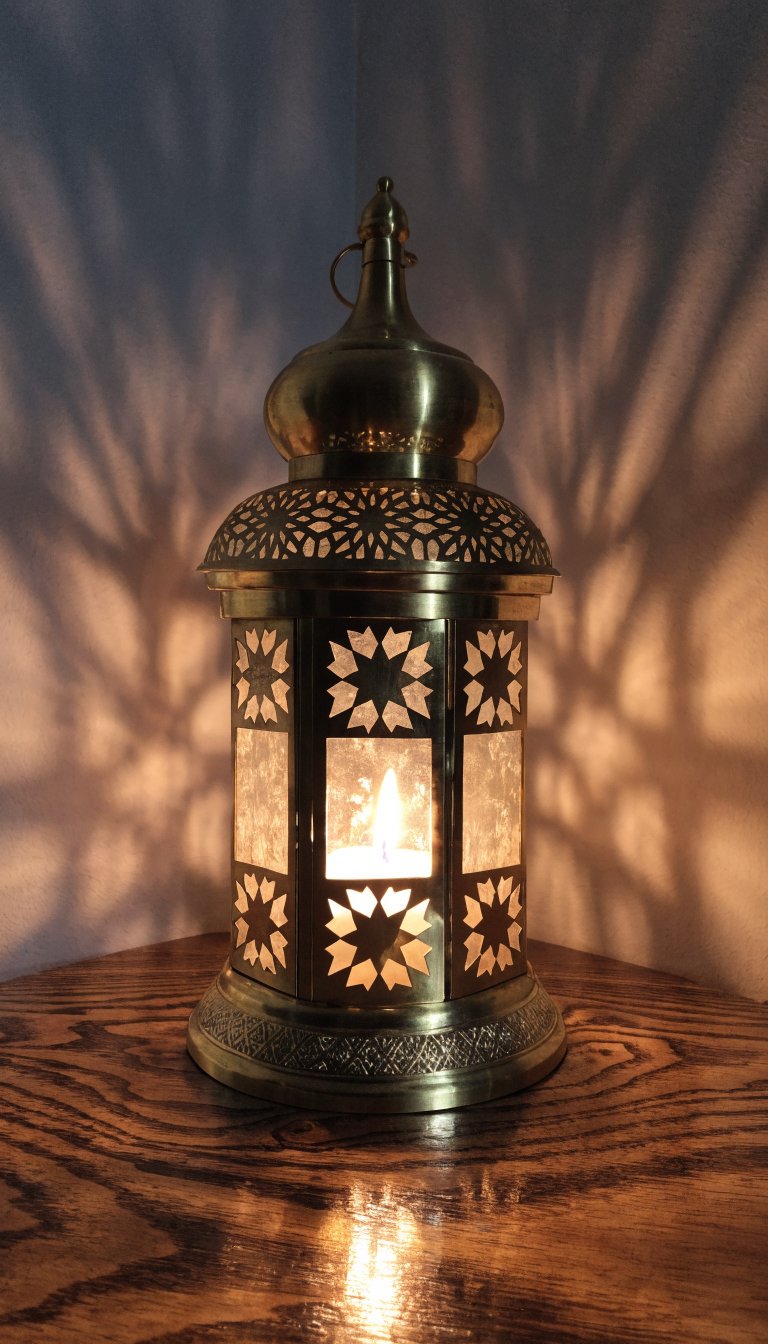
Moroccan lanterns cast the most gorgeous shadows and create ambiance that regular lamps could never. These pierced metal or colored glass fixtures turn your ceiling and walls into an art installation when you flip the switch.
Hang a large brass pendant lantern over your dining table for drama, or cluster smaller lanterns at varying heights in a corner. You can also place them on surfaces with candles inside for a more traditional vibe (just watch those curtains, folks).
The beauty of Moroccan lighting is how it transforms from day to night. During the day, the lanterns themselves are sculptural objects. At night, they come alive with intricate light patterns that make your space feel magical.
Architectural Elements and Arches
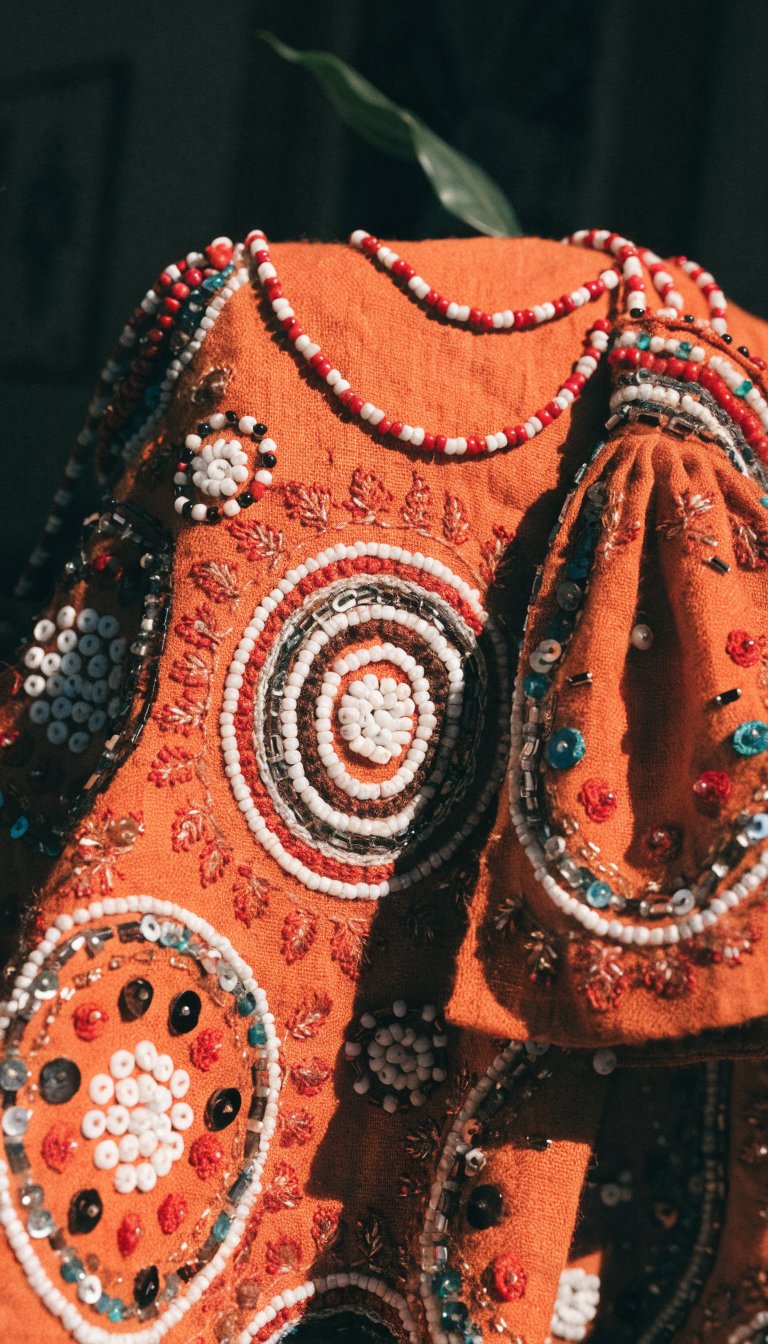
Those iconic Moroccan keyhole arches and intricate plasterwork might seem impossible to recreate, but hear me out. You can fake architectural interest in ways that still feel authentic to the style.
Consider adding an arched mirror to echo Moroccan doorways, or install decorative trim around doorways to create depth. Carved wood screens (called mashrabiya) work as room dividers or decorative wall hangings. Even something as simple as a carved wooden headboard brings in those architectural vibes without actually knocking down walls.
Wood Carving Details
Moroccan artisans are masters at intricate wood carving, and you can bring this element into your space through furniture and accessories. Look for carved side tables, ornate mirror frames, or decorative wall panels. The detailed geometric or floral patterns add visual texture that makes spaces feel considered and collected rather than quickly assembled from a big-box store.
Metalwork and Trays Galore
Hammered brass, copper, and silver pieces are essential to nailing the Moroccan aesthetic. These metals catch and reflect light in ways that add warmth and luxury to any room.
Moroccan tea trays are probably the easiest gateway piece—they’re functional, gorgeous, and instantly elevate your coffee table game. Use them for actual serving, or prop them up as decorative elements. Brass mirrors, copper planters, and metal side tables all work double duty as functional pieces and eye candy.
FYI, you don’t need to polish these pieces to perfection. The tarnished, aged look actually adds to the authentic vintage vibe. Let that patina develop naturally and embrace the imperfection.
Bringing It All Together Without Visual Chaos
Here’s where people usually panic—how do you combine all these bold elements without creating a space that gives everyone a headache? The trick is intentional balance and knowing when to exercise restraint (yes, really).
Choose one or two areas to go bold and keep other spaces more subdued. If you’ve got a wild zellige tile wall, maybe calm down the textiles a bit. If you’re doing maximum pattern mixing with your fabrics, keep your walls simple. Think of it like seasoning food—you want layers of flavor without overwhelming the palate.
Create visual breathing room by grouping similar items together and leaving some surfaces relatively clear. Not every corner needs an ornate lantern and a carved wooden table. Strategic empty space makes your Moroccan pieces stand out rather than blend into visual noise.
Frequently Asked Questions
Can I mix Moroccan decor with other styles?
Absolutely! Moroccan elements play surprisingly well with bohemian, Mediterranean, and even modern minimalist styles. The key is using Moroccan pieces as accent elements rather than going full souk in every room. A Moroccan rug in a Scandinavian-inspired living room? Chef’s kiss. Brass lanterns in a contemporary bathroom? Gorgeous. Just maintain some cohesion in your color palette and don’t force pieces that fight each other.
Is Moroccan decor expensive to pull off?
It can be, but it doesn’t have to be. Authentic handmade pieces from Morocco will cost you, but you can find beautiful alternatives at various price points. Hit up import stores, online marketplaces, or even vintage shops for budget-friendly options. IMO, it’s better to invest in one or two authentic statement pieces and fill in around them with affordable finds rather than buying cheap versions of everything.
How do I avoid making my space look like a theme restaurant?
Great question! The difference between “beautifully Moroccan-inspired” and “tourist trap” comes down to editing and authenticity. Avoid buying matched sets of everything—real Moroccan homes evolved over time with collected pieces. Mix your Moroccan elements with personal items, family photos, and pieces from other cultures. Also, skip the overtly touristy stuff like camel figurines unless they genuinely speak to you.
What’s the easiest way to start incorporating Moroccan style?
Start small with textiles and accessories. A Moroccan rug or a collection of pillows requires zero commitment and can transform a space quickly. Add a lantern or two, maybe a poufs, and see how you feel. You can always build from there with larger furniture pieces or architectural elements once you’ve found your groove. This approach also lets you test the style without dropping your entire paycheck.
Do I need to commit to the style in every room?
Not at all! In fact, I’d argue against going full Moroccan in every single space unless you’re absolutely obsessed with the style. Moroccan decor works beautifully as an accent style in specific rooms or areas. Maybe your living room gets the full treatment while your bedroom stays more subdued. Or perhaps you create one stunning Moroccan-inspired powder room that feels like a little escape. There’s no rule saying your entire house needs to match.
How do I keep Moroccan decor from feeling dark or heavy?
This is a valid concern since Moroccan spaces can skew moody. Combat heaviness by maximizing natural light, using mirrors strategically to bounce light around, and balancing darker colors with plenty of whites and lighter neutrals. Choose lighter-colored tiles, incorporate white or cream textiles, and make sure your lighting is adequate. You can absolutely achieve “bright and airy Moroccan” if that’s your vibe—just be intentional about your color choices and light sources.
Conclusion
Moroccan decor offers an antidote to the bland, cookie-cutter spaces that dominate so much of contemporary design. It invites you to be bold, to layer with intention, and to create rooms that feel collected and meaningful rather than ordered from a catalog. You don’t need to transform your home into a perfect Moroccan riad to capture the magic—even a few carefully chosen elements can inject serious personality and warmth into your space. Start with what speaks to you, trust your instincts, and don’t be afraid to mix, layer, and experiment until you land on something that feels authentically yours.