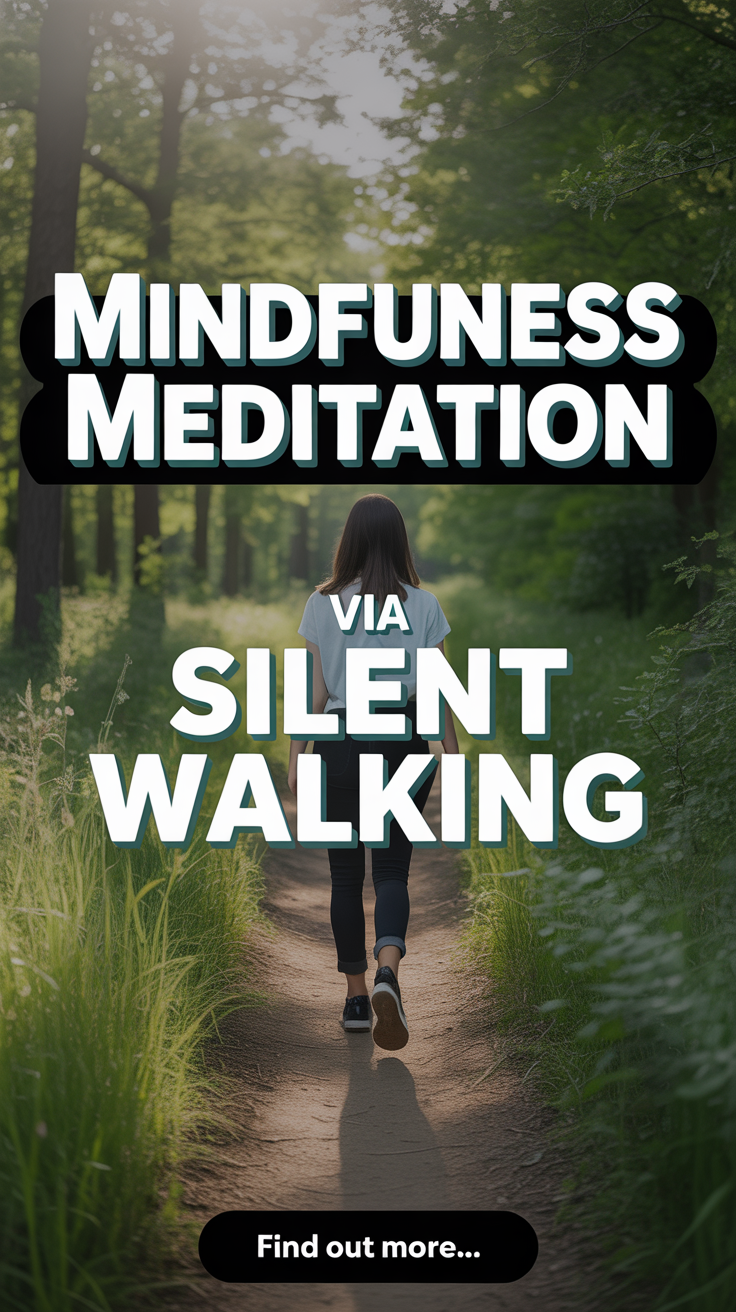
You don’t need a yoga mat, whale sounds, or a Himalayan retreat to feel calmer. You just need your feet, a place to walk, and a tiny slice of attention. Walking meditation takes your ordinary stroll and turns it into a mini love letter to the present moment.
The best part? You’ll discover small, delightful things you usually bulldoze right past.
Why Walking Meditation Feels Like a Reset Button

You know that foggy autopilot mode? Walking meditation snaps you out of it.
When you slow down and actually notice what your senses pick up, your mind stops sprinting in circles. You shift from living in your head to living in your body, which feels oddly refreshing—like clearing 47 open tabs in your brain. Pro tip: You don’t need to walk slowly like a snail. Keep it natural.
Just walk with awareness and intention.
The Pace: Finding Your Natural Rhythm
Your “right” pace is the one that lets you notice without wobbling into traffic. If you rush, you drift into planning mode. If you crawl, you overthink every toe wiggle.
Aim for relaxed, steady, and grounded.
How to Set Your Rhythm
- Count your steps with your breath: Try four steps in, four steps out. Adjust to what feels smooth.
- Drop your shoulders: Tension loves to creep into the neck. Shrug, release, keep walking.
- Relax your gaze: Soften your focus and see the whole scene, not just your phone screen.

Simple Joy #1: Foot-to-Ground Magic
You’ll feel your heel kiss the ground, your toes splay out, your foot roll forward.
That’s a lot of sensation for something you do automatically. It’s grounding—literally. Notice this: The texture changes. Asphalt, grass, tile, gravel—each one offers a tiny new world underfoot.
It’s oddly satisfying.
A Mini Practice
- Pick a 10–20 step path.
- Walk it back and forth, paying attention to the contact of your feet with the earth.
- When your mind wanders (and it will), gently return to the next step. No scolding. You’re not a bad meditator; you’re human.
Simple Joy #2: Your Breath as a Friendly Metronome
Your breath keeps time without asking for attention, but when you listen, it becomes surprisingly comforting.
The cool inhale, the warm exhale—tiny details that remind you you’re alive and doing just fine. IMO: Breath awareness turns a basic walk into a moving hug for your nervous system.
Breath Variations to Try
- Box rhythm: Four steps inhale, two steps pause, four steps exhale, two steps pause. Keep it gentle; no breath-holding Olympics.
- Exhale focus: Longer exhales can calm jitters. Try four steps in, six out.
- Sigh resets: Add an occasional soft sigh out.
Instant ease.

Simple Joy #3: Ambient Sound as a Playlist You Didn’t Curate
Once you tune in, the world produces a surprisingly rich soundtrack. Wind through leaves. A cyclist’s chain.
Distant laughter. Footsteps matching your breath. You didn’t need Spotify after all. Try this mindfulness game: Label sounds quickly and lightly—“bird,” “car,” “voice,” “breeze”—then let them go.
No story. No judgments. Just tags.
When Sounds Annoy You
Let’s be honest: some sounds grate.
Construction. Honking. The universe testing your patience.
Acknowledge the irritation—“annoyance, noted”—and guide your attention back to your steps or breath. You’re not failing. You’re training.
Simple Joy #4: Color Pops and Micro-Scenes
Look around without hunting for anything special.
Your eyes will start catching the small stuff: a neon leaf against gray pavement, a door with peeling turquoise paint, sunlight stitching gold along a curb. These details feel like Easter eggs for the observant. FYI: You don’t need to stare at a tree like you’re trying to read its aura. A relaxed, soft gaze works wonders.
Micro-Scenes to Notice
- Light and shadow: Watch how shadows drift as clouds move.
- Patterns: Brick lines, fence rails, shoe prints.
- Motion: Leaves trembling, a flag flicking, your jacket swaying with each step.
Simple Joy #5: The Quiet Pride of Showing Up
You didn’t climb a mountain.
You just walked, on purpose, and paid attention. That counts. You kept a promise to yourself for five or ten minutes, and that builds a small, sturdy kind of confidence. Celebrate it: At the end, pause and acknowledge: “I did that.” No fireworks needed.
Turning Your Walk Into a Two-Minute Ritual
You can layer a tiny ritual onto your daily strolls.
Routines make mindfulness stick without feeling like a chore. Think of it as a little signature move.
A Simple Ritual Template
- Start with intent: One sentence, out loud or in your head. “I’m walking to reset.”
- Anchor in: Two slow breaths, feel your feet.
- Pick a focus: Feet, breath, or sound. Rotate if you get bored.
IMO, boredom just means you’re ready to notice more.
- Close with gratitude: “Thanks, legs.” Yes, you can thank your legs. They’ve been carrying you since forever.
What If Your Brain Won’t Chill?
Brains think. That’s their full-time gig.
During walking meditation, they just do it loudly. When thoughts come up—plans, memories, grocery lists—label them “thinking,” then return to your anchor. You’re not chasing emptiness; you’re practicing returning. Small hack: If worries feel sticky, count five blue things or five round shapes you can see.
Quick reset, zero drama.
Bring Joy to Different Environments
Walking meditation works anywhere. Each place offers its own little joys.
- City blocks: Rhythm of steps, storefront reflections, crosswalk choreography. The city hum becomes your companion.
- Parks and trails: Bird chatter, leaf crunch, uneven ground that keeps you awake and present.
- Indoors: Hallways count.
Around your kitchen counts. Balcony laps count. Mindfulness doesn’t require scenery; it requires attention.
Safety First, Zen Second
Yes, even meditators need street smarts.
Keep your eyes up at intersections. Ditch the noise-canceling headphones if you’re near traffic. Joy feels better when you stay in one piece.
Make It Stick: Tiny Habit Ideas
Consistency beats intensity.
Aim for small, repeatable wins.
- Anchor to a cue: Every time you step outside, take 10 mindful steps before checking your phone.
- Use a time window: Two minutes after lunch. That’s it. Set a reminder if needed.
- Track it lightly: A checkmark on a calendar.
Don’t gamify your soul, but a little streak feels good.
FAQ
How long should a walking meditation last?
Start with 3–5 minutes. That’s enough to shift your state without feeling like homework. If it feels good, stretch to 10–20 minutes.
Consistency matters more than the clock.
Do I need a quiet place?
Nope. Quiet helps, but it isn’t required. You can practice on a busy sidewalk—just use what’s available: footsteps, traffic, snippets of conversation.
The noise becomes part of the meditation, not a problem to solve.
What if I get bored?
Boredom signals you’re ready to notice more. Switch anchors—move from feet to breath to sound. Or try curiosity mode: “What’s one thing I haven’t noticed yet?” Spoiler: there’s always another detail.
Can I use music or a guide?
Sure, if it helps you start.
But try a few sessions without anything in your ears. Natural sound adds texture and helps you stay present. If you use a guide, pick short, spacious prompts, not a constant monologue.
Is this exercise or meditation?
Both, potentially.
You’ll move your body and calm your mind. If you want fitness, walk briskly and keep awareness on breath and stride. If you want deep calm, slow it down.
You can mix and match based on your day.
What should I do with my hands?
Whatever feels natural. Let them swing, hold them loosely behind your back, or lightly rest them in your pockets if it’s safe. The goal: relaxed, balanced, and no T-Rex arms unless that brings you joy.
Conclusion
Walking meditation turns an ordinary walk into a treasure hunt for simple joys—the press of your foot, the rhythm of your breath, a flash of color on a rainy day.
You don’t need extra time, gear, or mystical skills. You just need to show up, pay attention, and keep stepping. Start small, keep it playful, and let your everyday paths surprise you.