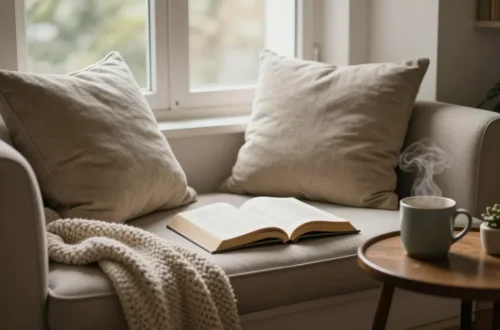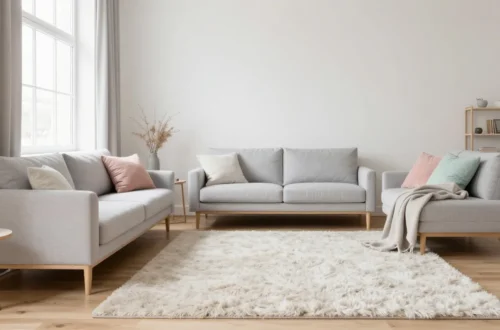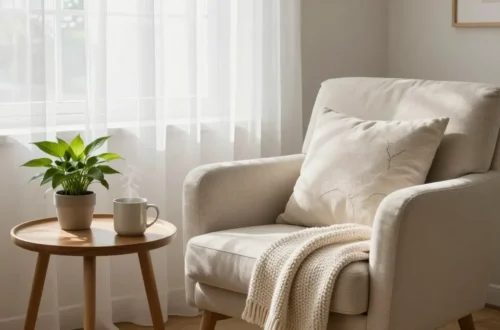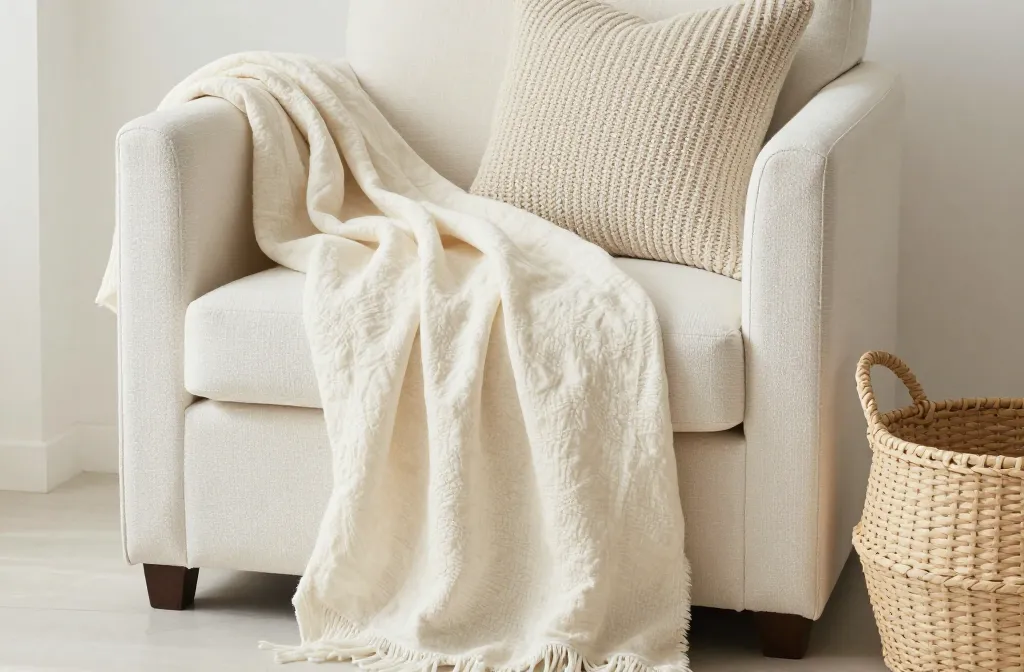
Feeling overwhelmed by the sheer *stuff* of daily life? Your home should be your sanctuary, not another source of visual noise. If you’re craving a space that whispers “relax” instead of shouting “look at me!”, then soft neutrals and inviting textures are your secret weapon. Forget sterile and boring; we’re talking about creating a cocoon of calm that feels both sophisticated and utterly comforting. Get ready to transform your home into a serene escape.
Why Neutrals Aren’t Boring (Unless You Make Them So)
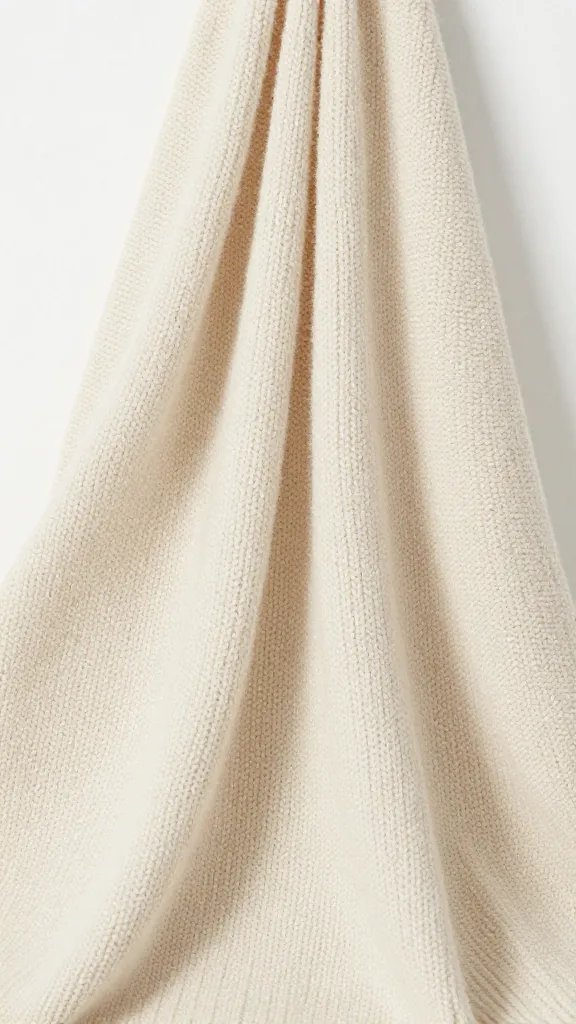
Let’s clear the air: “neutral” doesn’t mean “bland.” It means a foundation, a canvas, a sophisticated whisper rather than a shout. Think of it like your favorite little black dress – it’s classic, versatile, and lets your accessories (or in this case, your textures and subtle details) truly shine. Neutrals provide a sense of continuity and calm that bolder colors often disrupt.
They also make your space feel bigger and brighter, which is a total win, right? Plus, they’re incredibly forgiving. Spilled coffee on a beige rug? Much less noticeable than on a vibrant teal one, trust me. Neutrals are the unsung heroes of effortless elegance and practical living.
Defining “Soft Neutrals”
When I talk about soft neutrals, I’m not just talking about builder-grade beige. We’re diving into a beautiful spectrum of subtle hues.
* Warm Whites: Think creamy ivories, off-whites with a hint of yellow or peach undertone. They feel inviting and cozy.
* Greiges: The perfect blend of grey and beige, offering warmth without leaning too heavily into either camp. They’re incredibly versatile.
* Pale Earth Tones: Softest terracotta, muted sage green, dusty rose, or a whisper of sky blue. These are your “colored neutrals” that add depth without demanding attention.
* Oatmeal & Linen: These are more textural descriptions but imply colors that are naturally derived and incredibly soothing.
The key is to choose colors that have a slightly muted, desaturated quality. They should feel like they’ve been kissed by the sun and softened over time.
The Magic of Texture: Your New Best Friend
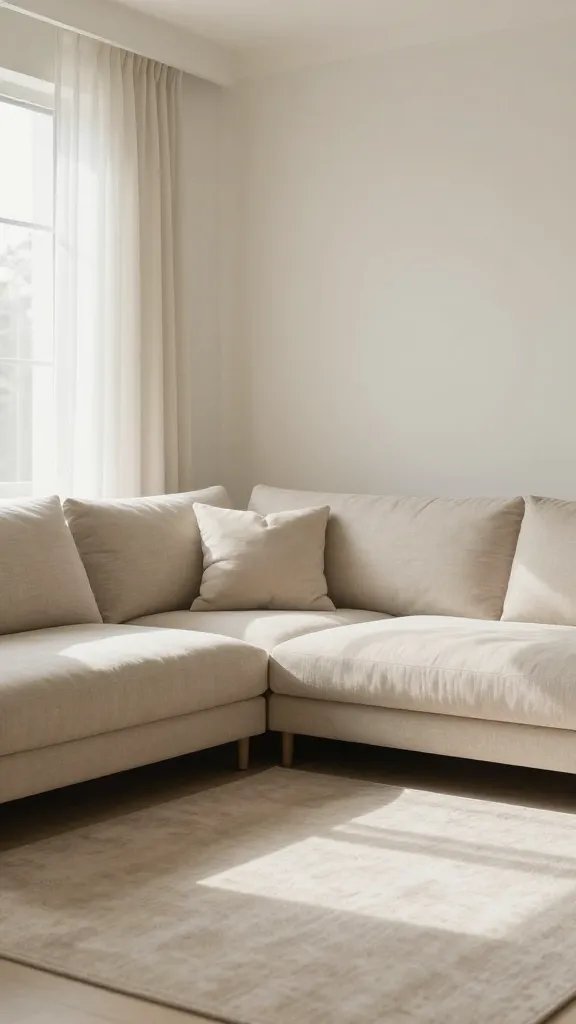
This is where the transformation truly happens. Neutrals alone can indeed fall flat, but introduce texture, and suddenly your room hums with interest and depth. Texture is the secret sauce that makes a monochromatic palette sing. It’s how you add visual weight and tactile appeal without adding more *color*.
Think about it: how boring would a room be if everything was smooth and shiny? Yawn. Texture invites you to touch, to linger, to feel truly at home. It’s the difference between a flat photograph and a 3D experience.
Textile Powerhouses
Your fabrics are your biggest opportunity to layer in delicious textures. Don’t be shy here!
* Linen: Crinkly, breathable, and effortlessly chic. Think linen curtains, sofa covers, or throw pillows.
* Wool & Cashmere: For ultimate coziness. Chunky knit throws, soft blankets, or a luxurious rug underfoot.
* Cotton & Bouclé: A classic for a reason. Bouclé, with its looped, nubby texture, is having a major moment and adds fantastic visual interest.
* Velvet: A touch of sophisticated sheen and incredible softness. Use it sparingly for an accent pillow or an ottoman.
Hard vs. Soft Textures
It’s not just about fabrics! Consider the interplay of different surfaces throughout your space.
* Rough Wood: Think reclaimed wood beams, a live-edge coffee table, or a chunky wooden sculpture.
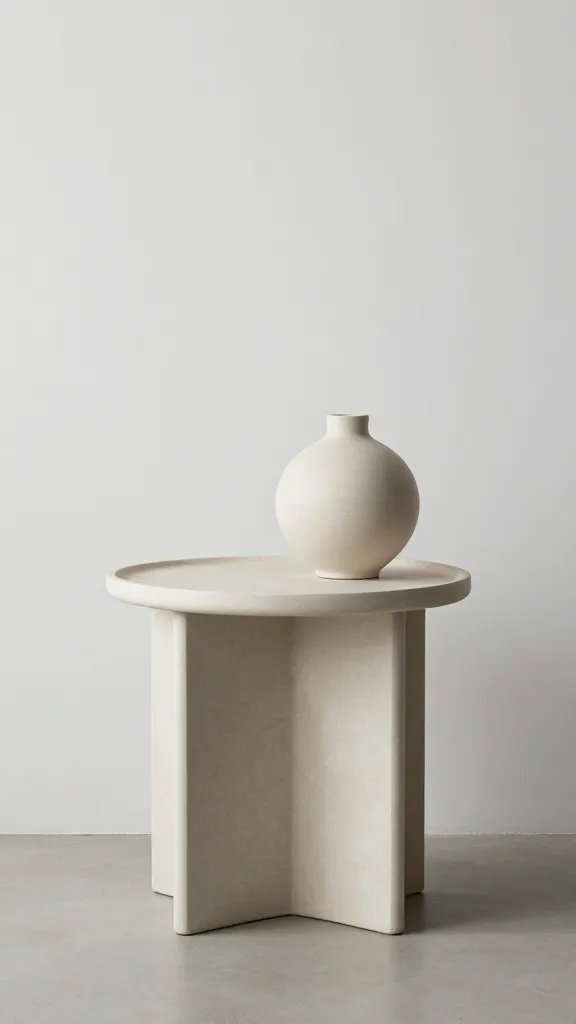
* Smooth Stone/Concrete: A polished concrete floor, a marble countertop, or a ceramic vase.
* Woven Rattan/Jute: Baskets, rugs, or a decorative chair. These add an organic, earthy feel.
* Metallic Accents: A brushed brass lamp, a matte black picture frame, or a subtle silver tray. These provide a touch of gleam without being flashy.
The contrast between these different textures is what creates a dynamic, layered look. A smooth ceramic vase next to a chunky knit throw? *Chef’s kiss.*
Layering Like a Pro: Building Depth and Interest
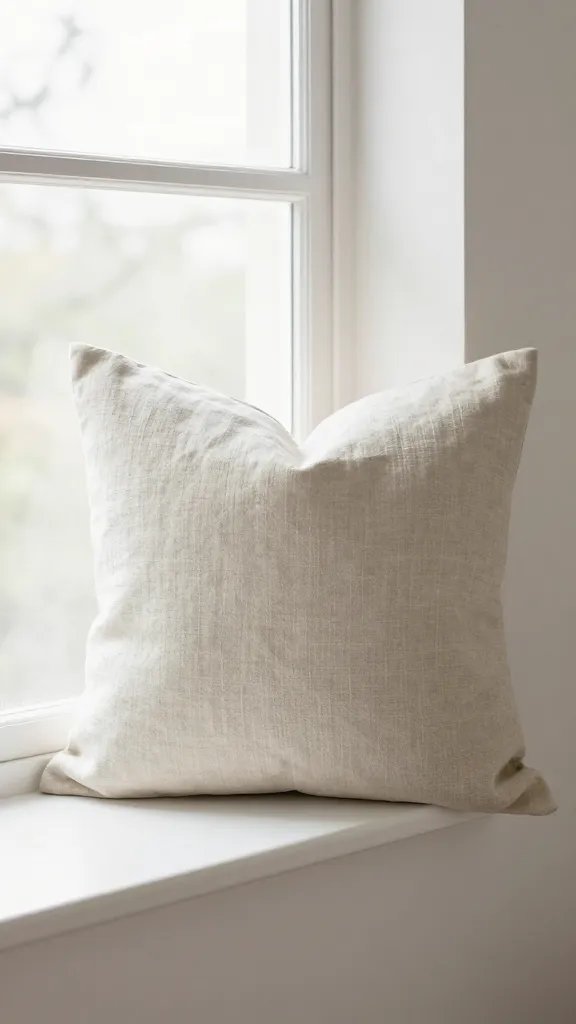
Okay, so you’ve got your soft neutrals and a mental catalog of textures. Now, how do you put it all together without looking like a beige blob? Layering, my friend, layering. This isn’t just for clothes; it’s essential for a serene, textured home.
Start with your largest pieces and work your way down. Think of it as building an outfit for your room. You wouldn’t just wear a shirt; you’d add a jacket, a scarf, maybe some jewelry. Your room deserves the same thoughtful attention.
- The Foundation: Start with a neutral wall color and a large anchor piece, like a sofa in a linen or cotton blend.
- The Rug: Introduce a rug with texture – a jute, wool, or a subtle pattern. This defines your space and adds warmth.
- Curtains: Go for floor-length linen or cotton drapes in a complementary neutral. They add softness and height.
- Accent Furniture: Bring in side tables or an ottoman in a different material – maybe a dark wood, a rattan, or even a subtle metallic.
- Throw Pillows & Blankets: This is where you go wild with texture! Mix and match. A chunky knit, a smooth velvet, a crinkly linen, a bouclé. Don’t match them perfectly; aim for cohesion through color.
- Decor & Accessories: Finish with ceramics, wooden bowls, metallic trays, and glass vases. These smaller items are perfect for introducing varied textures and subtle shine.
The key is to vary the scale and type of texture. Don’t put all your chunky knits in one corner. Distribute them strategically to create visual flow.
Bringing Nature Indoors: The Ultimate Calming Element
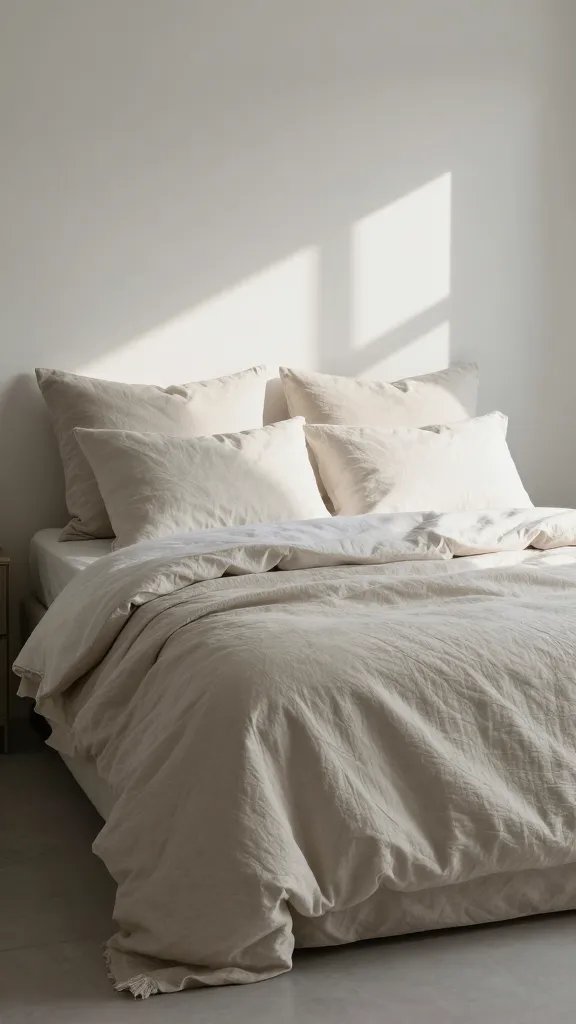
Nothing says “calm” quite like nature, does it? Integrating natural elements is a non-negotiable for a serene home. They introduce organic shapes, subtle colors, and living energy that instantly softens a space. Plus, they literally bring fresh air into your home. Win-win.
Greenery Galore
Plants are your friends. Seriously. They add life, purify the air, and introduce a pop of natural green that complements any neutral palette.
* Fiddle Leaf Fig: A classic for a reason, offering architectural height.
* Snake Plant: Super low maintenance, perfect for those with a less-than-green thumb.
* Pothos: Trails beautifully from shelves or hanging planters.
* Olive Tree: If you’re feeling fancy, an indoor olive tree adds Mediterranean charm.
Don’t forget the vessels! Opt for textured ceramic pots, woven baskets, or simple terracotta to enhance the natural vibe.
Organic Touches
Beyond living plants, incorporate other elements from the natural world.
* Wood: A beautiful wooden bowl, a stack of firewood (even if it’s just decorative), or a piece of driftwood.
* Stone: Smooth river stones in a decorative bowl, a small stone sculpture, or a rough-hewn coaster set.
* Shells & Coral: A tasteful arrangement of shells on a bookshelf or a piece of dried coral can evoke a coastal calm.
* Branches & Dried Flowers: A tall vase with dramatic branches or a simple arrangement of dried bunny tails or pampas grass adds softness and height.
Lighting: The Unsung Hero of Serenity
You can have the most beautifully textured, neutral room, but if the lighting is harsh, it all falls apart. Lighting sets the mood, people! It can make or break the calm vibe you’re trying to cultivate. Think soft, warm, and layered.
Avoid harsh overhead lights as your primary source. Instead, focus on creating pools of light that illuminate different areas of the room. This creates depth and a much more inviting atmosphere.
- Dimmers are Your BFF: Install dimmers on *all* your light fixtures. Seriously. This allows you to adjust the ambiance from bright and functional to soft and intimate in an instant.
- Layered Lighting: Combine different types of light sources.
- Ambient Light: A soft ceiling fixture or recessed lighting (on a dimmer!).
- Task Lighting: A reading lamp next to your favorite armchair.
- Accent Lighting: A lamp on a console table highlighting artwork, or a floor lamp tucked into a corner.
- Warm White Bulbs: Choose bulbs with a color temperature around 2700K-3000K. This emits a warm, inviting glow, unlike those harsh blue-white office lights.
- Textured Lampshades: Don’t overlook the lampshade! A linen, woven, or even a pleated shade diffuses light beautifully and adds another layer of texture.
FAQs: Your Burning Neutral Questions Answered
Won’t a neutral room feel boring or sterile?
Absolutely not, if you do it right! The trick is to lean heavily into texture, vary your shades of neutral, and incorporate natural elements. Think of a neutral room as a blank canvas; it gives you the freedom to play with interesting shapes, materials, and subtle pops of personality without feeling overwhelmed. A sterile room usually lacks warmth, which comes from those varied textures and natural touches.
How do I add personality or avoid a “beige box” look?
This is where your unique style comes in! Introduce personality through art, books, unique decor pieces you’ve collected, and yes, even subtle pops of color. A vibrant piece of abstract art, a collection of intriguing sculptures, or a stack of colorful coffee table books can all add character without disrupting the overall calm. Remember, “soft” doesn’t mean “devoid of life.”
What about kids and pets? Won’t light neutrals get dirty easily?
This is a valid concern, IMO. The good news is that many modern fabrics are incredibly durable and stain-resistant. Look for performance fabrics, indoor/outdoor rugs, and washable slipcovers. Also, strategically chosen patterns (even subtle ones) on rugs or upholstery can hide a multitude of sins. And honestly, a slightly lived-in look often adds to the cozy, serene vibe!
Can I mix different wood tones in a neutral space?
Absolutely, and you *should*! Mixing wood tones adds depth and prevents your space from looking too “matchy-matchy.” Aim for a few different tones – perhaps a light oak, a medium walnut, and a darker, richer wood. Just ensure there’s a good balance and that the undertones (warm or cool) don’t clash too harshly. It’s like building a beautiful wood-toned orchestra.
What’s the best way to introduce a subtle pop of color?
Think “whisper” not “shout.” Introduce color through natural elements like greenery, or through small, easily changeable items. A few throw pillows in a muted sage, a dusty rose vase, or a piece of art with soft blues and greens are perfect. Avoid bright, saturated hues if serenity is your goal. The idea is to complement, not compete with, your neutral foundation.
Embrace the Calm
Creating a serene home with soft neutrals and rich textures isn’t about following strict rules; it’s about cultivating a feeling. It’s about building a space that feels like a warm hug, a quiet escape from the daily grind. So go ahead, layer those linens, embrace those bouclé beauties, and dim those lights. Your calm, beautiful sanctuary awaits.