You know that friend whose apartment looks like a Pinterest board come to life, with vintage finds sitting perfectly next to modern art and somehow it all just works? Meanwhile, your attempt at mixing styles looks like a thrift store exploded. The difference between eclectic genius and total chaos isn’t magic—it’s strategy. Let me show you how to pull off that perfectly curated, “I didn’t try too hard” vibe without your space looking like a decorating crime scene.
The Golden Rule: Pick Your Anchor
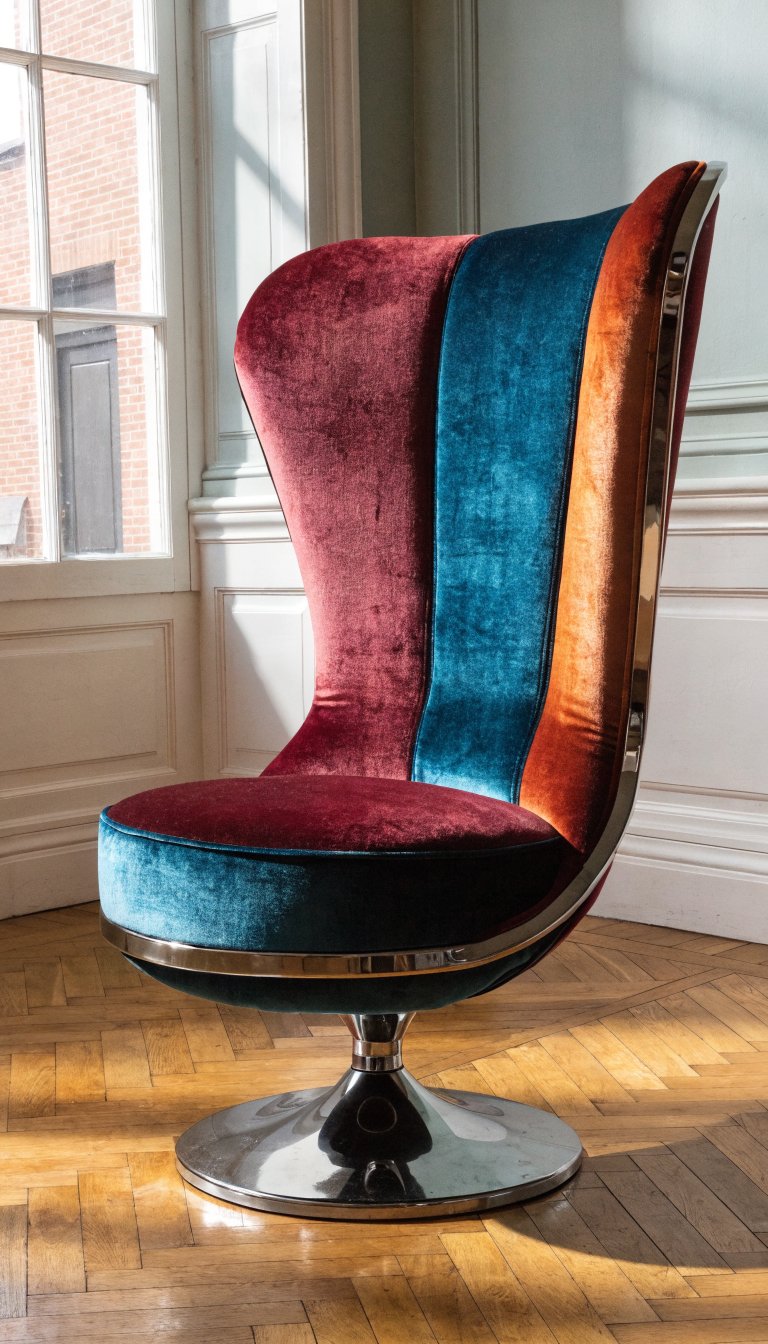
Here’s the thing about eclectic decor that nobody tells you: you need an anchor. This is the secret sauce that separates the pros from the hot mess express. Your anchor could be a color palette, a specific era, a material, or even a feeling you’re going for.
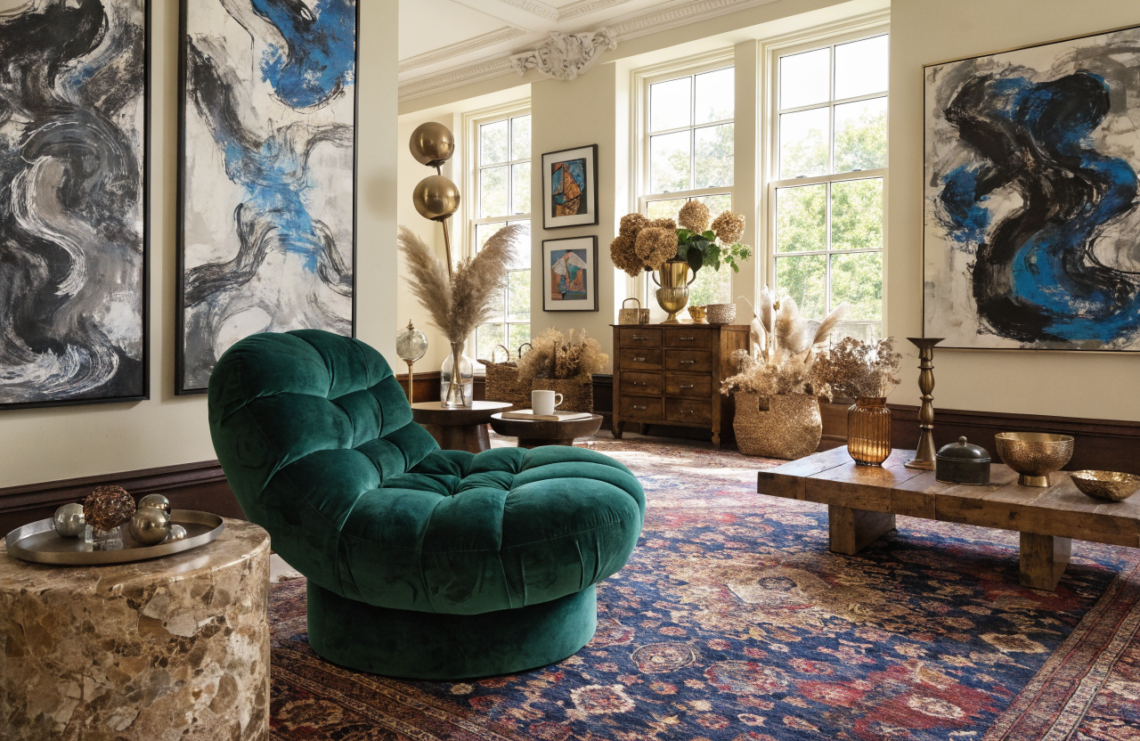
Think of your anchor as the invisible thread tying everything together. Maybe you’re obsessed with jewel tones, so your mid-century chair, vintage Persian rug, and modern abstract art all share those deep emerald and sapphire hues. Or perhaps you’re all about natural materials, so your sleek steel lamp sits next to a reclaimed wood table and woven baskets without anyone batting an eye.
Without this anchor, you’re basically throwing spaghetti at the wall and hoping it sticks. Spoiler alert: it won’t stick, and you’ll just have a mess to clean up.
The 60-30-10 Rule Is Your New Best Friend

Interior designers swear by this ratio, and honestly, it’s a game-changer for eclectic spaces. Here’s the breakdown: 60% should be your dominant style, 30% your secondary style, and 10% your accent pieces (aka the weird stuff you really love but shouldn’t overdo).
Let’s say you’re leaning modern. Make 60% of your furniture and decor clean-lined and contemporary. Then throw in 30% vintage pieces for character. That final 10%? Go wild. That’s where your grandmother’s bizarre ceramic owl collection or your obsession with African mudcloth can shine.
This ratio keeps your space from feeling schizophrenic. You’re not committing fully to one vibe, but you’re also not creating a visual panic attack for anyone who walks through your door.
Repeat Elements Like a Broken Record (But Make It Fashion)

Repetition is criminally underrated in eclectic design. When you repeat certain elements throughout a space, you create cohesion even when everything looks different at first glance.
What to Repeat
You’ve got options here:
- Colors: Pull one shade from your sofa and echo it in artwork, throw pillows, and a vase across the room
- Shapes: Love curves? Make sure rounded mirrors, arched doorways, and circular side tables show up in multiple spots
- Materials: Brass accents on your lighting, cabinet hardware, and picture frames create visual harmony
- Patterns: Mix scale but keep the pattern family consistent—different sized florals or various geometric prints
The human brain loves patterns and predictability, even in spaces that look unpredictable. When you repeat elements, you’re basically giving people’s eyes a roadmap through your eclectic wonderland.
Curate Your Collections (Yes, You Need to Edit)
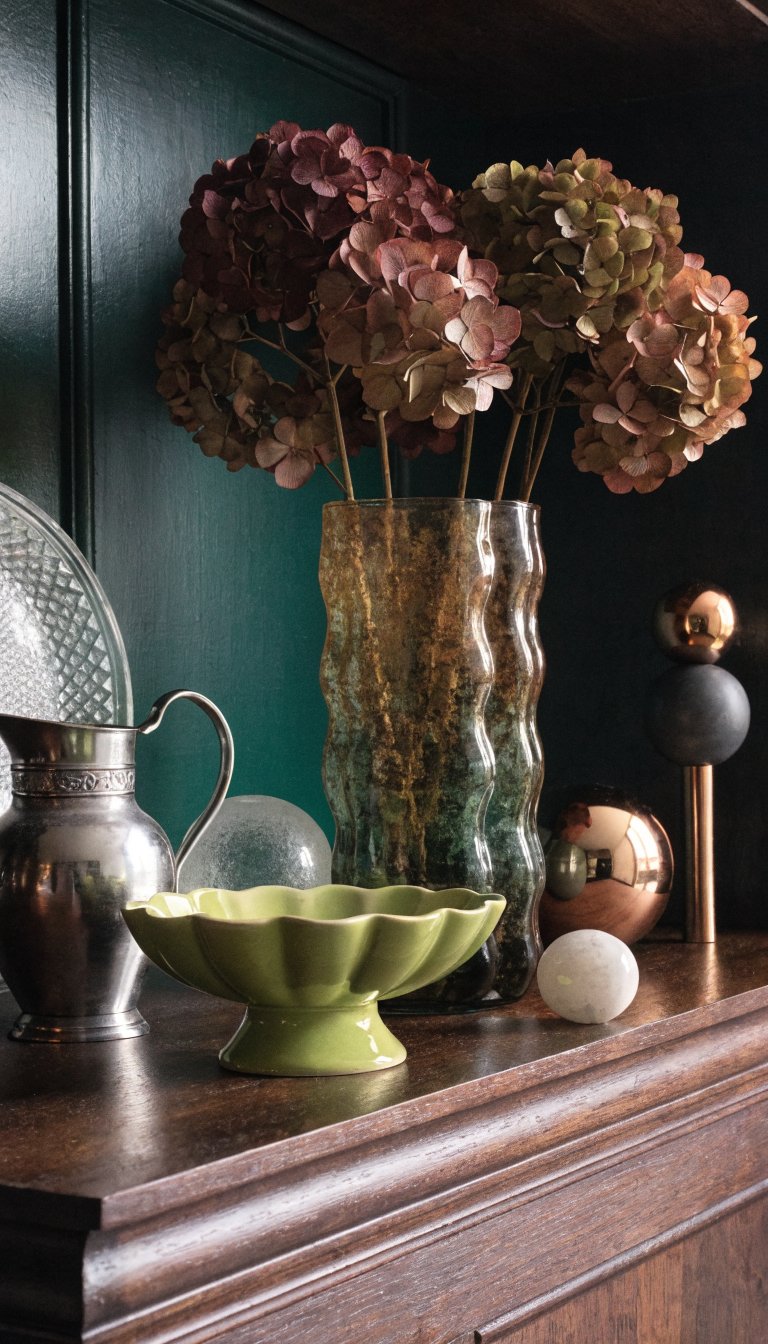
I know, I know. You love all your stuff. But here’s some tough love: displaying every single thing you own makes you look like a hoarder with good taste. The key to eclectic style that feels intentional is editing ruthlessly.
Group similar items together instead of sprinkling them everywhere. Five vintage cameras look like a collection; one in every room looks random. Your travel souvenirs from twelve countries? Pick your top favorites and rotate them seasonally.
White space is not your enemy. In fact, it’s what makes your eclectic pieces pop. When every surface is covered, nothing stands out. Give your favorite items room to breathe, and suddenly they become statement pieces instead of clutter.
The One-In-One-Out Rule
Create a personal policy: every time you bring something new home, something old goes. This forces you to really think about whether that flea market find deserves a spot in your carefully curated space or if you’re just impulse shopping. (We’ve all been there.)
Layer Like Your Life Depends On It
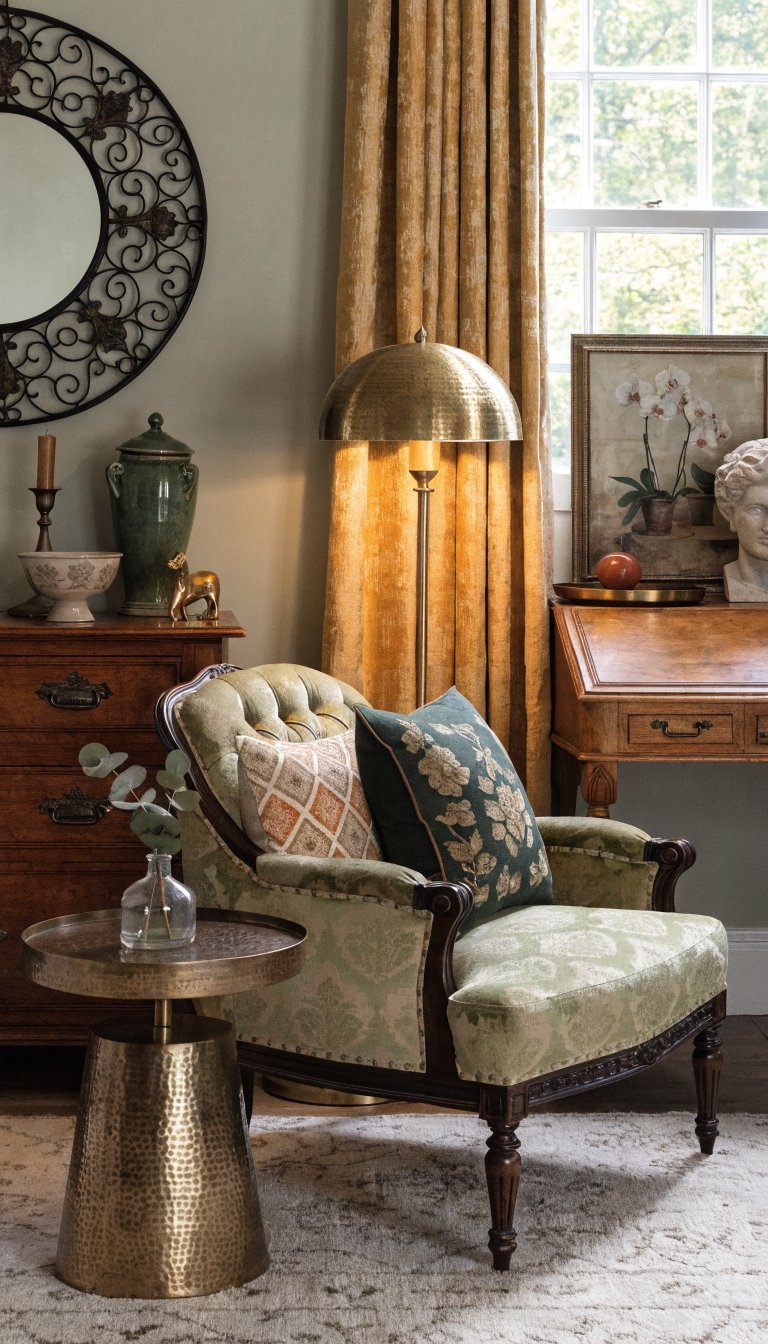
Layering is what makes eclectic spaces feel rich and collected over time rather than bought all at once from a single store. Think textures, heights, and depths.
Stack books on your coffee table, place a small sculpture on top, add a candle. Hang artwork at different heights and overlap frames slightly. Layer rugs—yes, plural. A vintage Persian runner over a natural jute rug? Chef’s kiss.
Vary your heights to create visual interest. If everything sits at the same level, your eye has nowhere to travel. Mix tall floor lamps with low-slung furniture. Place books or risers under decorative objects to elevate them.
The goal is making your space feel like you’ve been collecting pieces for years, even if you moved in last month. FYI, this is exactly what those impossibly stylish influencers are doing—they’re just not telling you the tricks.
Balance Bold With Neutral
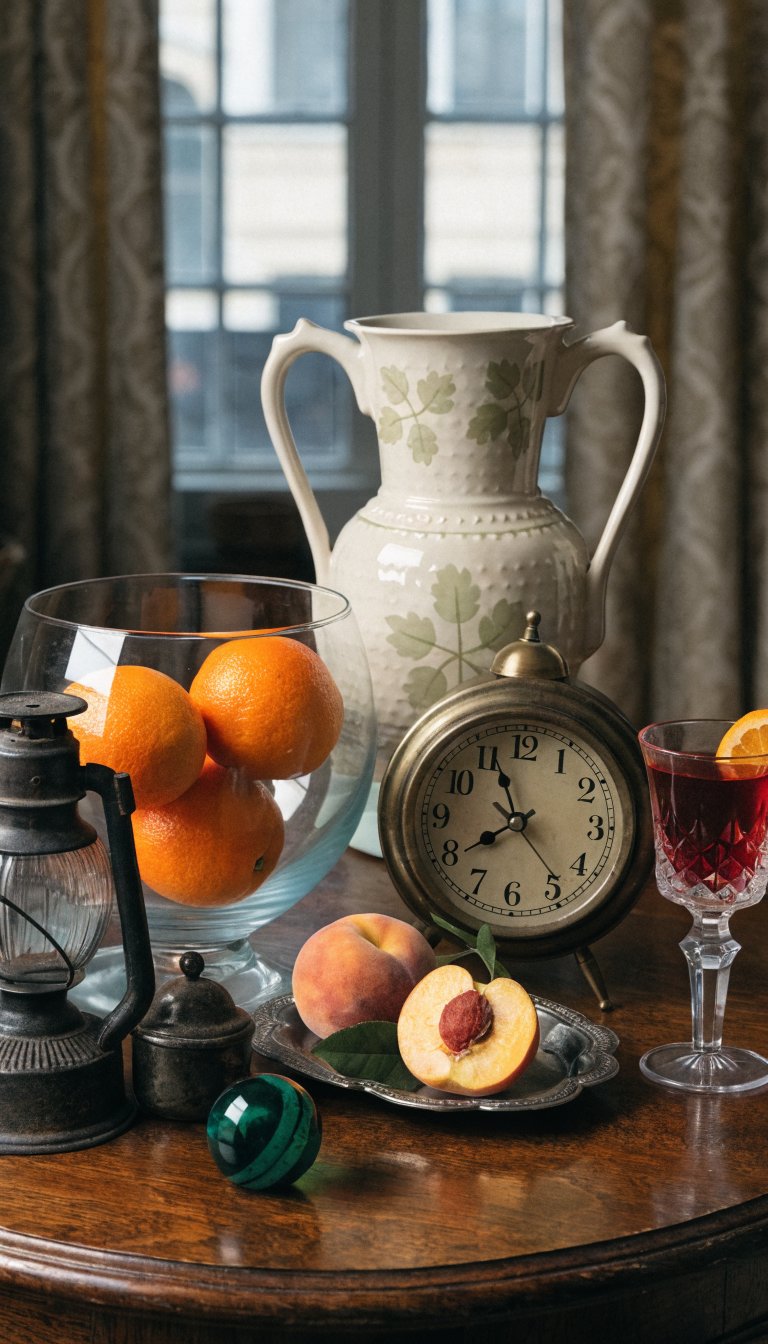
You can absolutely go bold in an eclectic space, but you need to balance it out. If your sofa is a jewel-toned velvet stunner, maybe keep your walls neutral. Got a gallery wall of colorful, mismatched art? Let your furniture play it cool.
This is where a lot of people go wrong. They think eclectic means “everything is a statement piece!” and then wonder why their space feels overwhelming. Not everything can be the star of the show. Some pieces need to be the supporting cast.
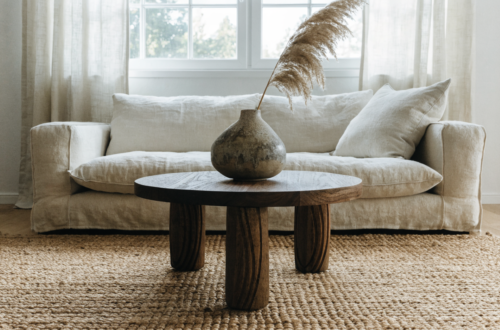
Think of neutral elements as the pause between sentences. They give your eye a place to rest and make your bold choices look even bolder by comparison. A simple linen sofa becomes the perfect backdrop for your collection of wildly patterned pillows.
Trust Your Gut (But Also Get a Second Opinion)
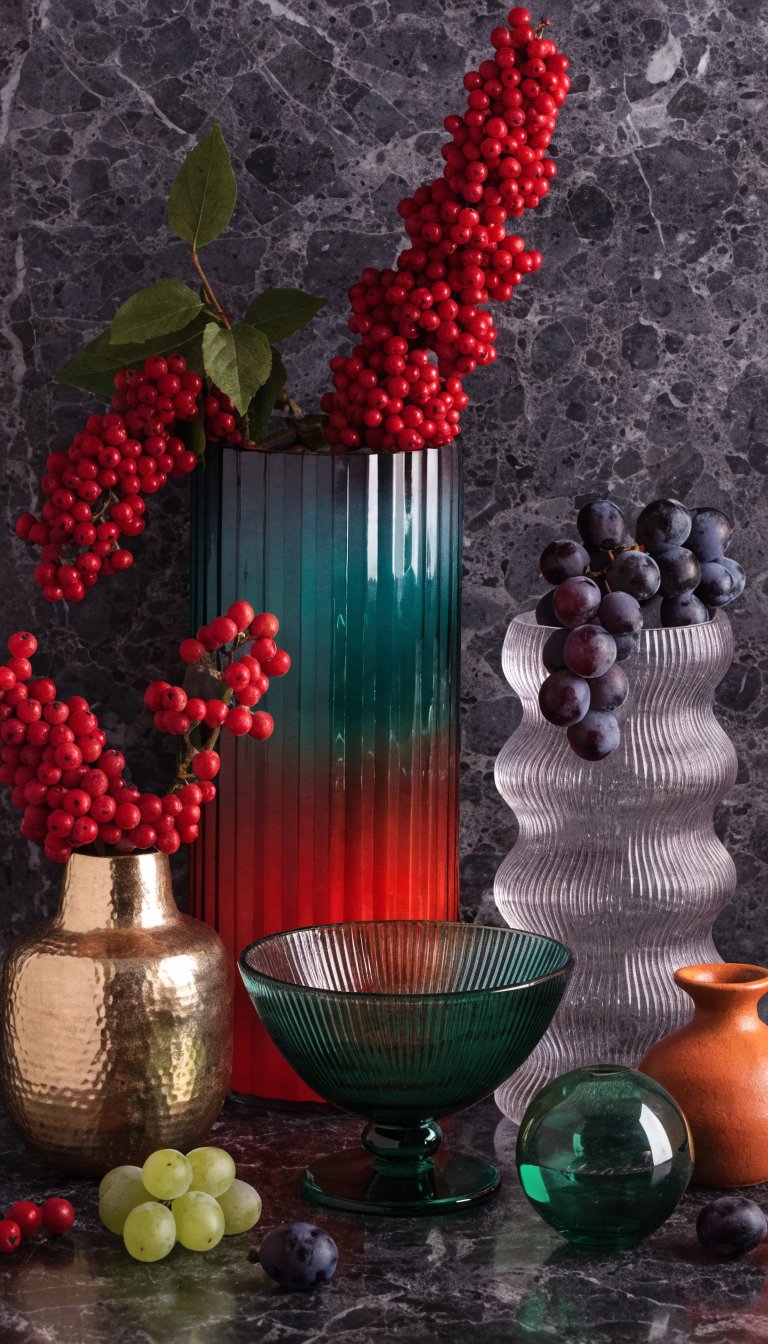
Here’s where I’m going to sound contradictory: while there are rules and guidelines, the best eclectic spaces have personality. If you love something and it makes you happy, find a way to make it work.
That said, we all have blind spots. Sometimes what feels cohesive to you looks chaotic to everyone else. Invite a brutally honest friend over before you commit to that fourth pattern in your living room. Take photos of your space and look at them later—cameras don’t lie, and they’ll show you what’s working and what’s not.
The difference between curated and chaotic often comes down to confidence. Own your choices. When you confidently mix that vintage lamp with your modern credenza because you love them both, people assume you know what you’re doing. Fake it till you make it absolutely applies to interior design.
Frequently Asked Questions
How many different styles can I mix before it looks crazy?
Stick to two or three main styles maximum. You can absolutely mix mid-century modern with bohemian and industrial touches, but throw in farmhouse, coastal, and maximalist too, and you’ve crossed into chaos territory. Remember the 60-30-10 rule—it keeps you honest and prevents style overload.
Can I mix metals in an eclectic space?
Absolutely, and you should! Mixing metals actually adds to that collected-over-time vibe. The trick is to repeat each metal at least twice in the space so it looks intentional. One brass lamp could be a mistake; three brass accents is a choice. Just don’t use every metal in existence—pick two or three and stick with them.
What’s the biggest mistake people make with eclectic decor?
Lacking an anchor or common thread. People grab things they love without thinking about how they’ll work together, and the result feels disjointed. Every piece doesn’t need to match, but they should share something—a color, a vibe, a material, something. Otherwise, you’re just randomly decorating.
How do I know if I have too much going on?
If you walk into your space and don’t know where to look first, you’ve got too much going on. Your eye should be able to travel around the room naturally, with clear focal points. Take a photo—it’s way easier to spot visual clutter in pictures than in person. If the photo feels busy and overwhelming, it is.
Should all my furniture match in an eclectic space?
Definitely not! Mismatched furniture is kind of the whole point. But—and this is important—the pieces should work together through scale, proportion, or style elements. Your dining chairs can be totally different, but they should be roughly the same height and share a color or material. Complete randomness doesn’t equal eclectic; it equals chaos.
How can I make thrifted and high-end pieces work together?
This is actually easier than you think. Quality matters more than price. A well-made vintage piece from a thrift store can absolutely hold its own next to something expensive. The key is making sure everything is in good condition—no stains, chips, or wobbles. Also, mixing price points actually makes your space more interesting. IMO, all expensive looks boring; all cheap looks desperate; mixed looks curated.
Conclusion
Creating an eclectic space that feels curated instead of chaotic is totally doable—you just need to be strategic about it. Pick your anchor, follow the 60-30-10 rule, repeat elements throughout your space, and edit ruthlessly. Layer with intention, balance bold choices with neutral moments, and trust your gut while staying open to feedback.
The beauty of eclectic design is that it’s personal and evolving. Your space should tell your story, not look like a catalog page. Start with these guidelines, break the rules that don’t serve you, and create a home that feels uniquely yours. And remember: the difference between looking curated and looking crazy is often just removing three things and calling it a day.