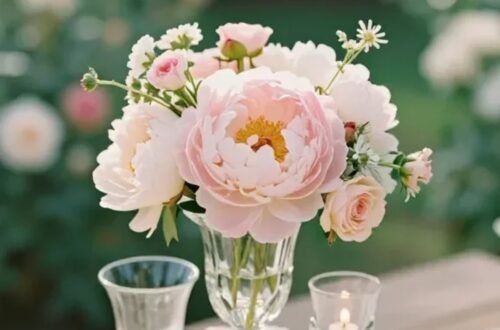
An early-morning garden hums with bees and soft sunlight, the kind that makes you want to reach for a vintage lace handkerchief and pretend you’re in a softly glowing postcard. The air smells like fresh-cut roses, damp earth, and something sweet—maybe a little summer dust on the breeze. A vinyl crackles somewhere nearby, spinning a love-worn melody that feels like your grandma’s handwriting in a scrapbook. You tilt your head and think: this is the kind of wedding I want to remember forever, even if the bouquet trips you up on the way down the aisle.
I get it. Planning a vintage garden wedding sounds magical until you actually start planning, and then it starts to feel intimidating. What if the decor looks tired, not timeless? What if your budget sneaks away like a mischievous breeze? What if your perfect day doesn’t resemble a Pinterest board at all?

You’re not alone. I’ve helped dozens of couples pull off garden weddings that feel lush, nostalgic, and totally “you” without turning into a DIY sprint that exhausts everyone. Consider me your friend with a cup of tea and a clipboard. I’ve learned the core philosophy of a vintage garden wedding is less about recreating an era and more about curating a mood—soft, romantic, and a little imperfect in the most charming way.
So what exactly is the secret sauce? It’s about layering textures, patina, and nature in a way that tells a story. It’s about letting greenery do the talking, choosing flowers with character, and mixing heirloom touches with modern comfort. It’s about designing for photos that look like a memory you haven’t quite lived yet. It’s about feeling effortless while actually being a little meticulous. And yes, we’ll have a little fun with it along the way.
Let’s dive into the ten main ideas that will guide your planning, with some practical tips you can use right now. I’ll pepper in quick asides, real-world examples, and a few “FYI” moments to keep things grounded.
1. Set the Scene: The Garden as Your Canvas

Your venue sets the backdrop, so start by letting the garden speak first. Think about the rhythm of the space: where the sun hits in the late afternoon, where the shade is deepest, and where you can position seating to catch the best light for photos.
– Choose a garden that already has character: old trees, weathered stone, charming gateways.
– Look for natural frames: arches of vines, a grape trellis, or a sunlit clearing.
– Leave space for movement: you want guests to wander, not feel boxed in.
A practical tip: sketch the space on a simple map. Mark ceremony, reception, dance floor, bar, photo spots, and restrooms. It sounds nerdy, but it saves you hours of back-and-forth later.
2. Decor with Patina: Vintage Details that Sing

The magic of vintage is not perfection—it’s patina, stories, and little quirks that make your day feel lived-in and intimate.
– Gather heirloom pieces: a metal folding chair, a chipped china plate, a weathered basket.
– Mix textures: linen runners, burlap, lace, and soft wool blankets for cooler evenings.
– Play with color in muted tones: dusty pinks, sage greens, ivory, and antique gold.
Tip: choose a few standout pieces as anchors (a grand chandelier, a vintage table, a floral arch) and sprinkle smaller finds around to create a cohesive, “curated thrift shop” vibe.
3. Flowers with Character: Think Nostalgic, Not Flawless

Floral design in a vintage garden look thrives on personality. Don’t chase modern pristine—embrace asymmetry, heirloom varieties, and a little whimsy.
– Favor garden roses, ranunculus, and peonies in soft hues.
– Add texture with greenery like dusty miller, silver dollar eucalyptus, and ferns.
– Consider vase variety: mismatched vintage bottles, hobnail jars, and tin cans for a carefree vibe.
H3: DIY Bouquets for the Brave
If you’re up for it, craft your own bouquets with a friend. Use simple wraps, twine, and a few antique ribbons. It’s not about flawless florals, it’s about a look that feels thoughtfully imperfect.
4. Attire That Feels Like You, Not a Costume

Your wedding attire should echo the garden’s mood without costing a fortune or turning into a battle with a stuffy dress code.
– For brides: vintage-inspired silhouettes, lace overlays, or tea-length gowns can feel timeless without looking costumey.
– For grooms: lightweight suits, seersucker, or three-piece numbers with a vintage tie.
– Guests: encourage soft fabrics and gentle colors so the scene remains cohesive.
A practical approach: rent or borrow a key piece (like a veil or a statement boutonnière) to achieve that vintage vibe without a full commitment.
5. Lighting That Turns Twilight into Magic

Evening is when a garden truly shines, so plan lighting that feels warm and intimate rather than overpowering.
– Use a mix of warm string lights, lanterns, and candles in glass jars.
– Place fairy lights on trees to create a canopy effect.
– Add a few bold focal points, like a vintage chandelier over the dance floor or a softly lit arch for the ceremony.
Pro tip: shop for solar-powered options if you’ll be outdoors before sunset or want to keep things easy on the budget.
6. Tablescape Tales: A Sit-Down Story

Your tables are where guests relax, chat, and soak in the vibe. A vintage garden table setting should feel abundant and inviting, with occasional surprises.
– Choose table runners in faded hues and mix in lace overlays.
– Use mismatched vintage china and glassware for character.
– Create centerpieces that combine blooms with old-world objects (a teapot filled with flowers, a candle holder with a little patina).
H3: Menu as Memory
Pair dishes with a story. Perhaps a family recipe, or a dish named after a beloved pet or place. Serve family-style to encourage conversation and a sense of togetherness.
7. The Ceremony You’ll Want to Revisit in Photos

A garden ceremony should feel intimate, personal, and unhurried. Build a setup that invites guests to lean in and listen.
– Choose a simple, pretty backdrop, like a floral arch or a trellis wrapped in greenery.
– Consider a live musician for a mellow soundtrack rather than a full band.
– Use a short, heartfelt program that readers can tuck into their bouquet or pocket.
H3: Personal Vows, Big Impact
If you write your own vows, keep them concise and meaningful. A few lines about your shared history and future plans will be timeless in photos.
8. The Timeline that Keeps the Day Flowing

Vintage or not, a relaxed timeline keeps nerves calm and joy high.
– Plan a ceremony window of 20-40 minutes, then 6-8 hours for the reception depending on your venue.
– Build buffer times between big moments to account for weather, photos, or lingering conversation.
– Schedule breaks for guests to explore the garden—they’ll love it.
Tips: share a simple day-of schedule with key players (vendors, family, and wedding party) a week ahead so nothing surprises anyone.
9. Budgeting Without Losing Your Mind

Yes, a vintage garden wedding can be a budget-friendly dream if you approach it with smart choices.
– Prioritize what matters most: location, photographer, and a few standout decor pieces.
– DIY where it makes sense (flowers, place cards, signage) and outsource what doesn’t.
– Use your network: borrow an arch, a vintage console, or a preferred vendor’s favorites.
H3: Where to Save, Where It’s Worth Splurging
Splurge on photography to capture the mood and your outfits in flattering light. Save on heavy decor by reusing natural surroundings and elements you already own.
10. The Afterglow: Moments to Capture and Cherish

The day-after energy should follow you into a soft, content glow.
– Plan a few candid photo moments after sunset—the garden looks magical under lantern light.
– Create a keepsake station with a guest book that doubles as a photo message wall.
– Leave guests with a tangible memory: a small plant, seed packets, or a vintage note card as a favor.
H3: Etiquette and Comfort
Provide sunscreen, water stations, and sheltered seating for guests who might be sensitive to sun or heat. A little thought goes a long way.
FAQ
What’s the easiest way to start planning a vintage garden wedding?
Begin with a mood board and a practical space plan. Pick a few anchor pieces (arch, vintage furniture, or a standout chandelier) and build your color palette around them. Then map out your timeline and budget, keeping flexibility in mind for weather and delays.
How do I incorporate family heirlooms without the look feeling crowded?
Choose 2-3 key heirloom pieces to feature—like a grandmother’s lace veil or a grandfathered pocket watch. Use them as focal elements in your decor or ceremony backdrop, and keep other pieces as subtle accents to avoid visual overload.
Is it okay to mix new and vintage decor?
Absolutely. The charm of vintage comes from the mix. Pair a modern table linen with vintage china, or combine new florals with aged glassware. It creates a living, breathing scene rather than a museum display.
What should I do if it rains on the big day?
Have a backup plan that preserves the mood. Clear tents, a nearby indoor space with a garden vibe, or indoor-outdoor furniture can keep the flow. Keep candles lit and use the rain as a romantic, cinematic moment in photos.
How can I keep guests comfortable in a garden setting?
Provide shaded seating areas, hydration stations, and light snacks. Consider a fan or parasol for sunny days and ensure restrooms are easy to locate. A little comfort goes a long way toward relaxed conversations and happy memories.
What about vendors—how early should I book?
Book your venue and photographer first, then the rest of the team in 6-12 months. Venues and photographers book far in advance for peak seasons, so don’t sleep on your dream team.
Conclusion
If you’re chasing a wedding that feels timeless, tactile, and a little whimsical, a vintage garden setting could be your perfect match. It isn’t about chasing a pastiche of the era; it’s about building a mood that embraces the garden’s own poetry—soft light, gentle textures, and a few perfectly imperfect details that tell your story with warmth.
The secret, truly, is to design around emotion rather than aesthetics alone. Let the space breathe, choose pieces with history, and invite guests to wander, linger, and toast to your future beneath a canopy of twinkling lights. Do that, and your photos will feel like a memory you’ve held close for years—long before you even say, “I do.”
If you want help turning this into a concrete plan with checklists, vendor lists, and a tailor-made timeline, I’m here for you. IMO, the best part of planning a vintage garden wedding is watching the garden do the heavy lifting—every petal, every breeze, every soft glow working together to create a day you—and your people—will remember with a smile for decades. FYI, you’ve got this.