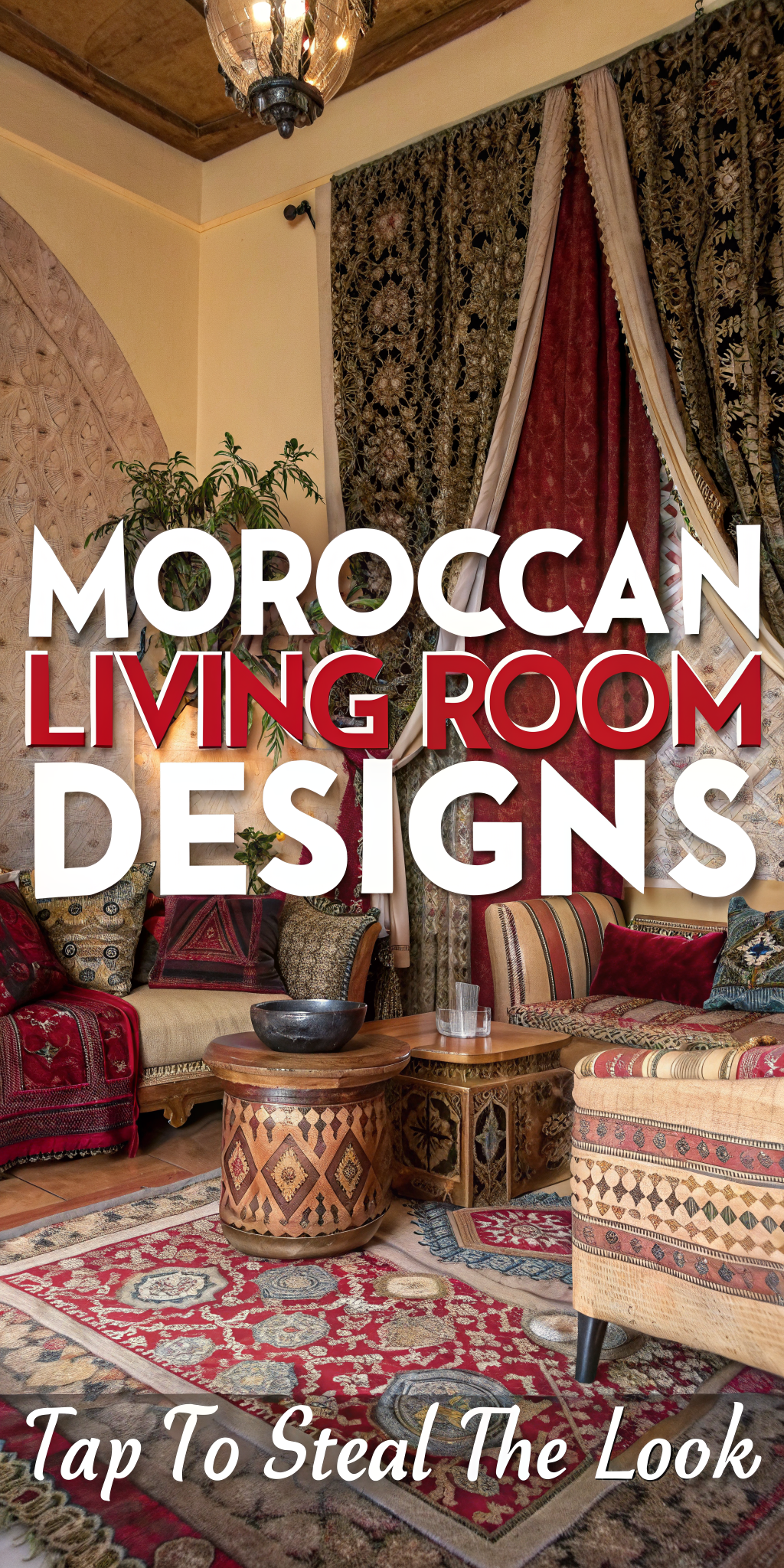
You know that perfectly styled Moroccan living room you saw on Instagram? The one with every cushion perfectly placed and not a single item out of alignment? Yeah, nobody actually lives like that. The real magic of Moroccan design isn’t about creating a museum piece—it’s about crafting a space that wraps you in warmth and makes you want to kick off your shoes and stay awhile.
Let me show you how to nail that effortlessly lived-in vibe without looking like you just ransacked a souk.
Ditch the Matchy-Matchy Mindset
The biggest rookie mistake? Buying a complete “Moroccan collection” from one store and calling it a day. Real Moroccan homes evolved over generations, with pieces collected from different artisans, markets, and family heirlooms. Your space should tell the same kind of story.
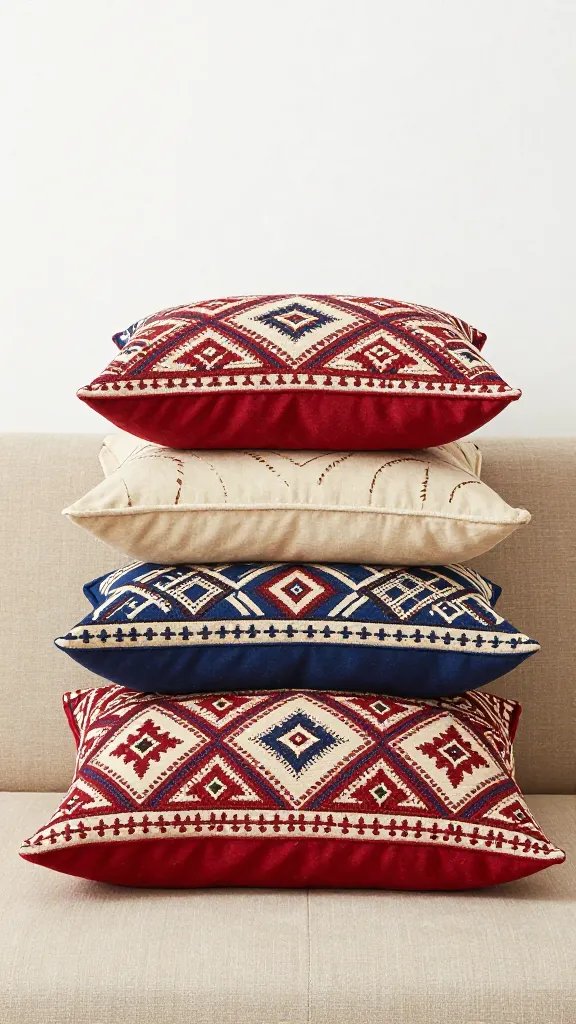
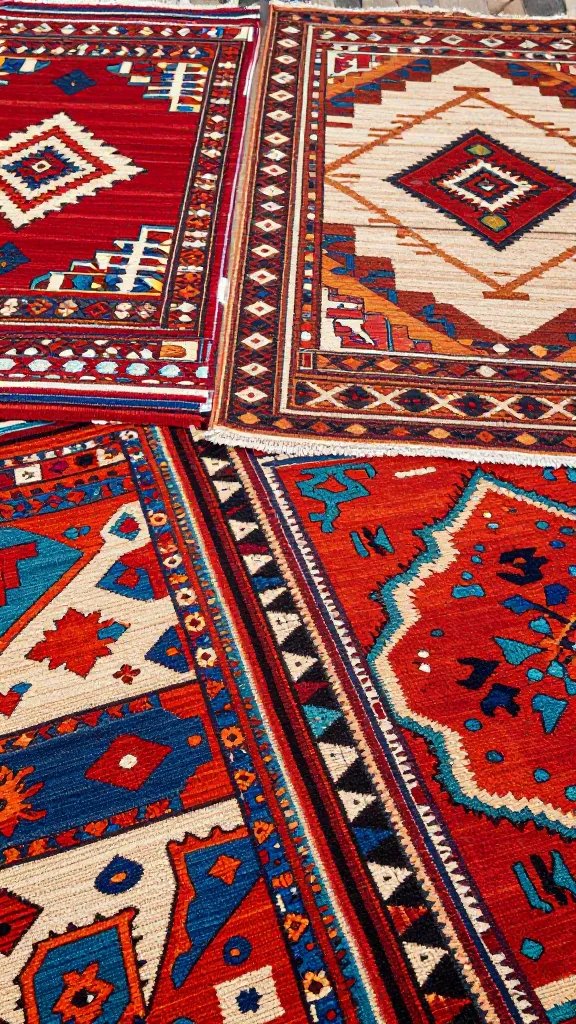
Start mixing patterns like your life depends on it. Pair geometric tiles with floral embroidery. Throw a tribal rug next to an intricate carved table. The secret is keeping your color palette relatively consistent while letting the patterns go wild. Think of it like jazz—you need a common thread, but the beauty is in the improvisation.
Layer textiles from different regions and eras. That vintage Beni Ourain rug? It should absolutely live next to your new kilim pillows and that suzani throw you scored at the flea market. The slight variations in age and origin create depth that no matching set ever could.
Let Imperfection Be Your Guide
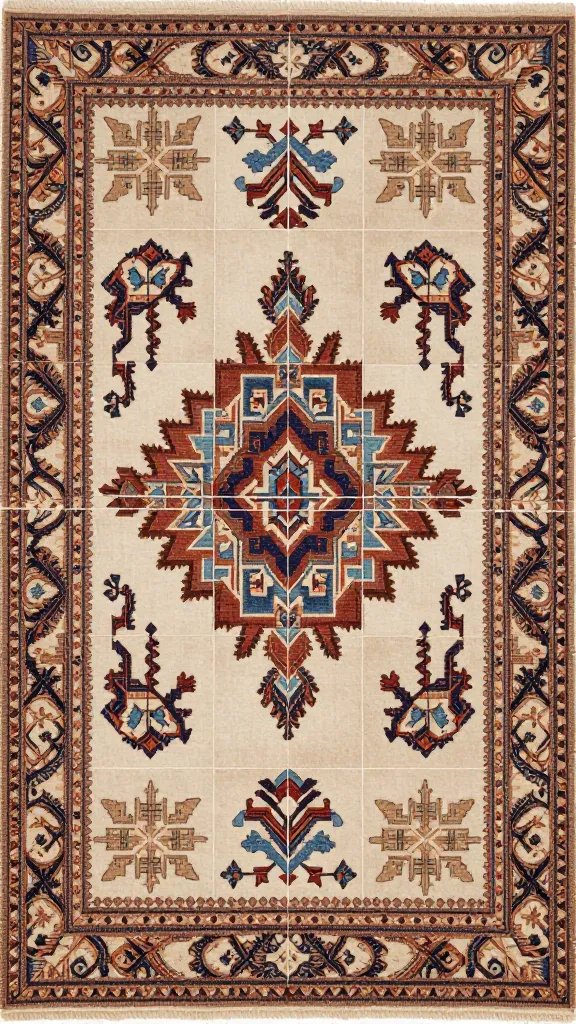
Here’s something they don’t tell you in design magazines: Moroccan artisans don’t stress about perfection. Hand-hammered brass lanterns have dimples. Zellige tiles have slight variations. Handwoven textiles are gloriously irregular. These “flaws” are actually features that prove real humans made these things with their actual hands.
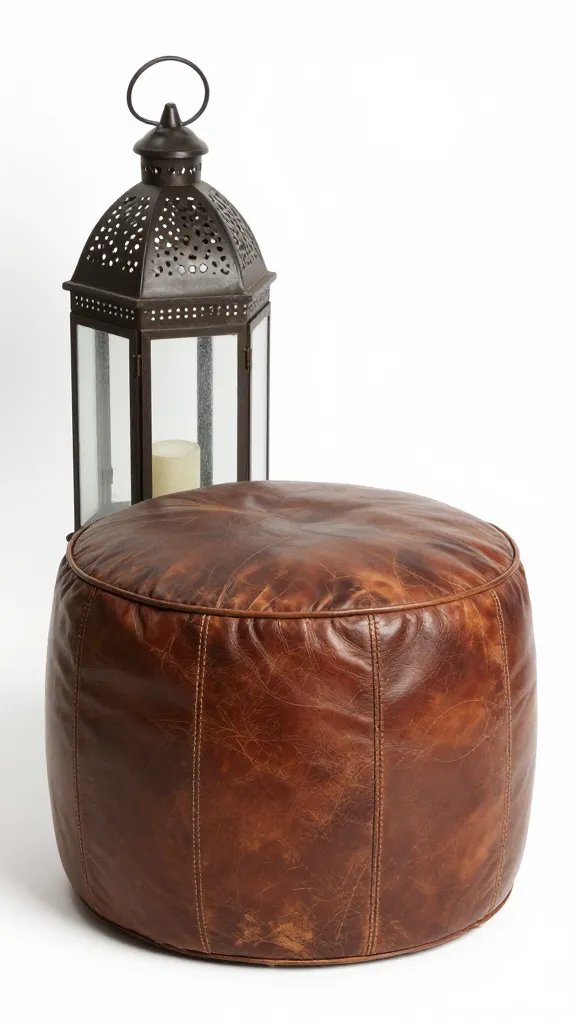
Embrace pieces with visible wear. That slightly tarnished silver tea set? Keep it. The poufs with fading leather? Even better. These imperfections add character and make your space feel like people actually exist in it, not like you’re running a showroom.
The Art of Strategic Messiness
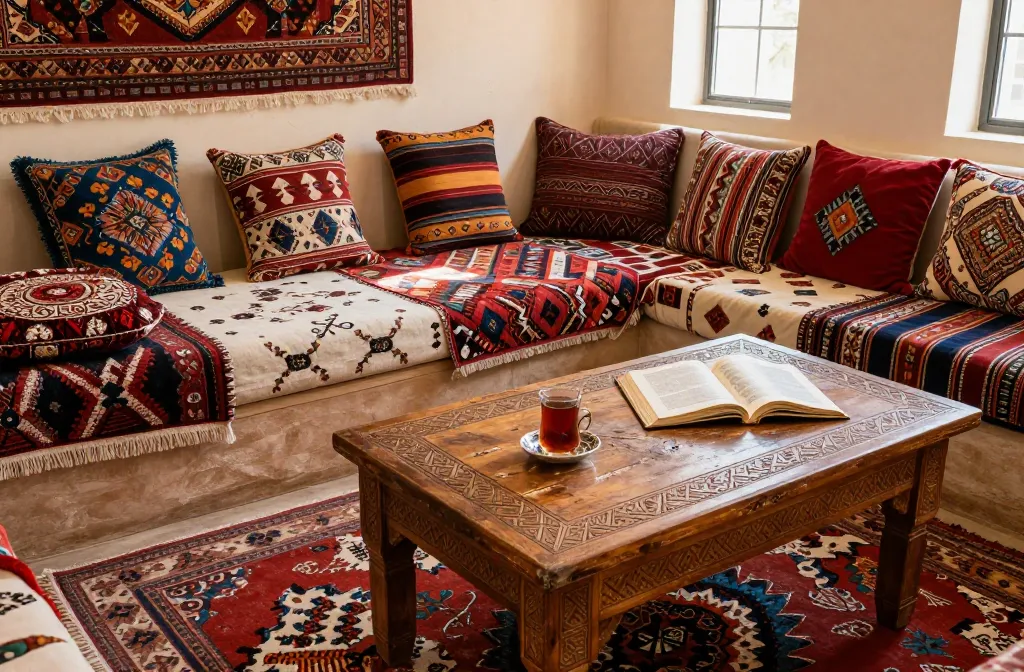
I’m not saying trash the place, but a few carefully placed elements of “life in progress” work wonders. Stack some well-loved books on your coffee table. Drape a throw blanket like you just used it (because you did). Leave a tea glass on a side table. These tiny details separate “decorated” from “lived in.”
Build Cozy Corners, Not Just Seating Areas
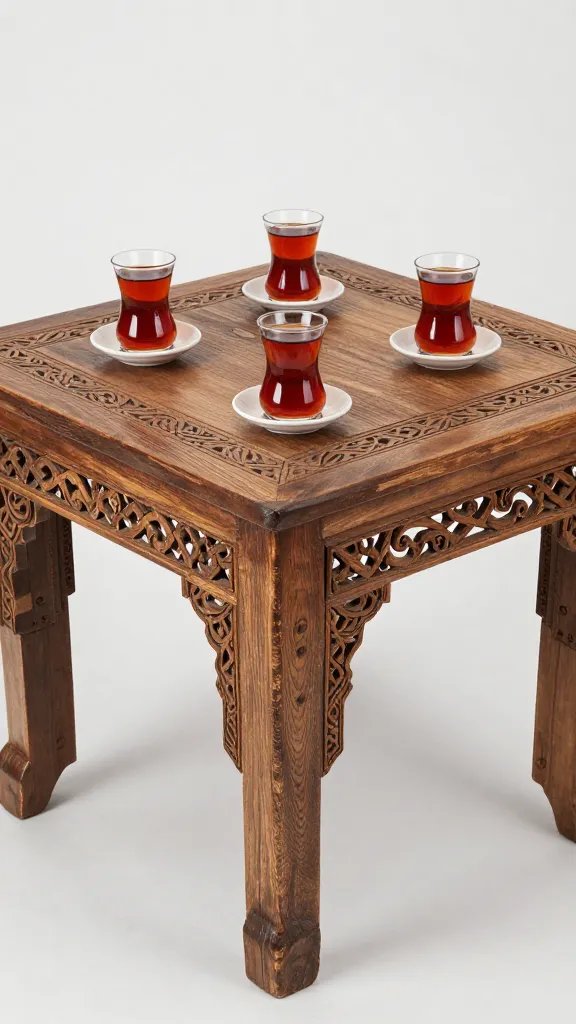
Moroccan design is all about creating intimate spaces within larger rooms. Forget the traditional sofa-facing-TV setup. Instead, think about building multiple conversation nooks where people naturally gravitate.
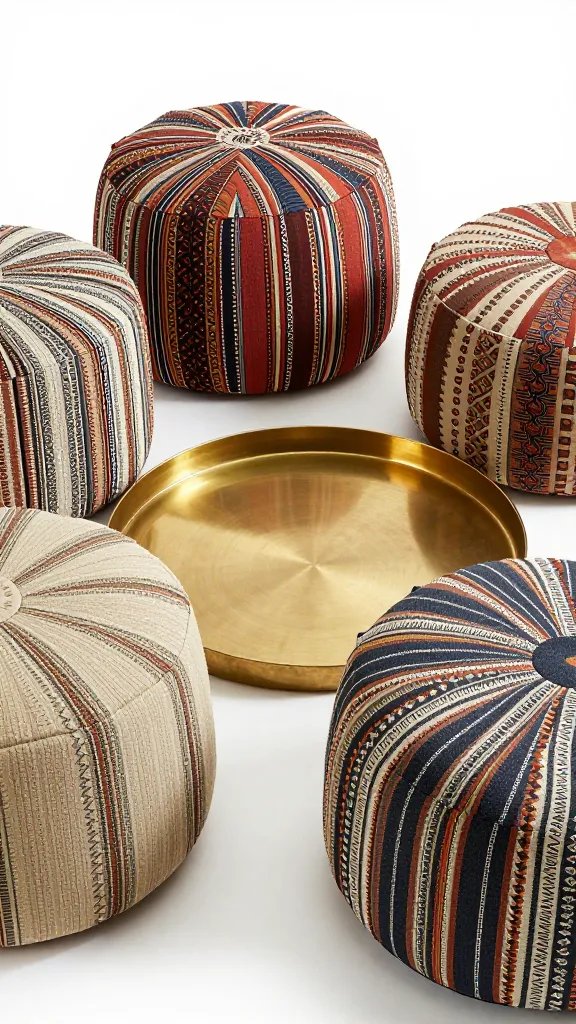
Low seating is your best friend here. Floor cushions, poufs, and low-slung sofas encourage people to get comfortable and stay. Layer these elements at different heights to create visual interest and accommodate different sitting preferences. Some people love sprawling on floor cushions, while others need a bit more back support.
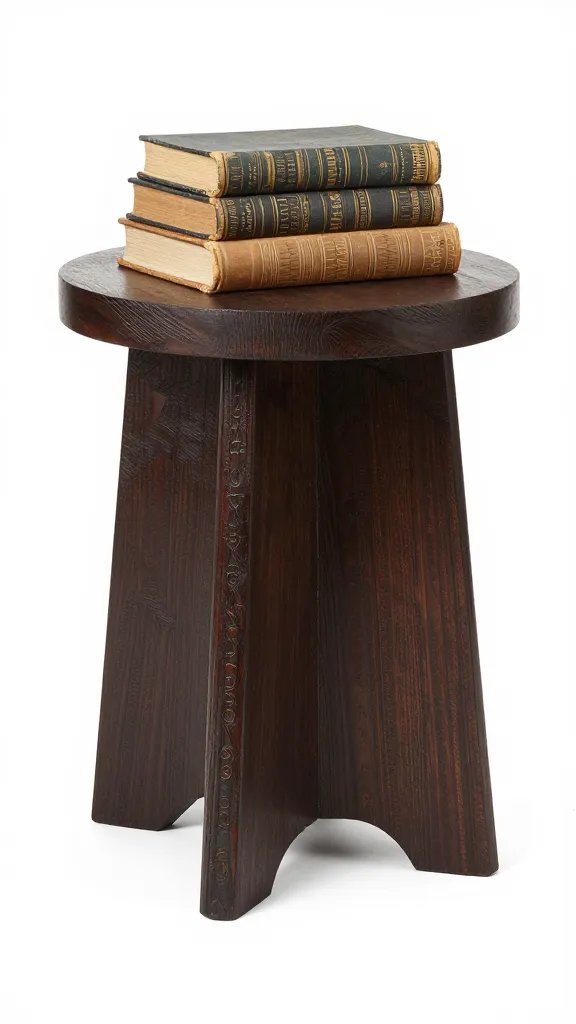
Add side tables within arm’s reach of every seating spot. Nothing fancy—just small carved wood tables, metal trays on stands, or even stacked vintage books topped with a decorative tile. The point is functionality disguised as decoration.
Light It Like You Mean It
Overhead lighting is the enemy of ambiance. There, I said it. Moroccan spaces glow rather than glare, and you achieve that through layers of light sources scattered throughout the room.
Invest in multiple lanterns of varying sizes. Hang some from the ceiling at different heights. Place others on tables and in corners. Mix metal finishes—brass, copper, silver—because real homes accumulate pieces over time. When you light the candles inside (or use LED candles if you’re less brave), the perforated patterns throw gorgeous shadows everywhere.
String lights aren’t traditional, but IMO they work beautifully when woven through architectural details or draped along walls. Just stick with warm white bulbs—no one needs their Moroccan sanctuary looking like a nightclub.
Textures Should Fight (In a Good Way)
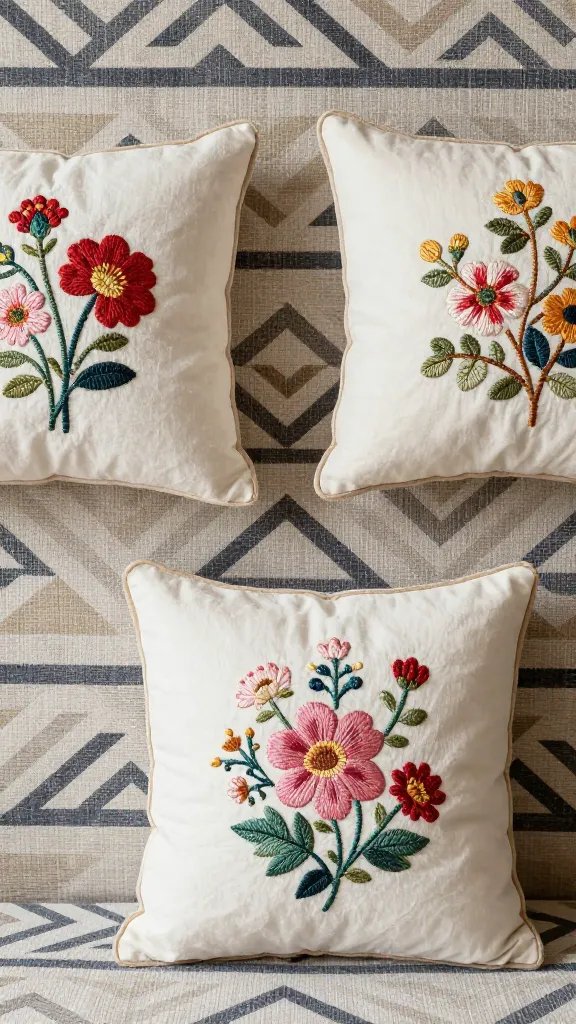
A lived-in Moroccan room hits all your senses, and texture is the secret weapon. You want smooth next to rough, soft beside hard, shiny contrasting with matte. This creates a tactile richness that begs people to touch things.
Think about these combinations:
- Plush wool rugs against cool zellige tile floors
- Smooth leather poufs next to nubby woven cushions
- Hammered metal lanterns beside carved wooden screens
- Silky throws draped over rough-hewn wooden benches
- Glossy ceramic plates displayed against textured plaster walls
Don’t Forget Your Walls
Bare walls scream “just moved in.” Add depth with carved wooden panels, vintage mirrors with ornate frames, or collections of small decorative plates. Hang things at unexpected heights—not everything needs to be at eye level. Real homes accumulate wall decor over time, so your arrangement should feel organic, not grid-like.
Bring In the Green Stuff
Plants aren’t exactly traditional Moroccan interior elements, but FYI, they’re absolutely essential for making any space feel alive. Plus, the contrast between lush greenery and rich textiles is chef’s kiss.
Go big with potted palms, fiddle leaf figs, or bird of paradise plants in decorative ceramic planters. These architectural plants complement the bold patterns without competing. Scatter smaller succulents and trailing plants on shelves and tables for variety.
Use traditional Moroccan ceramics as planters. Those colorful hand-painted pots serve double duty as art pieces and functional plant homes. Instant authenticity points.
Make Your Coffee Table a Storytelling Centerpiece
Your coffee table should look like you just cleared a spot to set down your mint tea, not like you staged it for a photo shoot. The key is creating organized chaos that feels intentional.
Start with a decorative tray—ideally something brass or hand-painted. This gives you a defined space to work with. Then layer in actual stuff you use: a stack of books about Moroccan culture or travel, a small plant, a candle, maybe some decorative boxes that actually store your remote controls.
Switch things up seasonally or whenever you bring home something new. The coffee table should evolve, not stay frozen in time. That’s how you know people actually live there.
Frequently Asked Questions
Do I need to travel to Morocco to get authentic pieces?
While shopping in Moroccan souks is an amazing experience, you definitely don’t need a plane ticket to create an authentic space. Look for artisan imports at local markets, specialized online retailers, and even estate sales where people are selling their travel treasures. The key is choosing handmade items with visible craftsmanship rather than mass-produced “Moroccan-style” stuff from big box stores.
How do I keep the space from looking too busy with all these patterns?
Stick to a cohesive color story—warm earth tones, jewel tones, or cool blues, for example. When your colors harmonize, patterns can clash all day long without overwhelming the eye. Also, give yourself some visual